
2027 Stoughton Hopper Trailers For Sale
Shop 2027 Stoughton hopper trailers for grain and ag hauling. Compare side height, capacity, tarp, suspension, trap doors, and spec details.
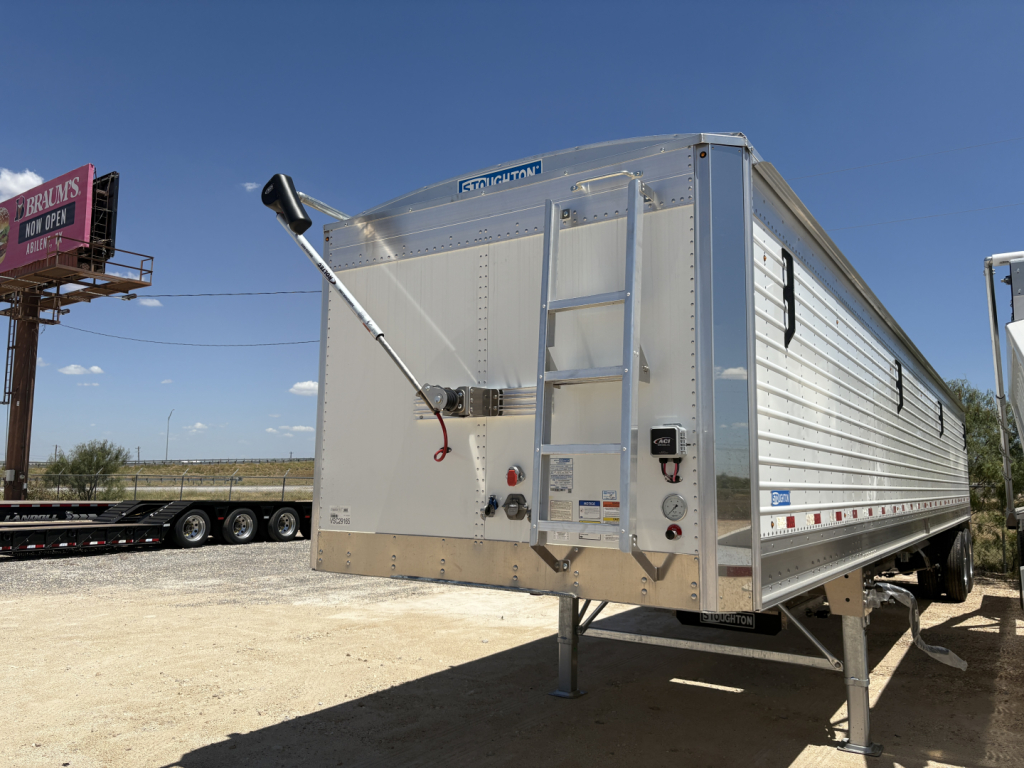
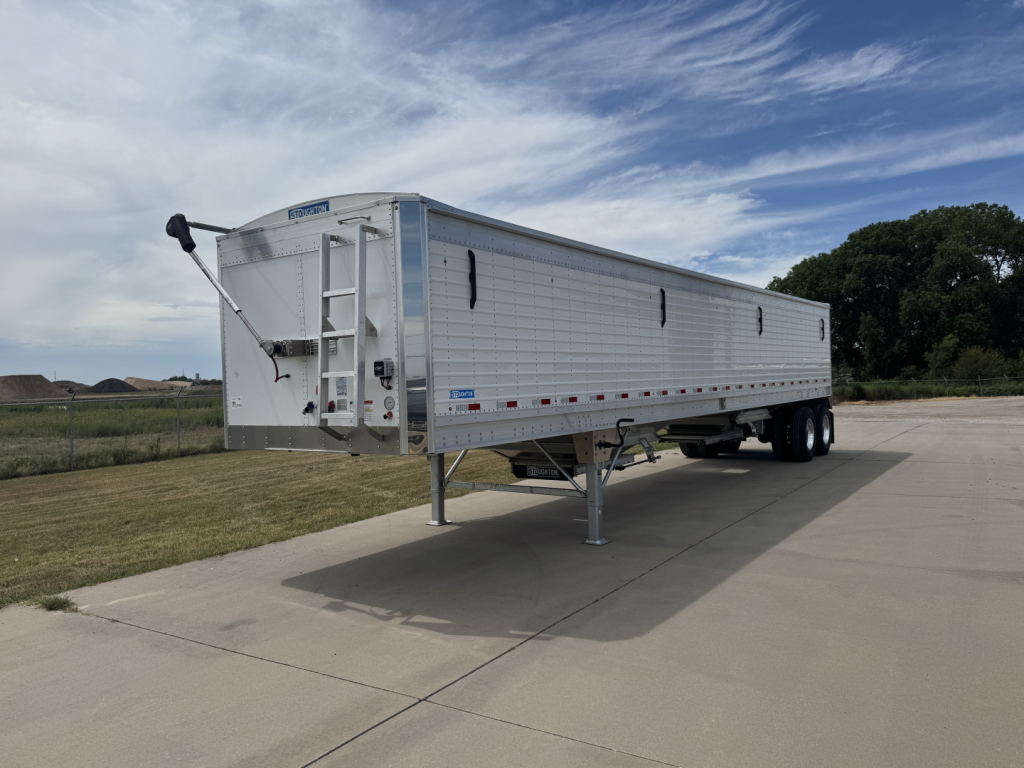
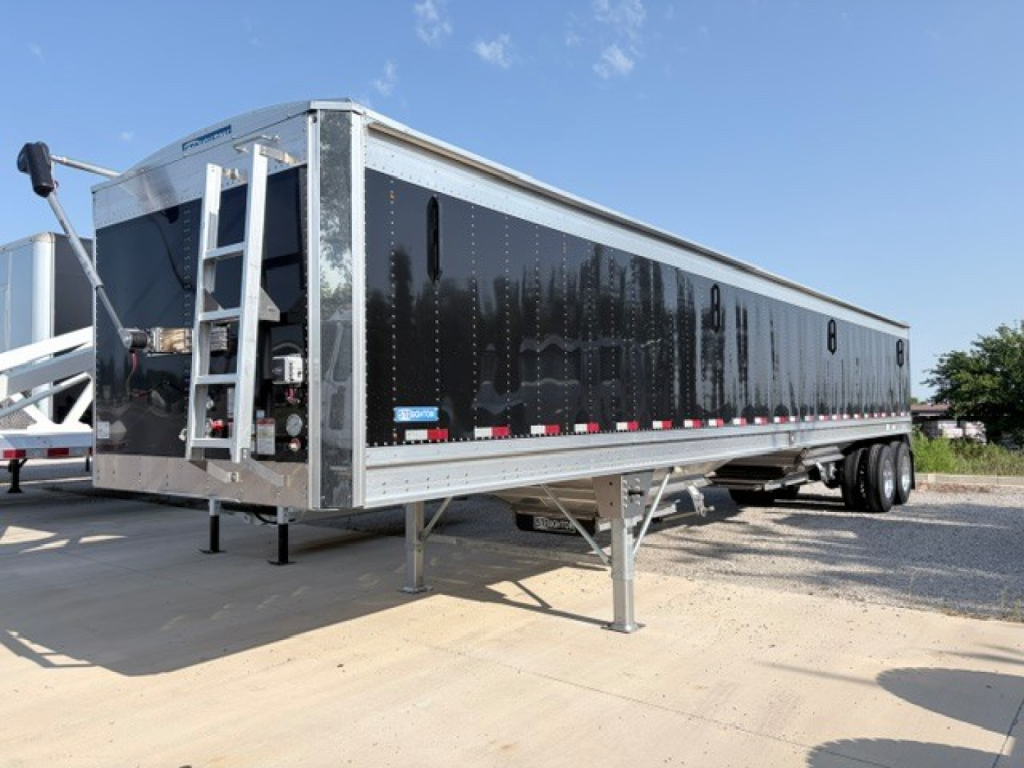
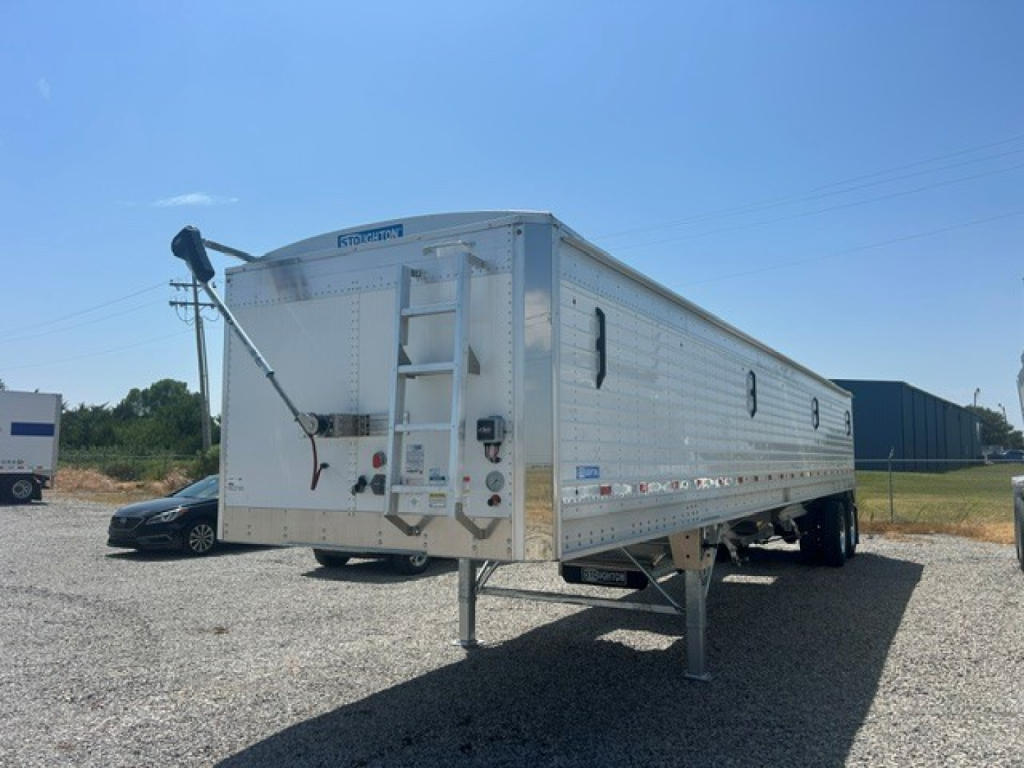
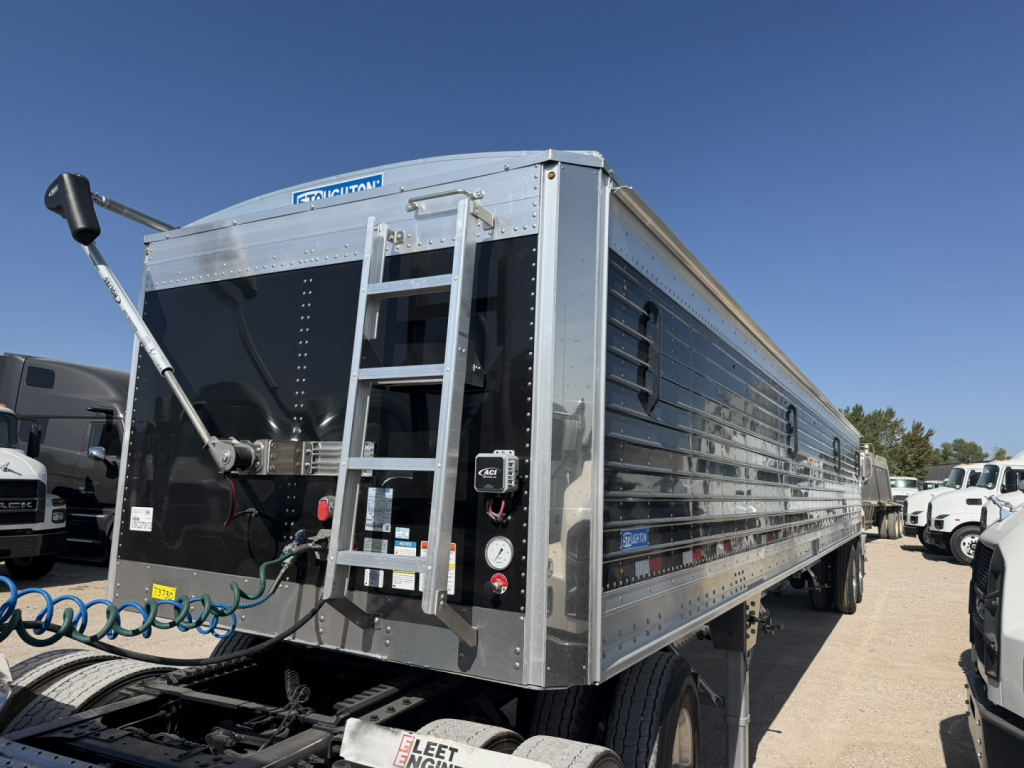
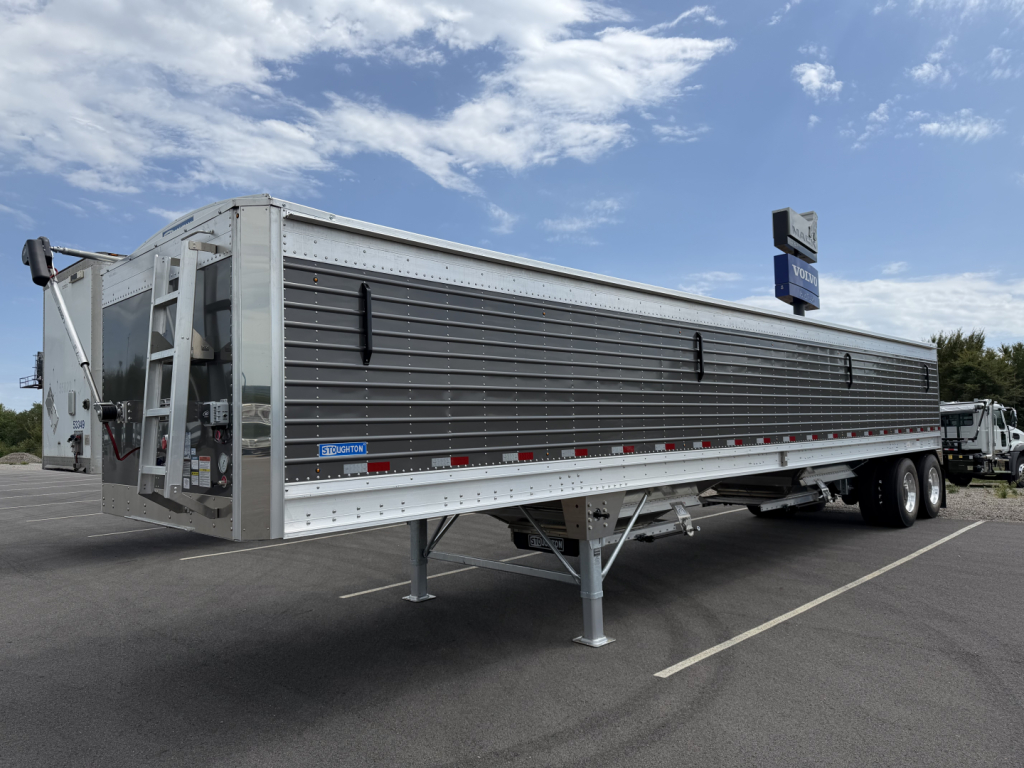
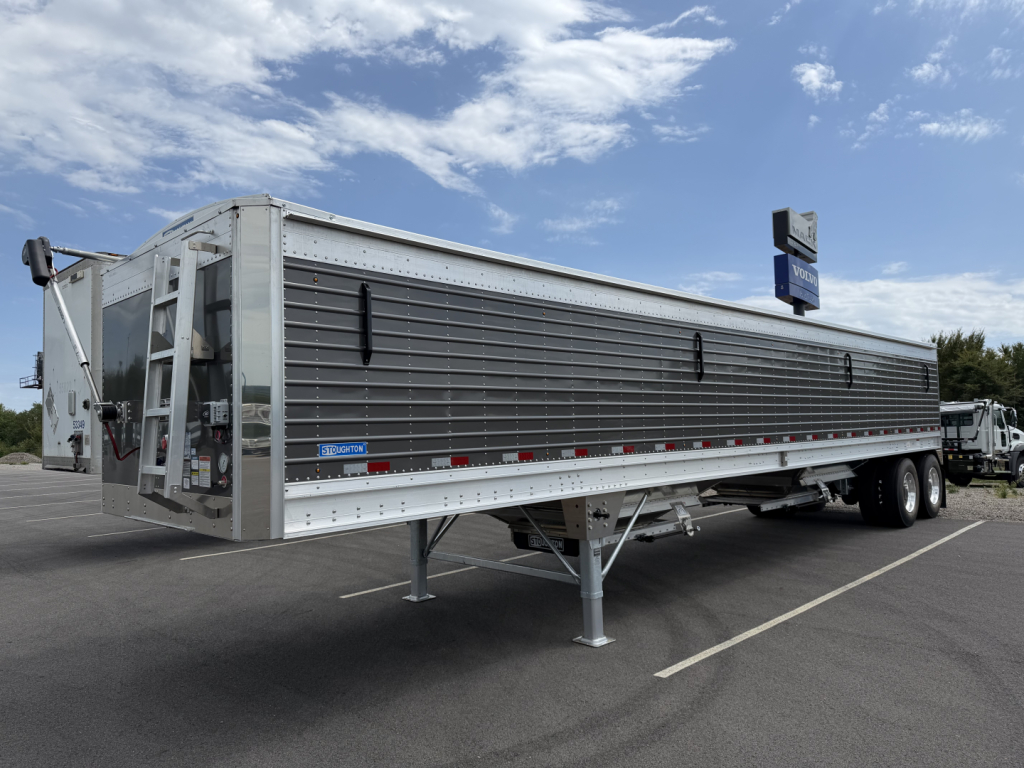
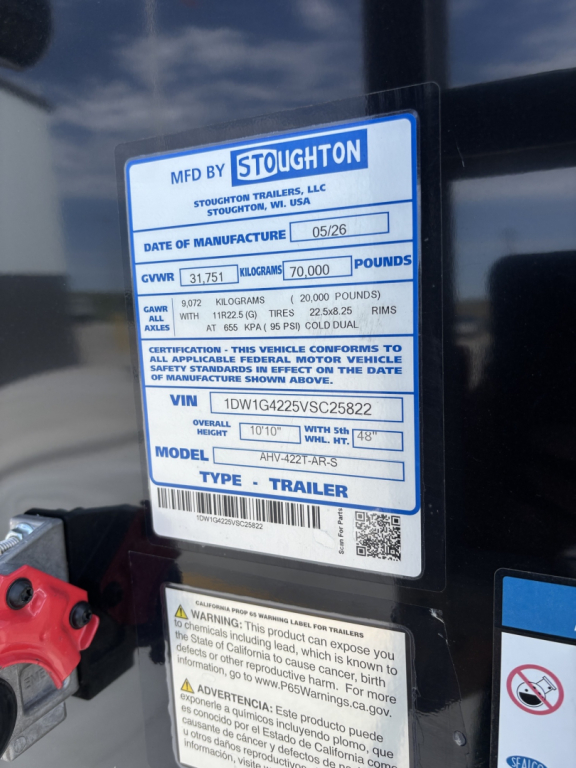
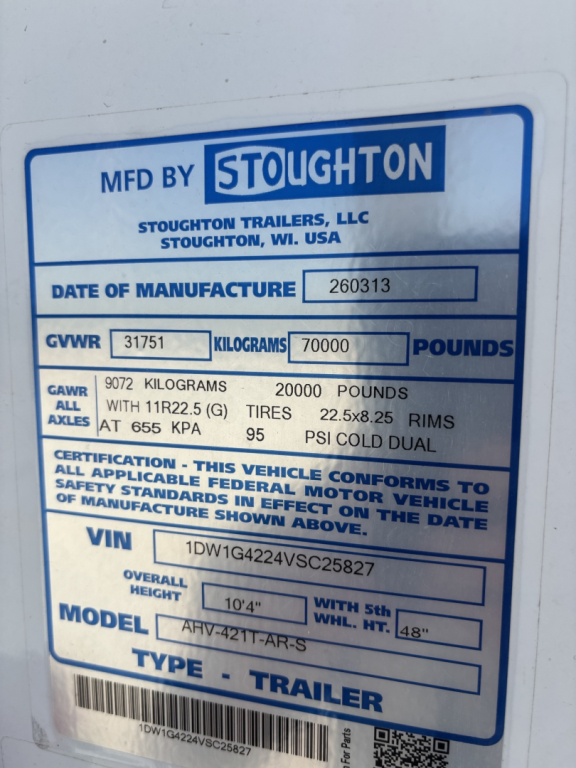
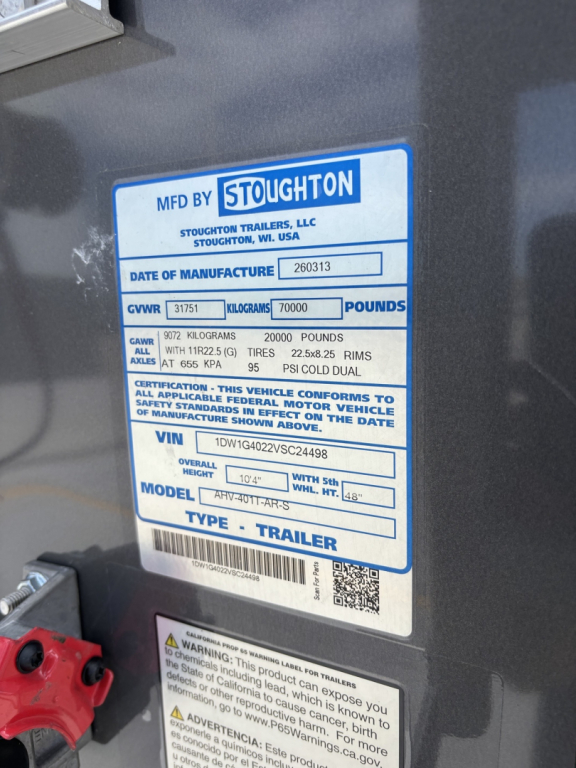
Selling a 2027 stoughton hopper trailer? List your 2027 stoughton hopper trailer for sale and reach thousands of commercial buyers.
2027 Stoughton Hopper Trailers
The most important spec decision on a hopper trailer is not just length. It is the balance between cubic volume, empty weight, and unload efficiency. Listings in this class commonly show capacities around 1,555 to 1,757 cubic feet, roughly 1,250 to 1,412 bushels depending on commodity and legal loading limits. Aluminum sidewalls and front panels help keep tare weight down, while galvanized steel subframes and landing gear add durability in corrosive farm and elevator environments. Buyers should also pay attention to wall construction such as corrugated versus flat sidewalls, post spacing, stainless rear panels or corner inserts, and whether the trailer includes a removable inner liner for cleaner commodity handling and easier changeover between loads.
Discharge and operating details matter every day, especially during harvest. Common Stoughton hopper specs include ag hoppers, 2-stage manual trapdoors, trap openings in the 29-inch class, and ground clearance around 24 inches. Air ride suspension is a common choice because it helps protect the trailer structure and the commodity on rough farm approaches, while tandem axle layouts with a 49-inch spread remain a familiar setup for weight distribution and serviceability. Typical running gear includes 11R22.5 tires, aluminum wheels, drum brakes, and 2S1M ABS. Many newer trailers also add tire inflation systems, manual dump valves with load gauges, trap work lights, and LED lighting packages with multiple side and rear lamps for better visibility during night loading and harvest traffic.
A buyer looking at this category should also evaluate tarp design, fifth wheel height, and kingpin setting because those details affect daily compatibility with the tractor and loading points. Electric tarp systems with remote control save time and reduce climbing compared with manual roll tarps, especially in repetitive grain hauling. Front and rear ladders, catwalk access, anti-spray splash guards, and stainless corner protection all add practical value in real farm use. If the trailer will spend time on fertilizer or year-round bulk work, corrosion resistance and ease of washout deserve extra attention. For grain-focused fleets and owner-operators, Stoughton hopper trailers are generally known for straightforward agricultural specs, light aluminum construction, and practical options that support fast turns at the field, elevator, and processor.
Frequently Asked Questions about 2027 Stoughton Hopper Trailers
What size and capacity are common on a Stoughton hopper trailer?
Many Stoughton grain hopper trailers in this category are 42 to 43 feet long and 96 inches wide. Side heights commonly range from 74 inches to 80 inches, with capacity often falling between about 1,555 and 1,757 cubic feet, or roughly 1,250 to 1,412 bushels depending on commodity density. Actual legal payload depends on product weight, tractor spec, axle configuration, and the states where the trailer will run.
Is air ride suspension worth it on a grain hopper trailer?
Air ride is a strong fit for most grain hopper applications because it improves ride quality, helps reduce shock loads to the trailer structure, and can be easier on the commodity during rough farm-to-road transitions. It is especially useful for operators who spend time on uneven field entrances, rural roads, and long seasonal runs. Mechanical suspensions still have their place, but air ride is a common choice when buyers prioritize trailer longevity and a smoother overall ride.
What should I look for in hopper trapdoor and unload specs?
Trapdoor design directly affects unloading speed, cleanout, and ease of operation. Buyers should compare the number of stages in the trap mechanism, trap opening dimensions, handle placement, and how well the hopper geometry promotes clean flow. Ground clearance matters too, especially if the trailer will unload over pits with uneven approaches. Manual trap systems remain common and dependable, but the right setup depends on how often the trailer unloads each day and how varied the receiving locations are.
How important are side height and overall trailer height on a hopper trailer?
Side height changes both volume and overall trailer height, so it has a direct effect on payload opportunities and operating clearance. Taller sides can improve capacity for lighter commodities, but they also raise the total trailer profile and may not be ideal for every route, auger setup, or shed entrance. Buyers should match side height to their typical commodity mix, loading equipment, and regional road conditions instead of simply choosing the largest body available.
What features help a grain hopper trailer hold up in farm and fertilizer service?
Corrosion resistance and cleanability are major factors. Aluminum construction helps reduce weight, while galvanized steel subframes, stainless rear panels, stainless corner protection, and durable splash guards can improve life in wet and corrosive conditions. A removable inner liner can help with washout and commodity protection. If the trailer will haul fertilizer or operate year-round, protective material choices often matter as much as the trailer's rated capacity.