
Stoughton Hopper Trailers For Sale
Compare Stoughton hopper trailers built for grain and ag hauling, with common specs, side heights, suspension options, tarp systems, and traps.
Selling a stoughton hopper trailer? List your stoughton hopper trailer for sale and reach thousands of commercial buyers.
Stoughton Hopper Trailers
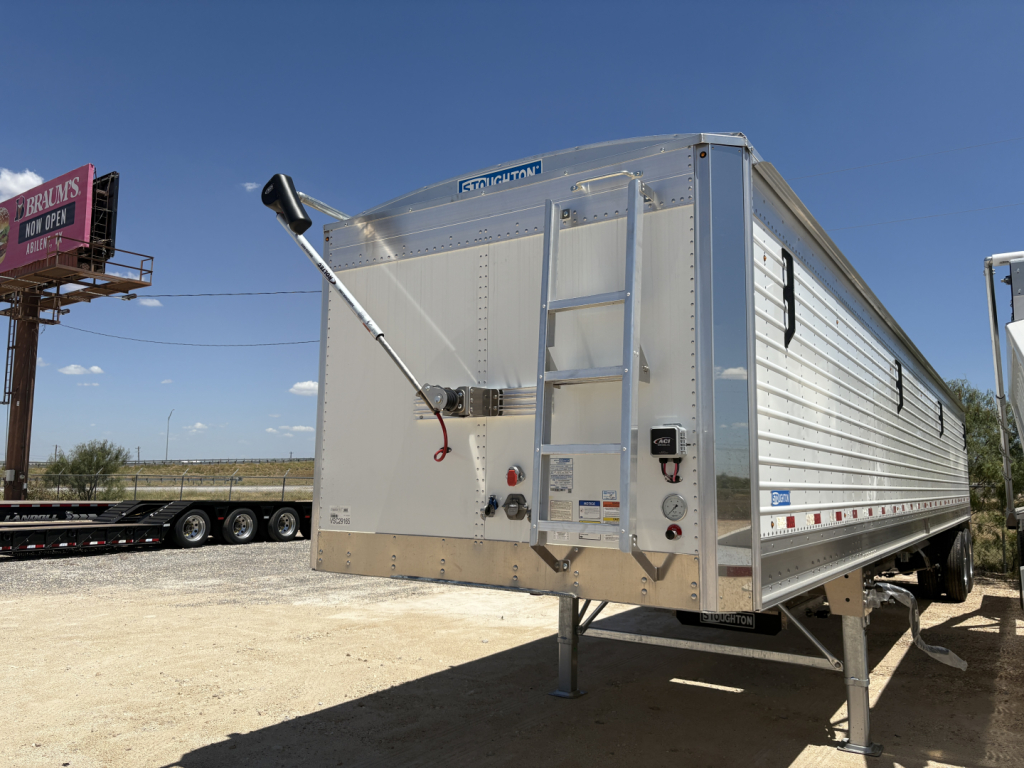
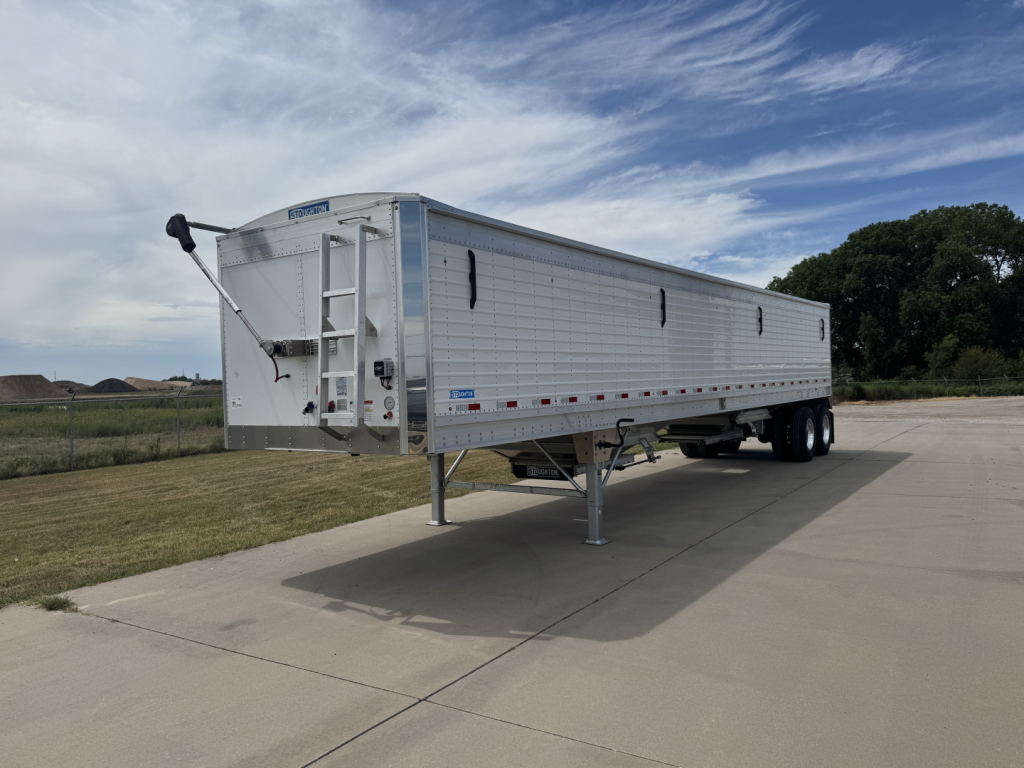
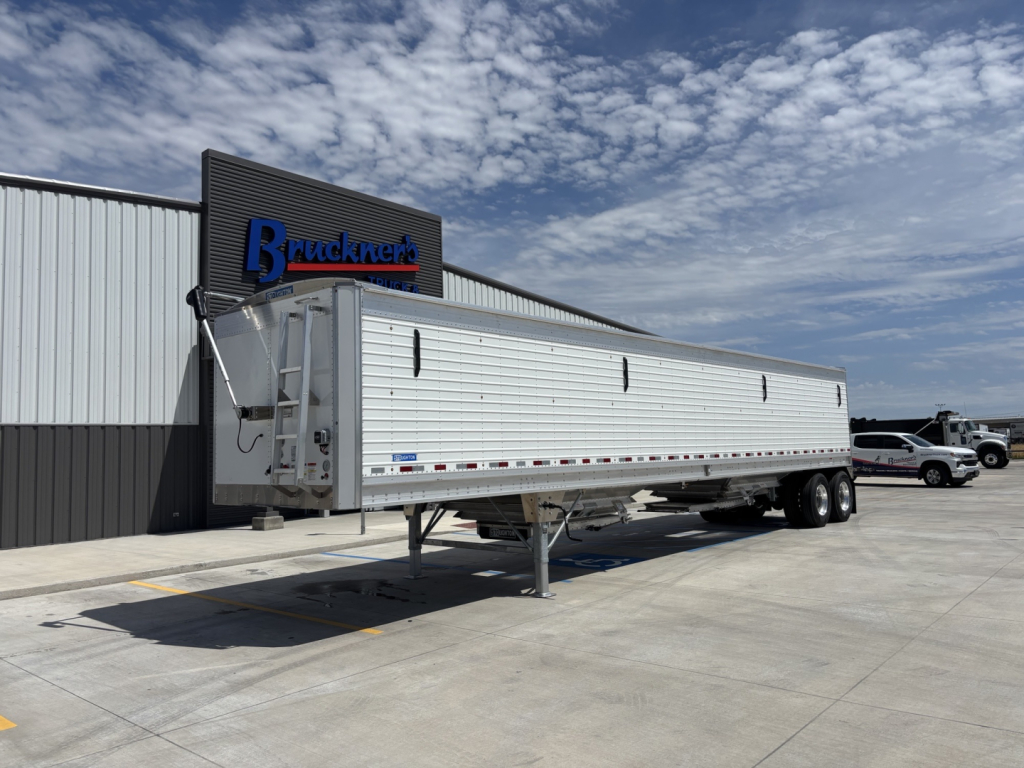
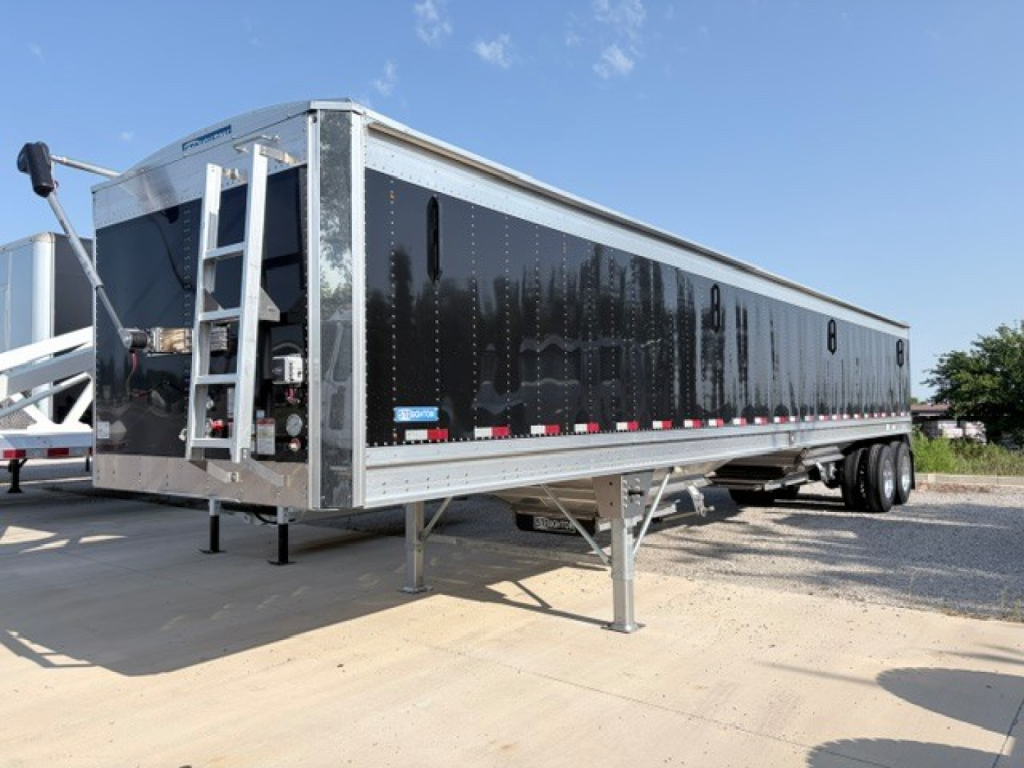
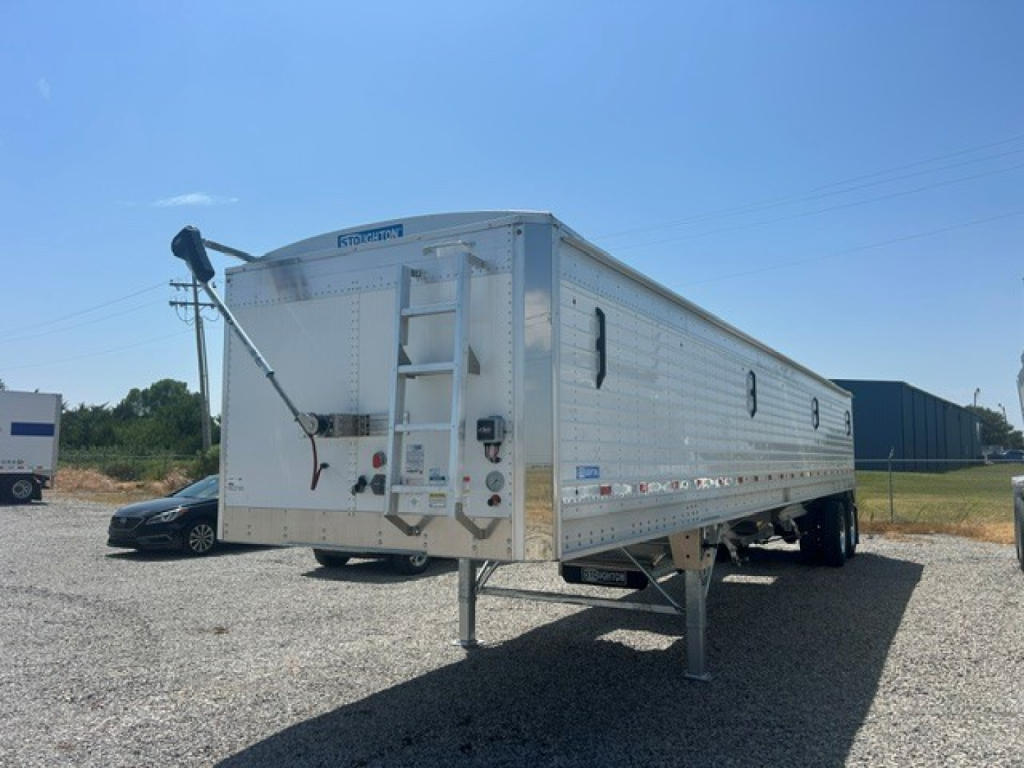
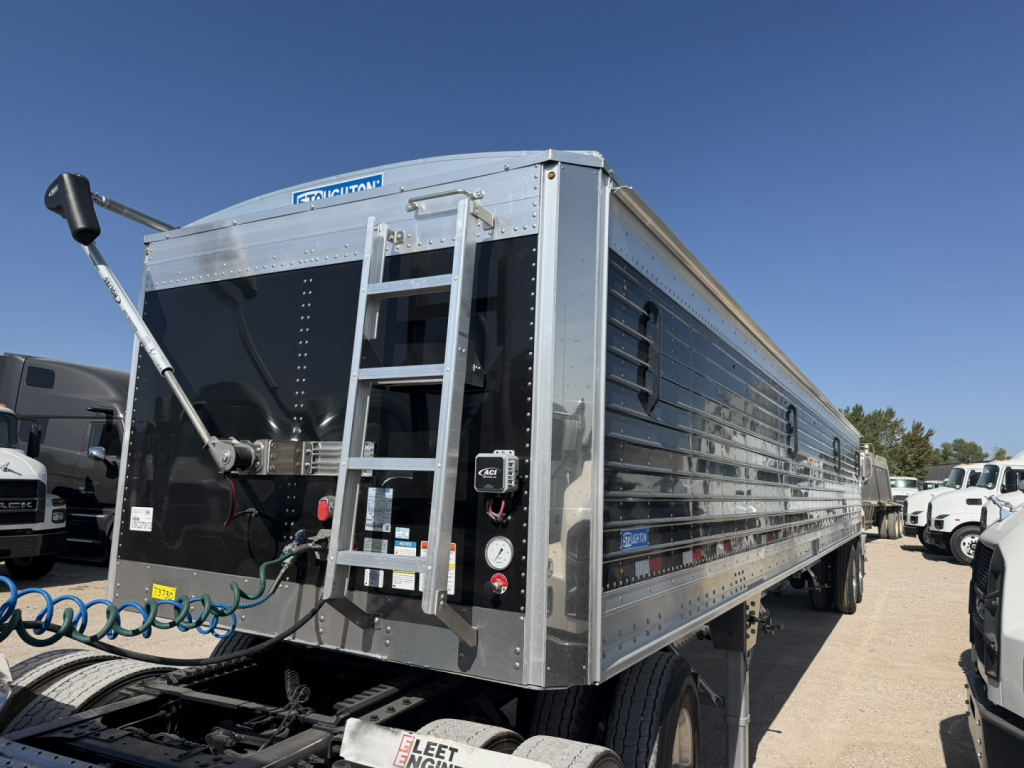
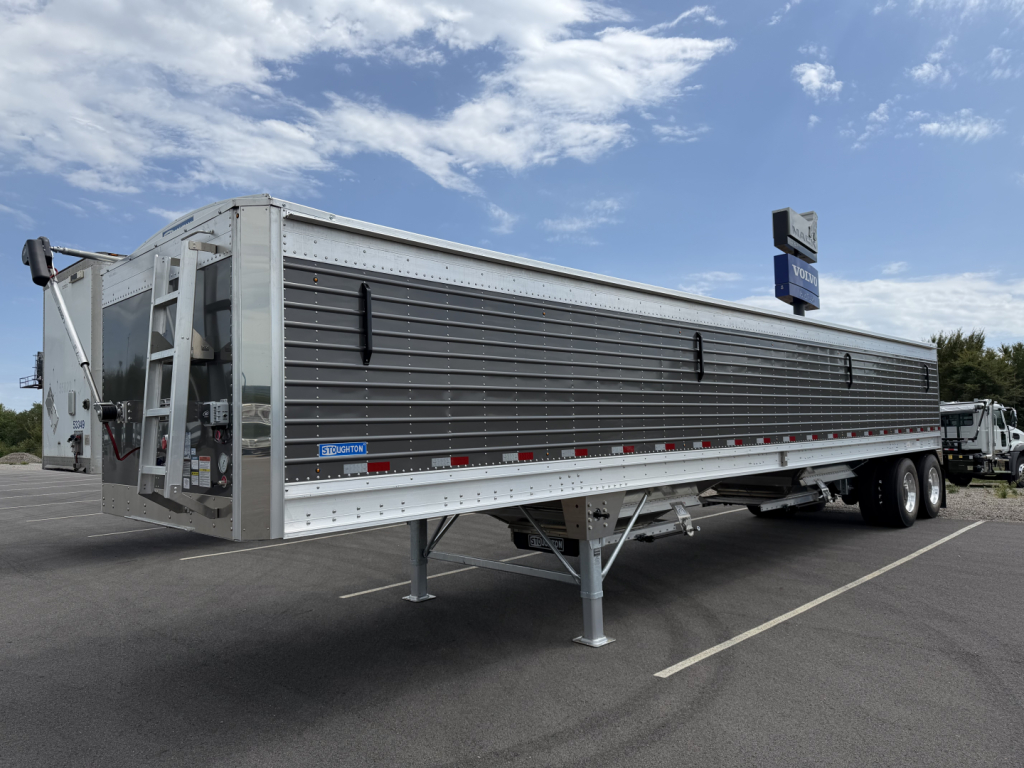
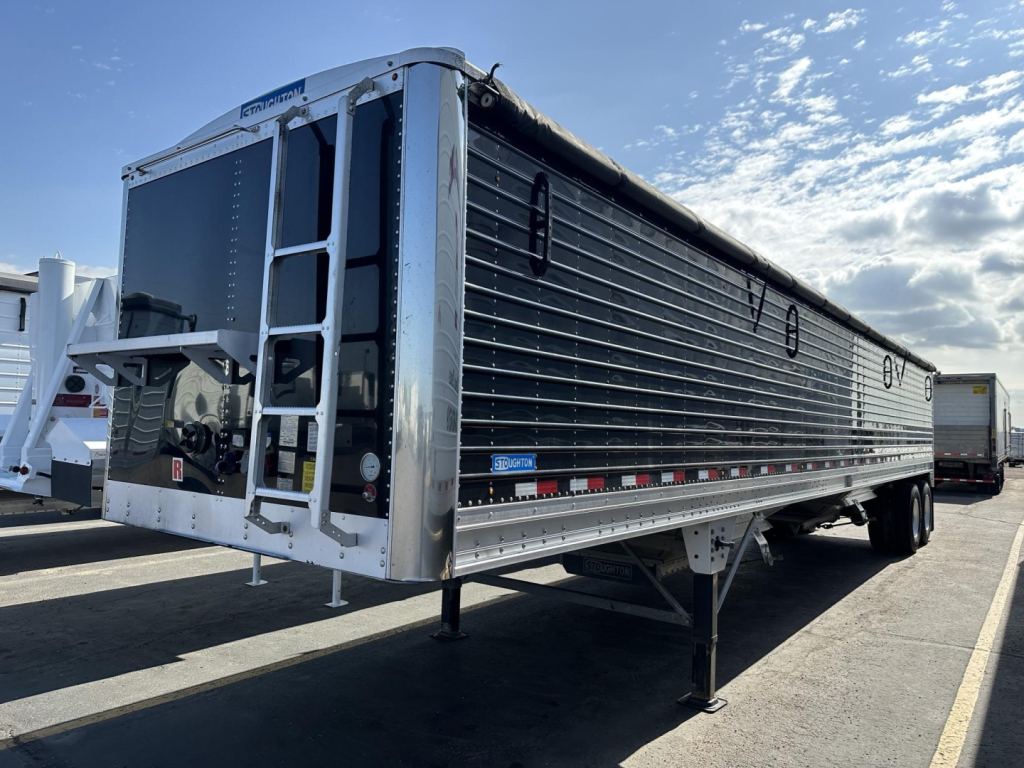
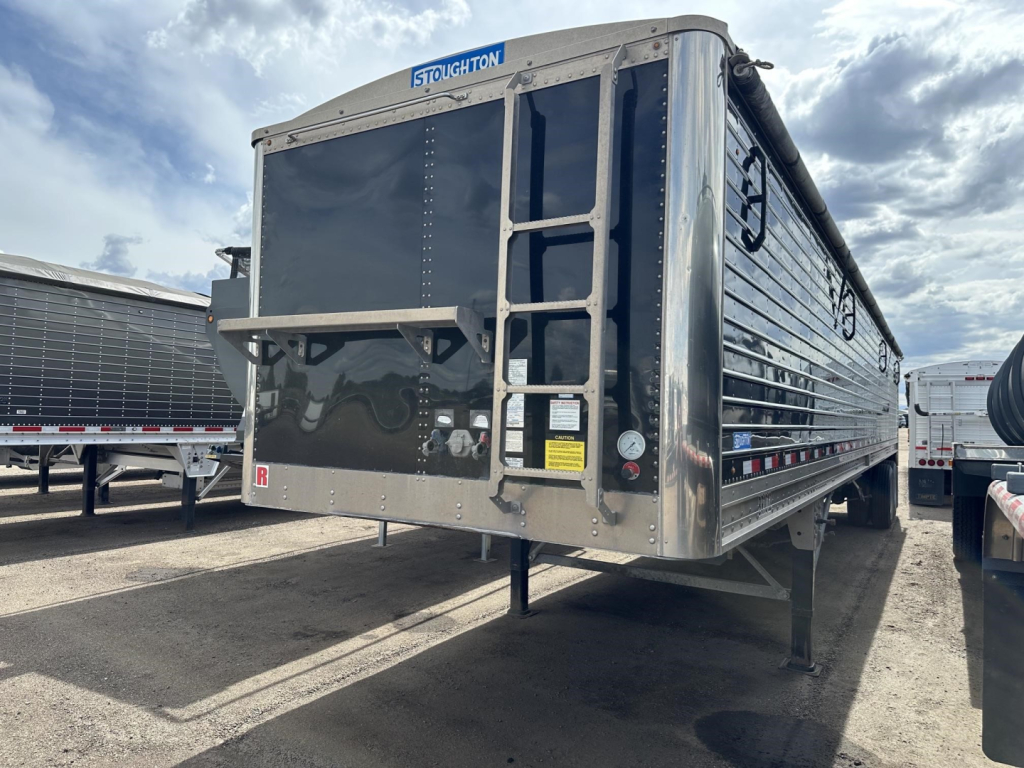
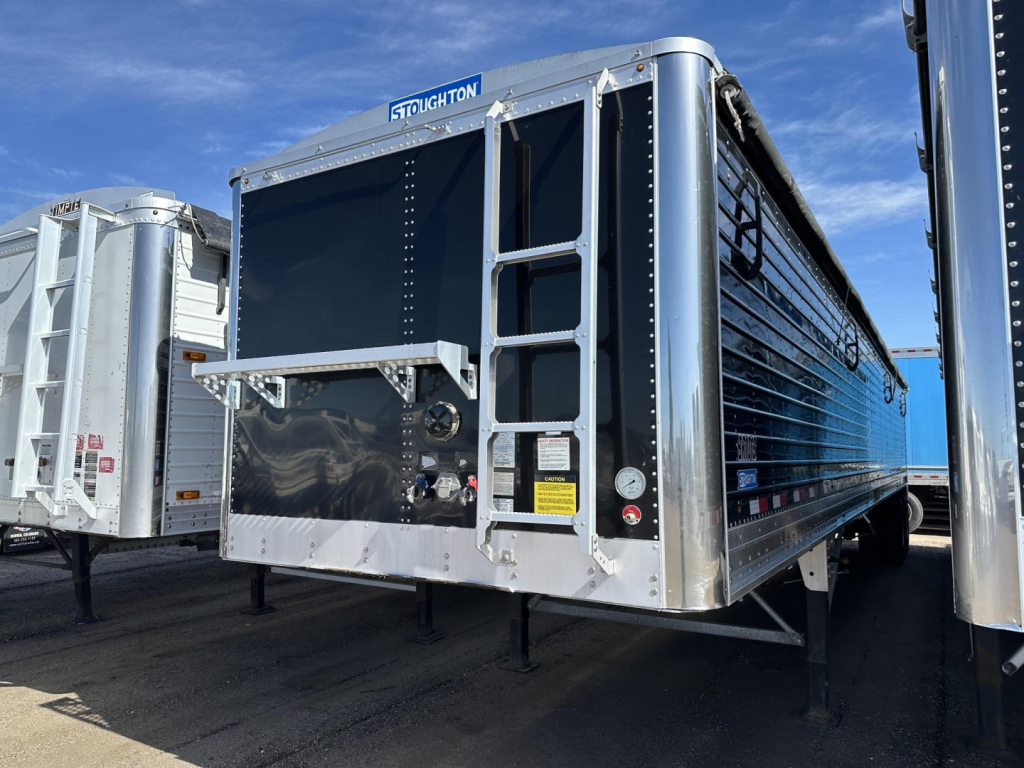
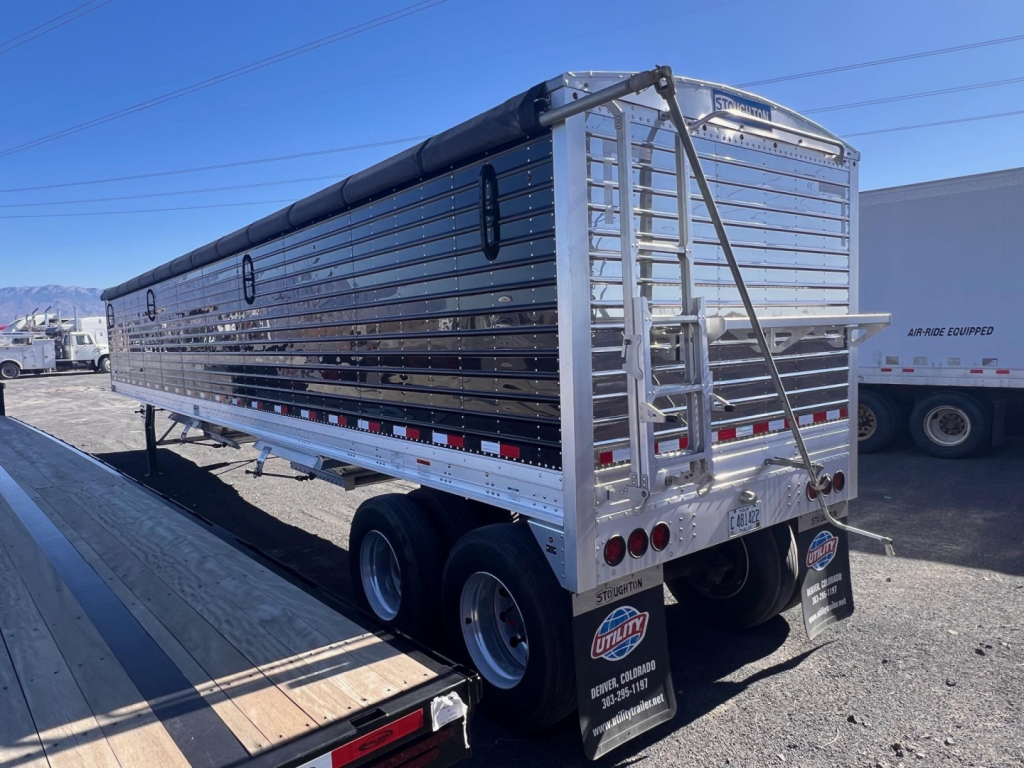
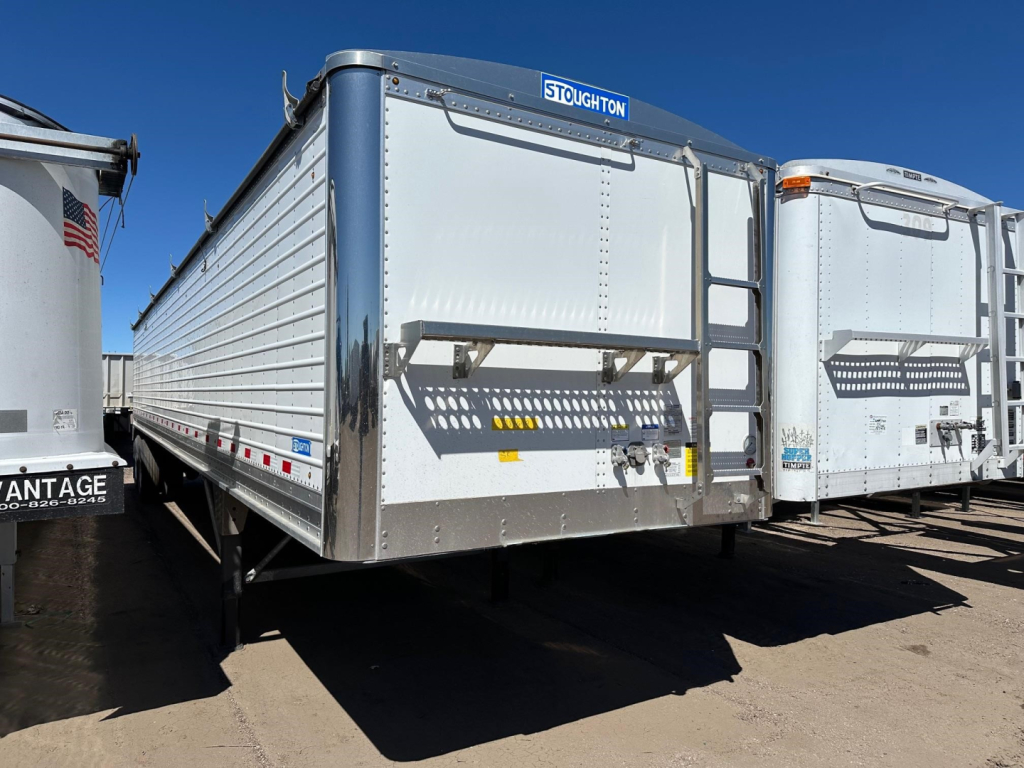
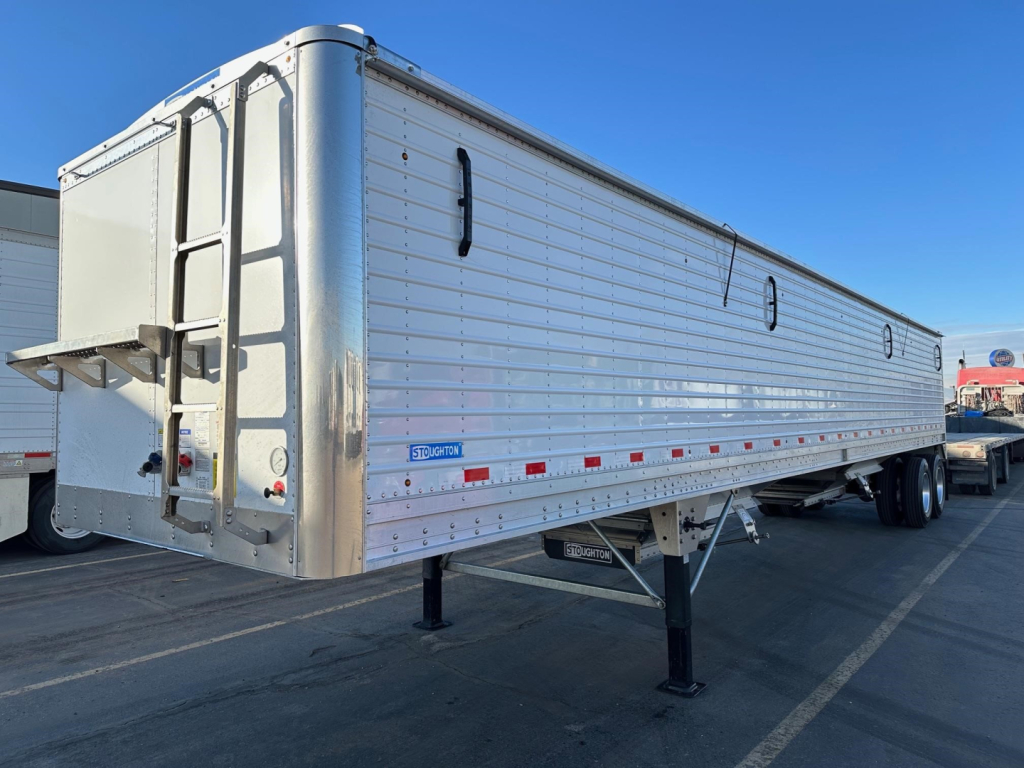
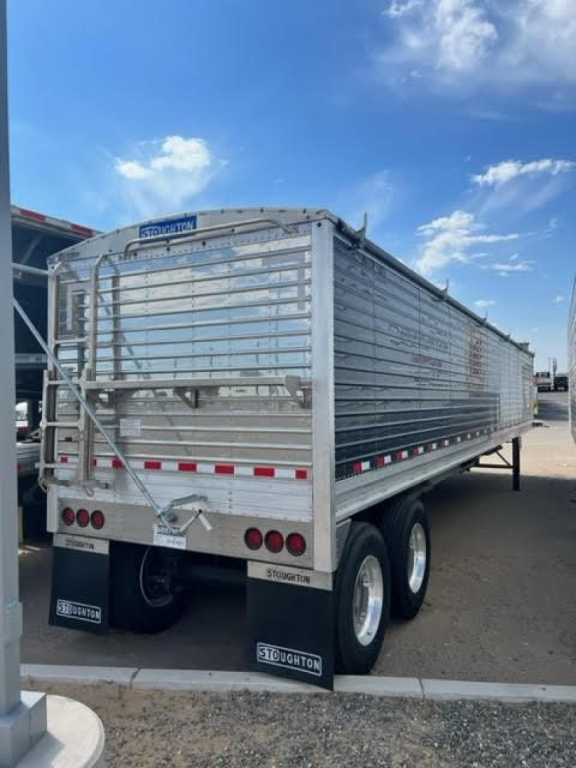
Construction details deserve close attention because they affect both service life and resale. Many Stoughton hopper trailers use corrugated side panels for strength without excessive weight, along with aluminum-intensive construction and stainless steel wear areas such as front corners or rear panels on some specs. Catwalks and ladders at the front and rear are common on ag-focused trailers, and they matter for safer tarp access and inspection at the bin or elevator. Look at hopper slope, gate design, trap controls, and ground clearance if the trailer will spend time on uneven farm approaches or soft yards. Manual hopper operation is still common and simple to maintain, but buyers should inspect for smooth gate travel, tight sealing, and signs of commodity leakage around the traps.
Suspension and running gear choices are just as important as body spec. Air ride is popular on Stoughton grain hoppers because it helps protect the trailer structure, improves ride quality, and can reduce cargo shock on rough secondary roads. Closed tandem axle layouts are common in this class, and wheel spec often mixes aluminum outer wheels with steel inside wheels to balance appearance, corrosion resistance, and replacement cost. Tire size, brake condition, bushing wear, and alignment history all matter on hopper trailers because uneven wear can quickly eat into operating cost. Lighting packages, work lights at the traps, dump valves, and load gauges are also worth checking because they improve day-to-day loading and unloading efficiency.
A good Stoughton hopper trailer spec matches the freight, not just the price tag. Taller sides can improve cubic capacity for lighter commodities, while trap style and discharge speed matter more if the trailer cycles through busy grain facilities. A manual roll tarp remains a common, proven setup, but buyers should evaluate tarp condition, bow integrity, and ease of operation since weather protection is essential in grain service. If the trailer will run hard during harvest and stay active year-round, pay attention to rivets, seam condition, landing gear, kingpin area, subframe integrity, and any signs of corrosion from fertilizer or feed ingredients. The best choice is the trailer that fits your commodity density, lane lengths, farm access conditions, and unloading environment with the least compromise.
Frequently Asked Questions about Stoughton Hopper Trailers
What are the most common specs on a Stoughton hopper trailer?
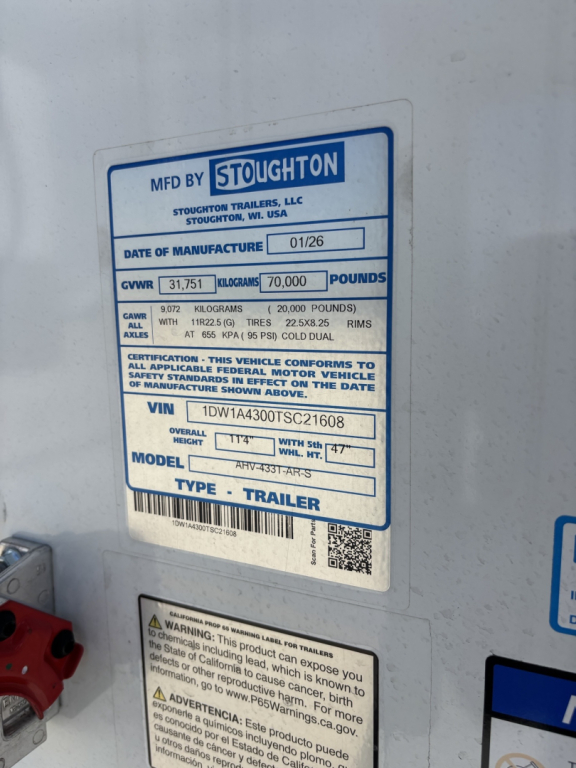
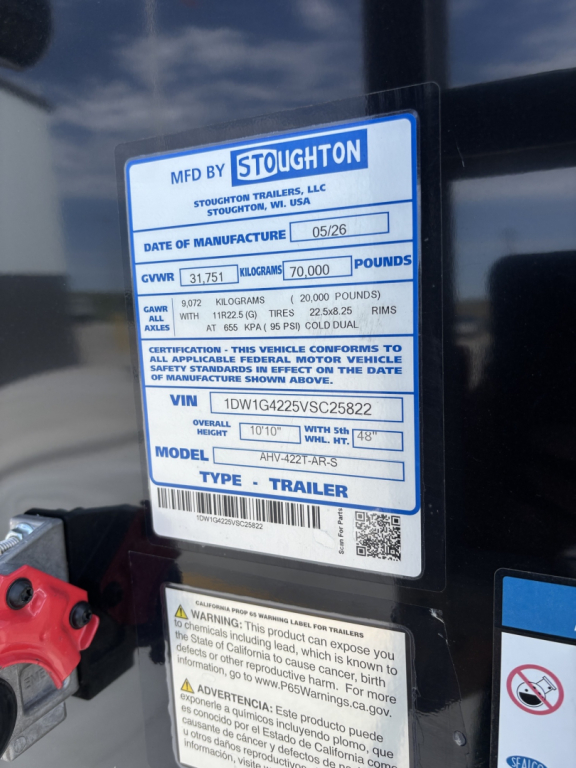
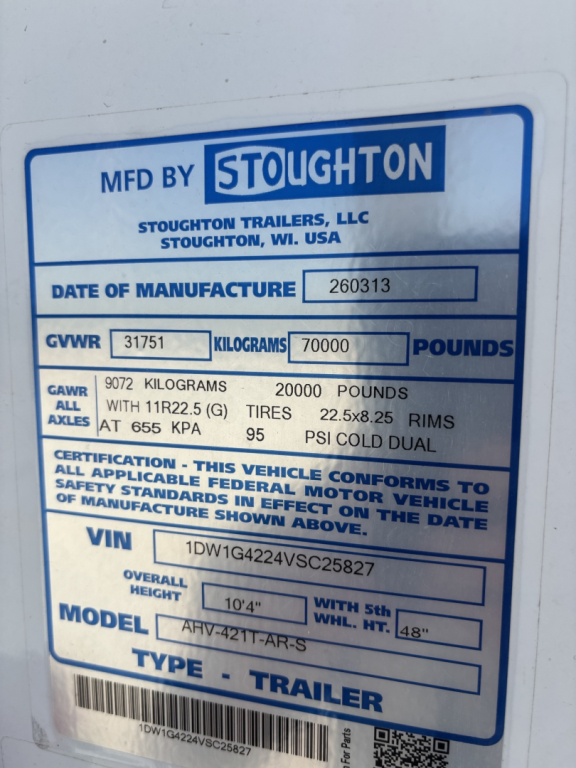
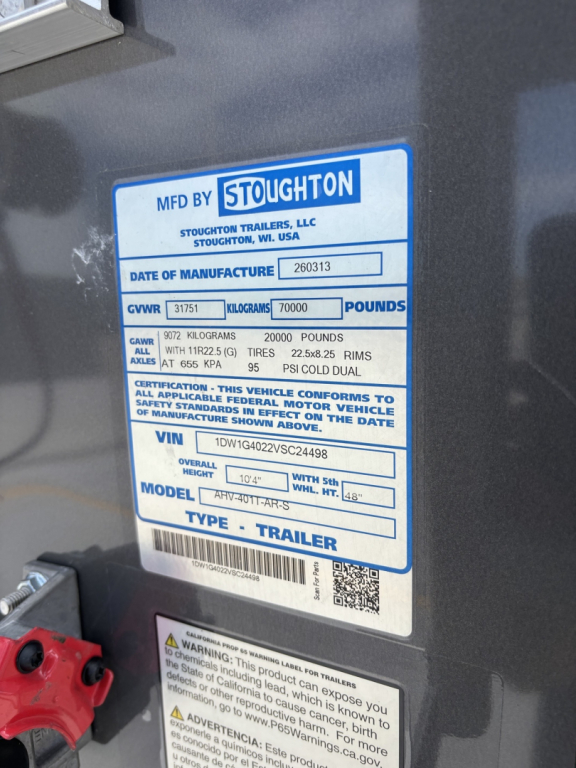
A common Stoughton hopper trailer spec in agricultural service is a 42-foot by 96-inch tandem axle trailer with two hoppers, air ride suspension, 11R22.5 tires, and side heights around 74 inches. Many are equipped with a manual roll tarp, front and rear ladders, catwalks, trap work lights, and a mix of aluminum and steel wheel positions. Buyers should confirm exact dimensions, suspension type, hopper configuration, and side height because those details directly affect payload, cubic capacity, and everyday usability.
Is air ride the right suspension for a grain hopper trailer?
Air ride is a strong choice for most grain hopper applications because it improves ride quality, helps reduce shock loading into the trailer structure, and performs well on mixed highway and secondary-road routes. It is especially useful for operators who want a smoother ride on rough farm roads and less stress on panels, hoppers, and running gear. Buyers should still inspect airbags, shocks, height control valves, and suspension wear points because maintenance condition matters more than the suspension label alone.
How do I choose the right side height on a hopper trailer?
Side height should match the commodity and target payload. Higher sides increase cubic capacity, which helps with lighter products, but dense commodities can gross out before the trailer cubes out. A 74-inch side height is a common ag spec because it works well across a broad range of grain loads. Buyers should compare commodity density, legal axle weights, and loading practices before choosing taller or shorter sidewalls.
What should I inspect on a used Stoughton hopper trailer?
Focus on the areas that affect structural life and unloading performance. Check the kingpin area, crossmembers, subframe, landing gear mounts, suspension hangers, wheel ends, brake components, and signs of frame stress or corrosion. On the body, inspect side panels, seams, rivets, tarp condition, catwalks, ladders, and especially the hopper gates and traps for wear, leakage, or binding. A hopper trailer can look clean and still need expensive gate, suspension, or tire work, so functional inspection is critical.
Are manual tarps and manual hopper gates still practical on grain trailers?
Yes. Manual tarps and manual hopper gates remain common on grain trailers because they are simple, familiar, and generally less expensive to maintain than powered systems. They work well for many operators, especially in regional agricultural service where reliability and easy field repair are priorities. The tradeoff is operator effort and cycle time, so buyers should make sure the tarp rolls smoothly, the bows are straight, and the hopper controls open and close cleanly without excessive force.