
Stoughton Hopper Trailers For Sale in Oklahoma

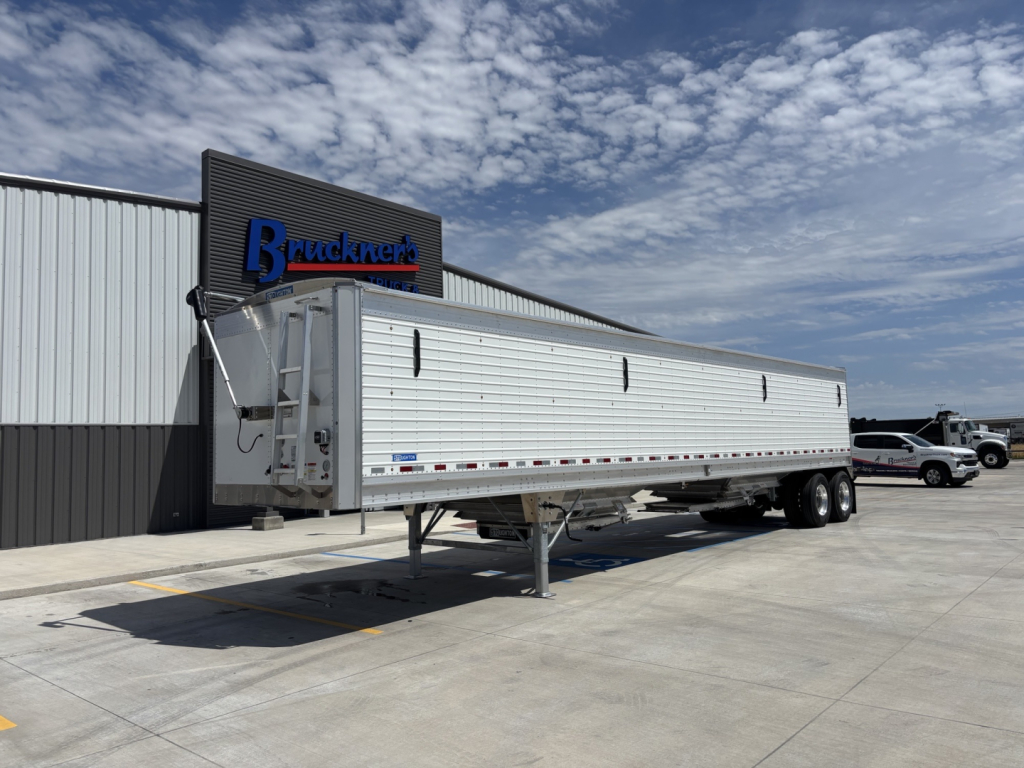
Have stoughton hopper trailer to sell? List it here to reach thousands of buyers.
Stoughton Hopper Trailers in Oklahoma
The biggest buying decision usually starts with length, sidewall height, and cubic capacity. Common specs in this category include 40-foot to 43-foot lengths, 68-inch to 80-inch sidewalls, and capacities that can run from roughly 1,370 to 1,757 cubic feet, or about 1,100 to 1,400 bushels depending on commodity density. Buyers should compare overall trailer height against local route restrictions and loading facilities, especially when moving between on-farm storage, feed mills, and commercial elevators. A 42-foot or 43-foot hopper can offer excellent volume, but the right trailer still depends on product weight and how often you cube out before you gross out.
Construction details matter on hopper trailers because they directly affect service life and resale. Many Stoughton grain hoppers use aluminum sidewalls and front panels to keep tare weight down, along with galvanized steel subframes and stainless rear wall components to handle moisture, fertilizer residue, and daily washdowns better than plain steel. Corrugated sidewalls, 12-inch post spacing, removable inner liners, and electric tarp systems are common features that improve rigidity and day-to-day usability. Trapdoor size and design also deserve a close look. A 2-stage manual trapdoor setup with generous opening dimensions can help with cleaner discharge and better control when unloading different grains or feed ingredients.
Suspension, axle spread, and running gear should be matched to your lanes and maintenance priorities. Tandem axles with a 49-inch spread, air ride suspension, drum brakes, 11R22.5 tires, aluminum wheels, and 2S1M ABS are typical in this class. Buyers running hard in harvest season may also prioritize tire inflation systems, ladder layout, splash guards, lighting package visibility, and kingpin setting for tractor compatibility. On Stoughton hopper trailers, practical fleet-friendly details like 47-inch to 48-inch fifth wheel height, 20-inch kingpin settings, 24-inch ground clearance, and LED lighting packages make a real difference in daily operation across rural roads, scales, and high-cycle loading environments.
Frequently Asked Questions about Stoughton Hopper Trailers in Oklahoma
What size Stoughton hopper trailer is best for grain hauling?
The best size depends on the commodity, legal weight limits, and the type of facilities you load and unload at. In this category, 40-foot to 43-foot Stoughton grain hoppers are common, with sidewall heights from about 68 inches to 80 inches. Shorter or lower-side trailers may fit operators hauling heavier commodities where they gross out before they fill the box, while taller 42-foot or 43-foot units can make more sense for lighter products where cubic capacity is the limiting factor.
Are Stoughton hopper trailers aluminum or steel?
Most Stoughton hopper trailers in this class are primarily aluminum grain hoppers with selected steel or stainless components in high-stress areas. Buyers will often see aluminum sidewalls, front panels, and wheels used to reduce tare weight, along with galvanized steel subframes and landing gear for strength and corrosion resistance. Stainless rear wall sections and corner panels are also common because they hold up well in agricultural service and help protect resale value.
What features should I check on a used or new Stoughton grain hopper?
Focus on the specs that affect payload, unload performance, and long-term operating cost. Capacity, sidewall height, trapdoor opening size, suspension type, kingpin setting, fifth wheel height, and overall trailer height should be reviewed first. It is also smart to inspect tarp condition and operation, look at subframe corrosion, check the condition of liners and seals, and confirm whether the trailer has options such as tire inflation systems, upgraded lighting, or stainless wear components.
Why does trapdoor design matter on a hopper trailer?
Trapdoor design affects how quickly and cleanly the trailer unloads, and it can also influence how easy the trailer is to meter product. A 2-stage manual trapdoor is common on grain hoppers because it gives the operator better control when dumping at pits, augers, or conveyor-fed facilities. Larger trapdoor openings can improve discharge flow, especially with commodities that do not move as freely, while good seals and hardware condition help prevent leaks and product loss.
Are Stoughton hopper trailers a good fit for Oklahoma operations?
Yes. Stoughton hopper trailers are well suited for Oklahoma grain hauling because they combine low empty weight, solid corrosion resistance, and configurations commonly used in regional agriculture. Features like air ride suspension, LED lighting, electric tarps, and practical ground clearance are useful when moving between farm roads, scales, and commercial elevators. Buyers in Oklahoma should still confirm axle layout, capacity, and overall height against the specific commodities and routes they run most often.