
Stoughton Hopper Trailers For Sale in Colorado
Shop Stoughton hopper trailers for grain and ag hauling. Compare side height, hopper design, suspension, tarp, and weight-saving specs.
Selling a stoughton hopper trailer? List your stoughton hopper trailer for sale and reach thousands of commercial buyers.
Stoughton Hopper Trailers in Colorado
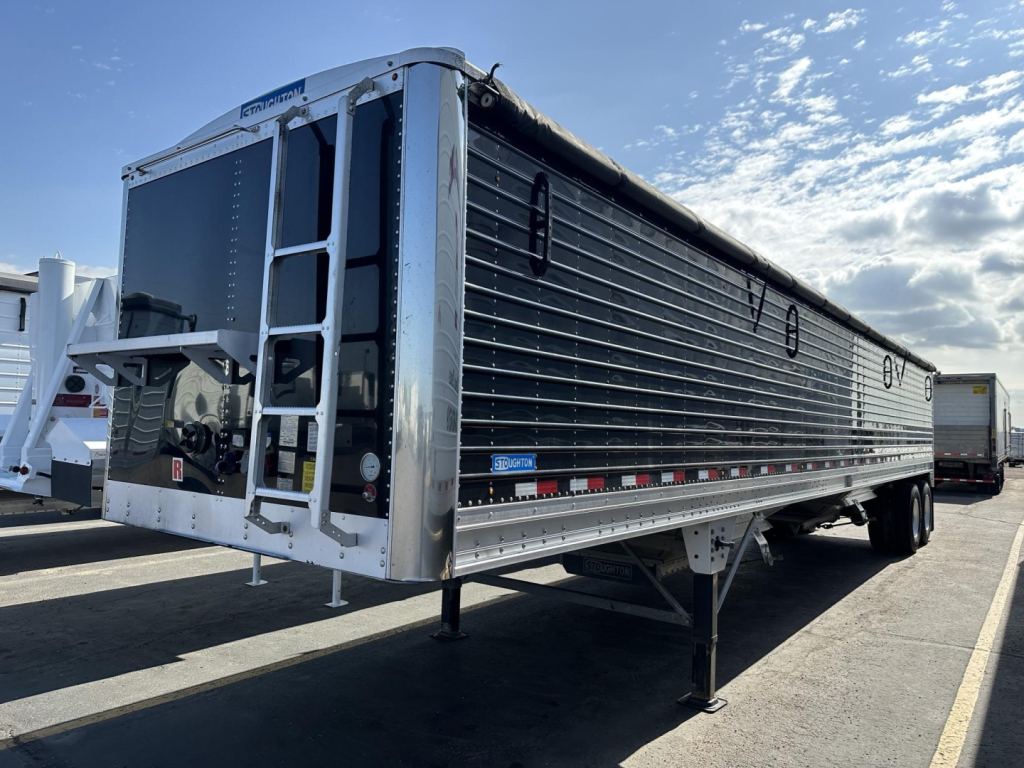
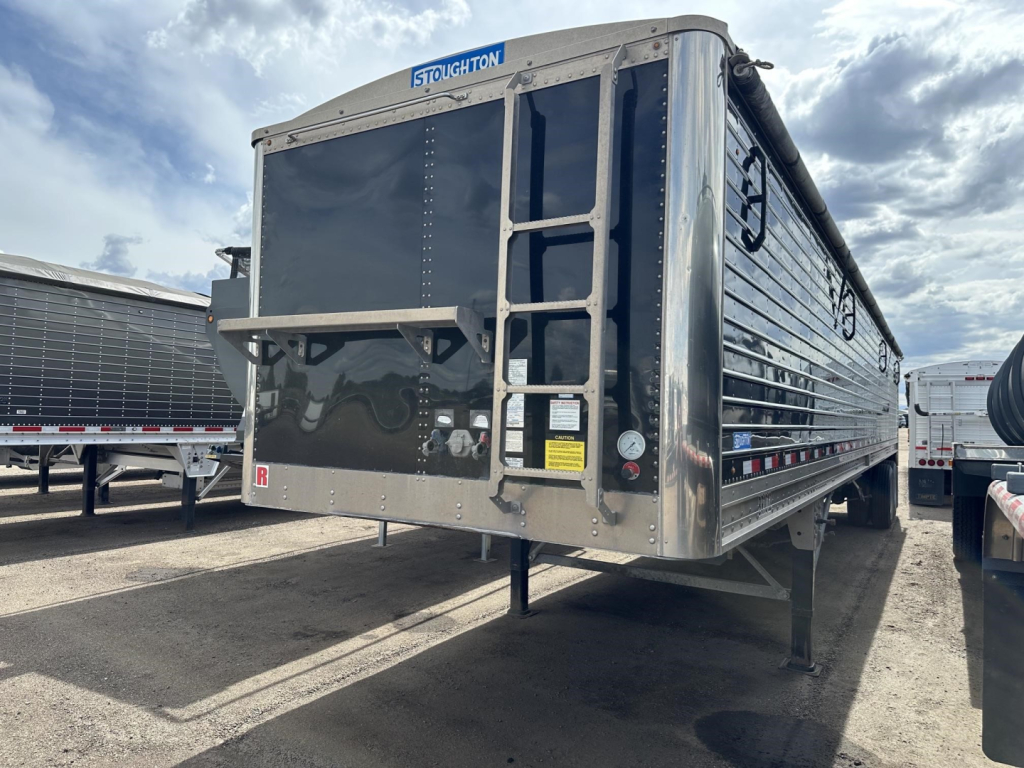
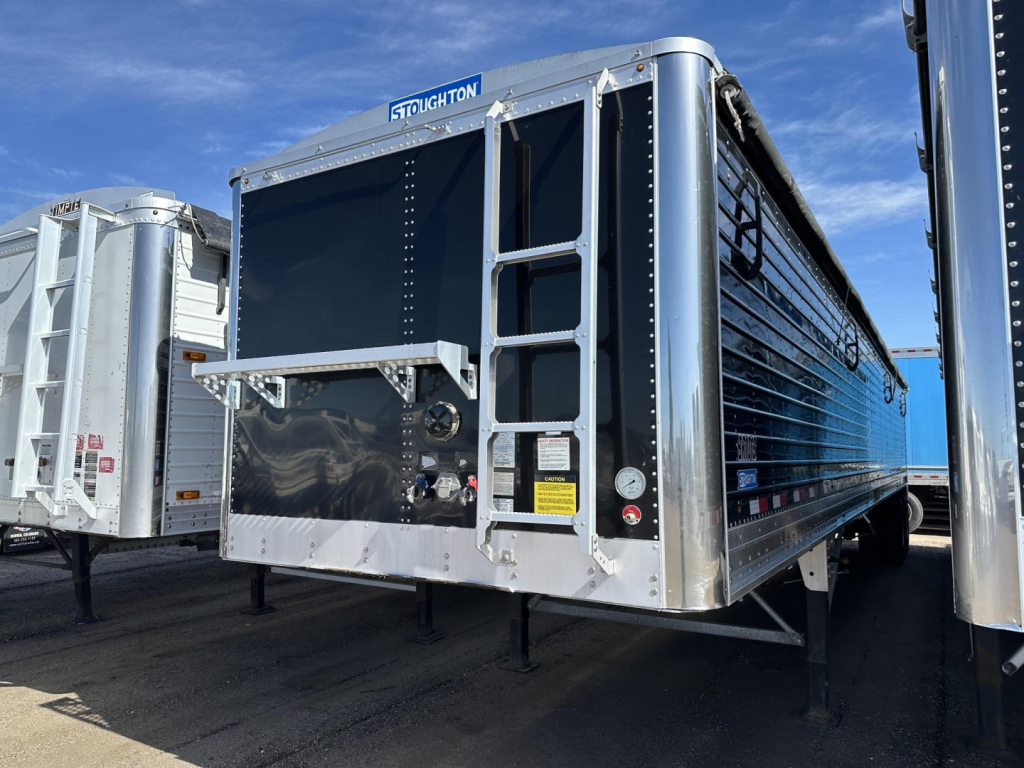
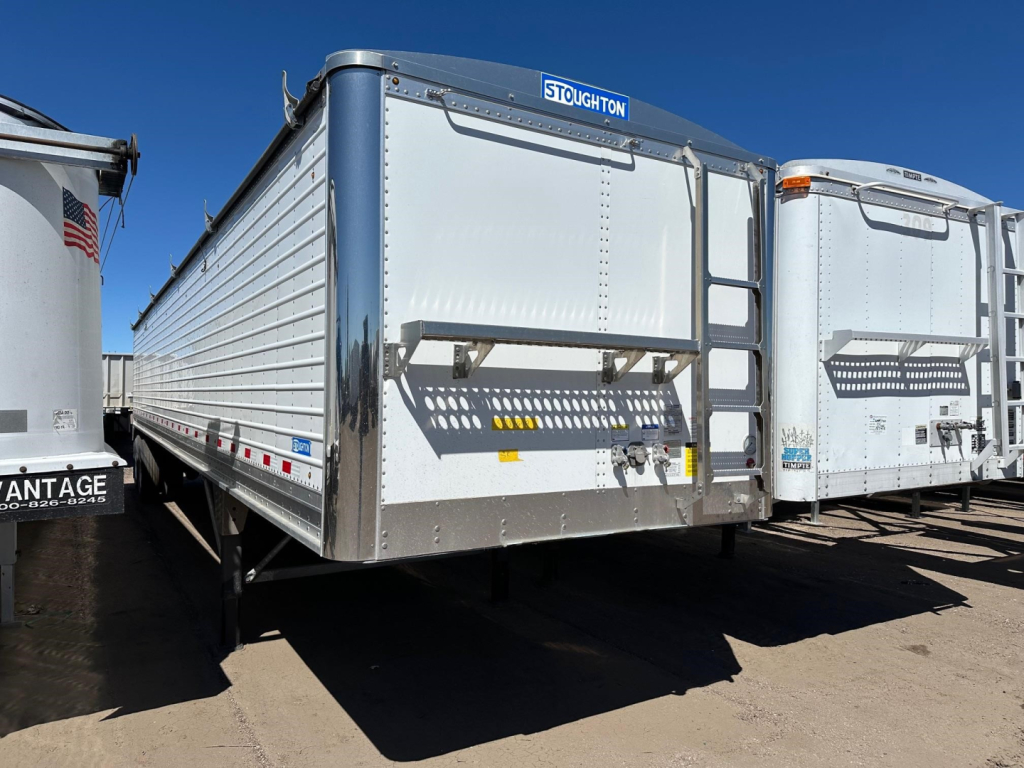
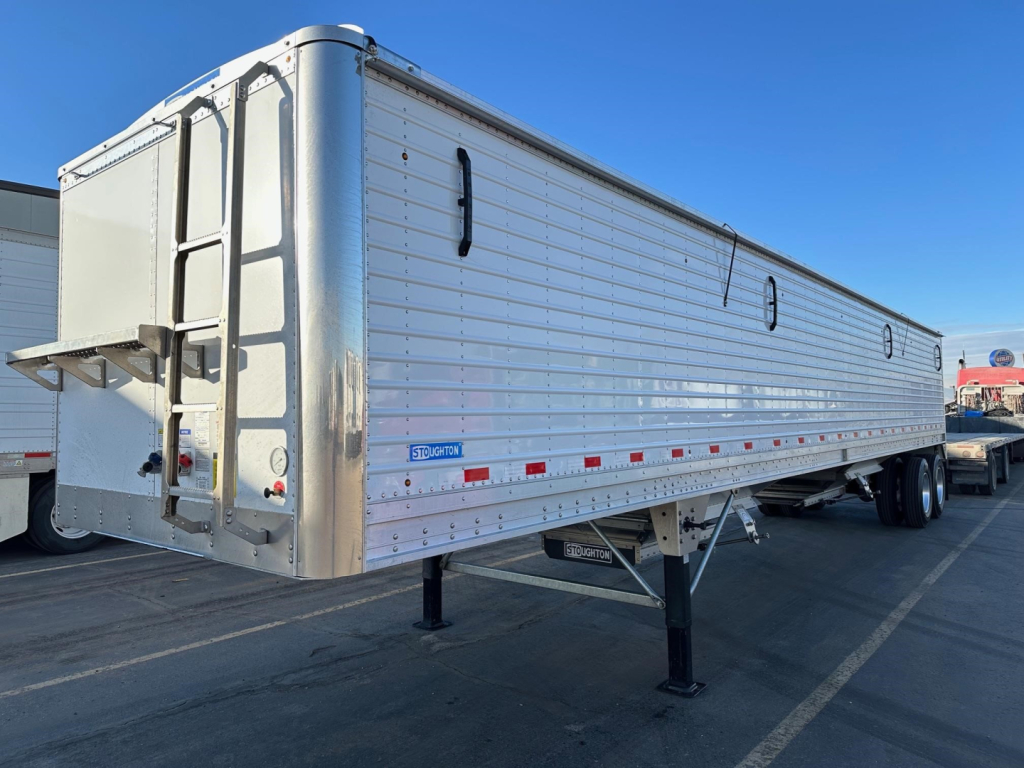
A lot of the buying decision comes down to how the trailer is spec'd around the hopper and body. Ag hopper designs are set up for clean discharge and practical service access, and many buyers prefer features like trap work lights, front and rear ladders with catwalks, and a manual or electric roll tarp for faster loading and weather protection. Corrugated side panels are common because they add strength without excessive weight, while stainless front corners or rear panels can help in areas that see more wear or exposure. If the trailer will spend its life on farm roads and scales, closed tandem placement, dependable suspension, and brake condition deserve close attention because they affect both handling and tire life.
Wheel and tire specs also matter more than many first-time hopper buyers expect. Aluminum outside wheels can trim weight and improve appearance, while steel inside wheels help control cost. Tire size such as 11R22.5 remains a standard choice for serviceability and replacement availability. Buyers should also check tarp operation, trap function, gate seals, subframe condition, and any load gauge or dump valve setup, since these directly affect day-to-day use at the pit. On used hopper trailers, signs of product leakage, worn trap racks, floor damage, and corrosion around seams tell you more than paint ever will.
For grain hauling, a Stoughton hopper trailer is usually evaluated on payload efficiency, discharge reliability, and how well its spec matches the commodity. Higher sidewalls can add volume for lighter crops, while denser commodities may push a buyer toward a spec that balances capacity with legal axle weights. The best category fit is a trailer with the right cubic capacity, a clean and fast hopper discharge, and a durable body that can handle repeated loading cycles without becoming maintenance-heavy.
Frequently Asked Questions about Stoughton Hopper Trailers in Colorado
What should I look at first on a Stoughton hopper trailer?
Start with length, side height, empty weight, and axle configuration. Those specs determine how much product the trailer can legally and efficiently haul. After that, inspect the hopper traps, discharge operation, tarp system, suspension, brakes, tires, and signs of leakage or corrosion. On a grain trailer, these areas have the biggest impact on daily productivity and maintenance cost.
Are Stoughton hopper trailers mainly used for grain?
Grain is the most common application, but this trailer class is also used for feed, seed, fertilizer, and other free-flowing bulk agricultural commodities. The exact fit depends on the trailer's cubic capacity, gate design, lining or material construction, and how cleanly it can unload. Buyers hauling multiple commodities should pay attention to seal condition and how easily the trailer can be cleaned between loads.
Why does side height matter on a hopper trailer?
Side height affects cubic capacity, which matters when hauling lighter commodities that cube out before they weigh out. A taller side can increase volume, but it also changes loading characteristics and may not benefit operators hauling denser products. The right side height is the one that matches the commodity mix and local weight limits so the trailer earns payload without sacrificing compliance.
Is air ride suspension common on grain hopper trailers?
Yes, air ride is a common and desirable spec in this category because it helps protect the trailer and cargo from road shock while improving ride quality. It can also help with handling consistency and reduce stress on the structure over time. Buyers should still inspect ride height control, air bags, shocks, and suspension wear points because condition matters as much as the suspension type.
What used-condition issues matter most on a hopper trailer?
The most important issues are structural condition, trap and gate wear, floor integrity, seam corrosion, and evidence of product leakage. Also inspect ladders, catwalks, tarp bows, lights, wheel ends, brakes, and tire wear patterns. A hopper trailer can look clean from a distance and still need costly work in the discharge system or substructure, so the underside and hopper area deserve extra attention.