
Stoughton Hopper Trailers For Sale in Texas
Browse Stoughton hopper trailers built for grain and bulk ag hauling, with aluminum construction, strong capacities, and spec choices for Texas work.
Selling a stoughton hopper trailer? List your stoughton hopper trailer for sale and reach thousands of commercial buyers.
Stoughton Hopper Trailers in Texas
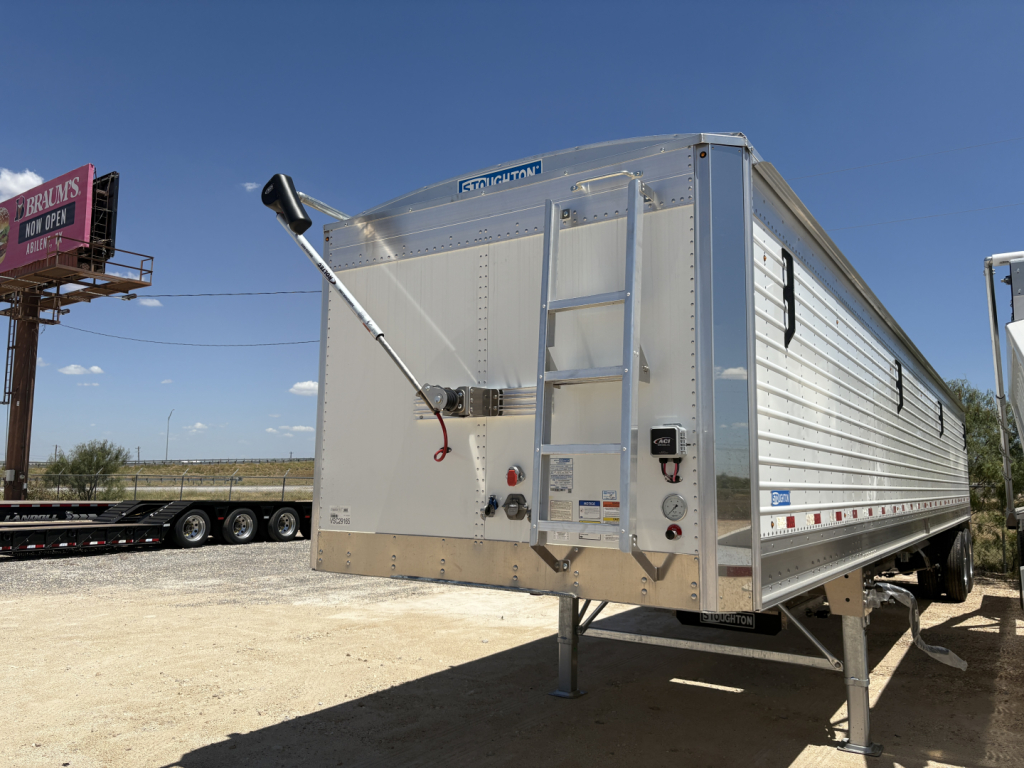
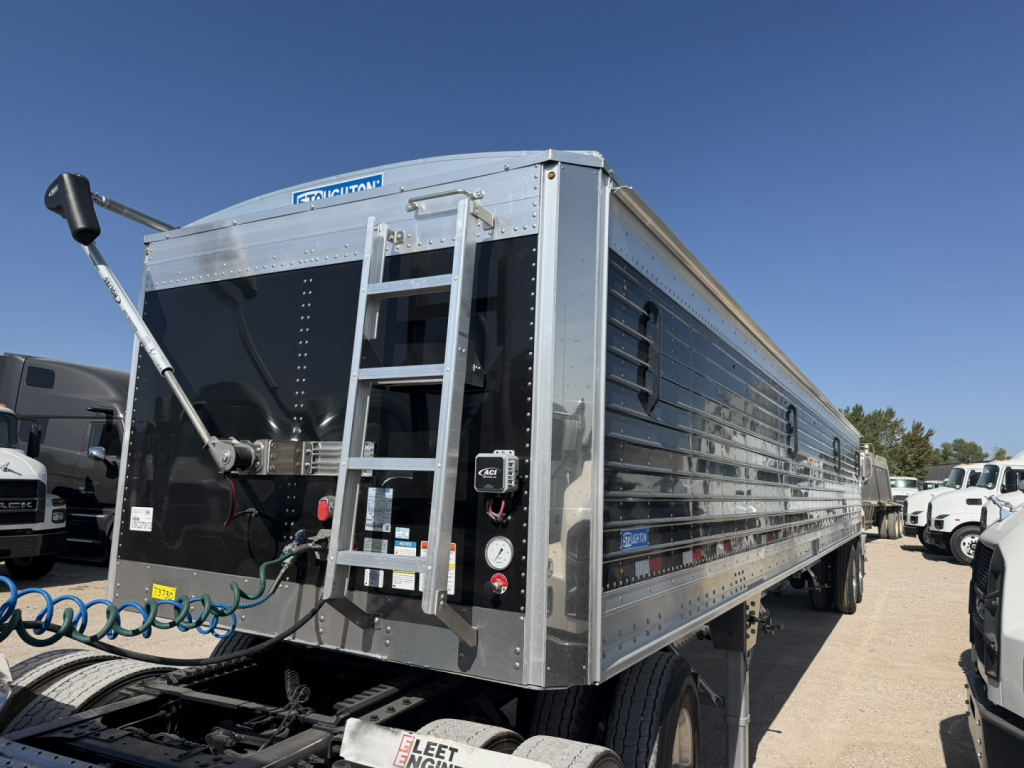
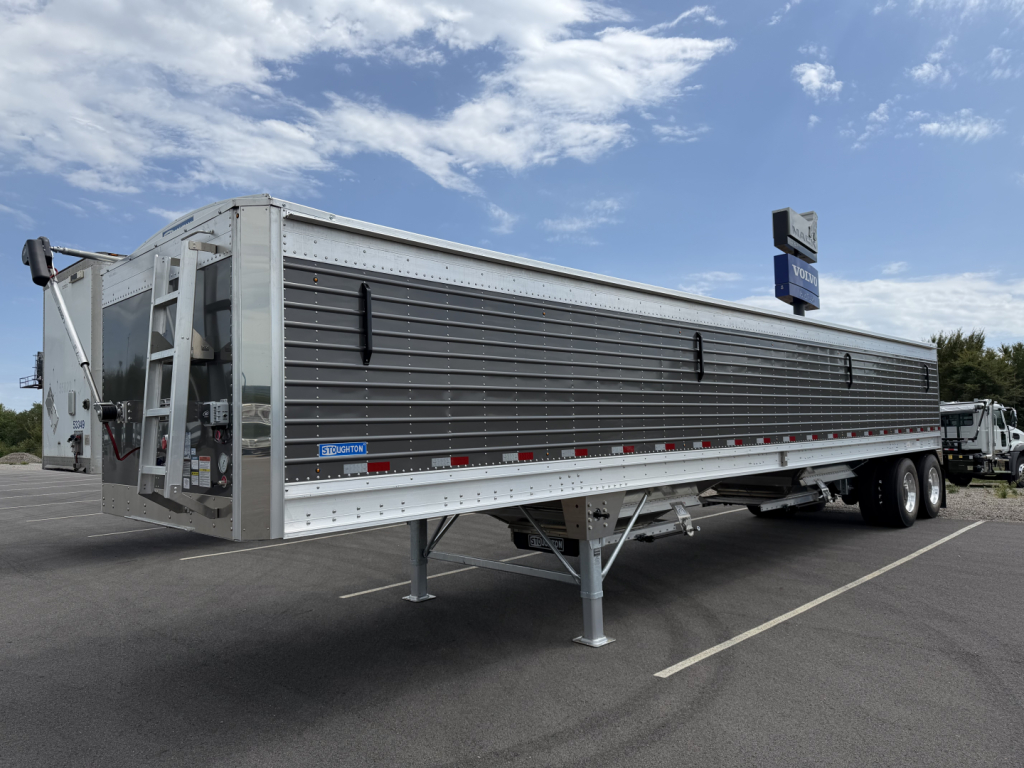
A typical Stoughton aluminum grain hopper in this class runs around 40 to 43 feet long and 96 inches wide, with side heights commonly in the upper 60-inch to 80-inch range. That usually puts capacity in the neighborhood of roughly 1,370 to 1,757 cubic feet, or about 1,100 to 1,400-plus bushels depending on commodity and legal weight limits. Aluminum sidewalls and front panels help keep tare weight down, while galvanized steel subframes and landing gear add strength in high-stress areas. Buyers will also notice details like 12-inch post spacing, stainless rear wall sections, removable inner liners, and electric tarp systems. Those are not cosmetic features. They affect long-term wear, ease of operation, and how well the trailer stands up to fertilizer dust, grain abrasion, and constant loading cycles.
Running gear and geometry matter just as much as body spec. Many Stoughton hopper trailers are configured with tandem axles, a 49-inch spread, air ride suspension, drum brakes, 11R22.5 tires, and aluminum wheels. Common setup points such as a 20-inch kingpin setting, roughly 47- to 48-inch fifth wheel height, and about 24 inches of ground clearance can be important if the trailer will move between different tractors, field entrances, and elevator approaches. In Texas, ground clearance and suspension compliance can make a real difference on uneven yard surfaces and rural roads. Buyers hauling heavier seasonal volumes may also look for options such as tire inflation systems, larger trapdoor openings, and lighting packages with extra side visibility for early morning and late evening harvest traffic.
The best Stoughton hopper trailer spec depends on commodity density and the lanes it will run. Shorter 40- to 42-foot trailers with 68-inch or 74-inch sides can be a practical fit when legal payload is reached before cube is full, while taller 80-inch side trailers make more sense for lighter products where cubic volume is the limiting factor. Trap design is another key buying point. A 2-stage manual trapdoor setup is common and generally straightforward to maintain, but door opening size and handle effort still deserve attention if the trailer will unload multiple times per day. Buyers comparing used or new Stoughton hopper trailers should pay close attention to subframe condition, gate seals, tarp function, liner wear, suspension service history, and signs of corrosion at dissimilar-metal contact points. A well-matched hopper trailer should load clean, unload evenly, stay legal on axle weights, and hold up through repeated ag-service cycles.
Frequently Asked Questions about Stoughton Hopper Trailers in Texas
What are the most important specs to compare on a Stoughton hopper trailer?
The key specs are side height, cubic capacity, empty weight, trailer length, gate opening size, suspension type, and axle layout. Those numbers determine whether the trailer will max out on weight before volume, how easily it unloads, and how well it matches your tractor and operating routes. Buyers should also review fifth wheel height, kingpin setting, and ground clearance because those dimensions affect tractor compatibility, bridge law positioning, and access at farm and elevator locations.
Are Stoughton hopper trailers a good fit for grain hauling in Texas?
Yes. Stoughton hopper trailers are a strong fit for Texas grain and bulk agricultural hauling because the aluminum body helps reduce tare weight and resist corrosion, while steel subframe components provide durability in high-load areas. Texas operators often need a trailer that can handle long highway miles, harvest traffic, and rougher approaches into fields and rural facilities. Features like air ride suspension, electric tarps, LED lighting, and adequate ground clearance are especially useful in that environment.
How do I choose between 68-inch, 74-inch, and 80-inch side heights?
The right side height depends on commodity density and how often you cube out before you gross out. Lower side trailers are often the better choice for heavier grain because they can keep overall height lower and may reach legal weight before the body is full. Taller side trailers add cubic capacity for lighter commodities or operations where volume is the limiting factor. Buyers should compare the products they haul most often, local bridge and gross limits, and loading facility clearances before selecting side height.
What should I inspect on a used Stoughton hopper trailer?
Focus on the subframe, hopper slopes, trapdoors, seals, suspension components, brake condition, landing gear, and tarp system. Look closely for cracks, stretched metal around high-stress points, liner wear, corrosion where steel and aluminum meet, and uneven tire wear that could point to alignment or suspension problems. Also inspect the rear structure, ladders, light wiring, and door operation under load if possible. A hopper trailer can look clean and still need expensive gate, suspension, or structural work.
Why do trapdoor size and cleanout features matter on a hopper trailer?
Trapdoor size affects unload speed, flow consistency, and how well the trailer handles different grain types. Larger openings can improve discharge performance, especially when the trailer unloads frequently or handles commodities with less consistent flow. Cleanout matters because leftover material can contaminate the next load and slow turnaround time. Features like removable inner liners and well-designed hopper slopes help the trailer empty more completely and reduce labor between loads.