
2027 Timpte Hopper Trailers For Sale in Colorado
Shop 2027 Timpte hopper trailers for grain, feed, fertilizer, and sand hauling with specs on lengths, side heights, hopper setups, tarps, and suspensions.
Selling a 2027 timpte hopper trailer? List your 2027 timpte hopper trailer for sale and reach thousands of commercial buyers.
2027 Timpte Hopper Trailers in Colorado
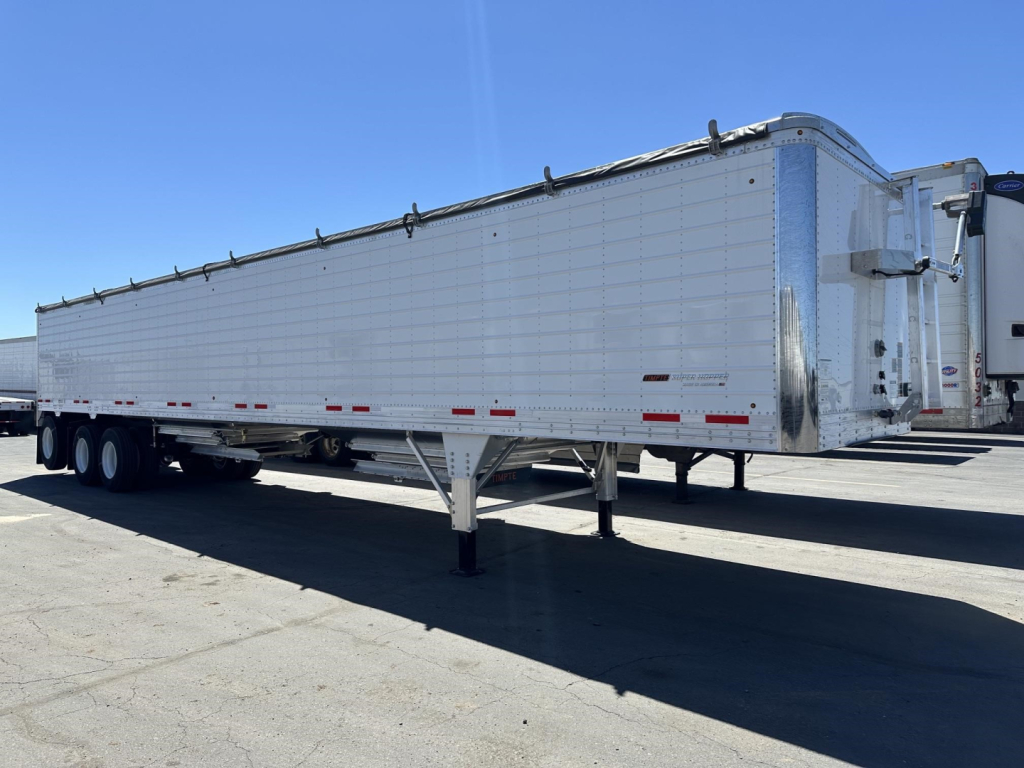
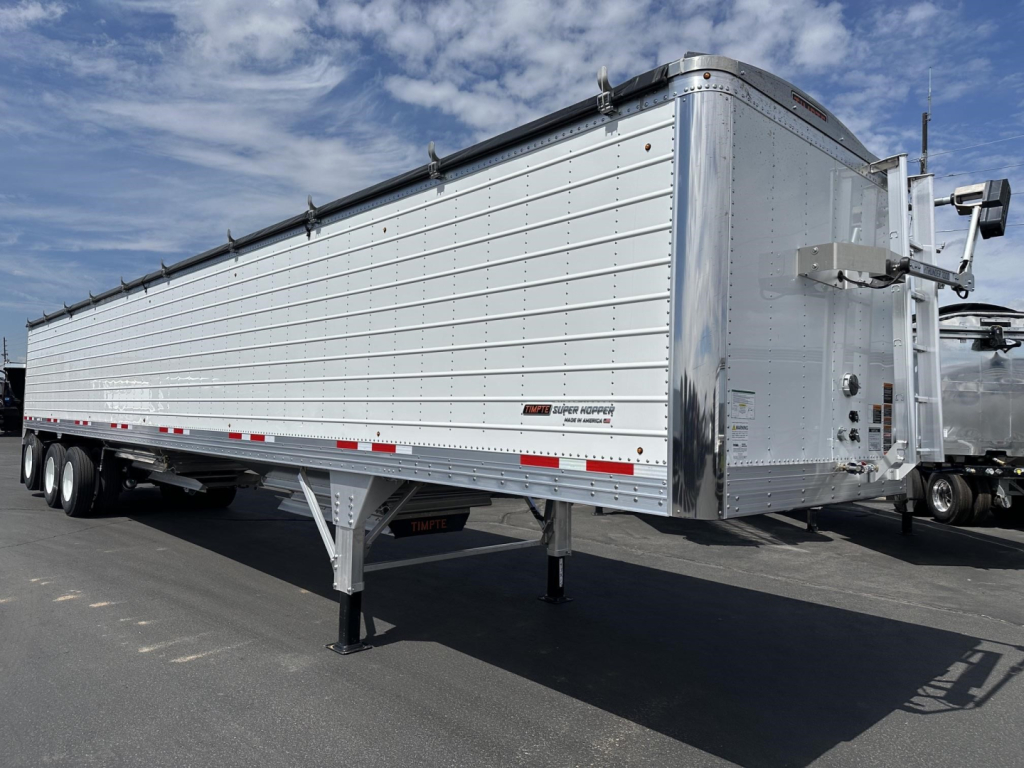
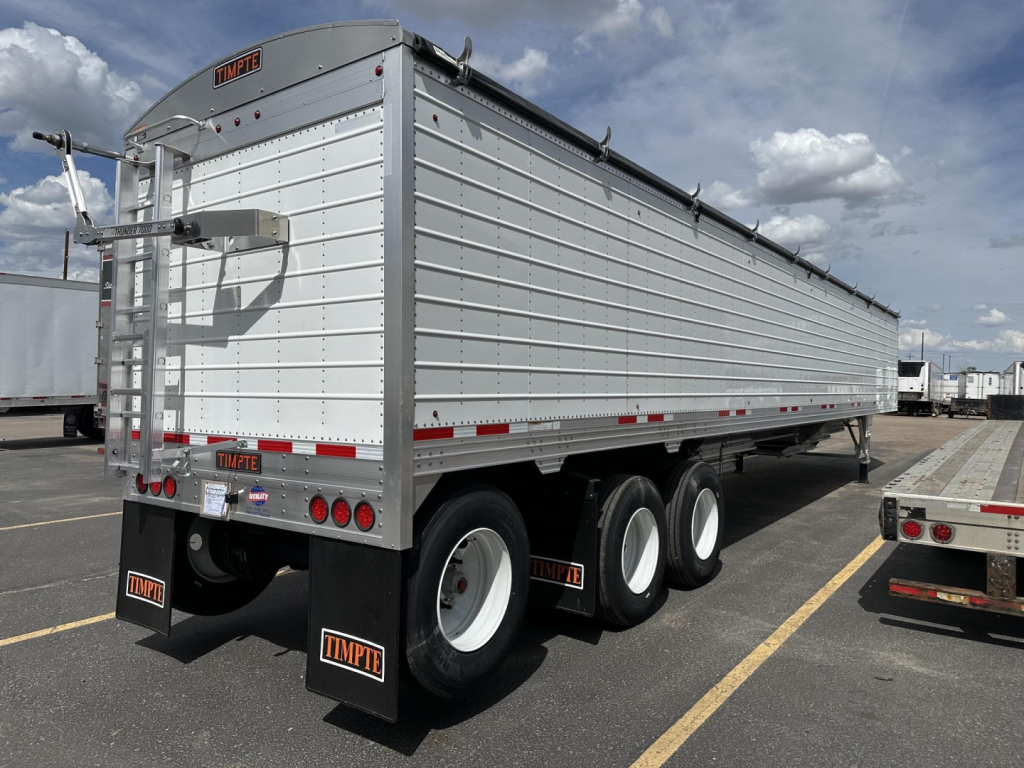
For most ag applications, a Timpte Super Hopper is built around dual hopper bottoms, corrugated side panels, front and rear ladders, catwalk access, and either manual or electric roll tarp systems. Buyers comparing listings should look closely at hopper design, trap operation, and discharge control, especially if the trailer will handle multiple materials through the year. Scale systems, including liquid-filled gauges, are popular because they help manage legal payload and loader efficiency in the field or at the elevator. Stainless front corners, full stainless rear panels, knock rails, and upgraded light packages are also common spec points that affect durability, visibility, and day-to-day use.
Suspension and running gear matter as much as body spec. Closed tandem air ride remains a standard choice for many grain operations, while tri-axle configurations with a lift axle can make sense when extra payload or bridge compliance is part of the job. Wheel and tire combinations often mix outside aluminum with inside steel to control cost without giving up appearance or corrosion resistance where it counts. Tire size, tire inflation systems, dump valves, and axle spacing should all be reviewed against the operating state, commodity density, and seasonal road conditions.
Some Timpte hopper listings also fall into more specialized bulk work, including frac sand service with single-hopper designs and hydraulic trap systems. That is a different use case than a standard ag hopper, so the buyer should match gate style, liner needs, tarp type, and frame spec to the material being hauled. The right 2027 Timpte hopper trailer usually comes down to commodity type, desired cubic capacity, discharge speed, and how often the trailer will see rough farm lanes, paved highways, or oilfield access roads.
Frequently Asked Questions about 2027 Timpte Hopper Trailers in Colorado
What are the most important specs to compare on a Timpte hopper trailer?
The key specs are trailer length, width, side height, axle configuration, hopper arrangement, suspension type, and tarp system. Those details determine cubic capacity, legal payload, unloading speed, and how well the trailer fits your routes and commodities. Buyers should also compare scale options, tire size, wheel material, dump valves, and corrosion-resistant components such as stainless front corners or rear panels.
What is the difference between a standard ag hopper and a frac sand hopper?
A standard ag hopper trailer is typically set up with two hopper bottoms for grain, feed, and fertilizer and is designed for frequent loading and unloading at elevators, bins, and farm locations. A frac sand hopper may use a single hopper design, different gate hardware, and hydraulic trap operation to handle dense, flow-sensitive material and more demanding jobsite conditions. The commodity being hauled should drive the decision because discharge requirements and wear patterns are different.
Is a 42-foot or 48-foot Timpte hopper trailer better for my operation?
A 42-foot hopper is a common choice for general grain hauling because it offers good maneuverability and works well across a broad range of routes and farm access points. A 48-foot trailer can provide more cubic capacity and may suit lighter commodities or operations trying to maximize volume, but it also changes bridge considerations, turning radius, and axle planning. The best choice depends on commodity density, state regulations, and the type of roads and facilities used every day.
Why do many hopper trailers include electric roll tarps and onboard scale systems?
Electric roll tarps reduce the time and effort required to cover loads and can improve safety by limiting the need for manual tarp handling. Onboard scales help the operator load more accurately, reduce the chance of overweight tickets, and improve consistency when moving between farm, elevator, and end user. For operations that load in the field or at multiple locations, these options can add measurable efficiency.
What should Colorado buyers pay attention to when choosing a hopper trailer?
Colorado buyers often need to balance highway use, rural access, elevation changes, and commodity mix. Axle layout, suspension, tire spec, and overall trailer capacity should be checked against bridge law, seasonal road conditions, and the density of the material being hauled. If the trailer will split time between farm work and longer regional runs, durability options such as knock rails, quality lighting, and corrosion-resistant trim can be worth the extra attention.