
2027 Load King Trailers For Sale in Colorado
Shop 2027 Load King trailers for sale, including lowboy and dump trailer configurations built for heavy haul, aggregate, and construction work.
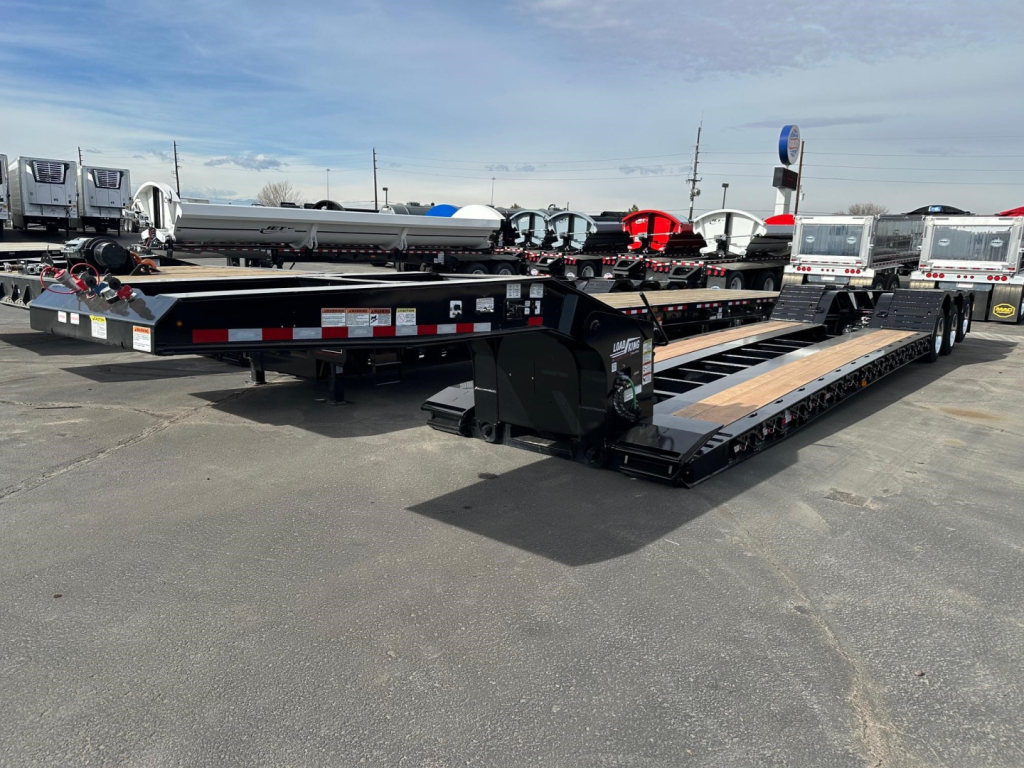
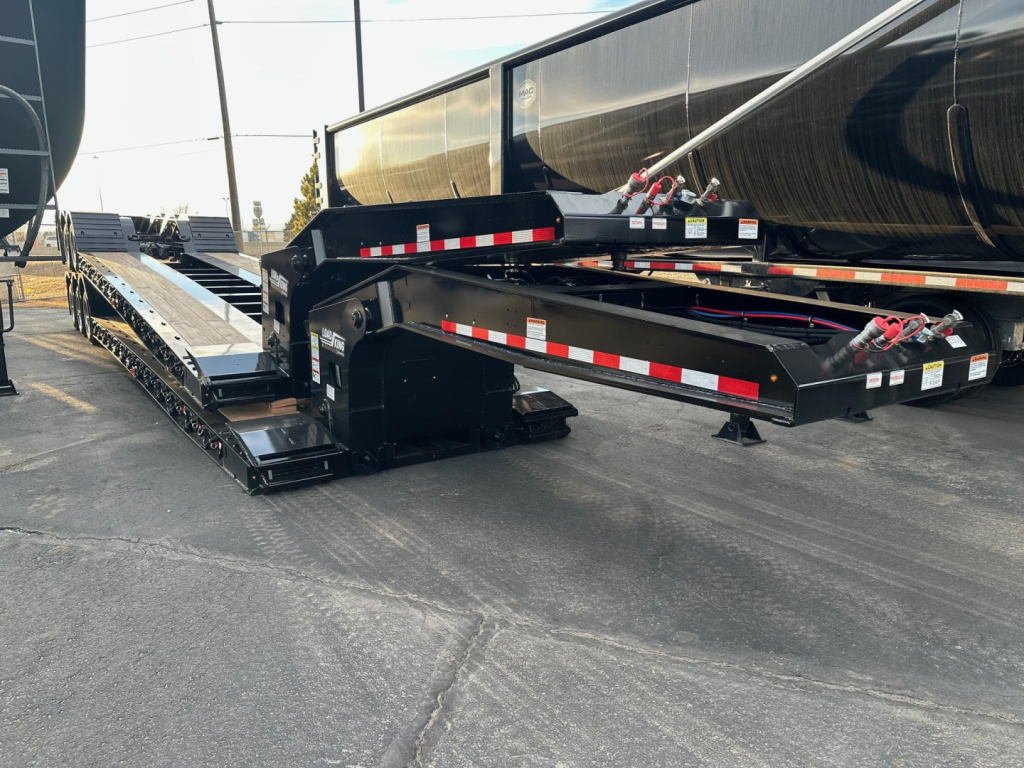
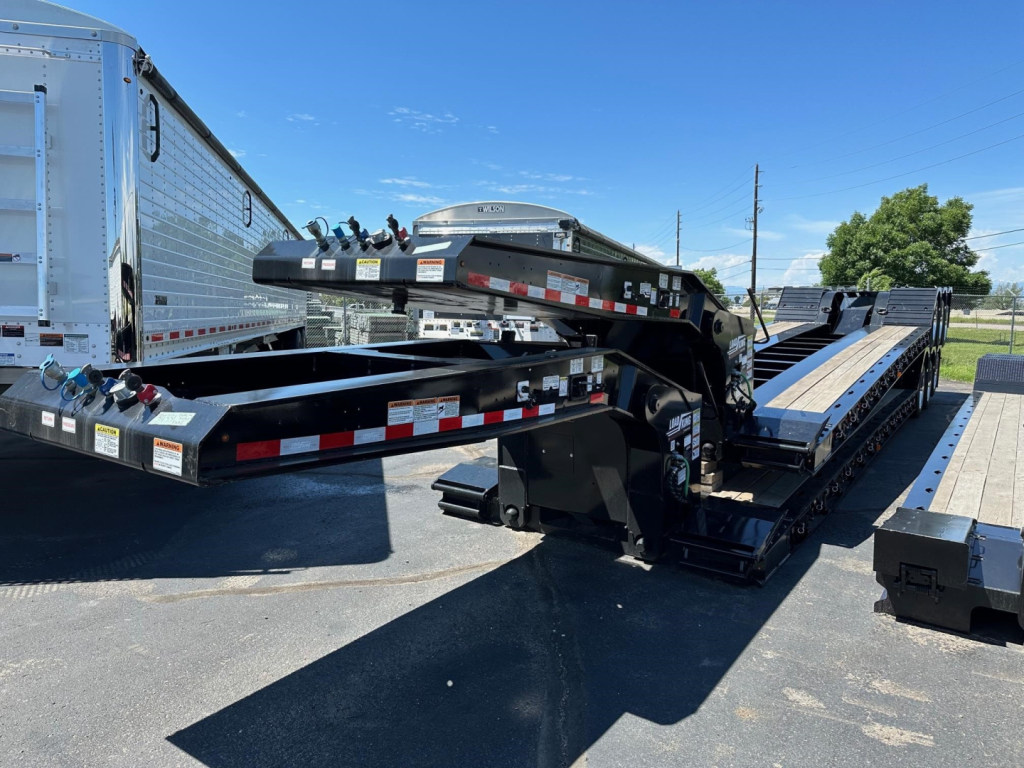
Selling a 2027 load king trailer? List your 2027 load king trailer for sale and reach thousands of commercial buyers.
2027 Load King Trailers in Colorado
On the lowboy side, Load King trailers are often spec'd for 55-ton to 60-ton class work, with features such as hydraulic removable goosenecks or hydraulic detach scraper necks, 53-foot overall length, 102-inch width, and a well length around 26 feet. Common heavy-haul details include dual kingpin settings, tapered beams, outriggers, chain slots, bent D-rings, load-bearing fenders, adjustable ride height, and connections for a flip axle or fourth axle. Tri-axle setups are common, and many buyers prefer air ride suspension when they need better load protection and ride control over mixed road conditions. Deck material also matters. Apitong wood remains popular for its durability and grip, especially when loading tracked machines, dozers, excavators, and other iron with concentrated axle weights.
For dump applications, Load King frameless steel rock end dumps are typically built for hard material like shot rock, demo debris, gravel, and asphalt millings. Buyers usually compare tub style, gate design, hoist geometry, and overall trailer length, with half-round rock tubs and high-lift gates being common choices for clean unloading and reduced material hang-up. Frameless construction can save tare weight and maximize payload, but it also needs to match the fleet's road conditions and loading practices. Tire size, wheel composition, tarp system, ladder access, and fender setup all matter in daily use, especially for operations trying to balance payload with uptime and driver convenience.
A smart way to shop 2027 Load King trailers is to start with the job, not the badge. For heavy equipment hauling, verify the capacity in a defined spread such as 110,000 pounds in 12 feet, then confirm kingpin settings, neck design, axle group, and any auxiliary axle provisions needed for your permit strategy. For dump work, focus on body material, tub shape, gate spec, and how the trailer will handle your material stream and haul roads. Across both categories, buyers should inspect suspension condition, hydraulic systems, lighting, deck or tub wear surfaces, tire uniformity, and brake configuration because those details drive operating cost after the purchase far more than the model year alone.
Frequently Asked Questions about 2027 Load King Trailers in Colorado
What types of trailers are common from Load King in the 2027 model year?
The most common Load King trailer types buyers search in this segment are lowboy trailers for heavy equipment transport and dump trailers for aggregate or rock service. Lowboys are built around concentrated weight capacity, deck height, and detachable neck options, while dump trailers are designed around payload, body strength, and unloading performance. The right choice depends on whether the trailer will spend its life moving machines or hauling loose material.
What should I look for in a 2027 Load King lowboy trailer?
Start with rated capacity, axle count, and the exact load concentration the trailer is built to handle. A buyer should also verify whether the trailer has a hydraulic removable gooseneck or detach scraper neck, dual kingpin settings, outriggers, load-bearing fenders, and provisions for a flip axle or fourth axle. Well length, deck material, suspension type, and adjustable ride height are also important because they affect loadability, permit flexibility, and how the trailer performs with different machine configurations.
Is a frameless Load King dump trailer a good fit for rock and aggregate work?
A frameless Load King dump trailer can be a strong fit for rock, gravel, demolition debris, and similar high-volume material when the trailer is properly matched to the route and loading environment. Frameless designs are often chosen for lower tare weight and higher payload potential, while steel half-round tubs help material release more cleanly during dumping. Buyers should still consider road conditions, loading impact, gate style, and hoist stress because severe off-road use can change what body style makes the most sense.
Why do kingpin settings and auxiliary axle provisions matter on a lowboy?
Kingpin settings and auxiliary axle provisions matter because they affect bridge compliance, turning characteristics, and how a load can be legally configured for different states or permit conditions. A trailer with multiple kingpin settings gives a fleet more flexibility to shift weight distribution based on the tractor and the load. Fourth axle or flip axle provisions can be just as important for operators moving heavier machines or working in states with stricter axle spacing requirements.
What operating features add value on Load King trailers?
Features that add real value are the ones that improve loading speed, daily reliability, and long-term durability. On lowboys, that often includes hydraulic neck operation, work lights, front flip ramps, chain securement points, adjustable ride height, and durable decking such as Apitong. On dump trailers, practical value usually comes from a high-lift gate, electric tarp, ladder access, fenders, and a body design that sheds material efficiently. These features reduce downtime and make the trailer easier to run every day.