
2027 Load King Trailers For Sale
Shop 2027 Load King trailers for hauling equipment, heavy machinery, and oversize loads, including lowboy, detachable neck, and specialized setups.
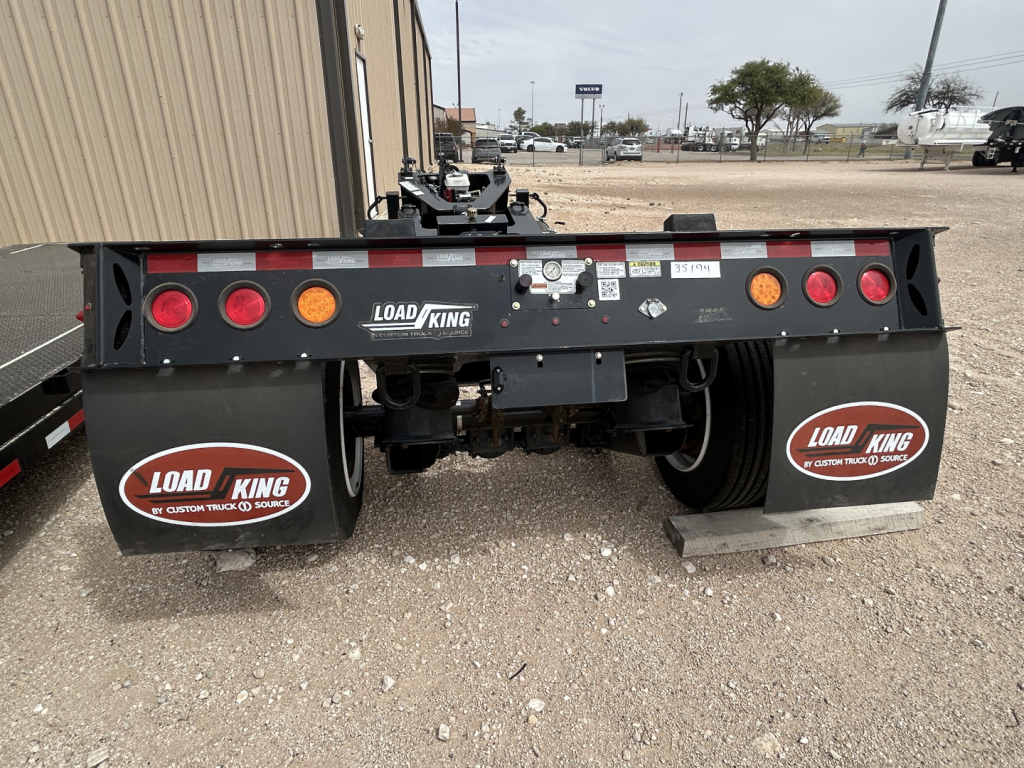
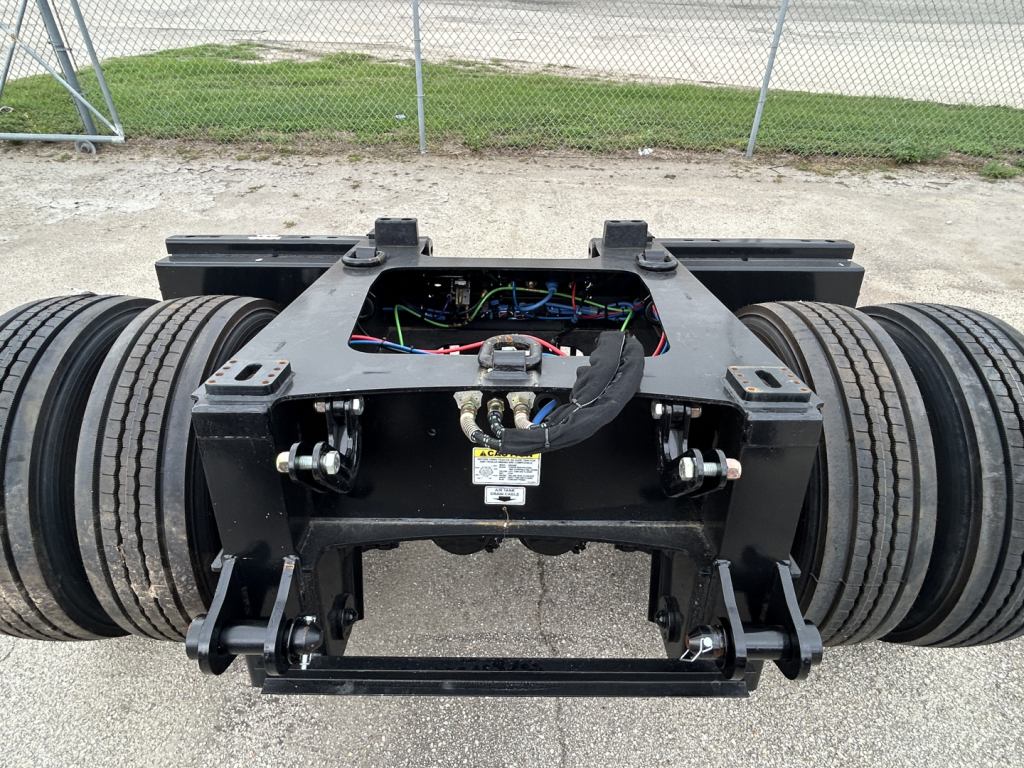
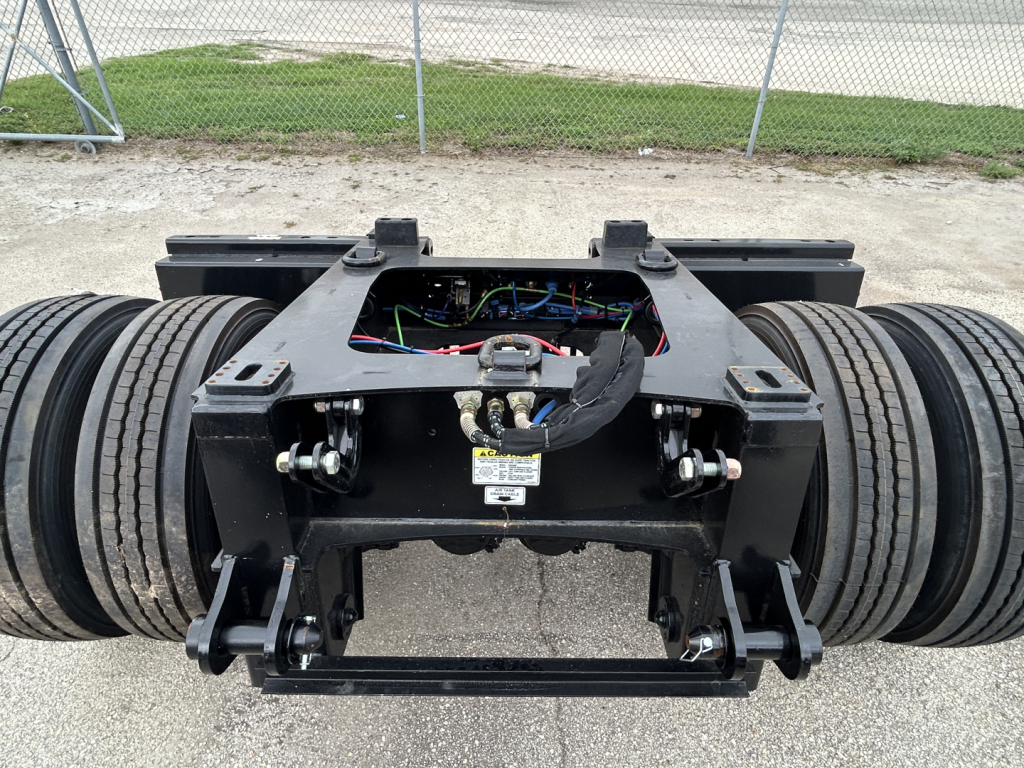
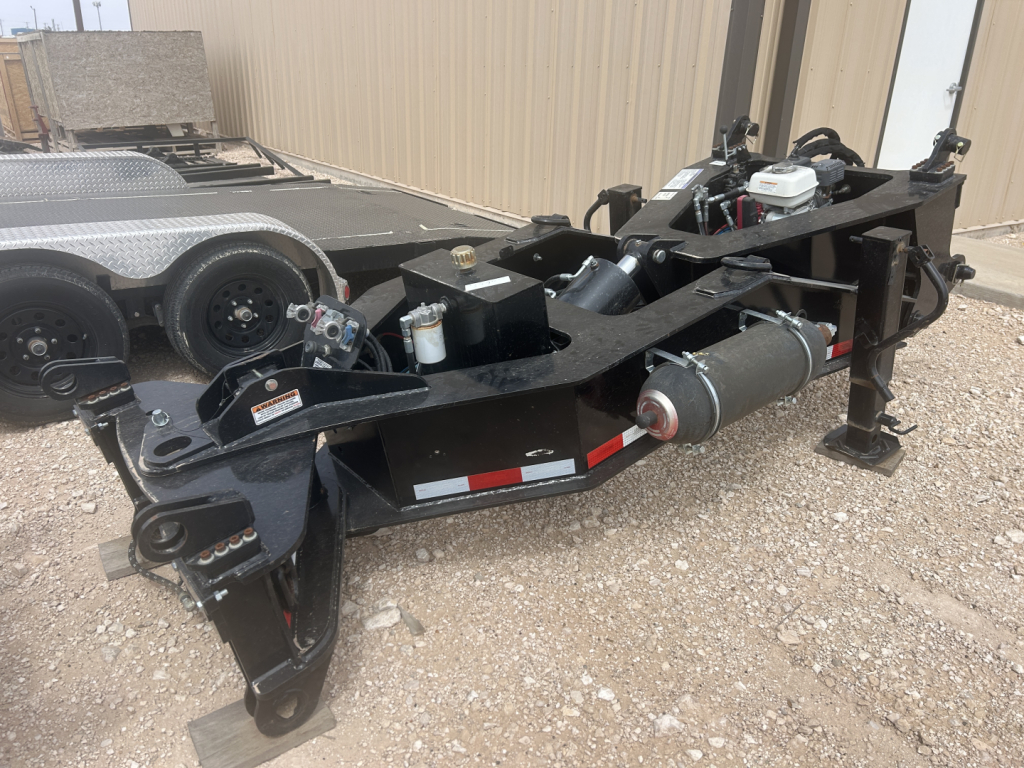
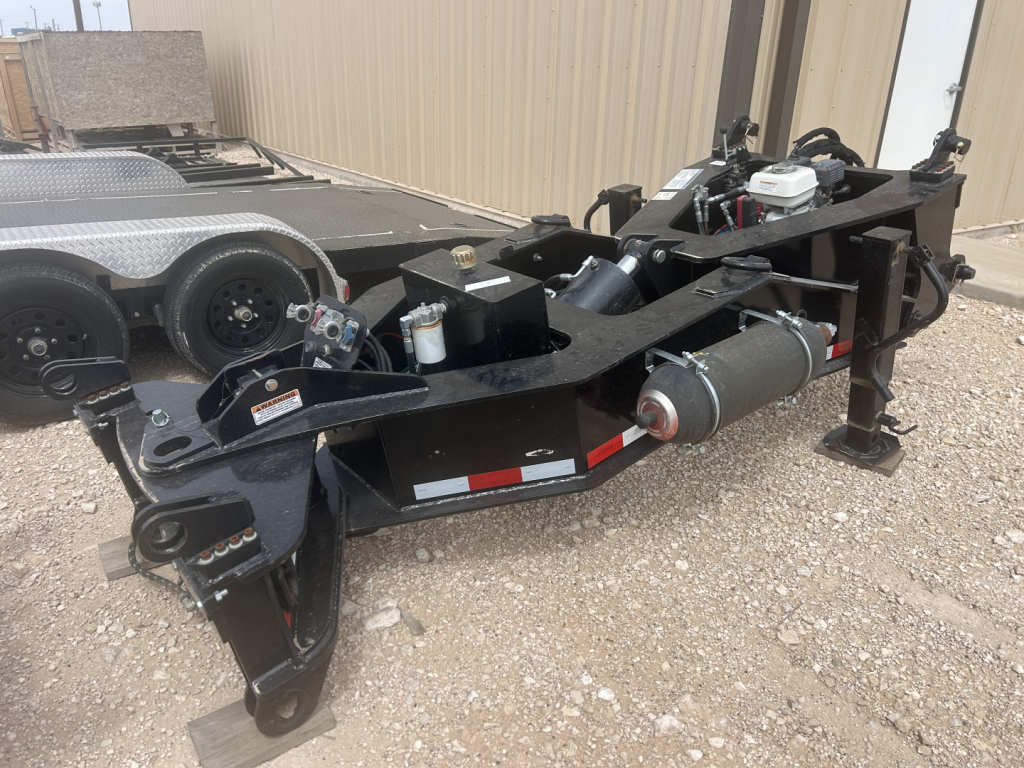
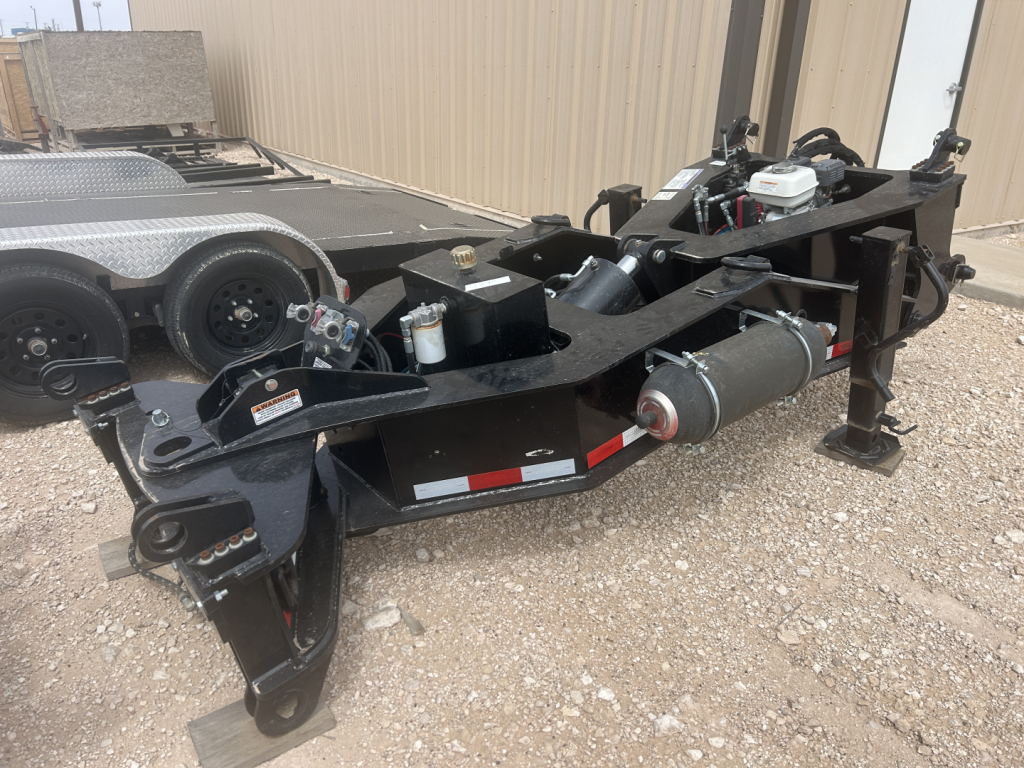
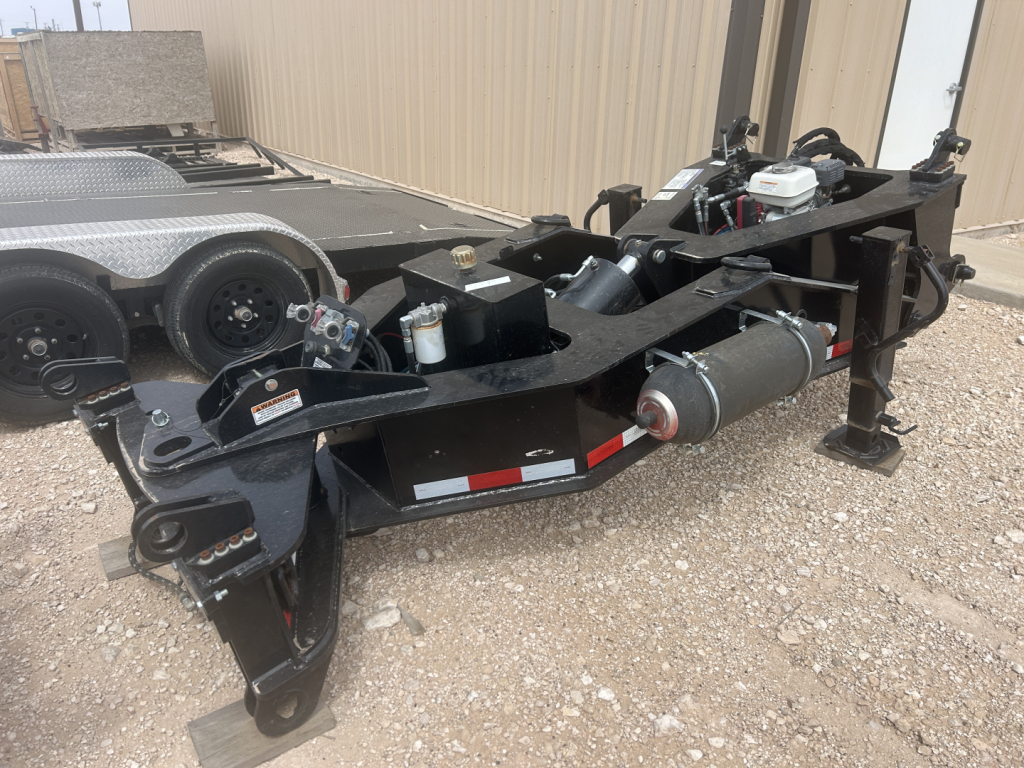
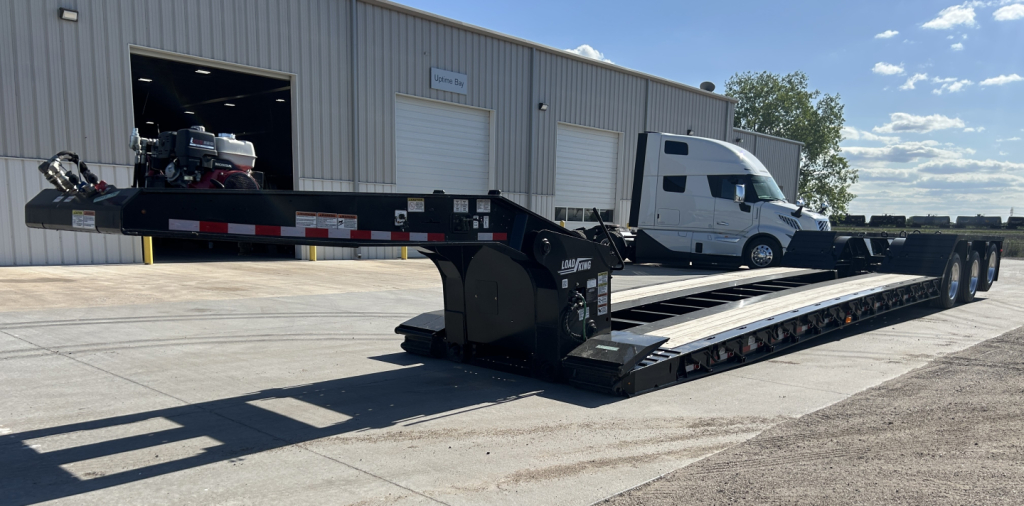

Showing 1 to 28 of 31 results
Selling a 2027 load king trailer? List your 2027 load king trailer for sale and reach thousands of commercial buyers.
2027 Load King Trailers
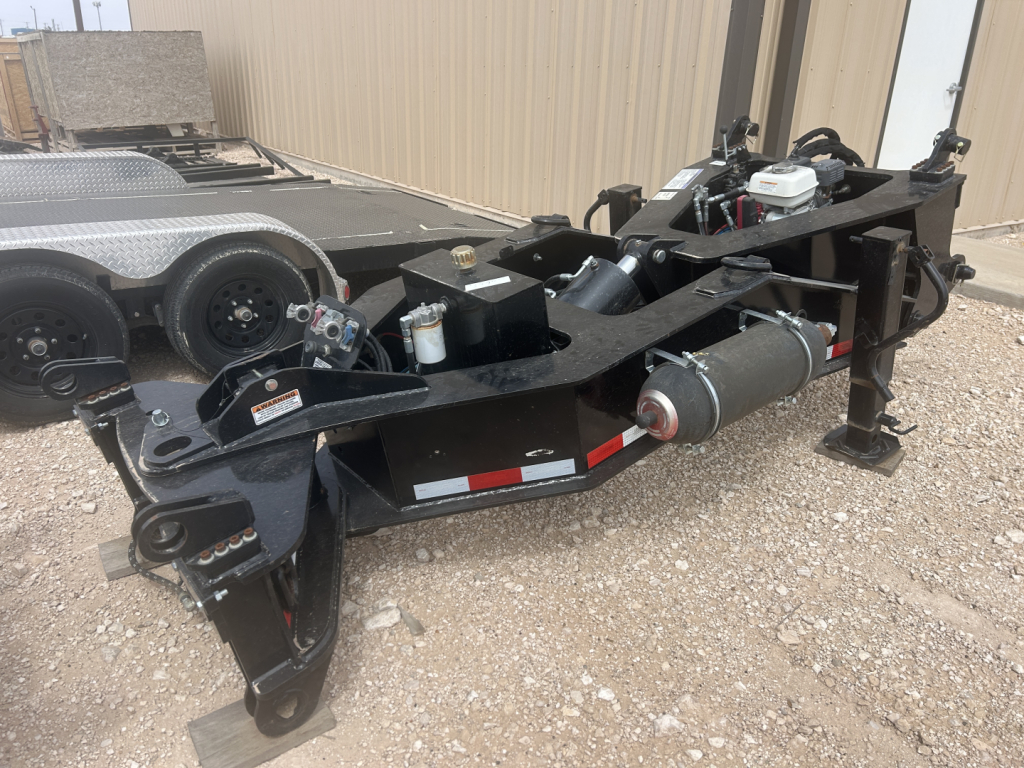
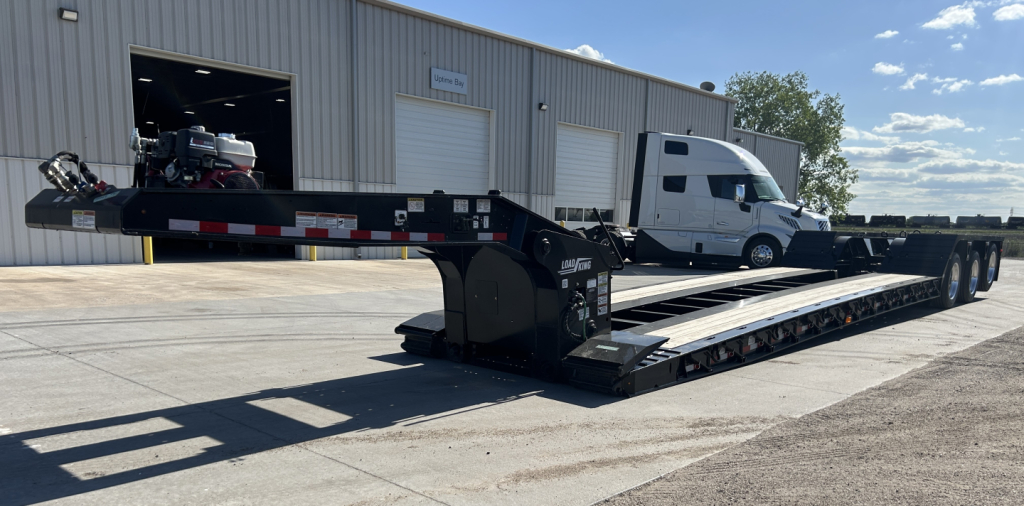
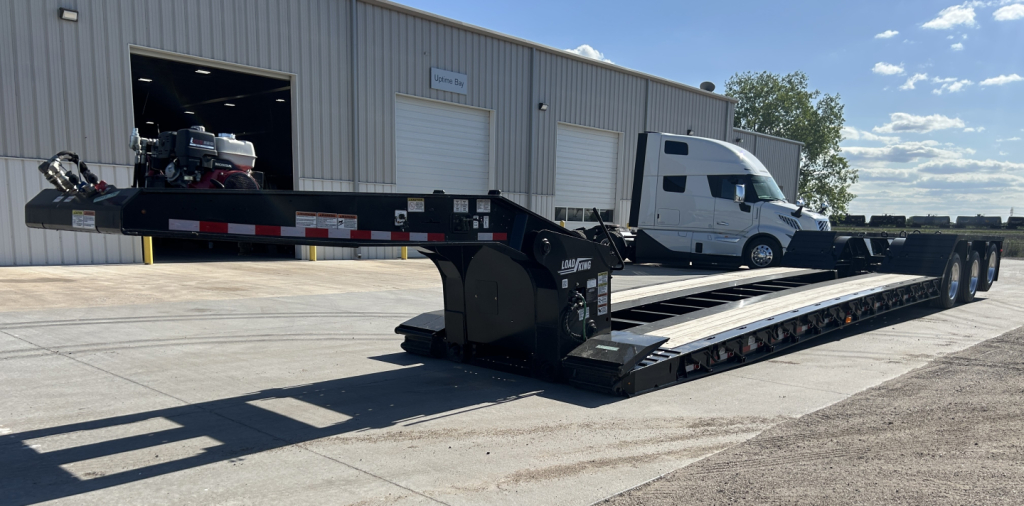
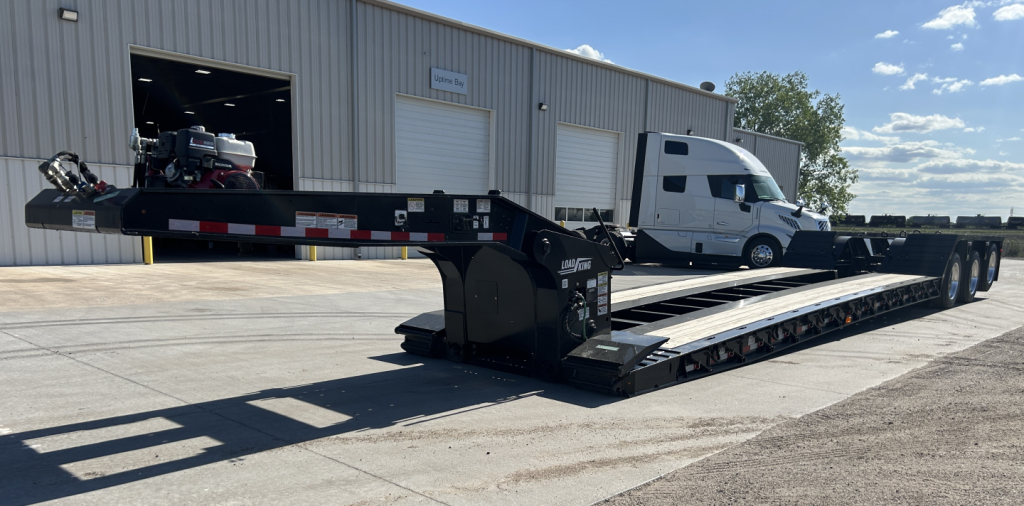
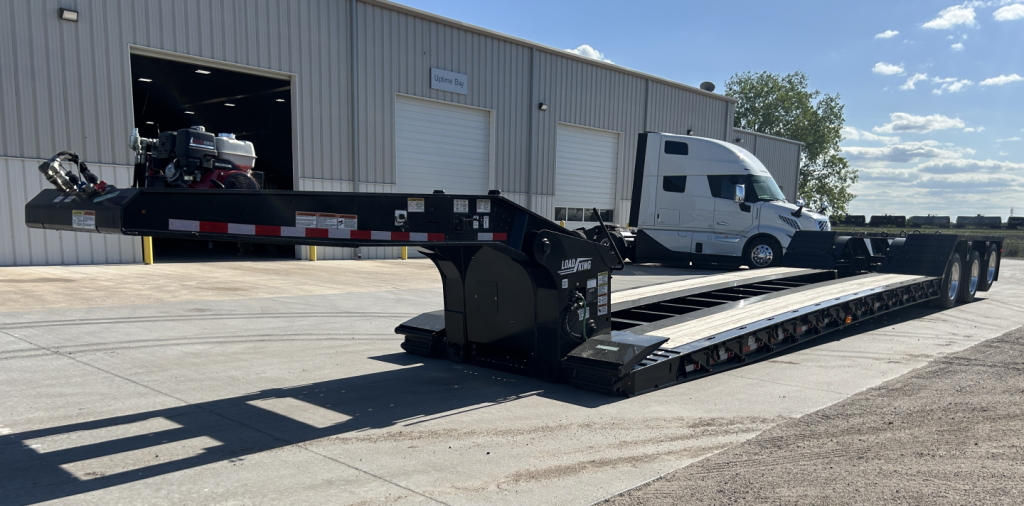
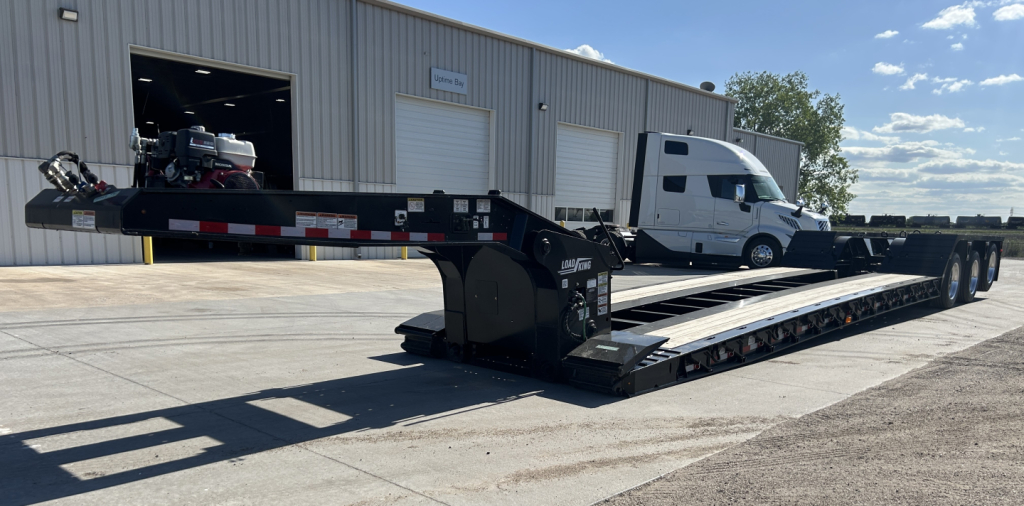
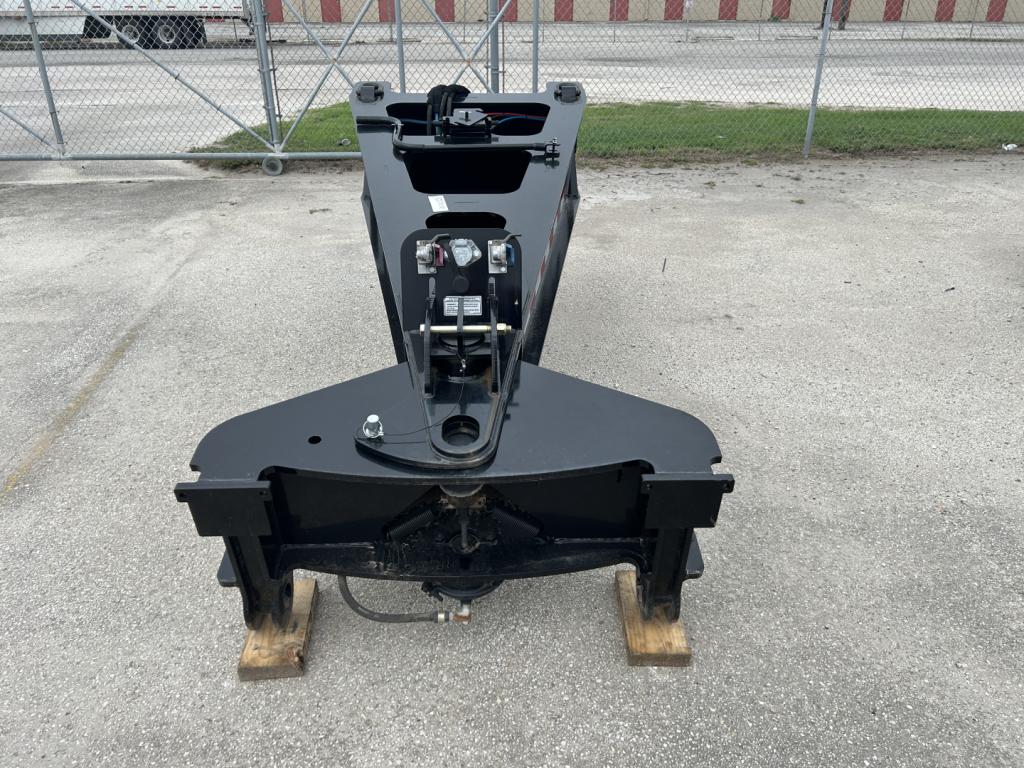
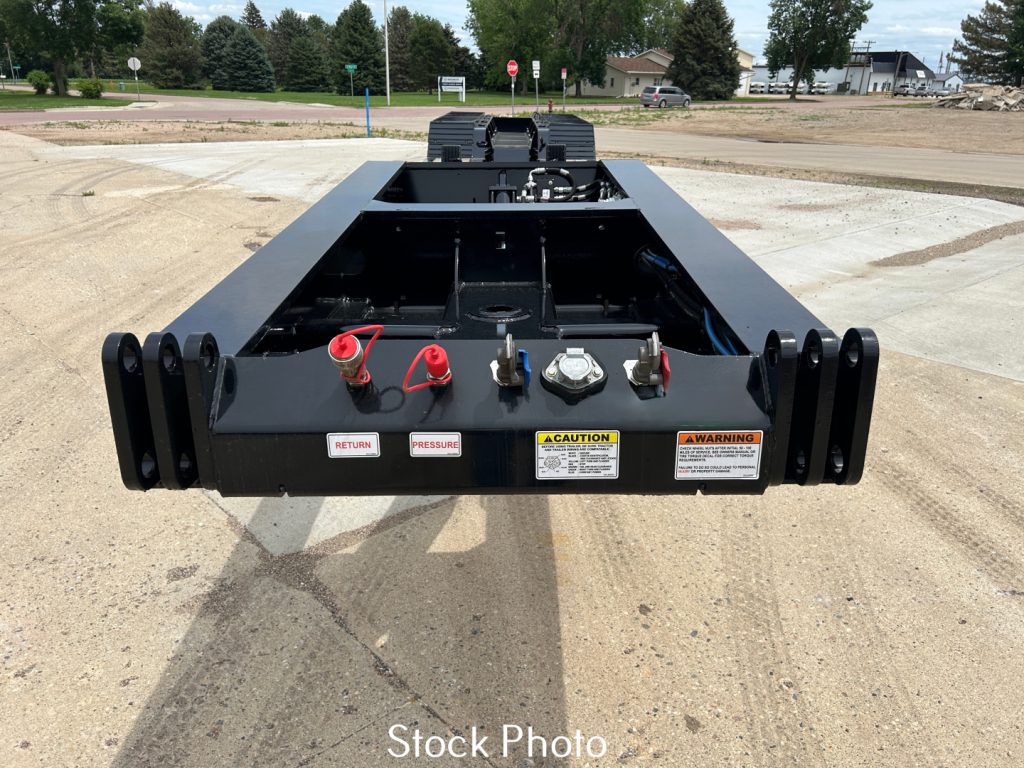
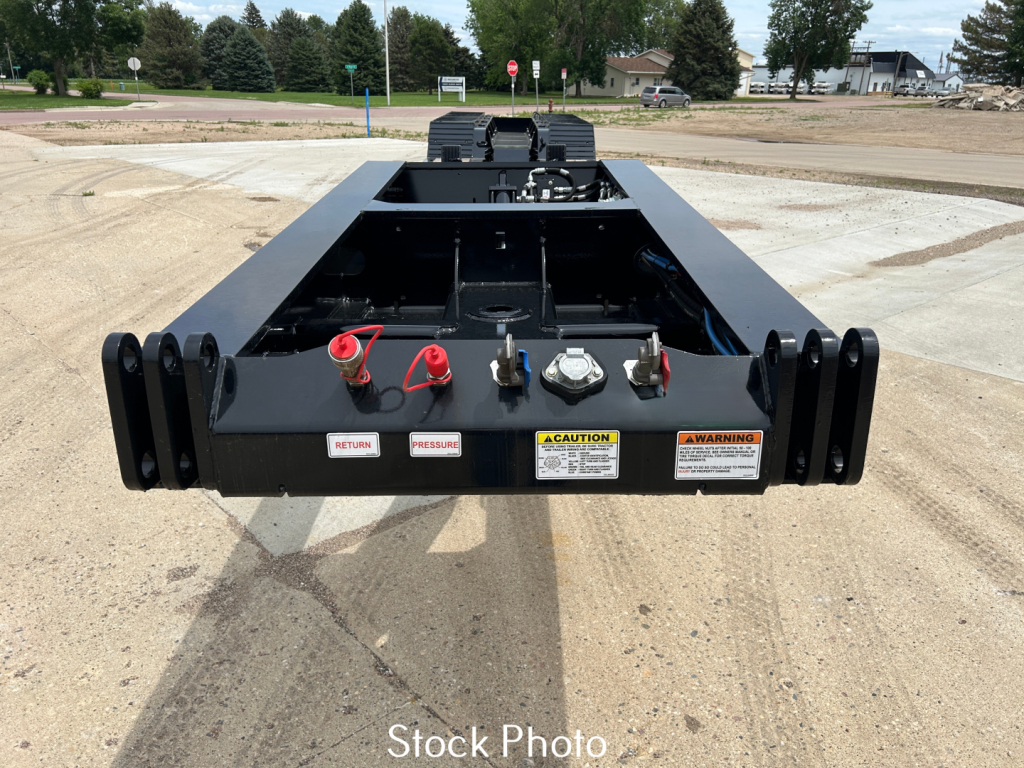
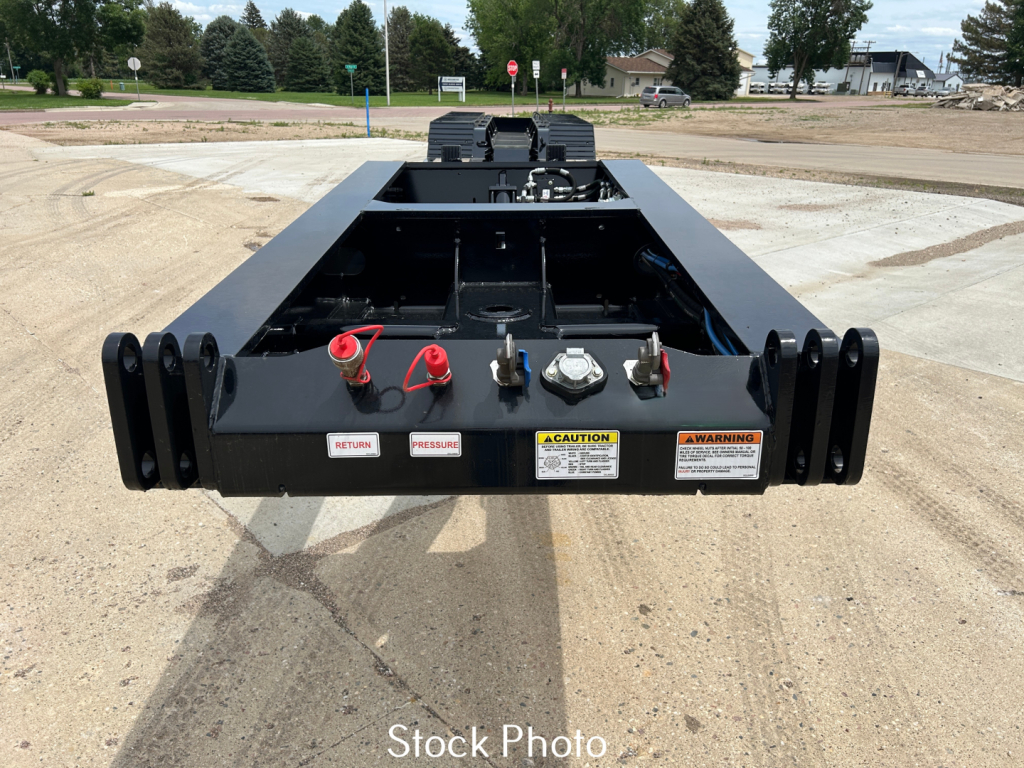
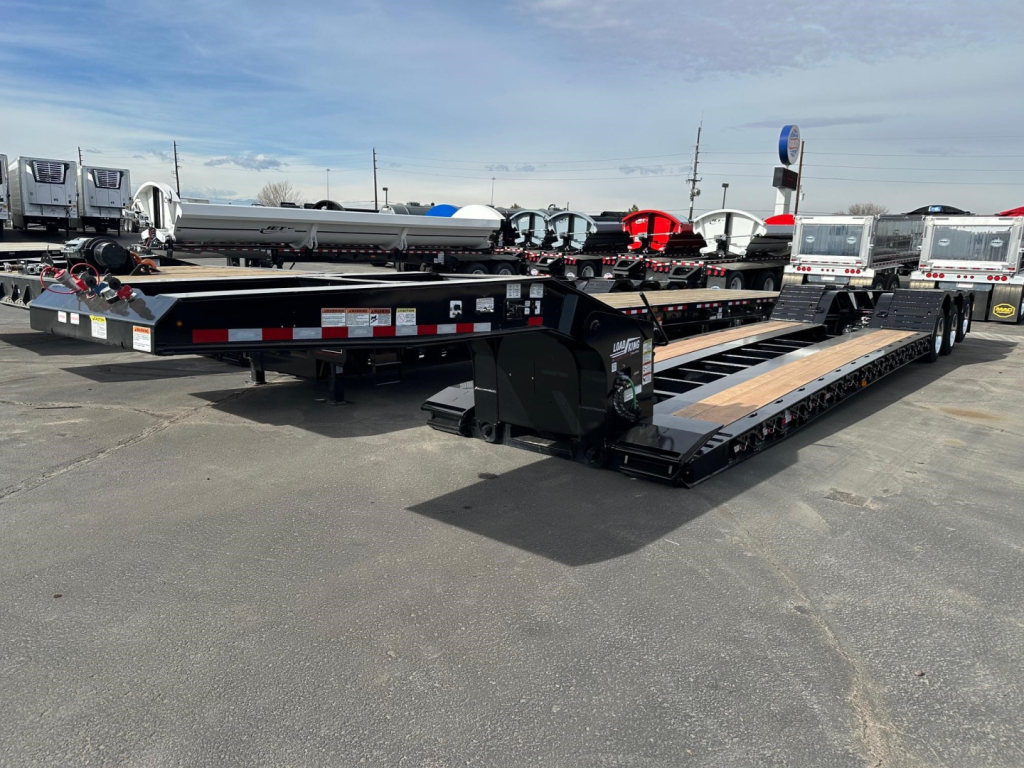
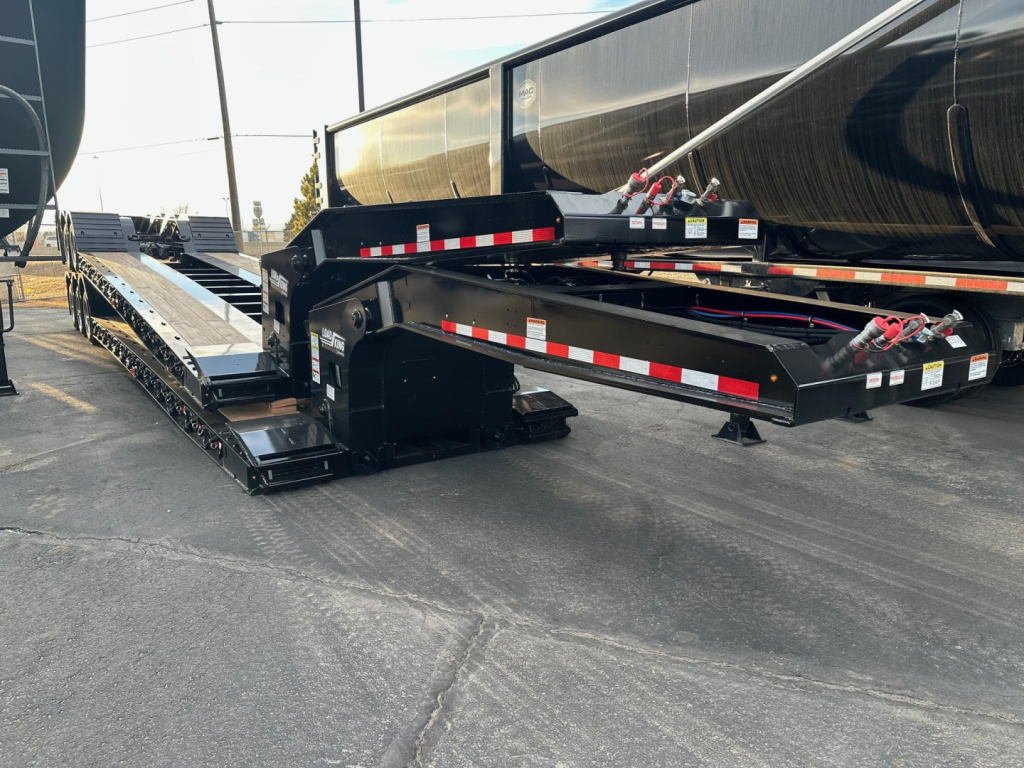
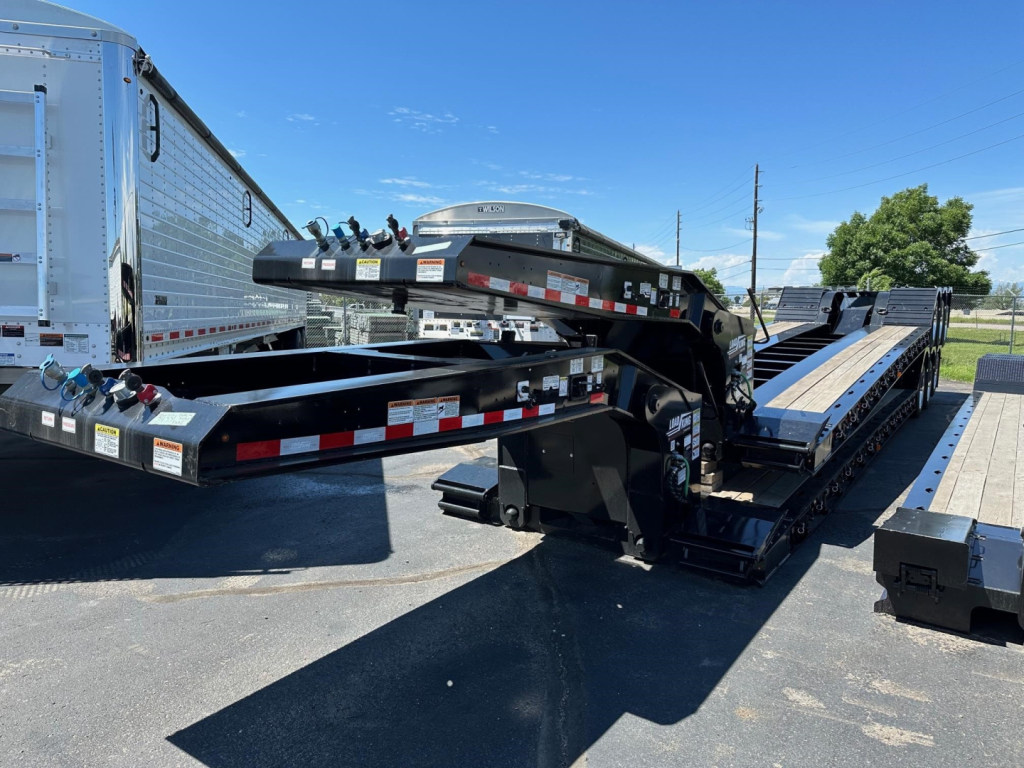
A big decision in this category is trailer configuration. Load King lowboy trailers are commonly found in fixed neck, mechanical detachable neck, and hydraulic detachable neck designs. Mechanical detachable neck trailers are valued for simpler operation and lower complexity, while hydraulic detach models speed up loading and unloading and can make life easier for operators handling multiple machines per day. Key specs to compare include overall length, well length, loaded deck height, axle count, axle spacing, kingpin setting, suspension type, and whether the trailer is set up for additional flip axles or a jeep. For buyers moving heavier iron, compatibility with a flip axle, spreader bar, or booster setup can matter as much as the trailer's base rating.
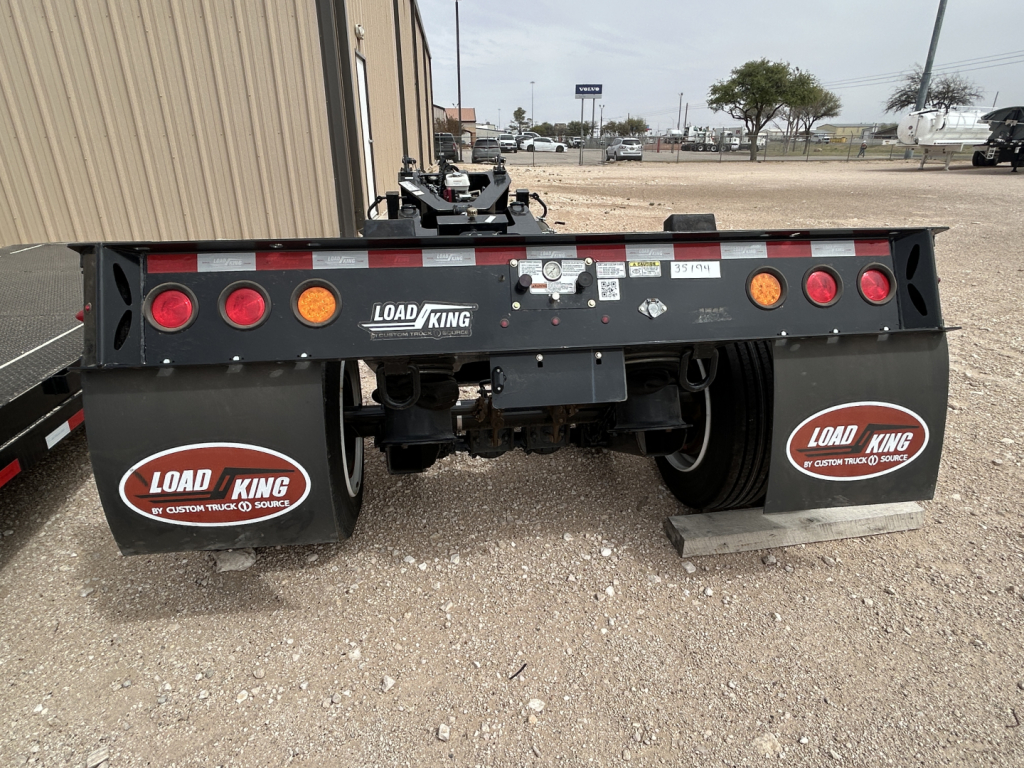
Deck construction and running gear also deserve close attention. Many Load King trailers use steel frames with wood deck inserts, giving operators a repairable working surface with solid traction for tracked equipment. Outriggers, D-rings, tie-down points, ramp options, bucket wells, boom wells, and beavertail sections all affect how usable the trailer will be for your freight mix. Air ride suspension is common in this class because it helps protect the load, supports ride height adjustment, and improves handling on rougher roads or uneven jobsites. Tire size, wheel material, brake condition, and ride height controls are especially important on used heavy-haul trailers because those details directly affect uptime and operating cost.
For many buyers, the real value in a Load King trailer is how well it fits a specific route and permit profile. A 35 ton, 50 ton, 55 ton, or 60 ton setup can be very different in practice depending on deck length, bridge spacing, and whether the trailer can accept one or two flip axles. If your work includes excavators, dozers, crushers, or other oversize equipment, pay attention to deck height, ground clearance, rear frame design, and loading angle. A well-matched Load King trailer can improve legal payload flexibility, speed up loading cycles, and reduce compromise when hauling mixed fleets of machines.
Frequently Asked Questions about 2027 Load King Trailers
What types of trailers does Load King commonly build for heavy-haul work?
Load King is widely associated with lowboy trailers, including fixed neck, mechanical detachable neck, and hydraulic detachable neck designs. The brand is also known for related heavy-haul components such as flip axles, jeeps, and spreader bars that help operators adjust axle configurations for heavier loads and permit requirements. This makes Load King a strong fit for fleets hauling construction and excavation equipment.
What should I compare first when shopping for a Load King lowboy trailer?
Start with rated capacity, deck height, well length, axle count, and neck style. Those specs determine what machines the trailer can legally and practically haul. After that, look at kingpin setting, suspension type, tire and wheel setup, tie-down equipment, and whether the trailer is designed to work with a flip axle or other axle extensions. A trailer with the right geometry for your freight is usually more valuable than one with a higher raw ton rating on paper.
Is a mechanical detachable neck or hydraulic detachable neck better on a Load King trailer?
A mechanical detachable neck is typically simpler and may appeal to buyers who want fewer hydraulic components to maintain. A hydraulic detachable neck is usually faster and more convenient for frequent loading, especially when handling multiple pieces of equipment in a day. The better choice depends on how often the trailer is loaded, the types of machines being hauled, and how much importance you place on operating speed versus mechanical simplicity.
Why do flip axles and spreader bars matter on heavy-haul trailers?
Flip axles and spreader bars help distribute weight and improve bridge compliance when hauling heavier loads. On many heavy-haul setups, the trailer's base capacity is only part of the equation. The ability to add a flip axle, increase axle spacing, or match a spreader to the trailer can expand legal hauling options and improve permit flexibility. Buyers moving larger equipment should verify compatibility before purchase.
What features matter most for hauling tracked equipment on a Load King trailer?
Tracked machines put a premium on deck strength, traction, loading angle, and securement points. Buyers should pay close attention to wood deck condition, outriggers, D-rings, ramp or neck loading design, and the presence of bucket wells or boom wells when needed. Loaded deck height and rear frame design also matter because they affect both stability on the road and ease of loading at the jobsite.