
2027 Load King Trailers For Sale in Texas
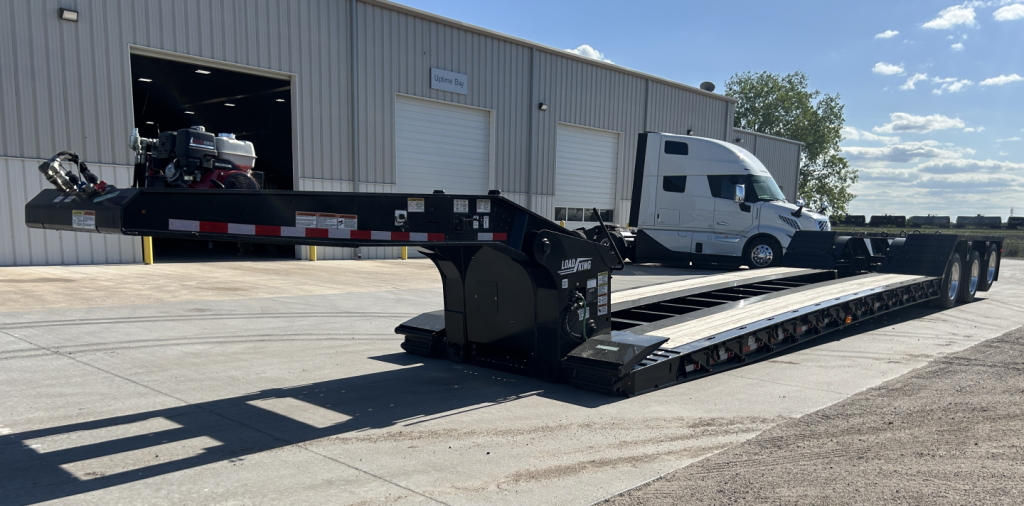
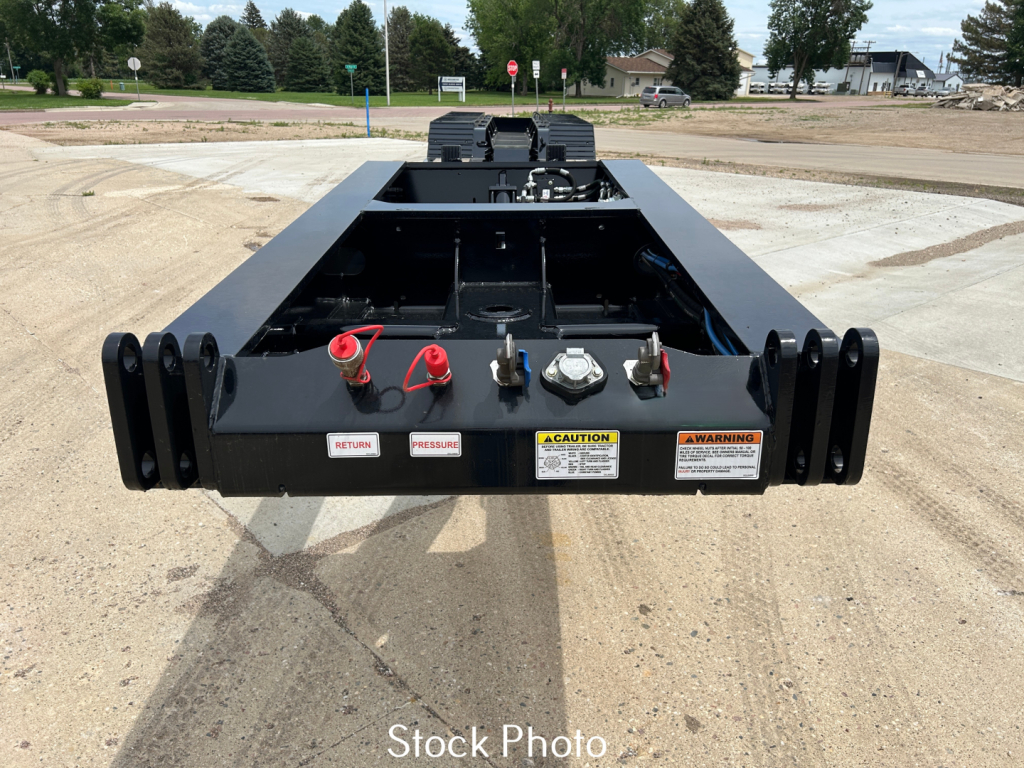
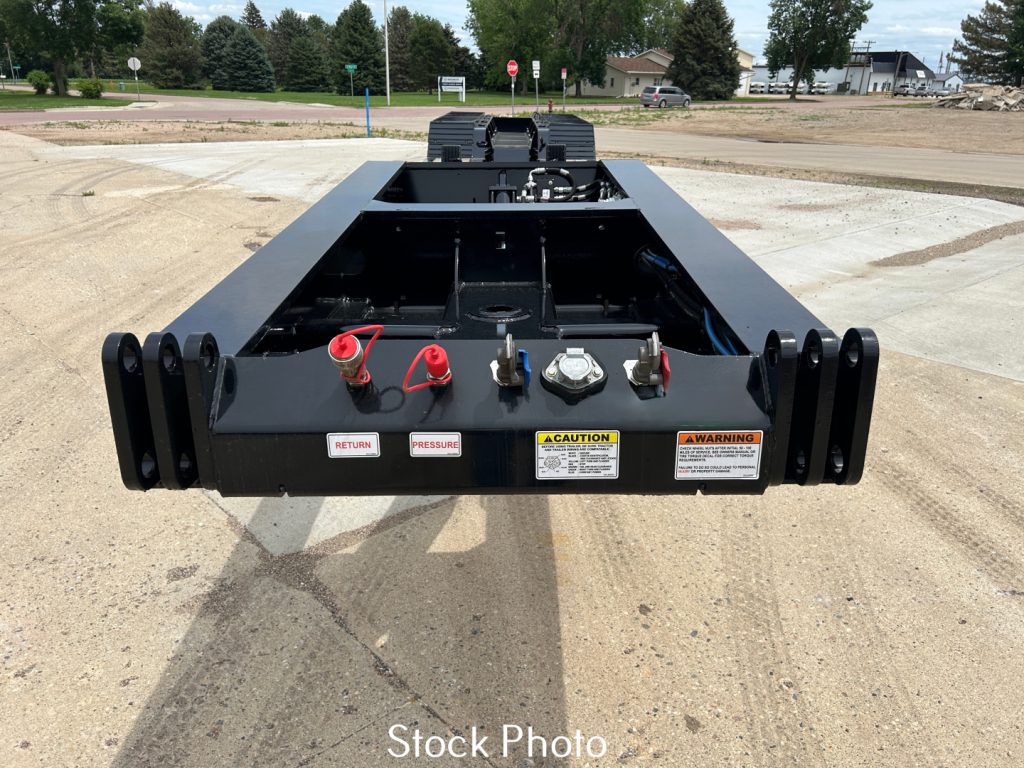
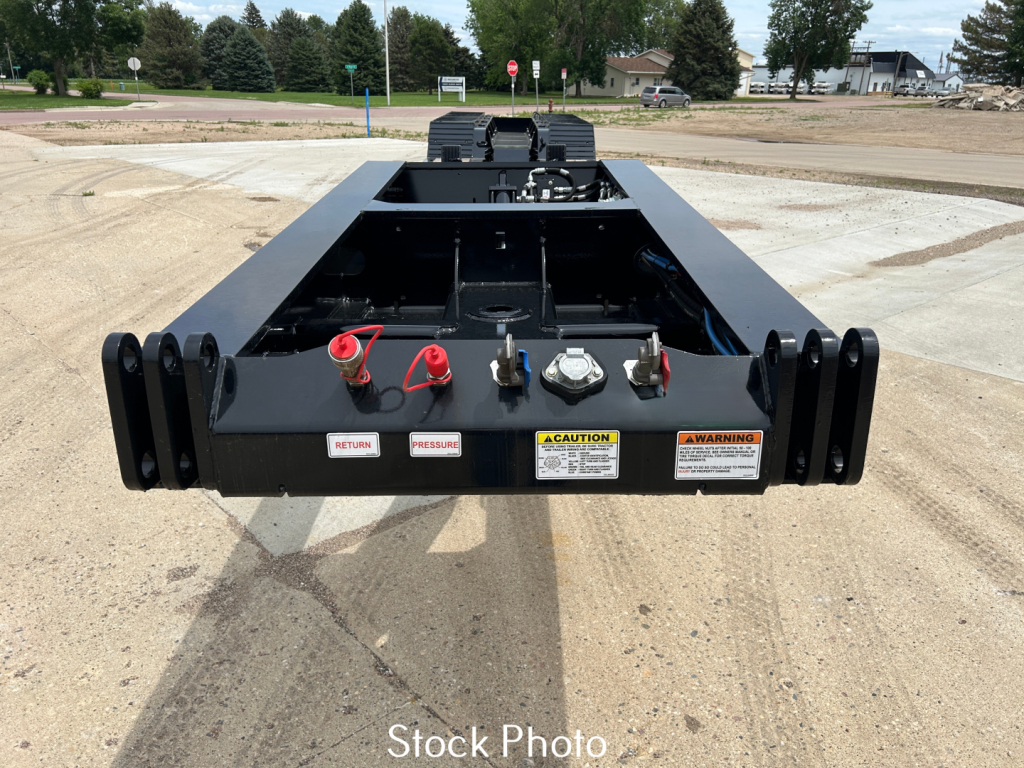
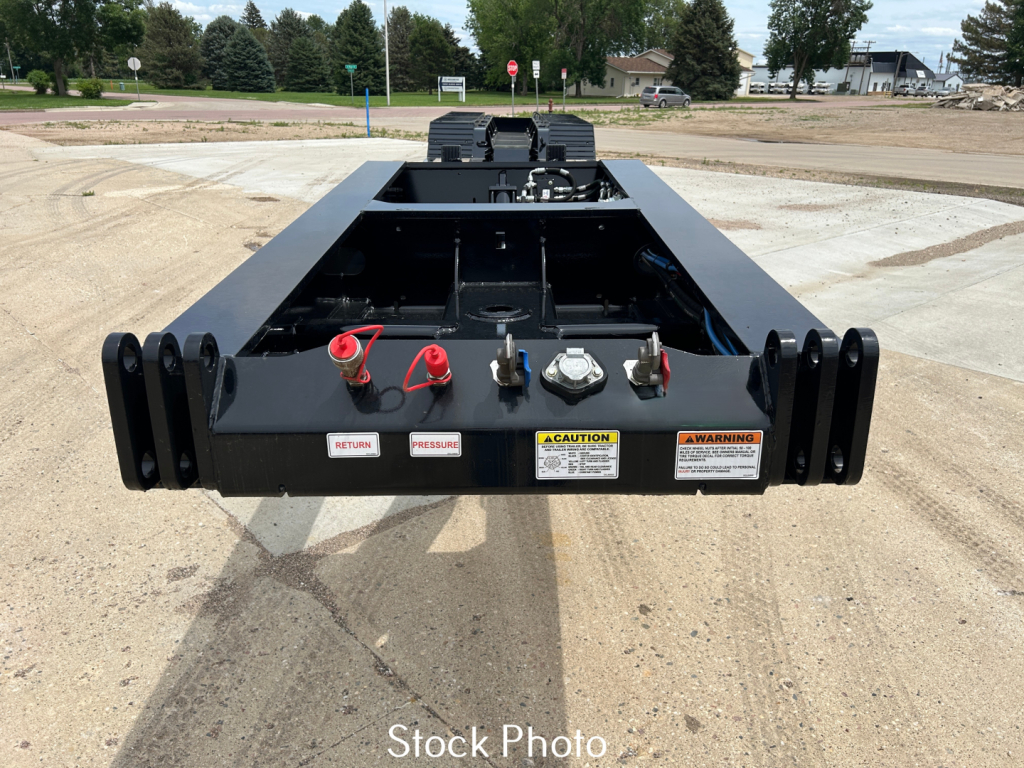
Shop 2027 Load King trailers for heavy haul work, including lowboy configurations, detachable goosenecks, flip axles, and specialized hauling setups.
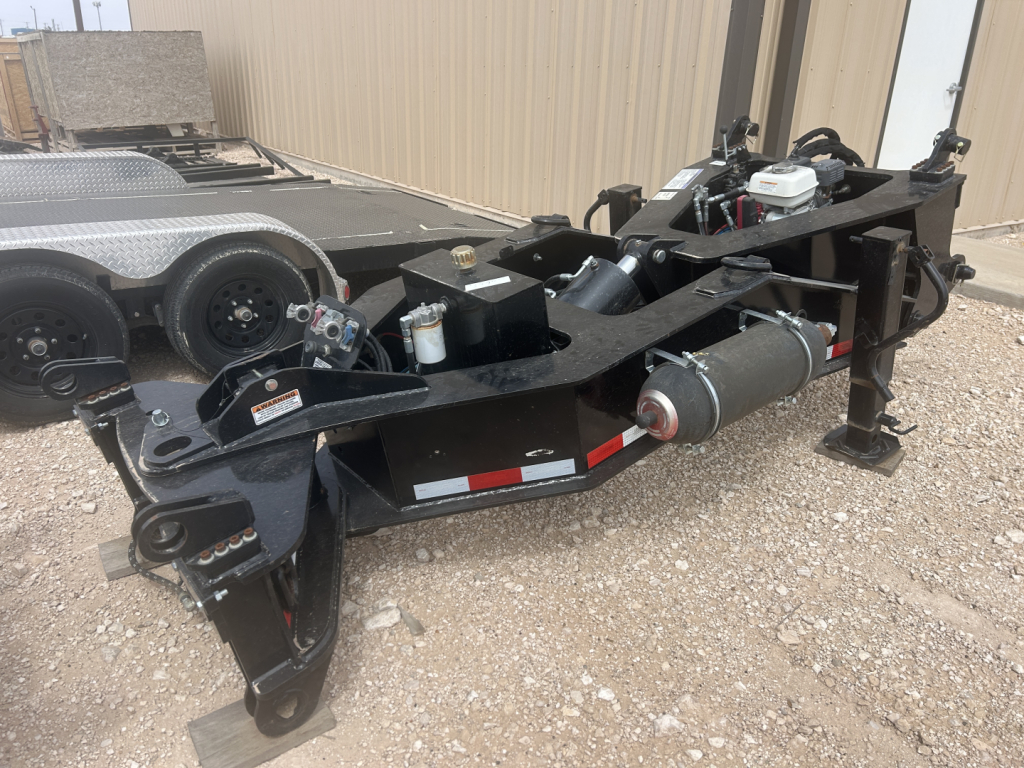
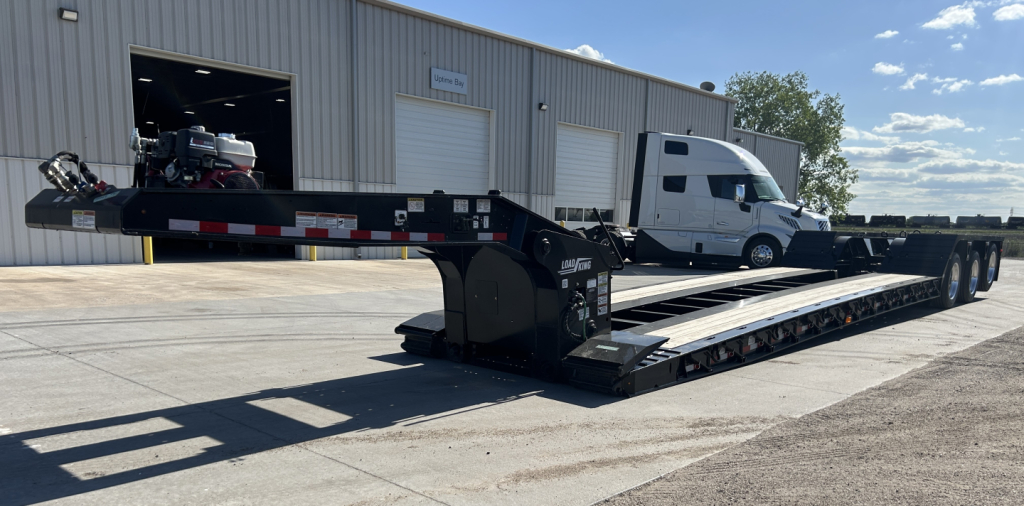
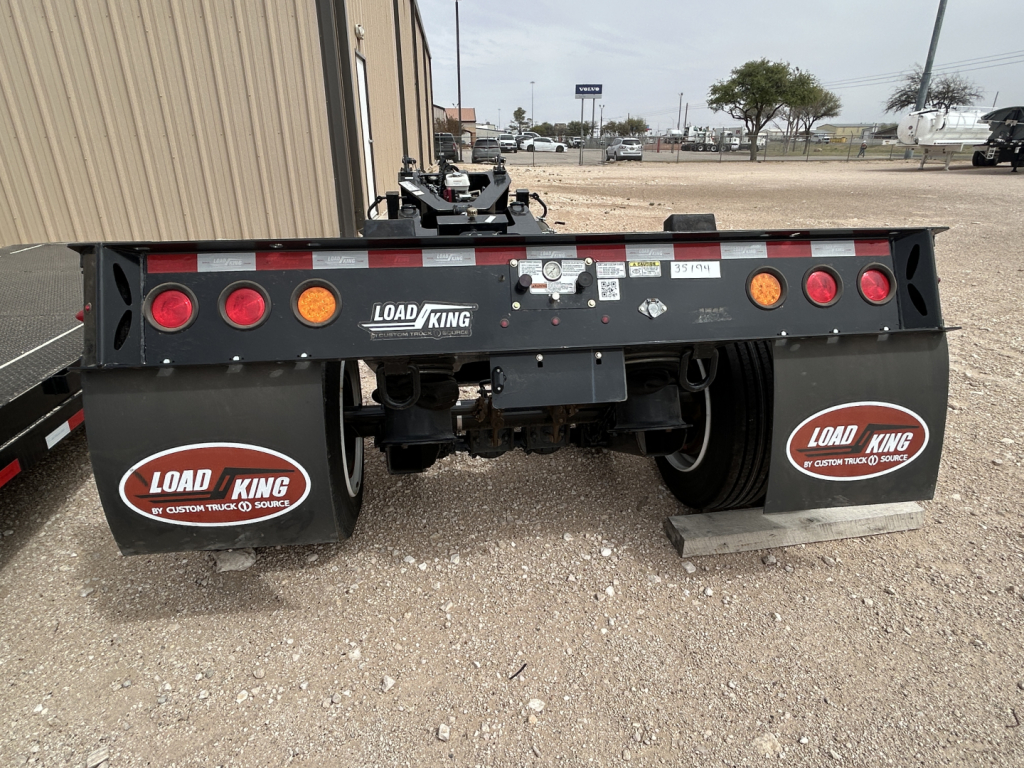

Selling a 2027 load king trailer? List your 2027 load king trailer for sale and reach thousands of commercial buyers.
2027 Load King Trailers in Texas
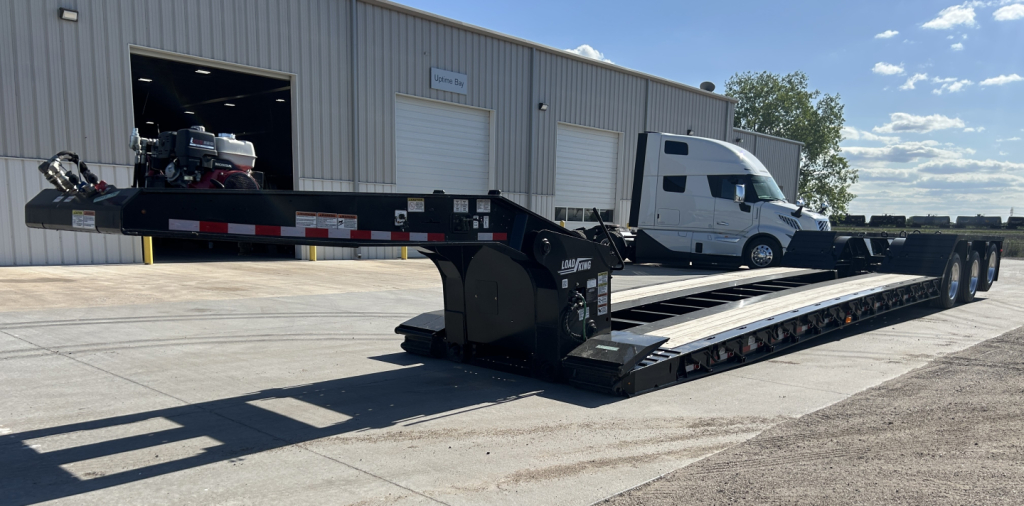
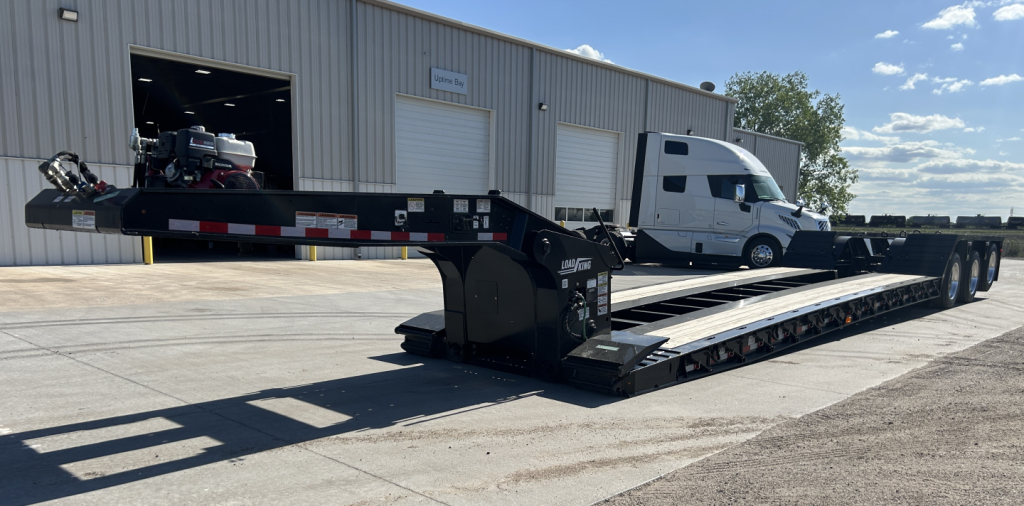
A serious buyer should start with capacity and how that capacity is measured. A 55-ton or 60-ton trailer may be rated in a specific section of the deck, such as 12 feet, rather than across the full well. Loaded deck height is another major factor, especially on machines with tall cabs, booms, or counterweights. Many Load King lowboys are spec'd with 24-inch loaded deck heights, wide deck options around 102 inches or 9 feet, and longer deck lengths to handle excavators, dozers, and paving equipment. Features such as excavator notch plates, backhoe troughs, front flip ramps, upper flange reinforcement, and stub-in crossmembers are not minor details. They directly affect how well the trailer handles repeated concentrated loading and odd-shaped undercarriages.
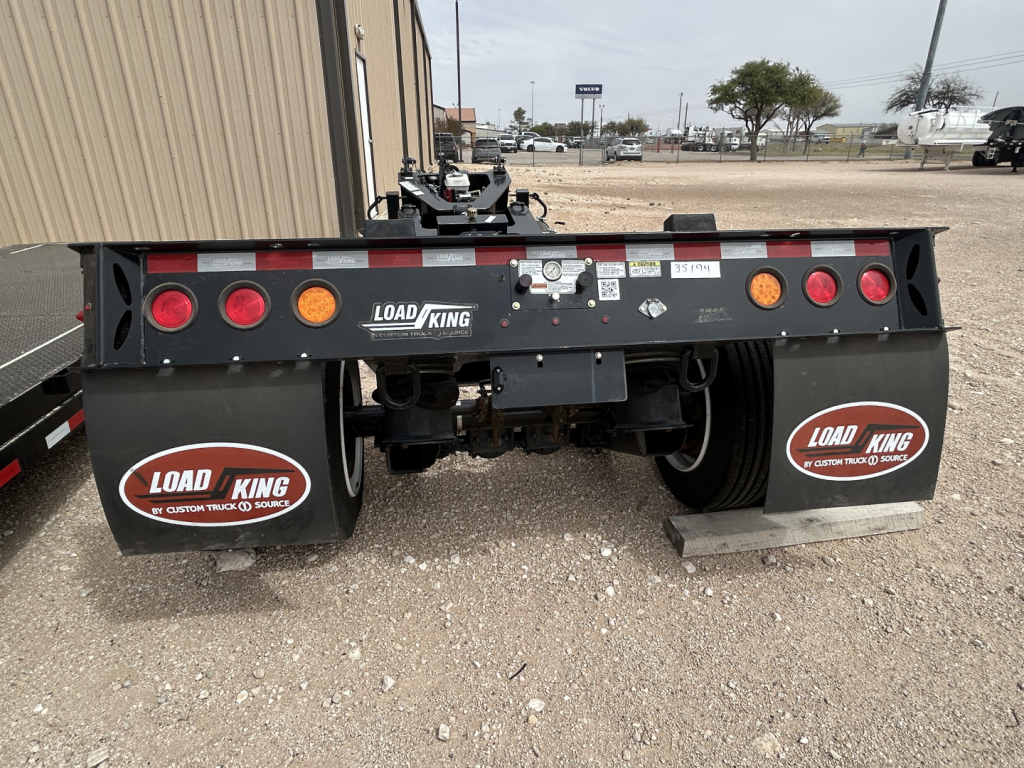
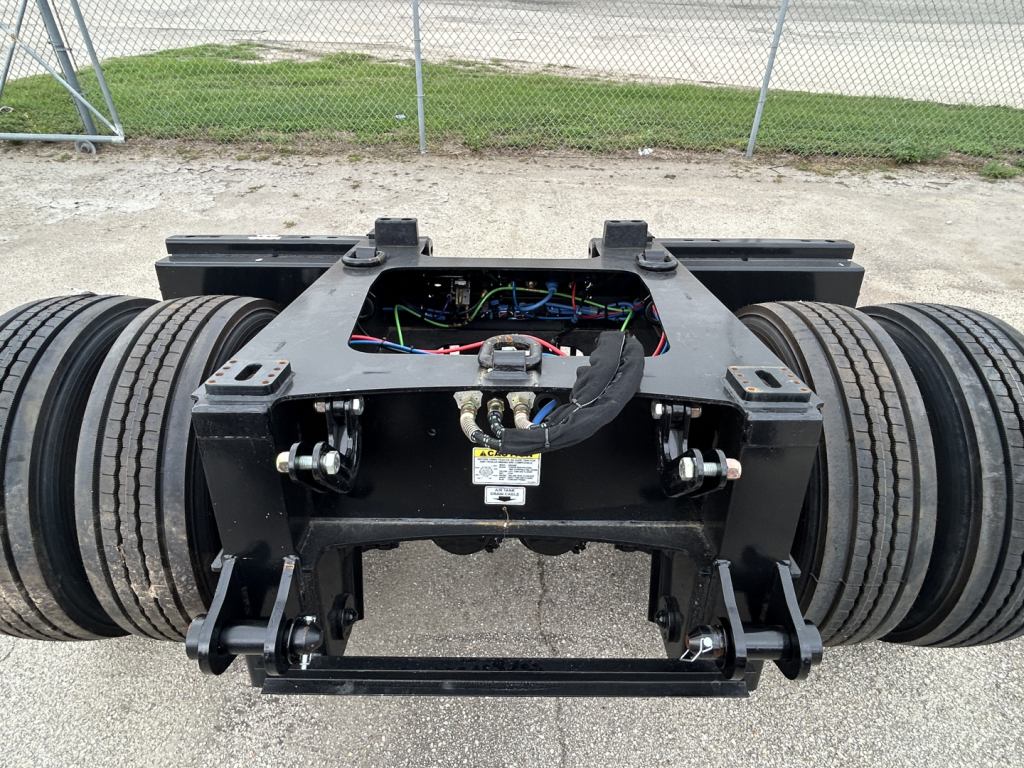
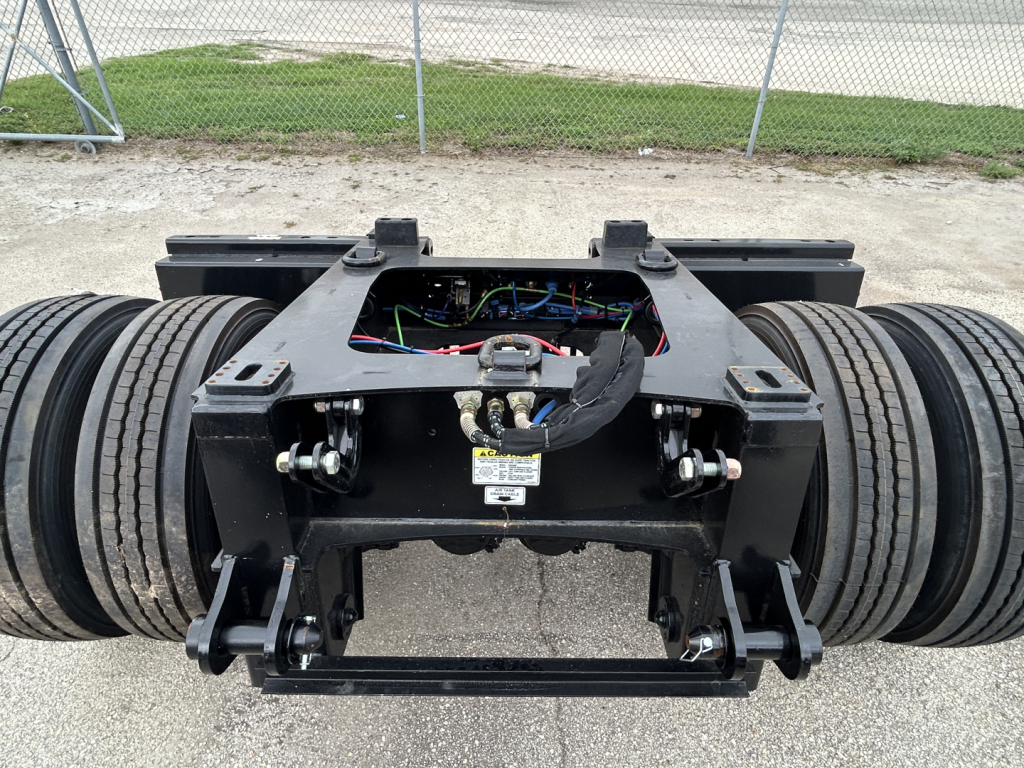
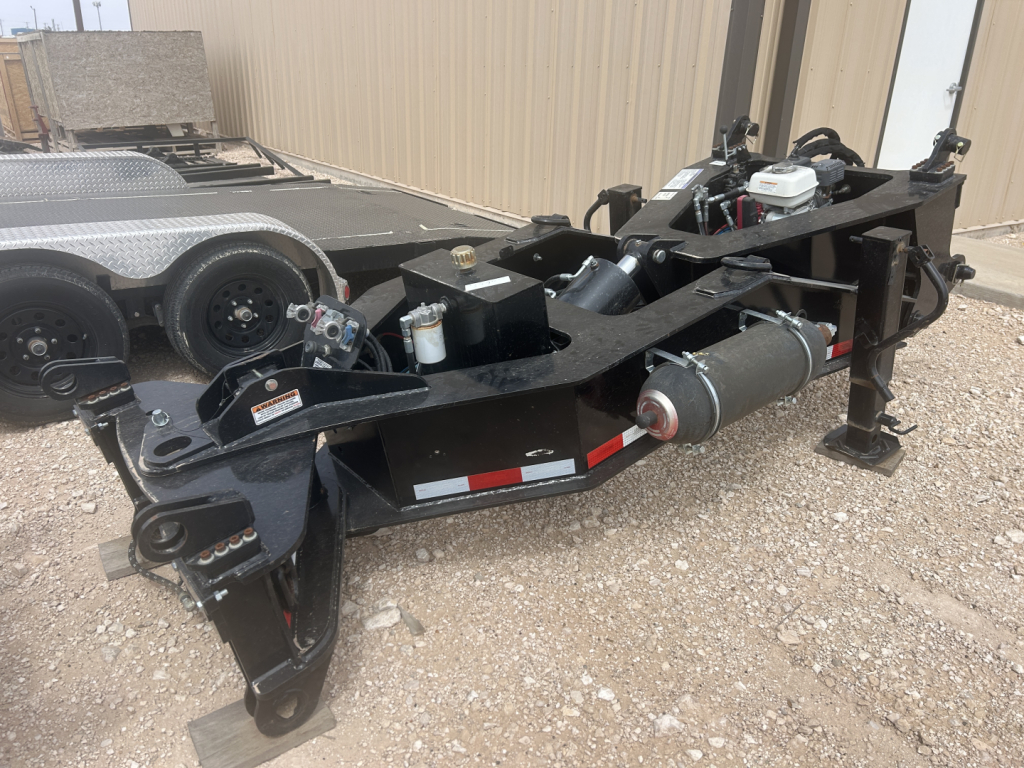
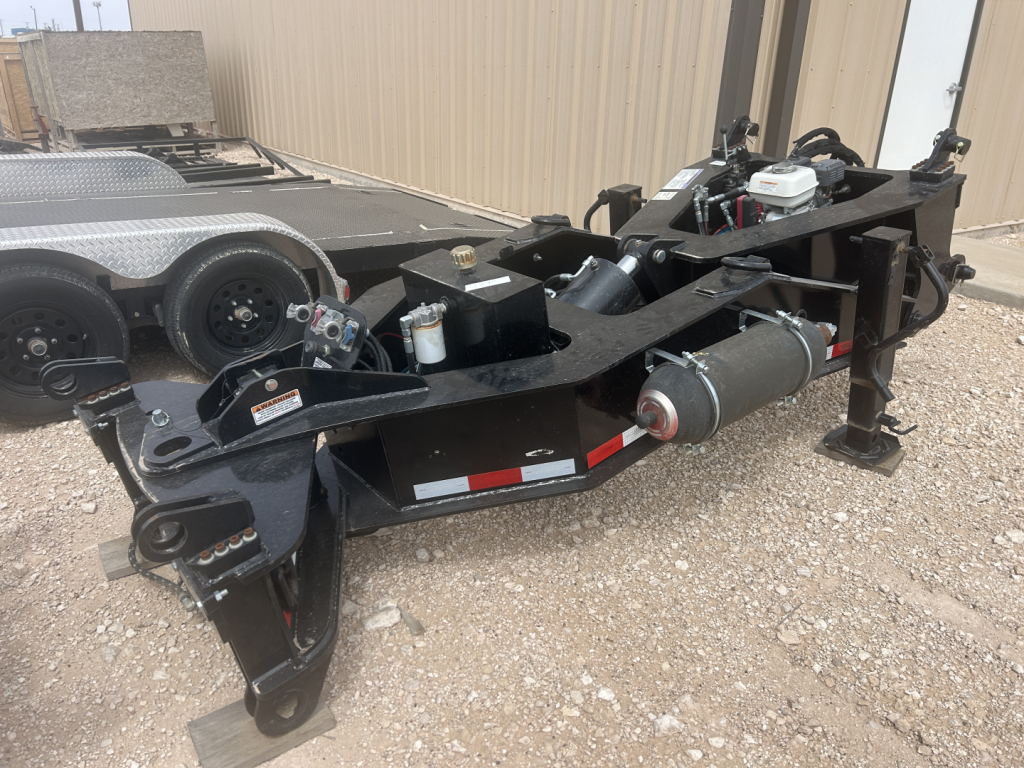
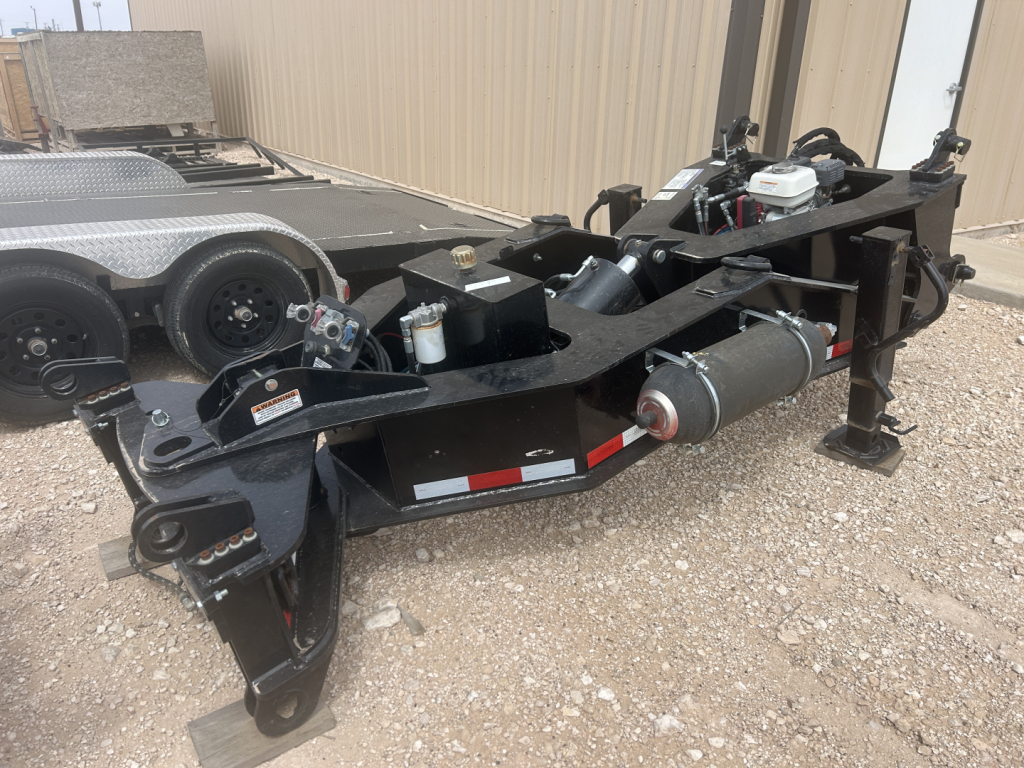
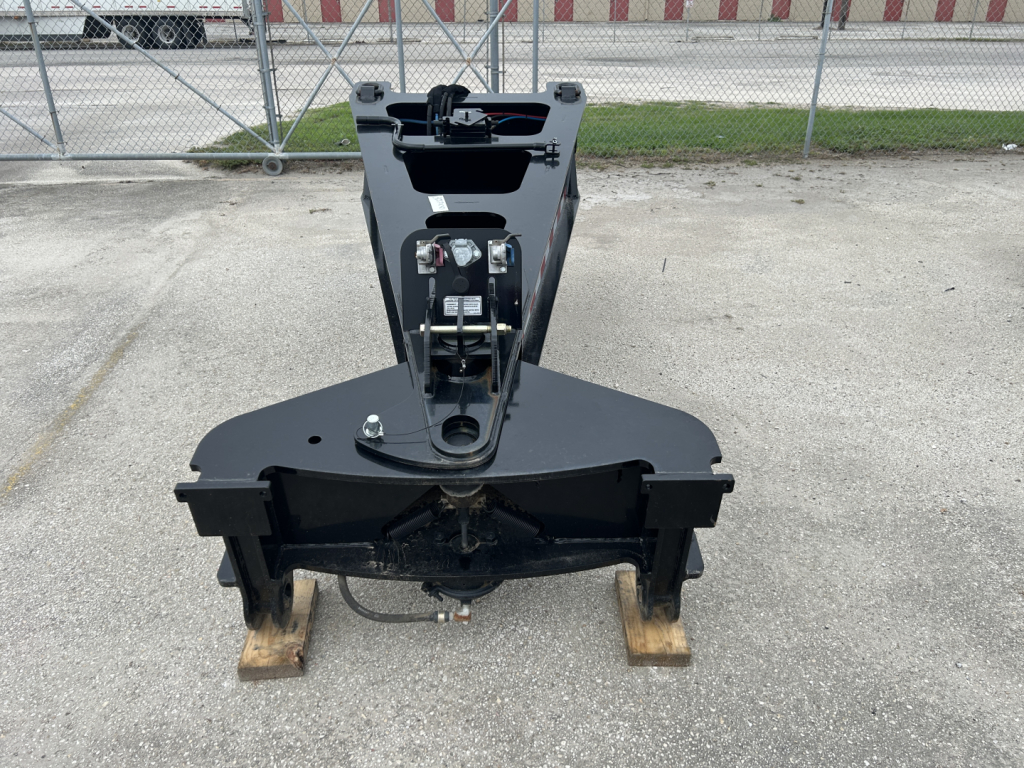
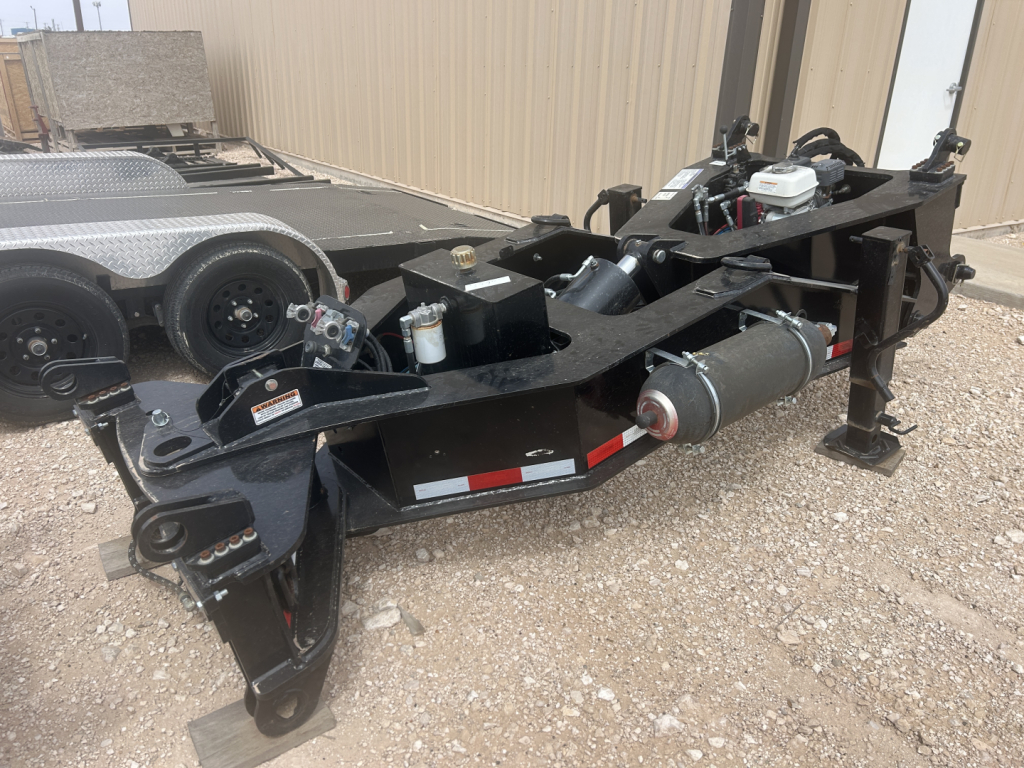
Suspension and auxiliary equipment should be matched to the job, not treated as add-ons. Air ride suspension is common on higher-capacity Load King trailers because it helps with ride quality and load distribution, and lift axles can improve maneuverability and tire life when running empty or lightly loaded. Buyers comparing configurations should also look at detachable gooseneck style, pony motor setup, hydraulic controls, wheel and tire package, and compatibility with flip axles, jeep dollies, or stingers. A flip axle can be the difference between a trailer that works on one class of move and one that can be adapted for heavier permitted loads. Tire size, axle spacing, and kingpin-to-axle dimensions all play into state compliance and turning performance.
For Texas operations, durability and serviceability tend to rank high because these trailers often see rough jobsite entries, long highway runs, and high heat. LED lighting packages, reinforced wheel covers, quality tire brands, and clean hydraulic systems matter over time. The best 2027 Load King trailer for sale is usually the one whose capacity rating, deck geometry, detachable system, and axle setup match the equipment being hauled most often. A buyer moving excavators and utility tractors has different needs than one hauling crushers, pavers, or oilfield support equipment, so the right comparison is not just tonnage. It is how the trailer carries that weight, how easily it loads, and how flexibly it can be configured for permits and route changes.
Frequently Asked Questions about 2027 Load King Trailers in Texas
What types of 2027 Load King trailers are most common in heavy haul applications?
The most common 2027 Load King trailer configurations in heavy haul work are lowboy trailers, removable gooseneck trailers, and related axle components such as flip axles and stingers. These setups are used to haul excavators, dozers, loaders, paving machines, and other tall or concentrated loads that need a low deck and better weight distribution. Load King is especially recognized for heavy-duty lowboy designs that can be configured for different legal and permitted hauling requirements.
What should I look at first when comparing Load King lowboy trailers?
Start with the capacity rating, the length of the rated deck area, and the loaded deck height. A trailer rated for 55 tons in 12 feet is designed around a specific load concentration, which is more useful than looking at gross tonnage alone. After that, check deck width, gooseneck length, suspension type, axle count, and whether the trailer is set up for attachments like a flip axle or jeep. Those details determine what equipment the trailer can legally and practically move.
Why does loaded deck height matter on a heavy haul trailer?
Loaded deck height affects overall loaded height, stability, and permit flexibility. A lower deck helps keep tall machines under height restrictions and lowers the center of gravity during transport. This is especially important with excavators, wheel loaders, and forestry or oilfield equipment that already sit high. On many Load King lowboy trailers, a low loaded deck height is one of the main advantages because it broadens the range of machines that can be hauled without creating avoidable route issues.
When do I need a flip axle on a Load King trailer?
A flip axle is used when a haul requires additional axle capacity or better weight distribution to meet permit conditions. It mounts behind the trailer and adds another axle or axle group, helping spread the load across more points. Buyers hauling heavier machinery or running in states with stricter axle weight limits often need this flexibility. The key is to confirm that the trailer and flip axle are designed to work together, with the correct spacing, suspension, and load rating for the intended application.
Are Load King trailers a good fit for Texas heavy haul work?
Load King trailers are a strong fit for Texas heavy haul operations because the product line commonly includes lowboys and detachable gooseneck trailers built for construction, energy, and equipment transport. Texas operators often need a trailer that handles long distances, hot weather, rough site access, and varying permit requirements. A properly spec'd Load King trailer with the right axle package, deck design, and auxiliary components can handle those demands well, especially in fleets moving machinery across regional and statewide routes.