
2027 Load King Flips/Converter Dollies/Jeeps Trailers For Sale in Texas
Shop 2027 Load King flips, converter dollies, and jeeps in Texas. Compare capacities, axle spacing, suspension, and deck compatibility.
Selling a 2027 load king flips/converter dollies/jeeps trailer? List your 2027 load king flips/converter dollies/jeeps trailer for sale and reach thousands of commercial buyers.
2027 Load King Flips/Converter Dollies/Jeeps Trailers in Texas
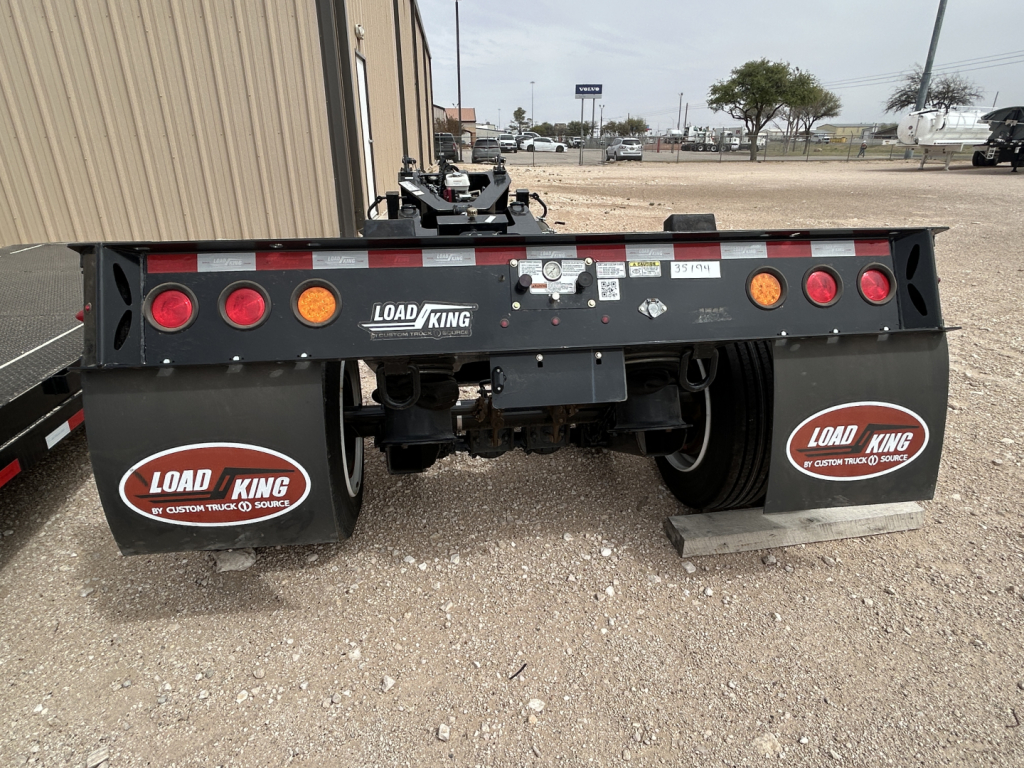
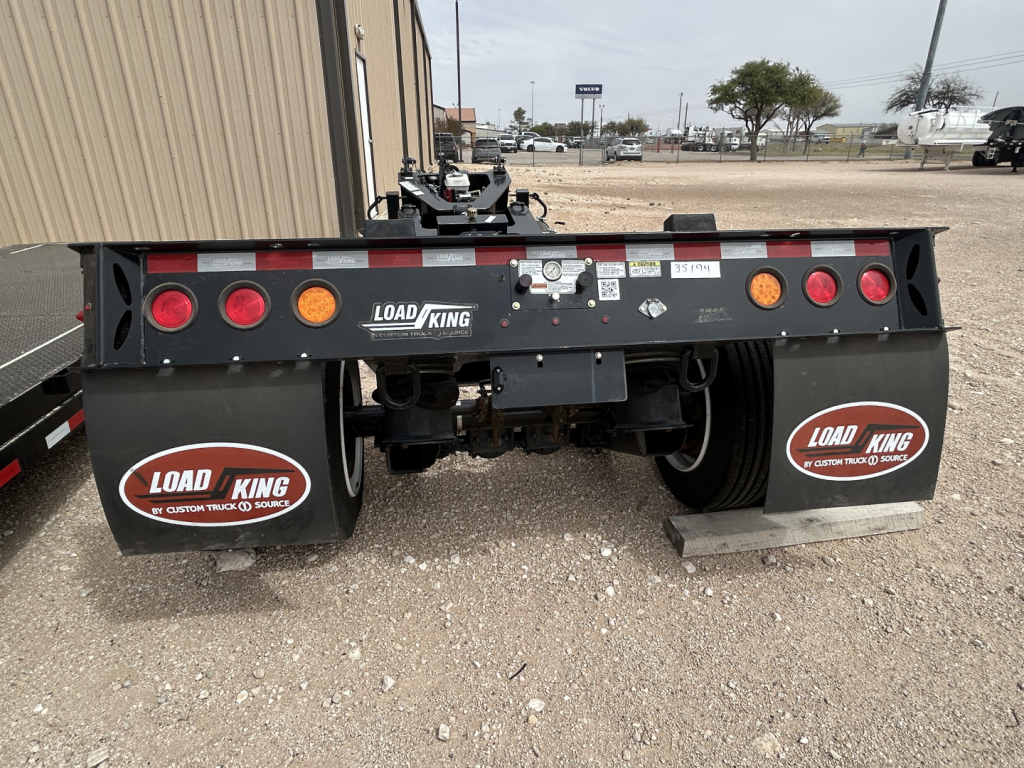
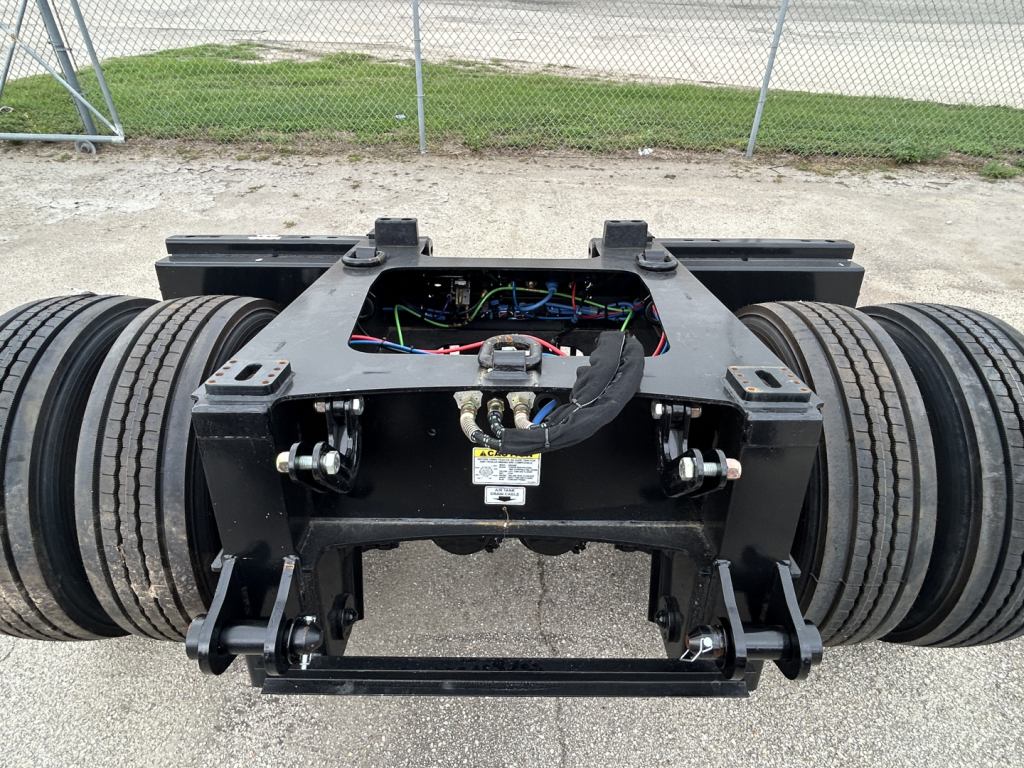
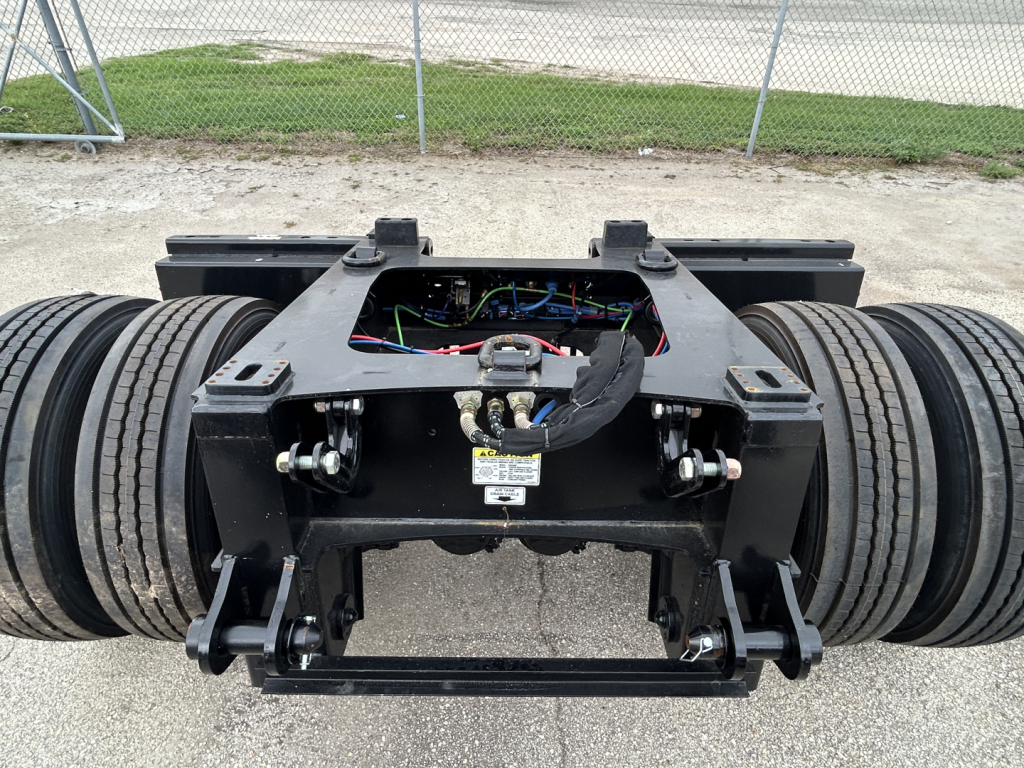
Flip axles are often the most familiar option in this group. A flip axle adds carrying capacity at the rear of a compatible lowboy and can usually be pinned on or removed depending on the load. Buyers typically compare ton rating, overall trailer width, axle spacing, tire size, and suspension details before anything else. Sample Load King configurations in this category include 55 ton and 60 ton applications, with widths such as 8 feet 6 inches and 9 feet, axle spacing around 54.5 to 60 inches, and common tire sizes like 255/70R22.5 or 275/70R22.5. Details such as outside aluminum wheels, D-rings, and air ride suspension can also matter if the unit will see frequent hook-ups, mixed load securement needs, or longer interstate runs.
Jeeps and converter dollies serve a different but related purpose. A jeep is installed between the tractor and trailer to distribute kingpin weight and create a legal axle group for very heavy permitted loads. A converter dolly is used to support and connect a trailer section in applications that require additional maneuverability or a different axle arrangement. On any of these components, buyers should verify gross axle rating, loaded deck geometry, ride height, neck fitment, brake specification, ABS configuration, and connection points to the existing trailer. Suspension choice is also worth close attention. Air ride can improve load protection and ride quality, while mechanical setups may appeal in severe-duty environments where simplicity and serviceability are priorities.
A good purchase decision in this category comes down to system matching, not just price or published tonnage. Rated capacity on a flip, dolly, or jeep only tells part of the story if the trailer, booster, tractor, and permitted route are not considered together. Load King has a strong presence in specialized hauling, and buyers usually focus on how a specific component integrates with an existing 55 ton or 60 ton platform, how quickly it can be added or removed in the field, and whether the axle package supports the legal load plan they run most often. For Texas heavy haul work, it pays to confirm dimensional compliance, axle group spacing, brake timing, and tire commonality before committing to a setup.
Frequently Asked Questions about 2027 Load King Flips/Converter Dollies/Jeeps Trailers in Texas
What is the difference between a flip axle, a jeep, and a converter dolly?
A flip axle is an add-on rear axle assembly that increases the carrying capacity of a compatible lowboy or specialized trailer. A jeep is placed between the tractor and the trailer to distribute kingpin weight and create a legal front axle group for very heavy loads. A converter dolly supports and connects trailer sections where an additional axle group or a different towing arrangement is needed. All three are weight-distribution tools, but they are used in different positions within the combination.
How do I know if a Load King flip axle or jeep will work with my trailer?
Fitment starts with the base trailer model and its intended axle group configuration. Buyers should confirm trailer width, rated capacity, axle spacing, connection style, suspension type, brake setup, ride height, and any neck or rear frame interface dimensions. It is also important to verify that the added component matches the load geometry and permit plan you run most often. A flip or jeep that is rated correctly but does not match the trailer's physical and legal configuration can create operational and permitting problems.
Why is axle spacing so important on flips, converter dollies, and jeeps?
Axle spacing affects both legal compliance and load distribution. State permit rules often depend on the distance between axle groups, so a few inches can change how much weight a configuration can legally carry on a given route. Spacing also influences turning characteristics, bridge formula performance, and how the load transfers across the combination. That is why buyers pay close attention to measurements such as 54.5-inch or 60-inch spacing when comparing heavy haul components.
What specs matter most when comparing heavy haul flip axles in this category?
The most important specifications are ton rating, trailer width compatibility, axle spacing, suspension type, tire size, wheel specification, and brake package. Buyers also look at whether the axle is a single or tandem setup, how quickly it can be installed or removed, and whether securement features such as D-rings are included. Tire commonality with the rest of the fleet can reduce downtime, and suspension choice can affect both ride quality and maintenance planning.
Are these components mainly for permitted heavy haul work in Texas?
Yes, flips, jeeps, and converter dollies are primarily used in specialized and permitted hauling where legal axle loading is the main challenge. In Texas, these components are common in construction, oilfield, industrial, and equipment transport operations that move concentrated loads over public roads. The right setup helps a carrier spread weight, meet permit requirements, and adapt one trailer platform to different load profiles without changing the entire combination.