
Flips/Converter Dollies/Jeeps Trailers For Sale
Shop flip axles, converter dollies, and jeeps for heavy haul setups. Compare axle spacing, suspension, brakes, tires, and capacity options.
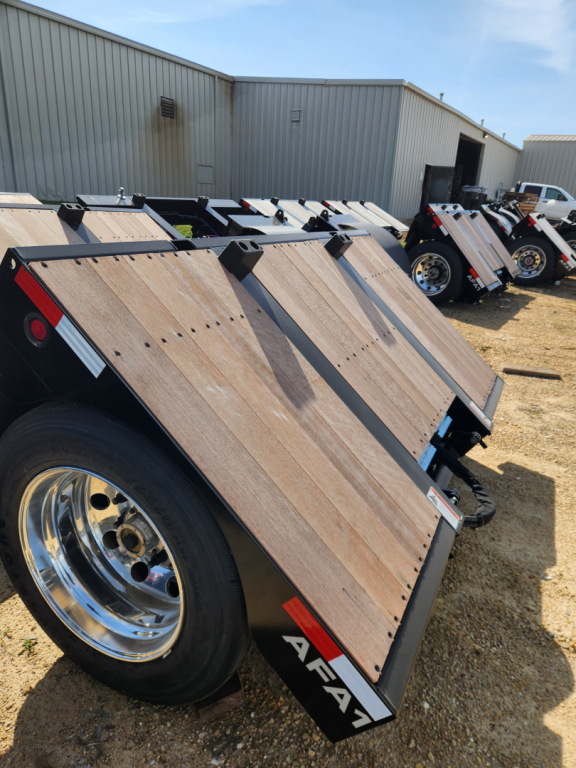
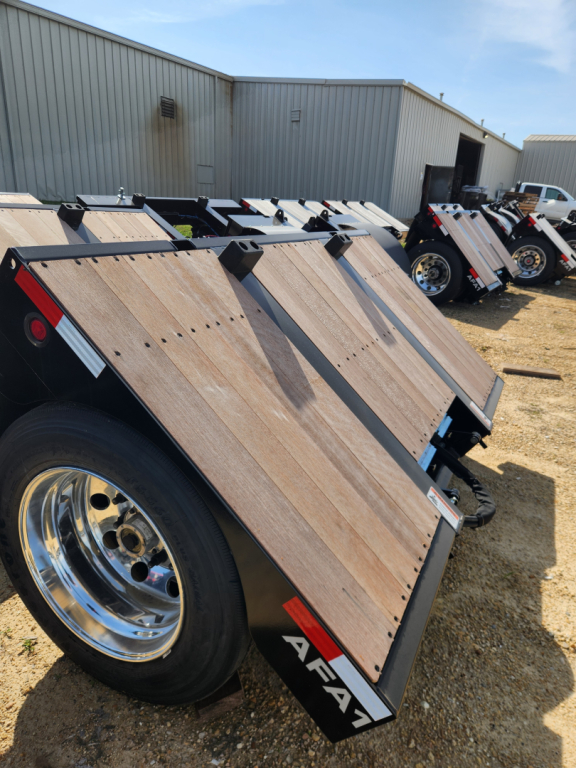
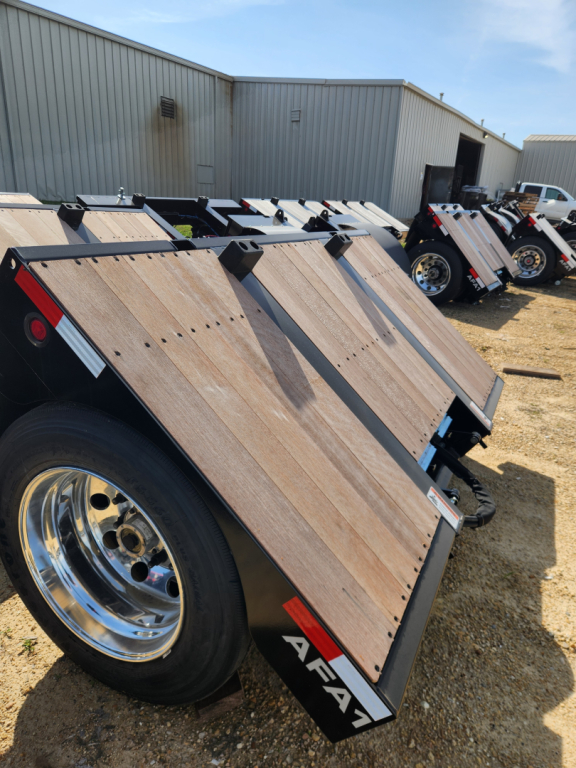
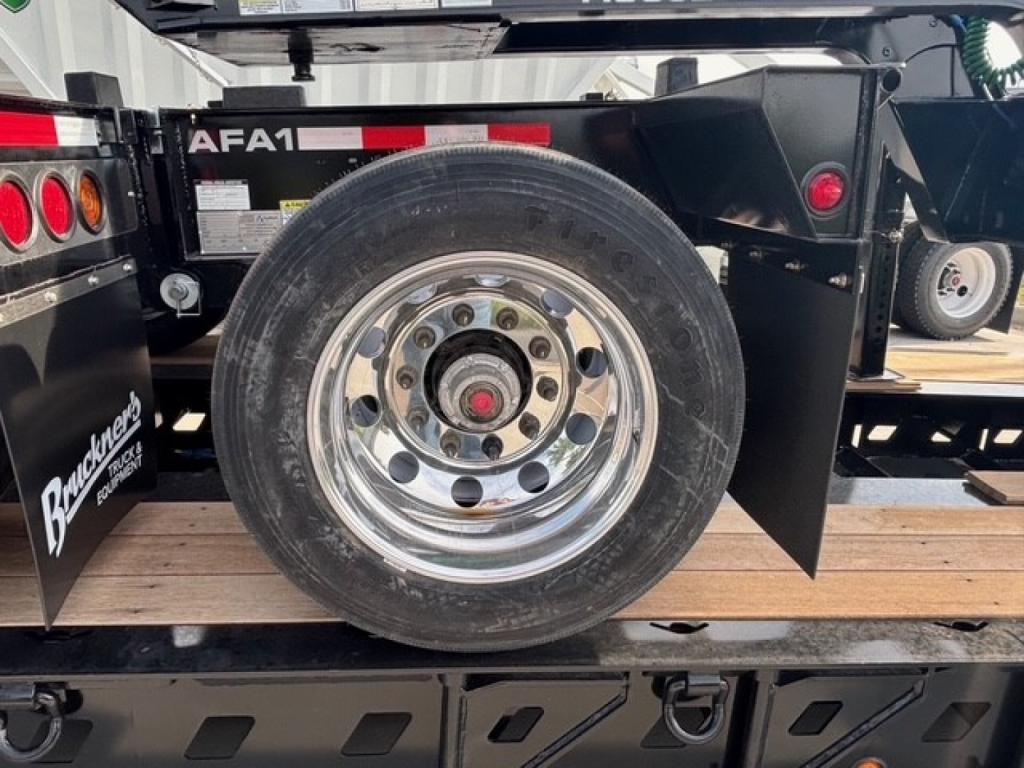

Selling a flips/converter dollies/jeeps trailer? List your flips/converter dollies/jeeps trailer for sale and reach thousands of commercial buyers.
Flips/Converter Dollies/Jeeps Trailers
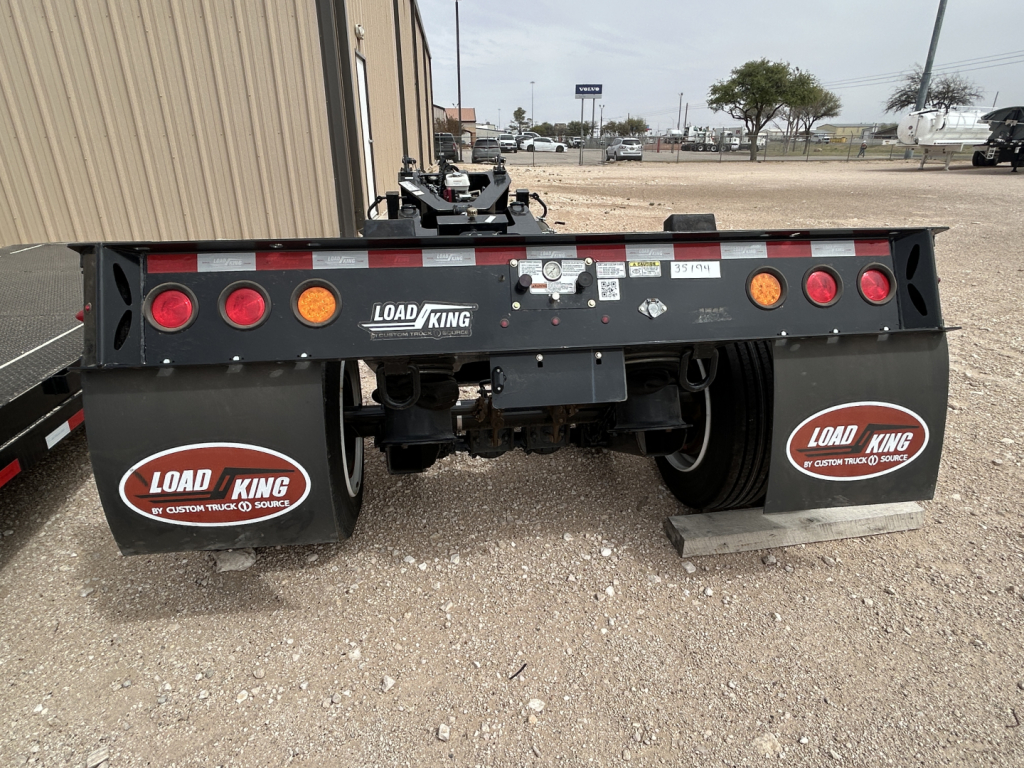
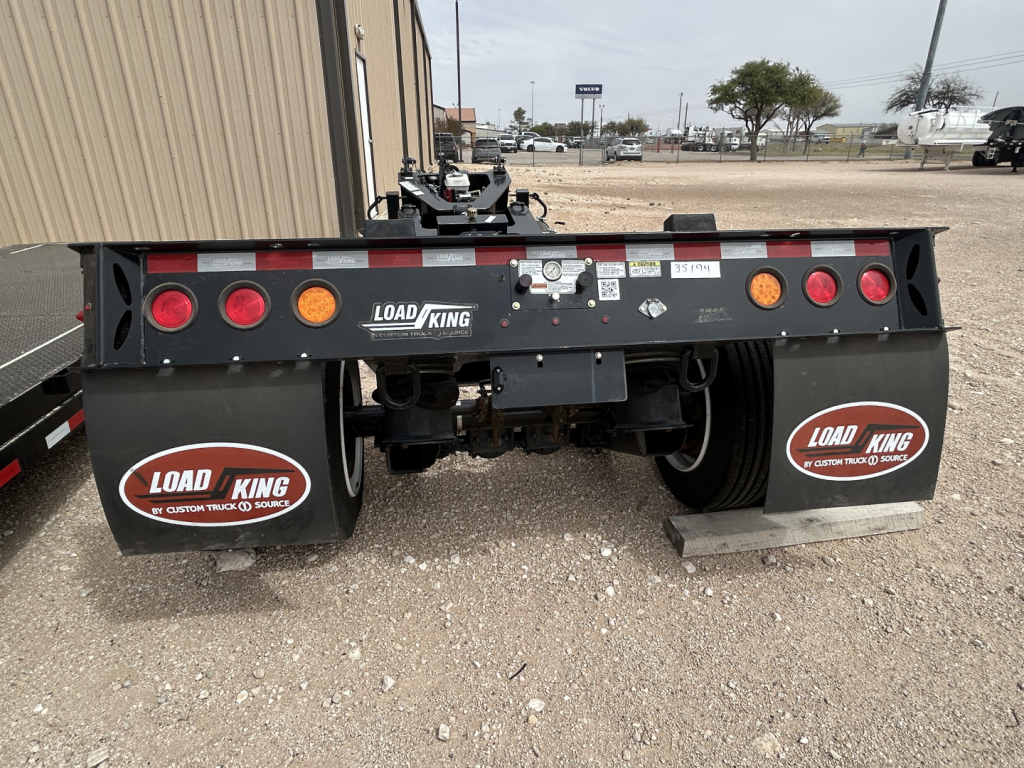
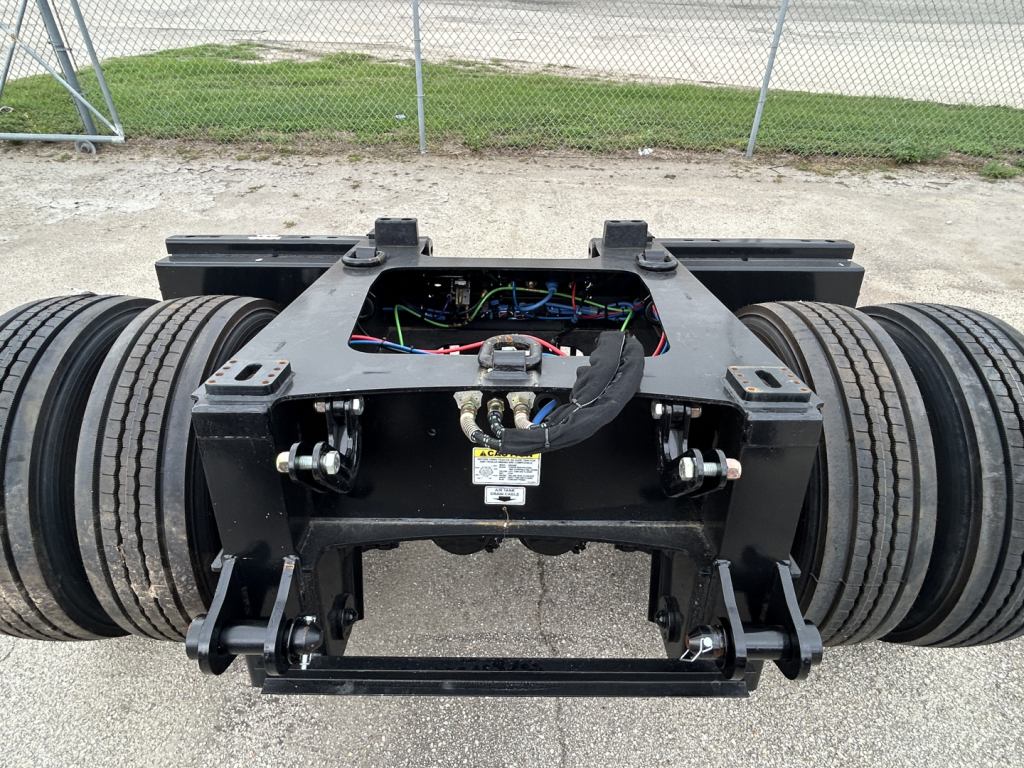
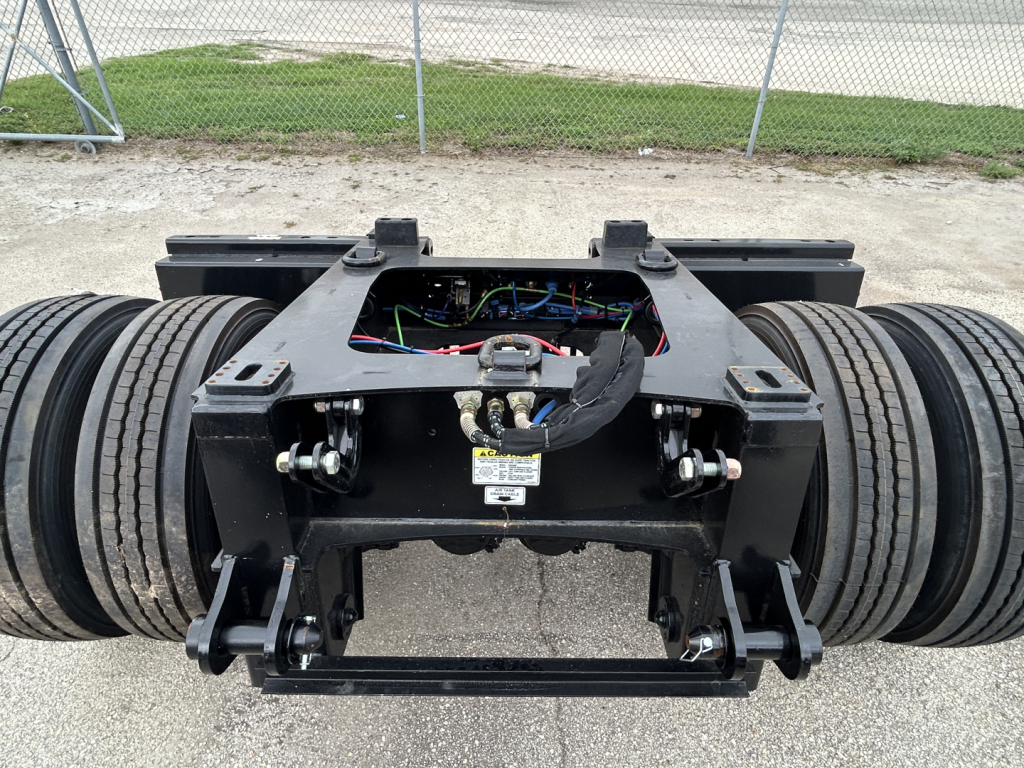
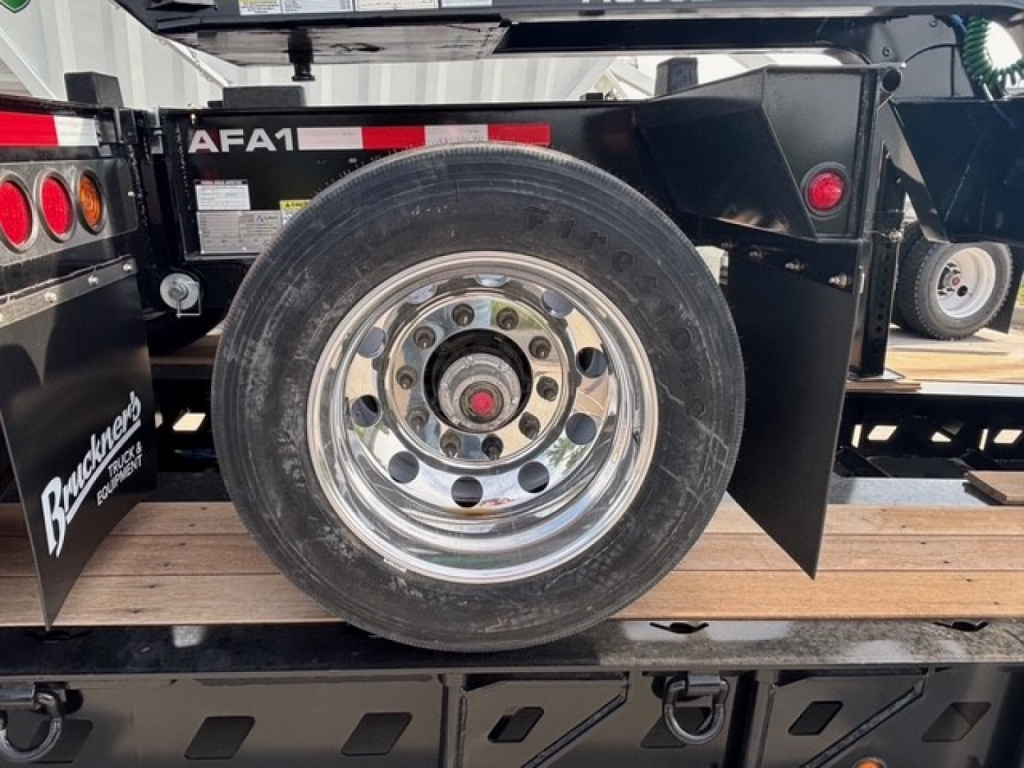
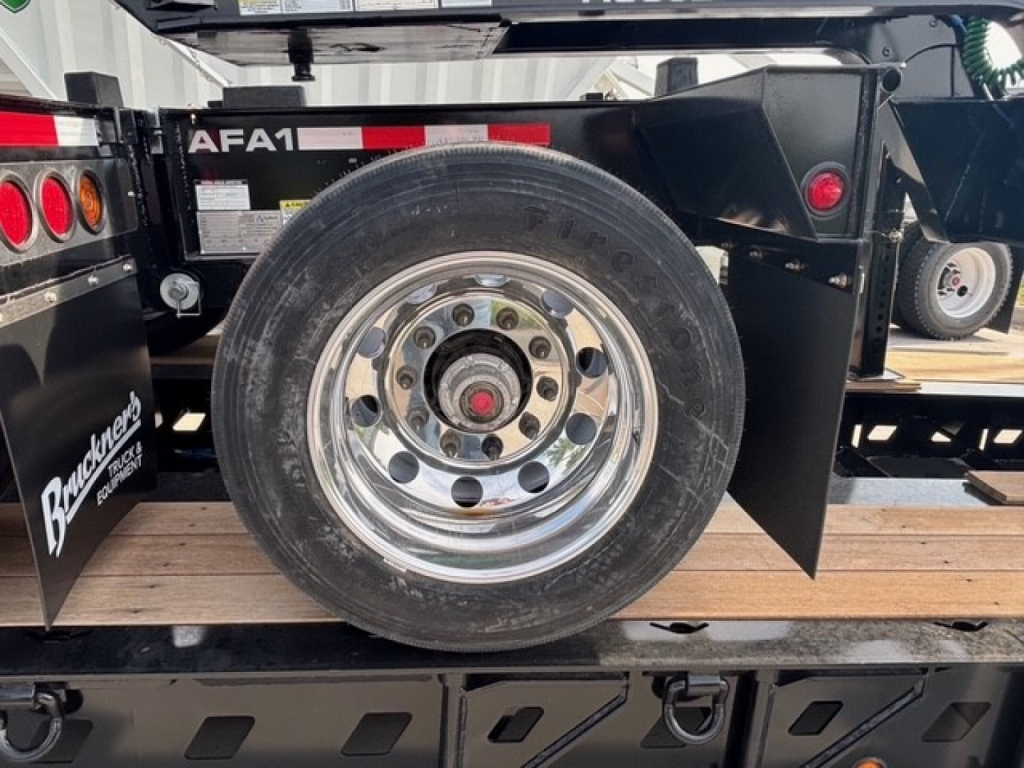
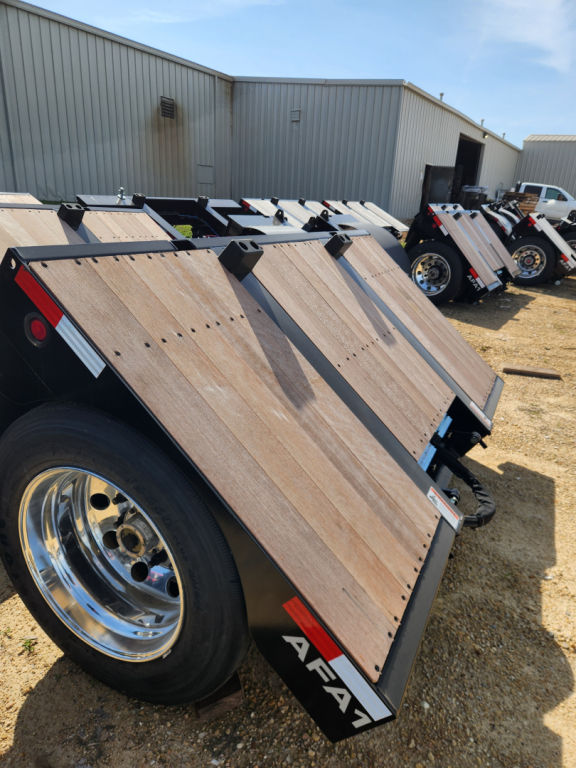
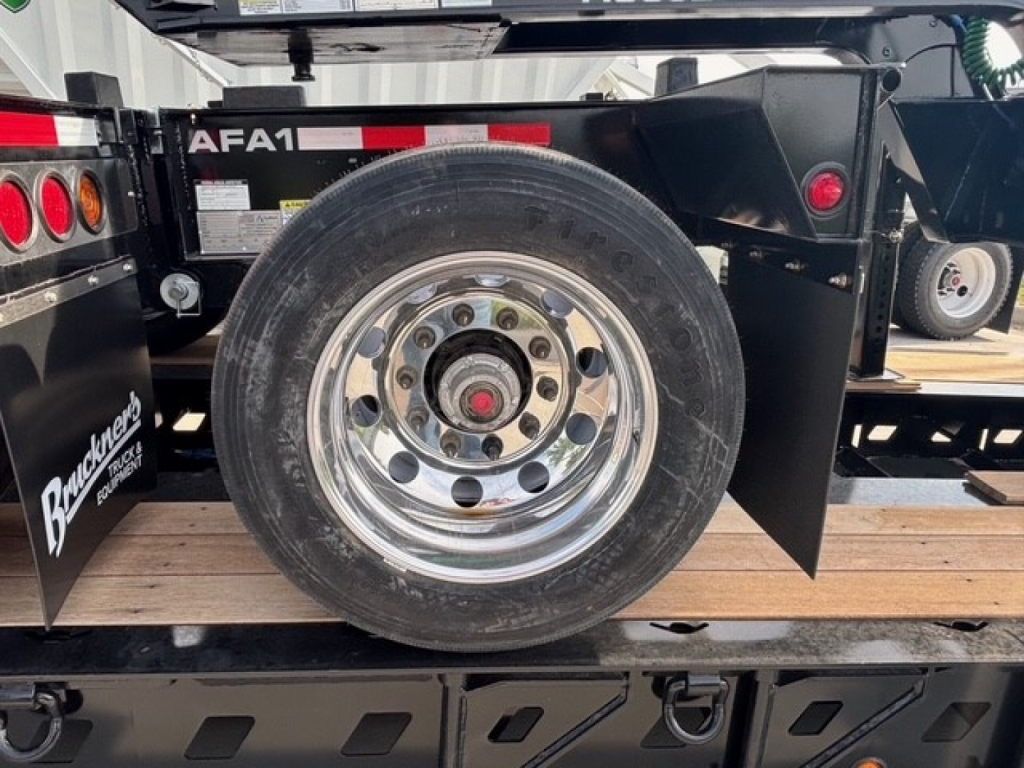
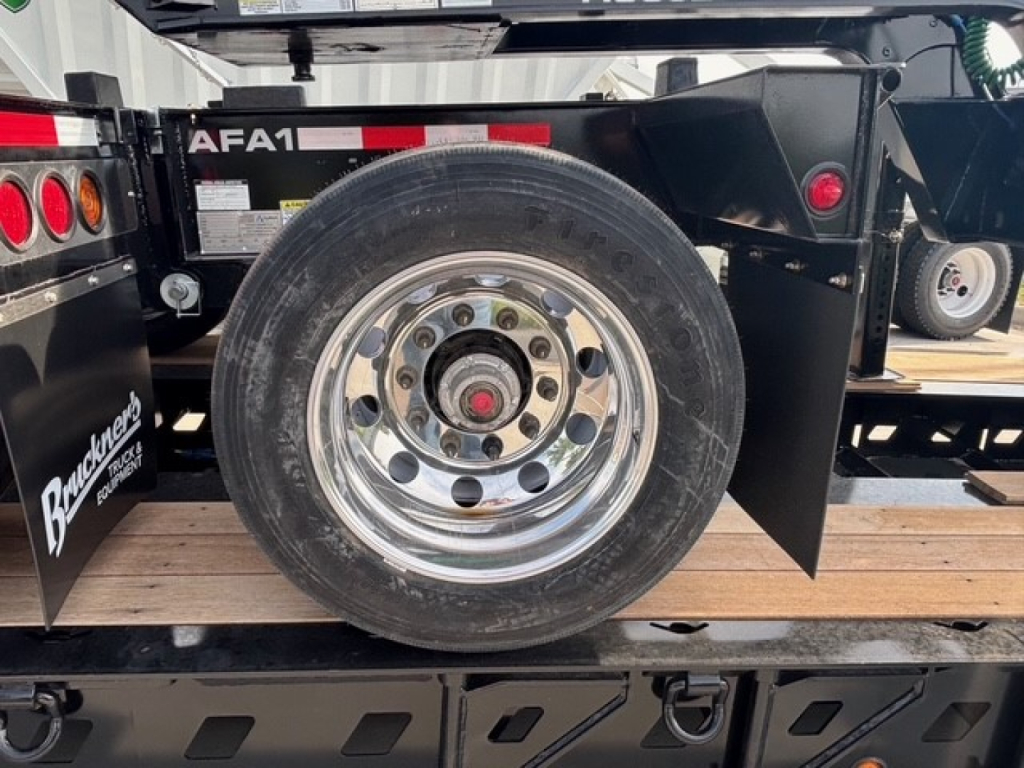
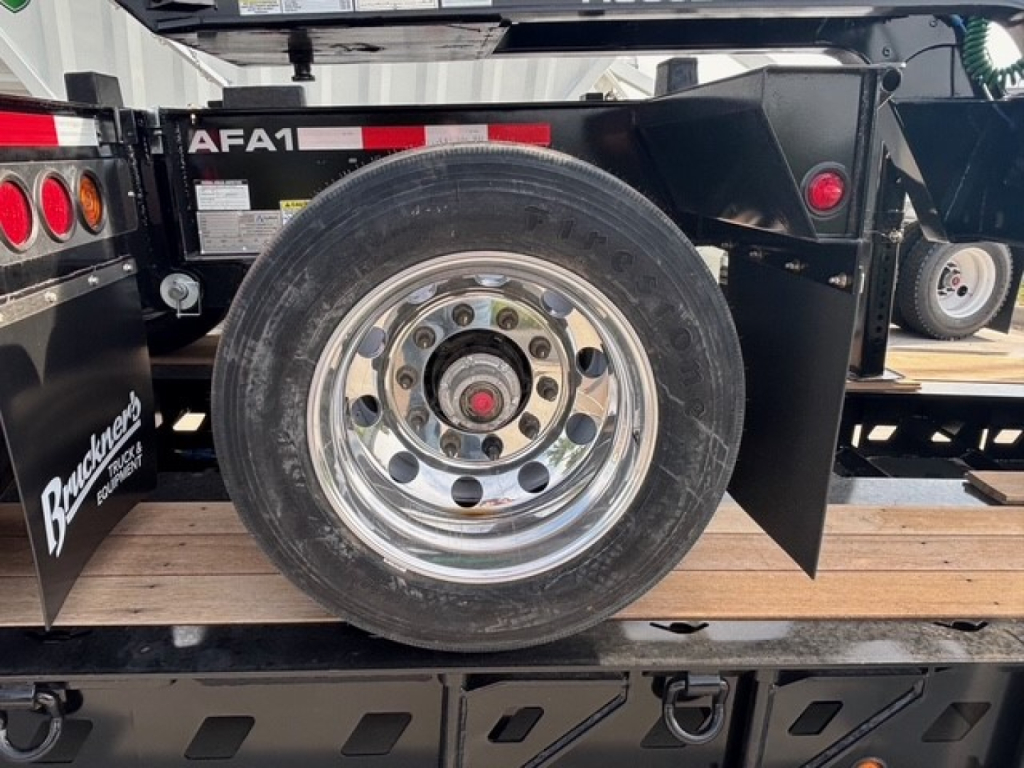
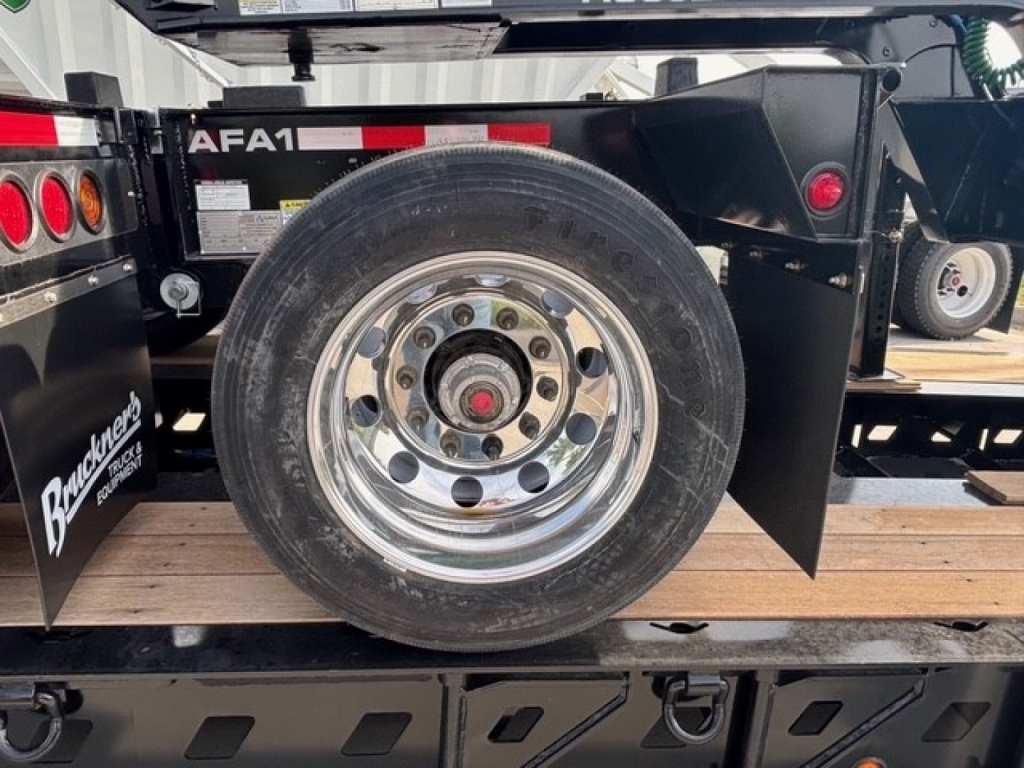
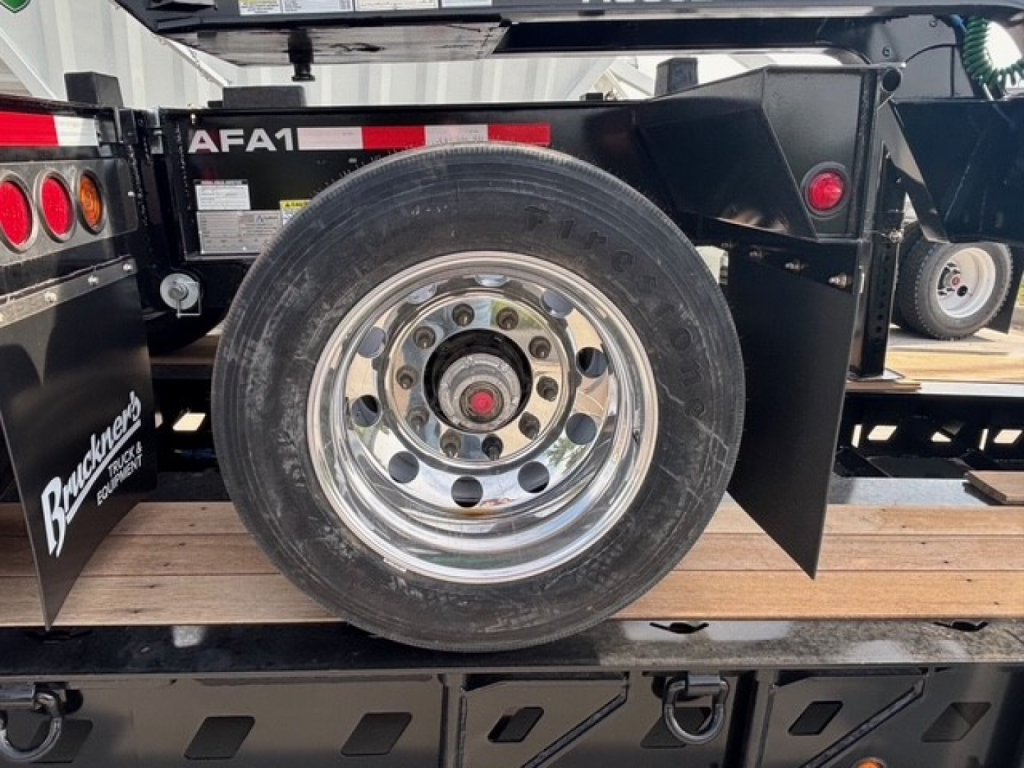
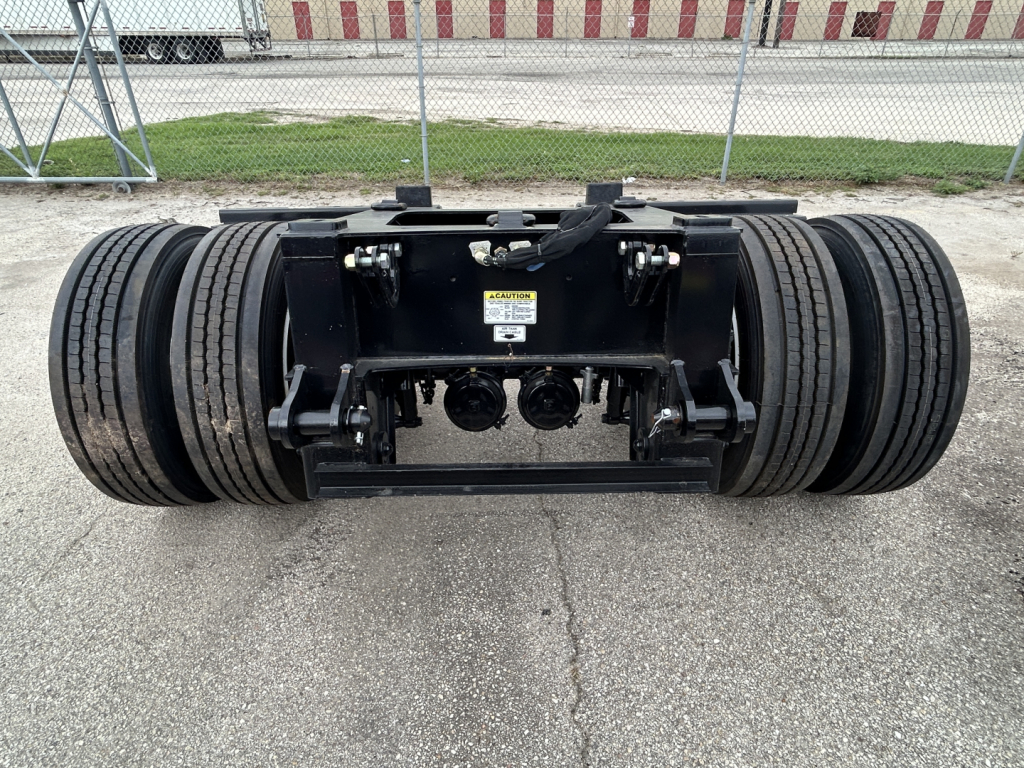
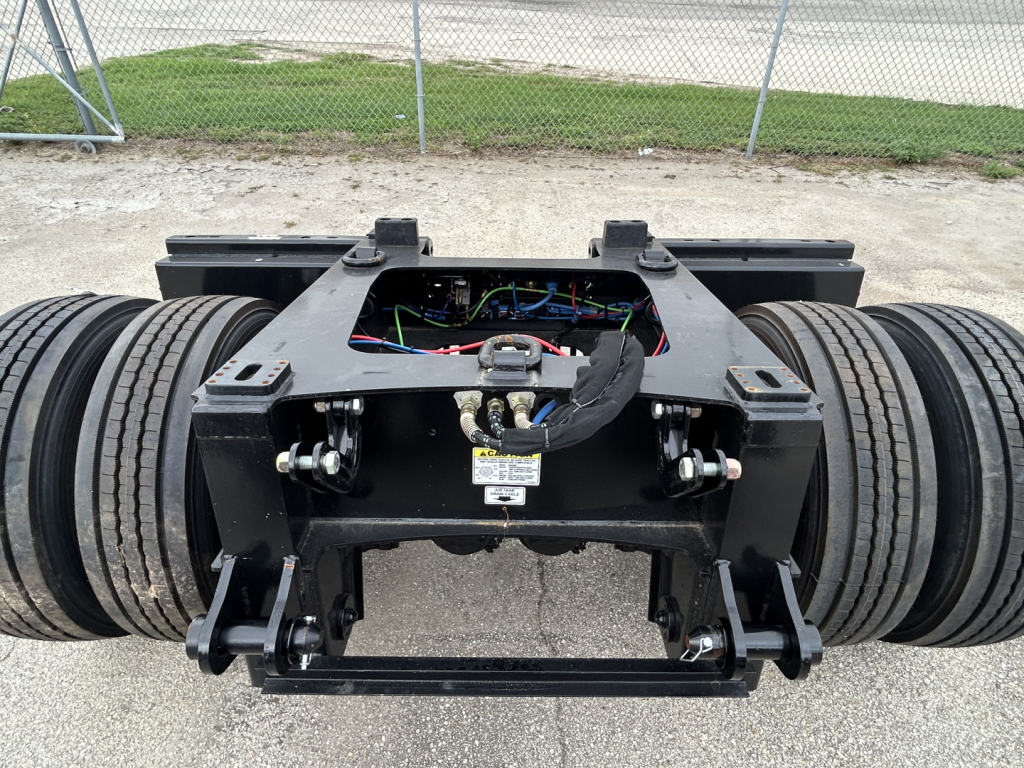
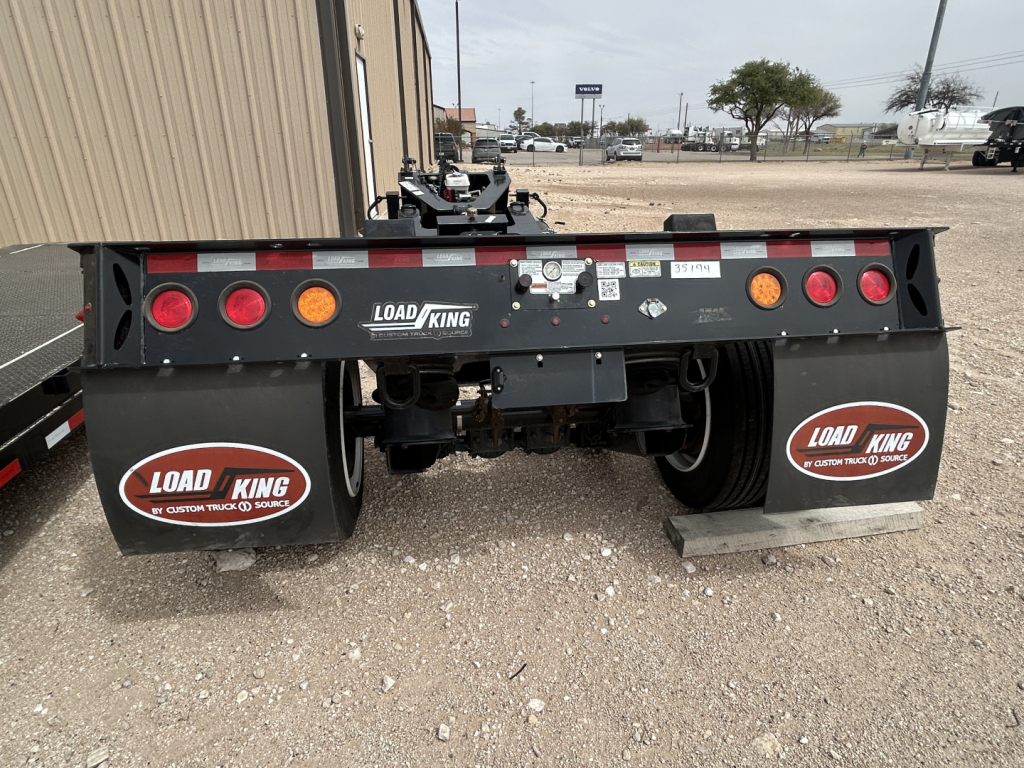
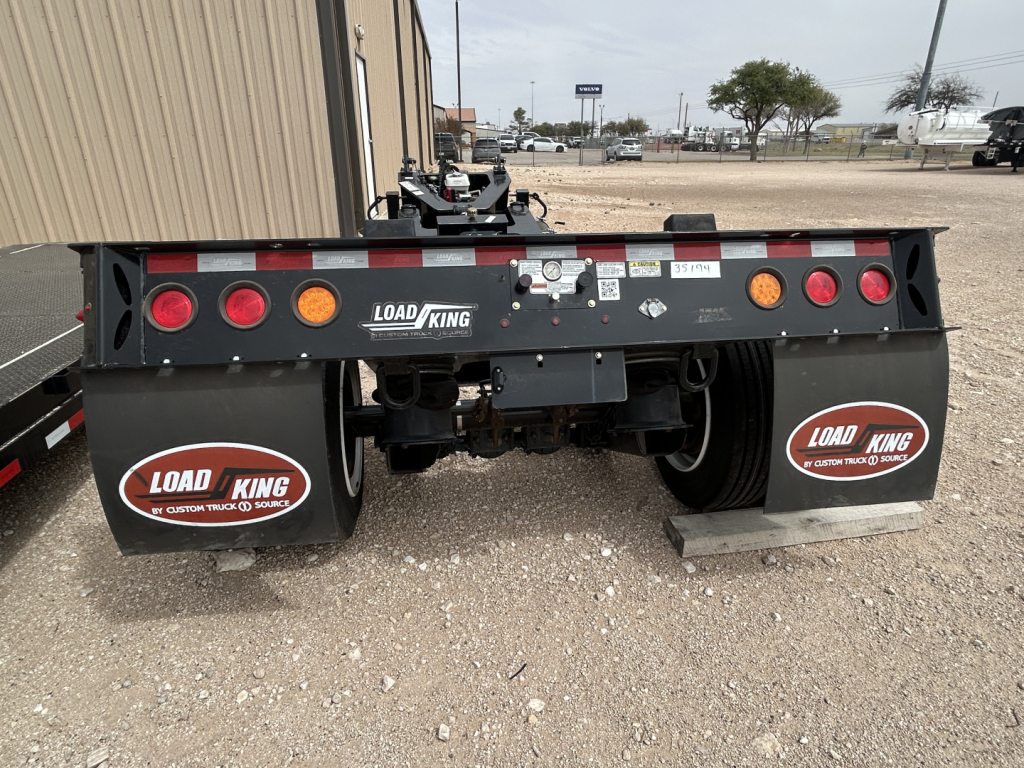
The most important specs are axle count, axle spacing, suspension type, brake package, and tire size. In this category, common listings include single axle flip axles with 54 to 54.5 inch spacing, 255/70R22.5 tires, drum brakes, and air ride suspension from suppliers such as Hendrickson. Width matters too, with 102 inch and 8-foot-6 legal-width configurations being common. Wheel setup is often steel inside with aluminum outside for a balance of durability and appearance. Buyers should also look for practical equipment details such as D-rings, flag holders, stake pockets for wide load signs, limit chains, lighting packages, and electrical provisions for strobes or auxiliary lights.
Fit and compatibility are what separate a good purchase from an expensive mistake. A flip axle has to match the trailer's connection design, ride height, brake plumbing, and suspension geometry. A jeep has to work with the tractor wheelbase, fifth wheel height, and the trailer's neck dimensions and kingpin settings. Suspension choice affects more than ride quality. Air ride can improve load protection and help with height management, while mechanical systems may appeal in harsh service with simpler maintenance preferences. Tire and wheel specifications should match the rest of the heavy haul setup as closely as possible to simplify spares and service.
The real value of these components is operational flexibility. A properly matched flip or jeep can let a carrier move more loads with one trailer platform by adapting to different weight distributions and permit requirements. For buyers comparing listings, focus on rated capacity, legal axle spread, brake and lighting compatibility, frame construction, and whether the unit is built for the exact trailer family and tonnage class you run. Heavy haul equipment is rarely universal, so the best unit is the one that fits your trailer, your routes, and the states where you pull permits.
Frequently Asked Questions about Flips/Converter Dollies/Jeeps Trailers
What is the difference between a flip axle, a jeep, and a converter dolly?
A flip axle is an auxiliary axle group that attaches to the rear of a lowboy or detachable trailer to increase capacity and improve weight distribution. A jeep is an axle assembly placed between the tractor and the trailer neck to shift load from the tractor drives and spread weight over additional axles. A converter dolly is a separate axle-and-drawbar assembly used to connect trailers, most commonly in doubles applications. In heavy haul buying, these terms are not interchangeable because each component affects weight distribution, turning characteristics, and permit compliance in a different way.
How do I know if a flip axle or jeep will fit my trailer?
Fitment depends on the trailer manufacturer, connection style, ride height, brake system, suspension geometry, and axle spacing requirements. You also need to confirm tire size, wheel bolt pattern, electrical connections, and any hydraulic or air provisions used by the trailer. For jeeps, tractor fifth wheel height, neck dimensions, and kingpin settings are also part of the equation. Buyers should verify exact compatibility with the trailer model and tonnage class before purchase because heavy haul auxiliary axles are often designed around specific trailer platforms.
Why is axle spacing so important on flips and jeeps?
Axle spacing directly affects legal weight distribution under bridge formulas and state oversize or overweight permit rules. A small change in spacing can alter the allowable weight on an axle group and determine whether a configuration is legal in a specific state. Spacing also influences turning radius, tire scrub, and how the trailer tracks under load. That is why listings often highlight dimensions such as 54-inch or 54.5-inch axle spacing. Buyers should match spacing to the permit jurisdictions and load profiles they run most often.
Are air ride suspensions common on flip axles and jeeps?
Yes. Air ride suspension is common in this category because it helps manage ride height, distributes load more evenly, and can improve load protection on sensitive or high-value freight. Many heavy haul buyers also prefer air ride because it can make setup and leveling easier when matched correctly to the trailer. Mechanical suspension still has a place in severe-duty service, but air ride remains a common choice on modern flip axles and auxiliary axle assemblies.
What features should I look for beyond basic capacity?
Beyond rated capacity, buyers should pay attention to brake type, tire size, wheel material, lighting package, tie-down points, and serviceability. Drum brakes are still common, but the brake package needs to match the rest of the combination. Features such as D-rings, flag holders, stake pockets for oversize signs, limit chains, and strobe light wiring can make the unit more useful in day-to-day permit hauling. Standardizing tires, hubs, and wheels with your existing fleet can also reduce downtime and simplify parts stocking.