
2026 Flips/Converter Dollies/Jeeps Trailers For Sale
Shop 2026 flips, converter dollies, and jeeps for heavy haul setups. Compare axle spacing, width, suspension, and load ratings.
Selling a 2026 flips/converter dollies/jeeps trailer? List your 2026 flips/converter dollies/jeeps trailer for sale and reach thousands of commercial buyers.
2026 Flips/Converter Dollies/Jeeps Trailers
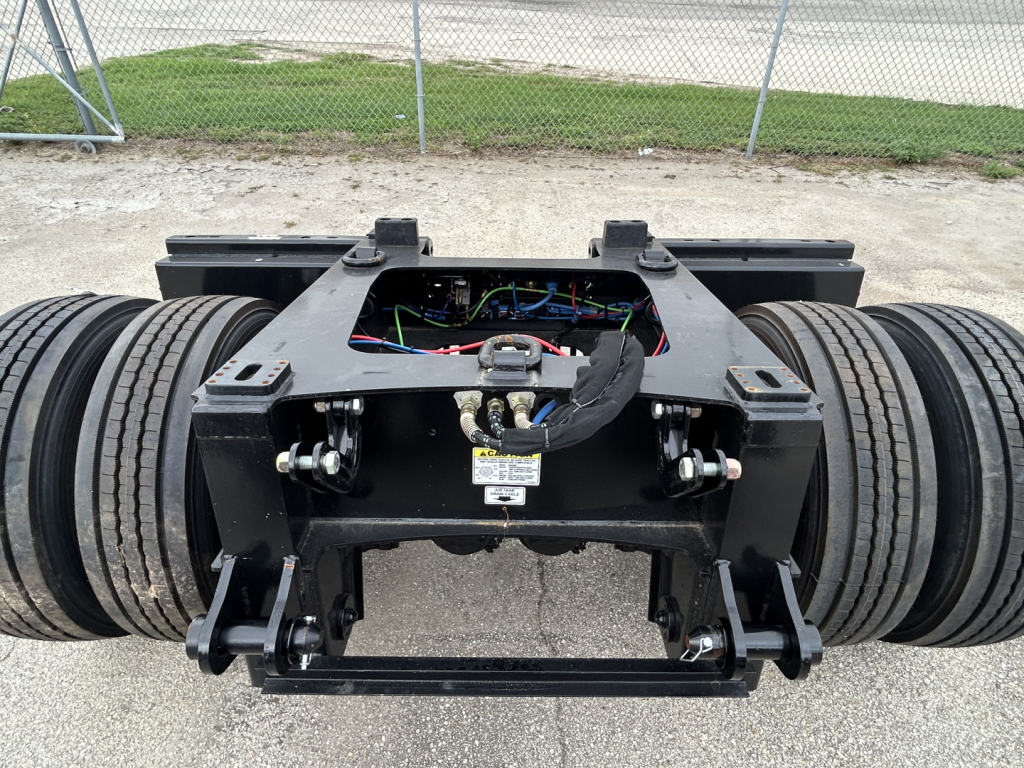
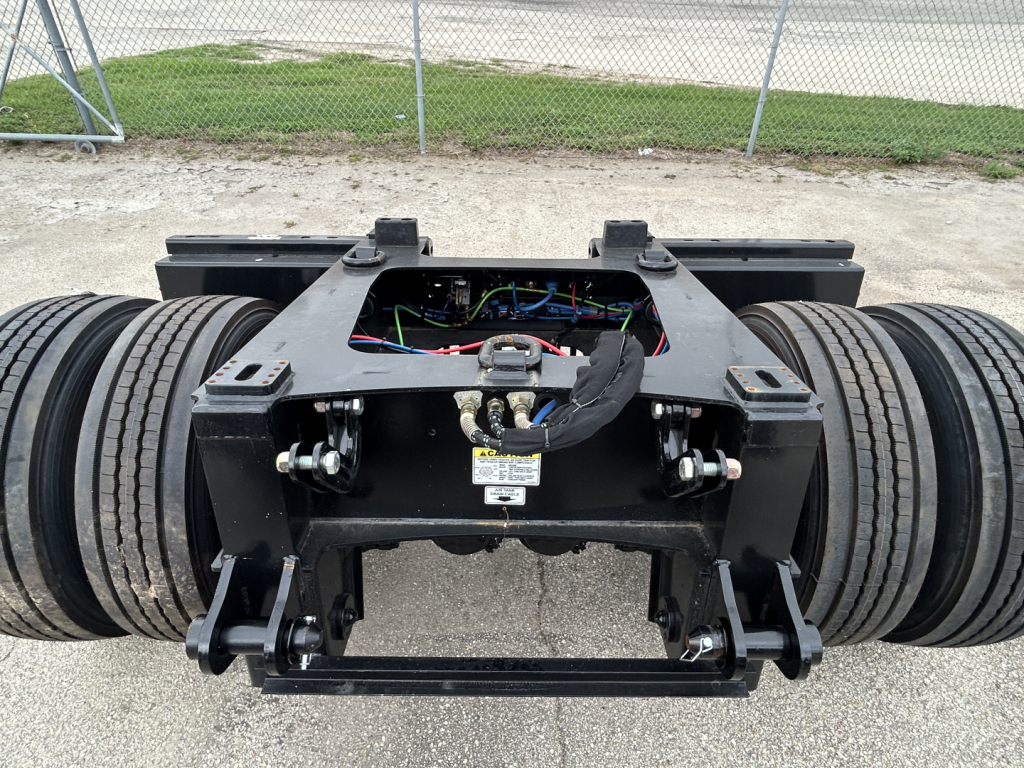
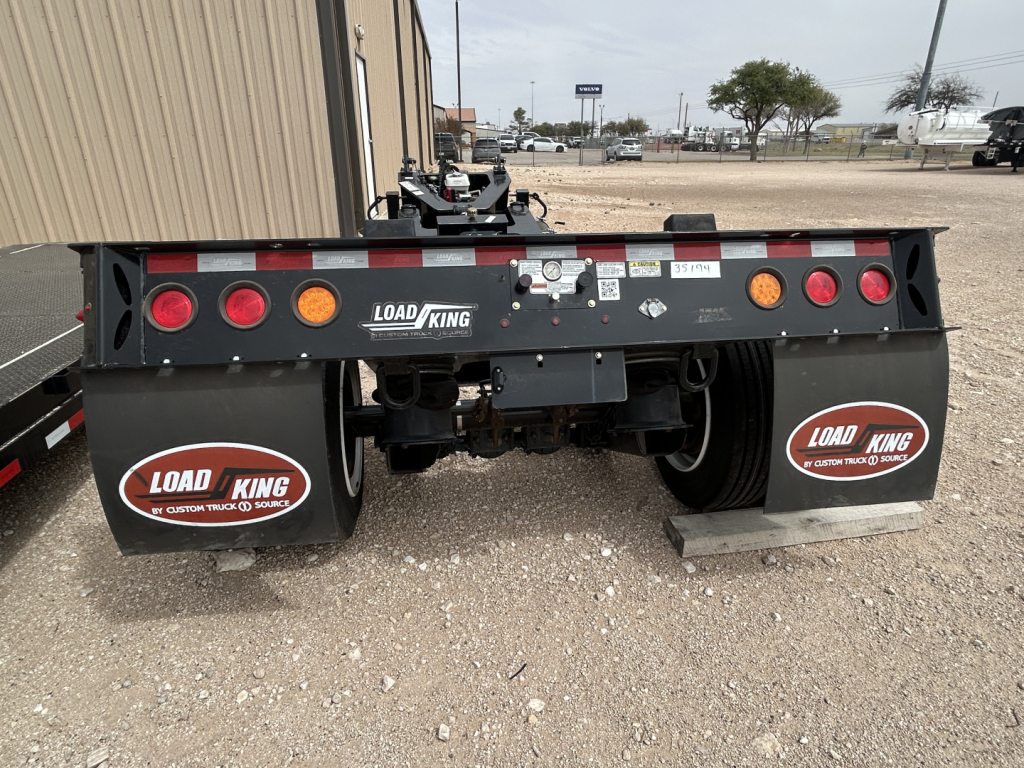
A flip axle, also called a flip or booster axle depending on the trailer design, is typically added at the rear of a lowboy or specialized trailer to increase payload capacity and improve bridge spread. A jeep sits between the tractor and the trailer to shift load forward and add axle group capacity, while a converter dolly is used to connect and support trailer combinations in specific hauling applications. The right choice depends on the trailer you are pairing it with, the states you run, and the permits you pull most often. Buyers should confirm connection style, kingpin and drawbar dimensions where applicable, brake and electrical compatibility, ride height, and whether the unit is designed for a 35-45 ton, 55 ton, or 60 ton class trailer.
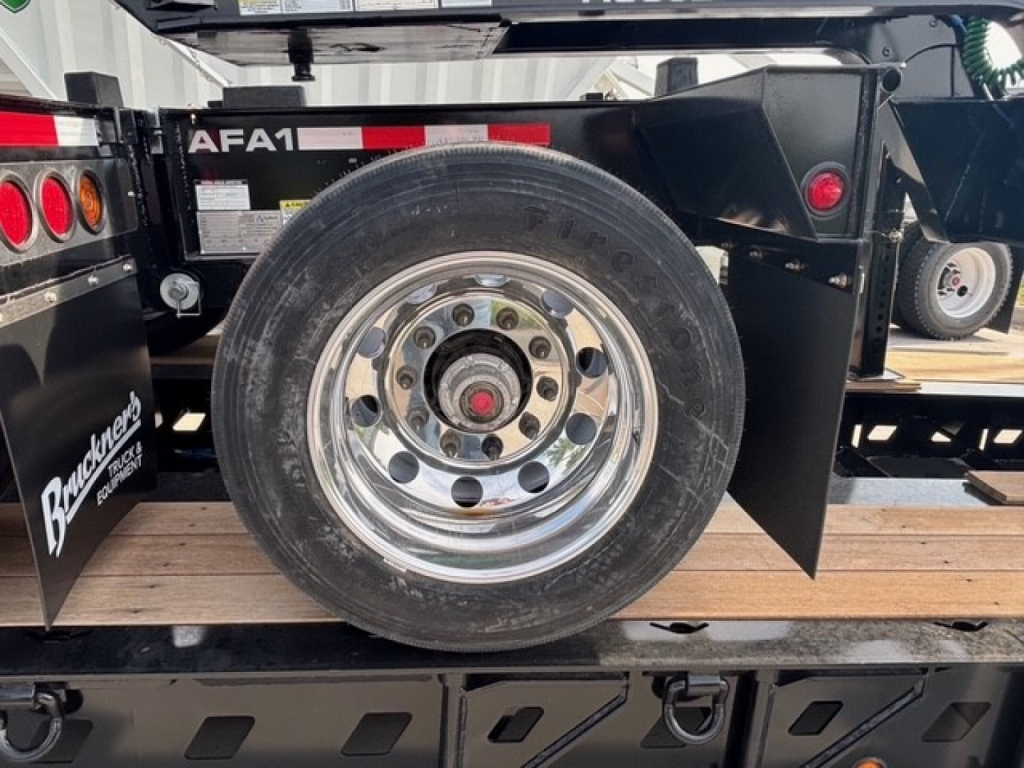
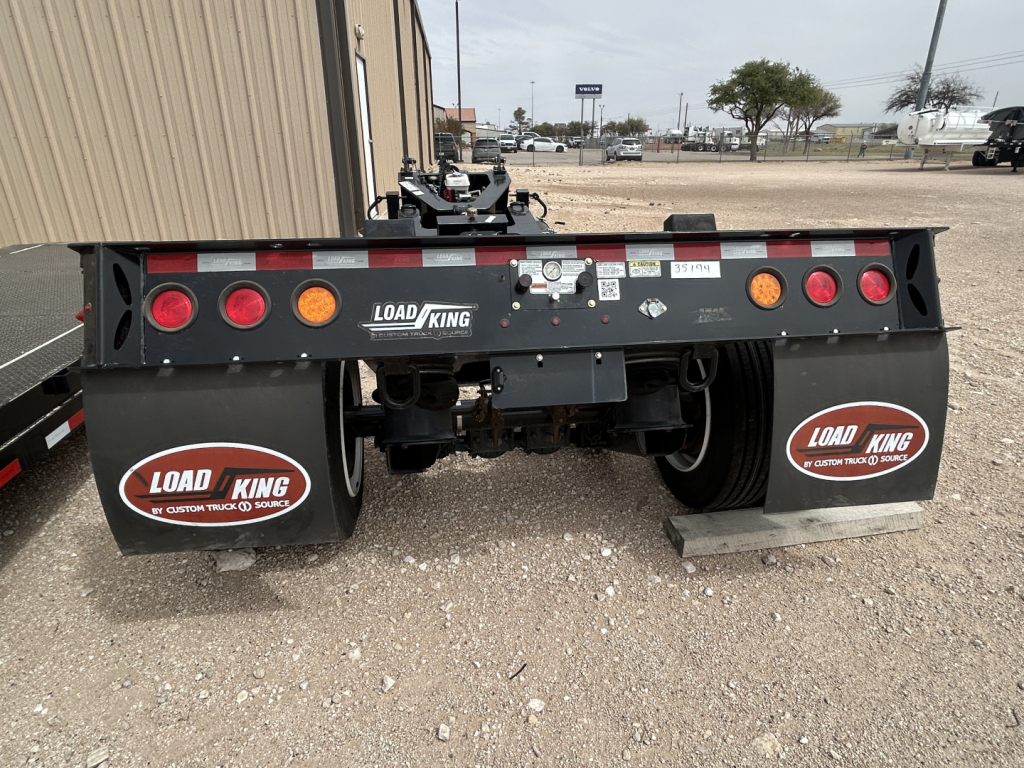
Spec details have a direct effect on day-to-day use. Air ride suspension is common because it helps with load stability and deck height control, especially on heavy equipment moves. Tire sizes like 255/70R22.5 and 275/70R22.5 are typical in this category, and wheel configuration often combines polished aluminum outside wheels with steel inside wheels for a balance of appearance, durability, and cost. Buyers should also pay attention to 16.5 x 7 brakes, hub-pilot axles, sealed 12V electrical harnesses, LED lighting packages, and practical rigging features such as D-rings, limit chains, flag holders, and stake pockets for wide load signs. Those details matter on oversize jobs where setup time, visibility, and inspection readiness count.
For a 2026-model purchase, the smart approach is to evaluate the component as part of the full hauling system, not as a standalone piece. Check how the axle spacing works with your permitted bridge formulas, how the suspension matches your trailer, and whether the decking, lighting, and rear accessories fit the type of freight you move. A properly matched flip, converter dolly, or jeep can make the difference between a legal, efficient heavy haul combination and a setup that creates permit headaches, poor weight transfer, or extra downtime.
Frequently Asked Questions about 2026 Flips/Converter Dollies/Jeeps Trailers
What is the difference between a flip axle, a jeep, and a converter dolly?
A flip axle is usually mounted at the rear of a lowboy or specialized trailer to add axle capacity and improve weight distribution. A jeep is installed between the tractor and the front of the trailer to create an additional axle group and shift load forward for bridge compliance. A converter dolly is a separate towing component that connects trailer combinations and is used in more specific applications depending on the hauling setup. The correct choice depends on the trailer design, the load, and the permit requirements in the states where the combination will operate.
How do I choose the right axle spacing and width for a heavy haul flip or jeep?
Axle spacing and overall width should match both the trailer it is built for and the bridge formula requirements you expect to run under. Common widths in this category include 102 inches and 108 inches, while axle spacing often falls in the 54-inch to 60-inch range. A wider or different-spread unit may support a higher-capacity trailer, but it still has to work with the existing connection points, ride height, and permit strategy. Buyers should verify the exact spacing requirements with the trailer manufacturer and permit service before finalizing a spec.
What suspension and tire specifications are common on 2026 flip axles and related heavy haul components?
Air ride suspension is one of the most common choices because it helps stabilize the load and can improve ride quality on specialized hauling applications. Typical tire sizes include 255/70R22.5 and 275/70R22.5, often paired with heavy-duty single axles rated around 25,000 to 27,500 lbs in this class. Brake packages such as 16.5 x 7 brakes and hub-pilot axle setups are also common. These specifications should be matched to the trailer's rating and the type of cargo being hauled.
Why do lighting and accessory details matter on a flip axle or jeep?
Lighting and accessories affect compliance, safety, and jobsite efficiency. LED lights, sealed electrical harnesses, strobe provisions, and proper rear lighting packages help with visibility and durability in demanding service. D-rings, flag holders, stake pockets for wide load signs, and limit chains are practical features that support oversize hauling and make the equipment easier to prepare for the road. On heavy haul combinations, these details are not cosmetic. They directly support legal operation and faster setup.
Can a flip axle or jeep be used with any lowboy or specialized trailer?
No. These components must be matched to the trailer's design, rating, connection method, and intended application. Compatibility issues can include width, axle spacing, deck height, brake and electrical connections, and the load class the trailer was engineered to handle. A component built for a 35-45 ton platform may not be suitable for a 55 ton or 60 ton trailer. Buyers should confirm manufacturer compatibility and permit requirements before pairing any heavy haul component with an existing trailer.