
2026 Load King Flips/Converter Dollies/Jeeps Trailers For Sale
Shop 2026 Load King flips, converter dollies, and jeeps built for heavy haul axle capacity, bridge compliance, and modular trailer versatility.
Selling a 2026 load king flips/converter dollies/jeeps trailer? List your 2026 load king flips/converter dollies/jeeps trailer for sale and reach thousands of commercial buyers.
2026 Load King Flips/Converter Dollies/Jeeps Trailers
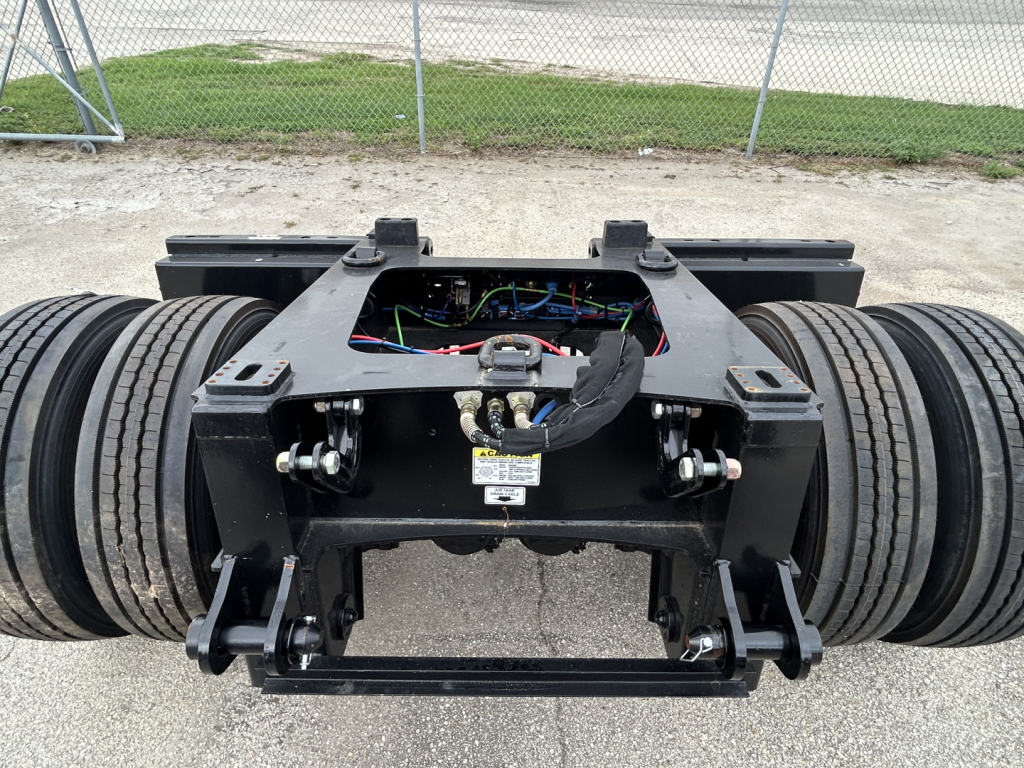
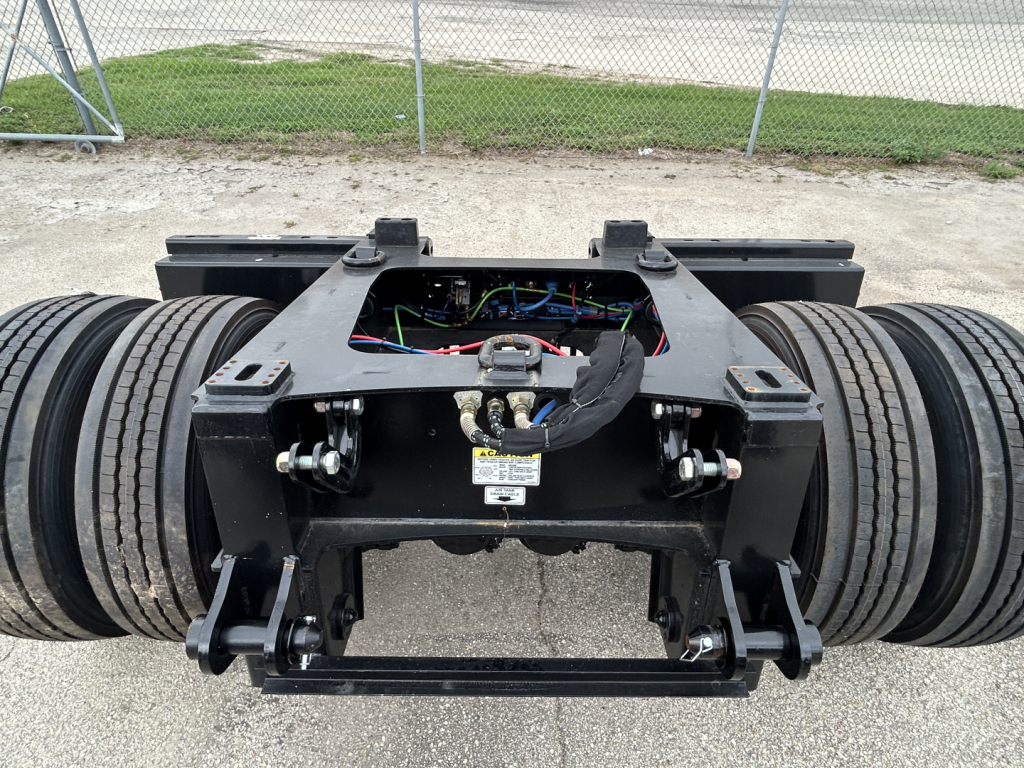
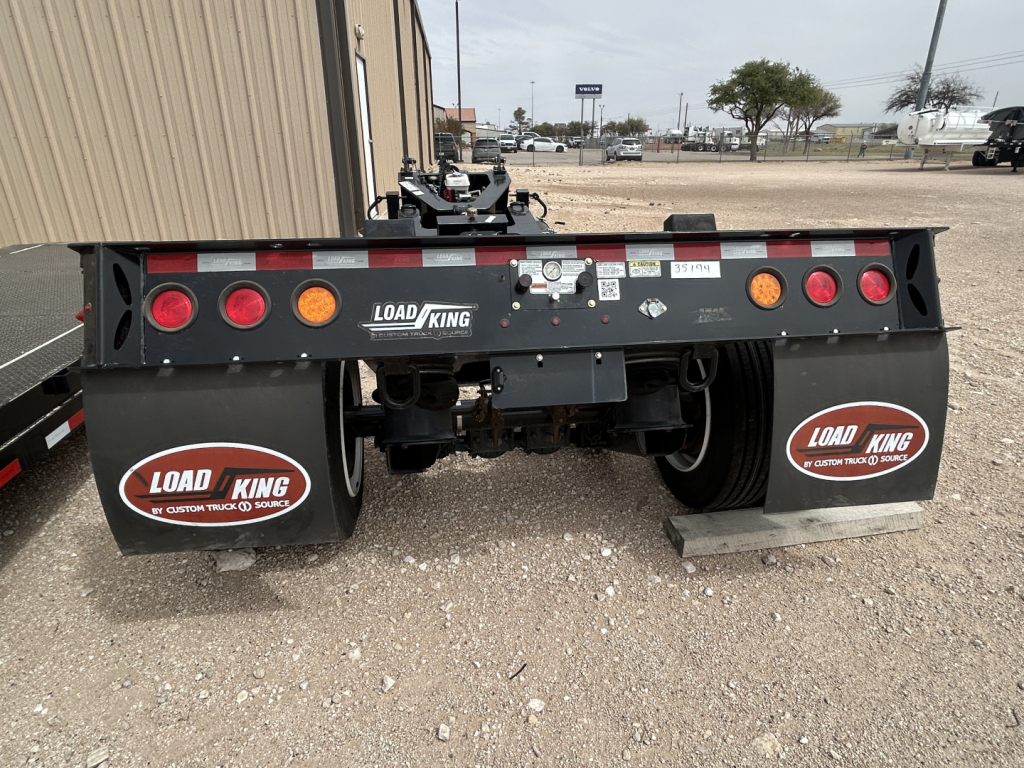
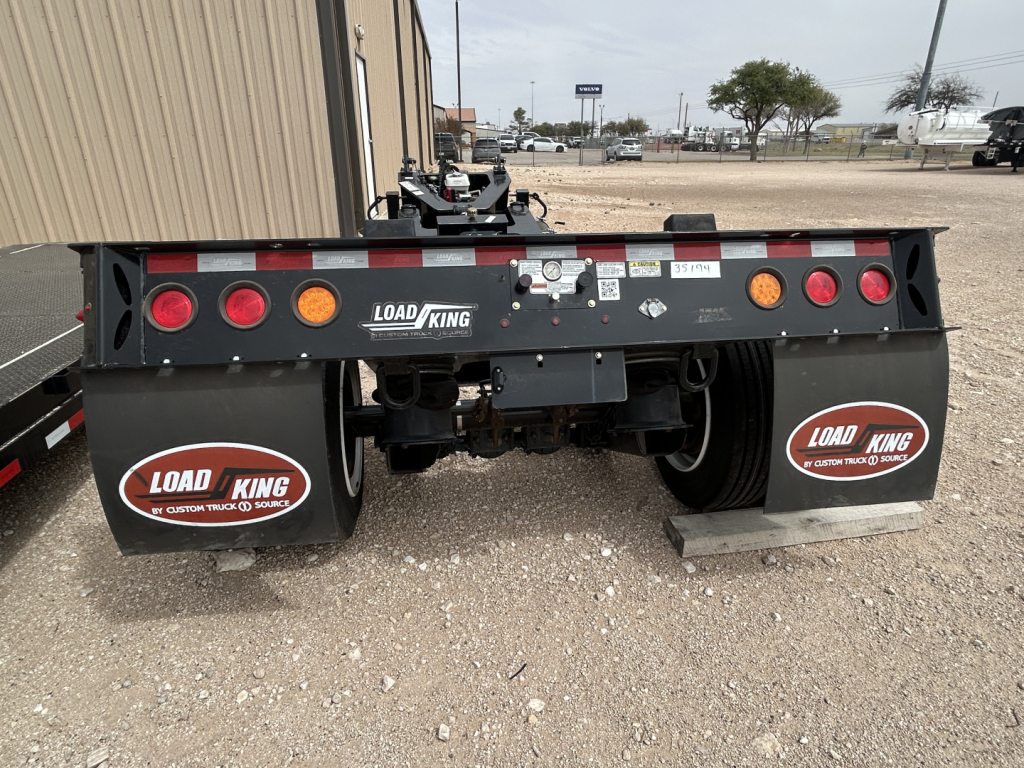
Flip axles are often selected by suspension type and axle package as much as by capacity. Listings in this class commonly show single 27,500-lb axle setups, air ride or Hendrickson air ride suspension, and 255/70R22.5 or 275/70R22.5 rubber on outside aluminum wheels. Width matters because many fleets are matching an 8 ft 6 in trailer or a 9 ft wide deck system, and axle spacing such as 54.5 inches or 60 inches can affect fitment, weight distribution, and permit strategy. Intermediate flip axles are also used when the trailer architecture calls for a specific mounting location or support arrangement, and options like independent leveling valves, suspension isolation kits, D-rings, and upgraded lighting packages can matter in day-to-day operation.
Converter dollies and jeeps serve a similar purpose in modular heavy haul, but with different roles in the combination. A jeep is typically installed between the tractor and the trailer to shift kingpin weight and spread the load across more axles, while a converter dolly is commonly used to connect and support an additional trailer section or axle group. Buyers should verify kingpin setting, drawbar configuration, brake and electrical compatibility, ride height, and connection points before assuming interchangeability across brands or even across trailer series from the same manufacturer. On specialized hauling setups, a mismatch in coupler height, axle track, or suspension geometry can create handling issues and complicate permitting.
For Load King equipment, the real buying question is not just capacity on paper. It is how well the component integrates with the intended trailer, load profile, and operating region. A buyer running concentrated construction equipment or transformers needs to think about bridge formula, state-by-state axle rules, tire size consistency, serviceability of suspension components, and how quickly the crew can pin on or remove the axle group in the field. Well-matched flips, jeeps, and dollies add flexibility to a heavy haul fleet, but only when the dimensions, connection hardware, and rated use line up with the trailer they are built to support.
Frequently Asked Questions about 2026 Load King Flips/Converter Dollies/Jeeps Trailers
What is the difference between a flip axle, a jeep, and a converter dolly?
A flip axle is an auxiliary axle group added to the rear of a lowboy or detachable trailer to increase legal payload and improve axle distribution. A jeep is placed between the tractor and the trailer to transfer part of the load from the tractor drives to additional trailer axles and to improve bridge spacing. A converter dolly is a separate axle assembly used to support and connect another trailer section or axle group. All three are used in heavy haul, but they serve different positions in the combination and are not automatically interchangeable.
How do I match a Load King flip axle or jeep to my trailer?
Start with the trailer series and rated capacity, then confirm overall width, axle spacing, suspension type, tire size, connection method, and electrical and brake compatibility. A 55-ton setup and a 60-ton setup may look similar but use different dimensions or mounting details. Buyers should also verify deck height relationship, support brackets, and whether the axle is a standard rear flip or an intermediate design. The safest approach is to match the component to the exact trailer family it was engineered for.
Why does axle spacing matter on flips and jeeps?
Axle spacing affects load distribution, bridge formula compliance, turning characteristics, and permit eligibility. Spacing such as 54.5 inches or 60 inches is not just a dimensional detail. It influences how weight is carried across the axle group and how the configuration is treated by state permitting offices. In heavy haul work, the wrong spacing can limit legal capacity or force route changes, so it should be treated as a primary buying spec.
Are air ride suspensions common on heavy haul flip axles?
Yes. Air ride suspensions, including Hendrickson air ride systems, are common because they help manage load equalization, ride quality, and operational flexibility. Features such as independent leveling valves can improve how the axle carries weight in real conditions, especially on uneven ground or during hookup. Buyers should still evaluate bushing condition, air system routing, ride height settings, and parts support, because suspension performance directly affects tire wear and stability.
What specs matter most when buying a heavy haul flip axle or jeep?
The most important specs are rated capacity, number of axles, axle rating, overall width, axle spacing, tire size, wheel type, suspension design, and connection compatibility with the trailer and tractor. Lighting packages, D-rings, support brackets, and isolation kits also matter because they affect safety and field usability. On permit loads, those details are secondary only after the component is confirmed to fit the exact trailer and meet the required axle distribution plan.