
2026 Load King Flips/Converter Dollies/Jeeps Trailers For Sale in Texas
Shop 2026 Load King flip axles, converter dollies, and jeeps in Texas. Compare capacity, axle spacing, suspension, width, and tire specs.
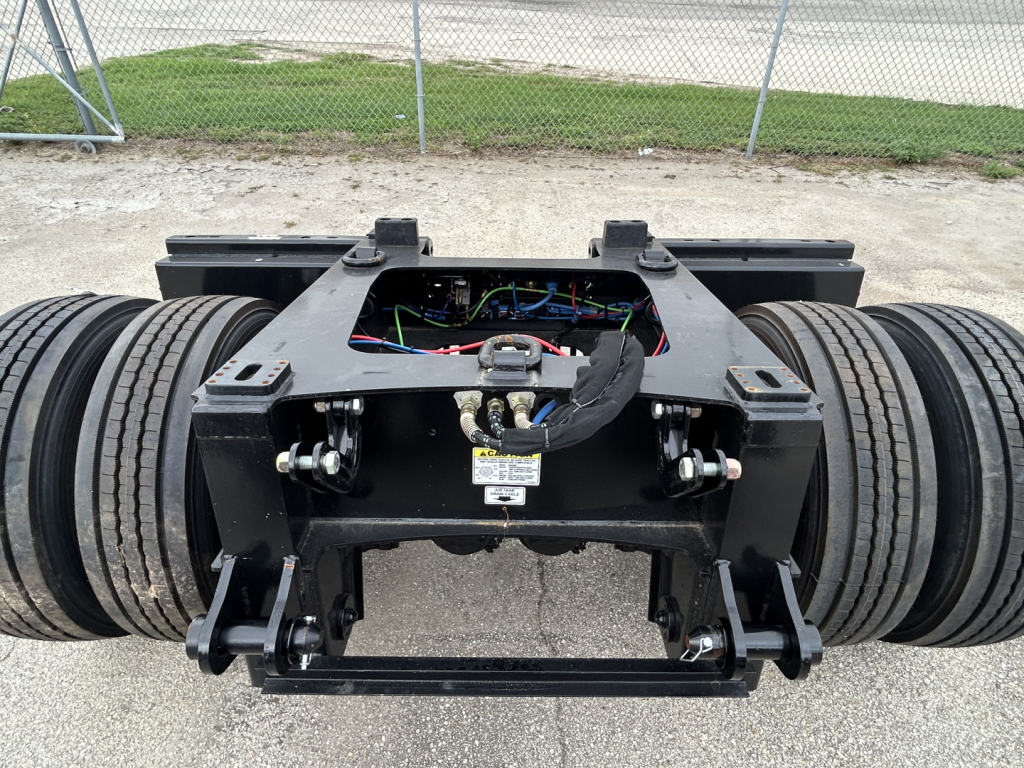
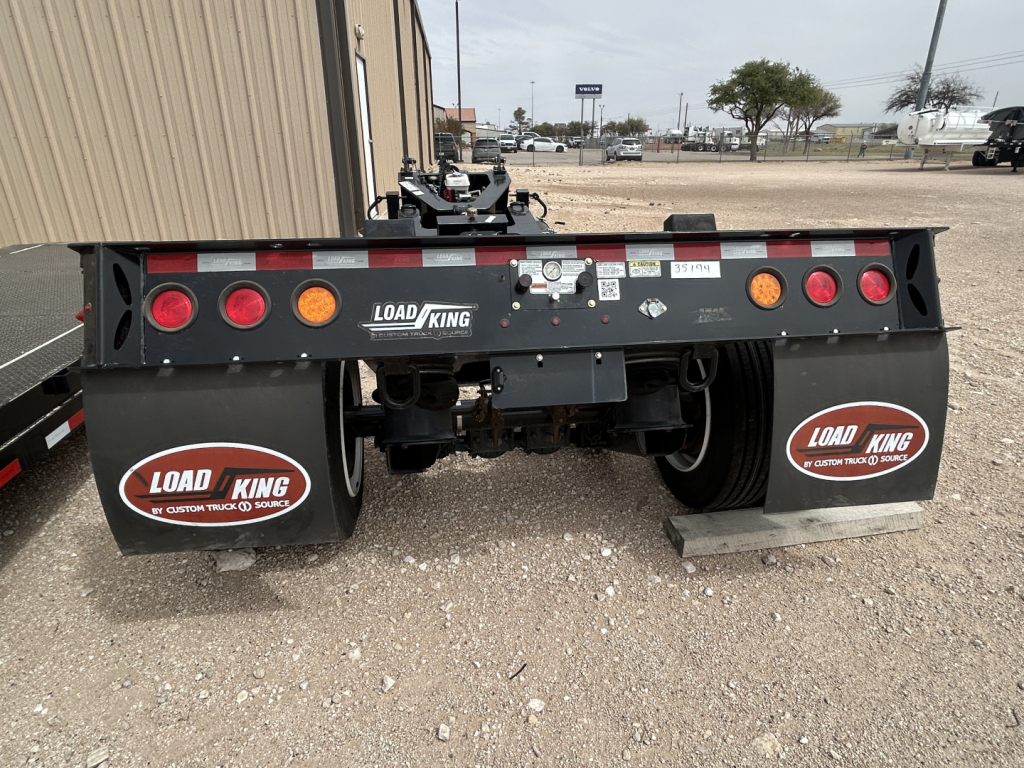
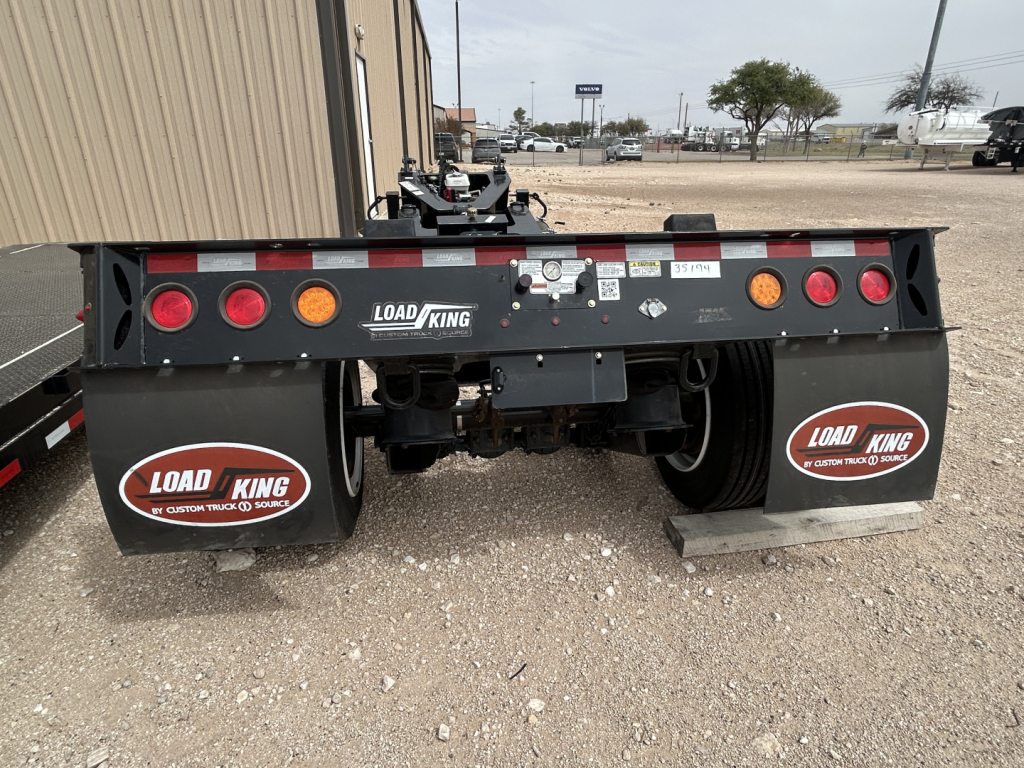
Selling a 2026 load king flips/converter dollies/jeeps trailer? List your 2026 load king flips/converter dollies/jeeps trailer for sale and reach thousands of commercial buyers.
2026 Load King Flips/Converter Dollies/Jeeps Trailers in Texas
For flip axles, the key buying decision is matching the attachment style and geometry to the trailer you already run. Common specs include 55-ton and 60-ton applications, widths around 102 inches or 108 inches, and axle spacing in the mid-50-inch to 60-inch range. A single 27,500-lb axle, 255/70R22.5 or 275/70R22.5 tires, outside aluminum wheels, and air ride suspension are common on this type of equipment. Those details matter because they influence deck height, bridge compliance, ride quality, tire replacement cost, and parts commonality with the rest of the fleet.
Converter dollies and jeeps serve a similar legal-load purpose but are used in different combinations. A jeep is typically installed between the tractor and a lowboy or RGN trailer to shift weight forward and create additional axle capacity on the front of the combination. A converter dolly is more often used to turn a semi trailer into a full trailer or create a multi-unit configuration, depending on the haul and local regulations. Buyers should pay close attention to drawbar setup, fifth wheel height, kingpin position, brake and electrical connections, and whether the unit is intended for routine heavy haul work or more occasional specialized transport.
Texas operators also need to think about route types, escort requirements, and the practical side of running these axle groups in the field. A flip or jeep that looks right on paper still needs to work with your loading process, turning radius, staging space, and maintenance program. D-rings, suspension brand, wheel-end spec, and tire size are not minor details on heavy haul gear. They affect uptime and serviceability. When comparing Load King units in this category, the best choice is usually the one that matches your trailer series exactly, carries the axle rating you need without overcomplicating permits, and uses components your shop already knows how to support.
Frequently Asked Questions about 2026 Load King Flips/Converter Dollies/Jeeps Trailers in Texas
What is the difference between a flip axle and a jeep?
A flip axle attaches at the rear of a lowboy or detachable trailer to add axle capacity behind the deck. A jeep mounts between the tractor and the trailer, adding axle capacity ahead of the deck and shifting part of the load forward. Both help with weight distribution and permitting, but they solve different axle-loading problems and are not interchangeable without the correct trailer configuration.
How do I choose the right Load King flip axle capacity?
Start with the base trailer rating, the loads you actually haul, and the axle weights allowed on your regular permit routes. A 55-ton or 60-ton flip axle needs to match the trailer design, connection points, and intended legal configuration. Buyers should also confirm axle spacing, tire size, suspension, and frame width because those specs affect bridge formulas, ride characteristics, and overall compatibility.
Why does axle spacing matter on a flip, converter dolly, or jeep?
Axle spacing directly affects legal weight distribution, bridge compliance, turning behavior, and permit acceptance. Even small differences in spacing can change how a state calculates allowable weight on an axle group. For heavy haul buyers, spacing is one of the first specs to verify because it has a direct impact on how useful the unit will be across different states and load types.
Are air ride suspensions common on heavy haul flip axles?
Yes. Air ride suspension is common because it improves ride quality, helps protect the trailer and cargo from shock loads, and can make the combination more stable on rough surfaces. In heavy haul service, suspension choice also affects maintenance planning, parts availability, and how the axle group behaves when empty versus loaded.
What specs should I verify before buying a converter dolly or jeep in Texas?
Confirm the axle rating, suspension type, tire and wheel size, overall width, connection style, brake setup, and electrical compatibility with the tractor and trailer you plan to use. In Texas, it is also smart to review the unit against your normal permit loads and routes, because practical use depends on more than the published capacity. Clearance, turning radius, and how easily the combination can be assembled in the field all matter.