
Load King Flips/Converter Dollies/Jeeps Trailers For Sale
Shop Load King flips, converter dollies, and jeeps built for heavy haul setups, axle group flexibility, and permit-driven load distribution.
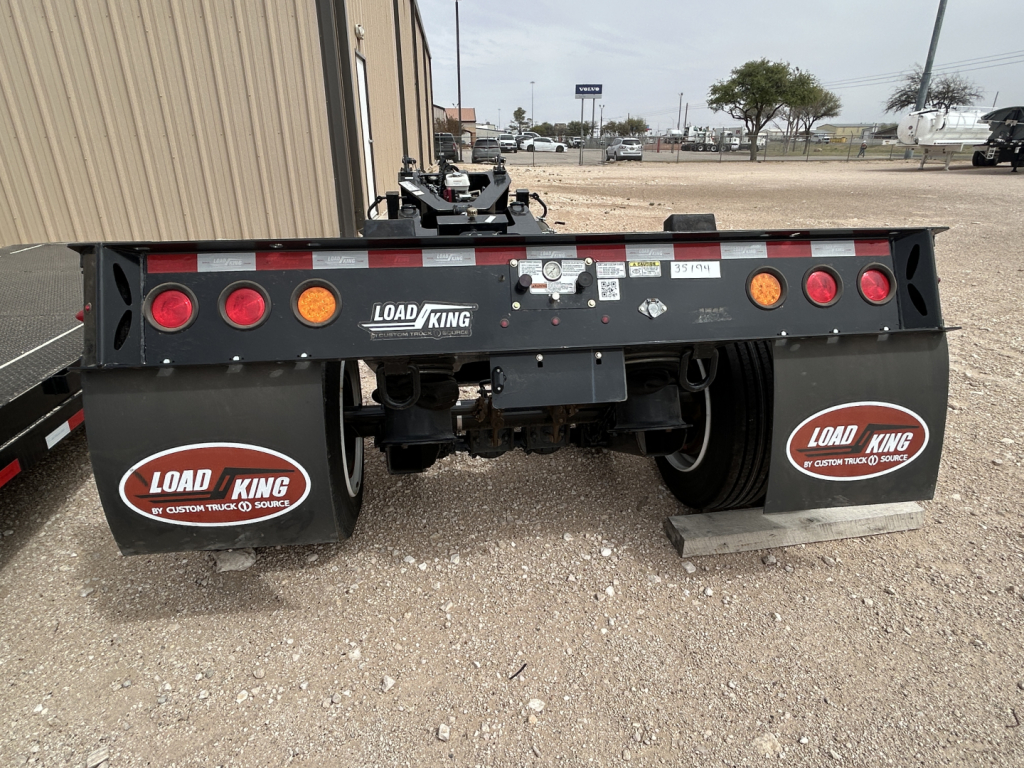
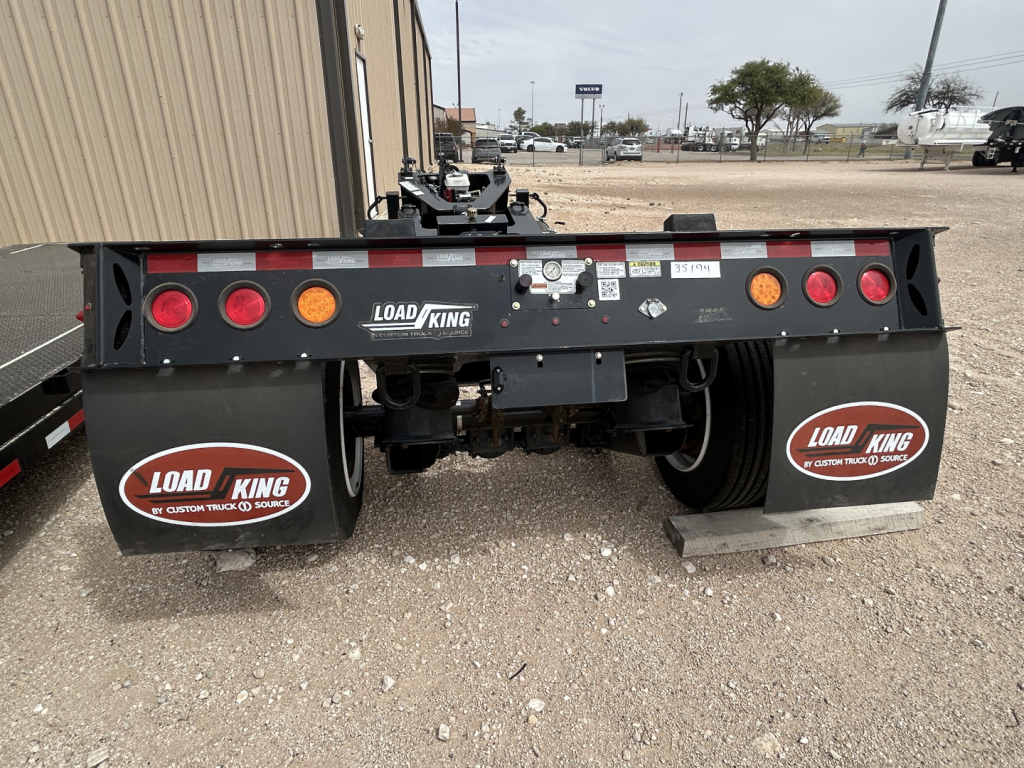
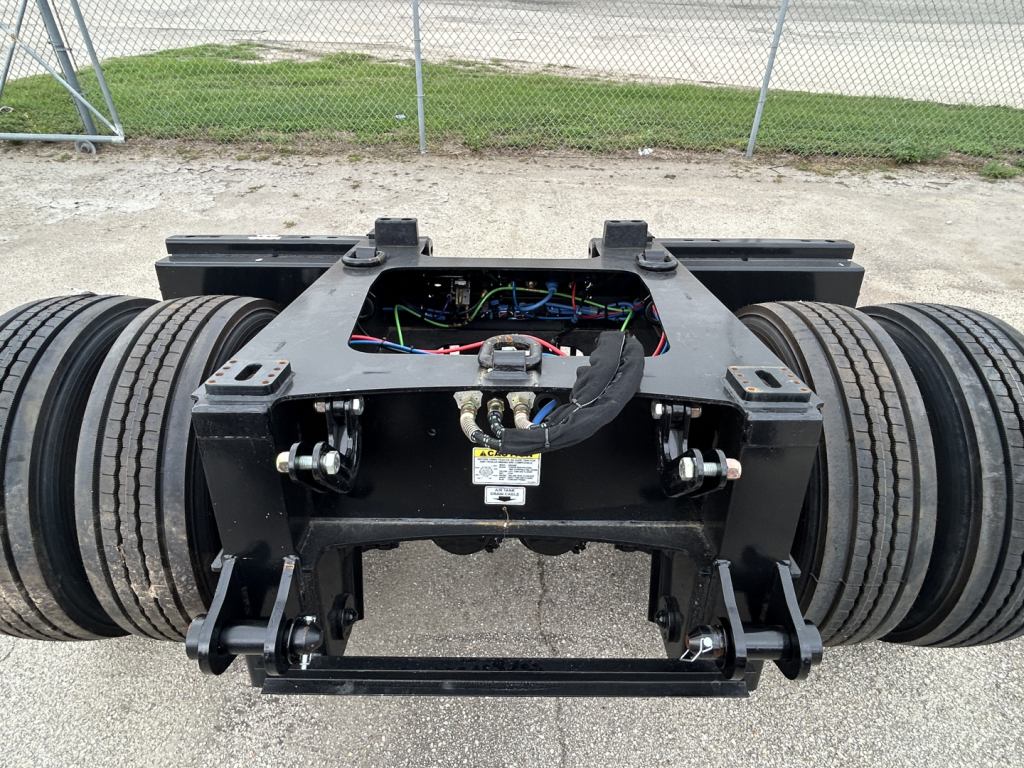
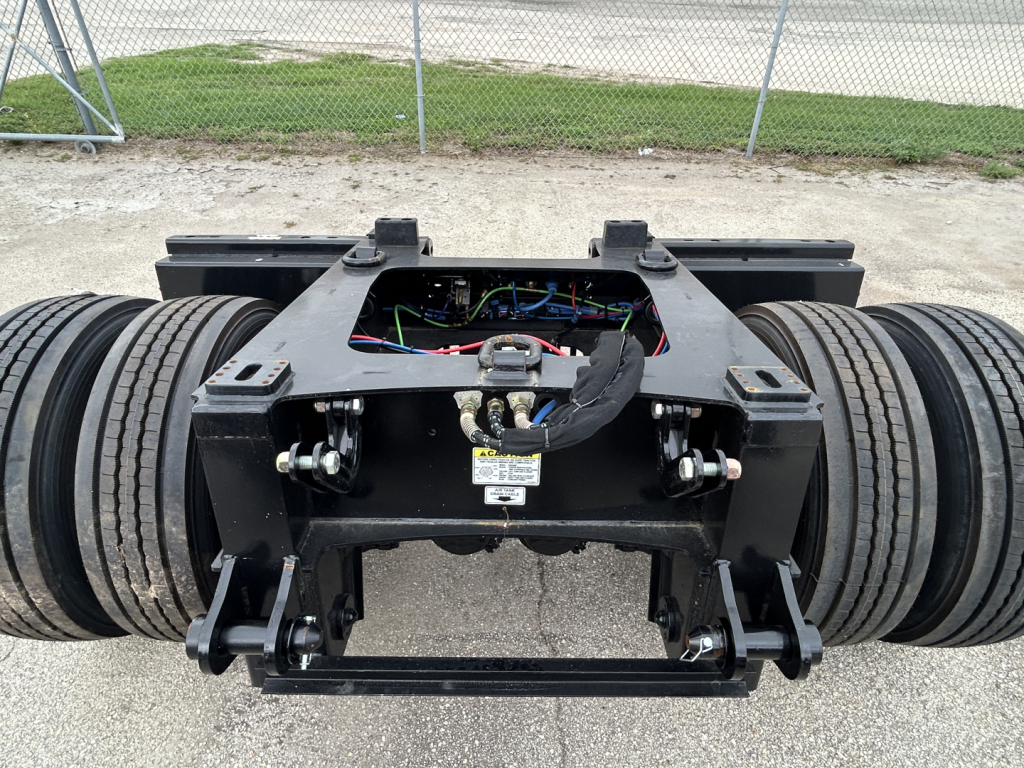
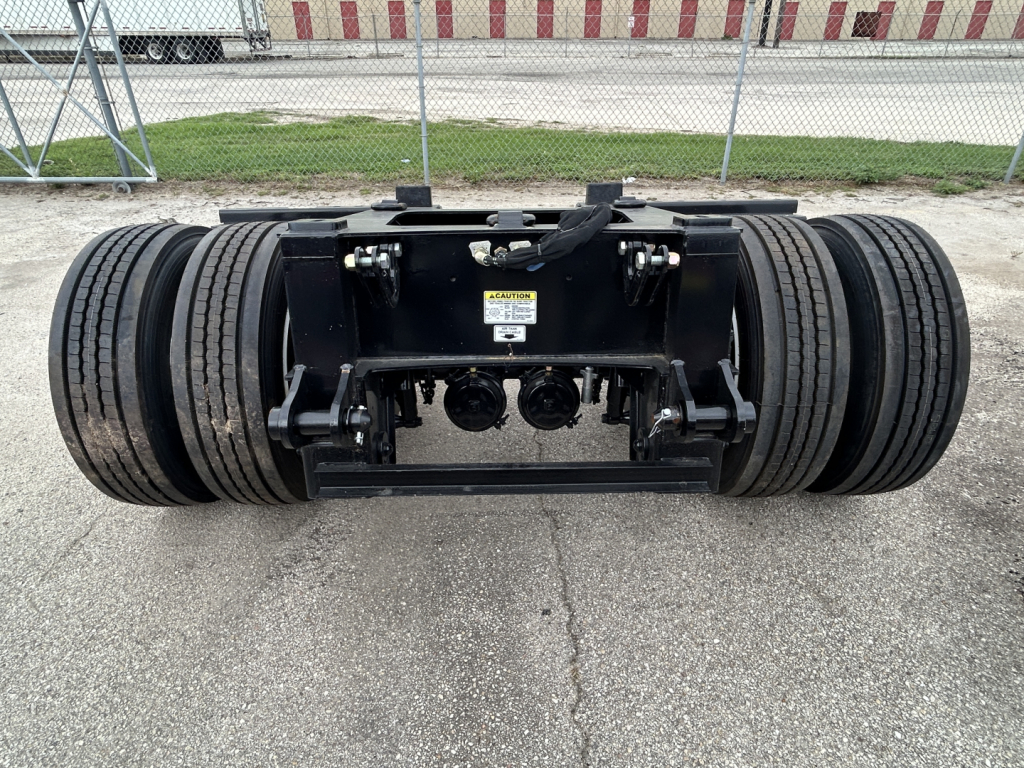
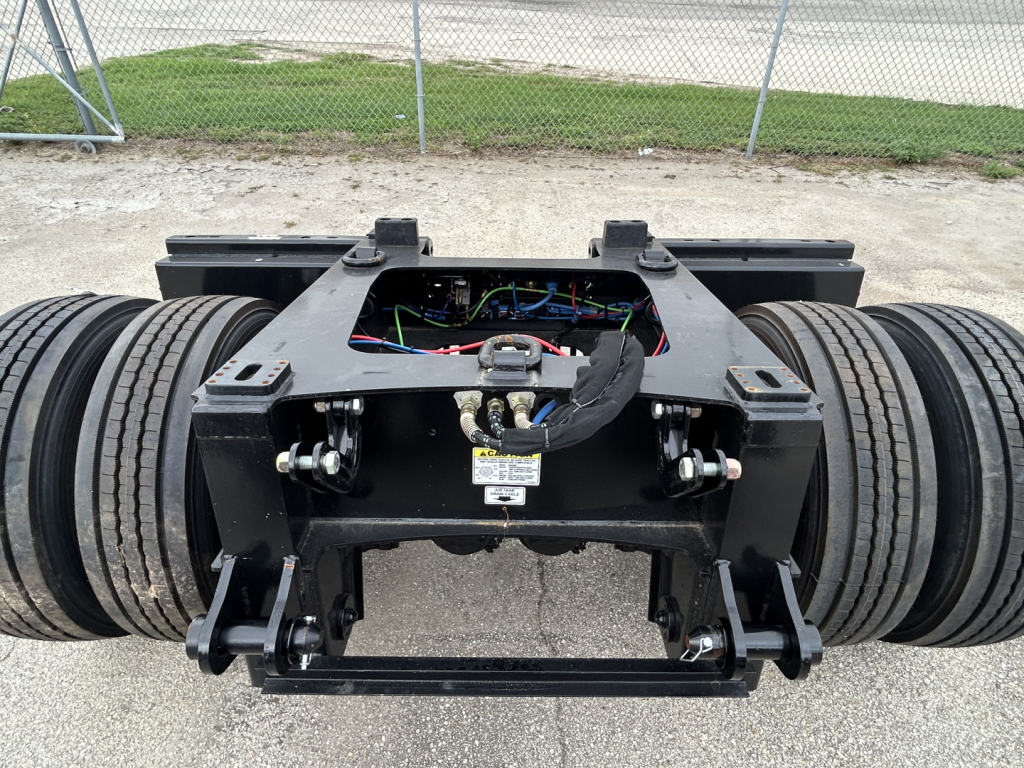
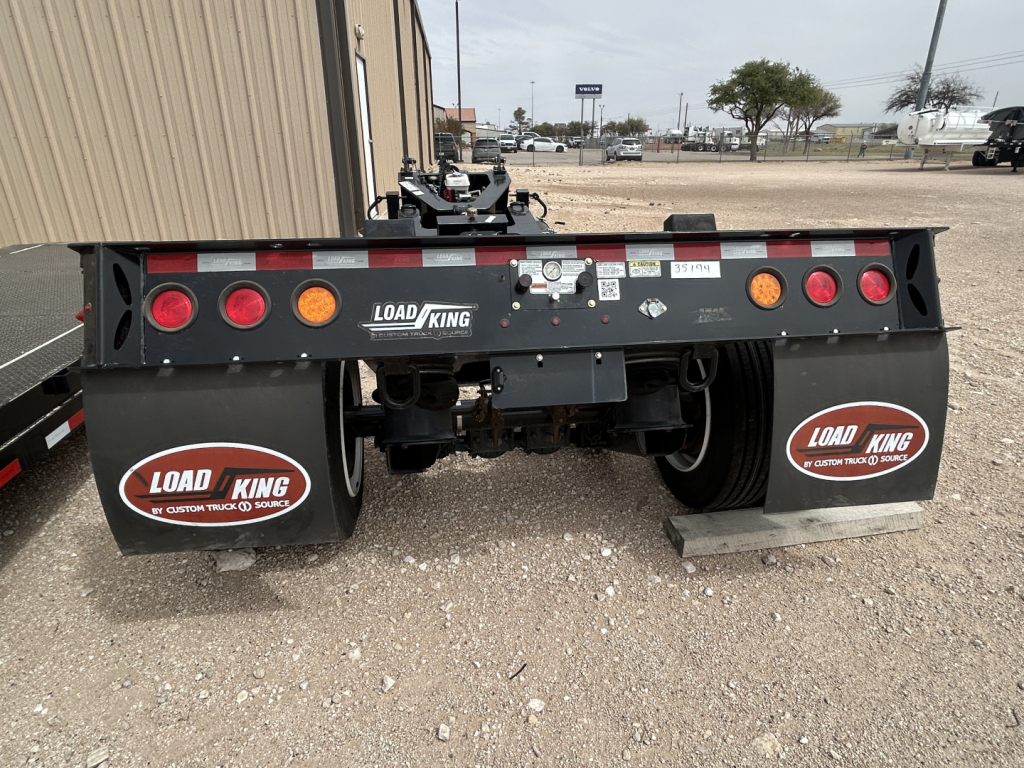
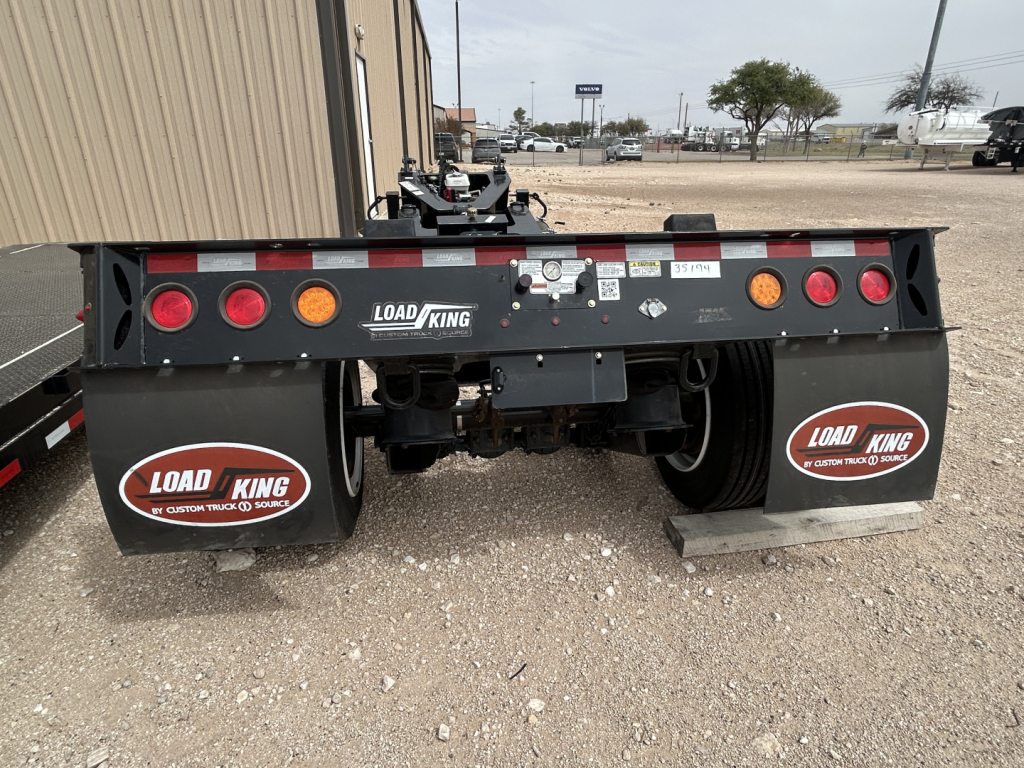
Selling a load king flips/converter dollies/jeeps trailer? List your load king flips/converter dollies/jeeps trailer for sale and reach thousands of commercial buyers.
Load King Flips/Converter Dollies/Jeeps Trailers
The most important buying decision is compatibility with the trailer you already run. That means looking closely at ton rating, axle spacing, connection style, loaded deck height impact, suspension type, brake package, and tire size. Load King units in this class are often spec'd for 55-ton to 60-ton work, with common configurations including single-axle flips, intermediate flips, and heavy-duty jeeps designed around permit loads and route-specific bridge formulas. Air ride suspensions such as Hendrickson setups are common for ride quality and load protection, while drum brakes remain widely used for serviceability and parts availability in heavy haul fleets. Tire sizes like 255/70R22.5 are also common in this category because they balance packaging, replacement availability, and axle group height.
Material and wheel spec also deserve attention because these components live in punishing conditions. Steel construction is standard for durability and repairability, especially on equipment that sees concentrated loads, rough approaches, and frequent pinning and unpinning. Buyers should also look at inner and outer wheel combinations, D-ring placement, airline and electrical routing, and how the unit handles in tight jobsite or staging-yard conditions. On a flip axle, axle spacing and overall added length can directly affect permit strategy and maneuverability. On a jeep, kingpin setting, fifth wheel height, drawbar length, and steer axle transfer are critical because a bad match can create legal problems even if the hardware physically hooks up.
For buyers comparing Load King units, the real question is not just rated capacity but how the component fits into the complete haul system. A properly matched flip, converter dolly, or jeep can turn a trailer into a more versatile heavy haul platform, reduce the number of permit restrictions on certain routes, and improve axle loading without stepping up to a completely different trailer. The best spec is usually the one that matches your existing neck, deck, axle group, and freight profile, while keeping parts support straightforward for brakes, suspension, hubs, and tires. If the work includes machinery, transformers, structural steel, or concentrated construction loads, these trailer components are often the difference between a legal workable setup and one that leaves payload on the table.
Frequently Asked Questions about Load King Flips/Converter Dollies/Jeeps Trailers
What is the difference between a flip axle, a jeep, and a converter dolly?
A flip axle is an additional axle assembly attached at the rear of a lowboy or specialized trailer to increase capacity and improve weight distribution. A jeep is placed between the tractor and the trailer, usually ahead of the main deck, to transfer weight and create more axle spacing for heavy haul permits. A converter dolly is a separate axle-and-drawbar assembly used to connect or tow trailer sections, and its application depends on the trailer design and hauling setup. Each serves a different purpose, so the right choice depends on where the extra axle support is needed in the combination.
How do I know what ton rating I need for a Load King flip or jeep?
The ton rating should be based on the actual load carried by that axle group, not just the advertised trailer capacity. Heavy haul buyers need to account for machine weight, load center, deck length, neck design, axle spacing, and permit requirements in the states they run. A 55-ton or 60-ton component may be appropriate for many lowboy applications, but the correct rating comes from the full weight-distribution plan across steer, drives, jeep, trailer axles, and any rear flip. Matching by tonnage alone can lead to an illegal or poorly balanced setup.
Why does axle spacing matter so much on flips and jeeps?
Axle spacing directly affects bridge formula compliance, permit approval, turning characteristics, and overall load distribution. In heavy haul work, a few inches of spacing can change how much weight can legally be carried on a route. Rear flip axle spacing influences how the load is spread behind the deck, while jeep spacing affects weight transfer between the tractor and the trailer. Buyers should confirm the spacing works with their existing trailer and with the permit practices in the states where they operate most often.
Are air ride suspensions a good choice for this category?
Air ride suspension is common on flips, jeeps, and converter dollies because it helps manage ride quality, reduces shock transfer into the trailer and cargo, and can improve handling on uneven surfaces. It is especially useful when hauling equipment or components that do not respond well to harsh road inputs. The tradeoff is added system complexity compared with some mechanical suspensions, so maintenance discipline matters. For many heavy haul fleets, air ride remains the preferred spec because of load protection and operational flexibility.
What should I verify before buying a flip axle or jeep for an existing trailer?
The key checks are connection style, pin and bushing dimensions, frame height, loaded ride height, brake compatibility, suspension spec, tire size, hub-pilot or stud-pilot wheel setup, and the effect on overall combination length. On jeeps, buyers should also verify kingpin setting, fifth wheel height, drawbar dimensions, and expected weight transfer to the tractor. On flips, the focus should include attachment method, axle spacing, and how the added group changes permit routing and tail swing. A component can be well built and still be the wrong match if it does not integrate correctly with the trailer and tractor already in service.