
Load King Flips/Converter Dollies/Jeeps Trailers For Sale in Texas
Shop Load King flips, converter dollies, and jeeps in Texas. Compare axle capacity, spacing, suspension, width, and tire specs for heavy haul setups.
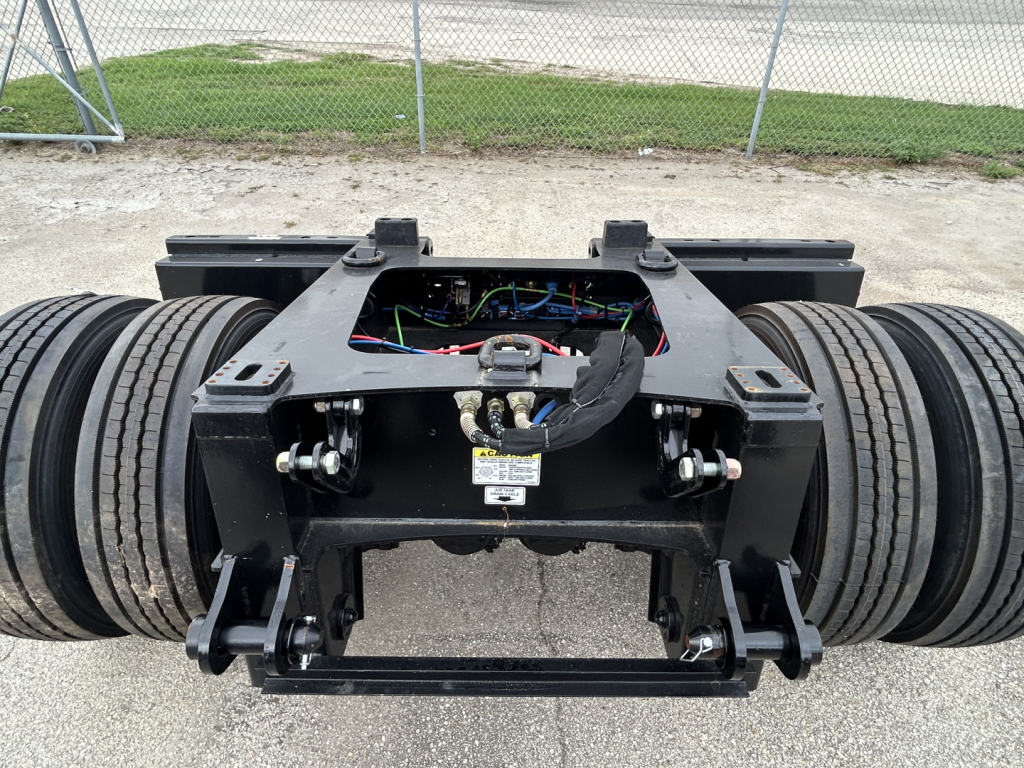
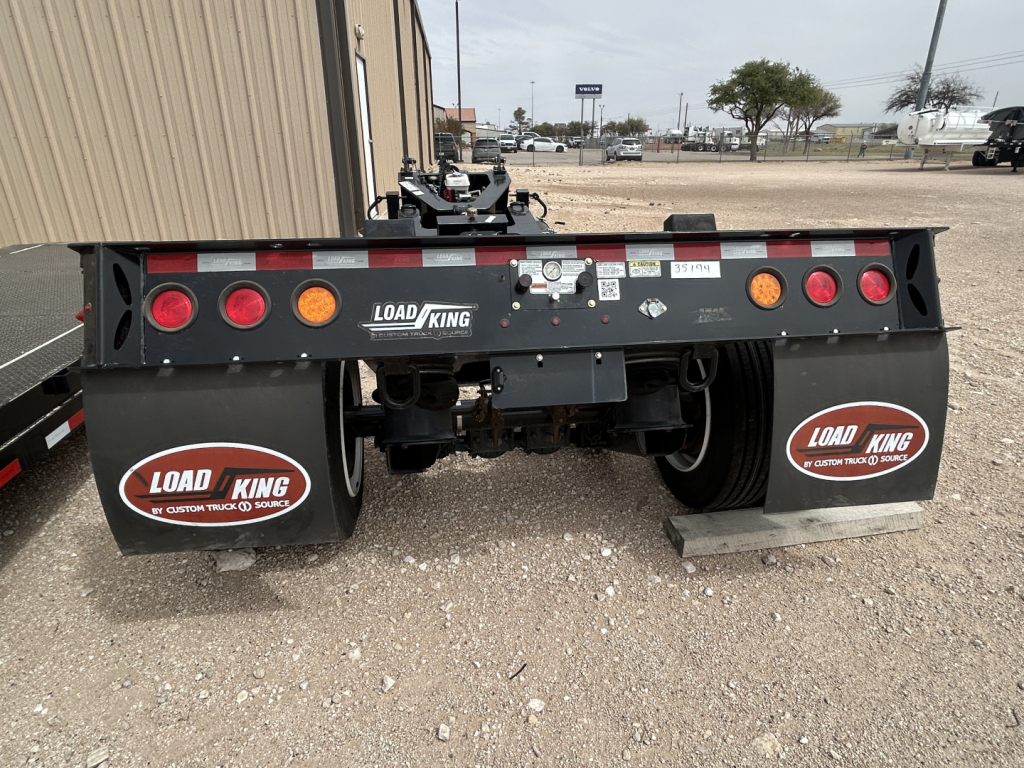
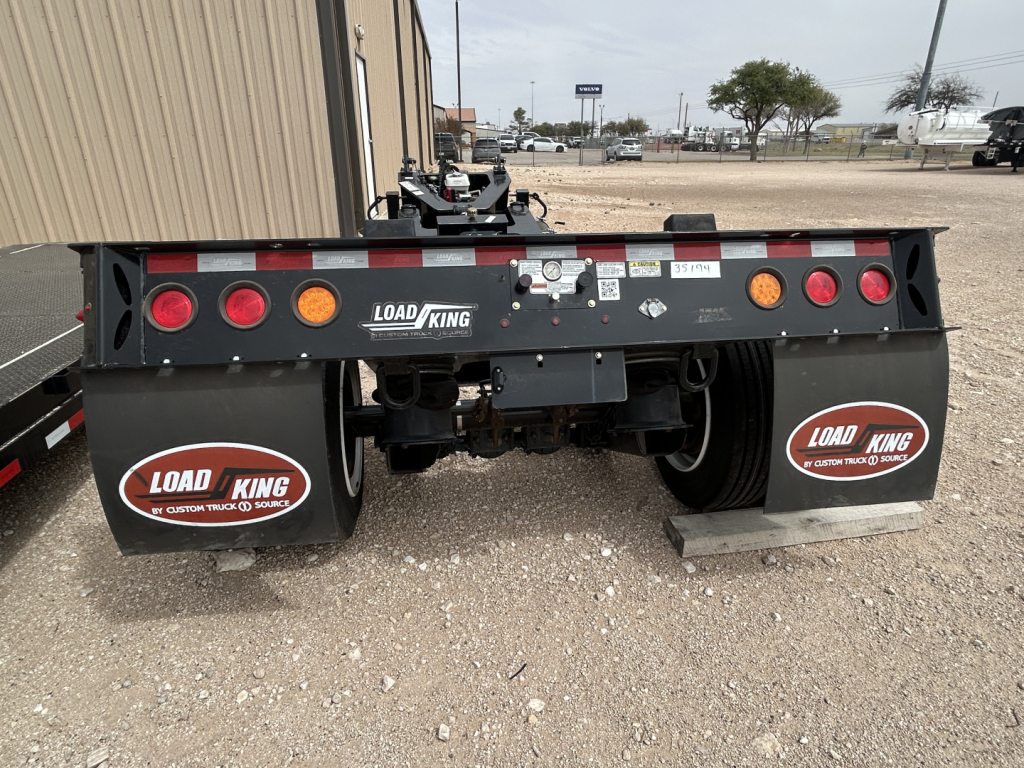
Selling a load king flips/converter dollies/jeeps trailer? List your load king flips/converter dollies/jeeps trailer for sale and reach thousands of commercial buyers.
Load King Flips/Converter Dollies/Jeeps Trailers in Texas
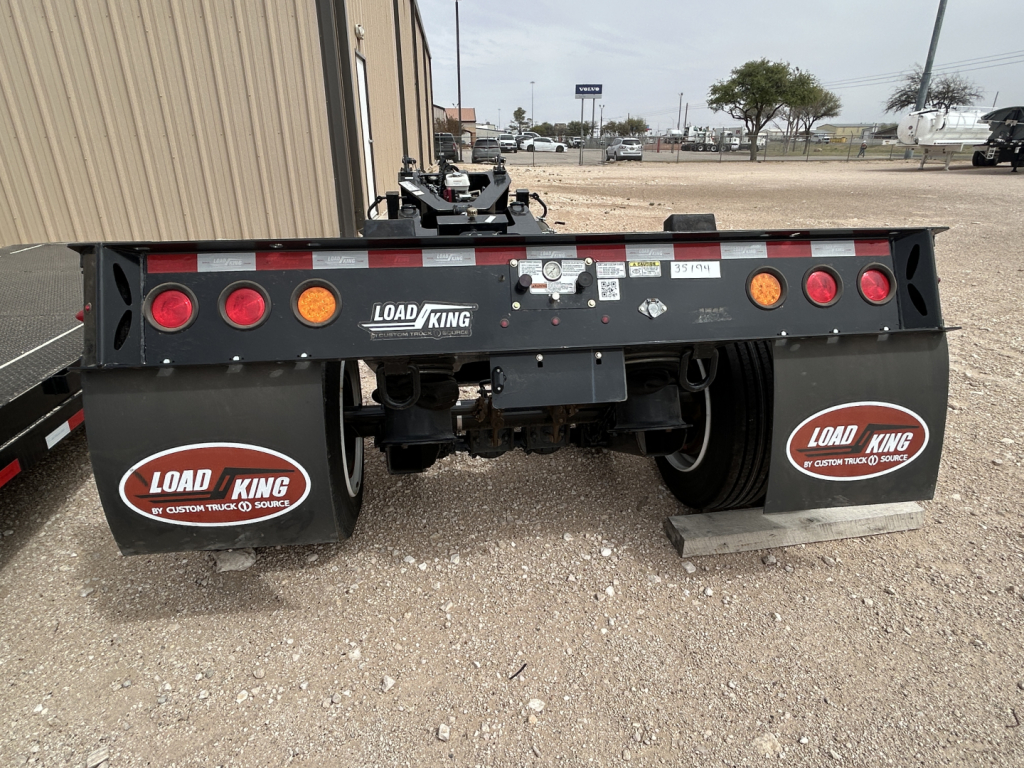
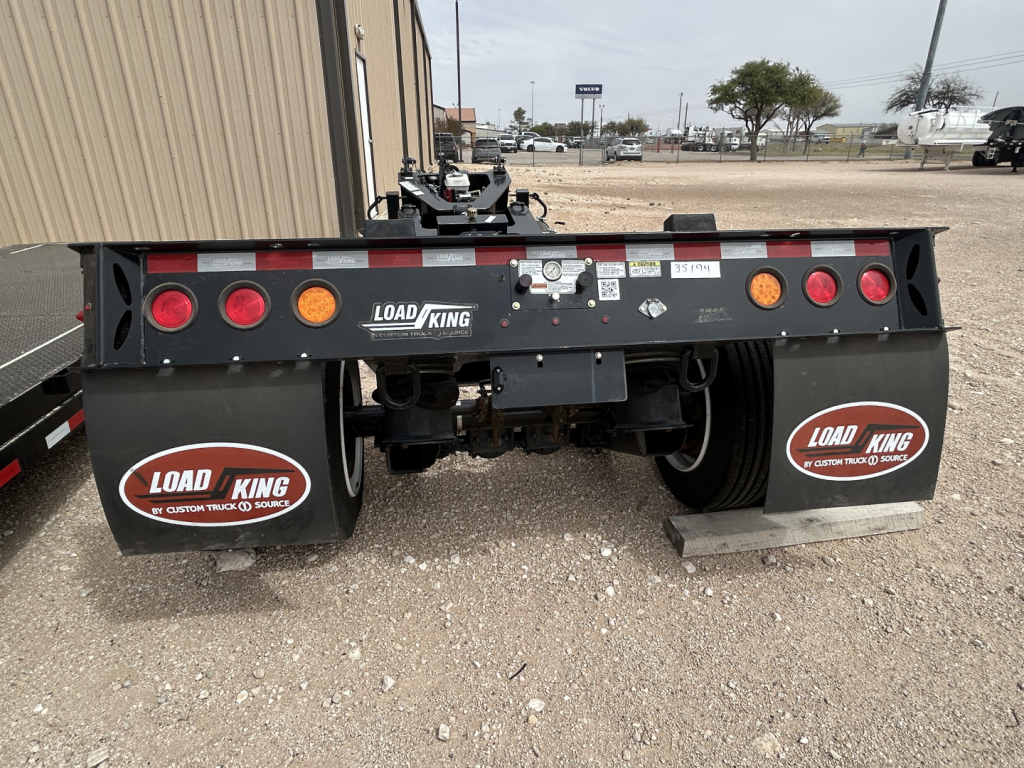
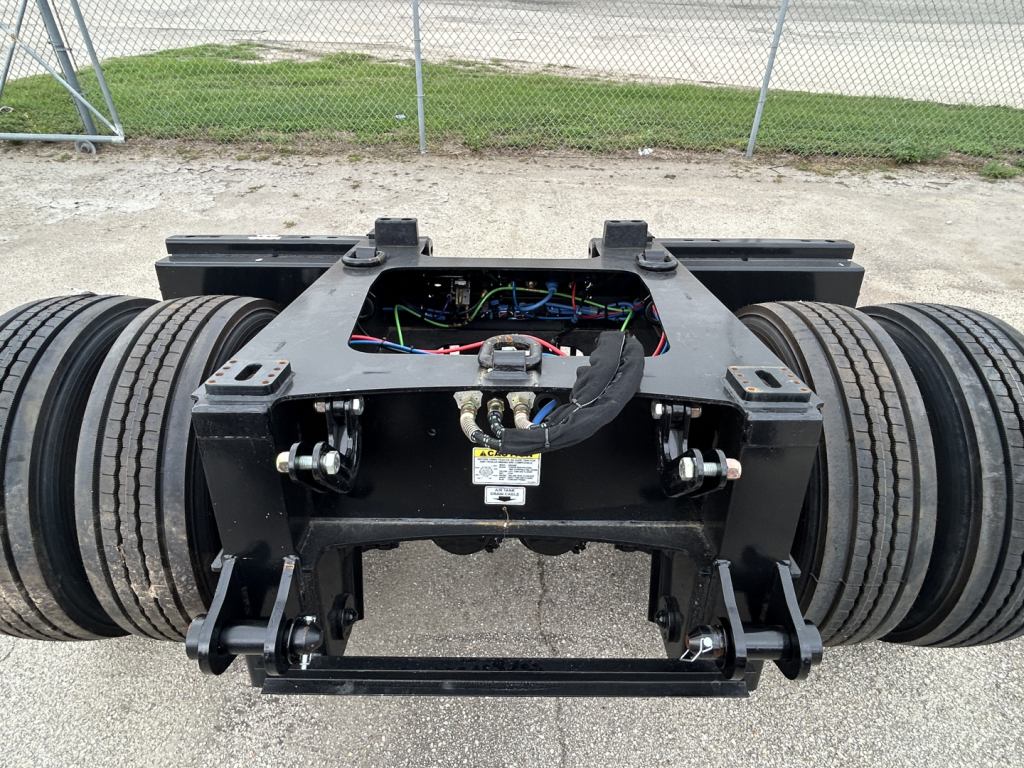
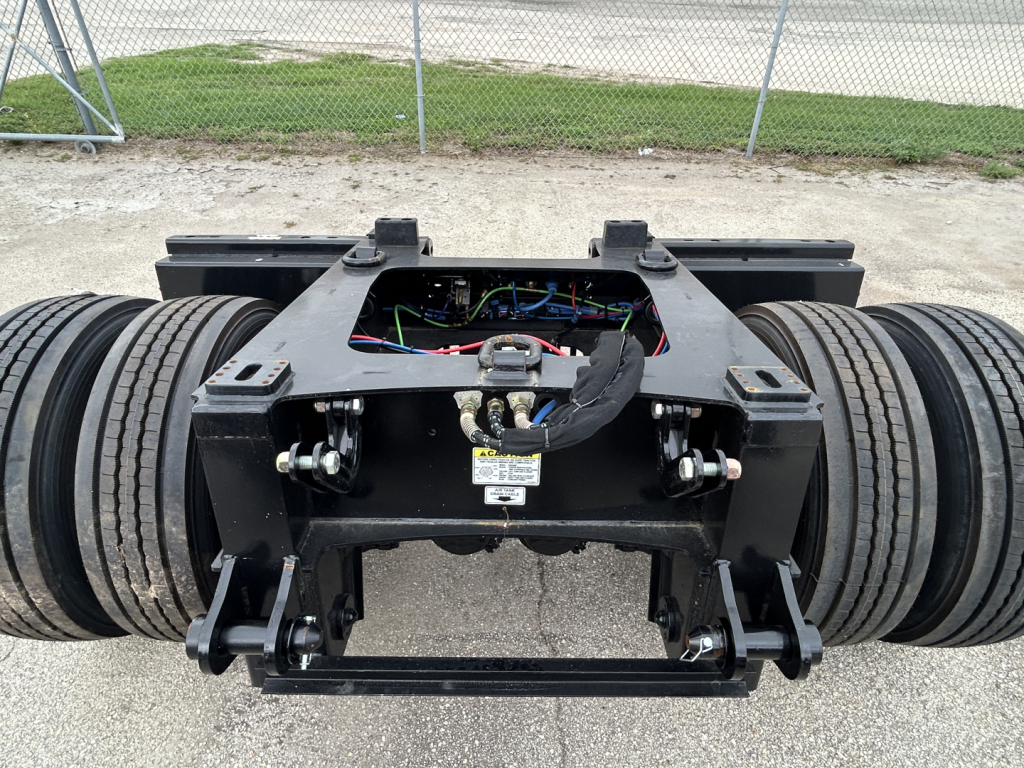
For Load King equipment, fit-up matters as much as rated capacity. Buyers should pay close attention to trailer series compatibility, connection style, deck width, axle spacing, ride height, and tire package. Sample units in this category show common heavy haul specifications such as 8-foot 6-inch and 9-foot widths, single 27,500-pound axles, 54.5-inch to 60-inch axle spacing, Hendrickson air ride suspension, and 255/70R22.5 or 275/70R22.5 tires with outside aluminum wheels. On a flip axle, those dimensions affect how the axle tracks behind the trailer, how the load scales, and how the equipment fits state permit requirements. On a jeep or converter dolly, drawbar geometry, kingpin arrangement, and suspension setup have a direct impact on turning radius, bridge spacing, and overall handling.
Texas buyers often need to think beyond raw capacity and focus on legal configuration. Heavy haul work in Texas can involve long distances, mixed highway conditions, and permit scrutiny on axle group spacing and weight distribution. Air ride suspension is common because it helps manage load transfer and ride quality, especially on specialized trailer combinations carrying construction machinery, energy equipment, or oversized fabricated loads. Features such as independent leveling valves, suspension isolation kits, support brackets, and D-rings can also matter in day-to-day use. D-rings add securement flexibility, while proper leveling and isolation hardware can improve setup stability and reduce wear when the axle is installed and removed repeatedly.
A good buying decision comes down to matching the attachment to the exact trailer and operating profile. Confirm the intended tonnage is legal in the states you run, not just mechanically possible. Check whether the unit is designed as a rear flip axle, an intermediate flip, a jeep, or a converter dolly, and verify the suspension, axle rating, wheel and tire package, electrical connections, and mounting hardware all align with your existing trailer. For heavy haul operators, the value of this equipment is not just added capacity. It is the ability to build a legal, stable, and efficient configuration for the specific loads you move most often.
Frequently Asked Questions about Load King Flips/Converter Dollies/Jeeps Trailers in Texas
What is the difference between a flip axle, a jeep, and a converter dolly?
A flip axle is an add-on rear axle assembly used to increase a trailer’s legal payload and improve rear weight distribution. A jeep is placed between the tractor and trailer to add one or more axles ahead of the trailer, often improving bridge spacing and legal weight distribution on the front of the combination. A converter dolly is a separate axle assembly with a drawbar and fifth wheel used to connect another trailer section. Each serves a different role in a heavy haul configuration, so the correct choice depends on where extra axle capacity is needed and how the trailer set must be arranged.
What specs matter most when buying a Load King flip or jeep?
The most important specs are axle rating, overall width, axle spacing, suspension type, tire size, wheel package, and compatibility with the trailer model or series. In heavy haul applications, small differences in axle spacing or ride height can affect permit legality, load distribution, and how the combination handles on the road. Buyers should also verify mounting hardware, electrical connections, and any support brackets or isolation components required for the intended trailer.
Why does axle spacing matter on heavy haul attachments?
Axle spacing affects bridge formula compliance, state permit approval, turning characteristics, and how weight is distributed across the combination. A setup with 54.5-inch spacing may scale differently than one with 60-inch spacing, even if both use the same axle rating. For permitted loads, spacing is often just as important as gross capacity because it determines how the load can be legally carried in a specific state or route.
Is air ride suspension preferable on a flip axle or jeep?
Air ride suspension is common on heavy haul attachments because it helps equalize load, improve ride quality, and reduce shock transferred into the trailer and cargo. It can also help with setup flexibility when the axle is added or removed as operating conditions change. That said, the best suspension depends on the trailer design, cargo type, and maintenance preferences. The key is choosing a suspension that matches the trailer manufacturer’s intended configuration and the weight class being hauled.
Can a flip axle or jeep increase what I can legally haul in Texas?
It can, but only when the full combination is configured correctly for Texas weight laws and permit requirements. Adding an axle does not automatically make a load legal. Legal capacity depends on axle group ratings, spacing, trailer geometry, tire ratings, and the route being traveled. Buyers should evaluate the complete tractor-trailer-attachment setup and confirm the planned configuration against current permitting rules before assuming a higher payload is allowed.