
2026 Flips/Converter Dollies/Jeeps Trailers For Sale in Texas
Compare 2026 flip axles, converter dollies, and jeeps for heavy haul trailers, including axle spacing, suspension, brakes, and fitment details.
Selling a 2026 flips/converter dollies/jeeps trailer? List your 2026 flips/converter dollies/jeeps trailer for sale and reach thousands of commercial buyers.
2026 Flips/Converter Dollies/Jeeps Trailers in Texas
Frequently Asked Questions about 2026 Flips/Converter Dollies/Jeeps Trailers in Texas
What is the difference between a flip axle, a jeep, and a converter dolly?
A flip axle is an attachment used at the rear of many lowboy and detachable trailers to add carrying capacity and improve axle group distribution. A jeep is a front-side component installed between the tractor and trailer to add axle spacing and shift weight for heavy haul and permitted loads. A converter dolly is generally used to connect one trailer to another or convert a semitrailer into a full trailer. In heavy haul buying decisions, the terms are sometimes grouped together because all three affect weight distribution, legal configuration, and permit compliance, but they serve different positions in the combination.
What specs should I verify before buying a flip axle or jeep?
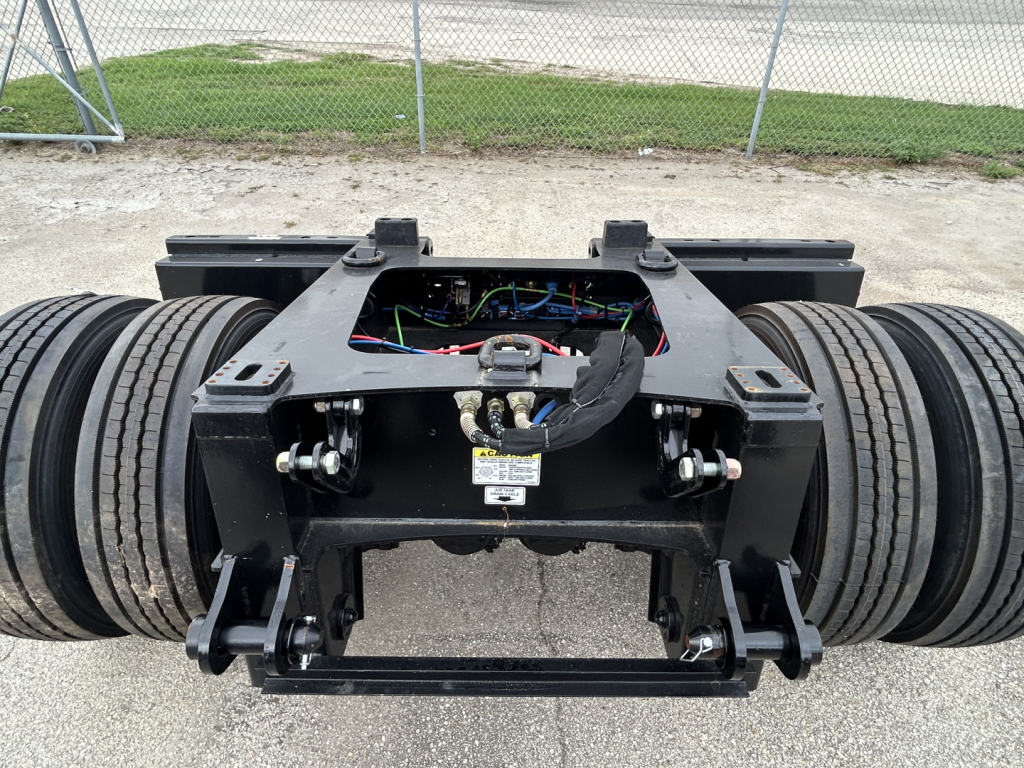
Start with compatibility to the base trailer. Check axle spacing, overall width, suspension type, brake size, tire size, hub and wheel setup, and the exact connection hardware included such as top links, pins, shims, and limit chains. Buyers should also confirm axle rating, ride height, electrical plug arrangement, taillight package, and whether the unit matches the trailer manufacturer’s geometry. A 102-inch wide flip with 54-inch to 60-inch spacing and a 25,000-pound axle is common in this segment, but the correct setup depends on the trailer series and the weights being permitted.
Why does axle spacing matter on a flip axle or jeep?
Axle spacing directly affects how the load scales and how the combination fits bridge formulas and permit rules. Small changes in spacing can change legal weight distribution across axle groups, especially on multi-state heavy haul moves. Common rear flip spacing in this market includes about 54 to 60 inches, and that measurement needs to match the trailer design and the permitted load plan. If the spacing is wrong, the combination may not deliver the axle group spread needed for legal hauling even if the component itself is rated correctly.
Is air ride standard on these heavy haul attachments?
Air ride is very common on modern flip axles and related heavy haul components because it helps maintain ride height, load equalization, and more controlled handling under changing load conditions. Many buyers also look for a leveling valve with on-off control, which can help during hookup, loading, and certain operational adjustments. Mechanical suspension still exists in some segments, but air ride is widely preferred for specialized hauling where trailer attitude and axle loading need to stay predictable.
What features are commonly included on newer flip axles?
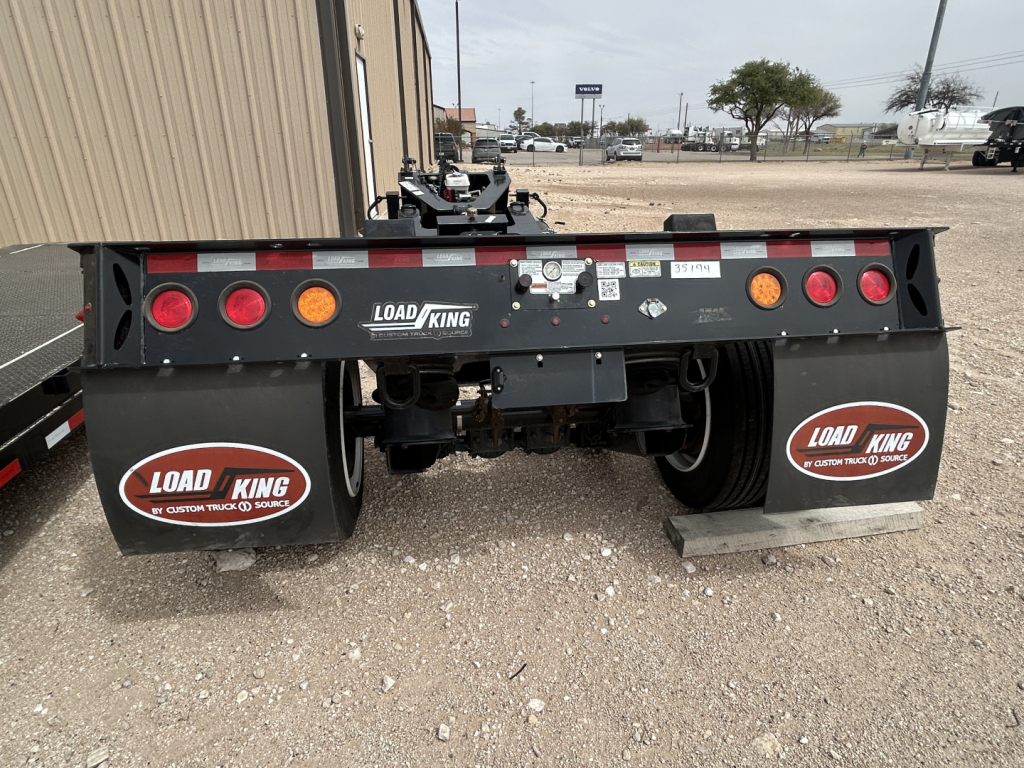
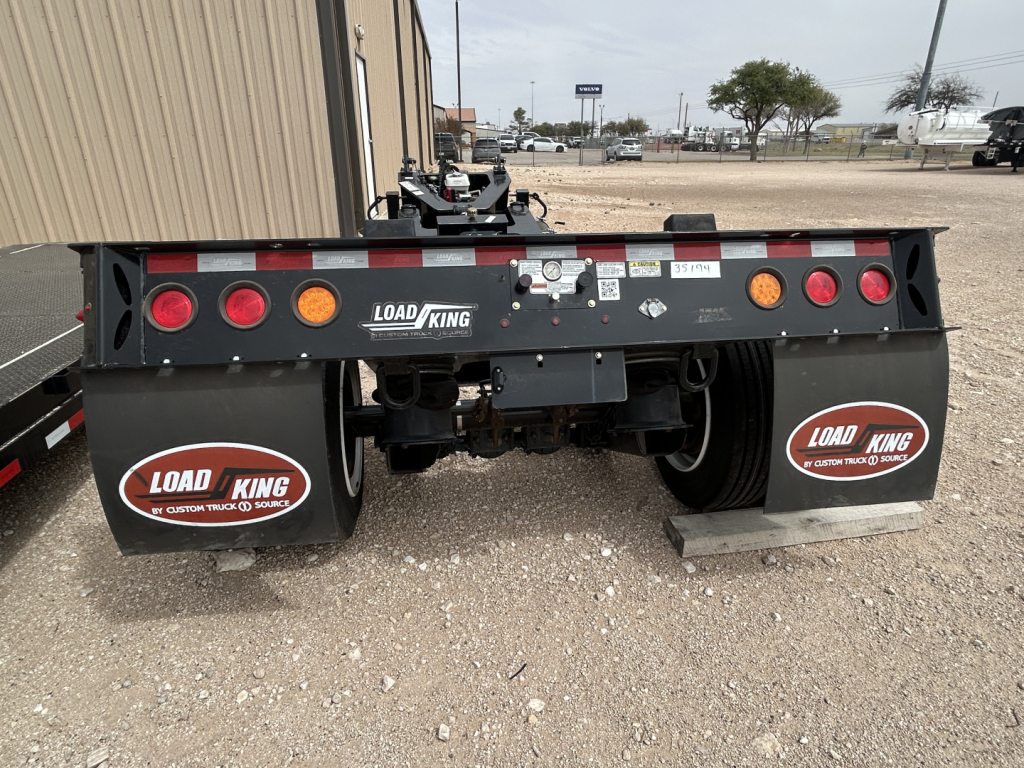
Common features include 102-inch overall width, 25,000-pound class axles, air ride suspension, 16.5 x 7 drum brakes, 255/70R22.5 tires, LED lighting, sealed wiring harnesses, polished outer aluminum wheels, limit chains, D-rings, flag holders, and stake pockets for wide load signs. Many units also include strobe-enabled third taillight packages and the connection hardware needed for installation. These details matter because heavy haul work depends on more than axle rating alone. Lighting, wiring protection, and correct hardware all affect uptime and permit-readiness.