
Alpha Flips/Converter Dollies/Jeeps Trailers For Sale
Shop Alpha flip axles, converter dollies, and jeeps built for heavy haul configurations with air ride, 25,000-lb axles, and wide-load features.
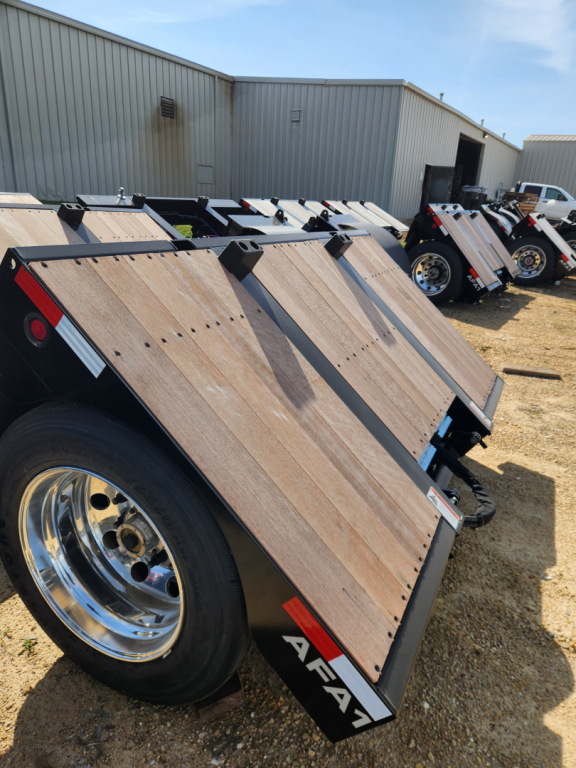
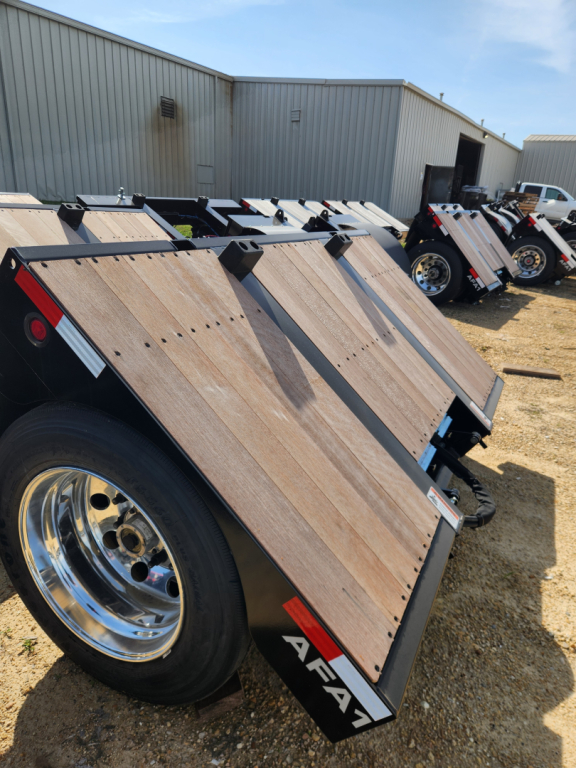
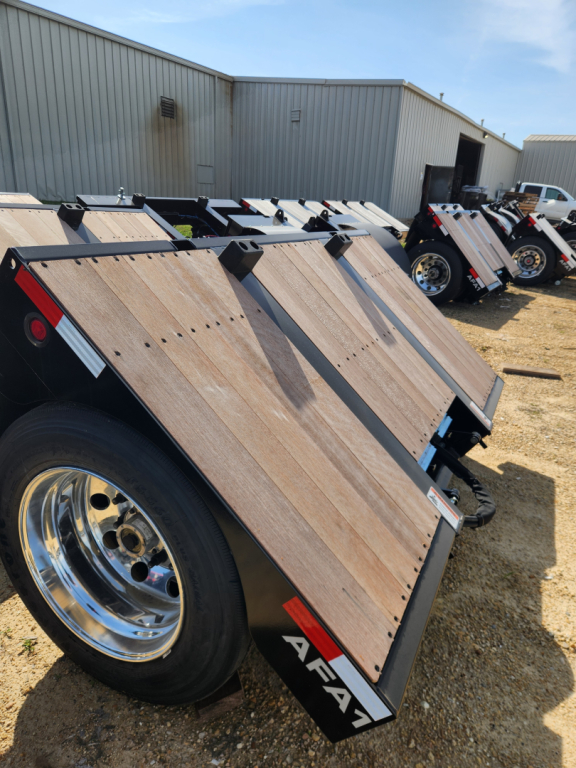
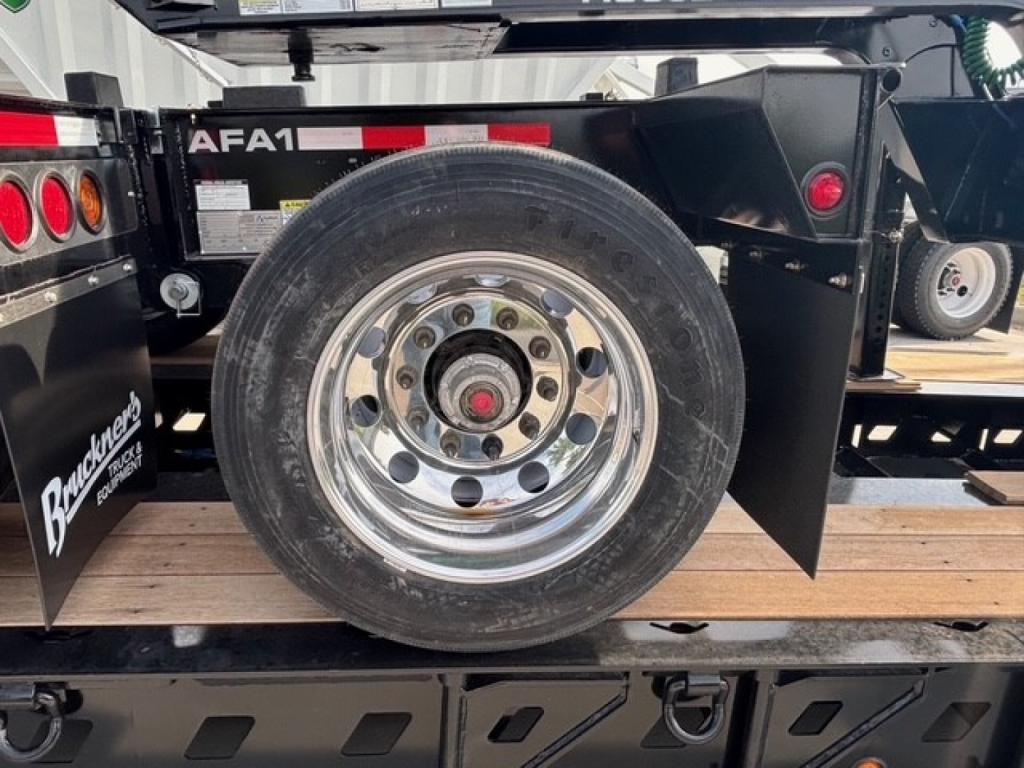
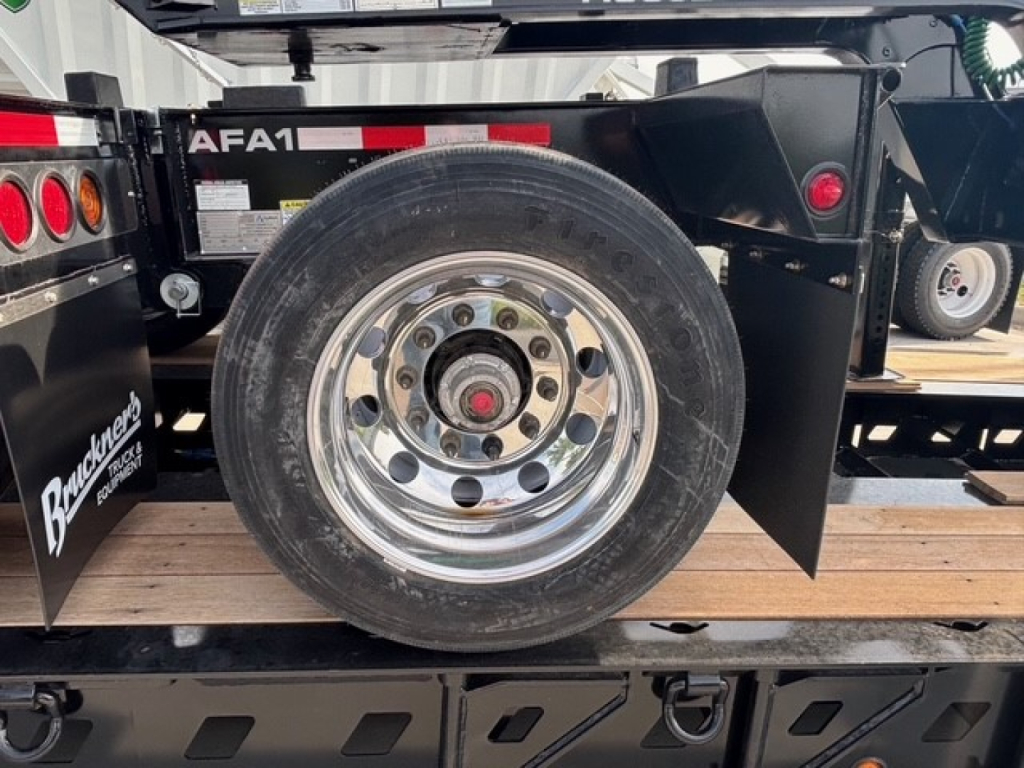

Selling a alpha flips/converter dollies/jeeps trailer? List your alpha flips/converter dollies/jeeps trailer for sale and reach thousands of commercial buyers.
Alpha Flips/Converter Dollies/Jeeps Trailers
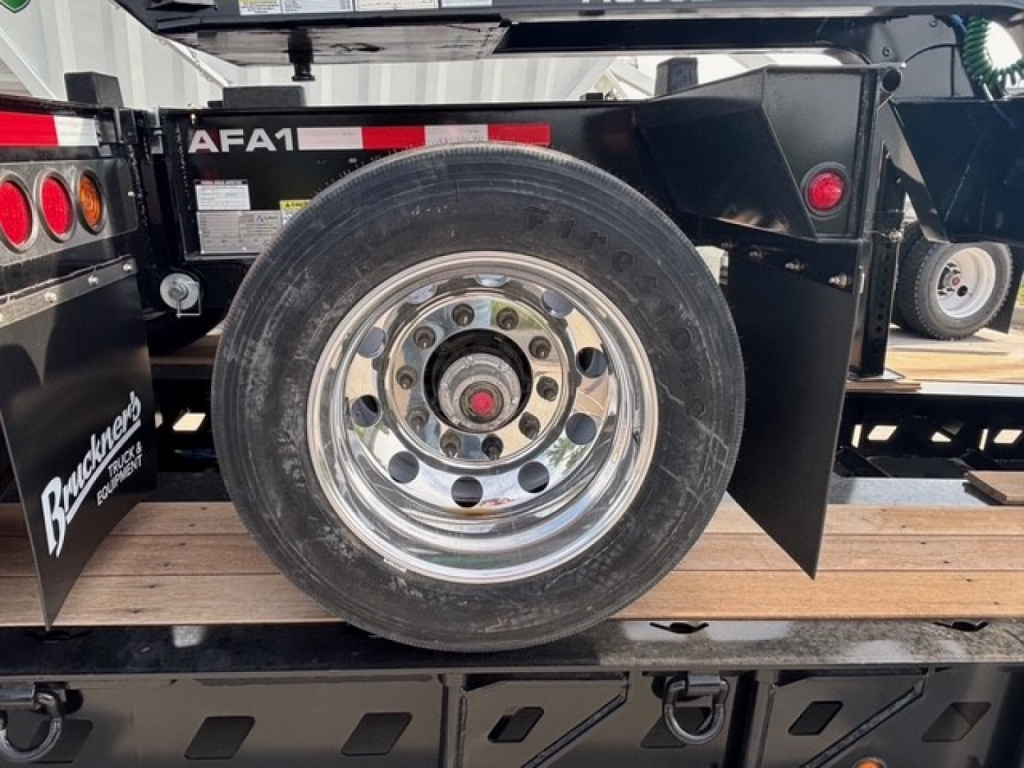
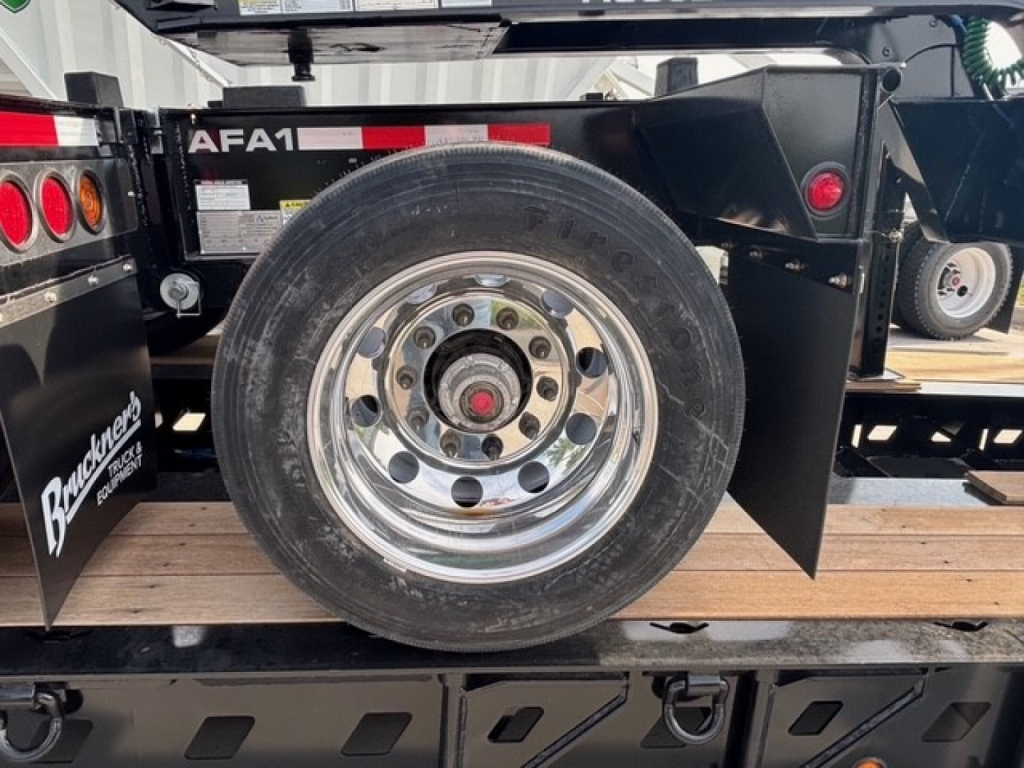
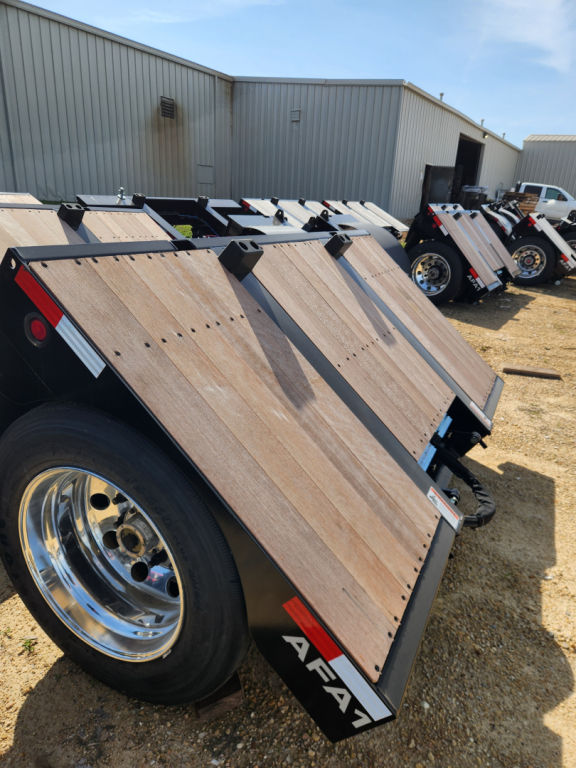
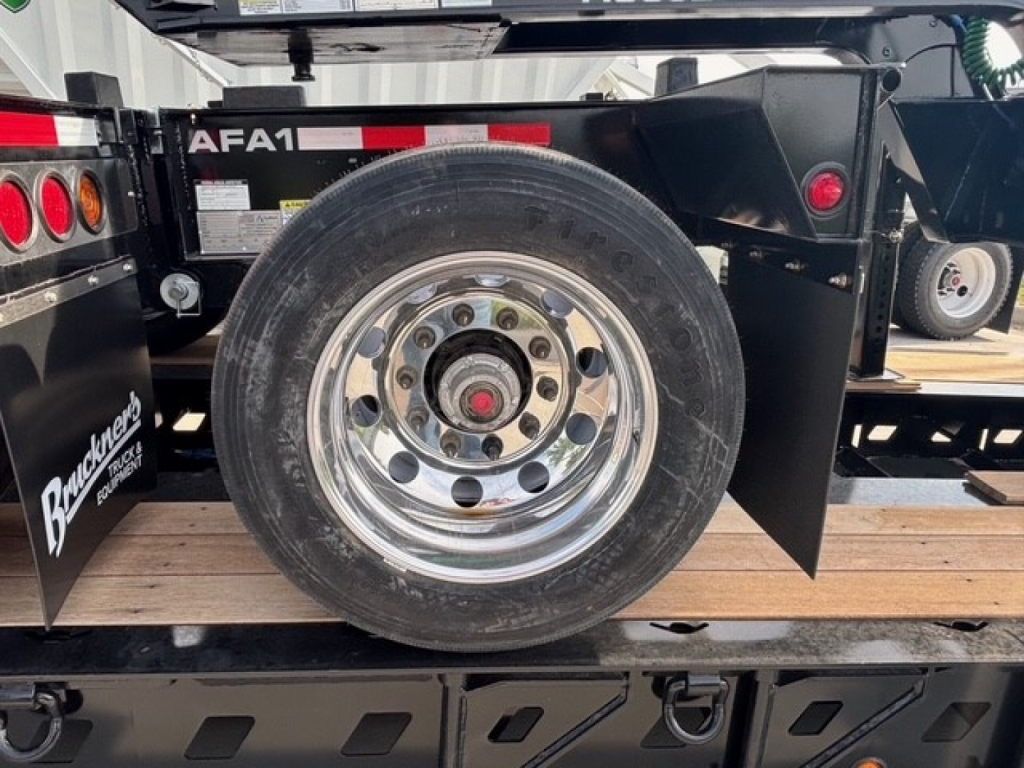
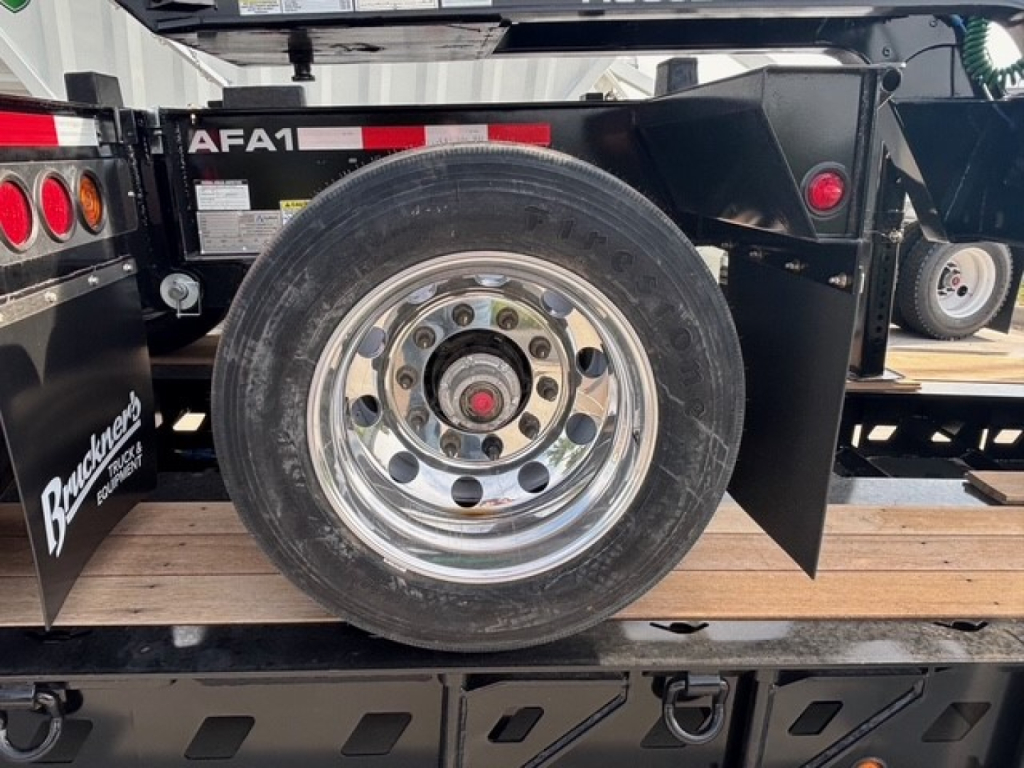
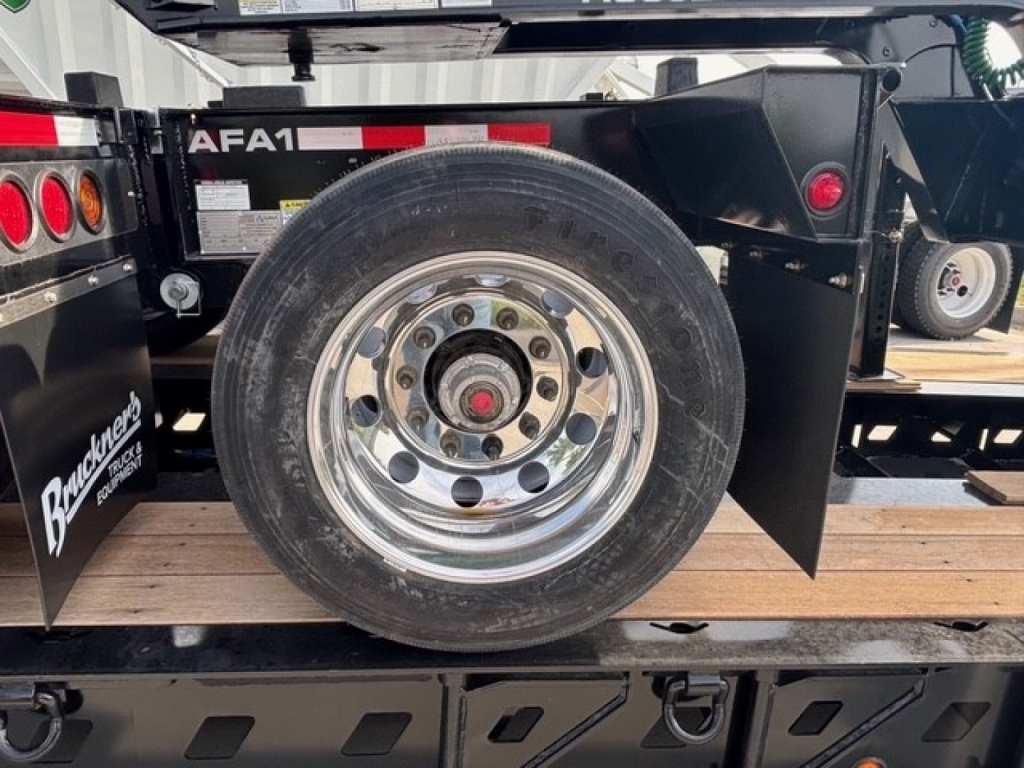
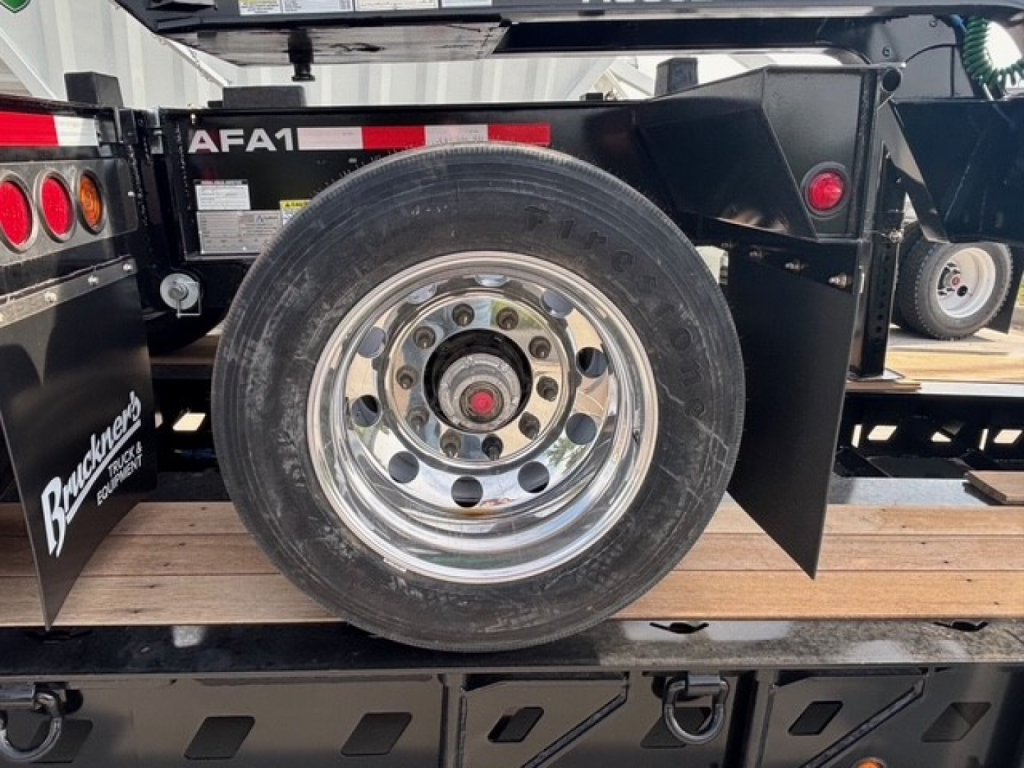
On Alpha units, common specs in this category include 102-inch overall width, roughly 54 to 54.5-inch axle spacing, single axle layouts, 25,000-lb axle and suspension ratings, and air ride suspension. Tire packages such as 255/70R22.5 are typical, often paired with steel inner wheels and polished aluminum outer wheels. Buyers should pay close attention to brake size, hub-piloted wheel ends, electrical harness layout, and ride-height control features like leveling valves with on-off switches. On a flip axle, details like limit chains, booster bracket and shim provisions, decking, rear D-rings, and lighting layout matter because they affect setup time, securement options, and day-to-day usability on oversize loads.
For permitted freight, the practical details are often what separate one configuration from another. Wide-load sign stake pockets, flag holders, sealed 12V harnesses, LED lighting, and strobe light provisions are common because these trailers spend their lives in escort and permit territory. Air ride is favored for ride quality and load protection, but it also needs to match the rest of the combination for proper height and weight transfer. If you are pairing a flip or jeep to an existing lowboy, beam trailer, or detachable gooseneck, confirm axle spacing, deck height effect, connector style, brake compatibility, and how the added axle changes overall bridge formula compliance in your operating states.
A good purchase decision in this category comes down to fitment and legal performance more than appearance. Frame construction, suspension rating, brake package, and connection geometry all need to work as a system with the trailer and tractor already in service. Alpha equipment in this segment is generally aimed at specialized hauling where operators value straightforward heavy-duty construction and permit-ready features. Buyers comparing listings should look closely at axle rating, suspension type, lighting and electrical provisions, included mounting or shim hardware, and the exact dimensions that determine whether the unit will integrate cleanly into an existing heavy haul setup.
Frequently Asked Questions about Alpha Flips/Converter Dollies/Jeeps Trailers
What is the difference between a flip axle, a jeep, and a converter dolly?
A flip axle is a removable axle assembly added to the rear of a lowboy or specialized trailer to increase legal capacity and improve weight distribution. A jeep is installed between the tractor and trailer, usually ahead of the trailer neck, to add axle spacing and help meet bridge laws on heavy haul combinations. A converter dolly is a separate axle-and-drawbar assembly used to connect and tow another trailer. All three affect axle count and load distribution, but they serve different positions in the combination and should be matched to the intended trailer setup and permit requirements.
What specs matter most when buying an Alpha flip axle or jeep?
The most important specs are axle rating, suspension type, axle spacing, overall width, brake size, tire size, and connection compatibility with the trailer. On heavy haul attachments, small dimensional differences can affect ride height, bridge spacing, and legal compliance. Buyers should also check electrical harness type, lighting provisions, wheel end style, and whether items like booster brackets, shims, limit chains, decking, and flag or sign mounting points are already included.
Why is axle spacing so important on flips and jeeps?
Axle spacing directly affects bridge formula calculations and can determine whether a load is legal on a permit route. A spacing difference of even a half inch can matter when matching a new attachment to an existing trailer group. Proper spacing also influences how weight is shared across the combination, how the trailer tracks, and whether the setup can meet state-specific heavy haul requirements. That is why buyers should verify actual measured spacing instead of assuming one flip or jeep will fit every lowboy configuration.
Is air ride suspension preferred on this type of heavy haul equipment?
Air ride is common on flips, converter dollies, and jeeps because it helps manage ride quality, protects sensitive loads, and allows better control of height and weight transfer. It can also make it easier to fine-tune the setup with leveling valves and related hardware. The tradeoff is that the suspension system needs to be maintained properly and matched to the rest of the combination. For most specialized hauling applications, air ride is a desirable feature as long as the axle rating and ride-height setup are correct for the trailer.
What permit-ready features should buyers look for?
Permit-ready features usually include LED lighting, sealed electrical harnesses, strobe light provisions, flag holders, stake pockets for wide-load signs, and securement points such as D-rings. These details matter because heavy haul operators routinely cross jurisdictions with different escort and marking requirements. Equipment that already includes the lighting, signage mounting, and electrical provisions needed for oversize work can reduce setup time and avoid extra fabrication after purchase.