
Alpha Flips/Converter Dollies/Jeeps Trailers For Sale in Kansas
Shop Alpha flip axles, converter dollies, and jeeps for heavy haul setups. Compare specs, axle spacing, suspension, brakes, and fitment.

Selling a alpha flips/converter dollies/jeeps trailer? List your alpha flips/converter dollies/jeeps trailer for sale and reach thousands of commercial buyers.
Alpha Flips/Converter Dollies/Jeeps Trailers in Kansas
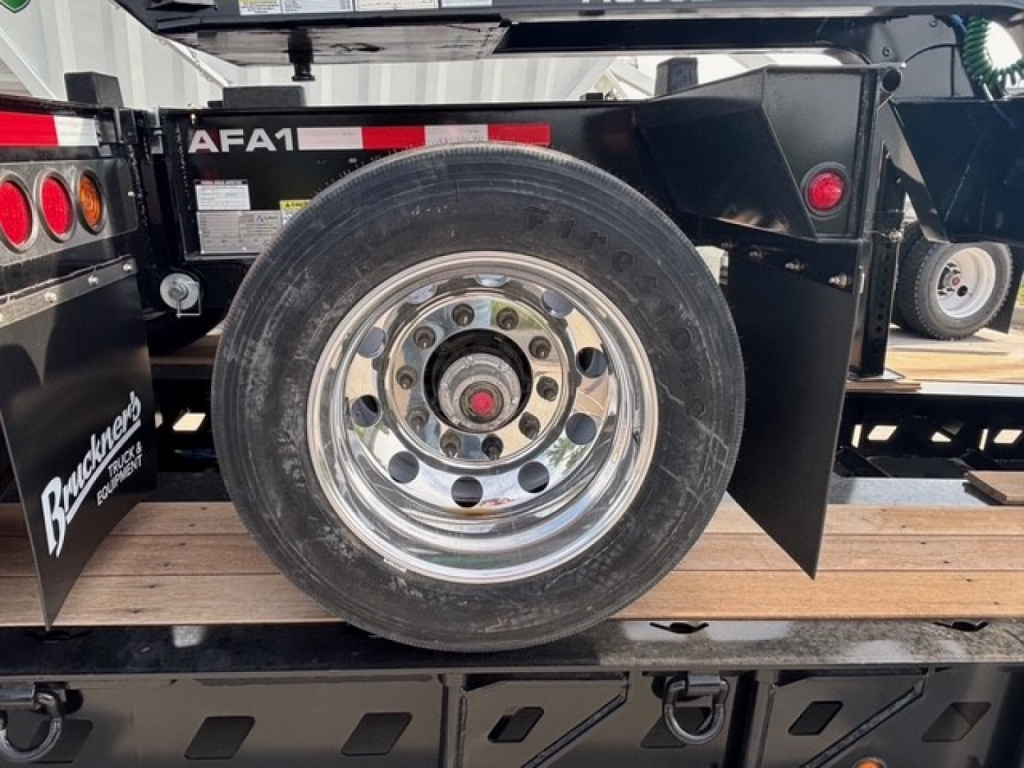
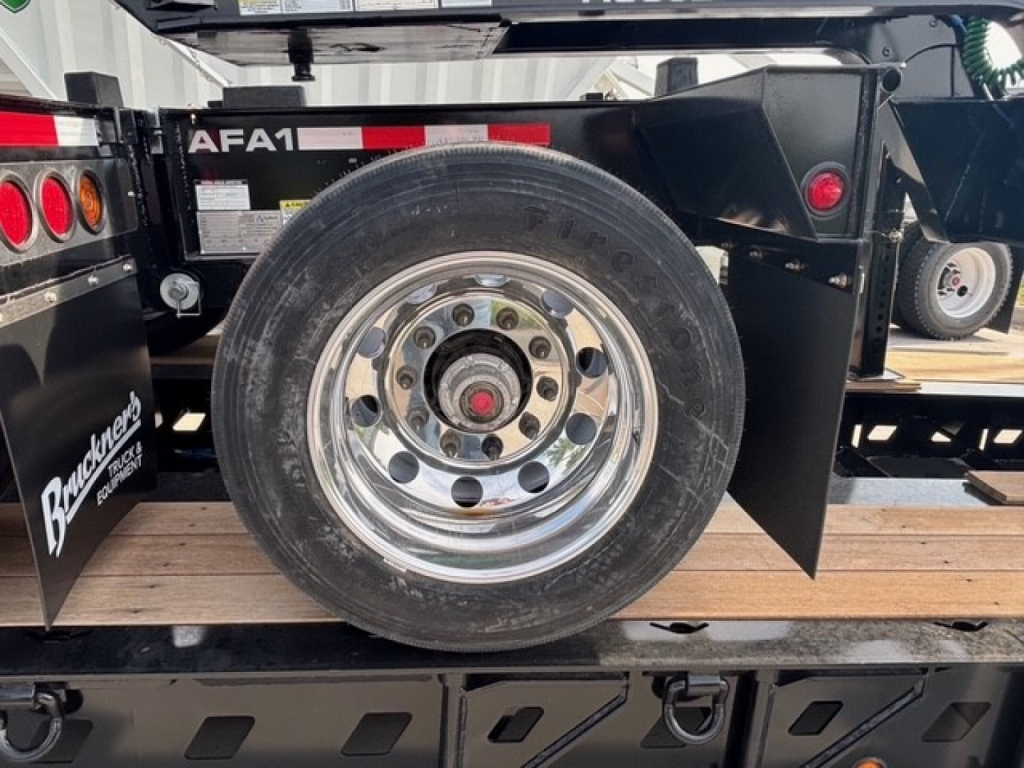
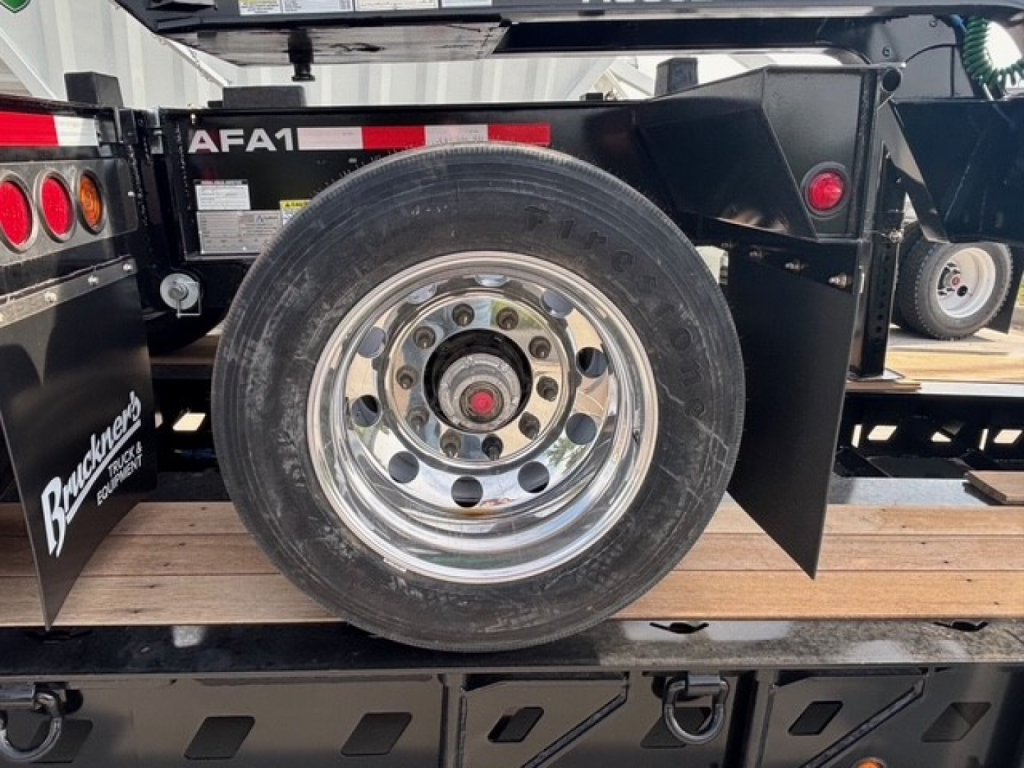
A flip axle buyer should pay close attention to width, axle spacing, suspension rating, and brake package first. Listings in this group show common heavy haul specs like 102-inch overall width, 54 to 54.5-inch axle spacing, 25,000-lb axle and suspension ratings, air ride suspension, and 16.5 x 7 brakes with hub-pilot axles. Tire size is often 255/70R22.5, with steel inner wheels and polished aluminum outer wheels as a practical heavy-spec setup. Details such as leveling valves with on-off switches, limit chains, LED lighting, sealed 12V harnesses, D-rings, flag holders, and stake pockets for wide load signs matter because these units are working in permitted freight, not general freight. Rear lighting packages and strobe provisions are also important for visibility and escort compliance.
Fitment is where many buying mistakes happen. A flip axle or jeep needs to be compatible with the trailer neck, rear frame, load rating, and intended operating states. Buyers should verify connection style, loaded deck height impact, brake timing, air and electrical hookups, and whether brackets, shims, or booster components are included. On heavy haul combinations, a small difference in axle spacing or ride height can affect tire scrub, load transfer, and permit acceptance. If the trailer regularly handles 35 to 45 ton class loads, the auxiliary axle package should be selected around real payload and route requirements, not just nominal trailer rating.
Alpha is a recognized name in specialized hauling equipment, and these trailer accessories are typically spec'd for durability and straightforward serviceability. Features like apitong decking, sealed harnesses, common tire sizes, and standard brake components help with maintenance and field repairs. For a buyer comparing listings, the best value is usually the unit that matches the trailer and permit map with the fewest compromises. Capacity, axle spacing, suspension type, brake spec, and included heavy haul hardware will matter more than cosmetic differences.
Frequently Asked Questions about Alpha Flips/Converter Dollies/Jeeps Trailers in Kansas
What is the difference between a flip axle, a jeep, and a converter dolly?
A flip axle is an auxiliary axle assembly that attaches to the rear of a lowboy or specialized trailer to add axle capacity and improve weight distribution. A jeep is placed between the tractor and trailer, adding axles and changing kingpin-to-axle dimensions to help with bridge law and steer axle loading. A converter dolly generally converts a semi-trailer connection arrangement or adds an axle set with a drawbar-style connection, though the exact configuration varies by application. In heavy haul work, each one solves a different weight distribution and permit problem, so the right choice depends on the trailer design and the states where the combination will run.
What specs matter most when buying an Alpha flip axle or jeep?
The key specs are axle spacing, axle and suspension rating, overall width, suspension type, brake size, tire size, and connection compatibility with the trailer. Buyers should also confirm ride height, electrical and air hookups, lighting package, and included hardware such as chains, brackets, shims, D-rings, and sign mounting points. These details affect permit compliance, load balance, serviceability, and how well the unit integrates with the existing trailer.
Why is axle spacing so important on heavy haul auxiliary axles?
Axle spacing directly affects bridge formula compliance, permit acceptance, and how weight is distributed across the combination. A difference of even half an inch can matter when matching an auxiliary axle to a trailer already built around specific dimensions. Proper spacing also influences tire scrub in turns, suspension behavior, and how evenly the load is carried. Buyers should compare axle spacing to the trailer manufacturer’s intended configuration and the permit requirements in their operating region.
Are air ride flip axles better for heavy haul service?
Air ride suspension is common on heavy haul flip axles because it helps manage load equalization, ride quality, and deck height consistency. It can also make setup more adaptable when paired with leveling valves and control switches. That said, the best suspension choice depends on the trailer, the load profile, and maintenance preferences. The important point is that the suspension rating and geometry must match the trailer and the loads being hauled.
How do I know if a flip axle will match my 35 to 45 ton lowboy?
Start by confirming the trailer’s manufacturer specs for rear connection design, intended auxiliary axle type, ride height, and brake system. Then compare the flip axle’s width, axle spacing, suspension rating, brake package, tire size, and included mounting or booster hardware. A proper match is not just about tonnage. It is about the complete geometry and operating compatibility of the trailer and axle package. If the unit will be used across multiple states, permit layout and bridge dimensions should be checked before purchase.