
Alpha Flips/Converter Dollies/Jeeps Trailers For Sale in Texas
Alpha flip axles, converter dollies, and jeeps for heavy haul work. Compare axle spacing, suspension, brakes, and connection setup.
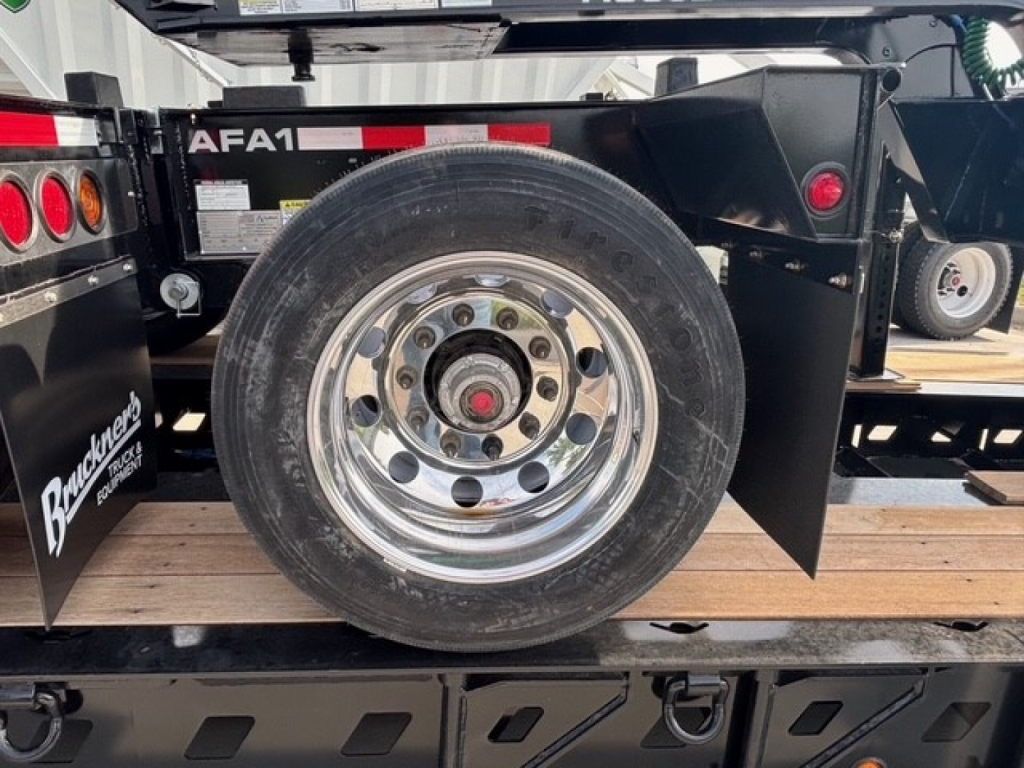
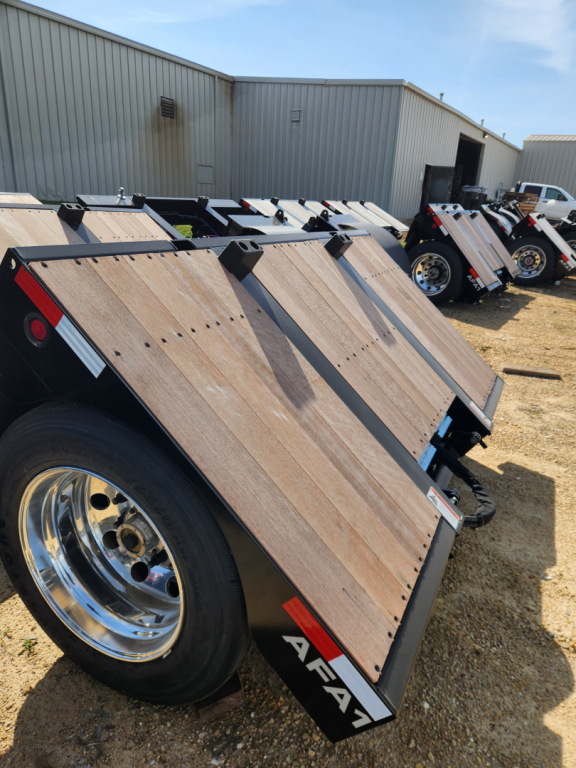
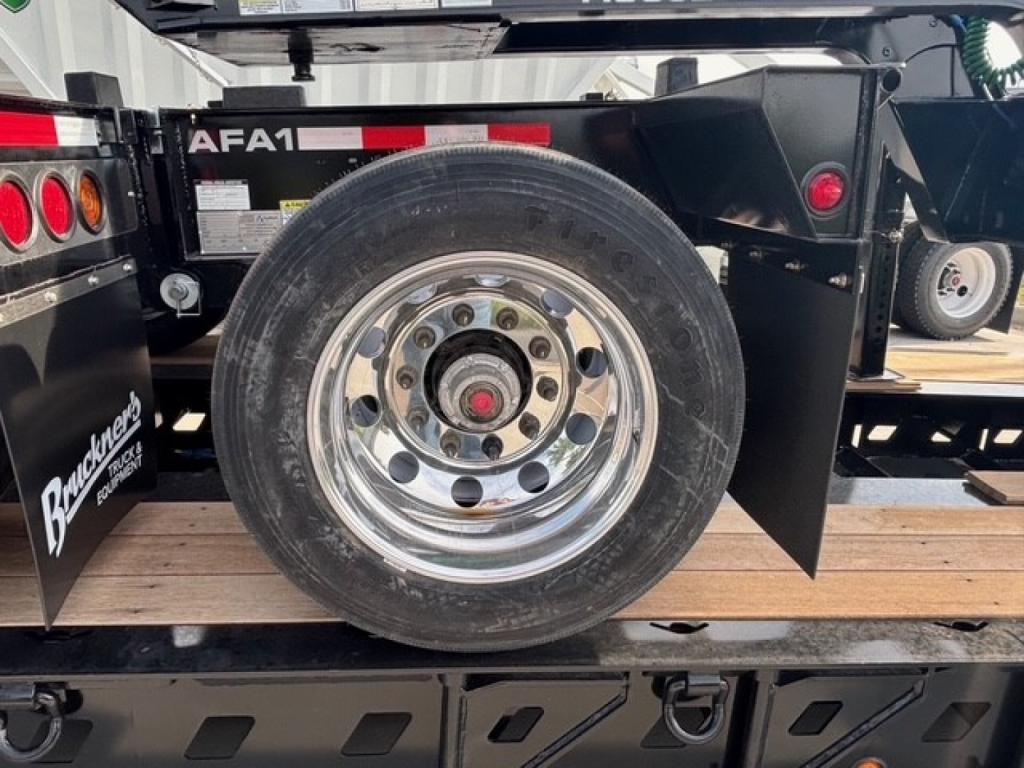
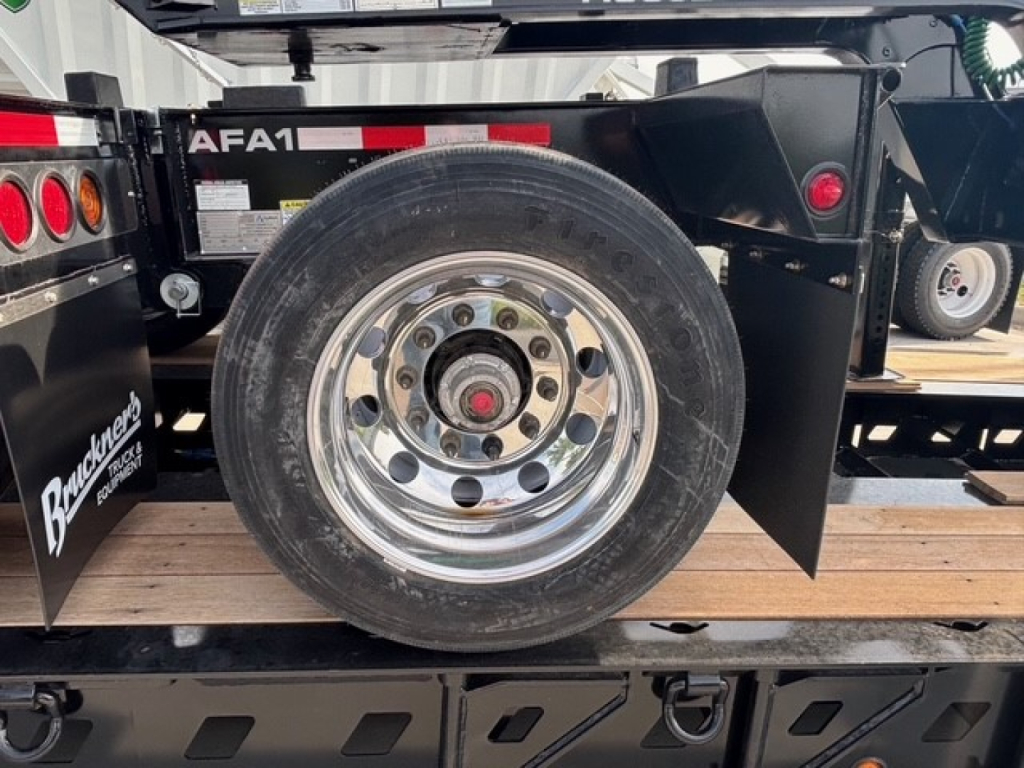
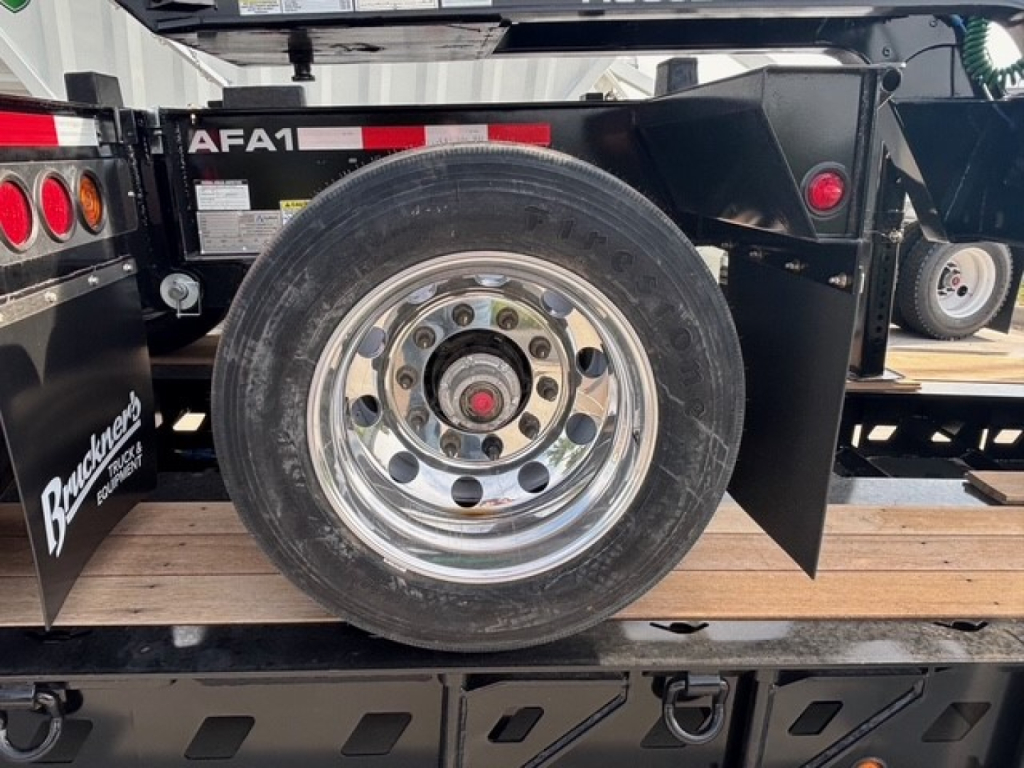
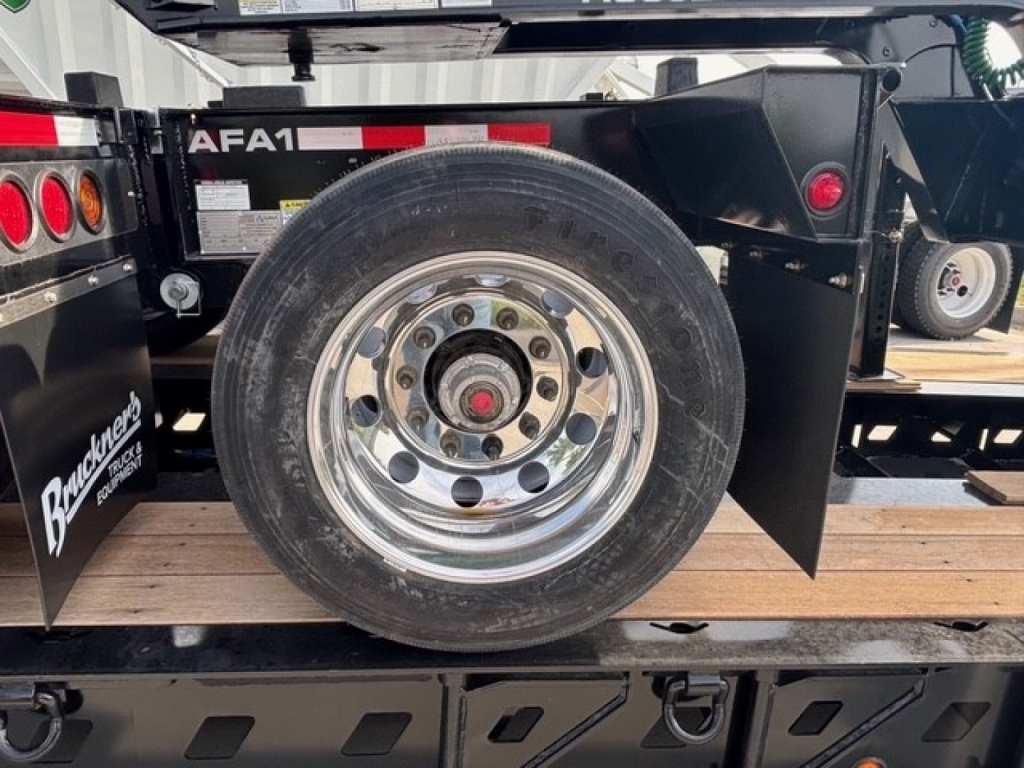

Selling a alpha flips/converter dollies/jeeps trailer? List your alpha flips/converter dollies/jeeps trailer for sale and reach thousands of commercial buyers.
Alpha Flips/Converter Dollies/Jeeps Trailers in Texas
In this category, flip axles are often selected for their ability to add capacity at the rear of a lowboy or detachable trailer without committing to a permanent axle group. Alpha units commonly appear in 102-inch widths with axle spacings around 54 to 60 inches, which is a typical range for many heavy haul applications and state bridge formulas. A 25,000 lb axle with air ride suspension, 16.5-inch by 7-inch drum brakes, and 255/70R22.5 tires is a familiar setup in the market because it balances parts availability, serviceability, and legal-load flexibility. Hydraulic flip axles are also common when the operation benefits from easier attachment and lift control powered by the truck or trailer hydraulic system.
Converter dollies and jeeps serve a different but closely related role. A converter dolly is generally used to convert or support trailer combinations by adding an axle set and drawbar connection, while a jeep is installed between the tractor and lowboy to redistribute kingpin weight and create a multi-axle permit configuration. For buyers in Texas and other heavy haul states, the practical question is not just capacity on paper. It is whether the component matches neck height, connection points, pinning arrangement, brake compatibility, ride height, and permit strategy. Details such as top links, connection pins, shims, leveling valves with on-off control, limit chains, and booster bracket compatibility can make the difference between a clean field hookup and a time-consuming mismatch.
Lighting and rear hardware deserve close attention because these components regularly operate in oversize service. Stake pockets for wide load signs, flag holders, D-rings, sealed wiring harnesses, LED lighting, stainless taillight packages, and strobe provisions are more than convenience items. They support legal compliance, visibility, and day-to-day durability. Wheel spec also matters, with steel inside and aluminum outside wheel combinations often chosen to balance cost and appearance. When comparing Alpha flips, converter dollies, and jeeps, focus on the complete working configuration: axle spacing, suspension, brake spec, hydraulic or mechanical connection style, and the exact trailer application the unit will serve.
Frequently Asked Questions about Alpha Flips/Converter Dollies/Jeeps Trailers in Texas
What is the difference between a flip axle, a converter dolly, and a jeep?
A flip axle is an add-on rear axle assembly used primarily with lowboy and detachable trailers to increase axle count and help carry more weight. A converter dolly is a separate axle-and-drawbar assembly used to connect and support certain trailer combinations. A jeep is a specialized heavy haul attachment mounted between the tractor and trailer neck to shift and distribute kingpin weight over additional axles. All three are weight-distribution tools, but they are not interchangeable unless the trailer design and permit configuration support that use.
How important is axle spacing on a flip axle or jeep?
Axle spacing is one of the first specs to verify because it directly affects bridge formula compliance, trailer fit, turning characteristics, and overall permit strategy. Spacing in the mid-50-inch to 60-inch range is common on heavy haul flip axles, but the right dimension depends on the trailer it will pair with and the states where it will run. A mismatch in spacing can limit legal payload, create hookup issues, or force permit revisions.
Should I choose a hydraulic flip axle or a mechanical style?
A hydraulic flip axle can simplify hookup, lifting, and operational control, especially in fleets that frequently change configurations or work in demanding heavy haul applications. A mechanical setup can still be effective and may appeal to buyers who want a simpler system with fewer hydraulic components to maintain. The best choice depends on how often the axle is installed or removed, what hydraulic support is available from the truck or trailer, and how the trailer is already configured.
What specs matter most when matching a jeep or flip axle to my trailer?
Start with rated capacity, width, axle spacing, suspension type, brake size, tire size, and ride height. Then confirm all connection details including top links, pins, shims, chain arrangements, electrical plugs, and any hydraulic requirements. Buyers should also check rear hardware such as D-rings, flag holders, and stake pockets if the unit will be used in oversize service. A component can have the right capacity and still be the wrong fit if the connection geometry or brake and lighting systems do not match the trailer.
Are air ride suspensions common on heavy haul flips and dollies?
Yes. Air ride suspension is common because it helps manage load stability, ride quality, and axle equalization in heavy haul service. It also gives operators some control over ride height and load transfer, especially when paired with a leveling valve or related control setup. Air ride does not replace proper matching and setup, but it is a widely accepted configuration for fleets that want a smoother-running and more adaptable axle group.