
2027 Alpha Flips/Converter Dollies/Jeeps Trailers For Sale in Texas
Shop 2027 Alpha flip axles, converter dollies, and jeeps for heavy haul setups with air ride, 25K axles, LED lighting, and 102-inch width.

Selling a 2027 alpha flips/converter dollies/jeeps trailer? List your 2027 alpha flips/converter dollies/jeeps trailer for sale and reach thousands of commercial buyers.
2027 Alpha Flips/Converter Dollies/Jeeps Trailers in Texas
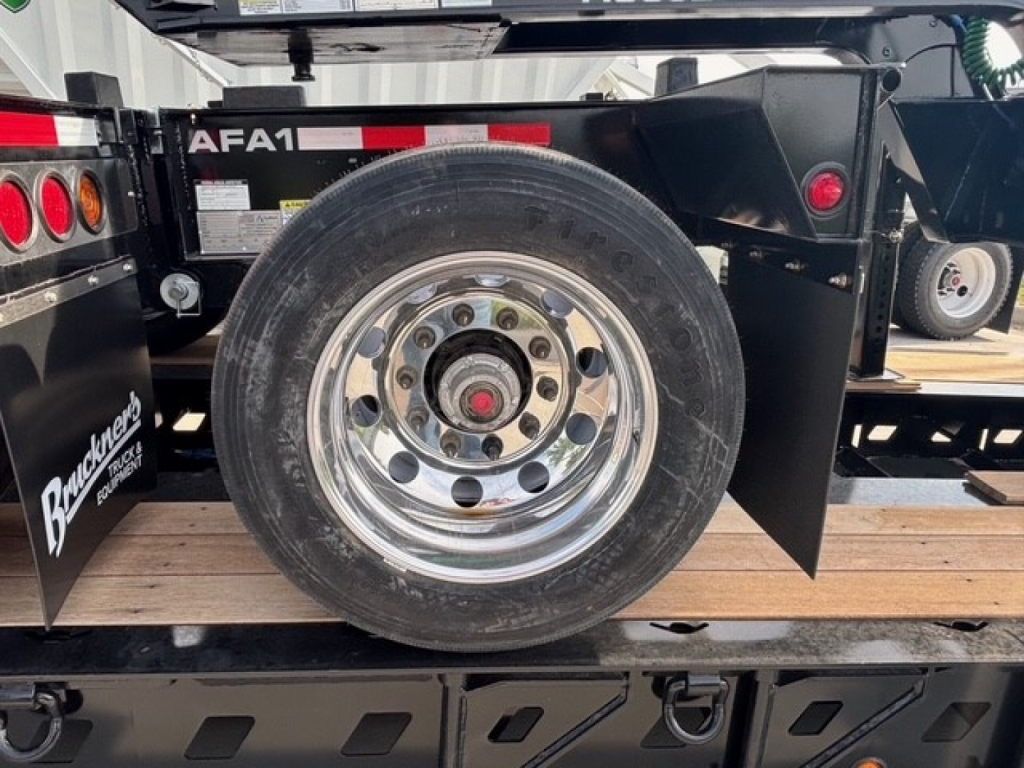
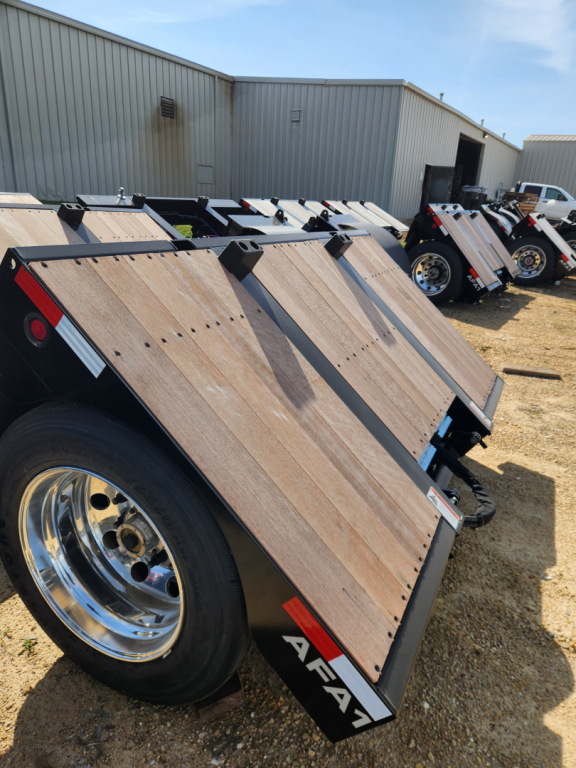
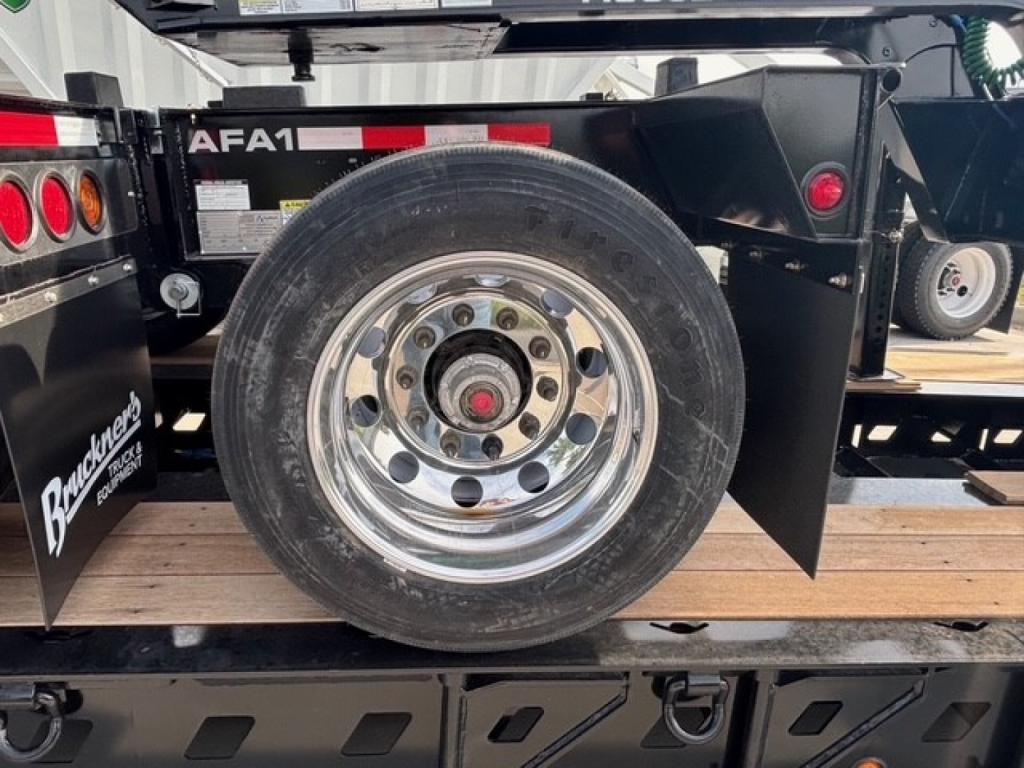
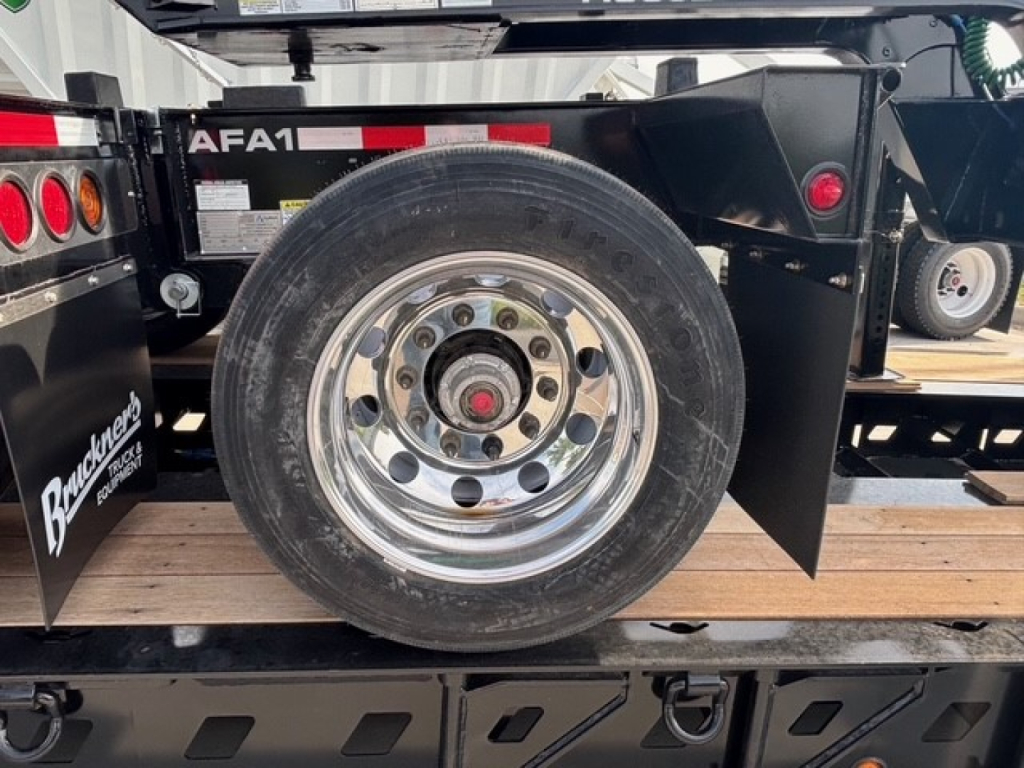
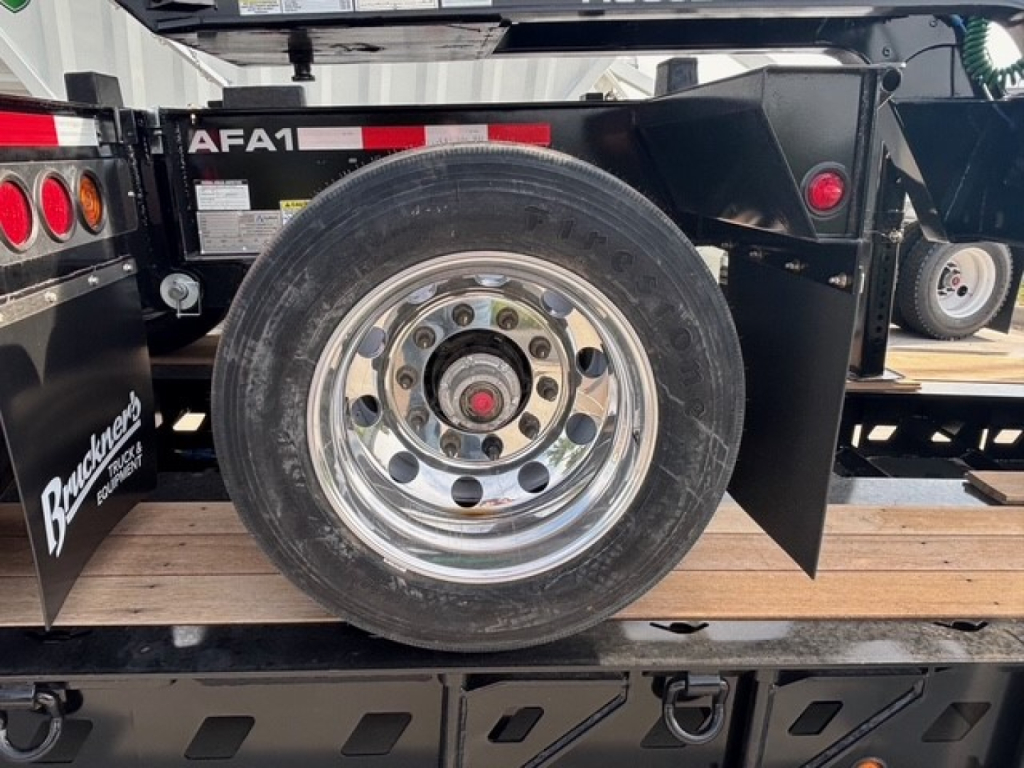
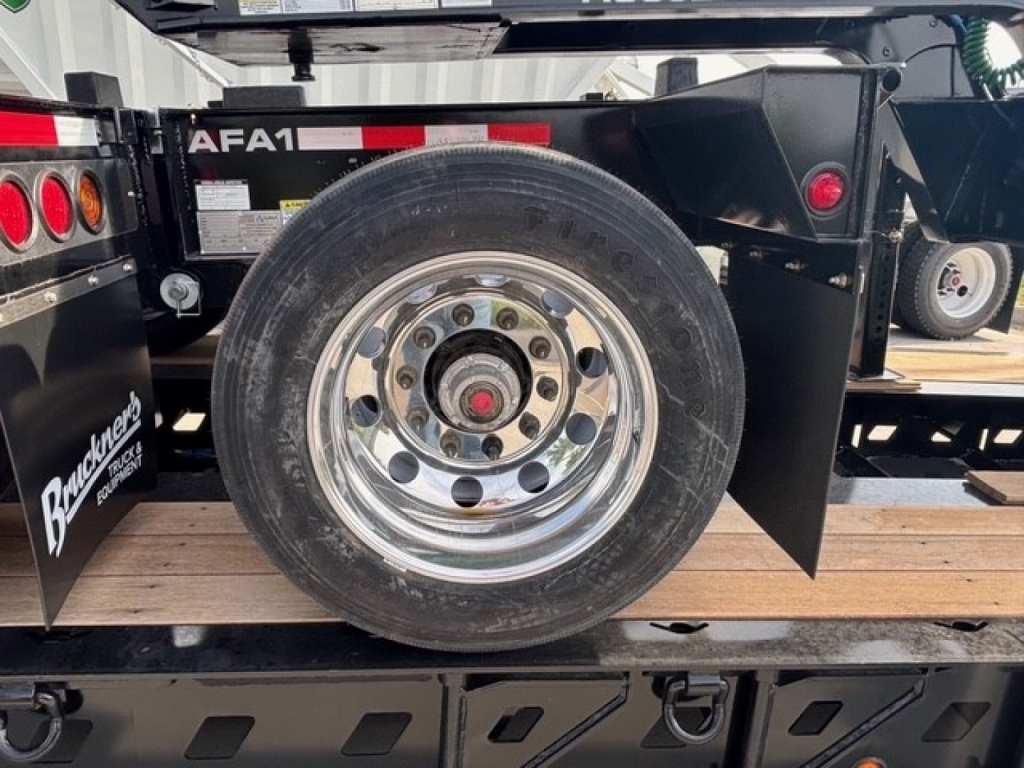
A lot of the buying decision comes down to fit and compliance. Common specs in this class include 102-inch overall width, axle spacing in the mid-50-inch to 60-inch range, 25,000-lb axles, 16.5 x 7 brakes, and air ride suspension. Tire packages often use 255/70R22.5 rubber with aluminum outer wheels and steel inner wheels. Features like limit chains, top links, connection pins, shims, leveling valves, and nitro booster brackets matter because they affect how easily the unit hooks up, how well it tracks, and how consistently it carries load across uneven terrain or changing deck heights. If the trailer setup already has known kingpin settings, ride height targets, or booster geometry, those dimensions should be matched before purchase.
Hydraulic flip axles are especially useful when fast attachment and removal matter in the field. A truck- or trailer-powered hydraulic system can reduce setup time and make frequent configuration changes more practical for operators moving between permitted and non-permitted loads. Standard mechanical flip axles remain a solid choice for fleets that want simpler maintenance and fewer hydraulic components. Rear equipment details also deserve attention, including D-rings, flag holders, stake pockets for wide load signs, sealed 12-volt wiring harnesses, LED lighting, stainless tail light packages, and strobe provisions. Those details affect day-to-day permit compliance and roadside durability as much as the main structural specs.
For Texas heavy haul work, buyers often focus on axle group flexibility, brake condition, suspension reliability, and how the added axle or dolly integrates with the rest of the combination under state routing and permitting rules. Frame construction, axle wall thickness, decking material such as Apitong, and hub-pilot axle setups can all influence service life and parts compatibility. The right flip, converter dolly, or jeep is not just extra capacity. It is a tool for building a legal, stable, and efficient trailer combination around the loads you move most often.
Frequently Asked Questions about 2027 Alpha Flips/Converter Dollies/Jeeps Trailers in Texas
What is the difference between a flip axle, a converter dolly, and a jeep?
A flip axle is an auxiliary axle assembly that attaches to the rear of a trailer, most often to increase payload capacity and help meet axle weight requirements. A converter dolly is a separate running gear assembly used to connect and support trailer combinations. A jeep is typically placed between the tractor and trailer, especially in heavy haul applications, to spread weight and create a legal front axle group. The correct choice depends on where weight needs to be distributed and how the full combination is permitted.
What specs matter most when buying a heavy haul flip axle or jeep?
The most important specs are axle capacity, axle spacing, overall width, suspension type, brake size, tire size, and connection compatibility with the trailer. Buyers should also verify ride height, pin and link arrangements, shim requirements, and whether the unit matches the trailer manufacturer's geometry. Lighting, wiring, flag holders, stake pockets, D-rings, and brake component type also matter because these units operate in demanding permit loads where reliability and compliance are critical.
Is air ride suspension preferable on a flip axle or converter dolly?
Air ride is often preferred because it helps distribute weight more evenly, improves ride quality for the load, and gives the operator better control over height and leveling. That can be especially useful when connecting to lowboys and detachable trailers with tight height and balance requirements. Mechanical suspension can still be viable in some operations, but air ride is common in modern heavy haul applications where load protection and adjustability are priorities.
When should a buyer consider a hydraulic flip axle instead of a standard flip axle?
A hydraulic flip axle makes sense when the operation changes trailer configuration frequently and needs faster hookup and removal in the field. It can save labor and reduce downtime for fleets handling a mix of permitted loads. A standard flip axle is often the better fit when simplicity, lower component count, and straightforward maintenance are more important than quick reconfiguration. The decision usually comes down to utilization and how often the auxiliary axle is added or removed.
Why does axle spacing matter on flip axles and jeeps?
Axle spacing directly affects bridge law compliance, permitted weight distribution, and how the trailer combination is measured by state agencies. A difference of only a few inches can change how a load is permitted or how weight is spread across the group. Buyers should confirm spacing requirements against the trailer they are pairing it with and the states where the combination will operate. Matching the correct spacing is just as important as matching raw axle capacity.