
Flips/Converter Dollies/Jeeps Trailers For Sale in Kansas
Shop flips, converter dollies, and jeeps for heavy haul trailers in Kansas. Compare axle setups, capacities, suspension, brakes, and fitment.
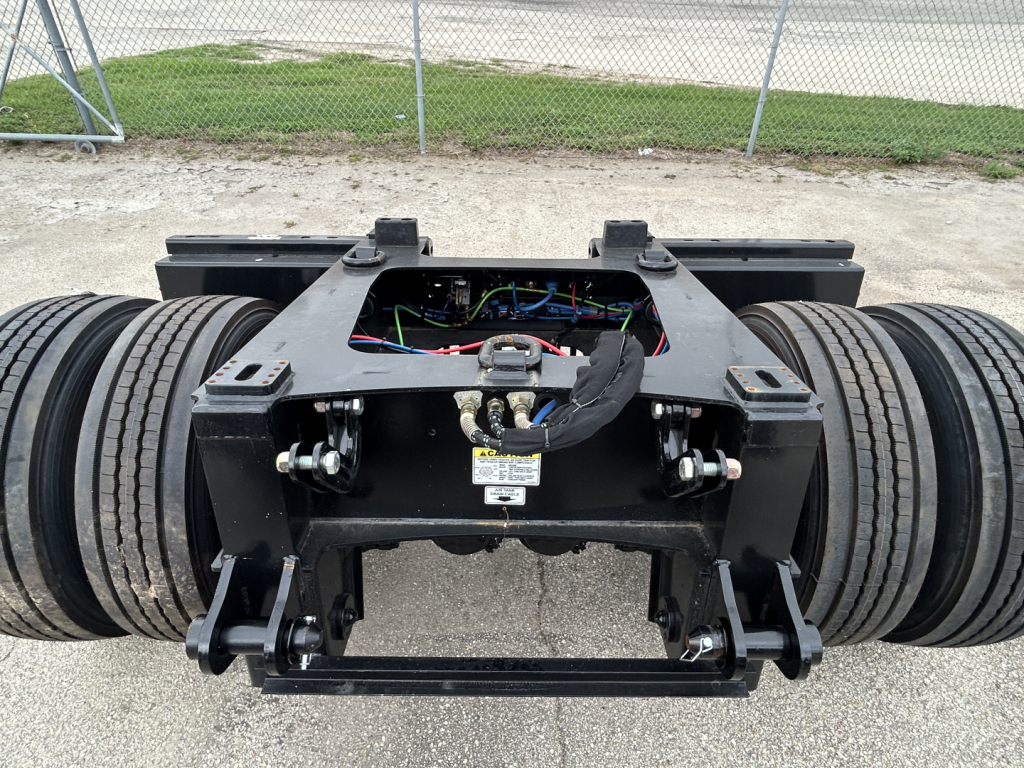

Selling a flips/converter dollies/jeeps trailer? List your flips/converter dollies/jeeps trailer for sale and reach thousands of commercial buyers.
Flips/Converter Dollies/Jeeps Trailers in Kansas
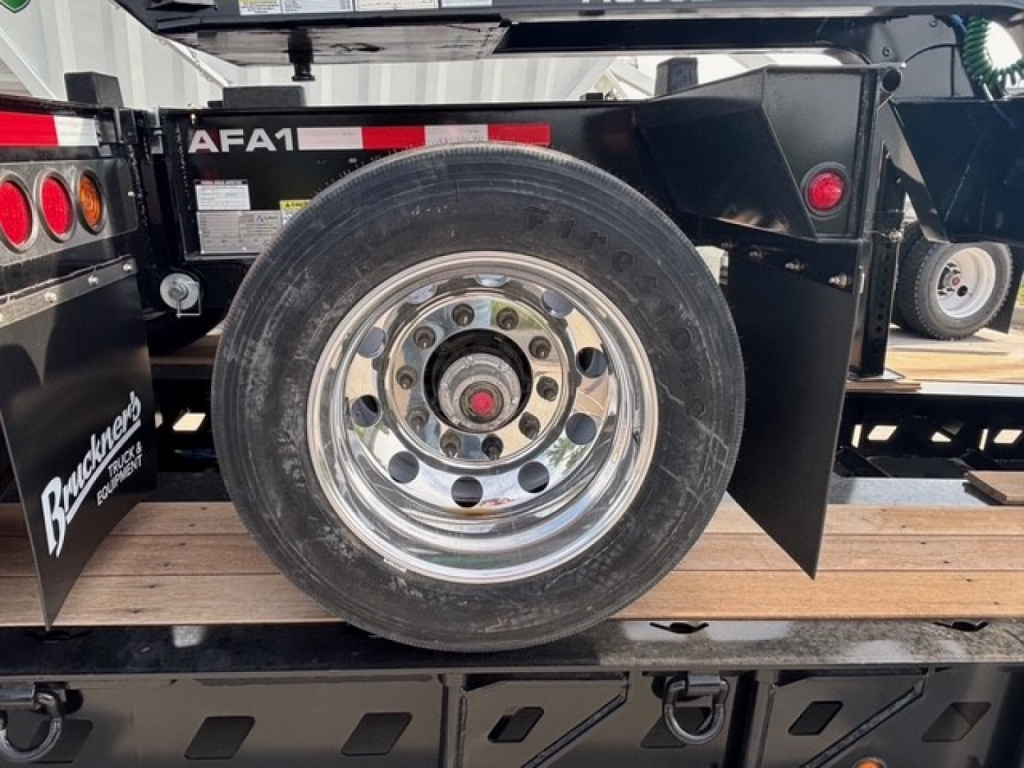
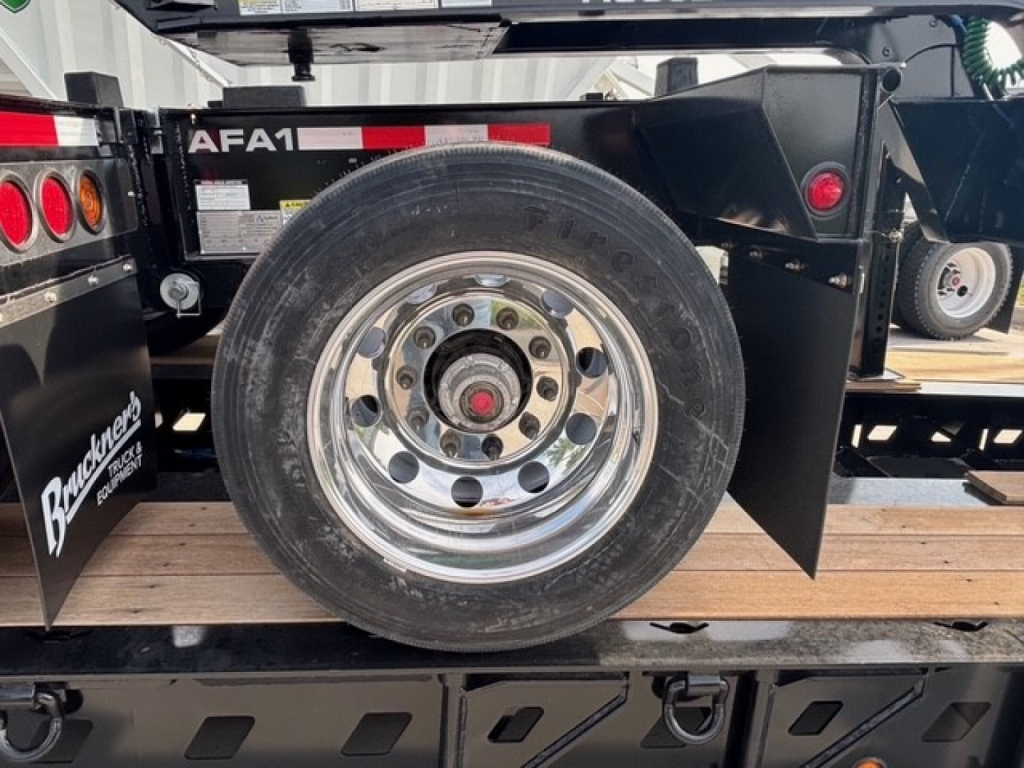
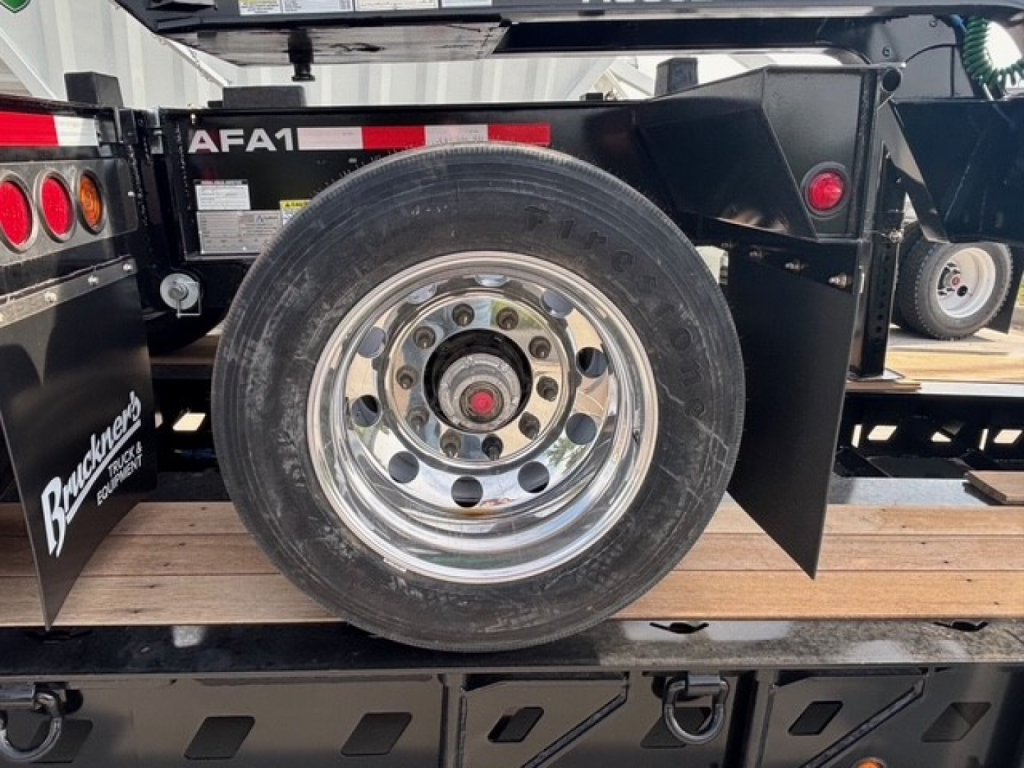
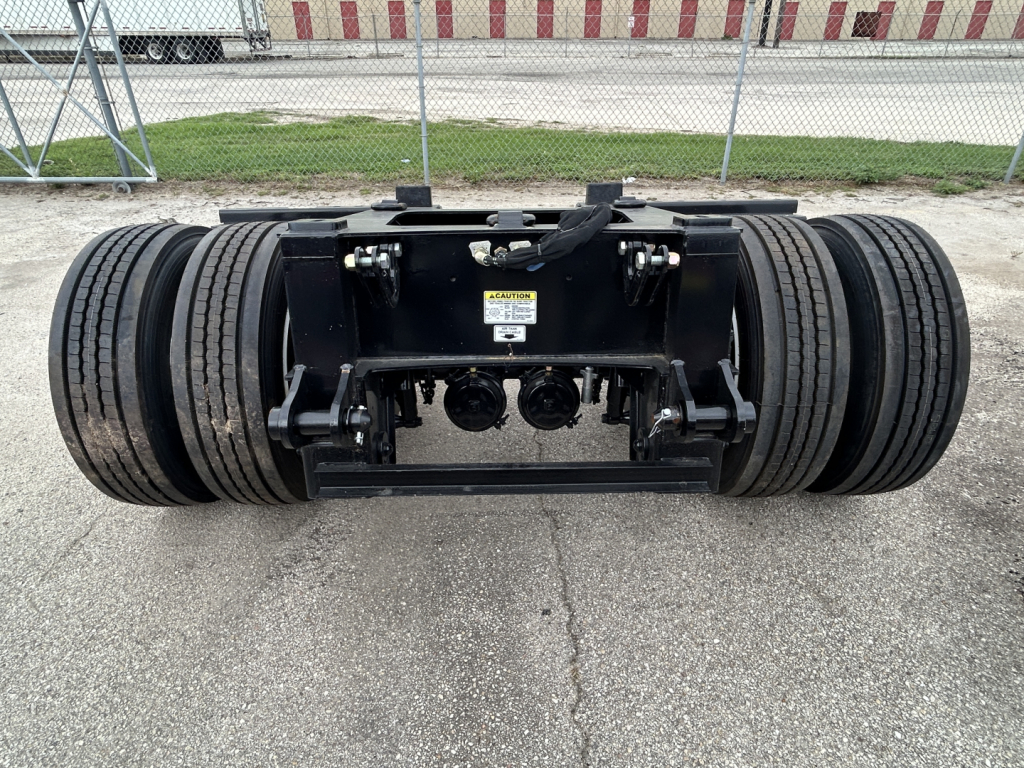
Capacity ratings matter, but so does how that rating is achieved. Common decisions include single-axle versus tandem-axle configurations, fixed versus steerable arrangements, air ride versus mechanical suspension, and drum versus disc brakes. Many heavy haul buyers also look for practical details that affect permitting and day-to-day use, including tire size, axle spacing, lighting packages, strobe provisions, flag holders, stake pockets for wide load signs, D-rings, and chain provisions. On rear flip axles, ride control features such as leveling valves and lift or booster setups can make a difference in how easily the attachment can be tuned to the trailer and load. Width is another key spec, especially when matching to 102-inch trailer setups and managing legal width or oversize routing.
For Kansas operators, the right configuration often comes down to the type of work being booked. Regional construction, agricultural equipment moves, oilfield support, and specialized machinery hauling all place different demands on axle groups and permit compliance. Highway use across state lines also means buyers should think beyond one state’s rules and verify bridge law impact, axle group weights, and permit language in neighboring jurisdictions. A properly matched jeep or flip can improve legal payload and route flexibility, but the wrong axle spacing or connection design can create headaches at inspection points and during permitting.
A good buying decision starts with the trailer it will work with, not just the attachment itself. Confirm the manufacturer’s intended pairing, required connection hardware, brake and electrical hookups, suspension type, loaded deck attitude, and the exact load range you expect to run. Inspect wear points around pivot areas, bushings, air system components, wheel ends, and tire condition on used units, and verify that VIN and rating information are clear and legible. For fleets and owner-operators hauling concentrated loads, these attachments are less about adding parts and more about building a legal, stable, and permit-ready combination.
Frequently Asked Questions about Flips/Converter Dollies/Jeeps Trailers in Kansas
What is the difference between a flip axle, a jeep, and a converter dolly?
A flip axle is typically added to the rear of a lowboy or specialized trailer to increase axle count and improve weight distribution at the back of the combination. A jeep mounts at the front between the tractor and trailer and shifts part of the load onto additional axles while also affecting kingpin load and overall bridge length. A converter dolly is used to connect trailer combinations and is built around a drawbar, axle group, suspension, and brake system. The right choice depends on where the extra axle capacity is needed and how the trailer combination is configured.
How do I know if a flip axle or jeep will match my trailer?
Match starts with the trailer manufacturer’s design and the exact model family the attachment was built to work with. Buyers should verify connection points, overall width, axle spacing, loaded ride height, brake type, suspension design, tire size, and electrical compatibility. On jeeps, kingpin setting, fifth wheel height, and neck geometry are especially important. On flip axles, the rear connection, booster setup, and how the added axle affects deck attitude and weight transfer are key. A capacity tag alone does not confirm fitment.
What specs matter most when buying heavy haul axle attachments?
The most important specs are rated capacity, number of axles, axle spacing, suspension type, brake package, tire and wheel size, and the physical dimensions needed to match the trailer. Buyers also pay close attention to overall width, ground clearance, lighting, chain provisions, D-rings, and permit-related accessories such as flag holders and sign brackets. For legal hauling, axle spacing can be just as important as gross rating because it directly affects bridge formula and permit calculations.
Are air ride or mechanical suspension setups better on flips and jeeps?
Air ride is often preferred for load protection, ride quality, and the ability to fine-tune height and axle loading, especially on specialized heavy haul combinations. Mechanical suspension can be simpler and durable in severe-duty applications, but it generally offers less adjustability. The better choice depends on the trailer it must match, the type of loads being hauled, and how often the attachment will be installed and removed. Suspension choice should always be evaluated with brake setup, ride height, and legal weight distribution in mind.
Why does axle spacing matter so much on flips, converter dollies, and jeeps?
Axle spacing affects legal weight distribution, bridge compliance, permit approval, and how the combination tracks on the road. A unit with the wrong spacing can limit the amount of payload you can legally carry even if the component itself has a high capacity rating. Spacing also influences turning behavior, overall combination length, and how easily the setup can be permitted across multiple states. For heavy haul work, spacing is one of the first numbers to confirm before looking at optional features.