
2027 Flips/Converter Dollies/Jeeps Trailers For Sale in Kansas
Shop 2027 flips, converter dollies, and jeeps for heavy haul setups. Compare axle spacing, suspension, width, brakes, and permit-ready options.
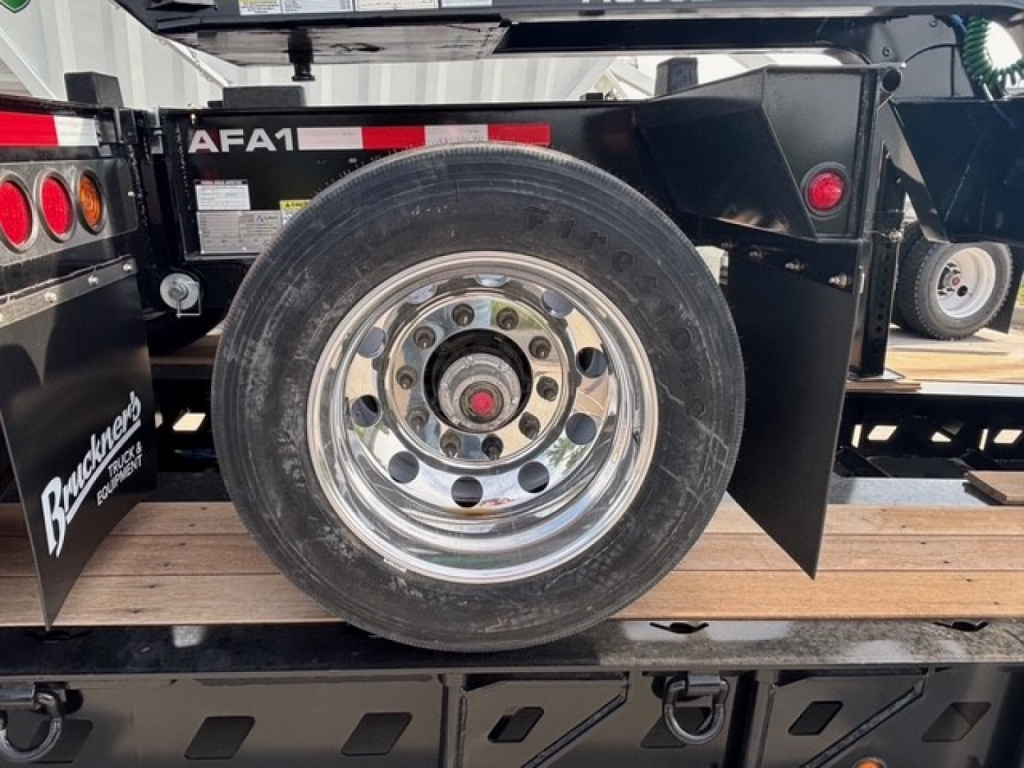
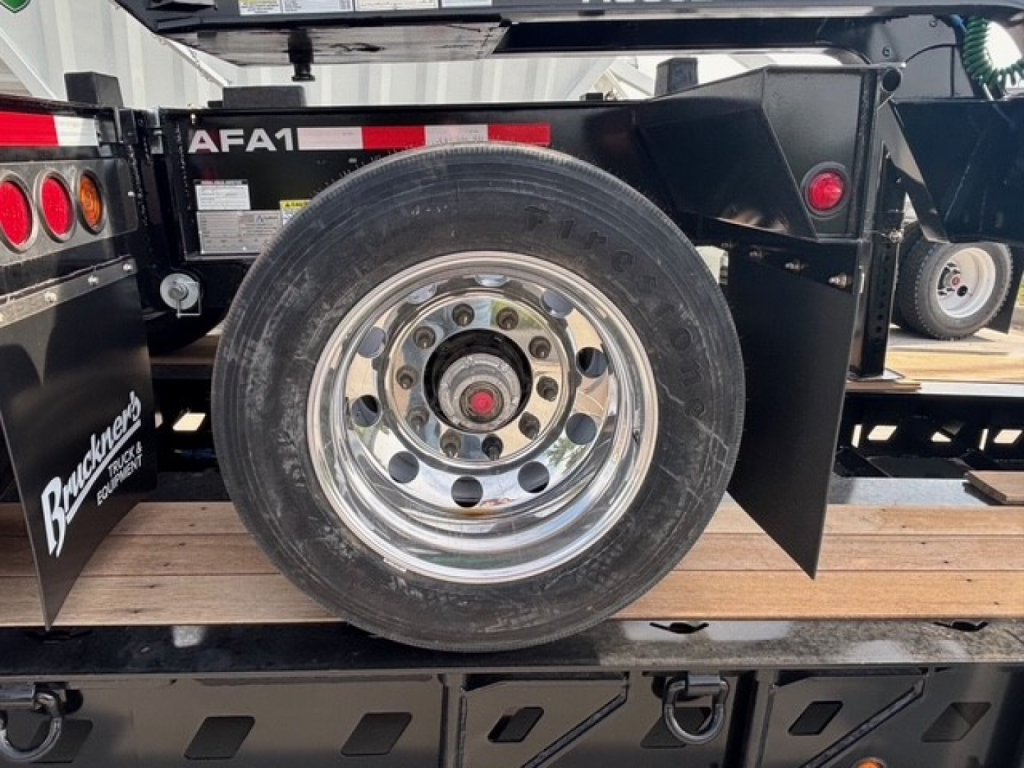

Looking for the easiest place to sell your 2027 flips/converter dollies/jeeps trailer? List it here to reach thousands of buyers.
2027 Flips/Converter Dollies/Jeeps Trailers in Kansas
A flip axle, also called a flip or booster in some heavy haul applications, mounts to the rear of the trailer to increase legal payload and spread weight over additional axles. A jeep installs between the tractor and the trailer to move the kingpin load forward across more axles, while a converter dolly is commonly used to connect trailer combinations and can serve a different role depending on the application. In this category, common specs include 102-inch to 108-inch widths, axle spacings around 54 to 60 inches, 22.5-inch rubber, air ride suspension, hub-pilot axles, and heavy brake packages such as 16.5-inch by 7-inch brakes. Many heavy haul buyers also look for practical details that matter on day one, including limit chains, independent leveling valves, 4-way plugs, sealed harnesses, LED lighting, D-rings, flag holders, and stake pockets for wide load signs.
Capacity should be evaluated as a system rating, not just an axle rating on the component itself. A flip axle or jeep may be advertised for a certain tonnage range, but real-world legal capacity depends on the trailer it pairs with, loaded axle group dimensions, suspension setup, tire ratings, and the states where it will run. Kansas operators often need to think beyond the home state and consider surrounding permit requirements, bridge formulas, and route restrictions across the Midwest. Buyers hauling construction equipment, transformers, steel components, cranes, or other concentrated loads should pay close attention to axle group spacing and how easily the setup can be configured for different jobs. Air ride is common for ride quality and load protection, but the suspension geometry and leveling controls also affect loading angles, deck height, and how the trailer performs on uneven jobsite surfaces.
The best buying decision usually comes down to matching the component to the trailer make and series it was designed to work with. Check connection points, deck transition, brake and light compatibility, suspension isolation kits, support brackets, and tire and wheel spec before assuming one flip or jeep will interchange with another. Buyers comparing new 2027 units should also look at corrosion protection, wiring quality, serviceability, and whether the setup includes permit-oriented features like strobes, polished outer wheels, decking, and mounting provisions for signs and flags. A correctly matched flip, converter dolly, or jeep can improve legal payload, preserve maneuverability, and reduce setup headaches at inspection points and on multi-state heavy haul runs.
Frequently Asked Questions about 2027 Flips/Converter Dollies/Jeeps Trailers in Kansas
What is the difference between a flip axle, a jeep, and a converter dolly?
A flip axle is an auxiliary axle group that attaches to the rear of a lowboy or detachable trailer to increase payload capacity and improve axle weight distribution. A jeep fits between the tractor and trailer and shifts kingpin load across additional axles at the front of the combination. A converter dolly is a separate axle-and-drawbar assembly used to connect trailer combinations, though the exact application depends on the equipment design. For heavy haul buyers, the main difference is where the component goes in the combination and how it affects legal axle group spacing and permit compliance.
How do I know if a flip axle or jeep will fit my trailer?
Fit starts with the trailer manufacturer, model family, and the exact connection design. Buyers should verify width, axle spacing, suspension ride height, bracket and support locations, electrical plugs, brake setup, and any isolation or booster hardware required by the trailer. Even if two components look similar on paper, small differences in deck transition or mounting points can create tracking, clearance, or legal dimension issues. The safest approach is to confirm compatibility against the trailer's build information and intended axle configuration.
What specs matter most when comparing 2027 heavy haul flips and jeeps?
The most important specs are axle spacing, overall width, suspension type, axle rating, brake size, tire size, wheel configuration, and connection hardware. Buyers should also review practical operating features such as independent leveling valves, limit chains, sealed wiring harnesses, LED lighting, D-rings, flag holders, and stake pockets for oversize signs. These details affect not just load capacity but also daily usability, setup time, and how smoothly the trailer moves through inspections and permitted runs.
Are axle ratings the same as legal hauling capacity?
No. The axle rating on a flip axle, jeep, or dolly is only one part of the legal payload calculation. Legal capacity depends on the complete combination, including axle group spacing, bridge law, tire ratings, suspension, trailer design, and the permit rules in each state. A component with a high suspension or axle rating can still be limited by the overall configuration. Buyers should evaluate the full tractor-trailer-auxiliary setup against the routes and states they plan to run.
Why does axle spacing matter so much on a flip axle or jeep?
Axle spacing directly affects weight distribution, bridge compliance, turning characteristics, and how the trailer can be permitted. A difference of a few inches can change how the load scales and whether the axle group fits a state's legal or permitted requirements. Proper spacing also influences tire scrub, backing behavior, and overall tracking. For operators running regional and multi-state heavy haul, axle spacing is one of the first numbers to verify before buying any auxiliary axle equipment.