
2027 Alpha Flips/Converter Dollies/Jeeps Trailers For Sale in Kansas
Shop 2027 Alpha flip axles, converter dollies, and jeeps for heavy haul setups. Compare widths, axle spacing, suspension, brakes, and lighting.
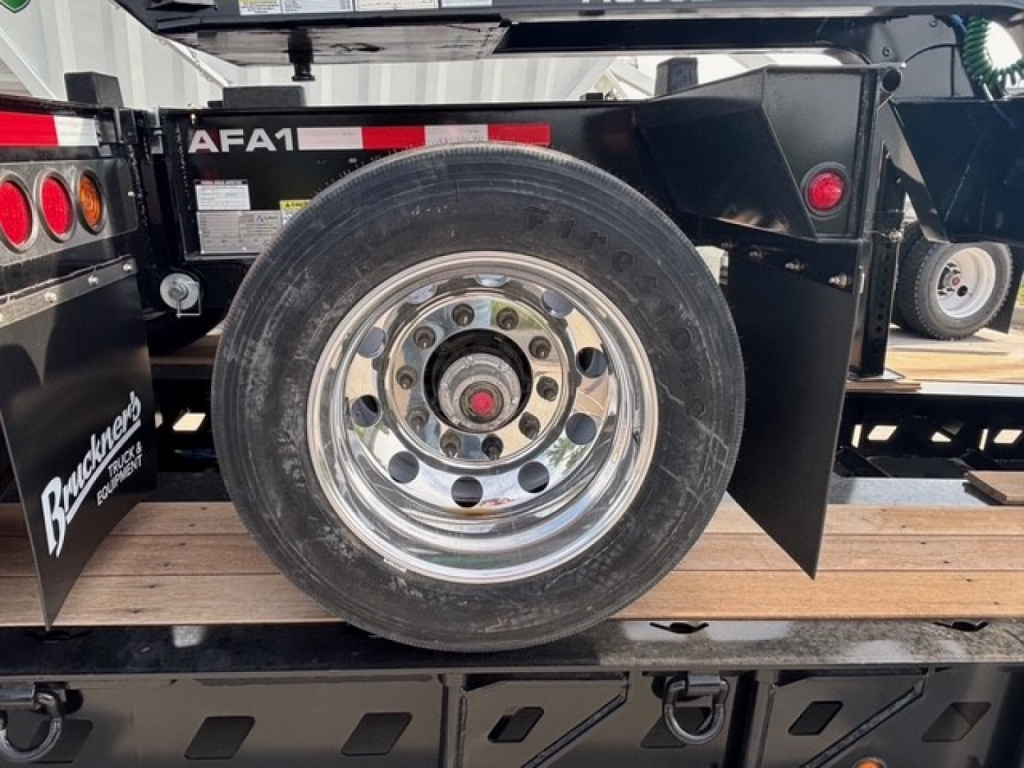
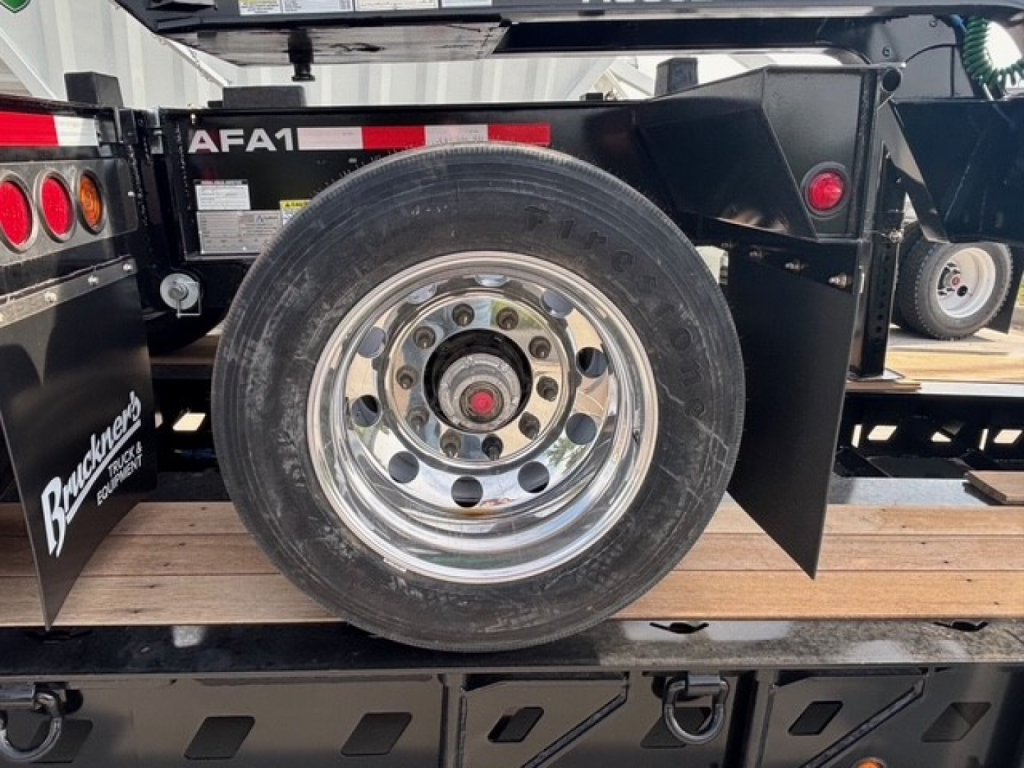

Looking for the easiest place to sell your 2027 alpha flips/converter dollies/jeeps trailer? List it here to reach thousands of buyers.
2027 Alpha Flips/Converter Dollies/Jeeps Trailers in Kansas
A flip axle is typically the quickest way to add rear capacity to a detachable lowboy or similar heavy haul trailer. Buyers should confirm deck height impact, connection style, ride height, and whether the axle package includes items like leveling valves, limit chains, and booster brackets or shims. Suspension ratings in this class are often around 25,000 pounds per axle, paired with air ride suspension and 16.5-inch by 7-inch brakes. Tire size matters too. 255/70R22.5 rubber is common because it balances availability, durability, and ride height for heavy haul service. Lighting and visibility equipment are also practical buying points, especially when units are spec'd with LED lighting, strobe functions, stainless tail light packages, flag holders, and stake pockets for wide load signage.
Converter dollies and jeeps serve a different role, but the same buying discipline applies. A converter dolly is used to convert or extend trailer combinations and should be evaluated for drawbar configuration, brake controls, electrical harness quality, and axle alignment. A jeep sits between the tractor and trailer to spread load and shift kingpin weight, making it a key tool in permitted overweight hauling. On jeep purchases, pay attention to fifth wheel height, kingpin setting compatibility, steering axle requirements, and the legal bridge formula in the states where the trailer will run. Kansas and surrounding Plains states often reward careful axle spacing decisions, so dimensional compliance should be checked before focusing on cosmetic options.
Material and finish details also matter more than they might seem. Full-width Apitong decking, sealed 12-volt harnesses, hub-piloted axles, polished outer aluminum wheels, and black industrial paint all affect service life and maintenance. D-rings at the rear can add practical tie-down utility, while a clean electrical package helps reduce downtime caused by corrosion and intermittent light failures. Buyers comparing flips, dollies, or jeeps should start with the trailer they already own, the permit envelope they need to meet, and the loads they actually move. Compatibility across ride height, connection points, and axle geometry is what separates a useful heavy haul attachment from an expensive mismatch.
Frequently Asked Questions about 2027 Alpha Flips/Converter Dollies/Jeeps Trailers in Kansas
What is the difference between a flip axle, a converter dolly, and a jeep?
A flip axle is a rear add-on axle assembly used mainly to increase load capacity and improve weight distribution on a lowboy or detachable trailer. A converter dolly is a towing axle assembly that helps create or extend a trailer combination. A jeep is positioned between the tractor and trailer to move weight forward and spread axle loading for overweight or permitted hauling. Each serves a different role, so the correct choice depends on where the extra weight needs to be distributed in the combination.
What specs matter most when buying a heavy haul flip axle or jeep?
The most important specs are axle spacing, suspension rating, brake size, tire size, ride height, and connection compatibility with the trailer. Buyers should also check width, electrical connections, lighting package, and whether the unit includes practical heavy haul features such as limit chains, leveling valves, D-rings, flag holders, and wide load sign mounting points. For legal compliance, axle spacing and overall combination dimensions often matter as much as rated capacity.
Why is axle spacing so important on flips, dollies, and jeeps?
Axle spacing affects both legal weight distribution and how the load is carried across the combination. Proper spacing can help a buyer meet bridge laws, state permit requirements, and route-specific axle formulas. In heavy haul applications, a unit with the wrong spacing may limit legal payload or create permit problems even if the axle itself is mechanically strong enough for the job. That is why buyers often start with spacing and application before comparing finishes or accessory options.
Are air ride suspensions common on flip axles and similar heavy haul attachments?
Yes, air ride suspension is common in this category because it helps manage load transfer, ride quality, and trailer compatibility. Air ride can also make it easier to level the combination and maintain more consistent contact under changing load conditions. Buyers should still confirm suspension capacity, valve setup, and serviceability, because a well-matched suspension package is critical to stable heavy haul performance.
How do I know if a flip axle or jeep will work with my existing trailer?
Compatibility should be verified by checking the trailer manufacturer’s connection design, loaded ride height, axle track, brake and electrical setup, and any required shims or booster brackets. Buyers should also confirm kingpin and fifth wheel relationships on jeep applications and make sure the resulting combination will fit the permits and routes they run. Matching by brand alone is not enough. The attachment has to be dimensionally and mechanically correct for the trailer and the intended payload.