
Flips/Converter Dollies/Jeeps Trailers For Sale in Texas
Shop flip axles, converter dollies, and jeeps for heavy haul service. Compare capacities, axle spacing, suspension, brakes, and tire setups.
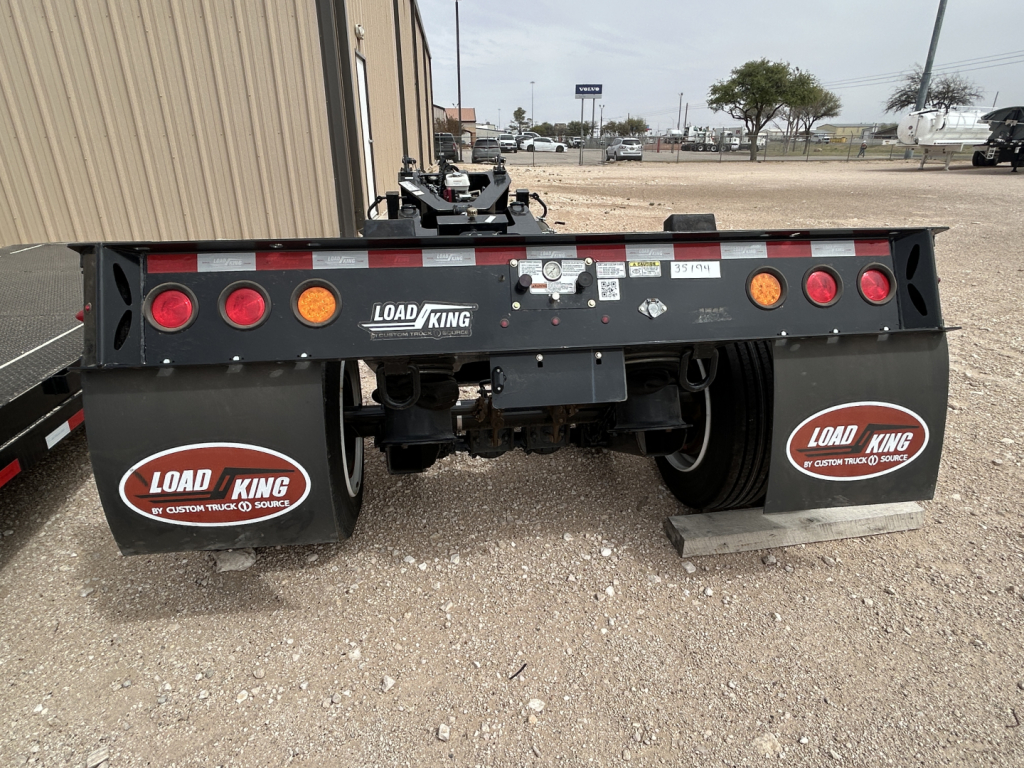
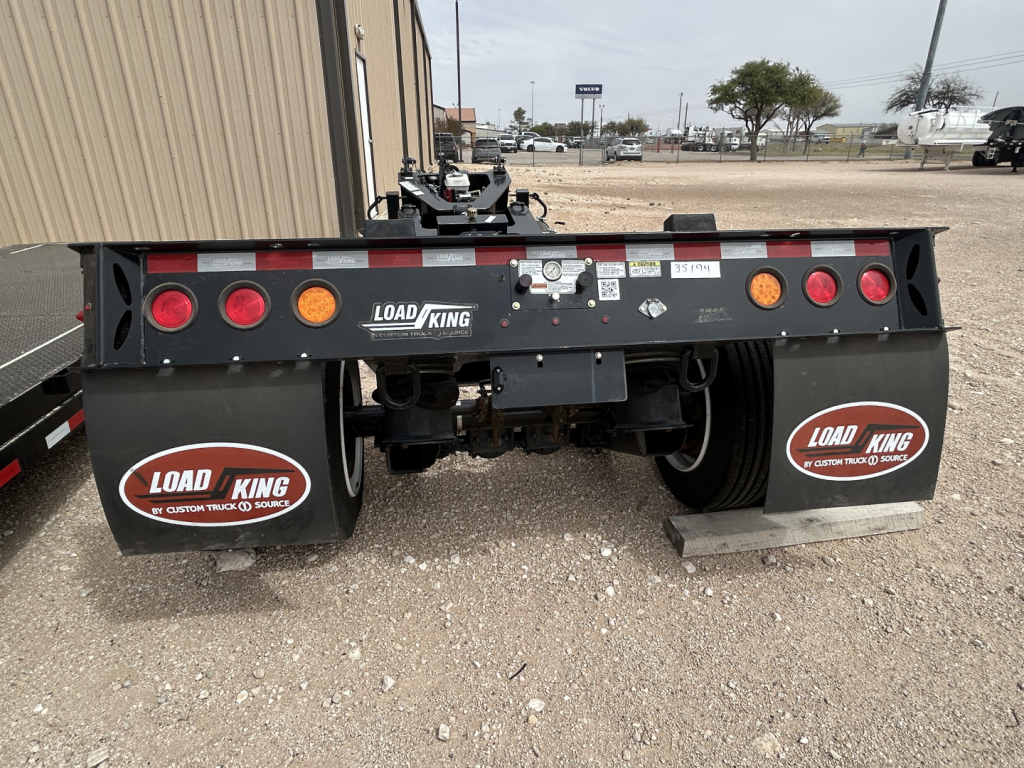
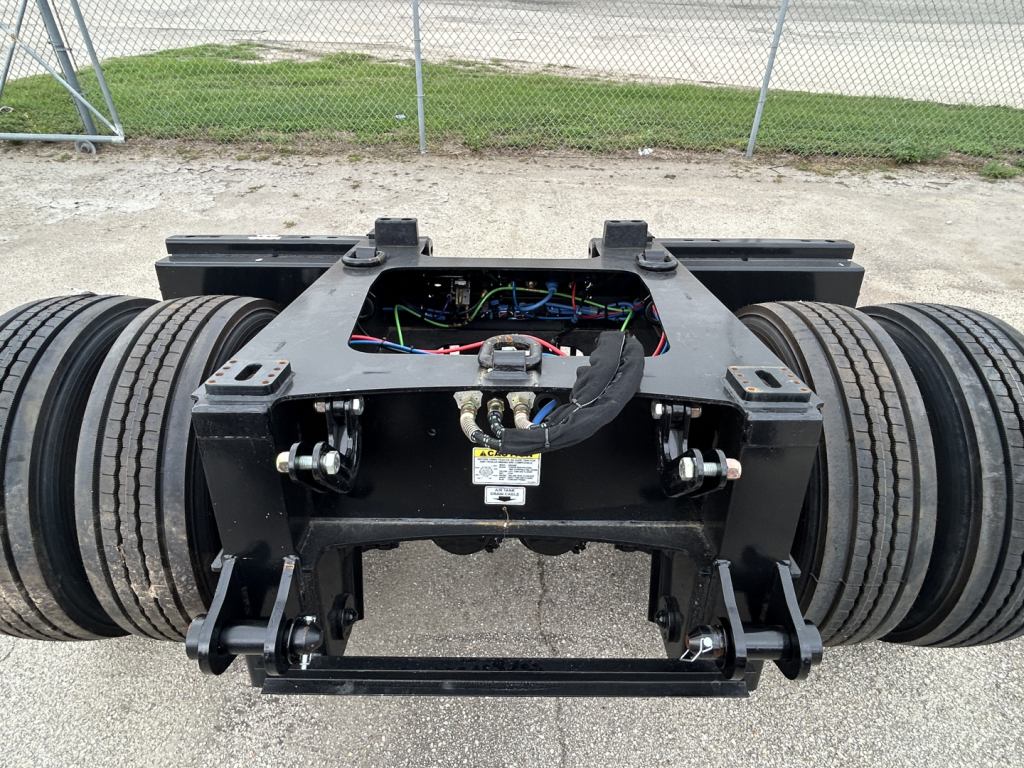
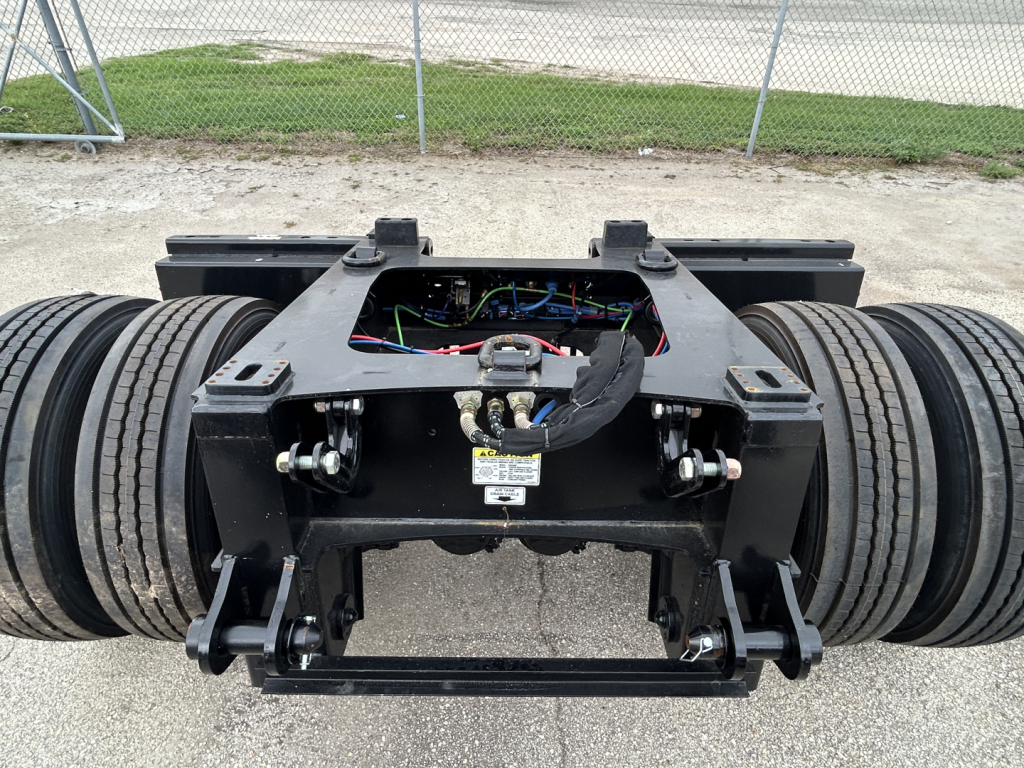
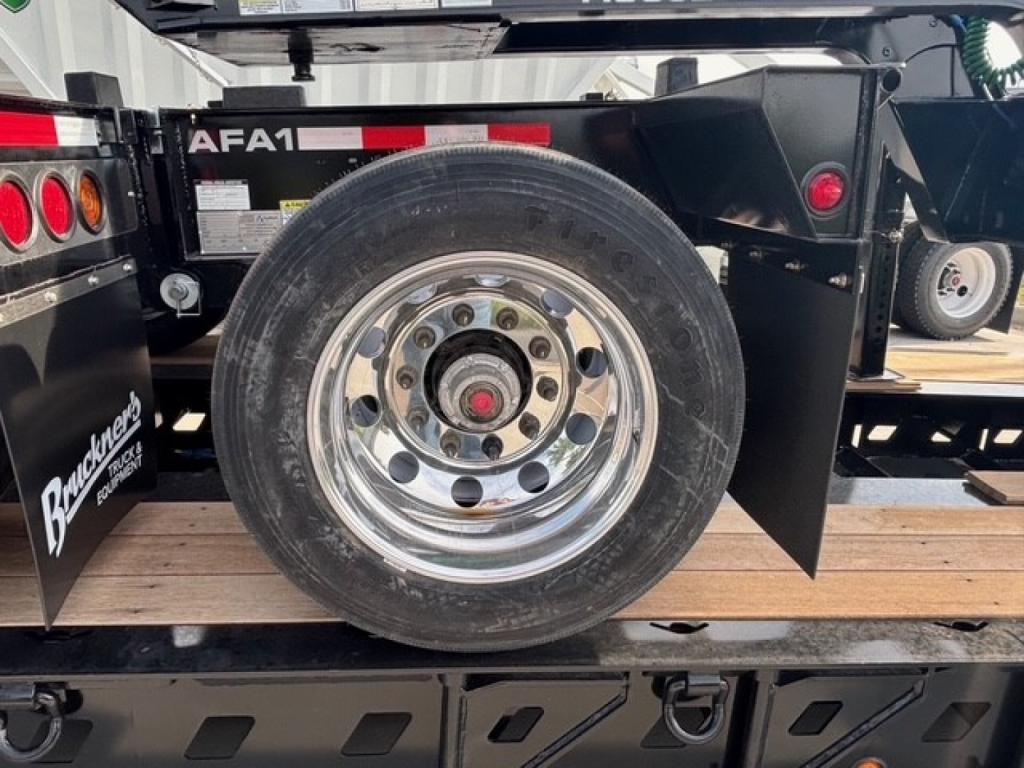
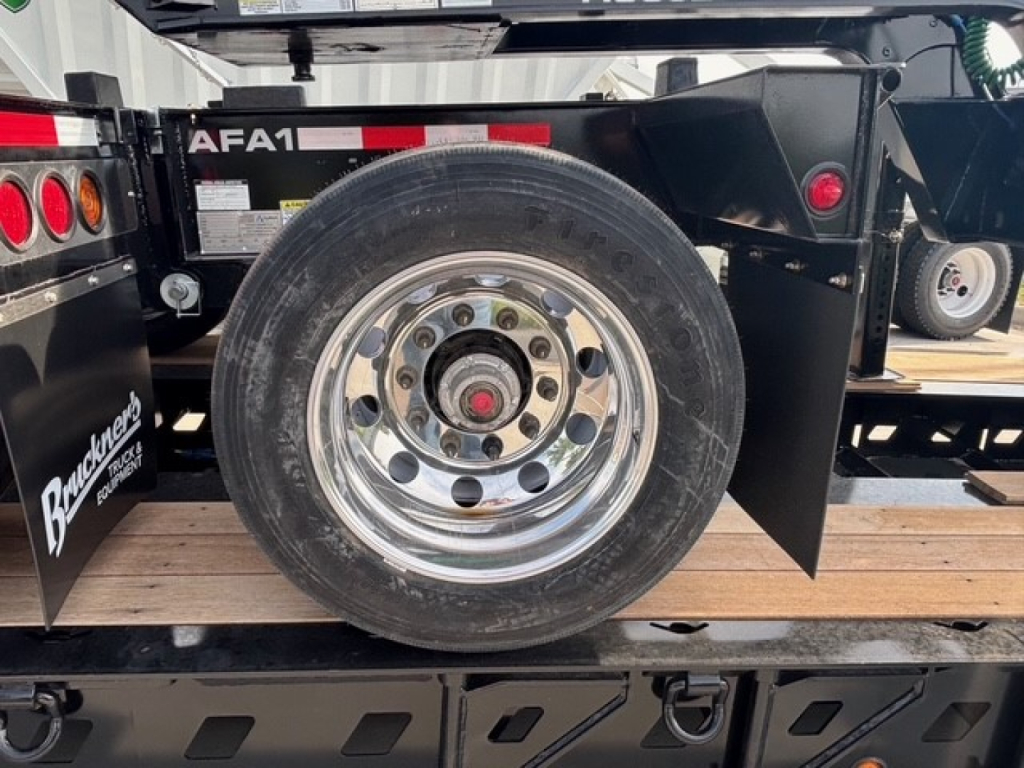
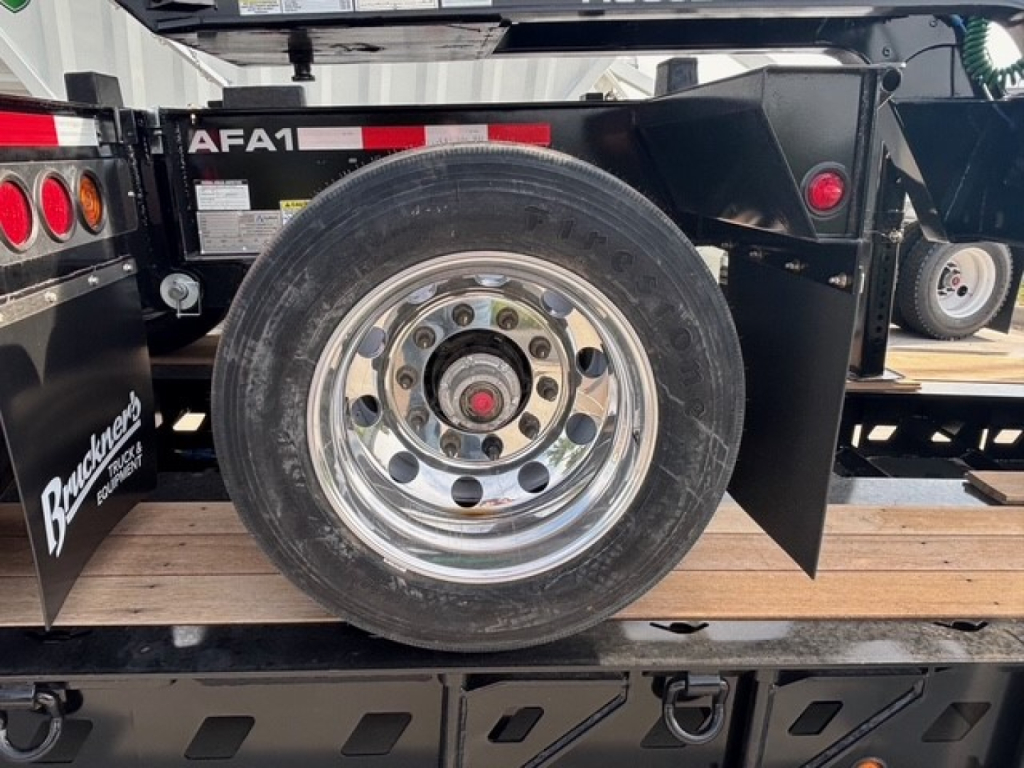
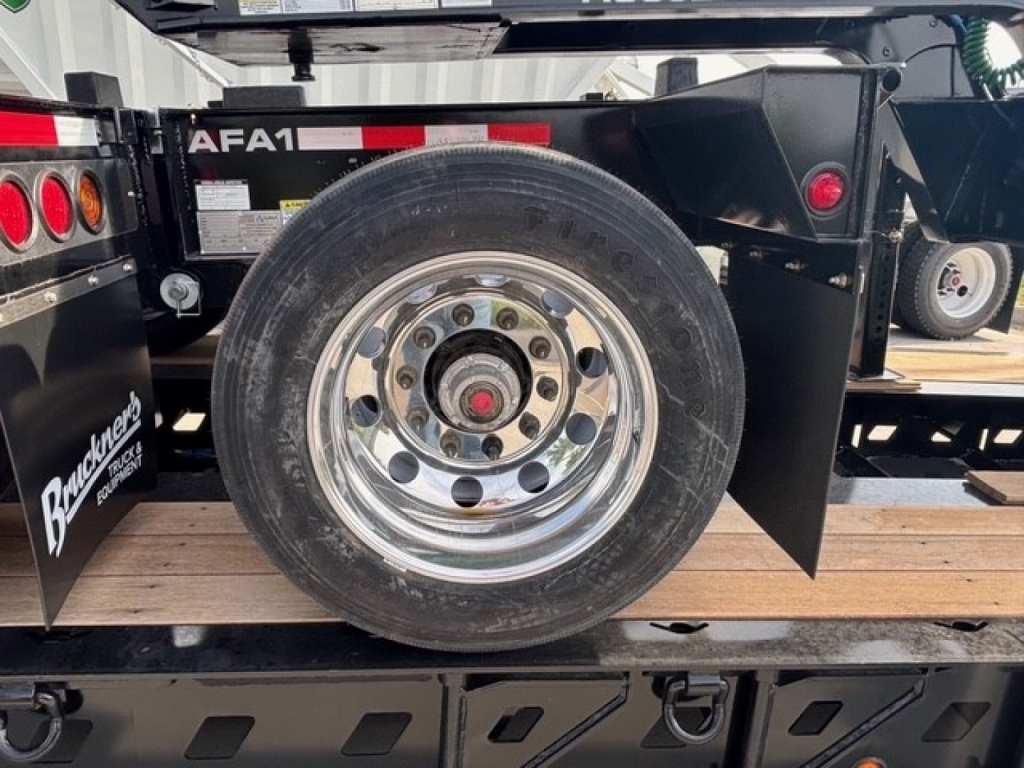

Selling a flips/converter dollies/jeeps trailer? List your flips/converter dollies/jeeps trailer for sale and reach thousands of commercial buyers.
Flips/Converter Dollies/Jeeps Trailers in Texas
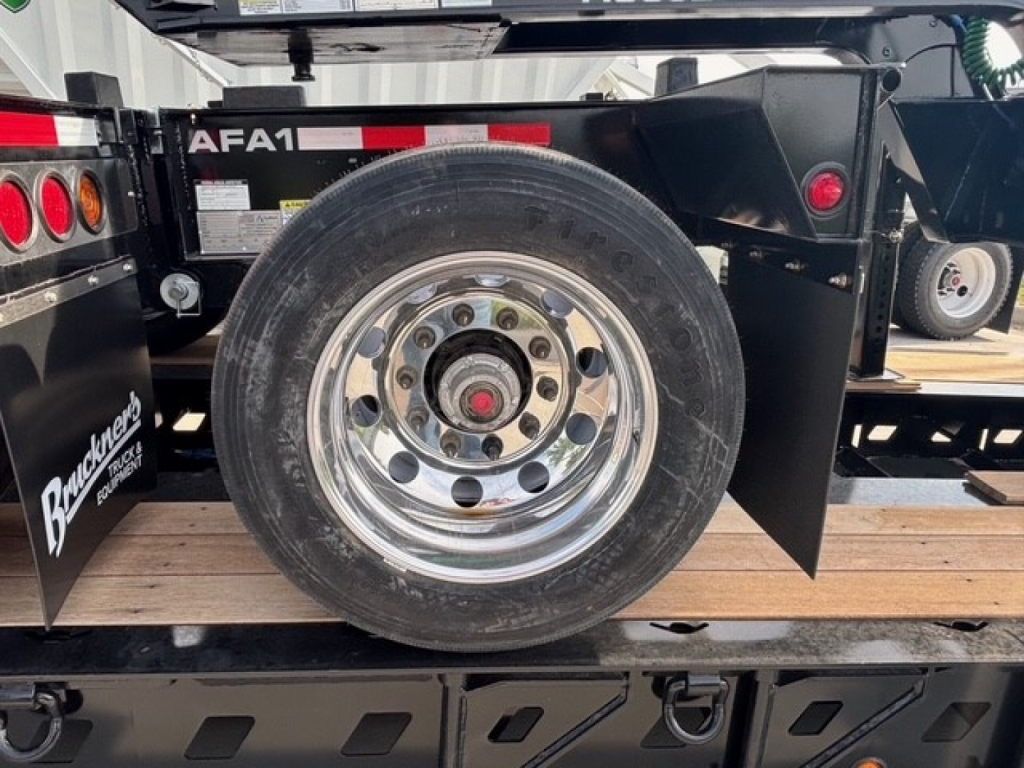
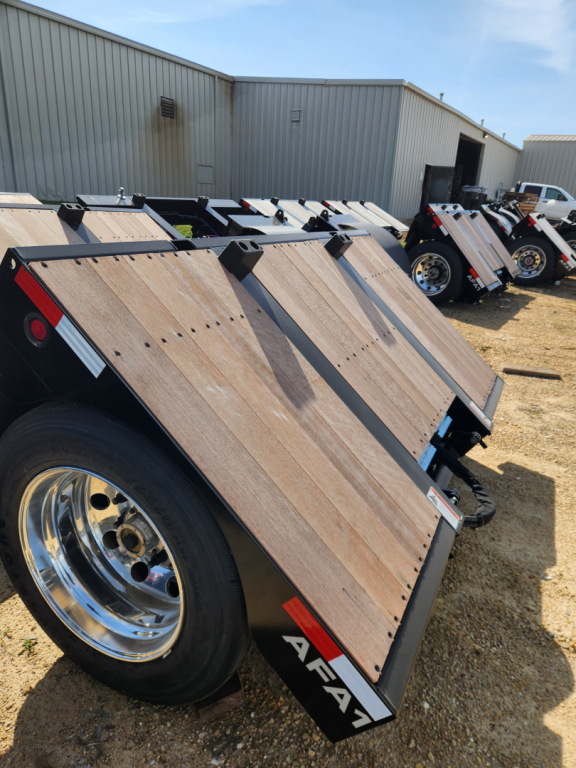
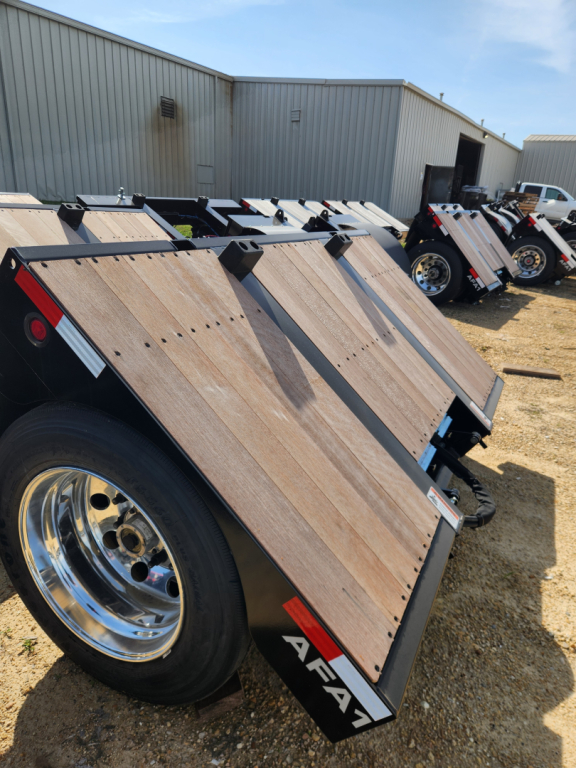
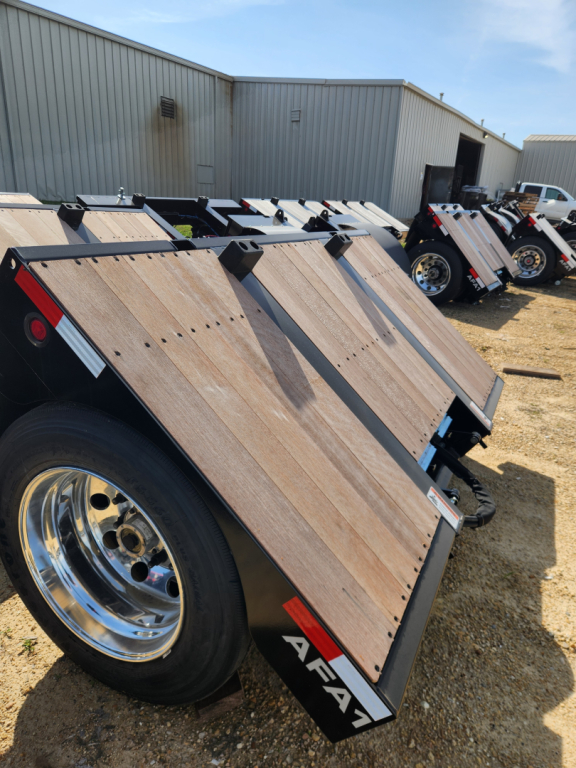
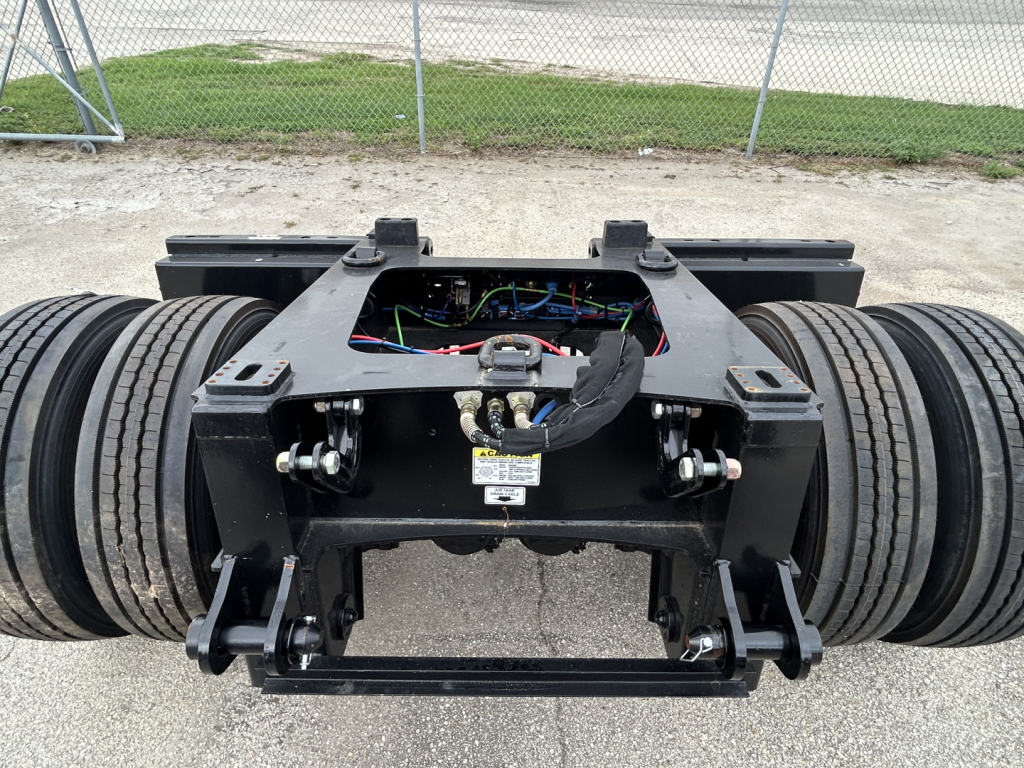
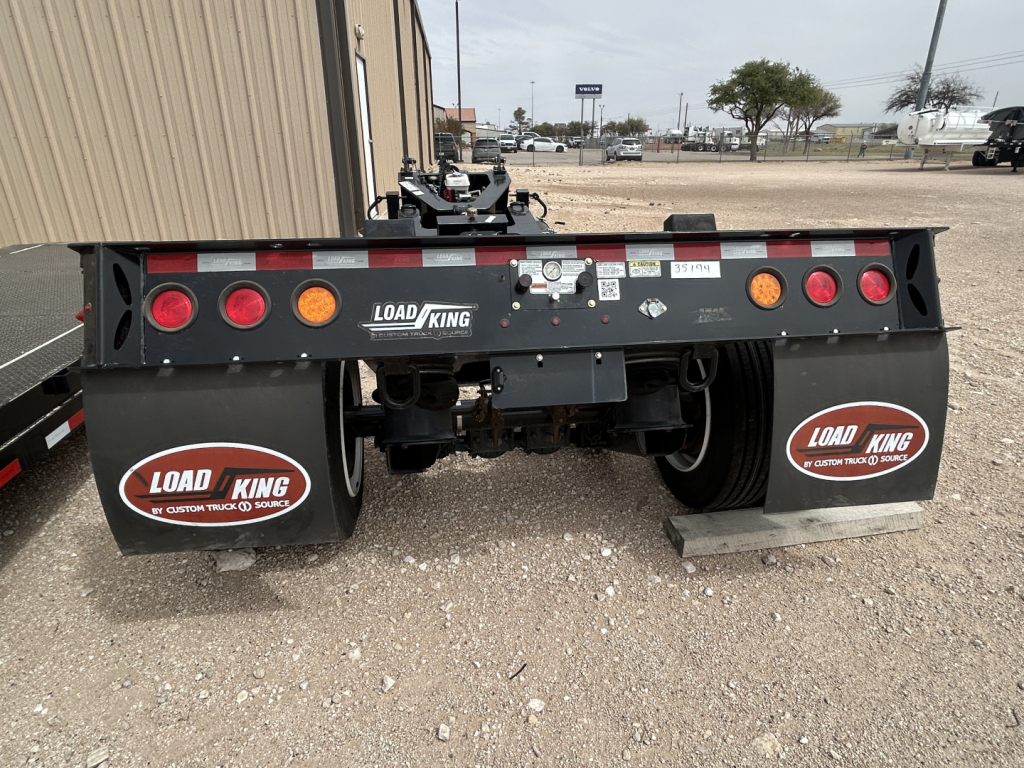
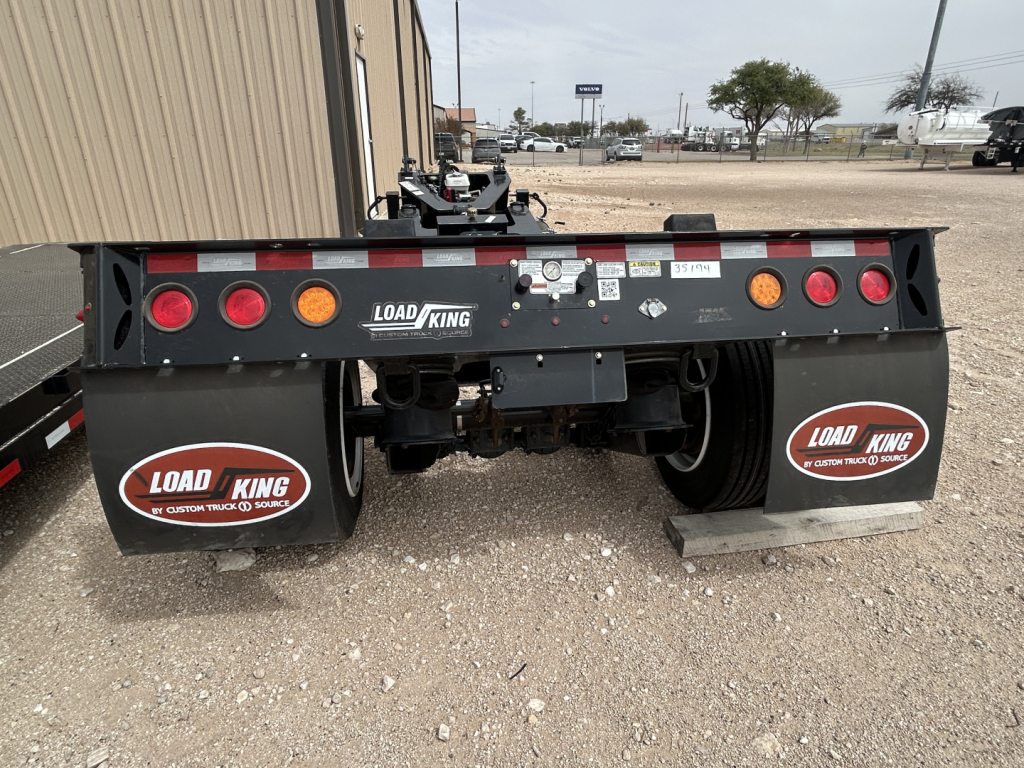
A flip axle, also called a flip or booster axle in some fleets, attaches at the rear of a lowboy or detachable trailer to add carrying capacity and spread the load over more axles. Common specs include single-axle and tandem-axle designs, steel construction, air ride suspension, drum brakes, and 255/70R22.5 rubber on steel or aluminum wheel packages. Pay close attention to axle spacing such as 54 or 54.5 inches, overall width, suspension brand, and whether the unit includes practical heavy haul details like D-rings, flag holders, stake pockets for wide load signs, limit chains, and additional lighting or strobe provisions. A flip that is properly matched to trailer height and neck geometry tracks better, loads more evenly, and reduces headaches at the scale house.
A jeep is installed between the tractor and the front of the trailer to shift weight off the truck drives and trailer neck onto an additional axle group. This setup is common on higher-capacity lowboy and platform configurations where front-end loading is the limiting factor. Converter dollies serve a different role, typically converting a semi-trailer into a full trailer or creating a specific towing arrangement, but the same buying logic applies: coupler style, drawbar dimensions, brake compatibility, ABS and lighting connections, suspension type, and legal configuration in the states where the equipment will run. On any of these units, buyers should confirm brake type, hub-pilot versus stud-pilot wheel setup, tire size uniformity, air and electrical hookups, and whether ride control features like leveling valves or lift provisions are needed for the intended loads.
Condition and compatibility are more important here than age alone. A newer flip or jeep still needs to match the trailer manufacturer’s dimensions and the permit strategy for the loads being hauled. Look closely at frame integrity, bushing and suspension wear, brake condition, tire match, light package, and signs of stress around connection points. If the application includes 55-ton to 60-ton class work or heavier, verify the rated capacity in the exact configuration you plan to use, not just the nominal model rating. Serious heavy haul buyers also check how quickly the unit can be pinned on, shimmed, or removed in the field, because uptime matters when a route, crane schedule, and escort window are all tied to the same move.
Frequently Asked Questions about Flips/Converter Dollies/Jeeps Trailers in Texas
What is the difference between a flip axle and a jeep?
A flip axle mounts at the rear of a trailer to add axle capacity behind the deck, while a jeep mounts between the tractor and the trailer to add axles ahead of the deck and shift weight off the tractor drives and trailer neck. They solve different weight-distribution problems. A flip is typically used to increase rear carrying capacity and improve bridge compliance, while a jeep is used when the front of the trailer or the tractor axle group is overloaded.
How do I know if a flip axle or jeep will fit my trailer?
Fitment starts with the trailer manufacturer’s connection design, loaded deck height, frame width, axle spacing requirements, and the intended capacity rating. Buyers should verify the mechanical hookup points, ride height, brake and ABS compatibility, tire size, wheel type, and electrical connections before purchase. On heavy haul combinations, even small differences in geometry can affect load distribution, tracking, and permit legality, so matching to the existing trailer setup is critical.
What specs matter most when buying a heavy haul flip or converter dolly?
The most important specs are rated capacity, number of axles, axle spacing, suspension type, brake type, tire size, overall width, and connection style. Buyers should also look at wheel package, lighting, D-rings, flag holders, chain provisions, and any included ride-control hardware such as leveling valves or shims. These details affect not only carrying capacity, but also serviceability, field setup time, and compliance with permit requirements.
Are air ride suspensions common on flip axles and jeeps?
Yes. Air ride suspension is common because it helps equalize load, improve ride quality, and make it easier to fine-tune loaded height in heavy haul service. Many operators prefer air ride for better control over axle loading and reduced shock to the trailer and cargo. The exact suspension package still needs to be matched to the trailer and intended tonnage, especially on specialized lowboy and multi-axle work.
Why does axle spacing matter on a flip axle or jeep?
Axle spacing directly affects bridge formula calculations, permit acceptance, and how weight is distributed across the combination. A spacing difference of even half an inch can matter when matching to an existing trailer design or permit layout. Proper spacing also influences tracking, tire wear, and suspension performance, so buyers should compare the axle group dimensions to both the trailer specifications and the states where the equipment will operate.