
Load King Trailers For Sale
Shop Load King trailers for heavy haul jobs, including lowboy and detachable gooseneck models with 50 to 60 ton capacities.
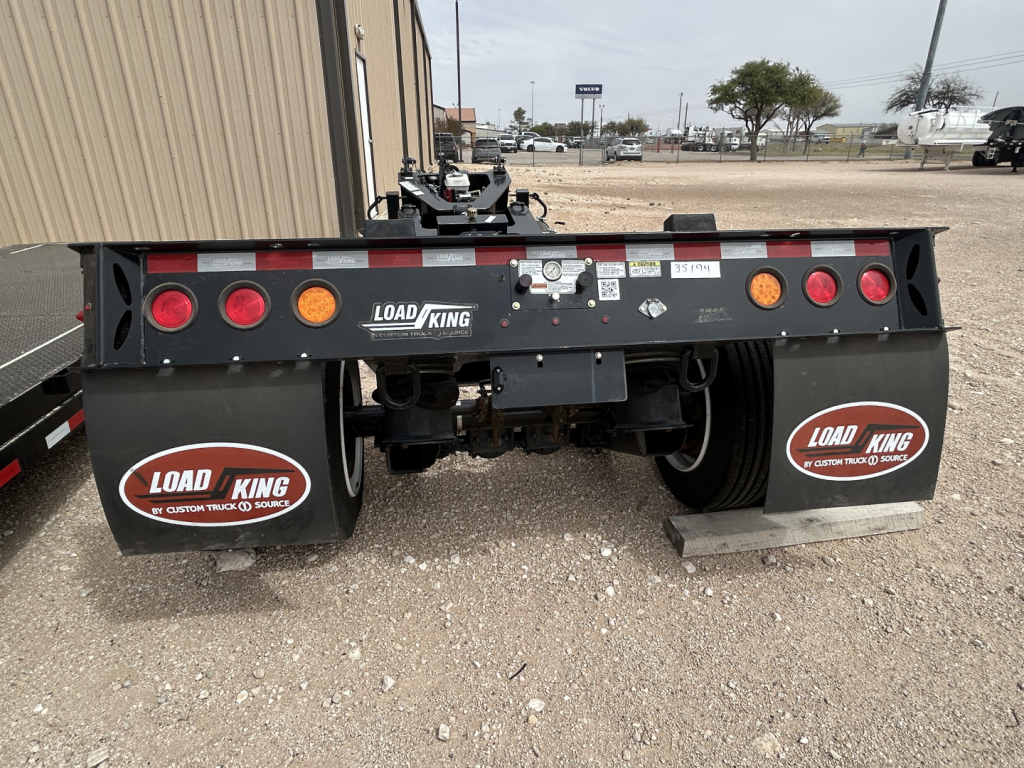
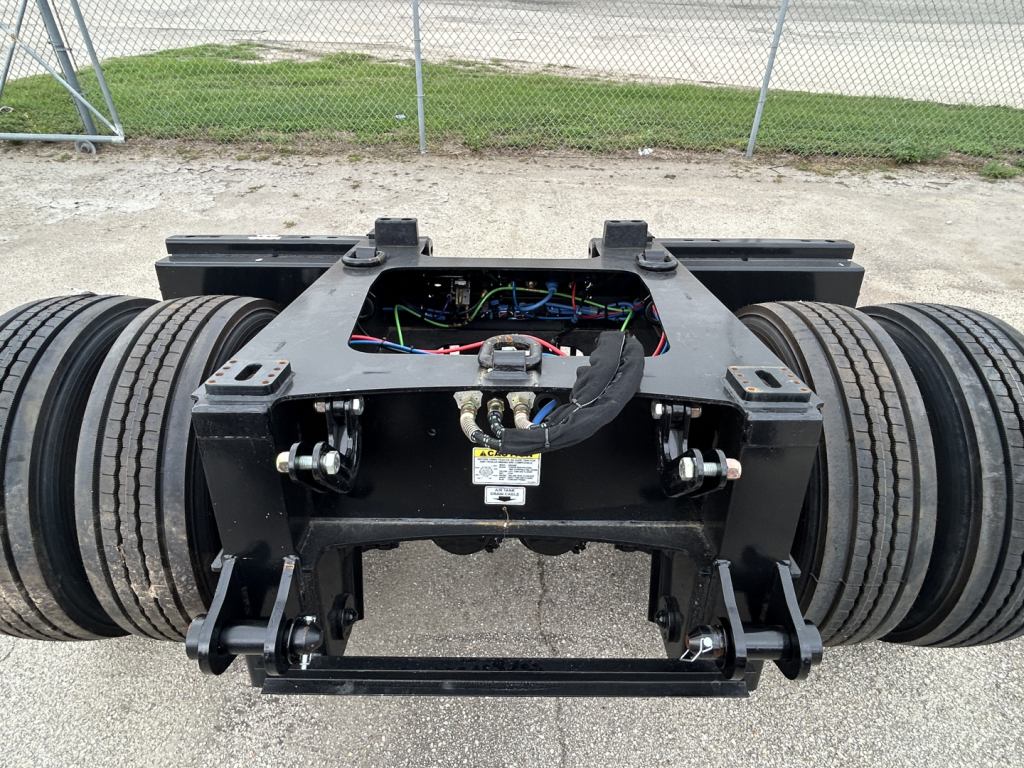
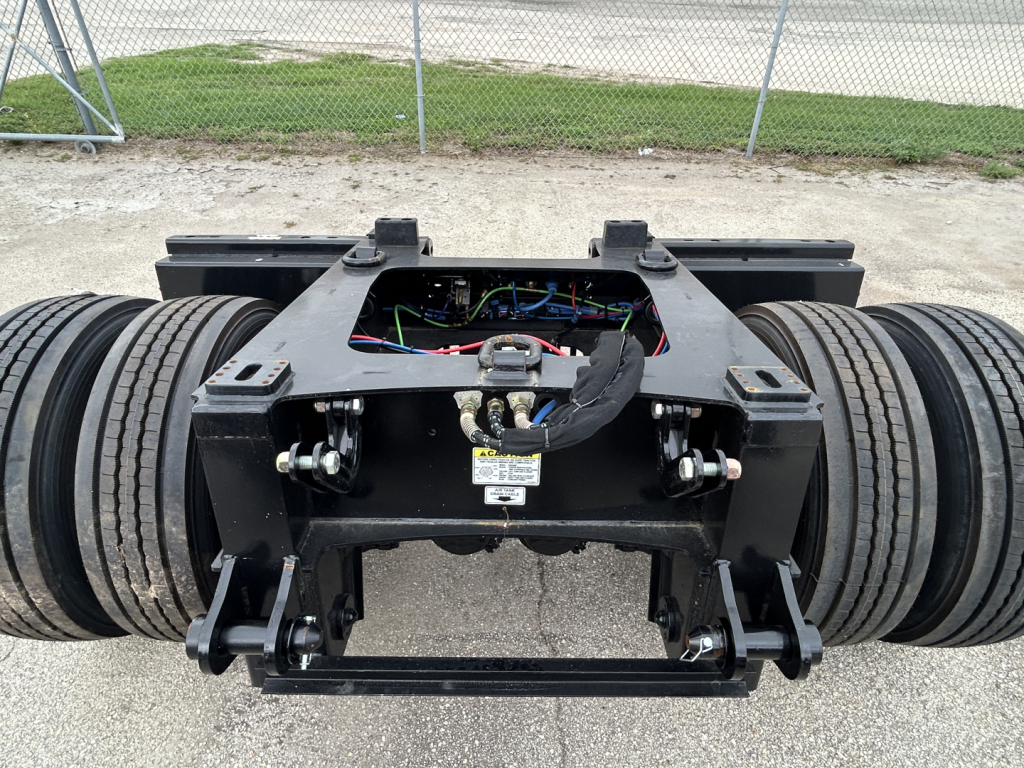
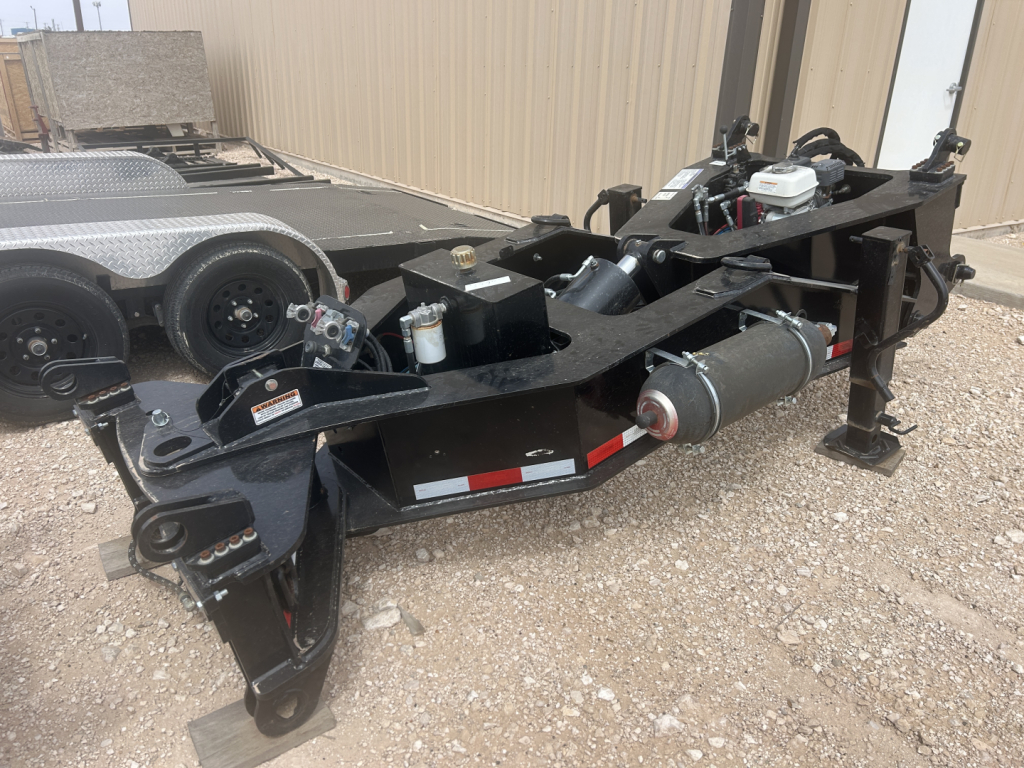
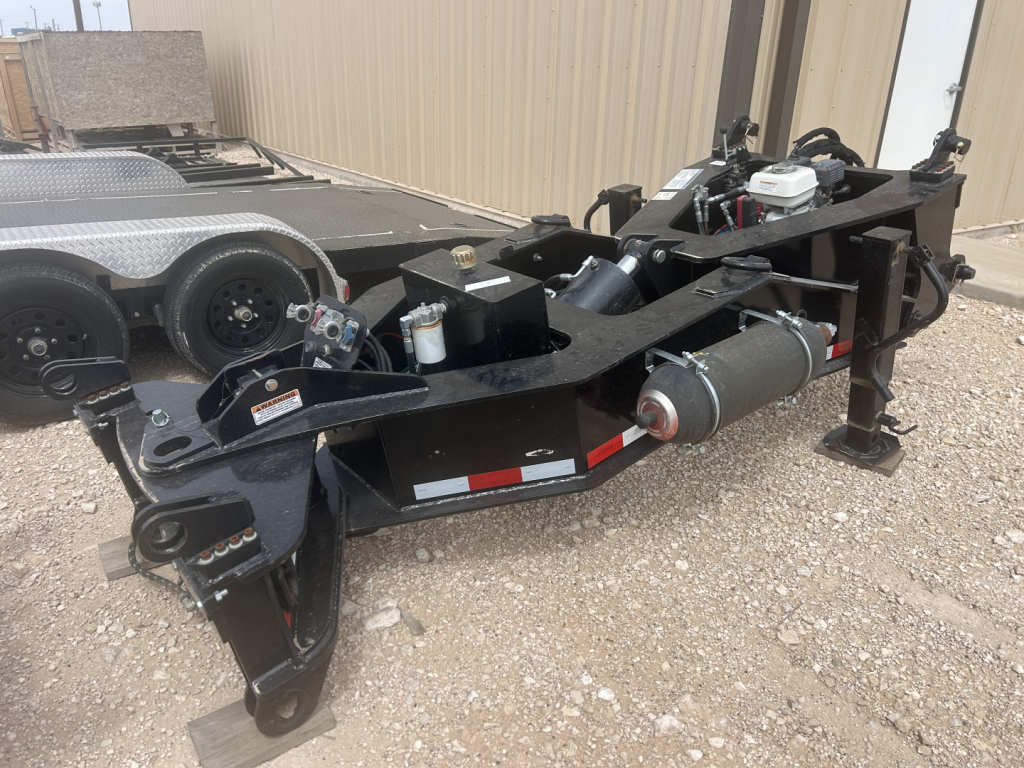
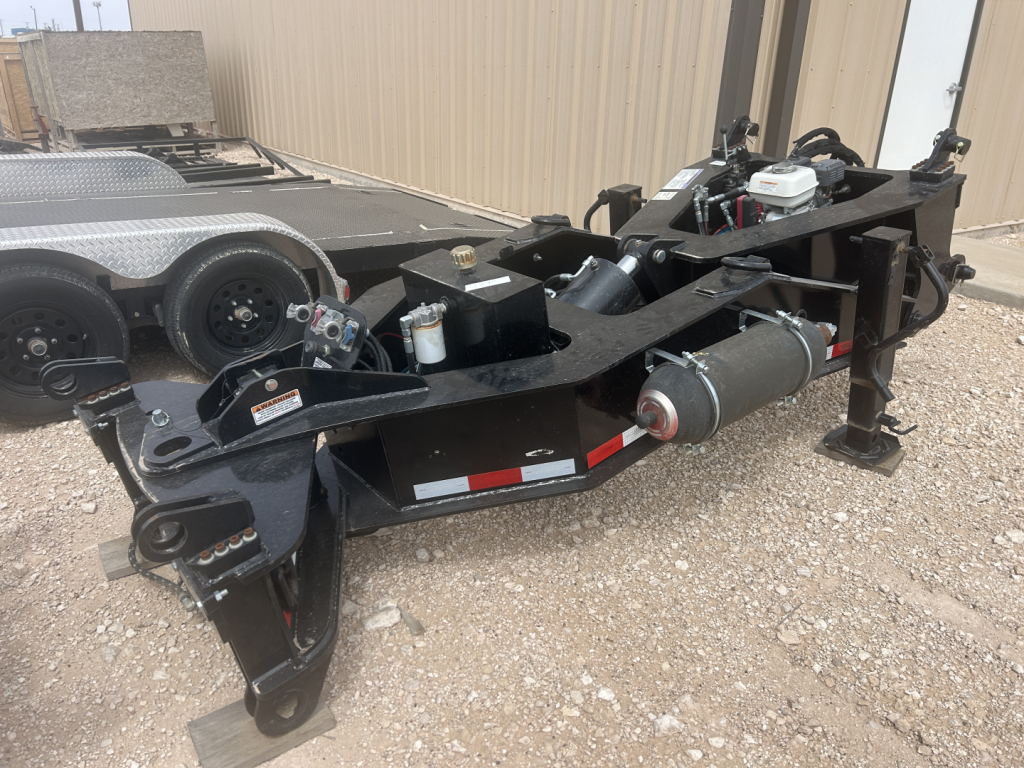
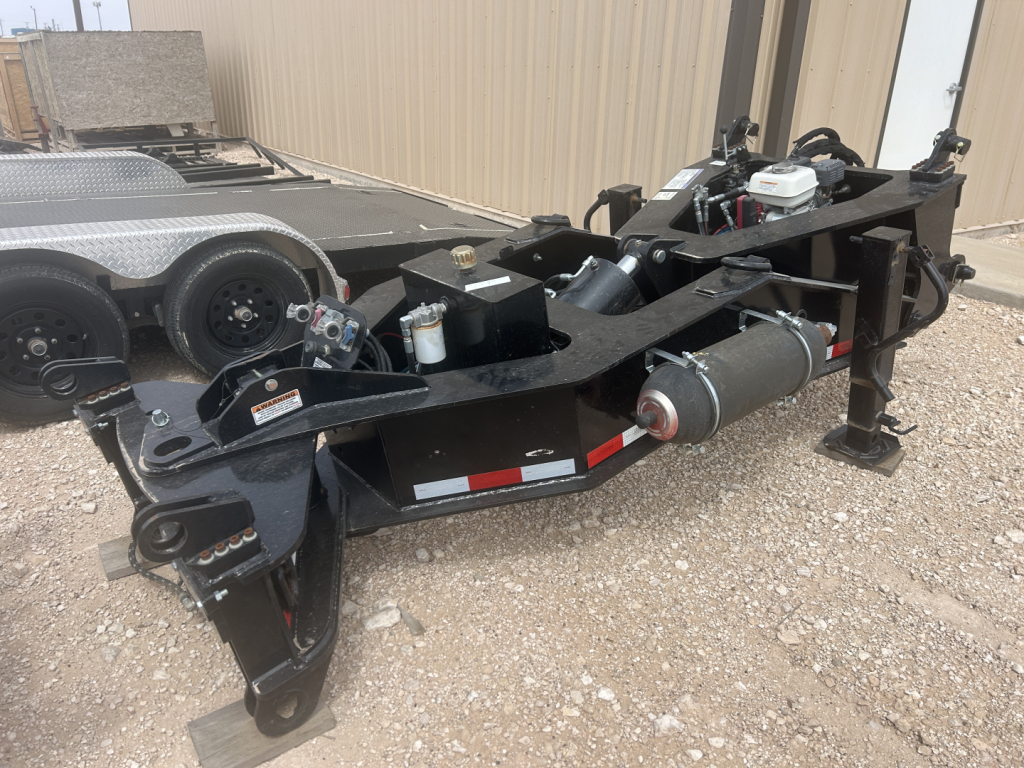
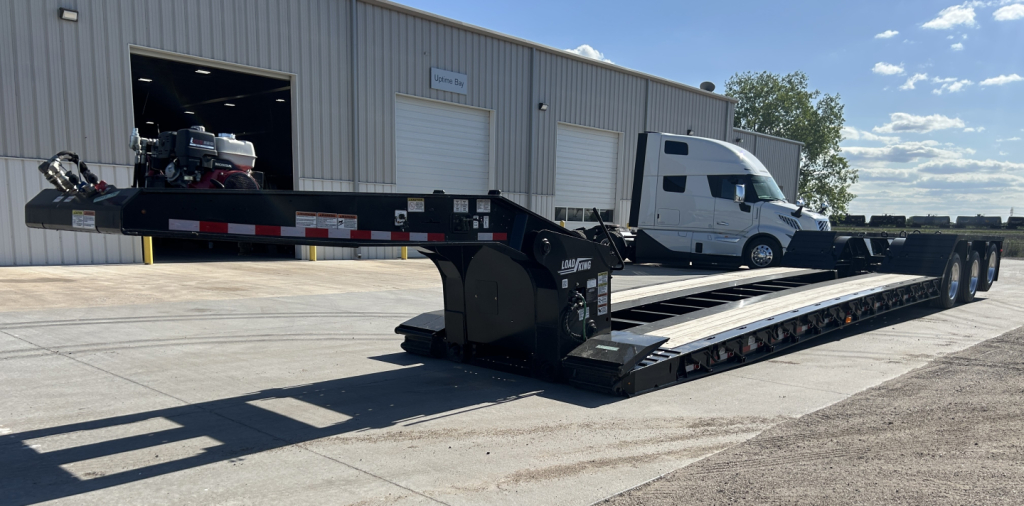
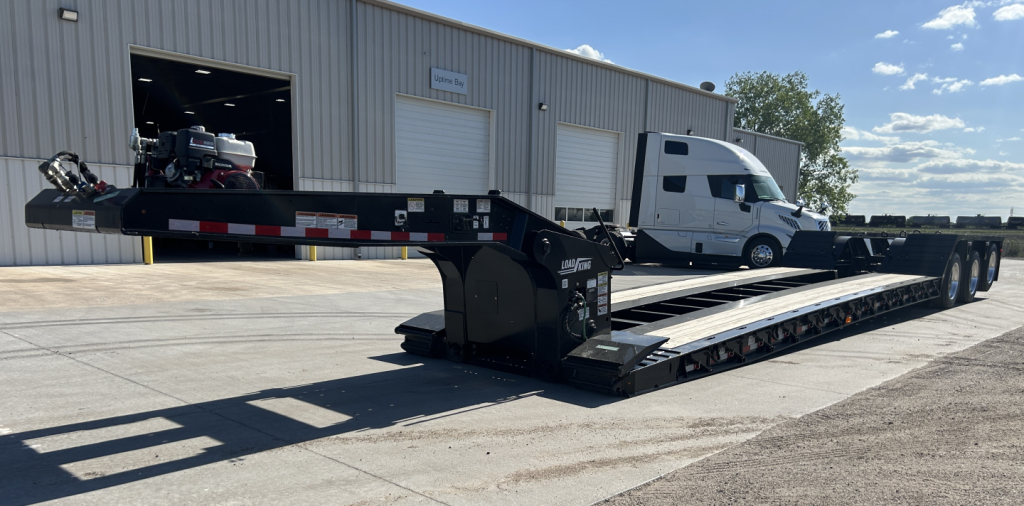
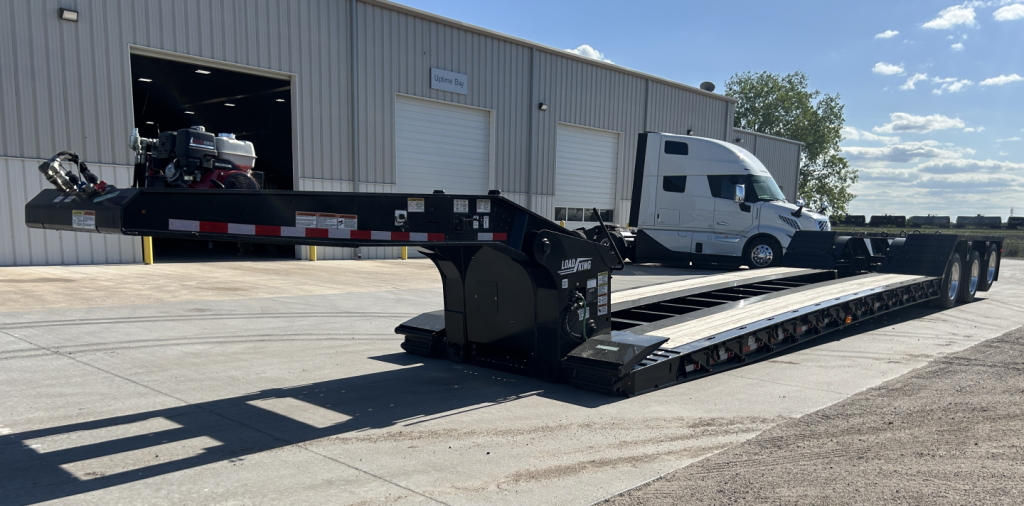
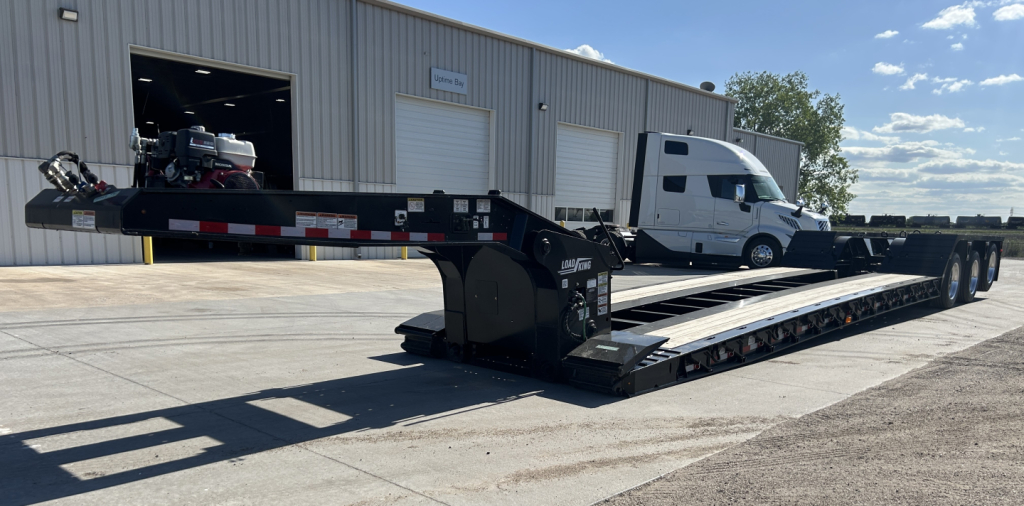
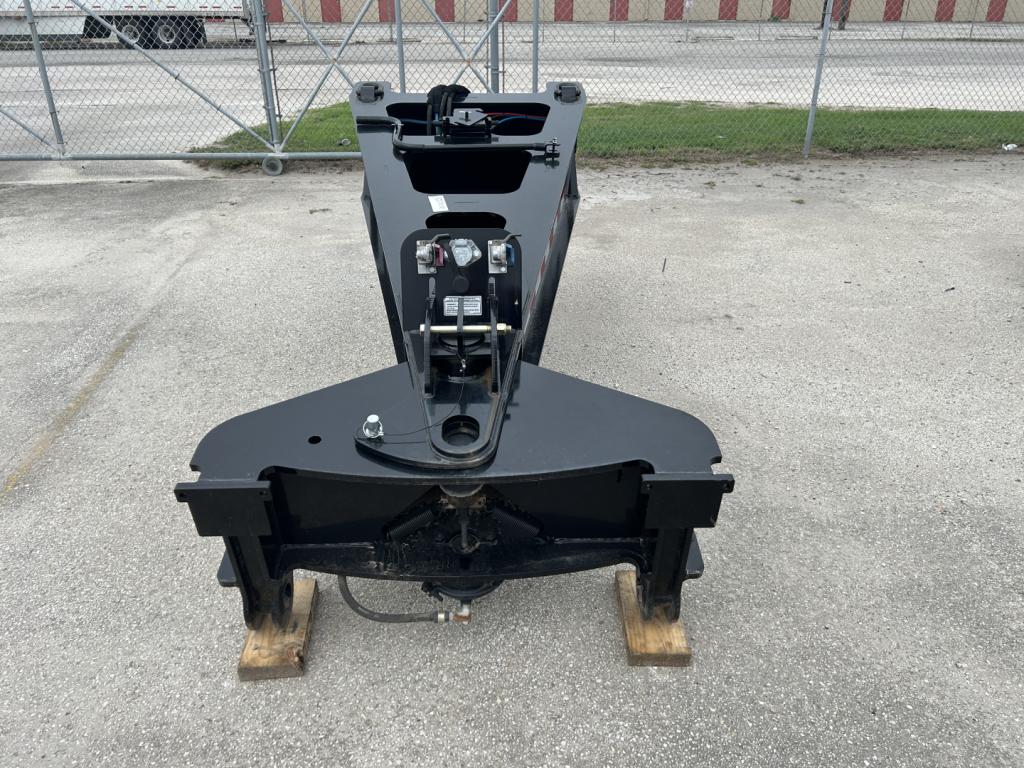
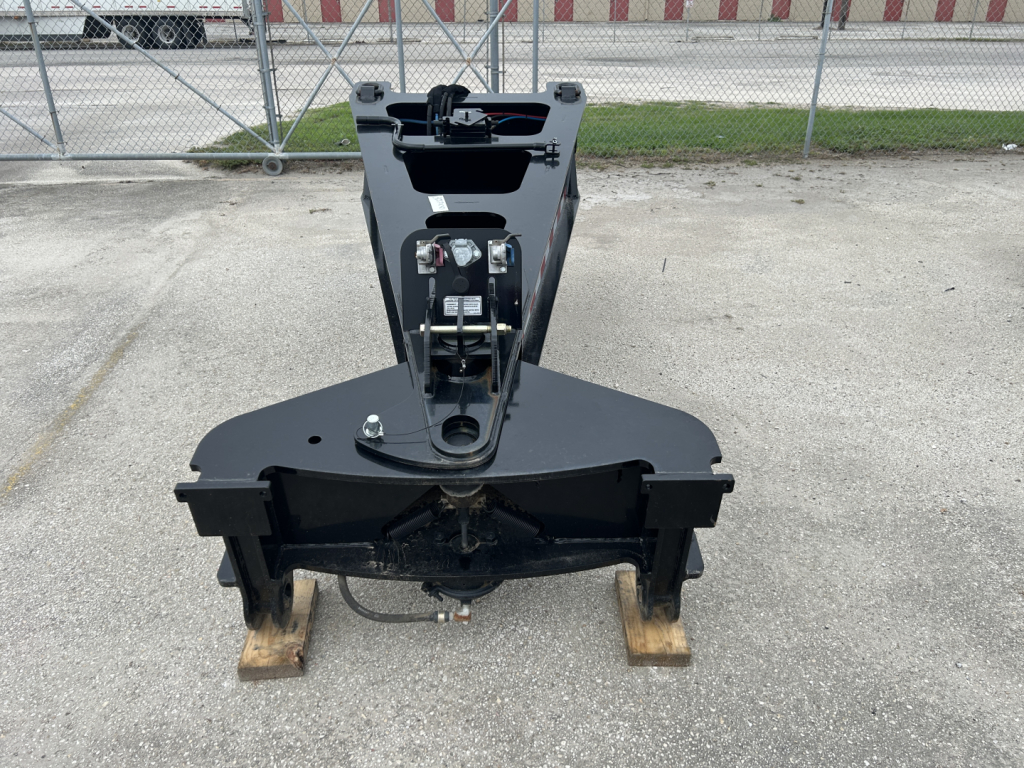
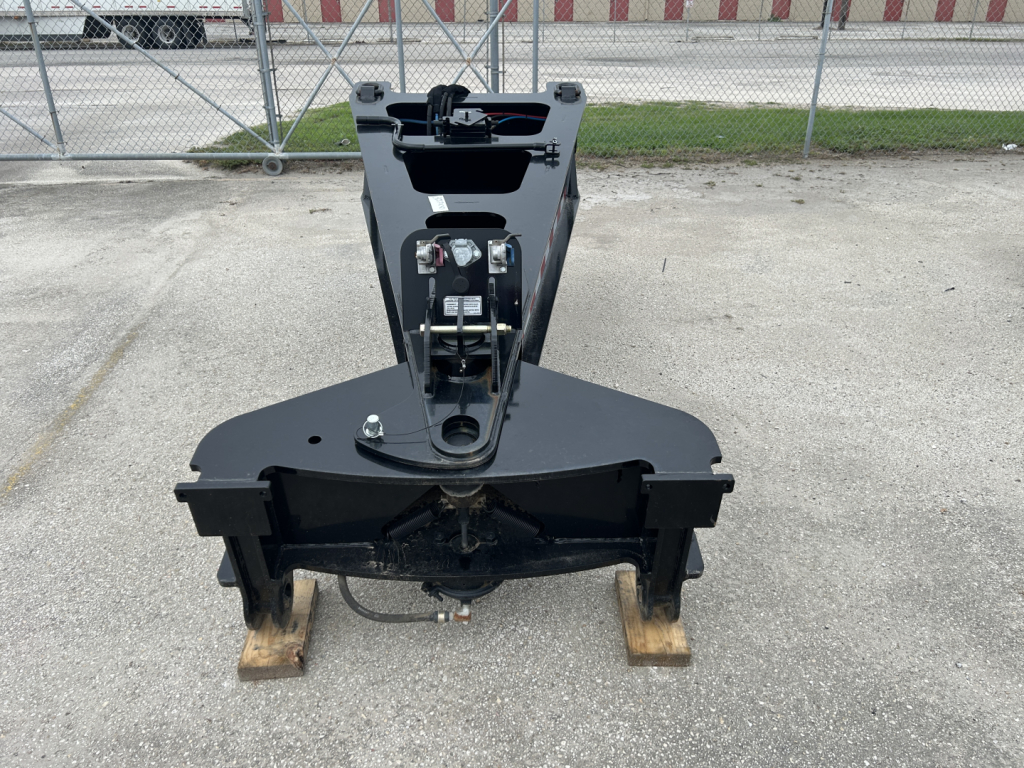
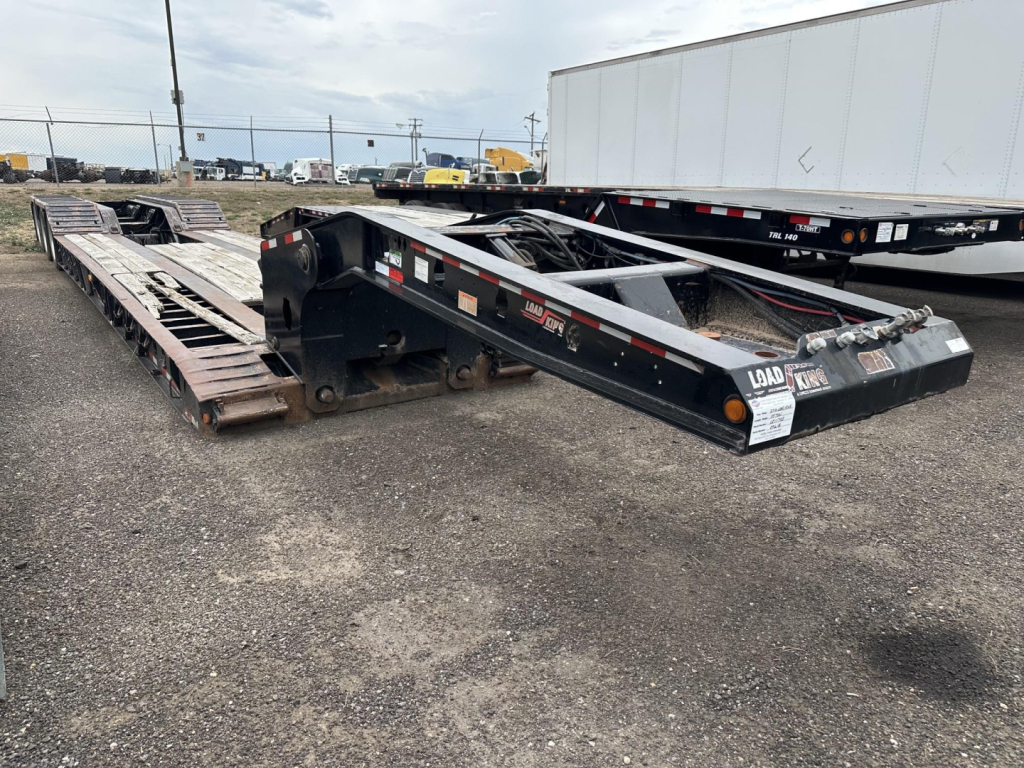
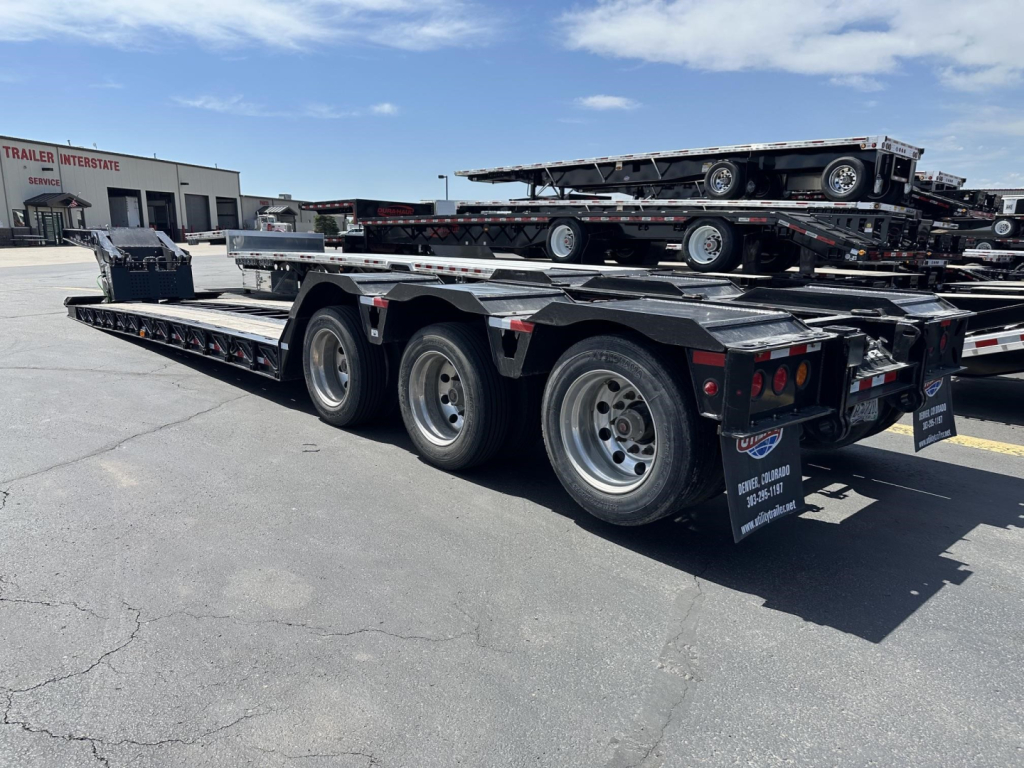
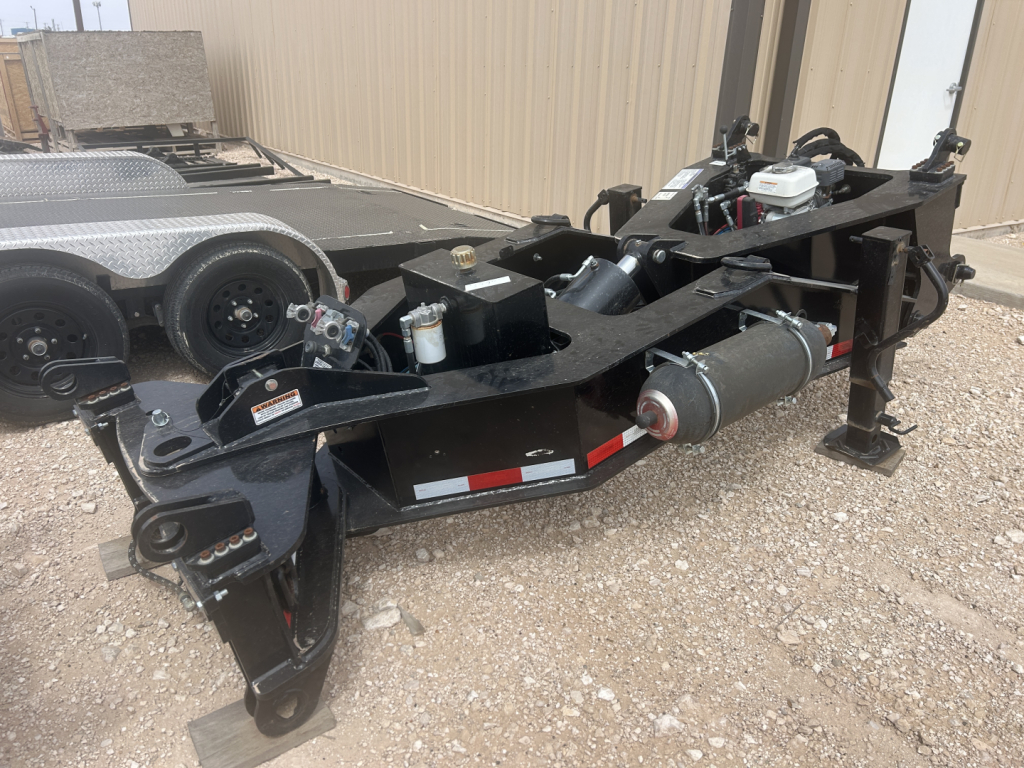
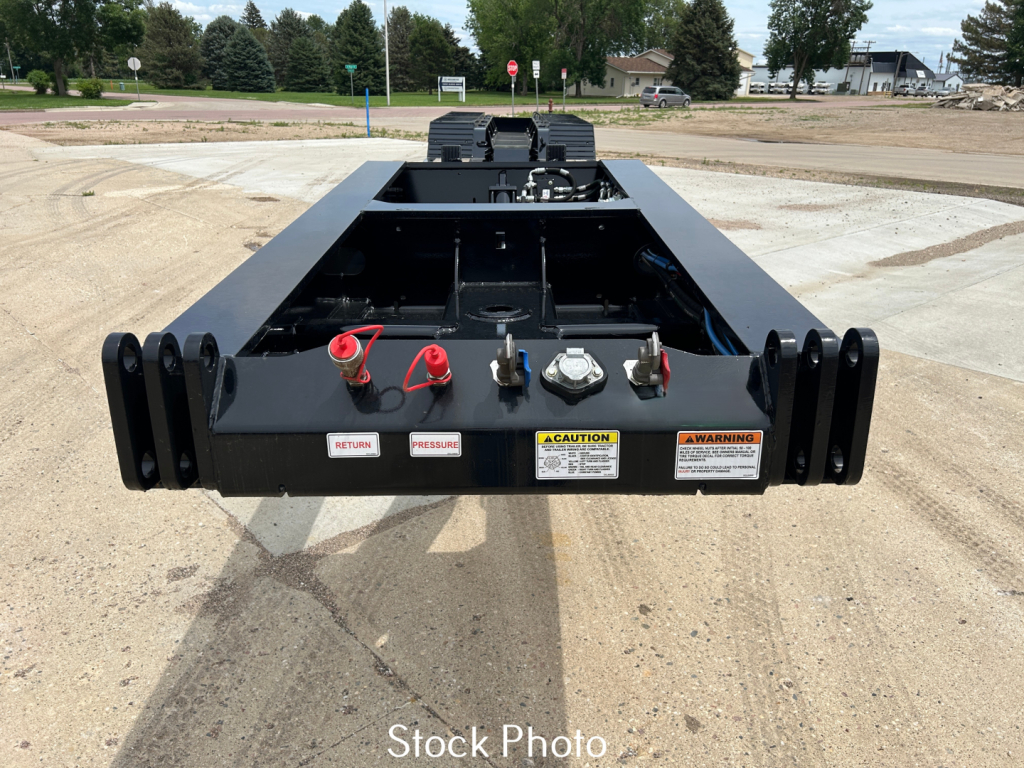
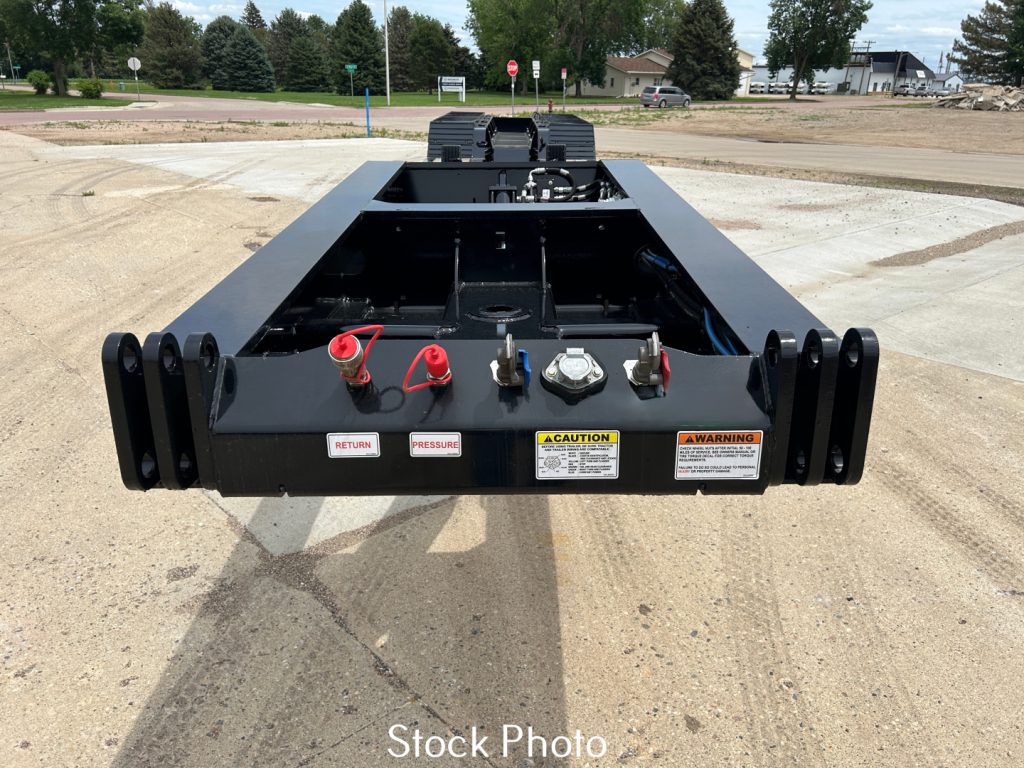
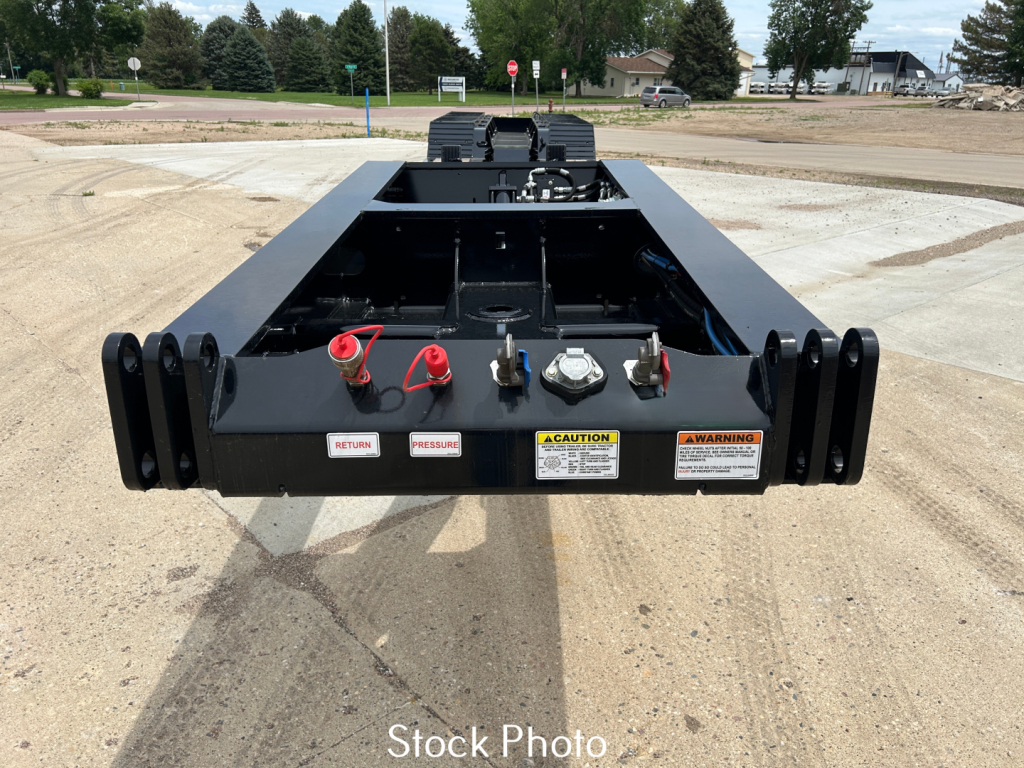
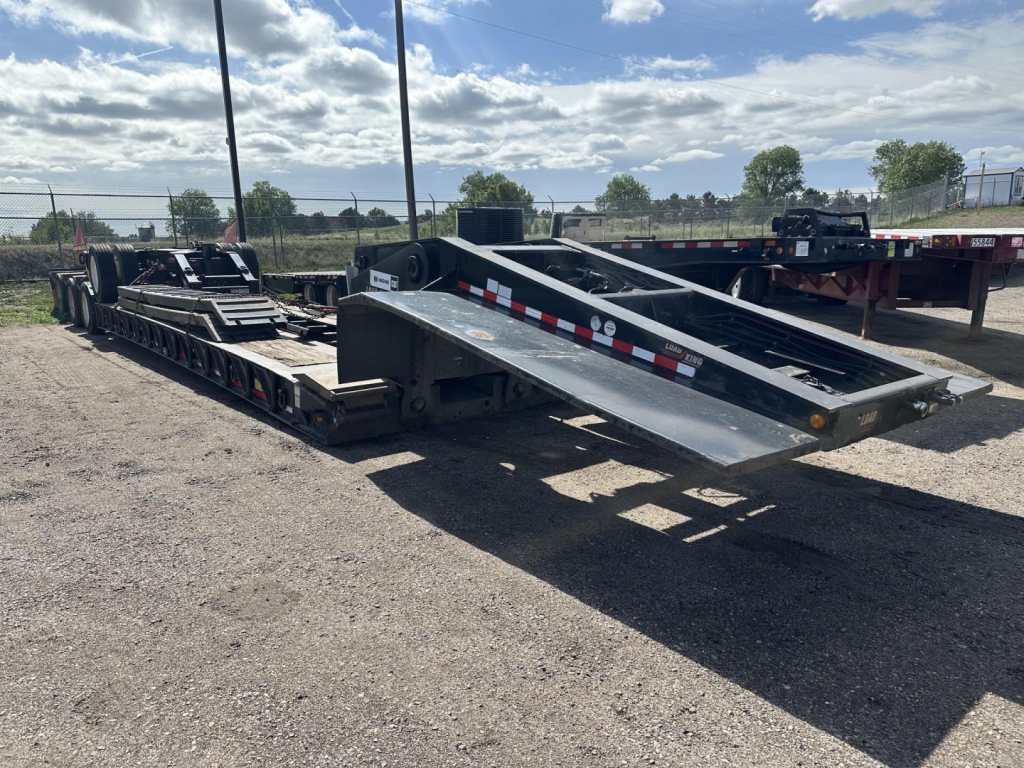
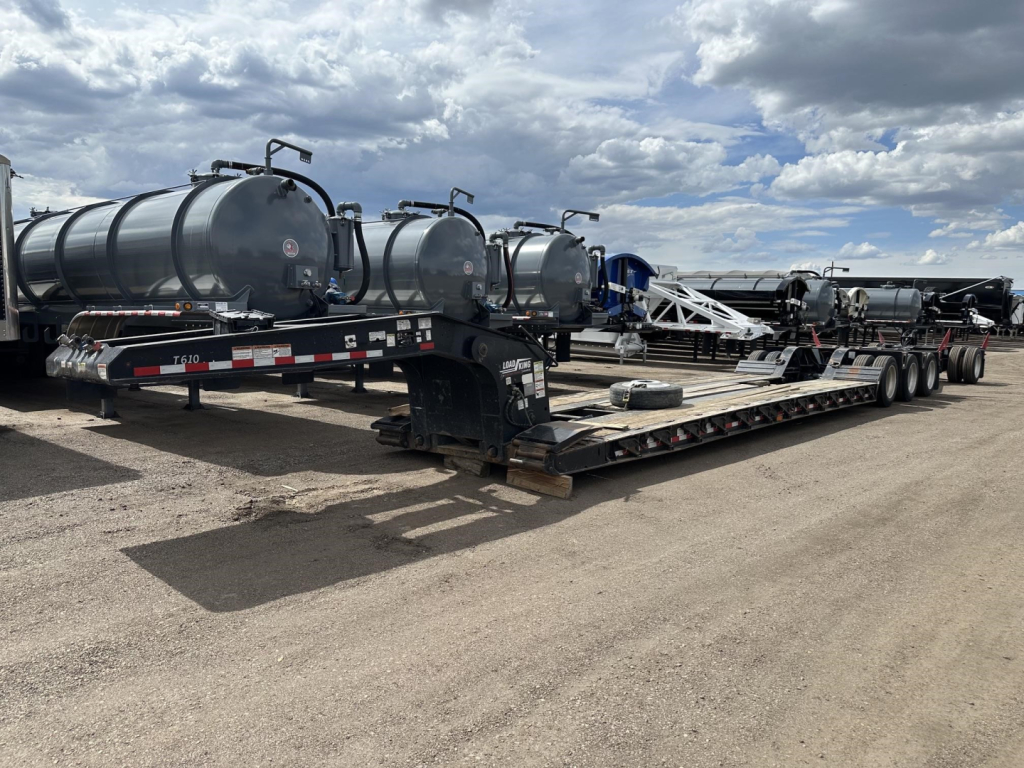
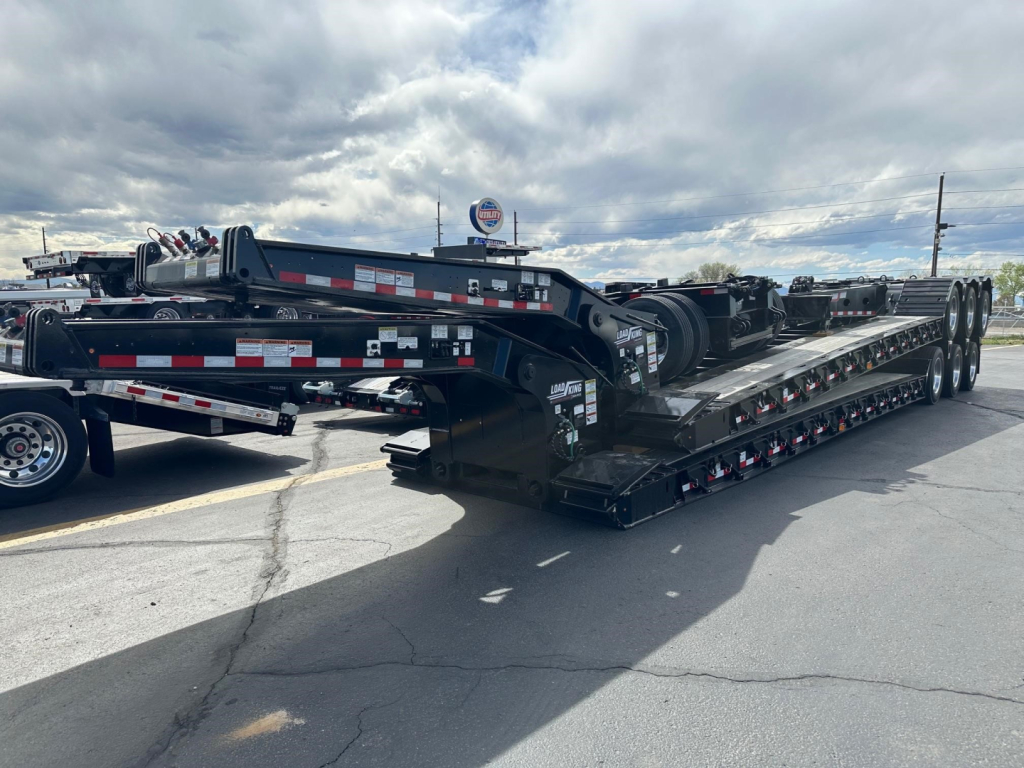
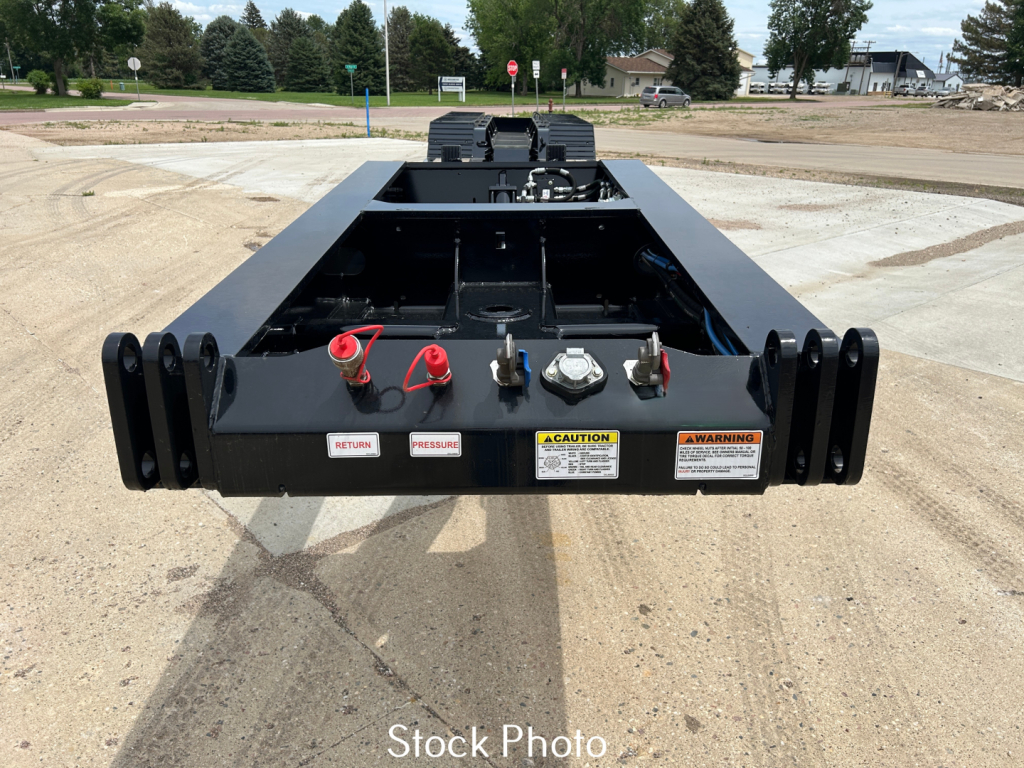
Showing 1 to 28 of 50 results
Selling a load king trailer? List your load king trailer for sale and reach thousands of commercial buyers.
Load King Trailers
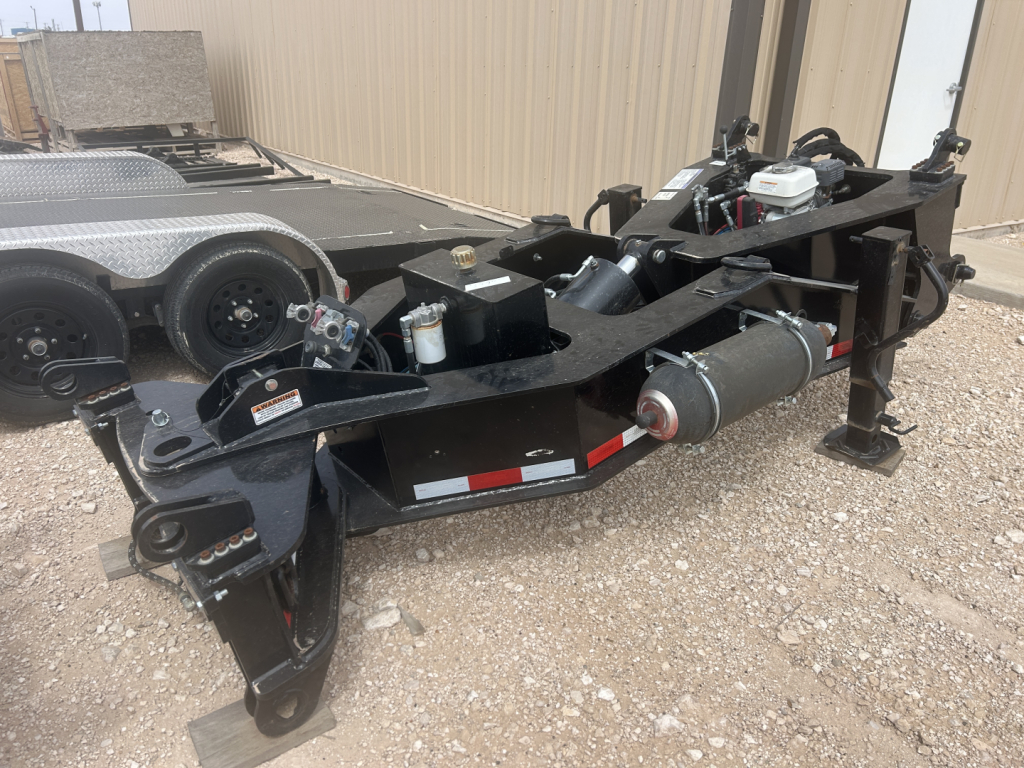
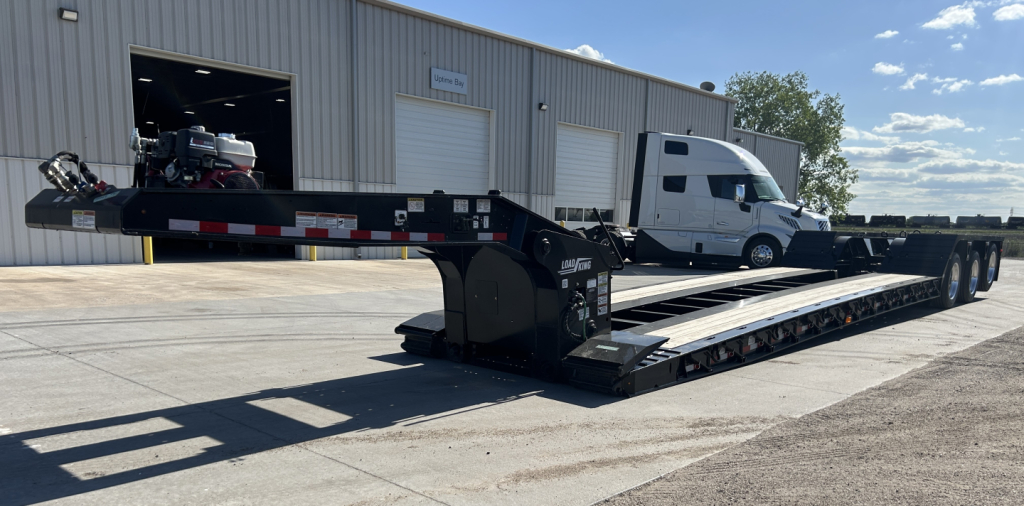
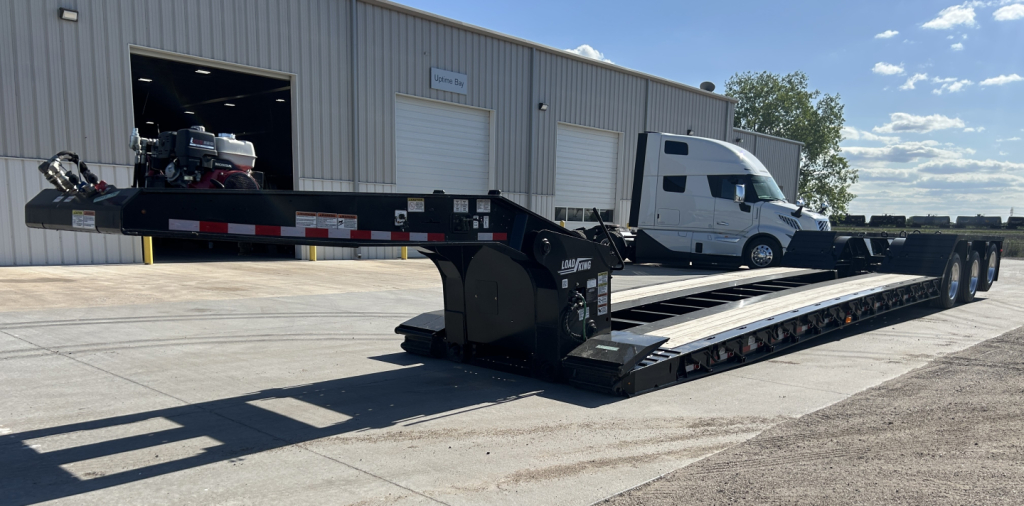
The first decision is usually hydraulic detachable neck versus mechanical detachable neck. A hydraulic detachable neck, often called an RGN-style setup by some buyers even when spec language varies, speeds up loading and unloading and is better suited to frequent equipment moves. Mechanical detach models can still make sense for fleets that want a simpler trailer with fewer hydraulic components to maintain. On Load King heavy haul trailers, common features include front flip ramps, bucket wells, boom troughs, swing-out outriggers, chain slots, bent D-rings, and load-bearing fender covers. Deck construction is usually steel with wood or Apitong decking, and suspension specs often include air ride with lift axle options or adjustable ride height for dock, ramp, and terrain changes.
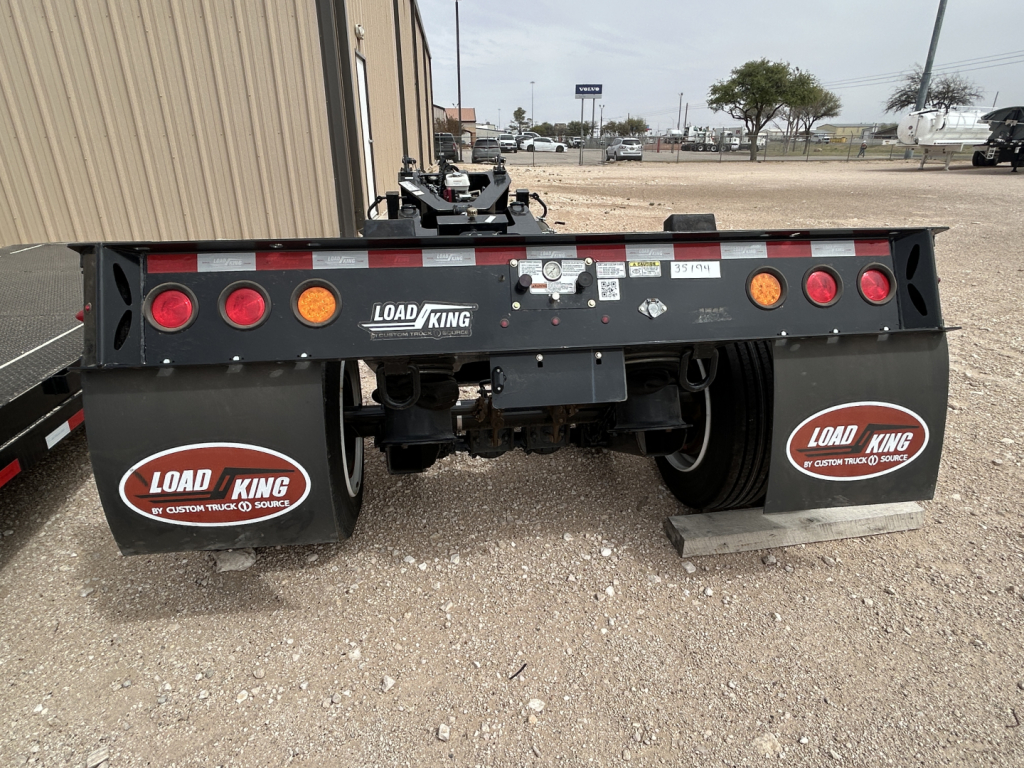
Capacity numbers only tell part of the story. A buyer should also look closely at deck length, well length, bridge dimensions, kingpin settings, axle rating, and compatibility with flip axles or spreader bars. Many Load King lowboys in this class are set up with 24 to 26 foot wells, loaded deck heights around 20 to 21 inches, and 27,500 lb axles on air ride suspension. Tire sizes such as 255/70R22.5 and 275/70R22.5 are common, along with steel inner and aluminum outer wheel combinations. For jobs that cross multiple states, bridge law compliance and the ability to add a fourth axle or flip axle can be more important than raw ton rating. A spreader bar setup can also matter if you are trying to distribute weight correctly for permitting and route planning.
Condition and spec match matter more than model year alone. On a used Load King trailer, inspect the neck connection points, crossmember integrity, deck wear, suspension condition, axle alignment, and signs of concentrated stress around outriggers, boom wells, and rear bridge sections. On newer units, pay attention to spec details such as PTO hookups versus pony motor, toolbox and tool tray layout, lighting, scale systems, and the availability of air and electric for future axle additions. Load King trailers have a strong presence in construction and specialized hauling because the brand is commonly configured for real equipment work, not just nominal capacity on paper. The right trailer is the one whose neck, well, axle package, and legal load strategy fit your freight lanes and permitting requirements.
Frequently Asked Questions about Load King Trailers
What are Load King trailers most commonly used for?
Load King trailers are most commonly used for heavy haul and equipment transport, especially in lowboy configurations. They are a strong fit for moving excavators, dozers, loaders, rollers, pavers, and other machinery with high axle weights or tall overall dimensions. Buyers typically choose them when low deck height, detachable loading, and permit-friendly axle configurations are more important than general freight versatility.
What is the difference between a hydraulic detachable neck and a mechanical detachable neck on a Load King lowboy?
A hydraulic detachable neck allows faster and more controlled loading because the trailer can be detached and reconnected with hydraulic assistance, often using a pony motor or tractor wet kit. This is usually the better choice for fleets that load equipment frequently. A mechanical detachable neck is simpler and can reduce hydraulic system complexity, but it is generally less convenient in day-to-day loading operations. The right choice depends on how often the trailer is detached, the type of equipment being loaded, and how much maintenance complexity your operation wants to manage.
How do I choose between a tri axle and quad axle Load King trailer?
A tri axle Load King trailer can be a practical option for many 50 ton to 60 ton applications, especially when the freight mix and state routes do not require additional axle spread for legal weight distribution. A quad axle setup usually gives you better flexibility for heavier machines, concentrated loads, and more demanding permit conditions. The decision should be based on the actual axle weights of your equipment, the states you operate in, bridge formula requirements, and whether you may need lift axles, flip axles, or a spreader bar later.
Which specs matter most when comparing Load King lowboy trailers?
The most important specs are ton rating, loaded deck height, well length, overall length, axle configuration, suspension type, and neck style. After that, buyers should compare practical details such as outriggers, chain slots, D-rings, bucket well, boom trough, kingpin settings, and compatibility with future axle additions. A trailer that matches your equipment dimensions and legal hauling needs will usually outperform a higher-rated trailer that is poorly configured for your freight.
What should I inspect on a used Load King trailer before buying?
Focus on structural and running gear condition first. Check the detachable neck area for wear or distortion, inspect the main beams and crossmembers for cracking or repairs, and look closely at the well, rear bridge, and outriggers for signs of overloading. Suspension components, axle alignment, brakes, tires, deck condition, hydraulic system operation, and electrical connections should all be evaluated carefully. On heavy haul trailers, evidence of repeated concentrated loading can matter more than cosmetic appearance.