
Load King Trailers For Sale in Colorado
Shop Load King trailers for sale, including lowboy configurations built for heavy equipment hauling with detachable necks, air ride, and axle options.
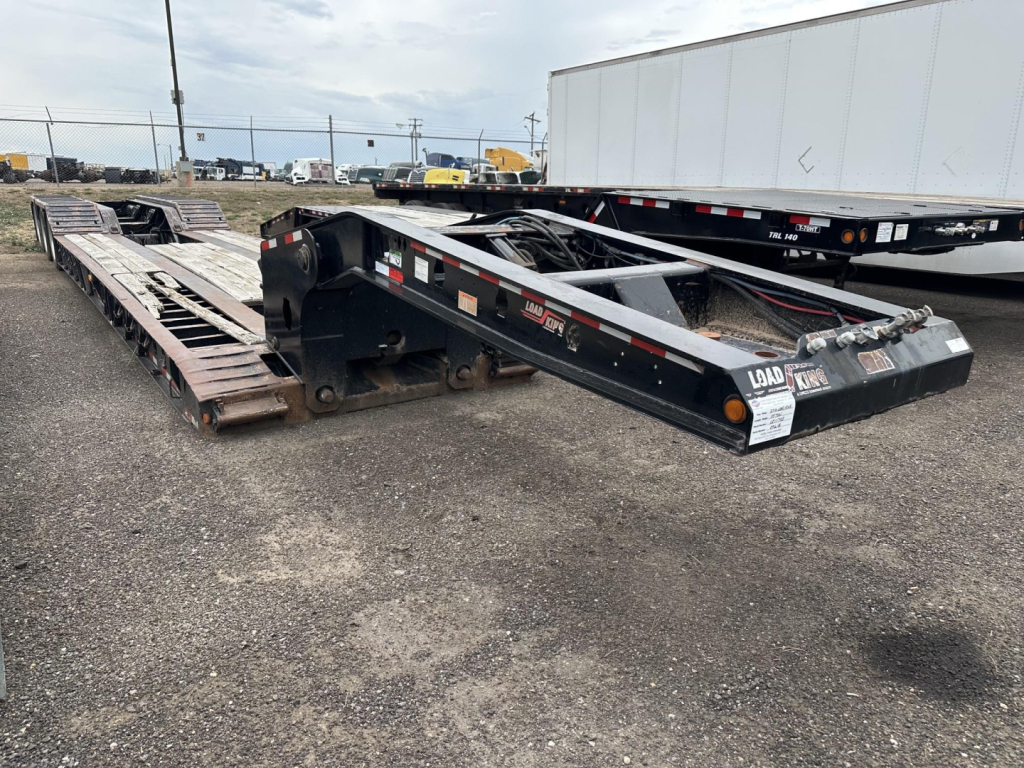
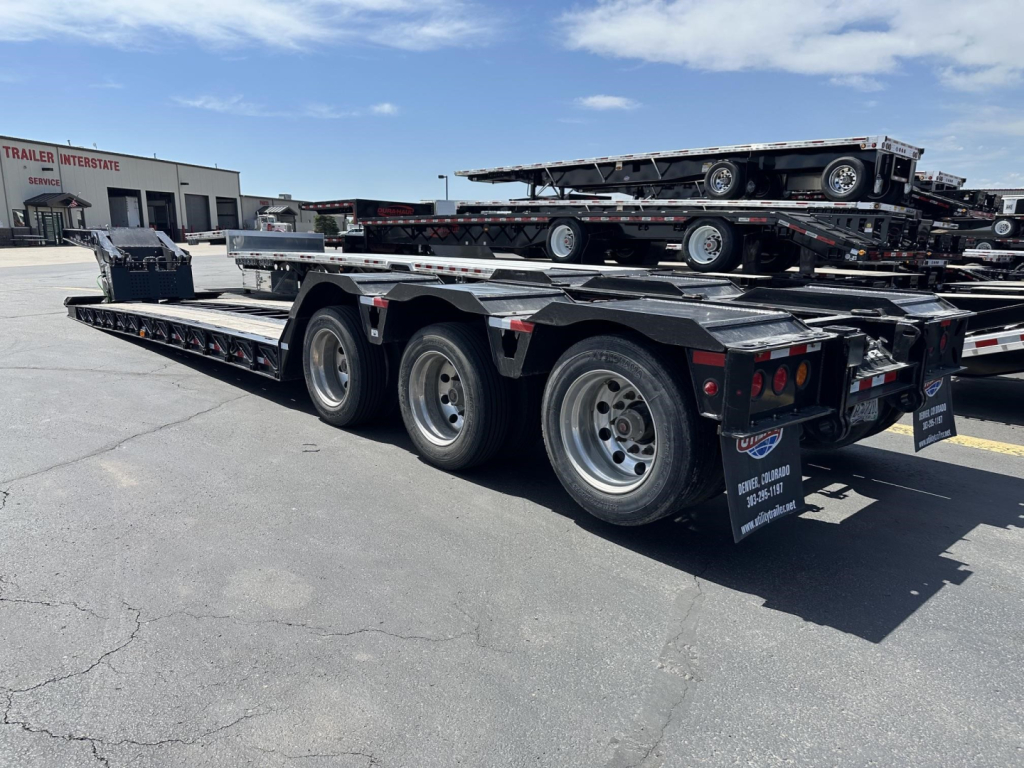
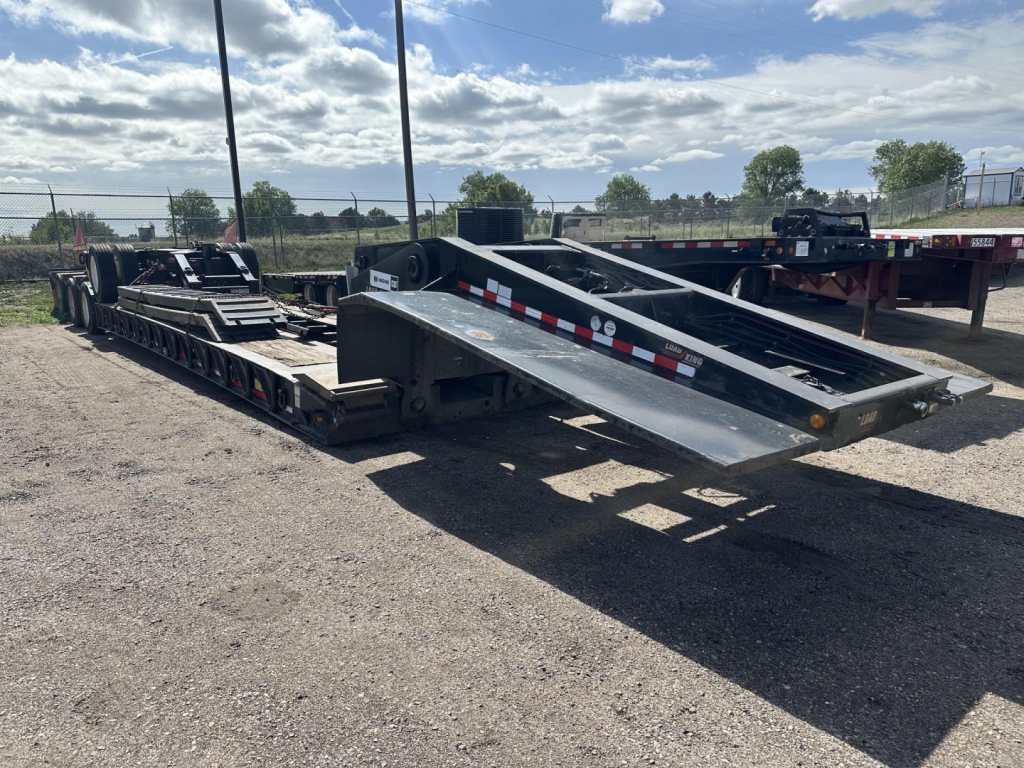
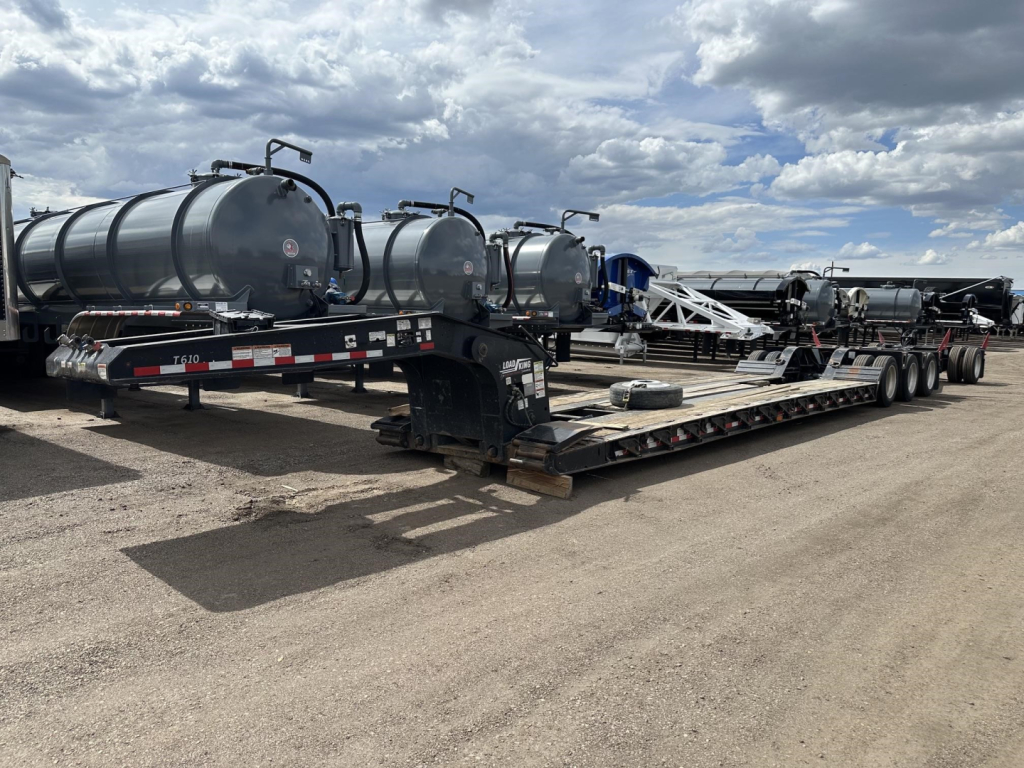
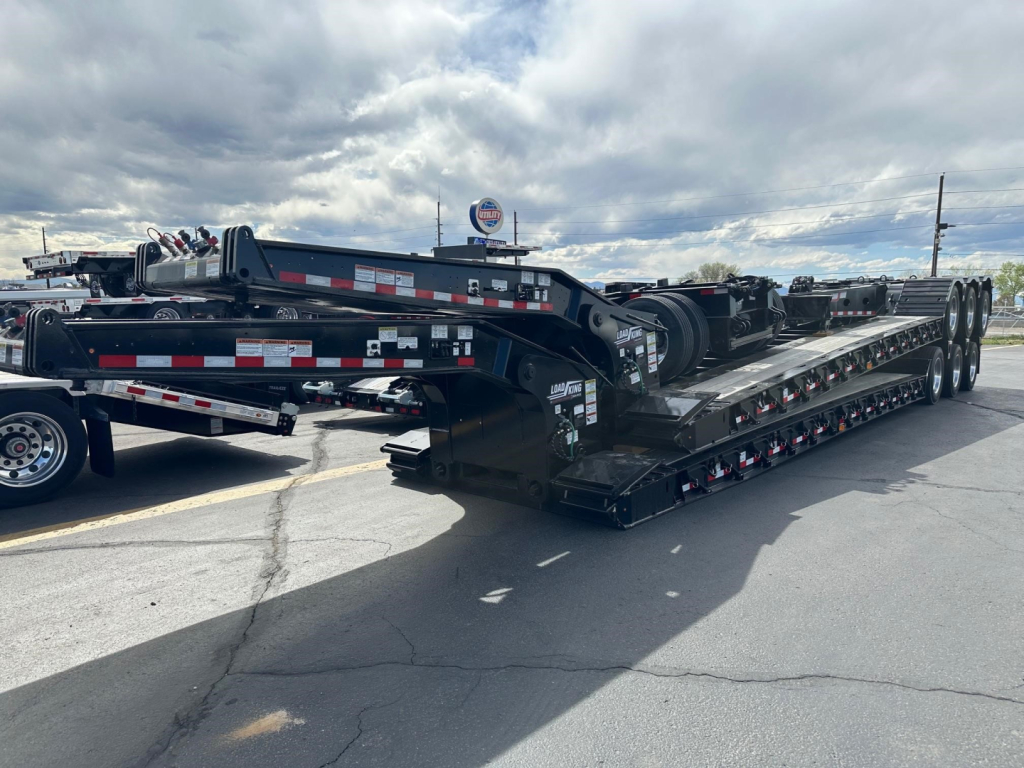
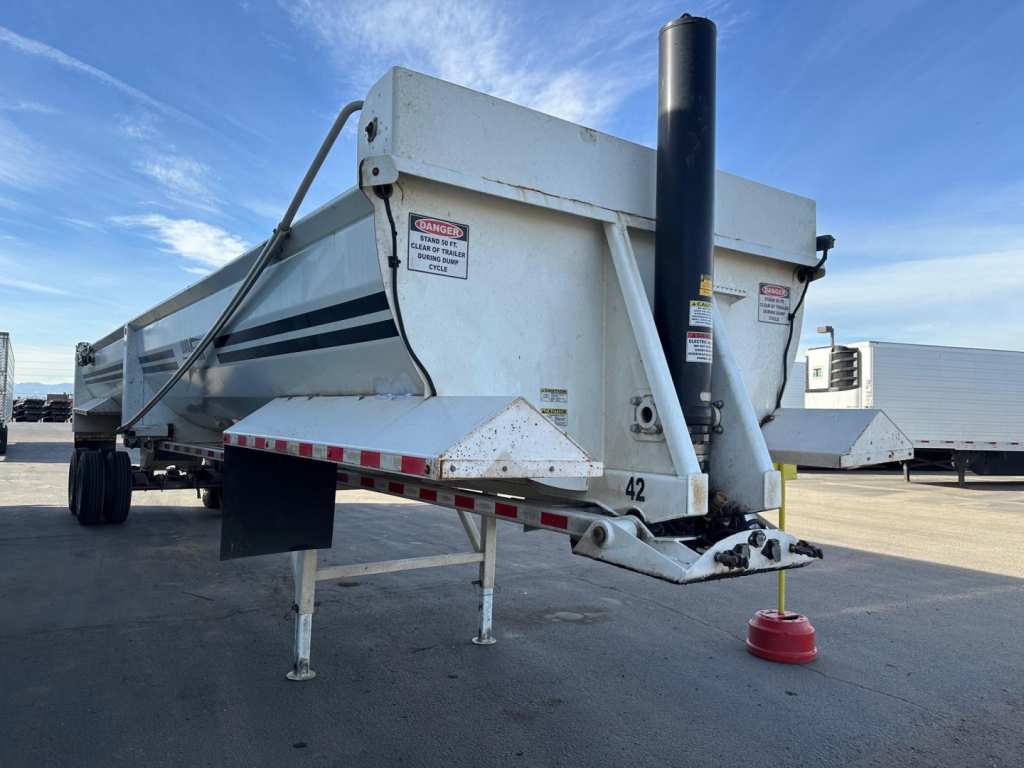
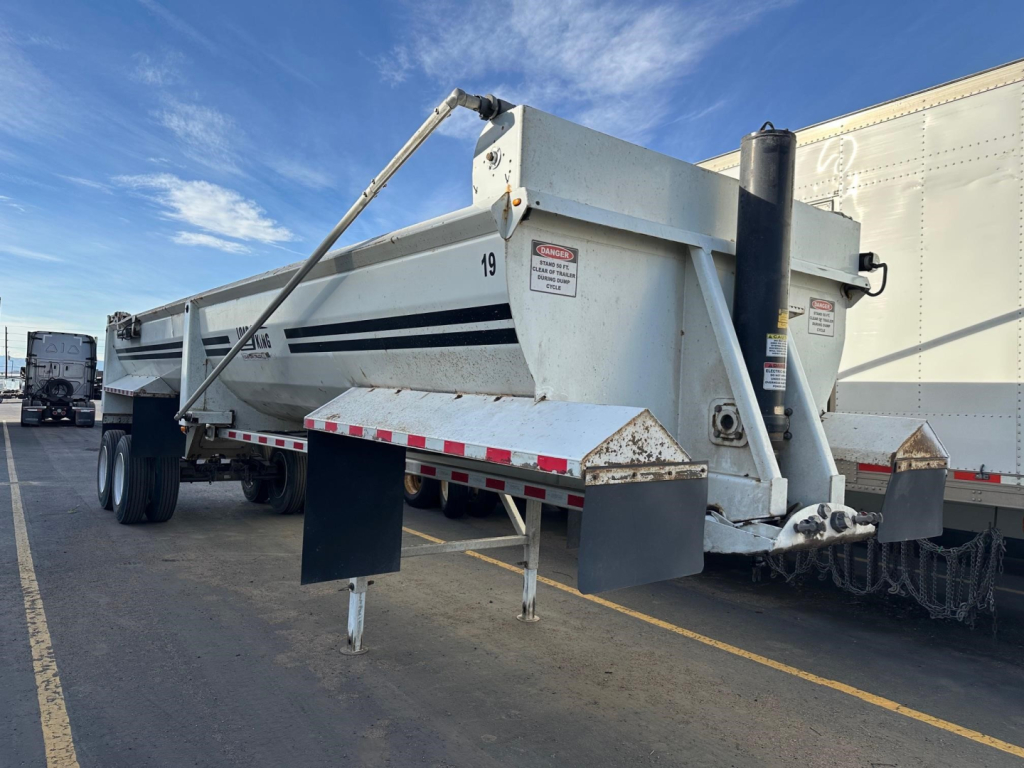
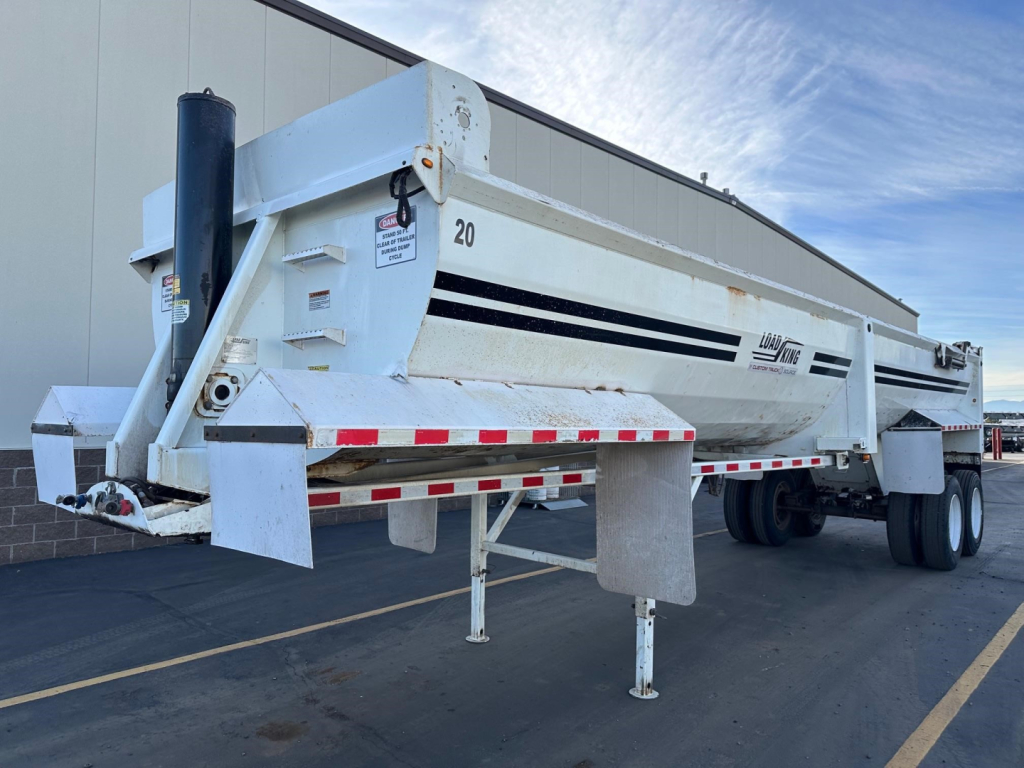
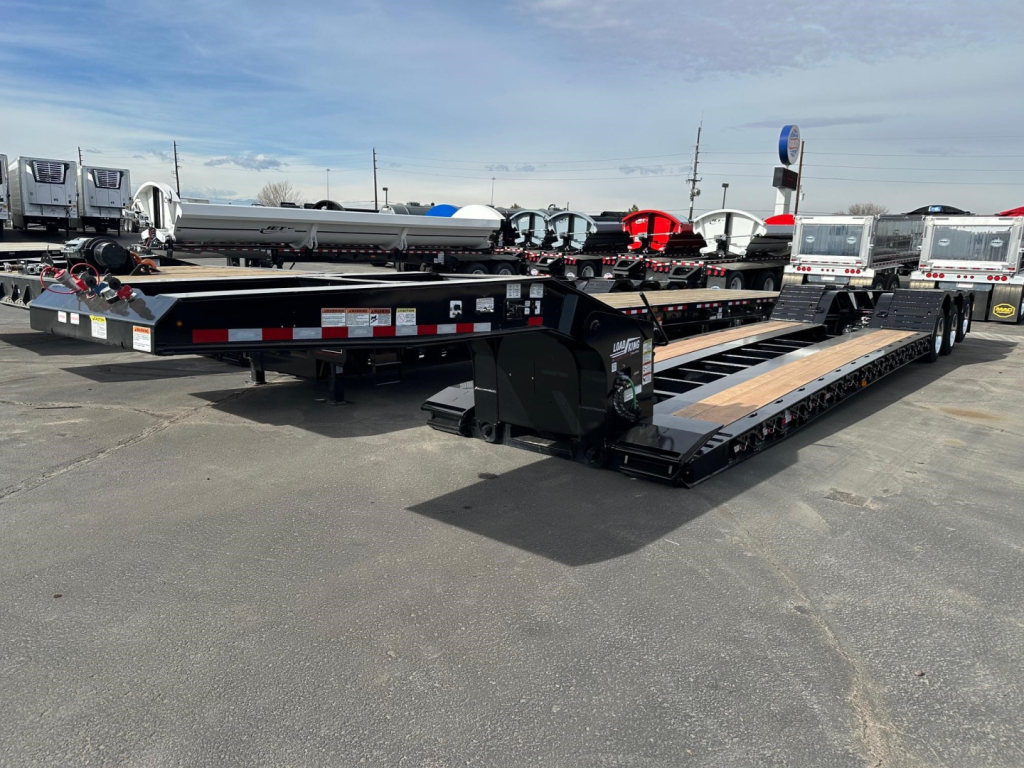
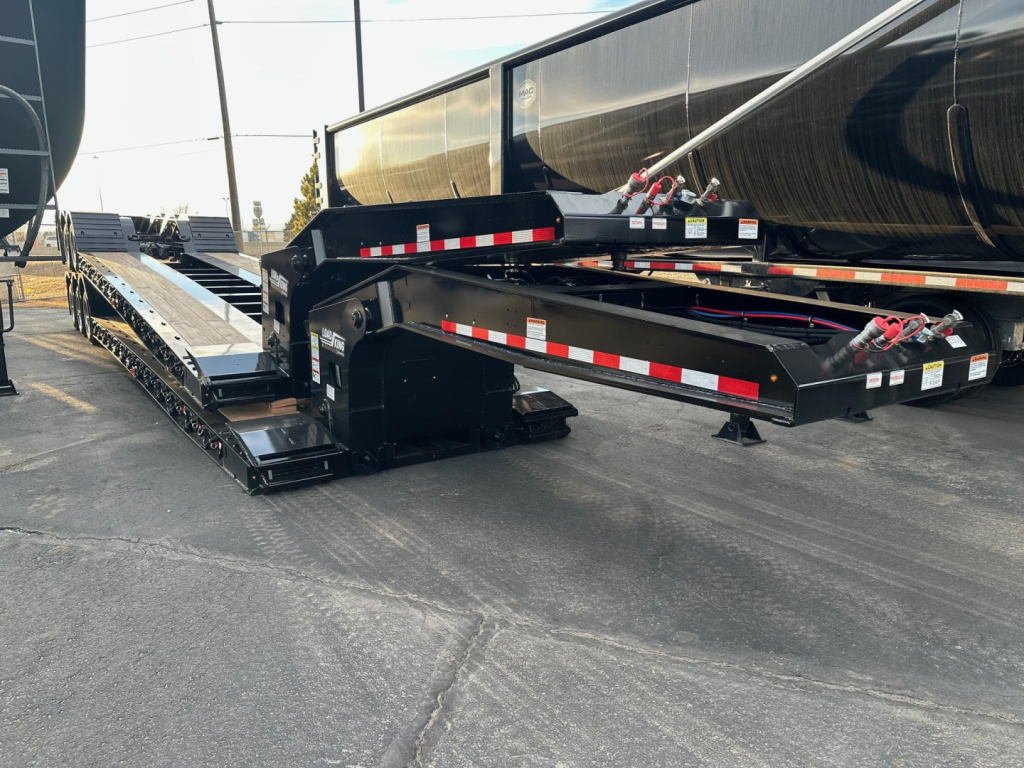
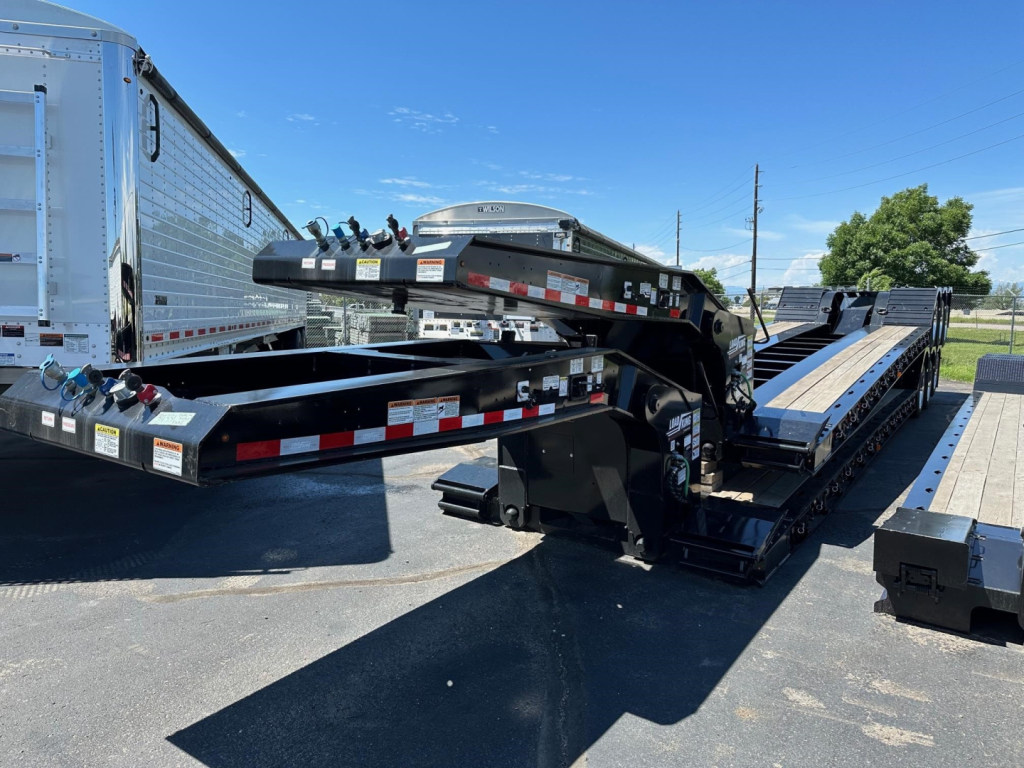
Selling a load king trailer? List your load king trailer for sale and reach thousands of commercial buyers.
Load King Trailers in Colorado
Frequently Asked Questions about Load King Trailers in Colorado
What are Load King trailers most commonly used for?
Load King trailers in this category are most commonly used for heavy equipment hauling. Typical loads include excavators, loaders, dozers, paving equipment, compactors, and other machinery that benefits from a low deck and a detachable neck for ground-level loading. Their lowboy design helps operators stay within legal height limits while still carrying tall equipment that would be difficult to move on a standard flatbed or step deck.
What should I look at first when comparing Load King lowboy trailers?
Start with capacity rating, deck height, well length, axle configuration, and neck style. A 55-ton or 60-ton rating may sound similar on paper, but the real fit depends on the machine weights you haul, where the weight sits on the deck, and whether you need extra bridge length or additional axle options. Buyers also compare hydraulic detachable neck systems, kingpin settings, rear bridge length, outriggers, load-bearing fenders, and tie-down layout because those details affect both loading efficiency and permitting flexibility.
Why do axle count and flip axle options matter on a lowboy?
Axle count affects legal payload distribution, permit strategy, and how well the trailer can be matched to different loads. Tri-axle and quad-axle lowboys are common in this class, and some setups are designed to accept a flip axle or spreader attachment to help distribute weight across more axles when needed. That can be especially important for heavier machines or routes where state bridge formulas and axle spacings drive what is legal and practical.
Are features like outriggers, bucket wells, and boom troughs worth having?
Those features are valuable if the trailer will regularly haul excavators or mixed equipment. Swing-out outriggers increase usable deck width for wider tracks or attachments. A bucket well helps lower part of the load profile so the machine can sit more efficiently on the deck. A boom trough serves a similar purpose by allowing the boom or stick to ride lower, which can improve both height compliance and load positioning.
Is air ride suspension common on Load King lowboys?
Yes. Air ride suspension is common on this type of Load King trailer because it helps protect both trailer structure and cargo while improving ride quality over rough jobsite access roads and highway miles. It also pairs well with adjustable ride height systems, which can help during loading, unloading, and fine-tuning deck position for clearance or weight distribution.