
Load King Dump Trailers For Sale in Colorado
Shop Load King dump trailers including rock end dumps and bottom dumps with specs that fit aggregate, paving, excavation, and heavy haul work.
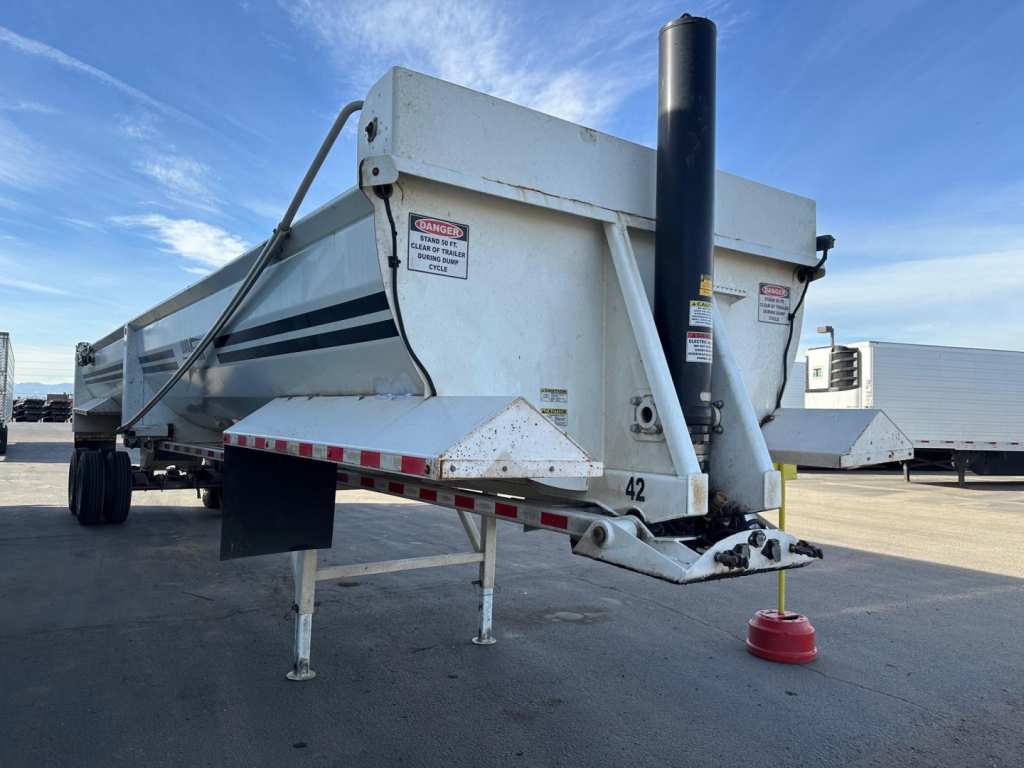
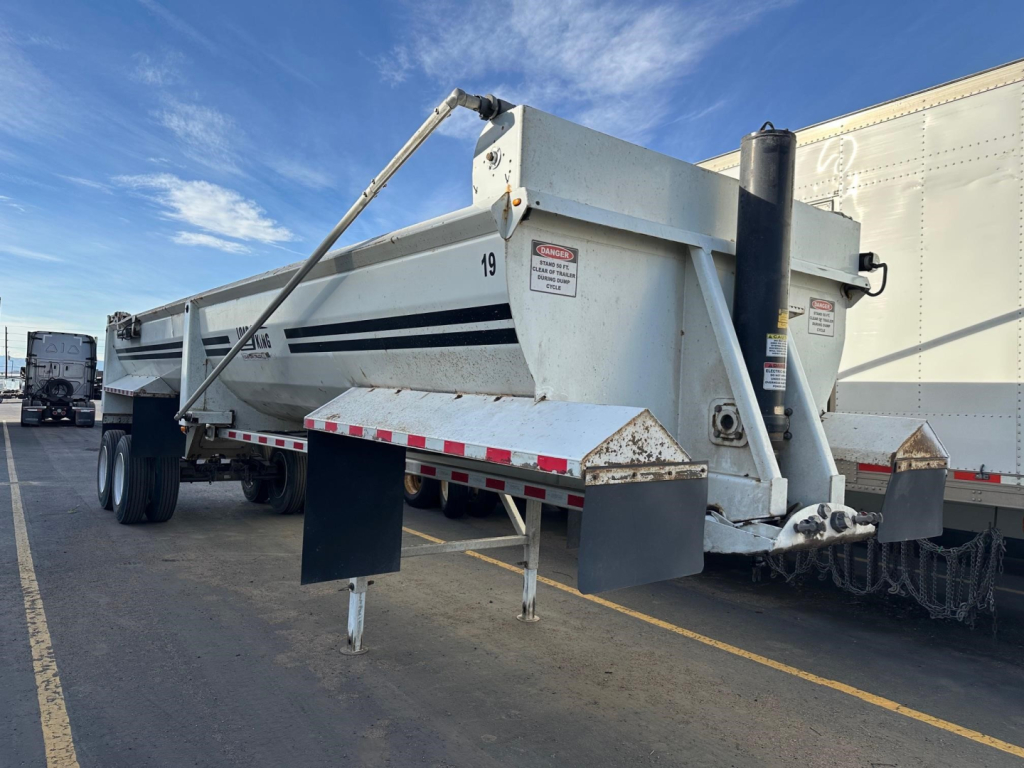
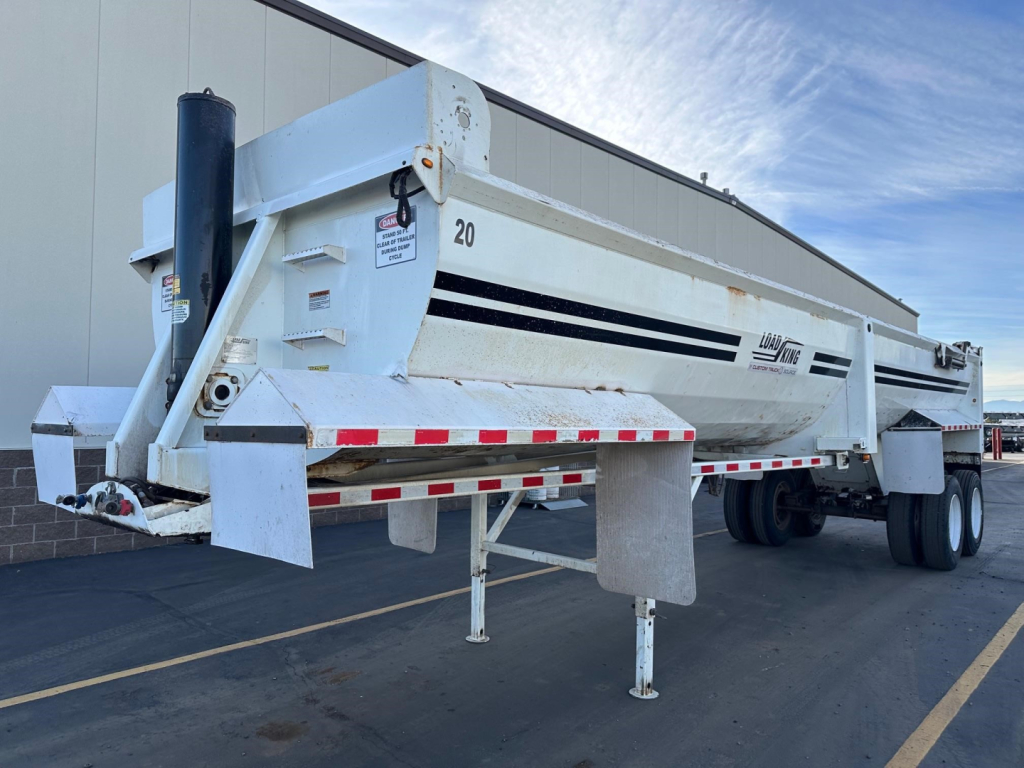
Selling a load king dump trailer? List your load king dump trailer for sale and reach thousands of commercial buyers.
Load King Dump Trailers in Colorado
A lot of the buying decision comes down to body style and steel specification. Load King rock end dumps are often seen with half-round tubs, high-lift gates, electric flip tarps, single-point suspension dumps, and front ladders. Half-round bodies are popular because they shed wet or sticky material better than square bodies and hold up well in rock service. Bottom dump models like the Originator are typically equipped with controls that allow more precise gate operation, plus options such as bang boards, windrow deflectors, slide tarps, and heavy-duty push blocks. Common lengths in this class include roughly 34-foot to 40-foot trailers, with 11R22.5 or 11R24.5 rubber and a mix of steel or aluminum wheel setups depending on weight targets and jobsite durability needs.
Suspension, axle spacing, and tire package matter more than many buyers expect, especially for regional compliance and off-pavement stability. Closed tandem layouts, air ride suspensions, and proper gate sealing all affect ride quality, material control, and maintenance cost. For Colorado fleets, it also makes sense to think about elevation changes, winter road contamination, and rough pit access roads. A dump trailer that spends time in quarries or on uneven haul roads needs careful inspection of crossmembers, hinge areas, hoist mounts, liner wear, tarp systems, and tub sidewall condition. On bottom dumps, pay close attention to hopper doors, linkage wear, air or electric control response, and the condition of the discharge area.
The best Load King dump trailer is the one matched to the material and the unload method. Rock end dumps are typically the stronger fit for bulk rock, broken concrete, and high-volume excavation spoils where a quick rear dump is practical. Bottom dumps are the better tool when the job requires spread control and lower center-of-gravity unloading. Buyers comparing listings should focus on body type, gate style, tarp system, wheel and tire spec, suspension, and overall structural condition before anything else. Those details will tell you more about remaining service life and job compatibility than model year alone.
Frequently Asked Questions about Load King Dump Trailers in Colorado
What is the difference between a Load King end dump and a Load King bottom dump?
A Load King end dump unloads by raising the front of the trailer body and discharging material out the rear gate. This design is commonly used for rock, demolition debris, and bulk excavation spoil. A Load King bottom dump releases material through hopper gates underneath the trailer, which makes it a better fit for spreading aggregate, road base, and similar material in a controlled windrow. The right choice depends on how the material needs to be placed at the jobsite.
Are frameless Load King dump trailers better for rock and aggregate work?
Frameless Load King dump trailers are a strong choice for aggregate and rock service because they can offer a favorable balance of payload capacity and structural durability. Many buyers prefer frameless half-round steel tubs for abrasive material because the curved body promotes clean discharge and resists material hang-up. The tradeoff is that the trailer and tractor setup need to be well matched, and overall condition of the tub, hinge, and hoist areas becomes especially important on used equipment.
What should I inspect first on a used Load King dump trailer?
Start with the structure and the dump system. On an end dump, inspect the tub floor, sidewalls, crossmembers, rear frame, gate hinges, and hoist mounting areas for cracking, distortion, or patchwork repairs. Check tarp operation, suspension condition, wheel ends, and tire wear. On a bottom dump, focus on hopper doors, linkage, seals, controls, and wear around the discharge openings. Uneven tire wear, sloppy gate operation, and visible stress around hinge points usually indicate harder service or deferred maintenance.
What trailer features matter most for Colorado dump trailer buyers?
Colorado buyers usually need to account for steep grades, variable weather, quarry access roads, and a mix of highway and off-road operation. Tire size, suspension type, axle configuration, and body construction all affect stability and durability in those conditions. Electric flip tarps or slide tarps are valuable for load security, while high-lift gates, single-point dump controls, and durable fenders can improve day-to-day usability in aggregate and excavation work.
What materials are Load King bottom dump trailers commonly used to haul?
Load King bottom dump trailers are commonly used for sand, gravel, road base, shoulder material, and other bulk products that need to be placed evenly while the trailer is moving. They are especially useful in paving support and road construction because the hopper design allows controlled discharge without raising the body. That lower unloading profile can improve safety and speed on the right type of job.