
Load King Dump Trailers For Sale
Shop Load King dump trailers including frameless rock end dumps and bottom dumps built for aggregate, asphalt, demolition, and dirt work.
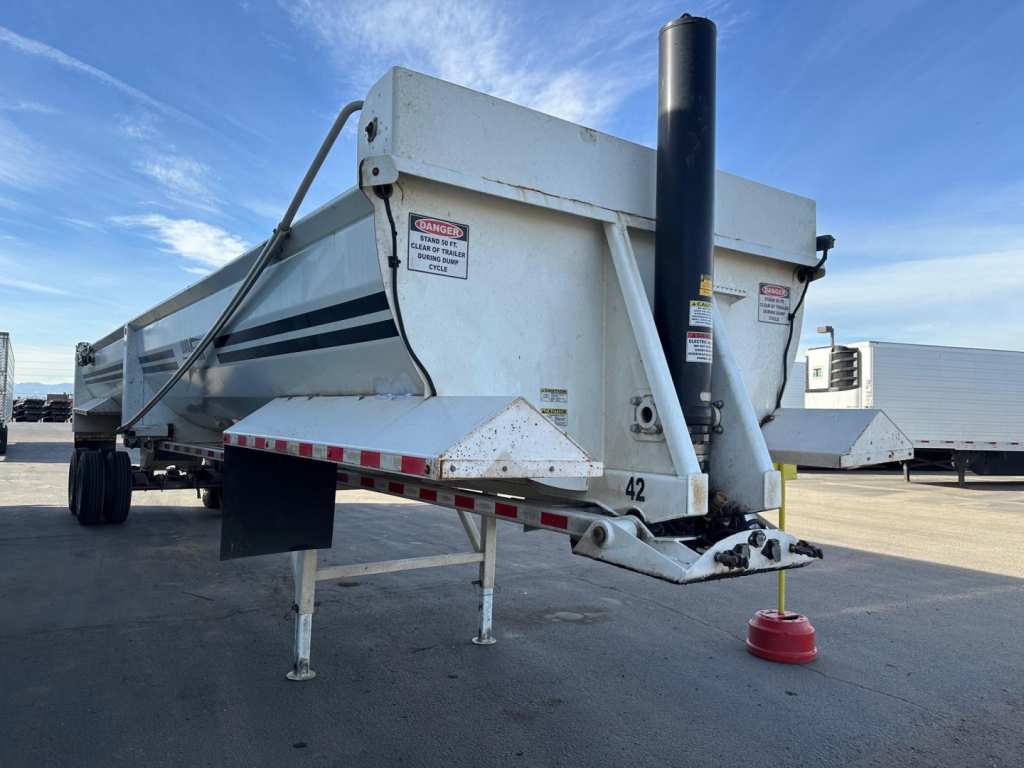
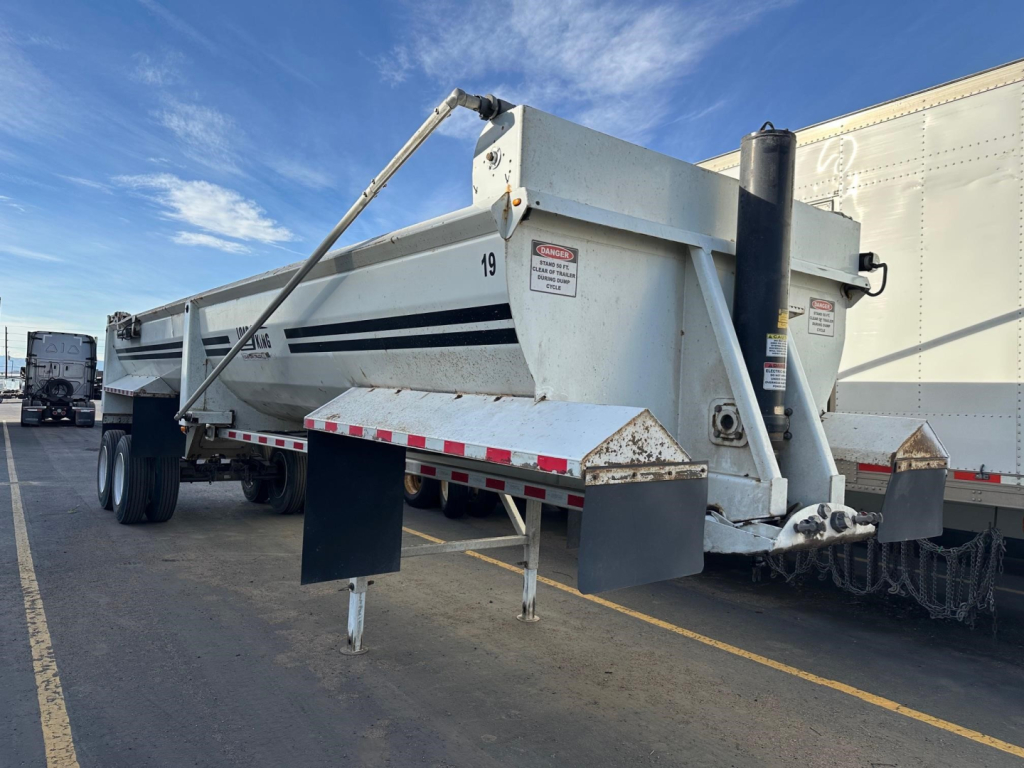
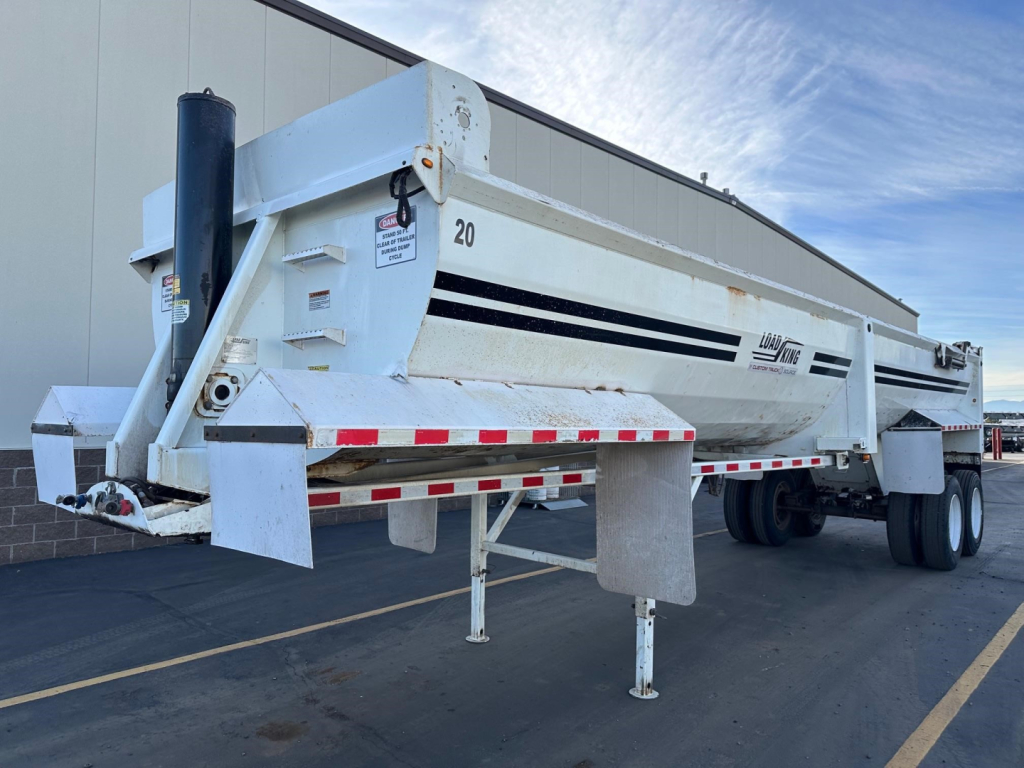
Selling a load king dump trailer? List your load king dump trailer for sale and reach thousands of commercial buyers.
Load King Dump Trailers
One of the first decisions is end dump versus bottom dump. A Load King frameless end dump is typically the better fit for rock, broken concrete, demo debris, and other material that benefits from a strong half-round tub and high-lift gate. Common specs include 34-foot to 38-foot bodies, tandem fixed axles, single-point suspension, top-hinge or air-operated gates, ladders, fenders, and flip tarps. Half-round steel tubs shed material cleanly and hold up well in abrasive service. Frameless construction also cuts weight compared with a full-frame design, but buyers should still pay attention to hoist condition, upper coupler wear, hinge area integrity, and signs of tub distortion from uneven loading or hard impacts.
Load King bottom dumps, including single-hopper configurations, serve a different job profile. They are commonly used for spreading aggregate, road base, sand, and paving material with better discharge control than an end dump. Key buying points include gate operation, control system response, hopper wear, kingpin area condition, and suspension type. Air ride and closed tandem setups are common on road-focused bottom dumps, and features like electric slide tarps, windrow deflectors, bang boards, and heavy-duty push blocks matter if the trailer works with paving crews or in train configurations. If material placement accuracy is important, a bottom dump can be the more productive trailer over a full shift.
Across the Load King dump trailer lineup, buyers should compare tub length, side height, cubic capacity, tire size, wheel spec, gate style, and suspension against the material being hauled and the roads it runs. Steel wheels and 11R24.5 tires are common on heavy aggregate specs, while mixed aluminum and steel wheel setups may help trim weight. For used units, look closely at cylinder mounts, crossmember condition, floor thickness, liner wear if equipped, tarp arm function, bushing play, and evidence of cracking around stress points. A good Load King dump trailer should match the density of the commodity, the stability demands of the route, and the unloading method your operation depends on.
Frequently Asked Questions about Load King Dump Trailers
What is the difference between a Load King end dump and a Load King bottom dump?
A Load King end dump raises the tub to discharge material out the rear, which makes it a strong choice for rock, demolition debris, dirt, and other bulk material that does not need to be precisely spread. A Load King bottom dump releases material through gates in the floor or hopper, which gives better control for laying windrows of aggregate, sand, or road base. End dumps are common in quarry and excavation work, while bottom dumps are often preferred in road building and paving support.
Are Load King dump trailers usually steel or aluminum?
Many Load King dump trailers in severe-duty service are steel, especially frameless rock end dumps and bottom dumps used in aggregate and demolition. Steel offers strong impact resistance and long-term durability in abrasive applications, but it adds weight compared with aluminum. Buyers should match construction material to payload goals, commodity type, and the kind of abuse the trailer sees on the job.
What should I inspect first on a used Load King dump trailer?
Start with the structural areas that carry the most stress. On a Load King end dump, that includes the upper coupler, hoist or cylinder mounts, hinge assembly, tub floor, and rear frame area around the gate. On a bottom dump, inspect the hopper, gate linkages, controls, kingpin area, and suspension mounts. Also check for cracked welds, floor wear, uneven tire wear, tarp operation, and any signs the trailer has been overloaded or dumped on uneven ground.
What trailer length is common for Load King rock end dumps?
Load King rock end dumps are commonly found in the mid-30-foot range, with 34-foot and 38-foot bodies being typical examples. Exact length should be chosen based on legal weight, material density, and the maneuverability required at pits, plants, and jobsites. Heavier commodities often favor shorter tubs to stay legal on axle weights, while lighter bulk material may allow more body length and cubic capacity.
Which suspension is better on a Load King dump trailer: single-point or air ride?
Single-point suspension is common on heavy-duty end dumps because it is simple, rugged, and well suited to rough jobsite conditions. Air ride is more common on bottom dumps and highway-oriented applications where ride quality, material control, and reduced vibration matter more. The better choice depends on where the trailer runs, what it hauls, and how often it transitions between paved roads and uneven ground.