
Load King Other Trailers For Sale
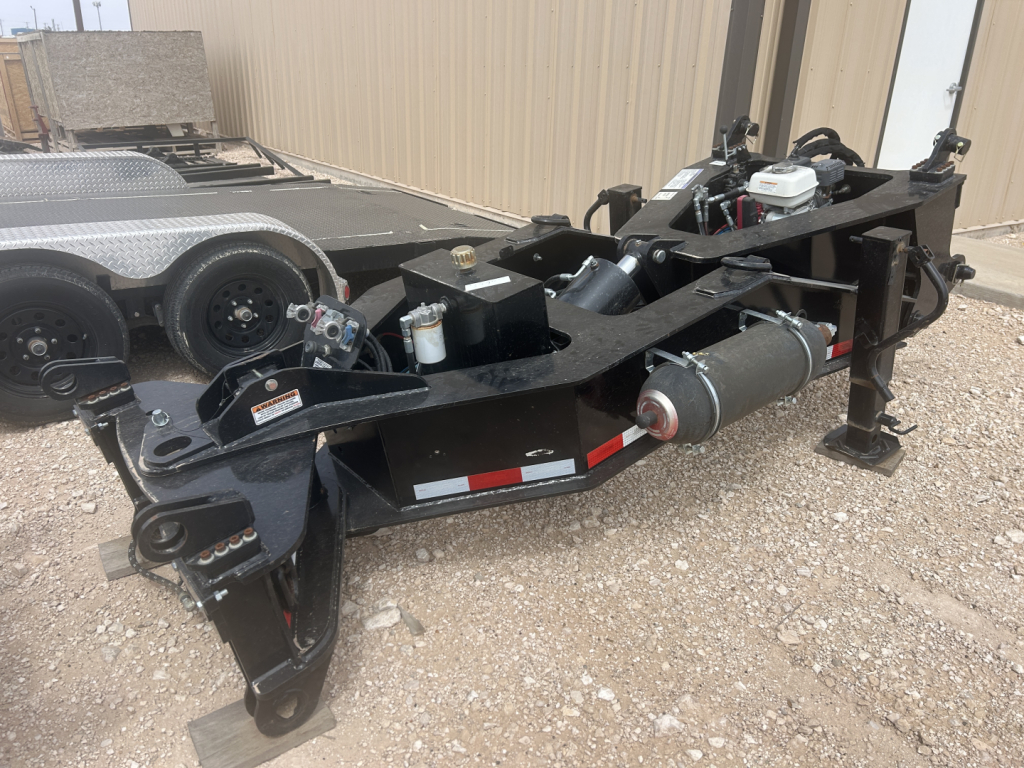
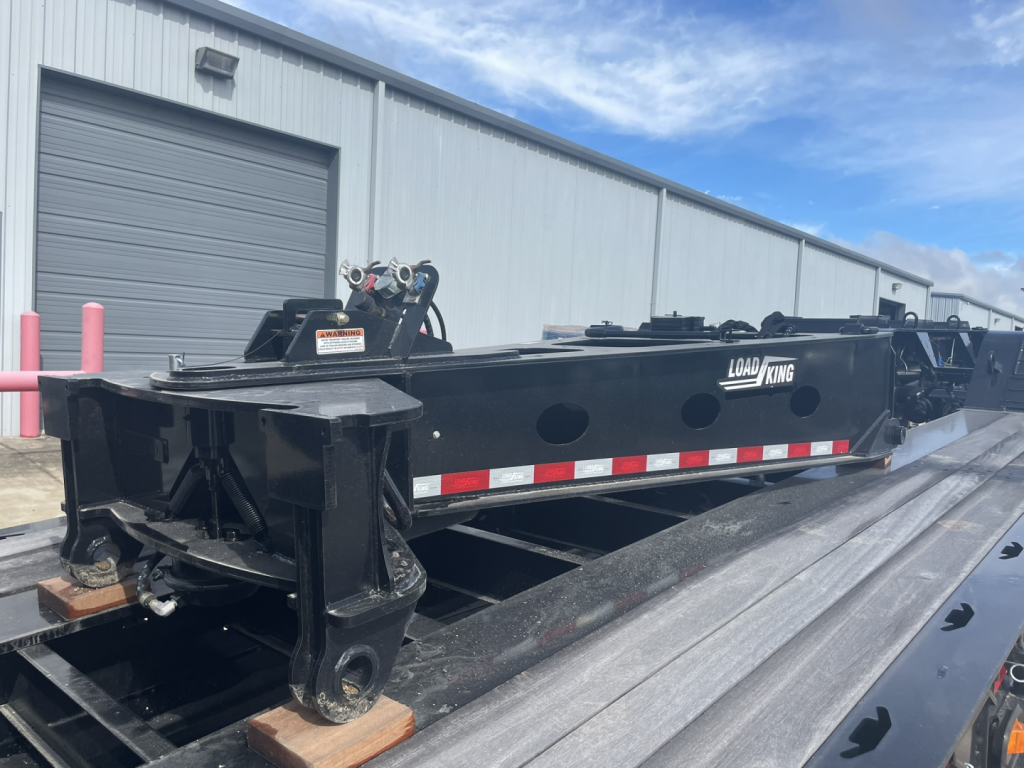
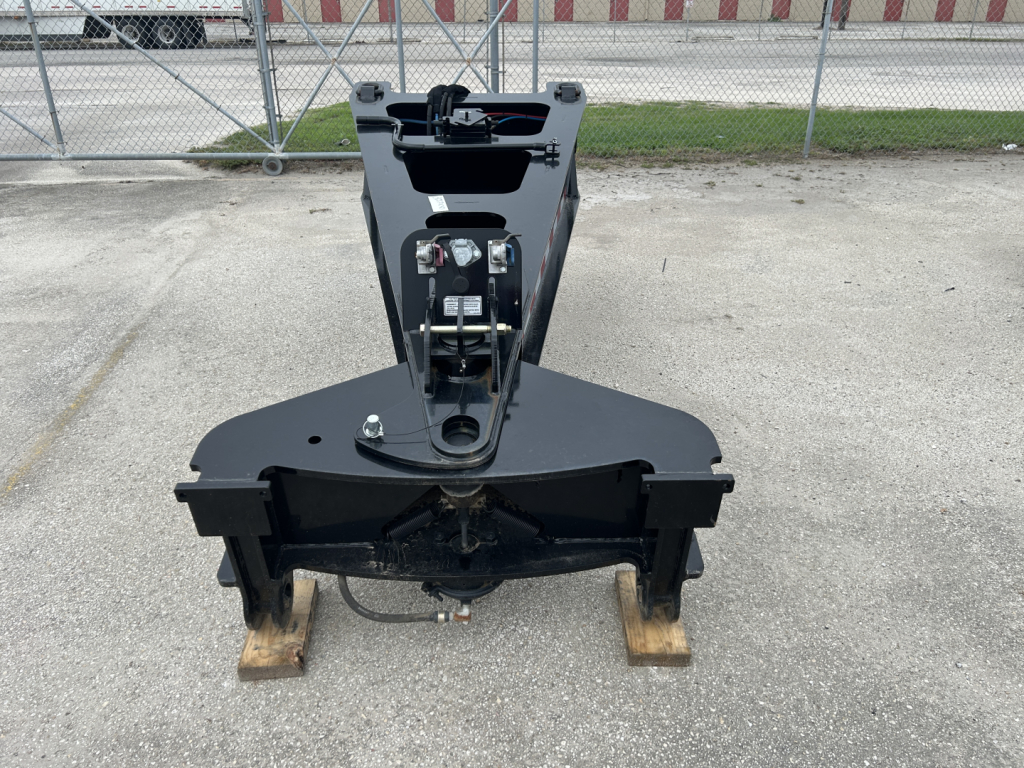
Shop Load King other trailers, including spreader bars and stinger accessories for 55- to 60-ton lowboy setups and flip axle applications.
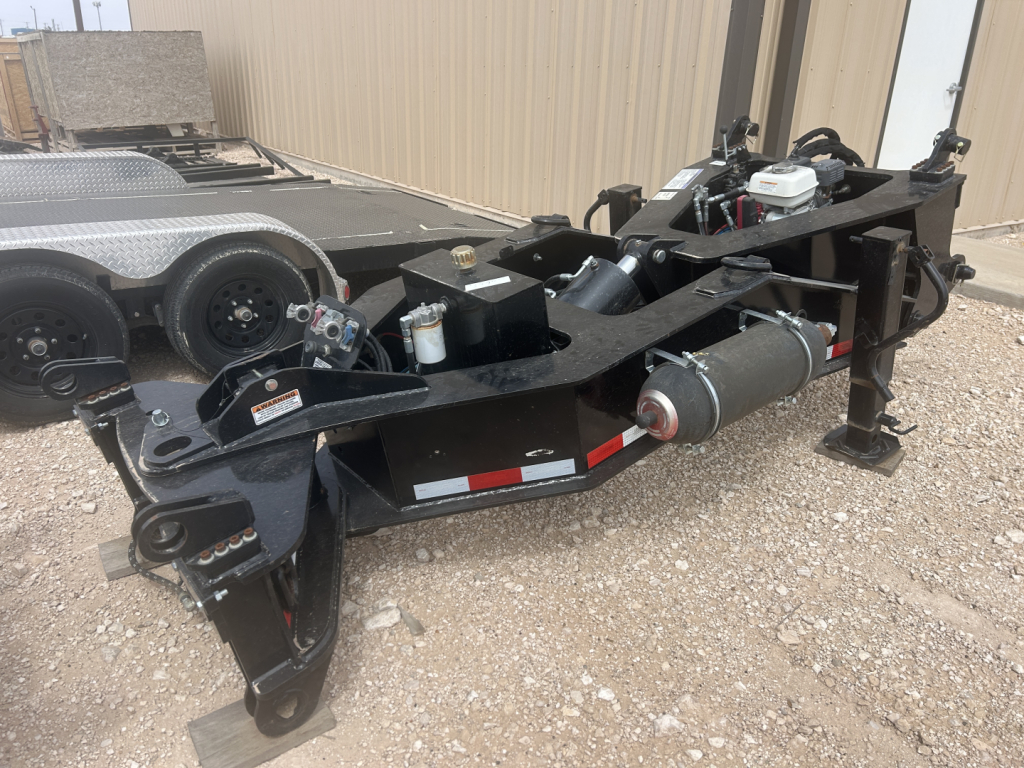
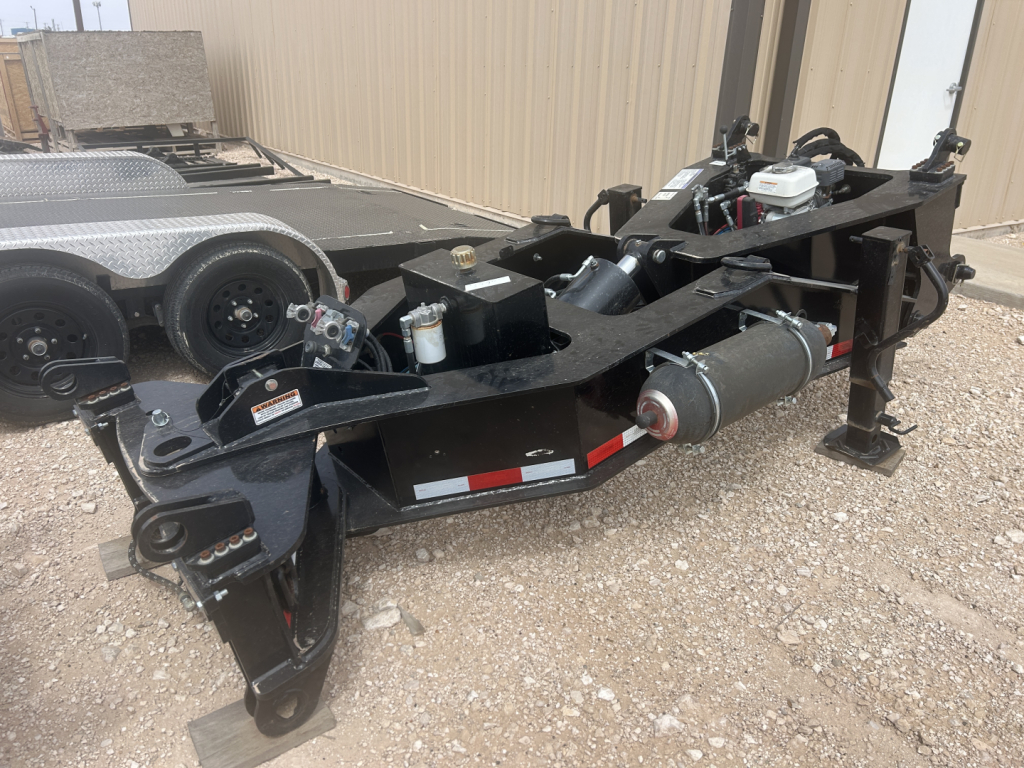
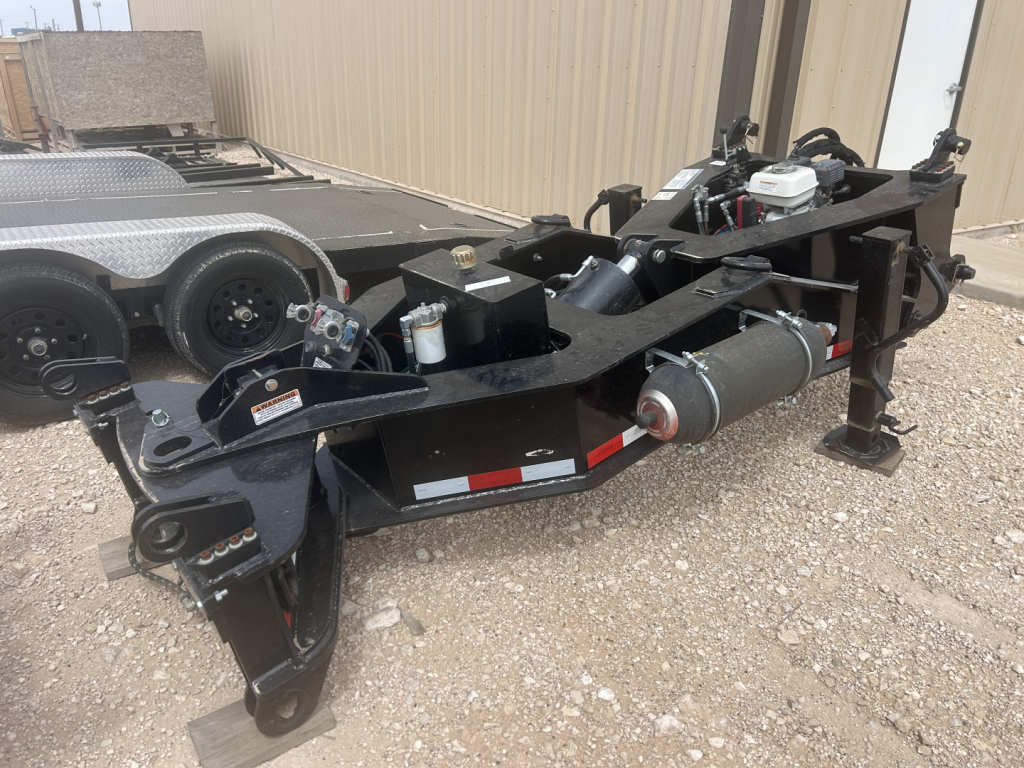
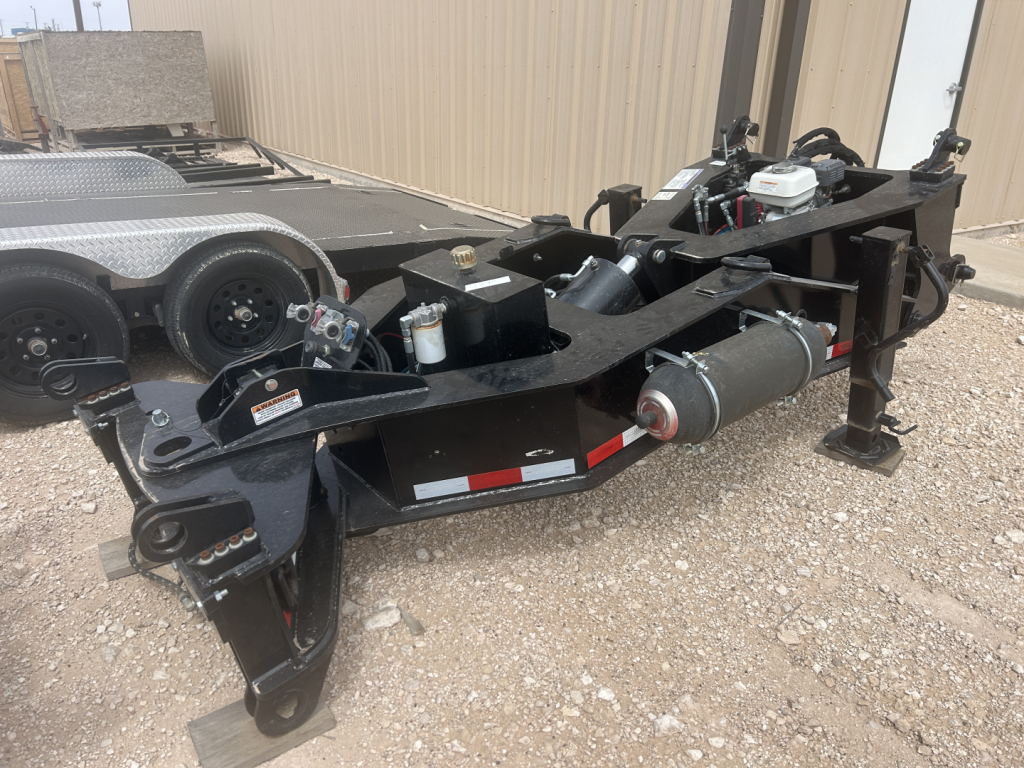
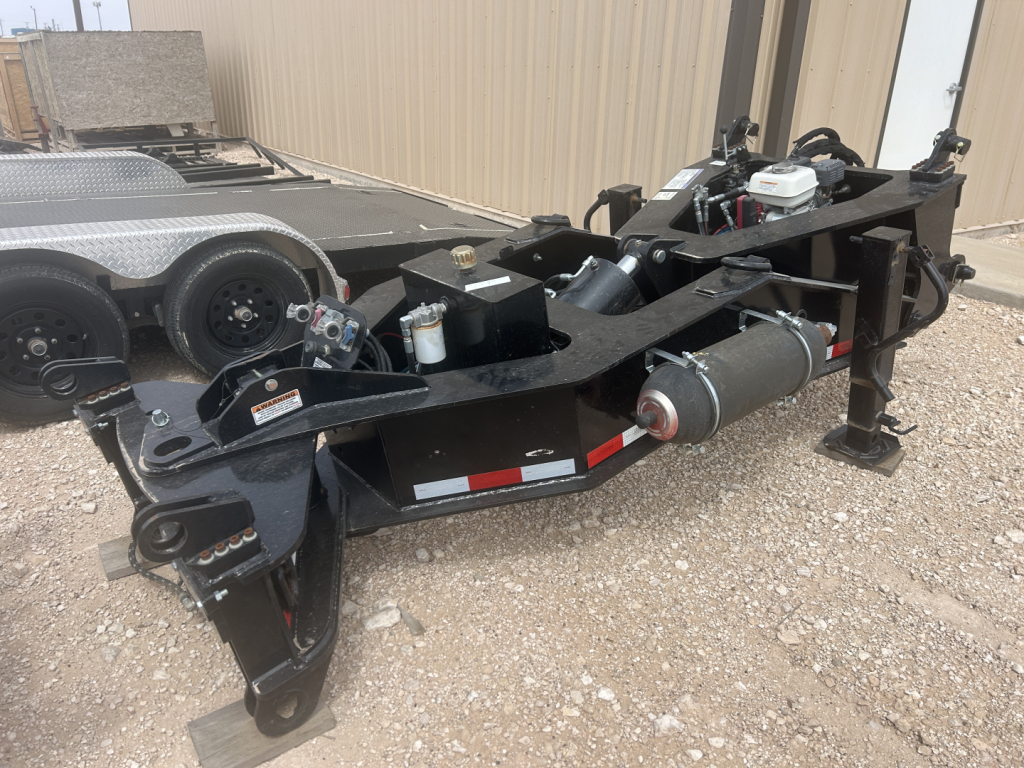
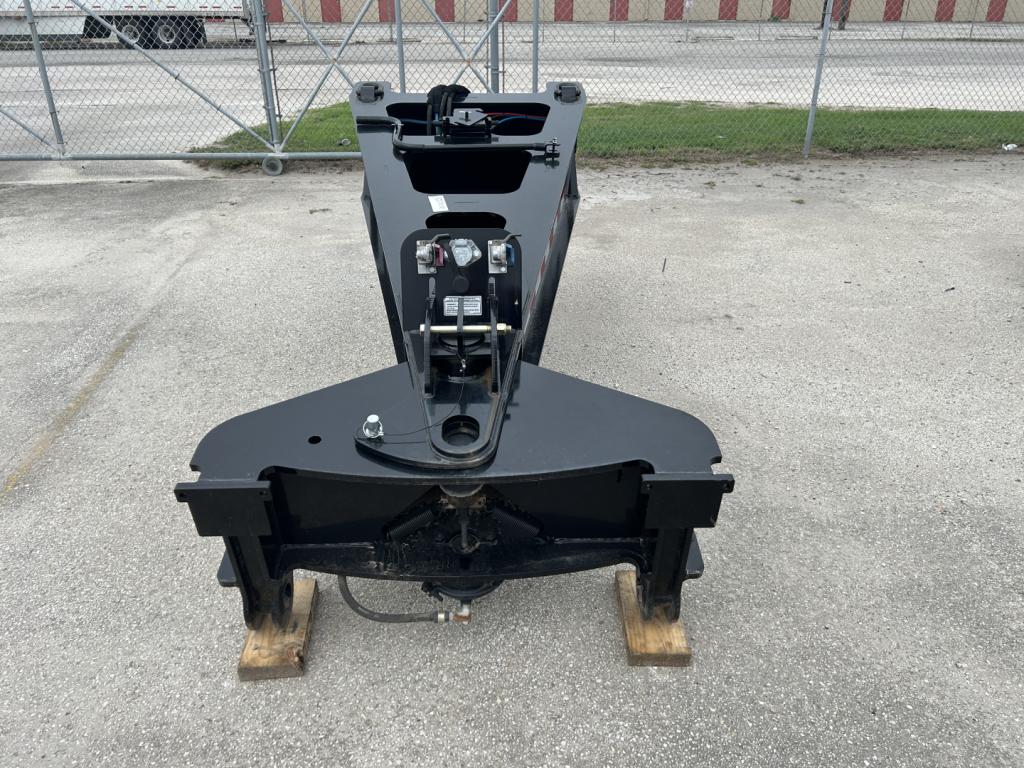
Selling a load king other trailer? List your load king other trailer for sale and reach thousands of commercial buyers.
Load King Other Trailers
The first thing to verify is compatibility with the parent trailer. On Load King equipment, spreader bars and stinger assemblies are typically engineered around specific frame widths, ride heights, and connection points, so model matching is important. Buyers should confirm intended trailer series, overall width such as 8-foot 6-inch configurations, and whether the assembly is designed for one or two flip axles. Spacing from the rear trailer axle to the center of the flip axle is a key measurement because it directly affects bridge spacing and permit strategy. Air and electric provisions, lock pin style, and hydraulic or nitrogen-assisted functions should also be checked closely, especially on stinger systems used in detachable or specialized rear support applications.
Construction is usually steel, and that makes sense for the duty cycle. These are high-stress components that see torsional load, pin wear, road shock, and repeated hookup cycles. Look at pin bosses, air lock mechanisms, hydraulic cylinder specs, hose routing, and D-ring placement if included. On nitrogen stinger assemblies, accumulator condition, cylinder size, and power unit details matter because they affect lift response and operating reliability in the field. Buyers running multi-state heavy haul work should also think about serviceability, parts support, and how easily the setup can be reconfigured between jobs.
This category is best evaluated as part of a complete hauling system, not as a standalone trailer purchase. A Load King spreader bar or stinger has value when it matches the trailer, axle package, and load profile you intend to run. The right setup can improve legal payload distribution, increase flexibility with flip axles, and help keep a heavy haul combination efficient on permit loads. Buyers comparing listings should focus less on appearance and more on exact fitment, ton rating alignment, connection hardware, and the axle spacing geometry the component creates once installed.
Frequently Asked Questions about Load King Other Trailers
What is a Load King spreader bar used for?
A Load King spreader bar is used to extend axle spacing and connect one or more flip axles to a compatible lowboy or heavy haul trailer. Its main purpose is to improve load distribution and help the trailer combination meet bridge and permit requirements. On 55-ton and 60-ton applications, the spreader bar becomes an important part of the overall axle group layout, not just an accessory.
How do I know if a Load King stinger or spreader will fit my trailer?
Fitment depends on the exact trailer model, frame dimensions, connection design, width, and intended axle configuration. Buyers should confirm the parent trailer series, the mounting and pin arrangement, ride height, air and electric hookup requirements, and the number of flip axles the component is designed to support. A spreader or stinger may look similar across models, but small differences in geometry can affect legal spacing, hookup, and safe operation.
Why is axle spacing so important on this type of equipment?
Axle spacing determines how weight is distributed across the trailer combination and how the load is evaluated under bridge formulas and permit rules. On heavy haul setups, even a small change in the distance between the rear trailer axle and the flip axle center can affect allowable routes and legal payload. That is why published spacing dimensions are one of the most important specs to verify when comparing listings.
Are these considered trailers or trailer accessories?
In marketplace categories, these units are often listed under trailers even though many are specialized heavy haul attachments or subassemblies rather than complete standalone trailers. A spreader bar, nitro stinger, or flip-axle connection system functions as part of a larger trailer combination. Buyers should read the listing carefully to determine whether the sale includes a complete trailer, a removable attachment, or a dedicated component for an existing Load King setup.
What should I inspect on a used heavy haul spreader or stinger assembly?
Focus on structural condition and operating components before cosmetics. Inspect the steel for cracks, repairs, elongation at pin holes, damage around lock pin areas, hydraulic cylinder condition, hose routing, accumulator components if equipped, and the condition of air and electrical connections. On any used unit, the most important question is whether it still matches the trailer and axle package it was built to work with.