
Load King Other Trailers For Sale in Texas
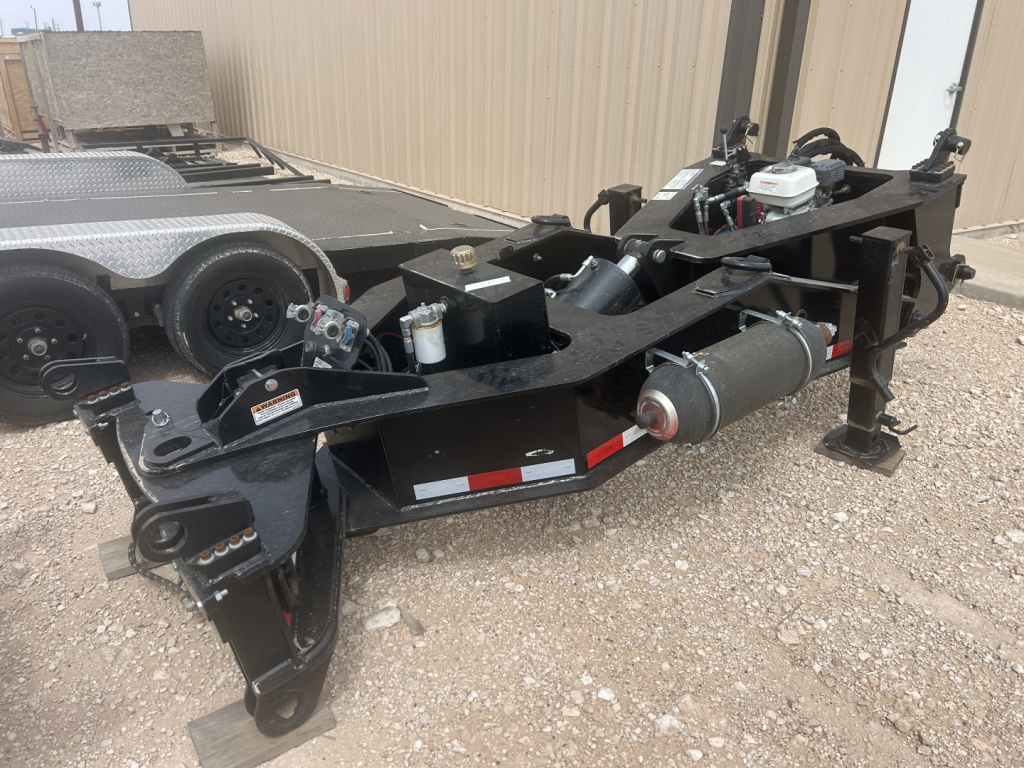
Load King other trailers include spreader bars and specialty hauling trailers built for heavy equipment, axle flexibility, and demanding transport work.
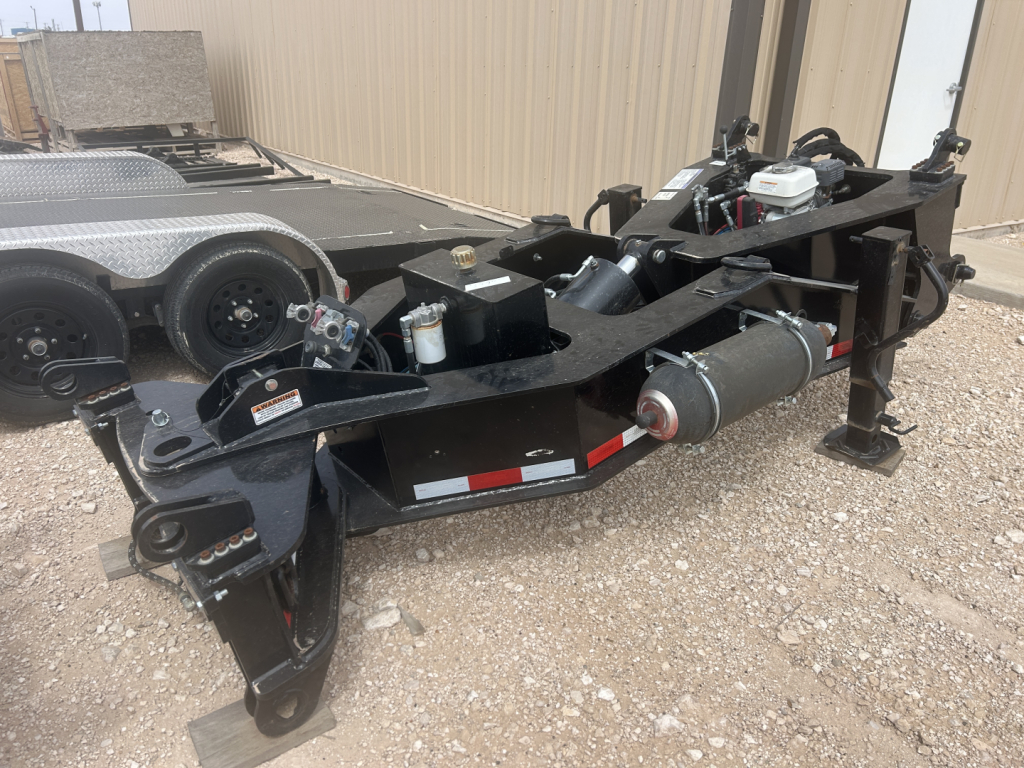
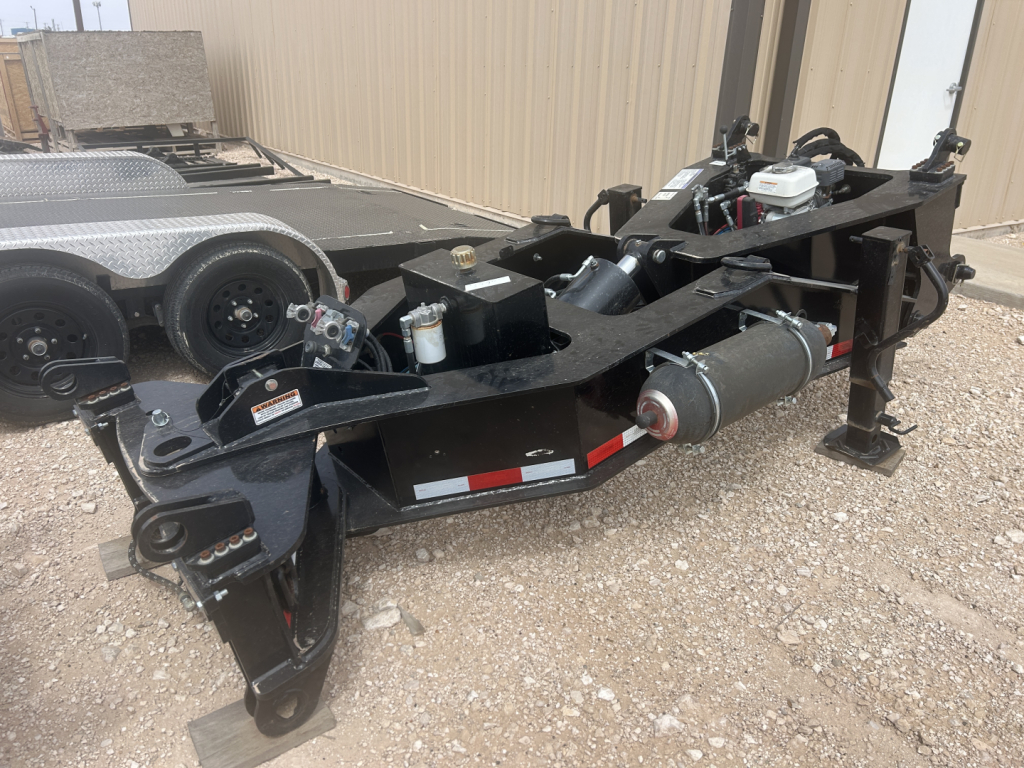
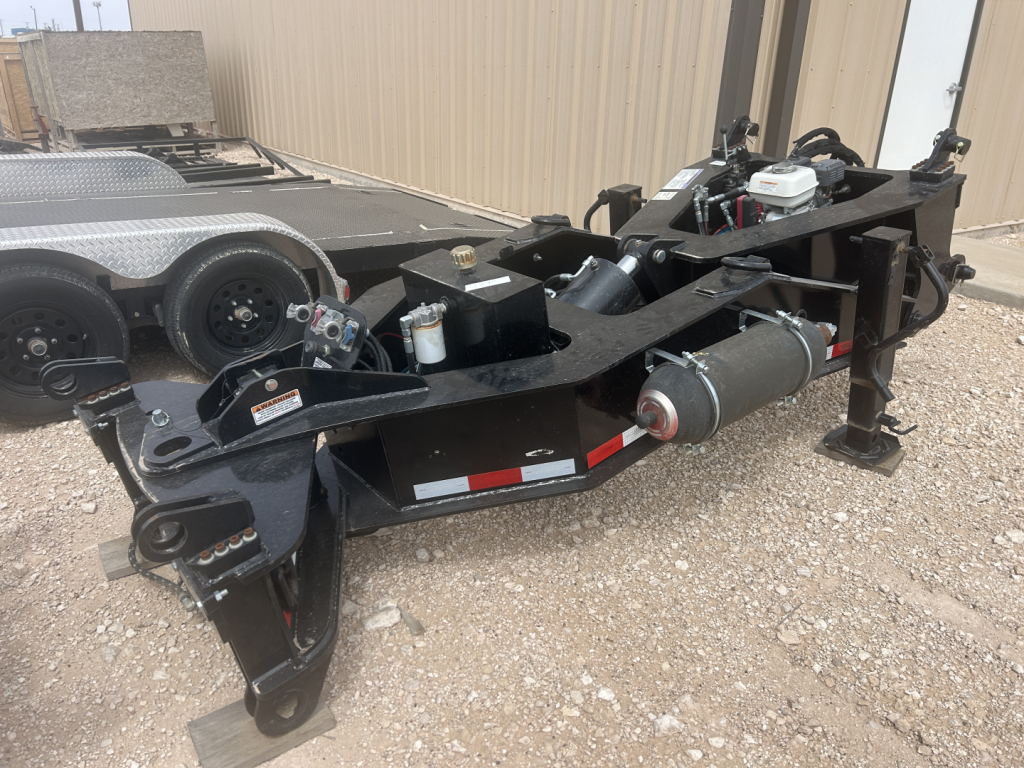
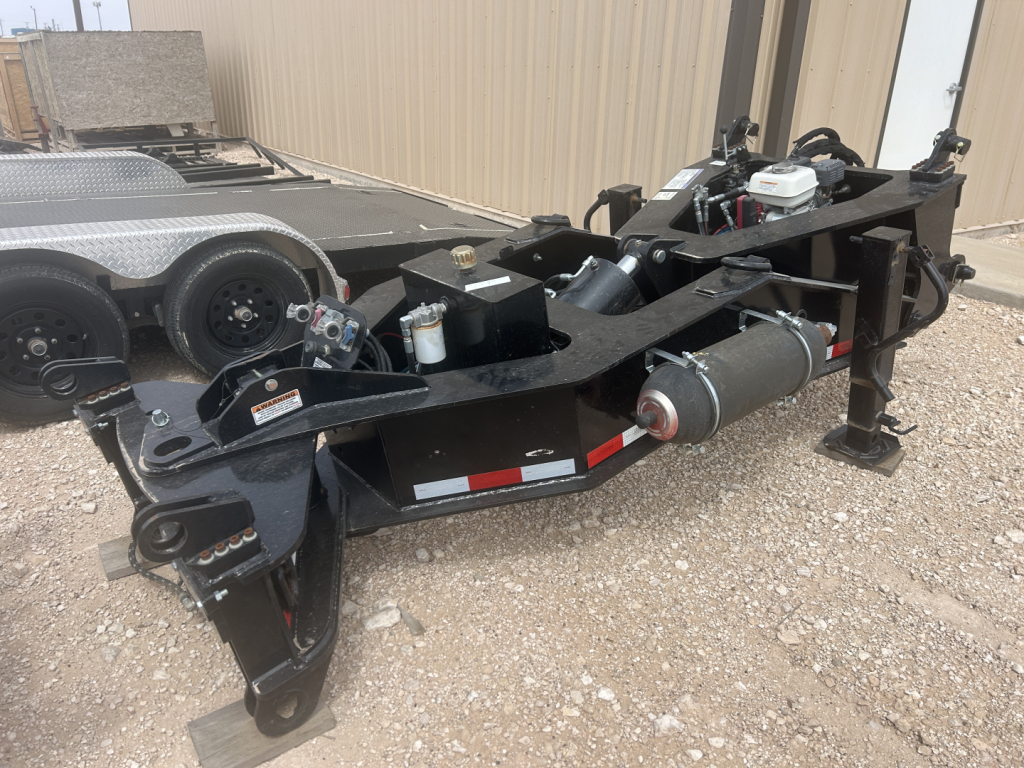
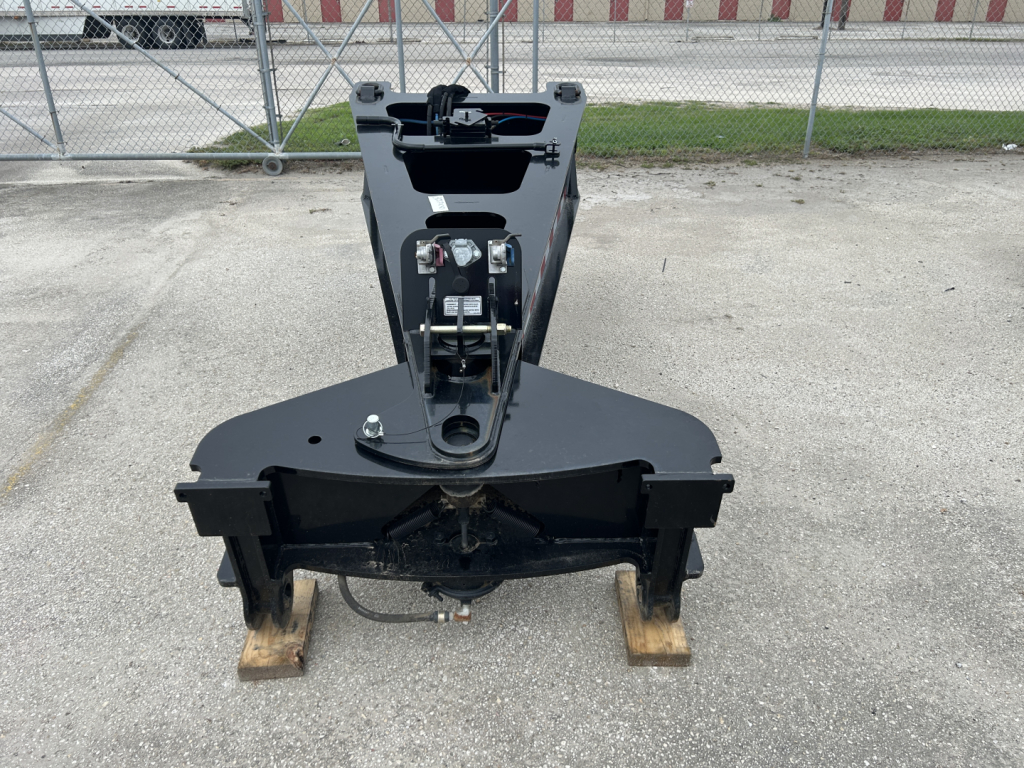
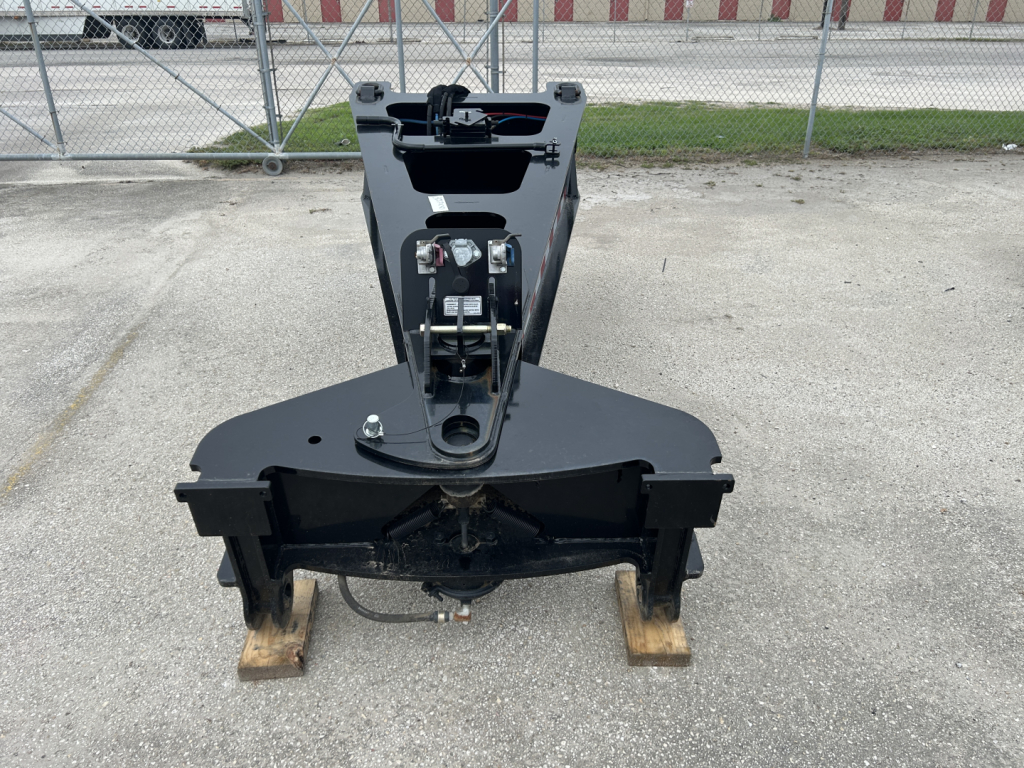
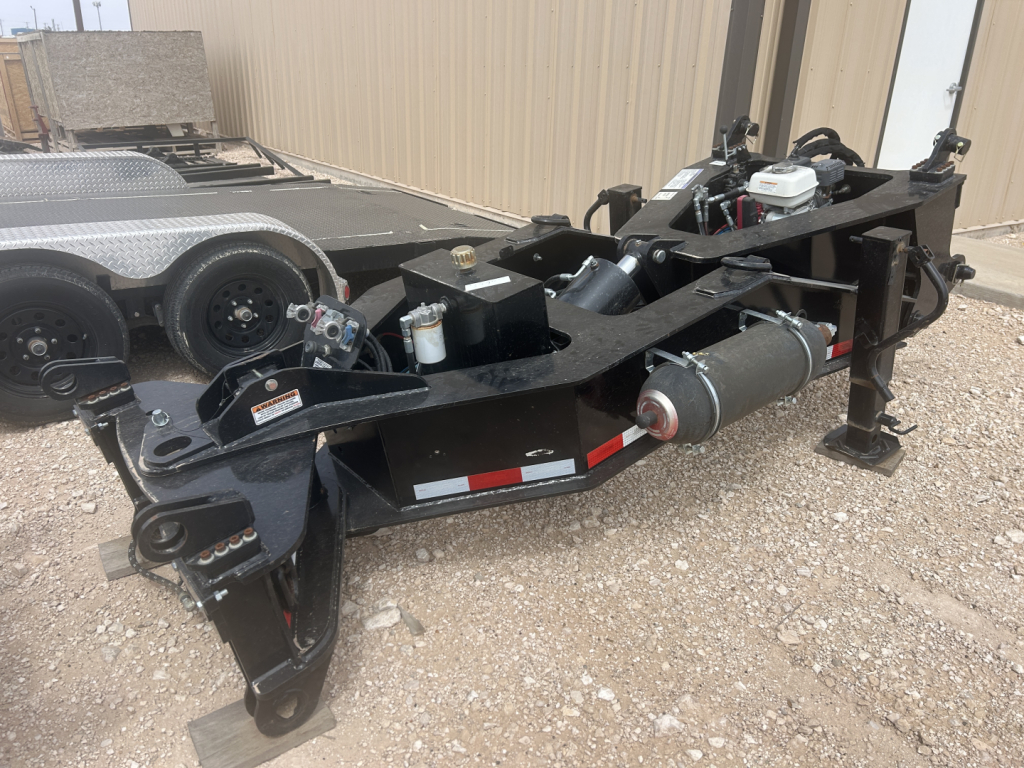
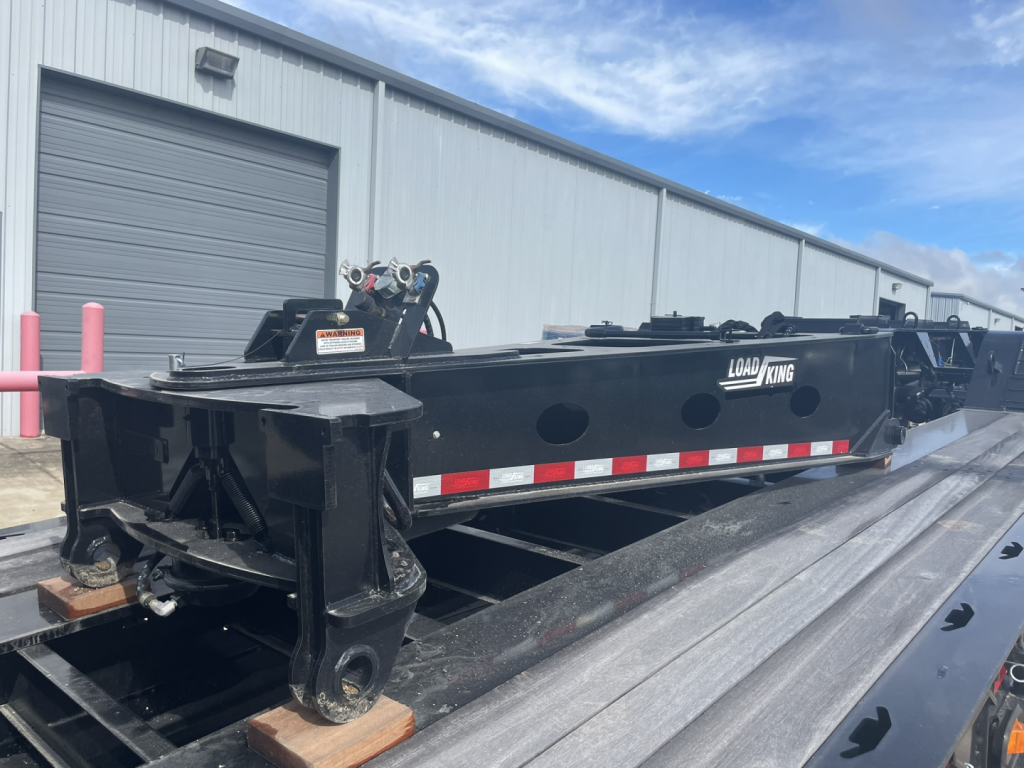
Selling a load king other trailer? List your load king other trailer for sale and reach thousands of commercial buyers.
Load King Other Trailers in Texas
For a buyer, the key decision is not just rated capacity. It is how the trailer or attachment integrates with the rest of the hauling setup. Spreader bar and stinger style Load King units are commonly selected based on axle grouping, flip axle compatibility, axle spacing, air and electrical hookups, lock pin design, and hydraulic or nitrogen-assisted systems. Features such as air lock pins, D-rings, nitrogen accumulators, and self-contained power units matter because they affect setup time, legal configurations, and day-to-day field usability. If a unit is intended to accept one or two flip axles, that can directly influence bridge compliance and how easily the trailer can be configured for varying loads.
Texas buyers often pay close attention to route law, permit work, and durability under high-cycle heavy haul service. In this type of equipment, frame design, weld quality, cylinder sizing, deck or bar width, and connection points deserve a close inspection. On used units, look at pin bores, suspension wear points, hydraulic lines, air system condition, wiring integrity, and any evidence of stress around concentrated load areas. On new units, confirm the exact capacity rating, intended axle combinations, loaded dimensions, and compatibility with the tractor and trailer already in your fleet. A 55-ton setup on paper can perform very differently depending on how the load is distributed and what auxiliary axle equipment is added.
Load King has a strong reputation in specialized transport, and that matters in the other trailer category where buyer confidence often comes down to engineering details more than broad brand comparisons. If your work includes construction equipment, transformers, large fabricated components, or off-road machinery, these specialty trailers and accessories can solve problems that a conventional trailer cannot. The best buying decision usually comes from matching the trailer's mechanical design and legal axle configuration to the exact loads you haul most often, not simply choosing the highest advertised tonnage.
Frequently Asked Questions about Load King Other Trailers in Texas
What is a Load King other trailer usually used for?
In this category, Load King other trailers are typically used for specialized heavy haul applications such as spreader bar work, stinger setups, and trailer configurations that support high-capacity equipment moves. These units are built for loads that require more than a standard deck trailer can offer, especially when axle placement, bridge spacing, or auxiliary axle additions are necessary to move the load legally and safely.
What should I check first when buying a spreader bar or specialty heavy haul trailer?
Start with the rated capacity, axle compatibility, and the exact configuration the unit is designed to support. A buyer should confirm whether the trailer accepts flip axles, boosters, or other auxiliary components, and verify the axle spacing and connection details. It is also important to check air and electrical provisions, lock pin systems, hydraulic or nitrogen-assisted functions, and whether the setup matches the tractor and main trailer currently in operation.
Why does flip axle compatibility matter on this type of trailer?
Flip axle compatibility matters because it affects legal load distribution, bridge law compliance, and how much flexibility you have across different jobs. A specialty trailer that can accept one or two flip axles may allow a heavier payload or better weight spread, but only if the spacing and connection design align with your hauling requirements. Buyers should review the intended axle combinations before purchase rather than assuming any auxiliary axle setup will fit.
Are Load King specialty trailers a good fit for Texas heavy haul work?
They are often well-suited for Texas heavy haul operations because the market includes frequent construction, oilfield, infrastructure, and equipment transport demands that require durable specialized gear. Buyers in Texas should still evaluate permit requirements, route restrictions, and service support, while paying close attention to structural condition, suspension components, and connection systems that see hard use in regional heavy haul service.
What wear points are most important on a used Load King specialty trailer?
The most important wear points are usually the pin connections, frame stress areas, suspension mounts, hydraulic components, air lines, wiring, and any load-bearing attachment points. On a spreader bar or stinger-type unit, repeated heavy loading can show up as elongation in pin holes, cracking near welds, or wear in locking mechanisms. A careful inspection of these areas gives a much better picture of the trailer's remaining service life than cosmetic condition alone.