
Load King Lowboy Trailers For Sale
Shop Load King lowboy trailers with 50 to 60 ton capacities, detachable neck options, low deck heights, and heavy equipment hauling features.
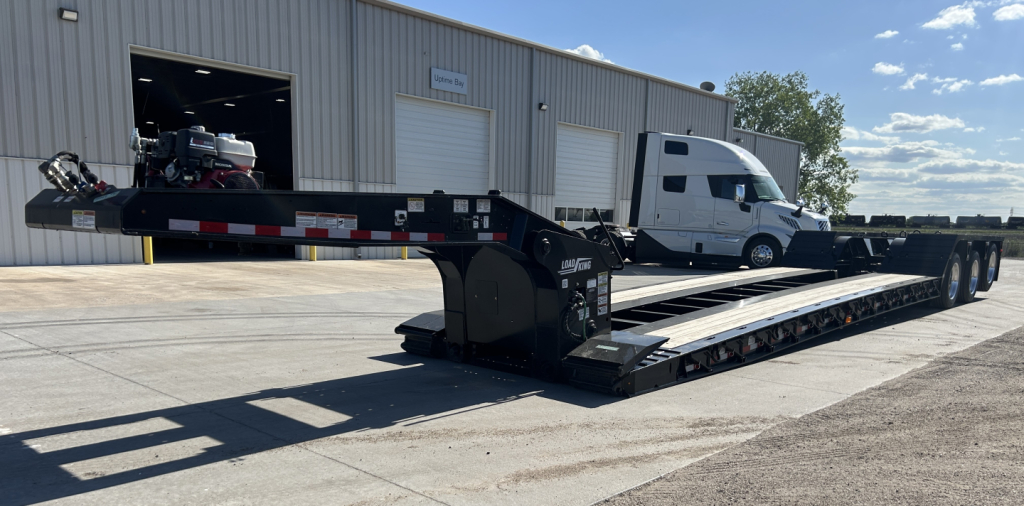
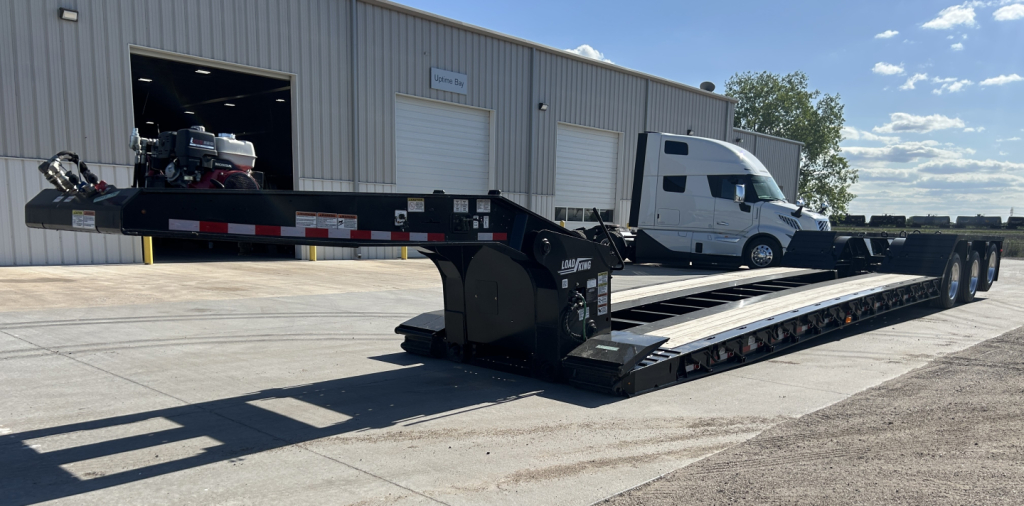
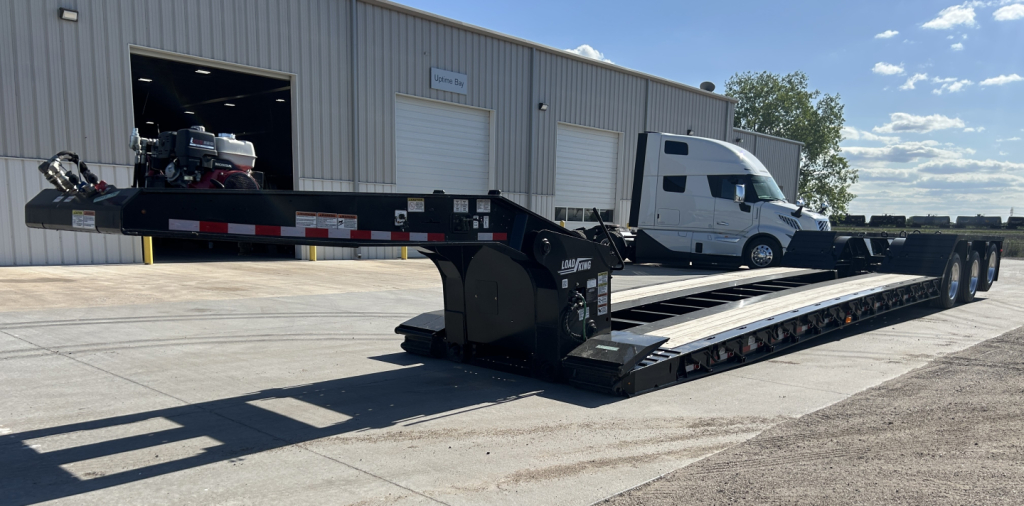
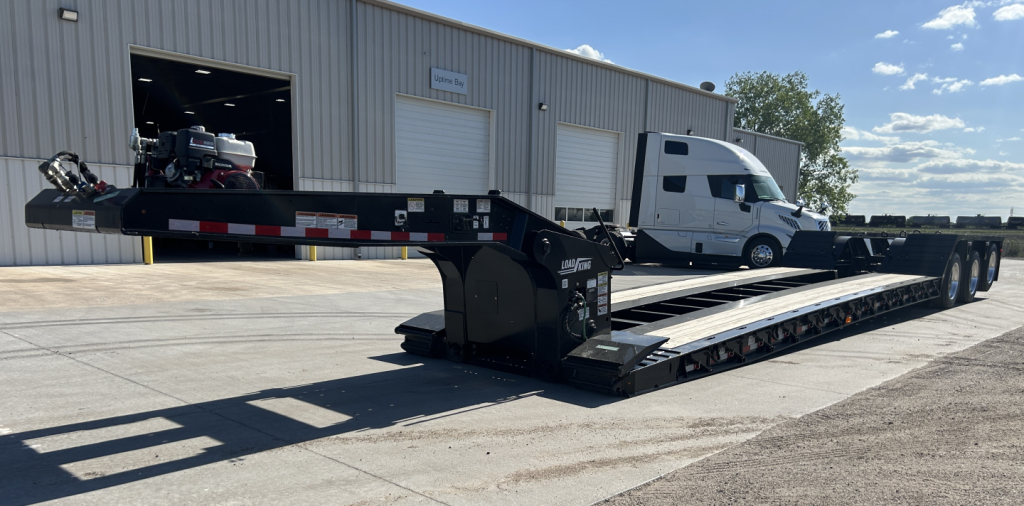
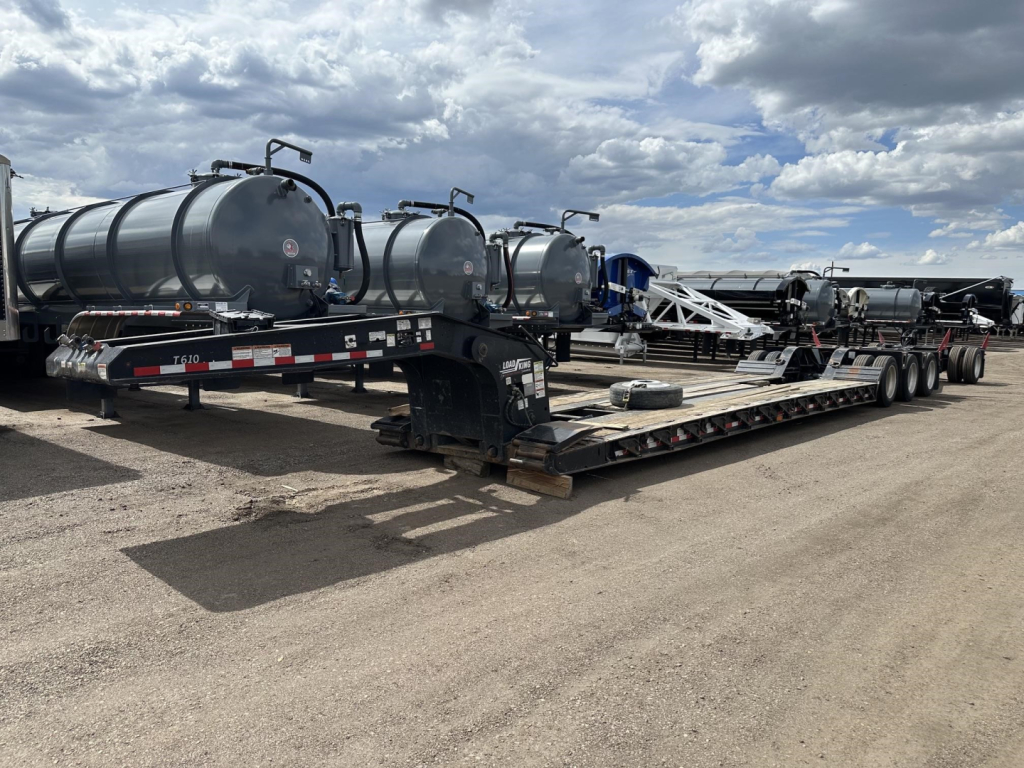
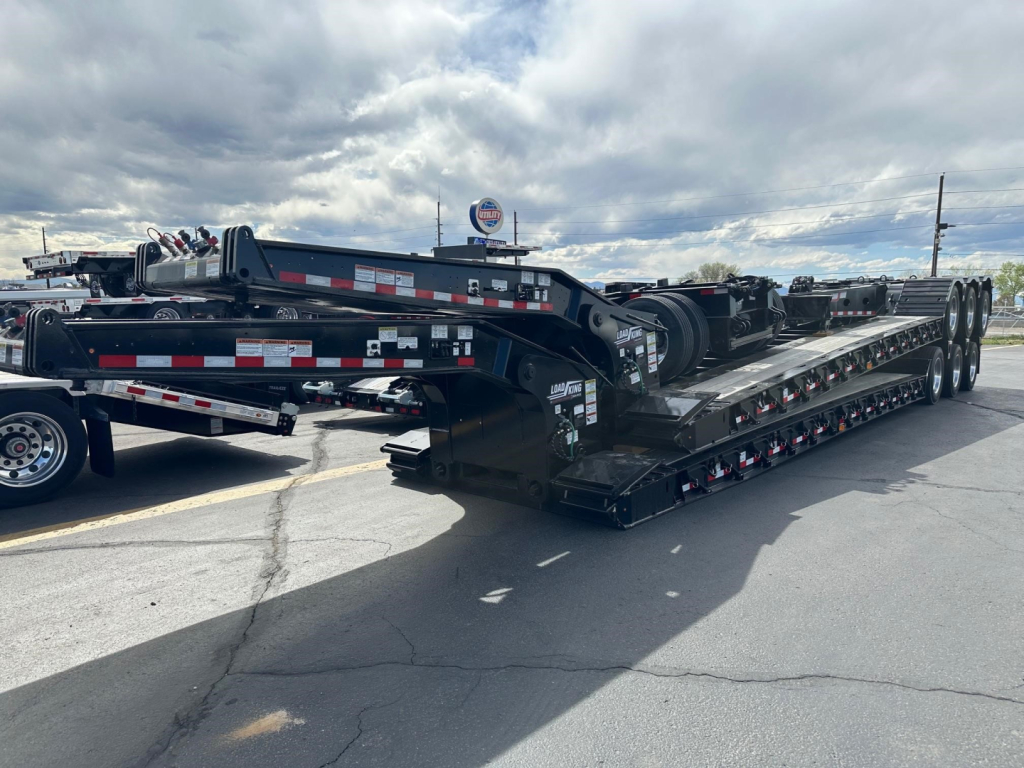
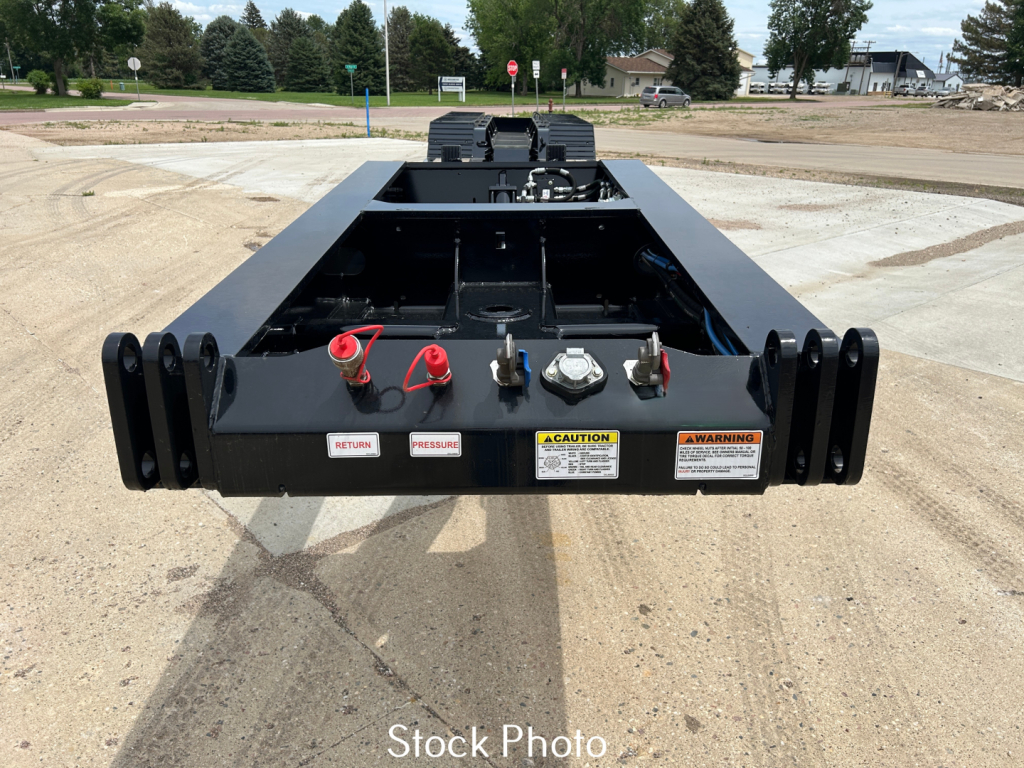
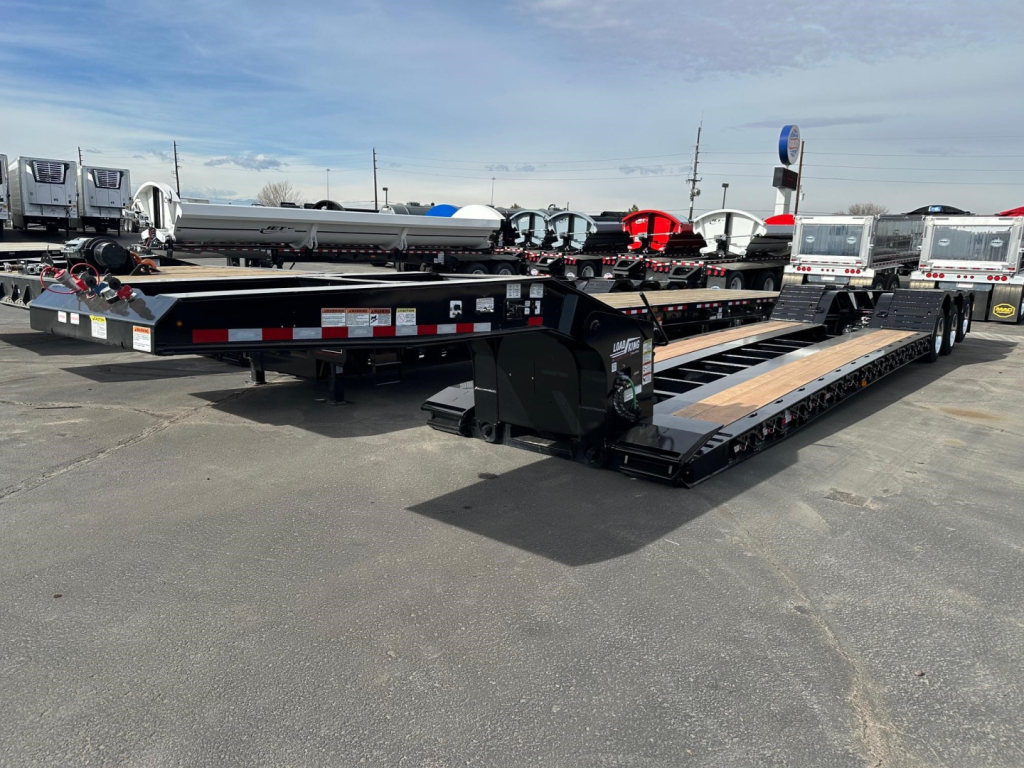

Selling a load king lowboy trailer? List your load king lowboy trailer for sale and reach thousands of commercial buyers.
Load King Lowboy Trailers
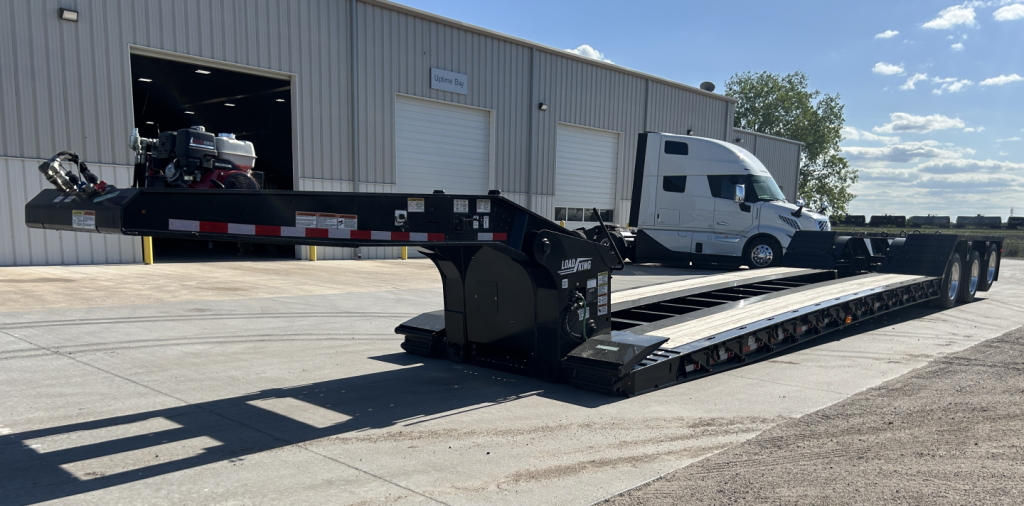
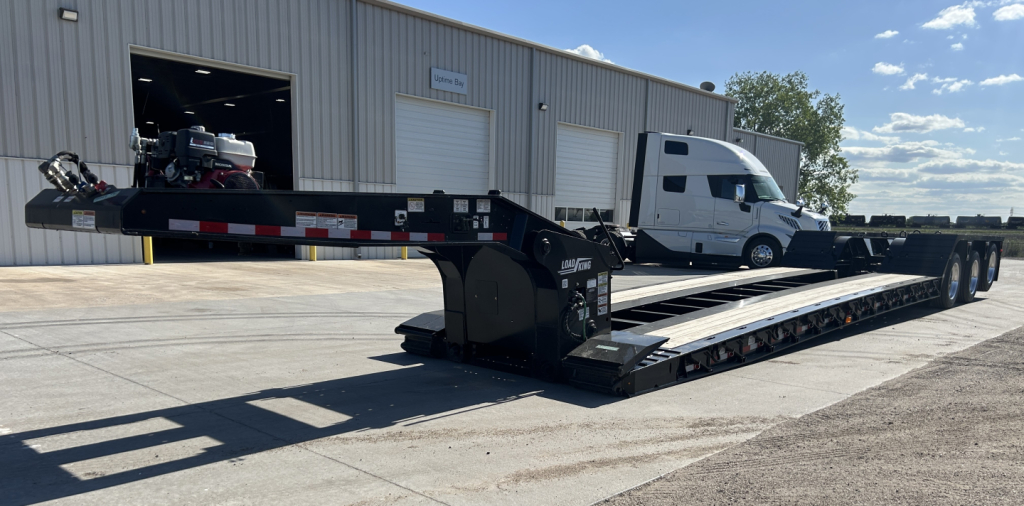
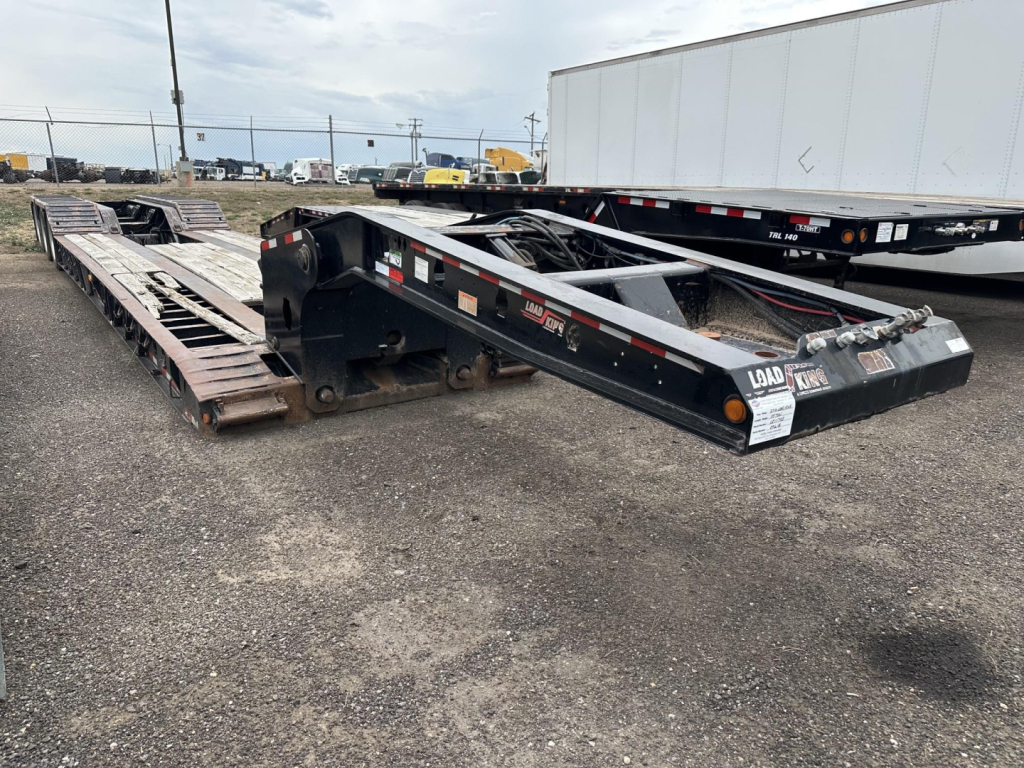
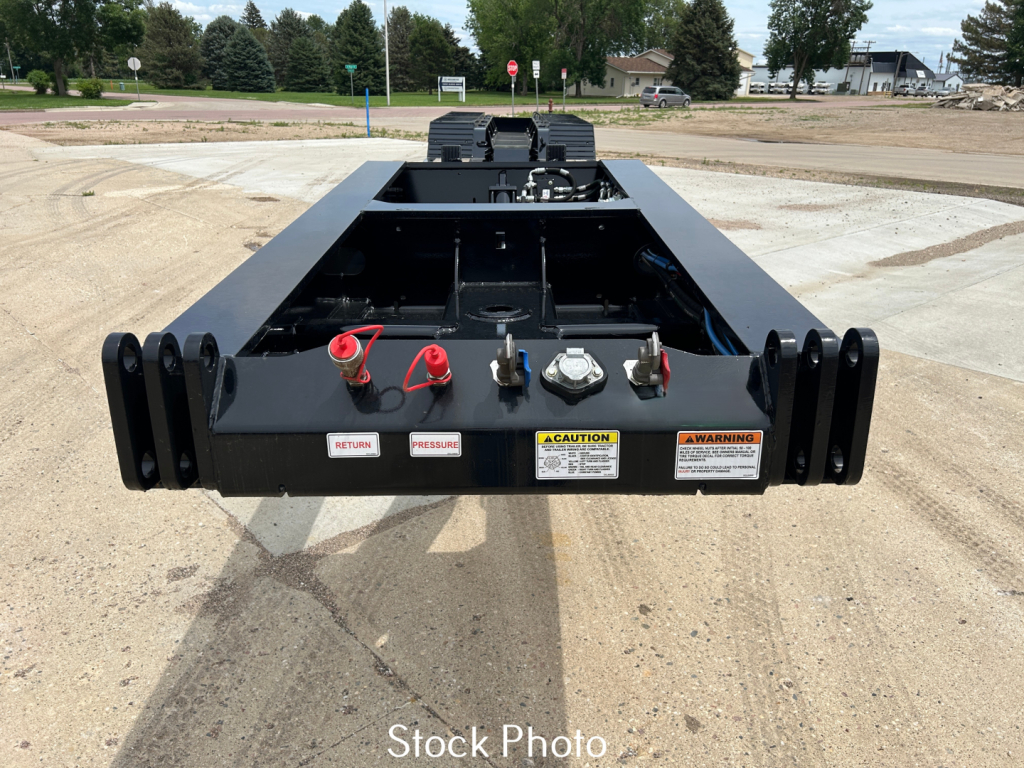
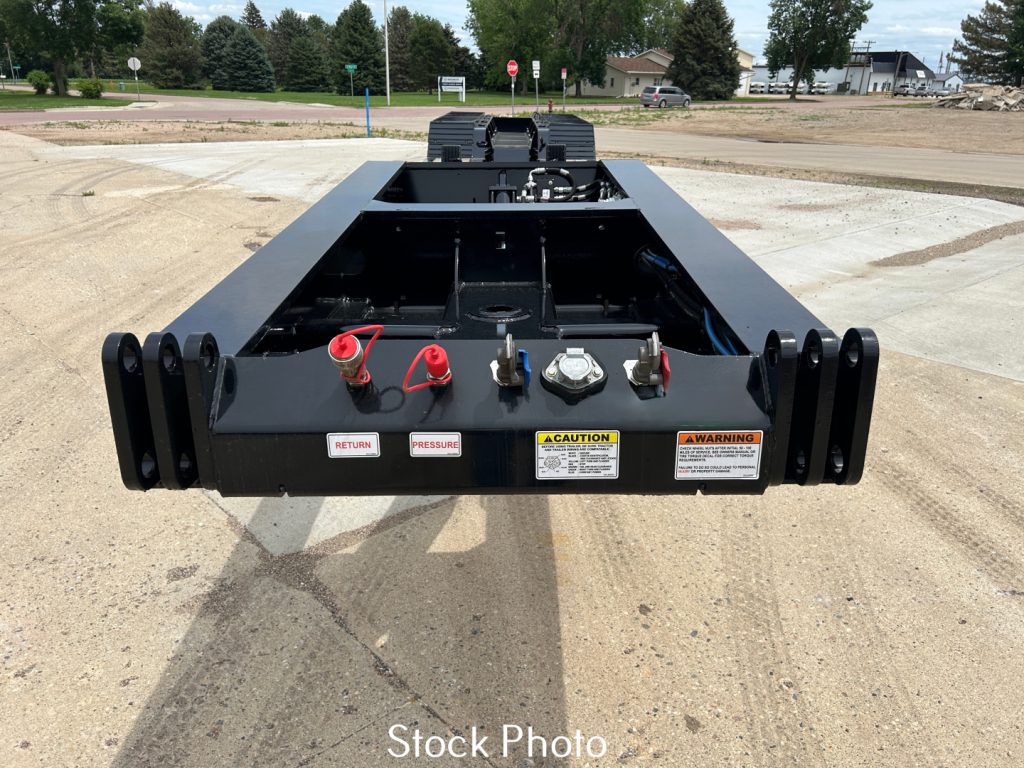
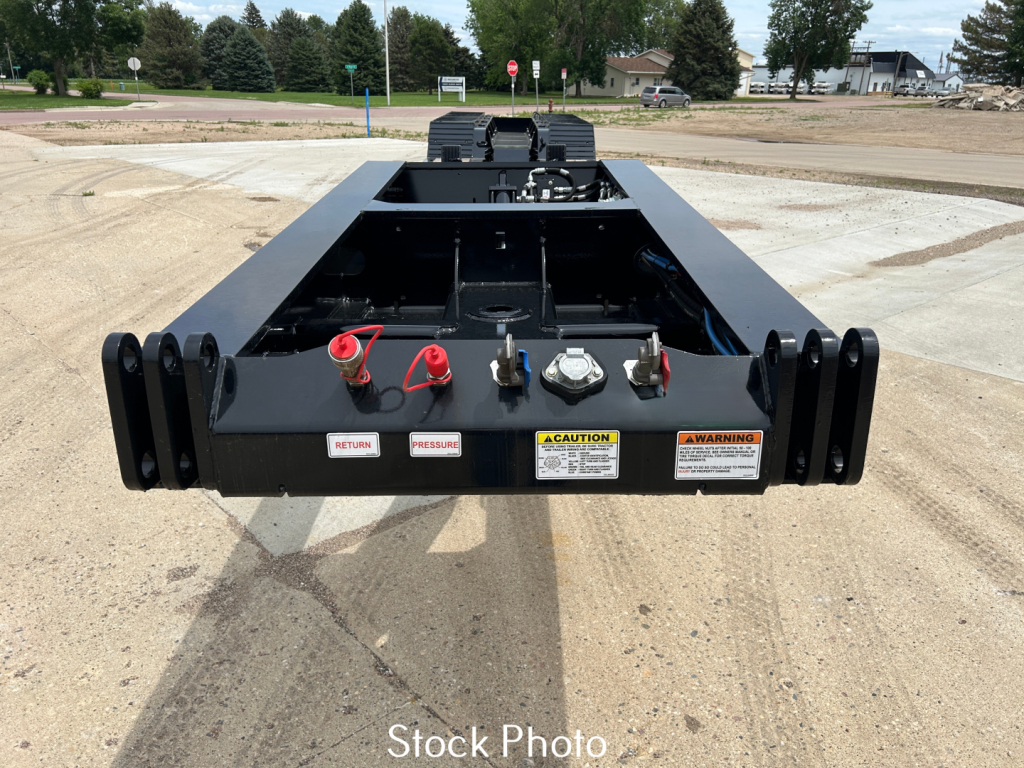
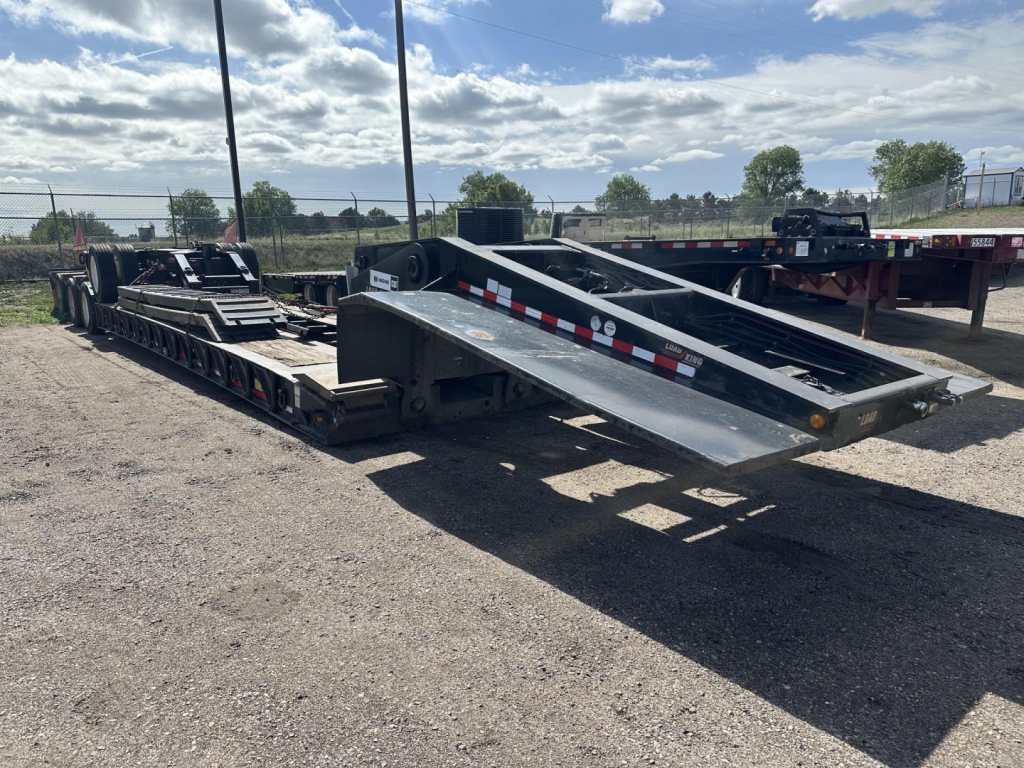
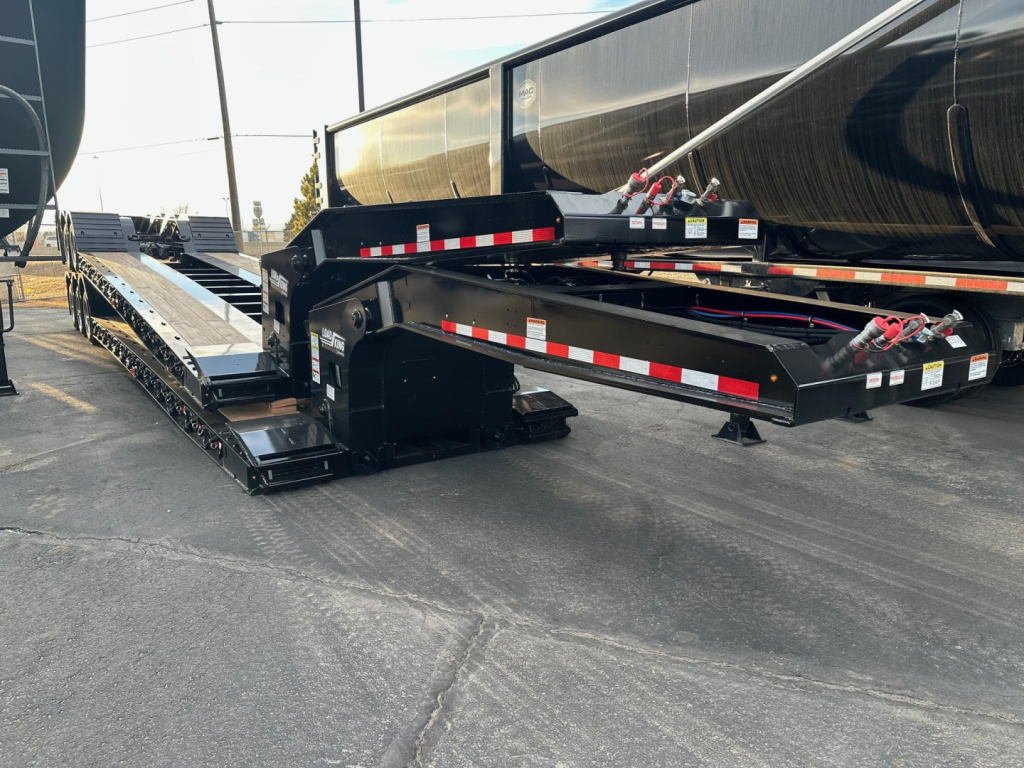
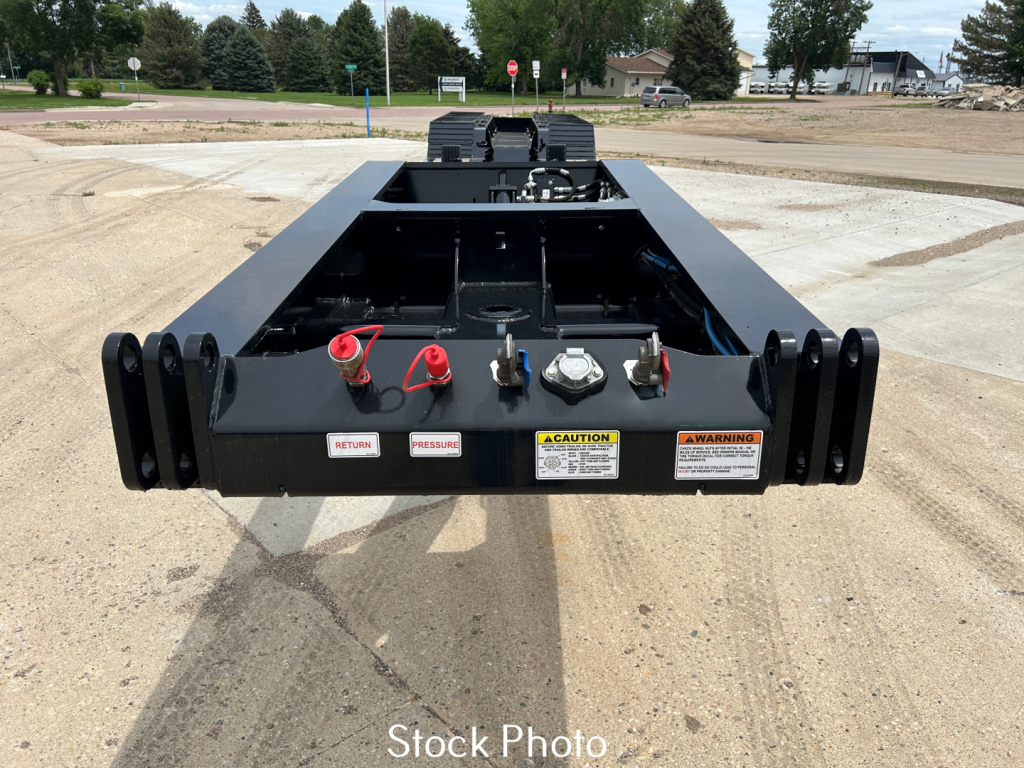
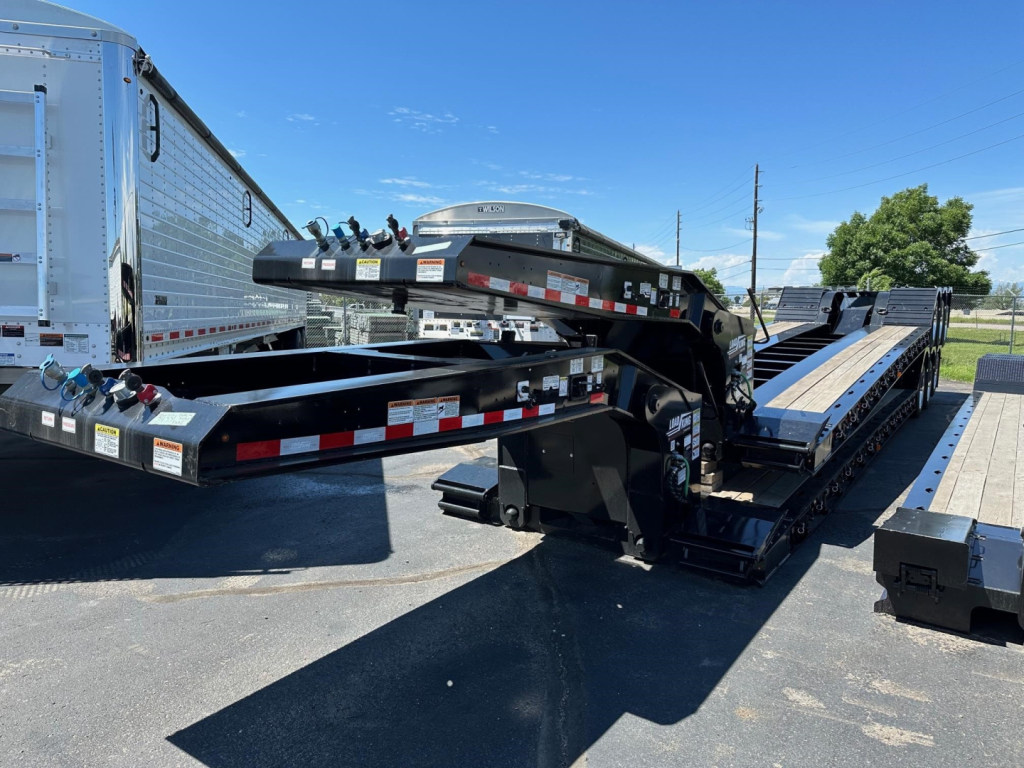
The first buying decision is usually neck style and loading method. Load King lowboys are often spec'd with hydraulic detachable goosenecks, though mechanical detach versions are also common and can make sense for buyers who want a simpler setup and lower acquisition cost. Hydraulic necks with PTO hookups or a pony motor speed up loading and unloading and reduce driver effort in frequent move applications. Front flip ramps, two kingpin settings, and gooseneck provisions for flip boxes or extension setups can also matter depending on tractor wheelbase, bridge laws, and the type of machinery being hauled.
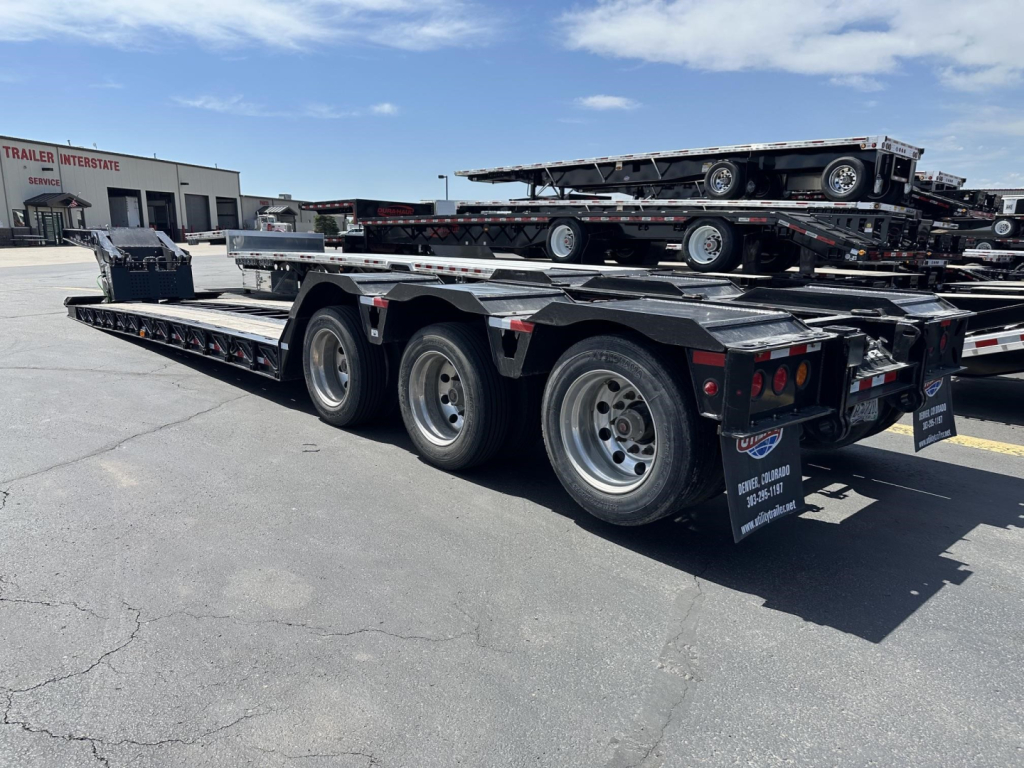
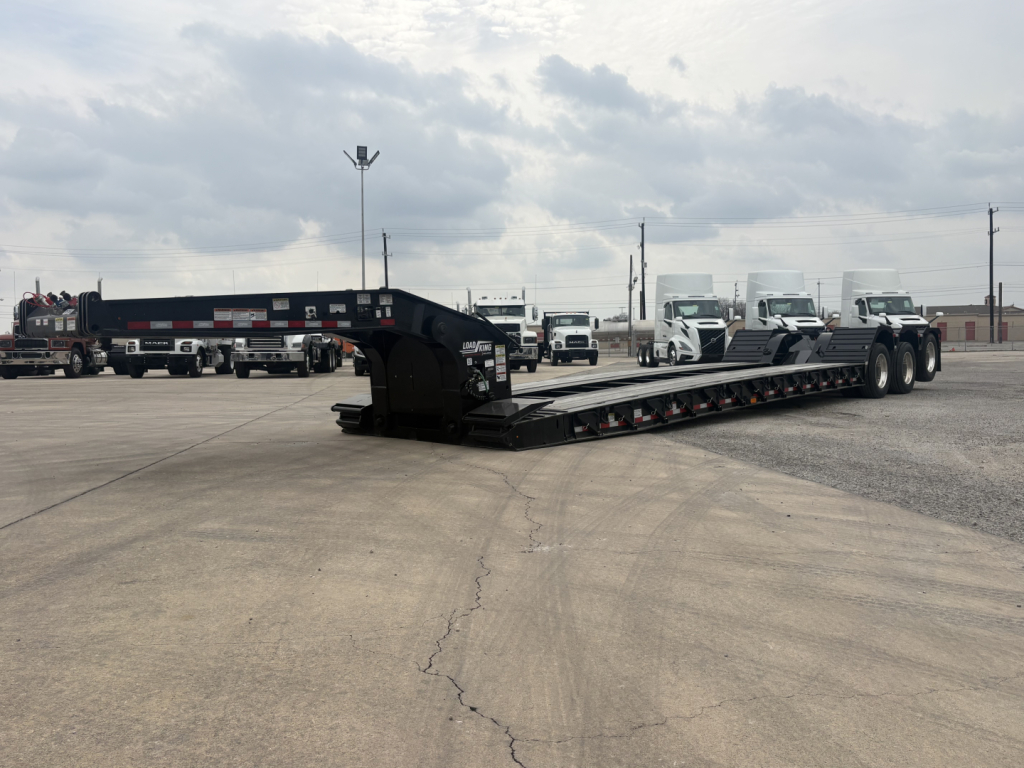
Well length, deck construction, and securement layout deserve close attention. Typical specs in this category include 24 foot to 26 foot wells, 8 foot 6 inch to 9 foot widths, Apitong or wood decking, swing-out outriggers, bent D-rings, chain slots, boom troughs, and bucket wells. Those details affect how easily the trailer handles mixed fleets of equipment. A longer well gives more flexibility for excavators and specialty machines, while outriggers and wide deck sections help with rubber-tired equipment or attachments. Buyers should also compare axle ratings, lift axle configuration, air ride suspension, adjustable ride height, tire size, and wheel material because those choices impact loaded stability, service life, and maintenance cost.
For fleet use, Load King lowboys are typically spec'd as steel trailers with 27,500 lb axles, air ride suspensions such as Hendrickson setups, and heavy-duty reinforcements in the crossmembers and flanges. Features like load scales, load-bearing fender covers, toolbox space, LED work lights, rear strobes, and fourth axle air and electric connections can improve day-to-day usability. On used units, inspect neck fit, deck condition, suspension wear, hinge and ramp wear points, and any signs of frame repairs from concentrated loading. A properly matched Load King lowboy should fit the machine fleet first, then the route, axle law, and tractor setup second. That order usually leads to a trailer that earns consistently instead of one that only works on paper.
Frequently Asked Questions about Load King Lowboy Trailers
What capacity range is common for Load King lowboy trailers?
Load King lowboy trailers in this category are commonly found in 50 ton to 60 ton configurations. That capacity range is well suited for many excavators, dozers, loaders, and other construction machines, but the real buying decision should be based on concentrated axle loads, machine track width, attachment weight, and how the load sits in the well. Published ton rating is only the starting point. Buyers should also verify axle specs, deck design, neck rating, and bridge law compliance for the states where the trailer will run.
What is the difference between a hydraulic detachable neck and a mechanical detachable neck on a lowboy?
A hydraulic detachable gooseneck uses hydraulic power from a wet kit or pony motor to separate and reconnect the neck, which generally makes loading faster and more efficient for frequent equipment moves. A mechanical detachable neck is simpler and can reduce upfront cost and system complexity, but it usually takes more time and effort to operate. For fleets that load daily or handle multiple machines in a shift, hydraulic detach is often the more productive choice. For lighter duty or occasional use, a mechanical detach may still be a practical option.
Why does loaded deck height matter on a lowboy trailer?
Loaded deck height directly affects overall legal transport height and determines what machines can move without route restrictions or permits tied to excessive height. An 18 inch to 21 inch loaded deck height is common in this class and is one of the main advantages of a lowboy compared with other equipment trailers. Lower deck height is especially valuable when hauling excavators, tall cabs, or machines with limited ability to lower attachments. It can also improve loading stability by keeping the machine center of gravity lower.
What features should buyers look for when hauling excavators or other tracked equipment?
For excavators and tracked machines, buyers usually benefit from a trailer with a suitable well length, a bucket well, a boom trough, strong securement points, and durable decking such as Apitong or heavy wood. Swing-out outriggers can add flexibility for wider machines or attachments, and front flip ramps can improve loading approach. Chain slots, bent D-rings, and load-bearing fender covers also help in real-world loading situations. The goal is to match the trailer layout to the machine fleet, not just the rated capacity.
What should be inspected on a used Load King lowboy trailer?
On a used Load King lowboy, focus on the neck connection area, main frame, crossmembers, outriggers, decking, ramp structure, suspension components, and axle alignment. Check for weld repairs, cracked paint around high-stress points, elongated pin holes, uneven tire wear, and any damage near the bucket well or boom trough where concentrated loads are common. Hydraulic detach systems should be checked for leaks, hose condition, cylinder function, and proper locking engagement. Service records and evidence of regular maintenance can be as important as appearance on a heavy haul trailer.