
Load King Lowboy Trailers For Sale in Texas
Load King lowboy trailers for sale in Texas, including hydraulic detachable gooseneck models built for heavy equipment and concentrated loads.
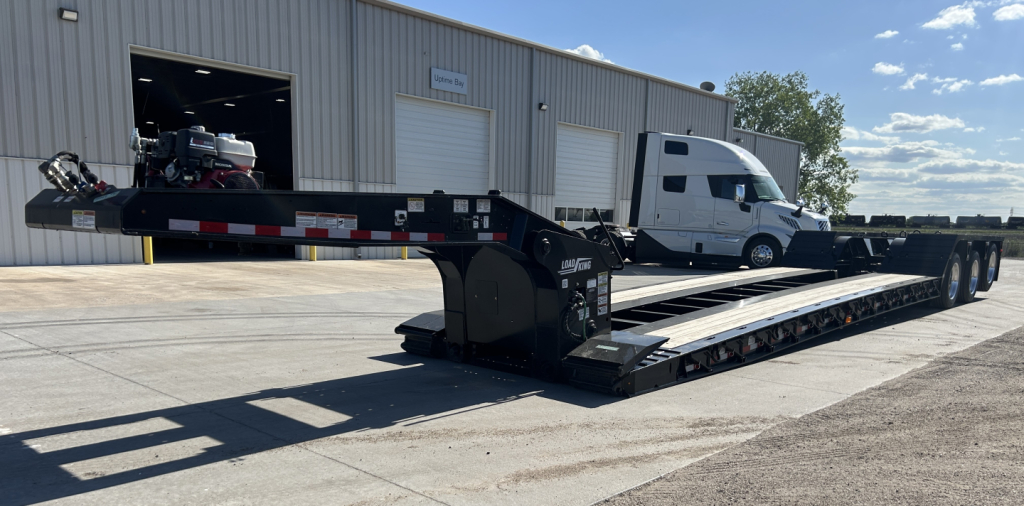
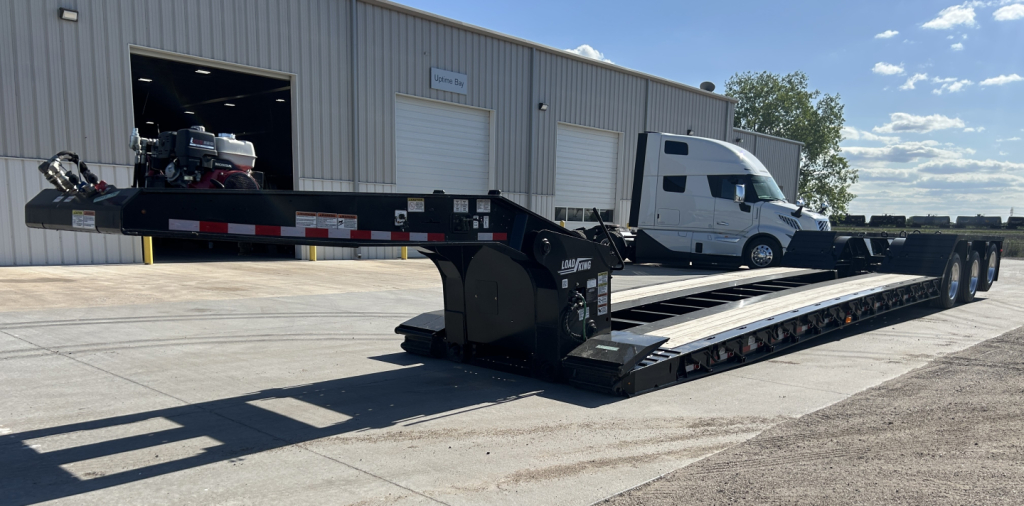
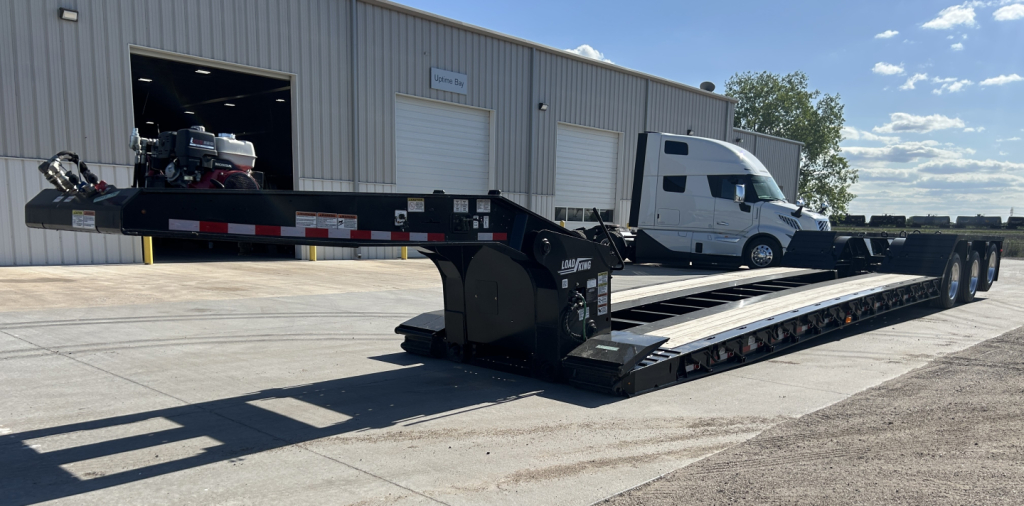
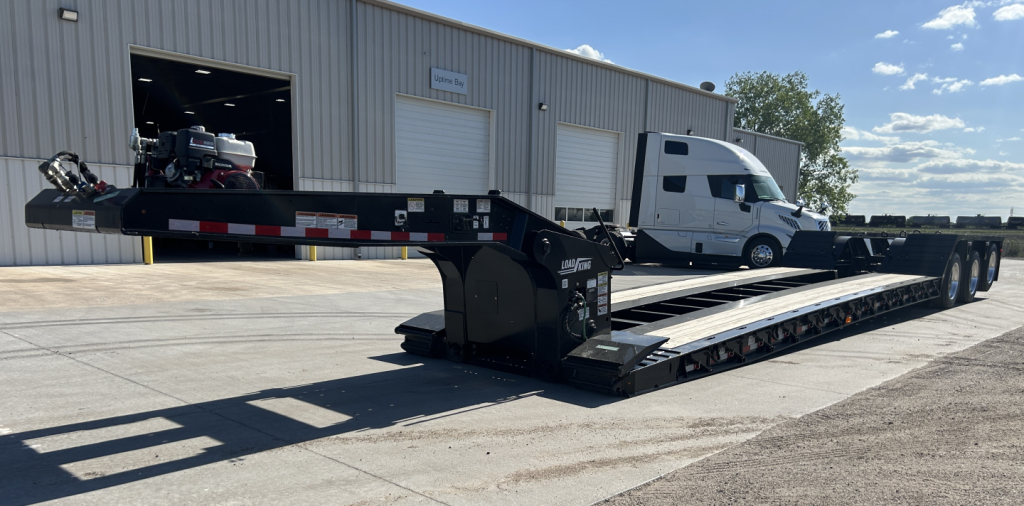
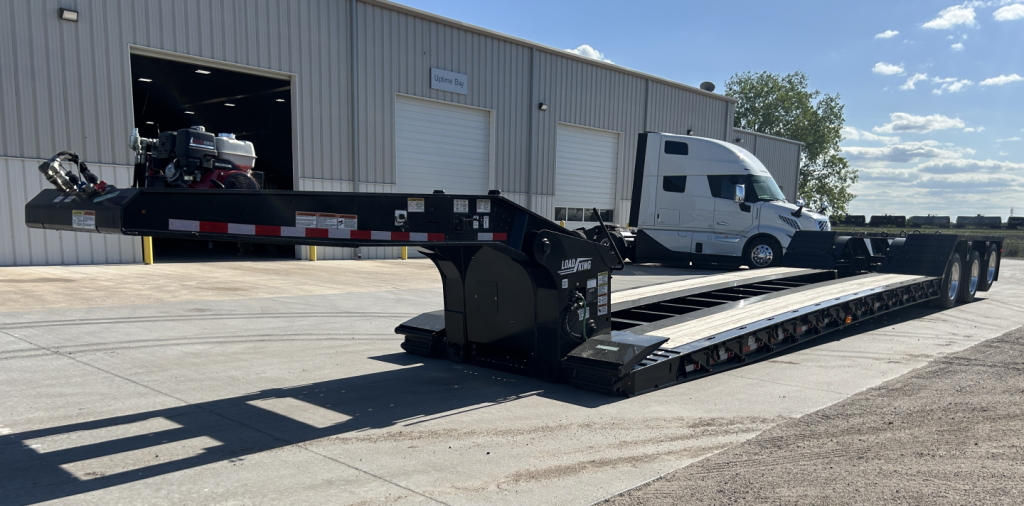
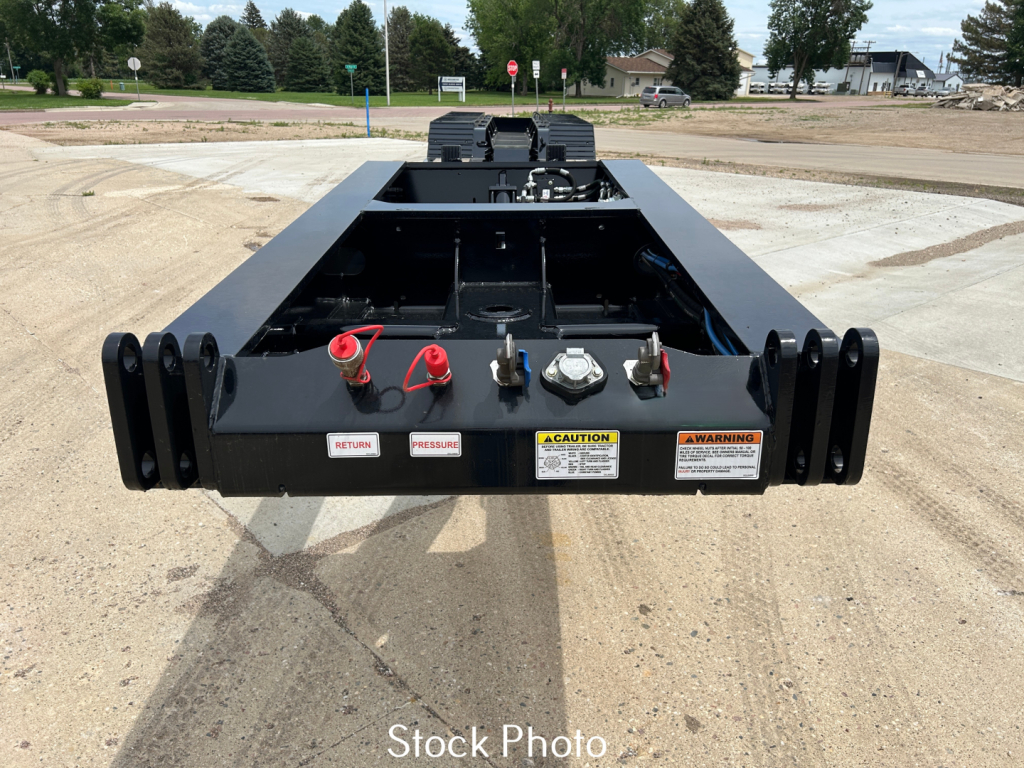
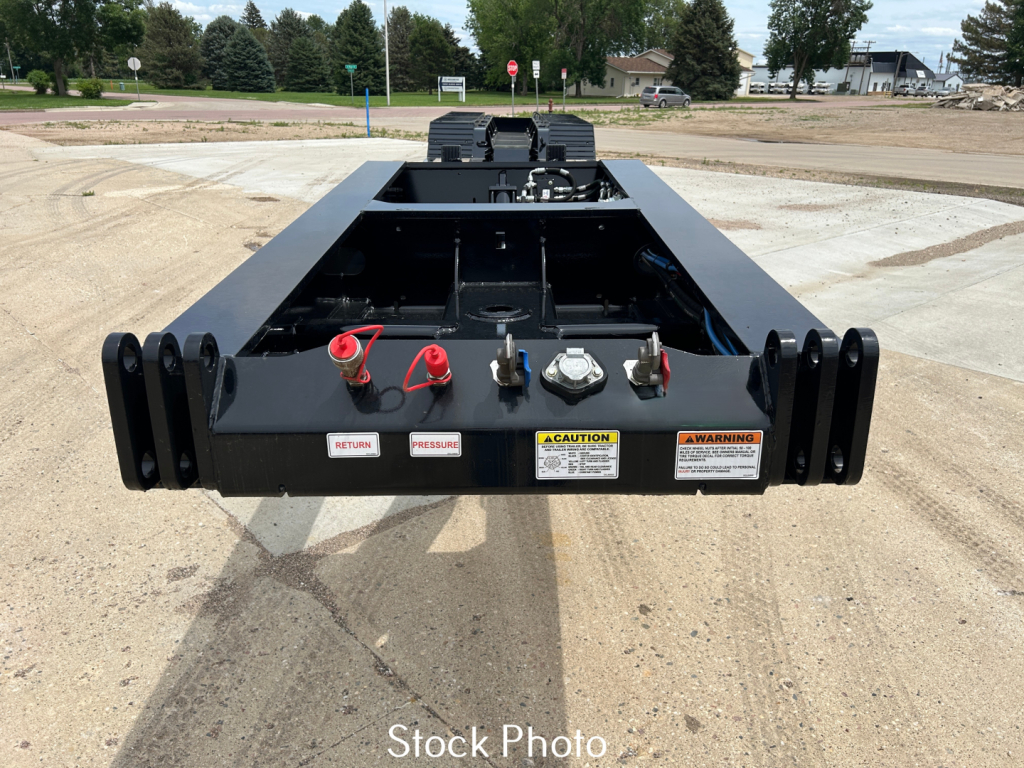
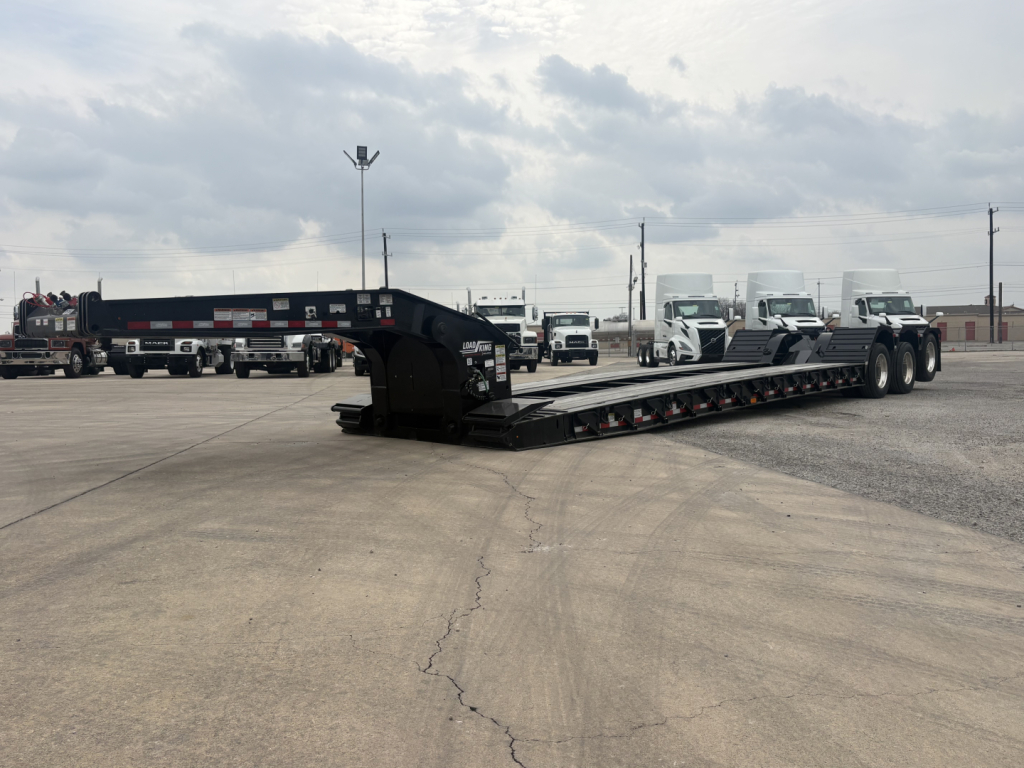
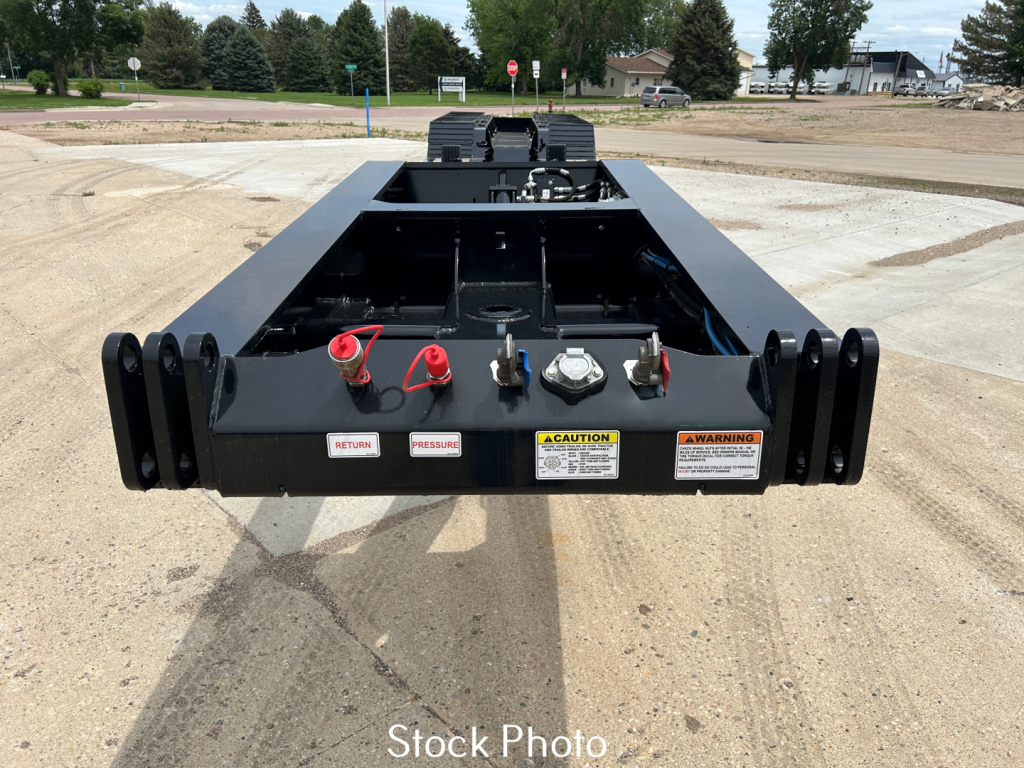

2027 Load King 604/5 SS SF-20" - 8'6" Wide
2027 Load King 604/5 SS SF-20" - 8'6" Wide
Selling a load king lowboy trailer? List your load king lowboy trailer for sale and reach thousands of commercial buyers.
Load King Lowboy Trailers in Texas
A buyer should start with capacity in load concentration, not just the headline ton rating. Many Load King lowboys are rated by tons in 12 feet, which is critical if most of your freight is a machine with a short, heavy track footprint. Common specs in this class include 55 ton and 60 ton ratings, 26-foot main decks, 18-inch to 24-inch loaded deck heights, 8-foot-6 or 9-foot overall deck width, and hydraulic detachable high-relief necks around 12 feet 9 inches long. Air ride suspension, 27,000 to 27,500 lb axles, axle lift setups, front flip ramps, chain slots, D-rings, swingout outriggers, and Apitong decking are all features that directly affect how efficiently the trailer handles real jobs. If your work includes excavators or backhoes, details like excavator notch plates, bucket wells, backhoe troughs, and reinforced crossmembers are more important than cosmetic options.
Load King is well known in the lowboy market for straightforward heavy-haul designs that can be spec'd for regional permitted work or daily commercial equipment transport. In Texas, buyers often pay close attention to overall width, axle count, neck style, ride height adjustment, and future expandability such as stinger prep or flip box compatibility. A quad-axle lowboy may make sense for heavier or more specialized loads, while a tri-axle configuration can be easier to live with for mixed fleet use and more routine machine moves. Tire size, brake type, axle spacing, and lift axle arrangement also affect bridge compliance, maneuverability, and tire wear, especially if the trailer will spend time on mixed highway and jobsite routes.
The best Load King lowboy for a fleet is usually the one that matches the machines you move most often, not the one with the biggest published rating. Deck length behind the neck, usable well space, swing clearance, and loaded deck height determine how easily a trailer accepts larger iron without forcing unnecessary permitting or awkward loading. Buyers comparing listings should look closely at neck geometry, deck concentration rating, reinforcement packages, tie-down layout, wheel cover design, and whether the trailer is set up for ramps, flip axles, or other future additions. Those details drive uptime, resale value, and how many different machines one trailer can realistically handle.
Frequently Asked Questions about Load King Lowboy Trailers in Texas
What is the main advantage of a Load King lowboy trailer over a standard flatbed or step deck?
The main advantage is deck height. A lowboy trailer carries equipment much lower to the ground than a flatbed or most step decks, which helps keep tall machines within legal height limits and improves stability. That lower deck also makes it easier to haul excavators, dozers, loaders, and similar equipment with high operating weights and uneven weight distribution. For heavy equipment transport, a lowboy is often the practical choice when a standard trailer would put the load too high or exceed the trailer's concentrated load capability.
How do I choose between a 55 ton and 60 ton Load King lowboy?
Start with the actual weight and footprint of the equipment you haul most often. The correct decision depends on load concentration in the well, not just total machine weight. A 55 ton trailer may be sufficient for many excavators and construction machines, but a 60 ton model can provide more margin for concentrated loads, attachments, and future fleet needs. Buyers should also factor in axle count, deck length, neck design, and permit requirements because a heavier-rated trailer can change operating cost, tare weight, and route flexibility.
Why does loaded deck height matter so much on a lowboy trailer?
Loaded deck height affects legal overall height, center of gravity, and loading practicality. An 18-inch or 20-inch deck can make a meaningful difference when hauling taller machines under bridges, utility lines, or state height restrictions. A lower deck also improves stability, but it must be balanced against ground clearance for rough entrances and jobsites. In Texas, where routes can include highway travel, rural roads, and unimproved access points, the right combination of low deck height and usable ground clearance is a major buying factor.
What features are most important for hauling excavators and other tracked equipment?
For tracked machines, buyers usually focus on concentrated load rating, deck reinforcement, tie-down placement, and load-specific deck features. Chain slots, bent D-rings, swingout outriggers, excavator notch plates, bucket wells, and backhoe trays all improve how securely and efficiently the machine sits on the trailer. Front flip ramps and a hydraulic detachable gooseneck also help with loading angle and machine access. If excavators are a primary load, reinforced crossmembers and upper or lower flange reinforcement are worth close attention because they support long-term durability under repeated point loading.
What should Texas buyers look for when comparing Load King lowboy trailer listings?
Texas buyers should compare width, axle configuration, neck style, deck height, and how the trailer is rated in 12-foot load concentration. They should also check for axle lifts, air ride suspension, tire size, brake specification, toolbox space, and any prep for future accessories such as a stinger or flip box. The right spec often depends on whether the trailer will stay in intrastate work, run permitted oversize loads, or serve a mixed fleet across construction, rental, and oilfield applications. A trailer that matches common load dimensions and state operating realities will usually perform better than one chosen by ton rating alone.