
2025 Load King Trailers For Sale
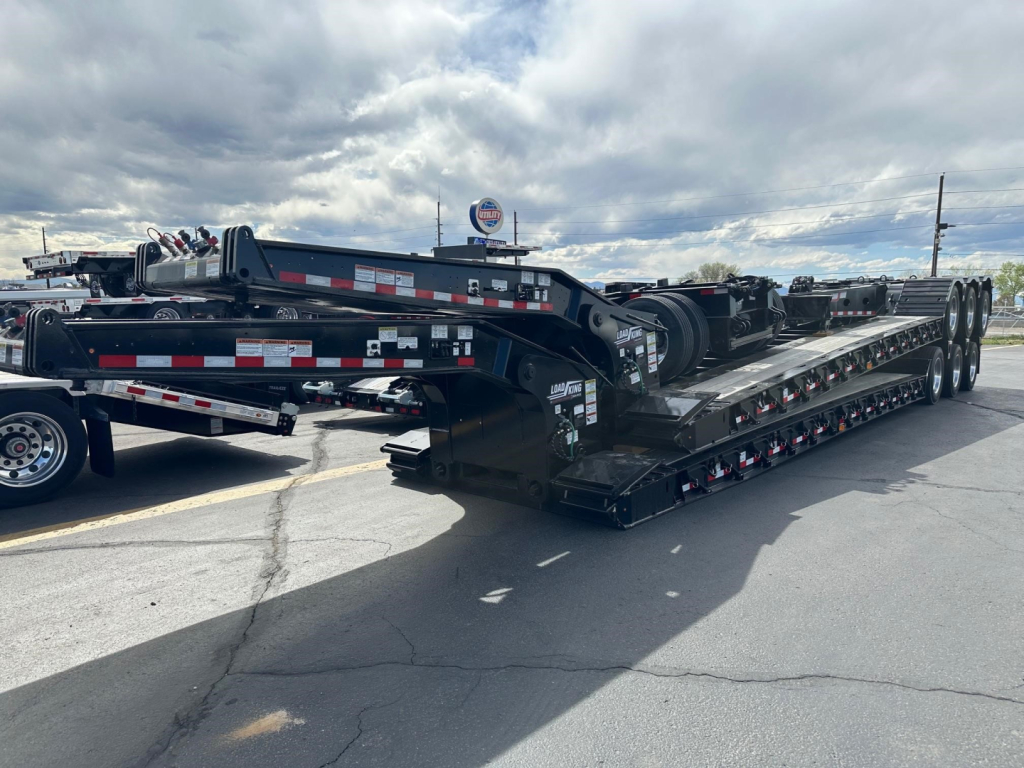
Browse 2025 Load King trailers for sale, including heavy-haul lowboy configurations with detachable necks, air ride suspensions, and high-capacity axles.
Selling a 2025 load king trailer? List your 2025 load king trailer for sale and reach thousands of commercial buyers.
2025 Load King Trailers
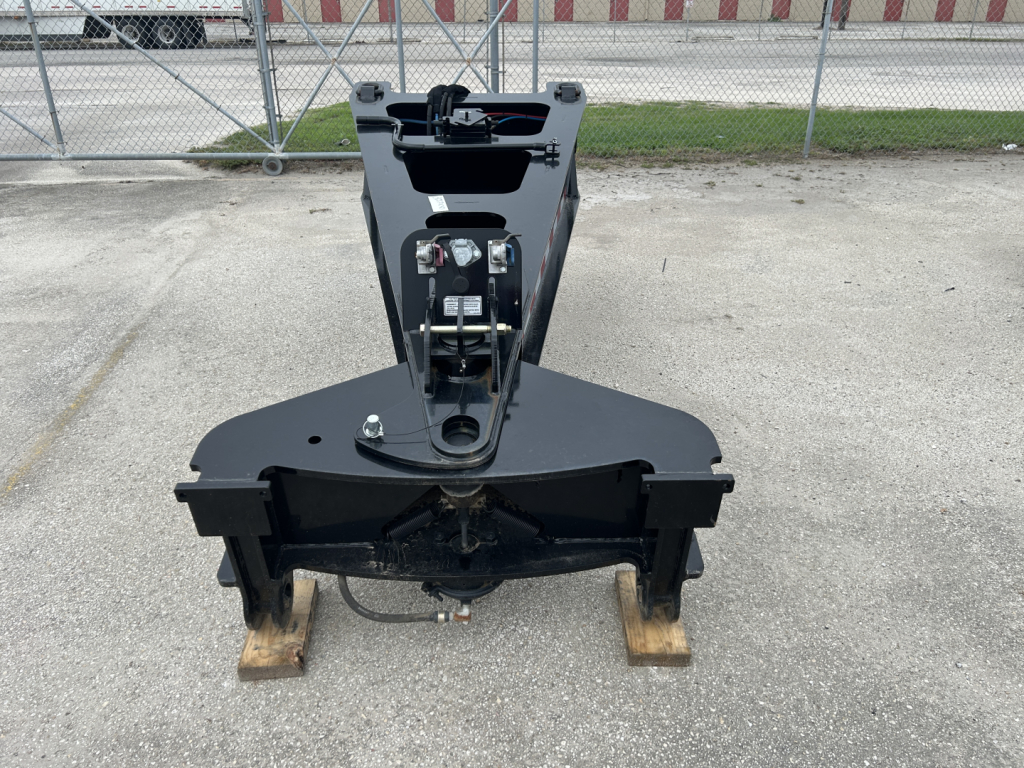
A serious buyer should start with neck style and loaded deck height. Mechanical detachable necks are simpler and often cost less to maintain, while hydraulic detachable necks speed up loading and reduce effort for operators cycling equipment on and off throughout the day. Loaded deck heights around 18 to 20 inches are common in heavy-haul lowboys because they help manage overall loaded height on tall iron. Well length, bucket well design, and rear bridge length all affect what the trailer can realistically haul. A 24 to 26 foot deck and an 8 foot bucket well is a useful setup for excavators and similar equipment, while flip boxes, front flip ramps, and outriggers add flexibility for wider or irregular machines.
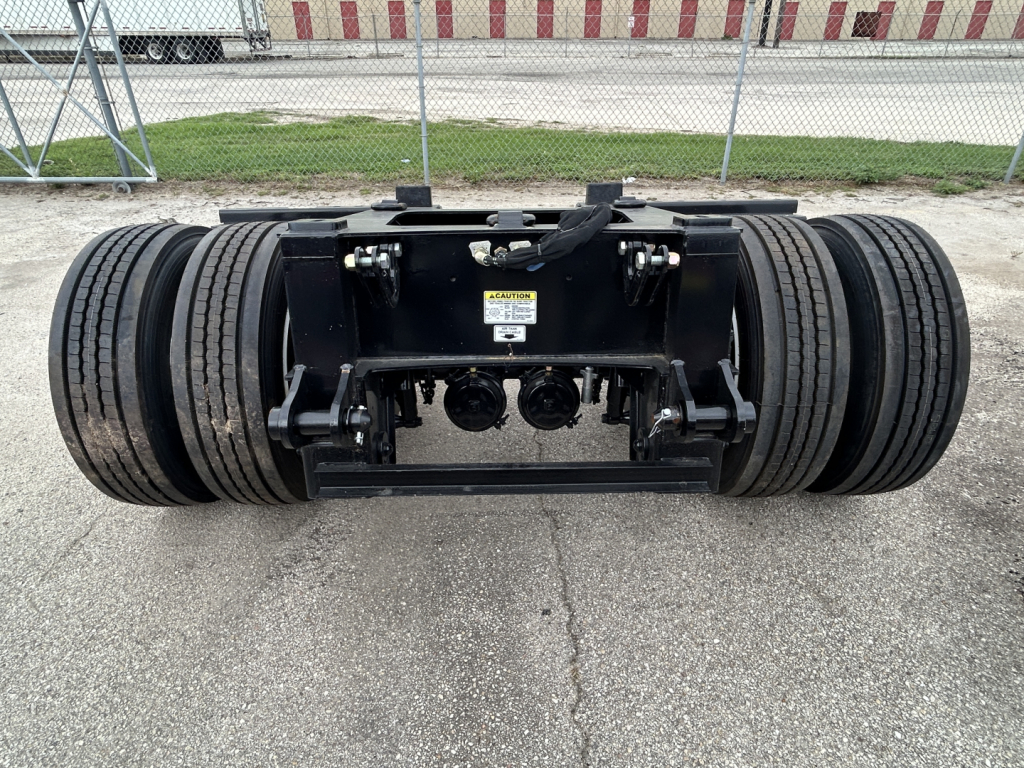
Axle group, suspension, and tire package deserve close attention because they directly affect durability and permit strategy. Many Load King trailers in this category use 27,500 lb axles, air ride suspension, and 255/70R22.5 or 275/70R22.5 tires. Air ride helps protect the trailer and cargo on rough roads and can improve ride quality under varying load conditions. Features such as a third axle lift, manual raise and lower valve, and adjustable ride height can make a noticeable difference in maneuverability, deck angle, and jobsite usability. Buyers hauling severe point loads should also look at upper and lower flange reinforcement, stub-in crossmembers, load-bearing wheel covers, and load-bearing fenders, especially if the trailer will regularly carry tracked equipment.
Details in the deck package often separate one heavy-haul trailer from another. Toolboxes or boom trough trays built into the front deck improve daily convenience. Wood deck sections remain common because they are field-serviceable and work well in mixed equipment applications, while tiedowns, D-rings, ramps, and swing-out outriggers expand load securement and machine compatibility. On Load King lowboys, kingpin setting, neck length, and overall trailer length should be reviewed along with local bridge formulas and the wheelbase of the tractor that will pull it. For buyers focused on 2025 Load King trailers, the right choice usually comes down to matching tonnage, neck type, well dimensions, and axle spread to the exact machines being hauled and the permit environment the trailer will run in.
Frequently Asked Questions about 2025 Load King Trailers
What are the most common applications for a Load King lowboy trailer?
Load King lowboy trailers are commonly used to haul excavators, dozers, loaders, pavers, rollers, and other heavy construction or aggregate equipment. Their low deck height helps carriers stay within legal loaded height limits when moving taller machines. Detachable neck designs also allow self-loading of tracked equipment, which makes these trailers a practical choice for contractors, equipment rental fleets, and specialized heavy-haul operators.
Should I choose a mechanical detachable neck or a hydraulic detachable neck on a Load King trailer?
A mechanical detachable neck is generally simpler, lighter on hydraulic components, and often less expensive to own over time. A hydraulic detachable neck offers faster hookups and easier loading, which can matter if the trailer is used daily with multiple pieces of equipment. The right choice depends on utilization, operator preference, maintenance capability, and how much value you place on speed and convenience versus mechanical simplicity.
What capacity range is common on Load King heavy-haul lowboys?
A common capacity range for Load King lowboy trailers is around 50 ton to 60 ton, though exact legal and structural hauling capability depends on axle count, axle spacing, tire rating, suspension, and the jurisdiction where the trailer operates. Buyers should look beyond the advertised ton rating and compare the actual axle specifications, deck design, and intended machine weights. Permitting and bridge compliance can matter just as much as the trailer's nominal rating.
Why do deck height and bucket well dimensions matter on a lowboy trailer?
Deck height and bucket well dimensions directly affect what equipment the trailer can haul without height issues or clearance problems. A lower loaded deck height helps keep tall machines under legal height limits, while a properly sized bucket well gives excavator buckets or other protruding components a place to sit lower in the trailer profile. These measurements are especially important for carriers moving mixed fleets of equipment where one trailer must handle several machine types.
What specs should I compare first when shopping Load King trailers for heavy-haul work?
Start with neck type, ton rating, axle count, loaded deck height, well length, and overall deck configuration. Then review suspension type, tire size, kingpin setting, outriggers, ramp arrangement, and reinforcement details such as flange upgrades or crossmember construction. These core specs determine how the trailer loads, how it rides, what permits it may require, and how well it matches the machines and routes in your operation.