
Load King Trailers For Sale in Kansas
Browse Load King trailers for sale, including lowboy and heavy haul models with flip axles, rail ramps, air ride, and high-capacity designs.
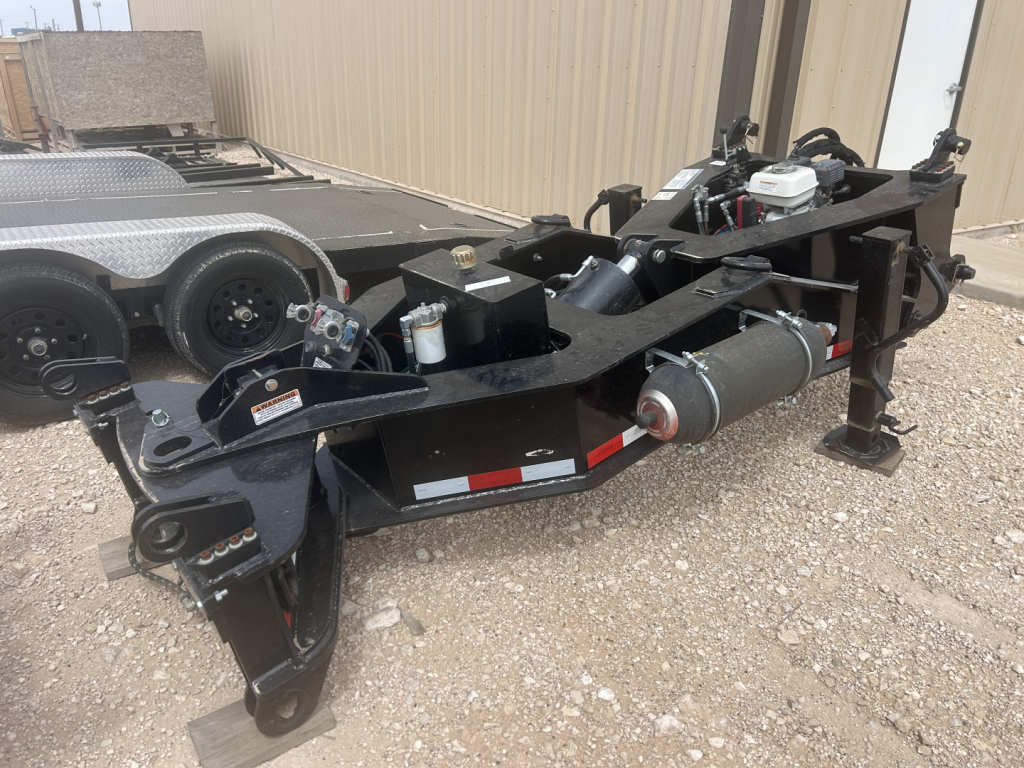
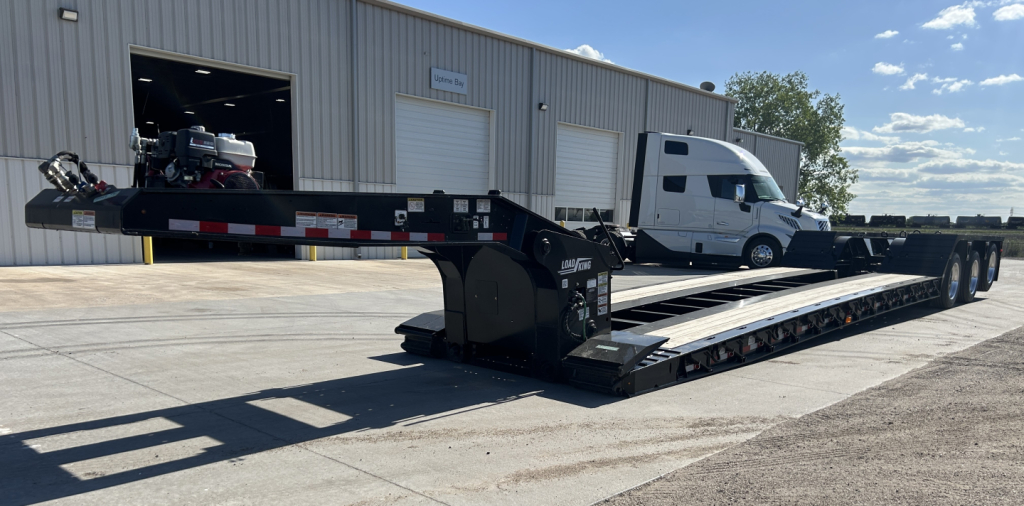
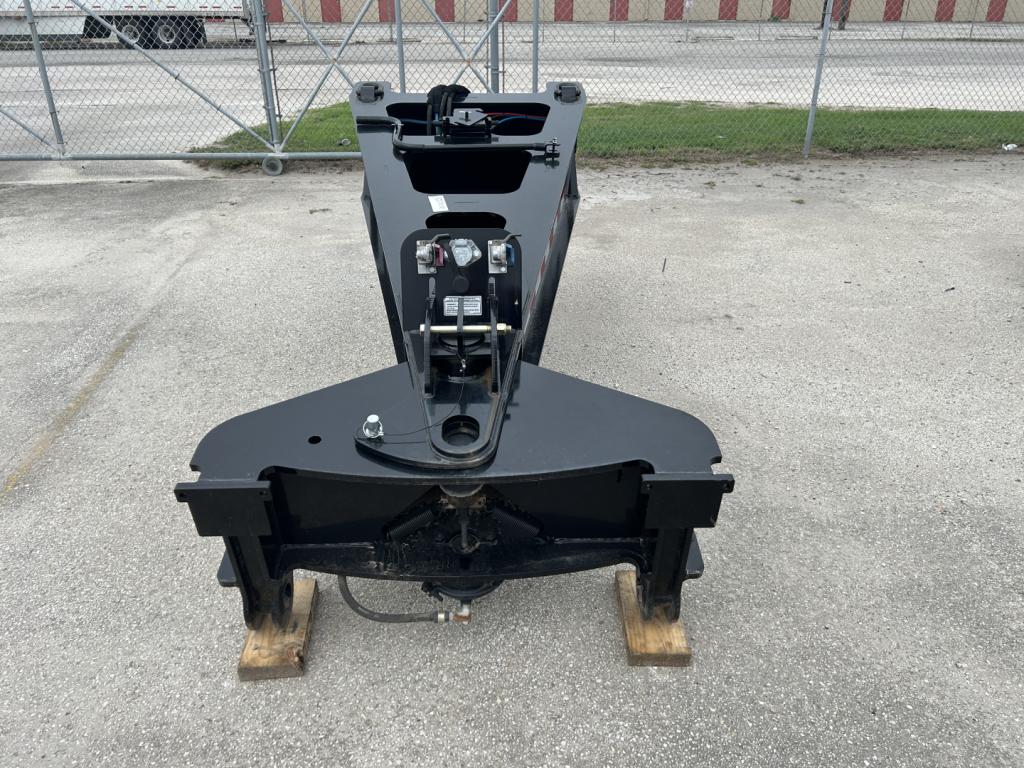
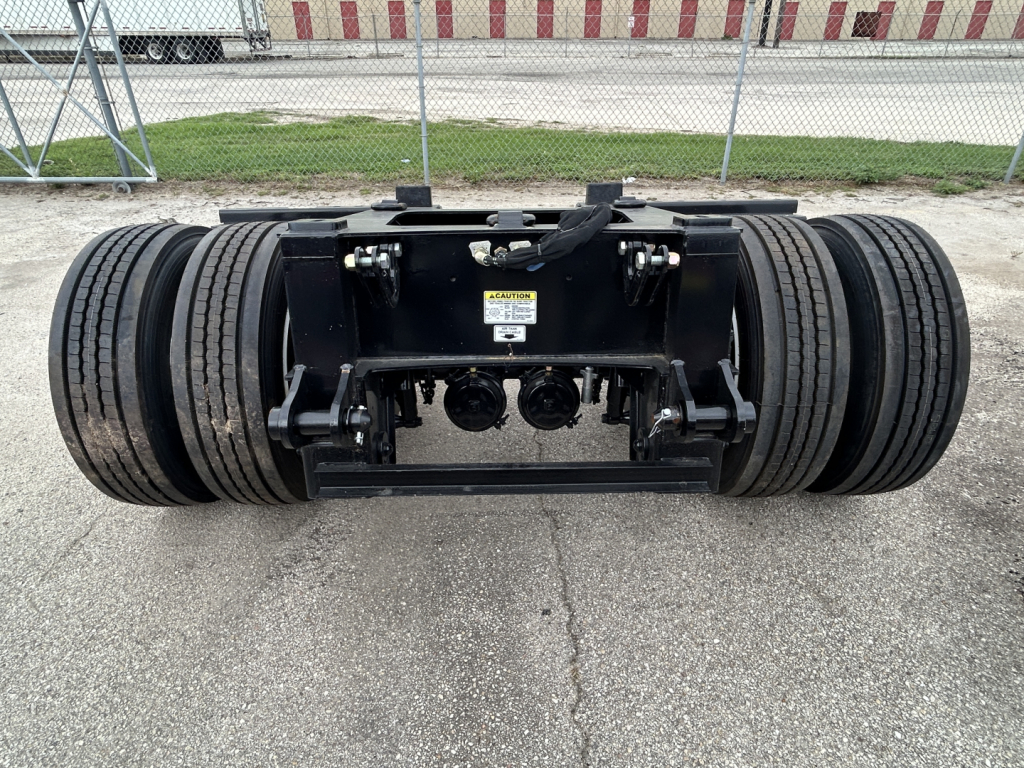
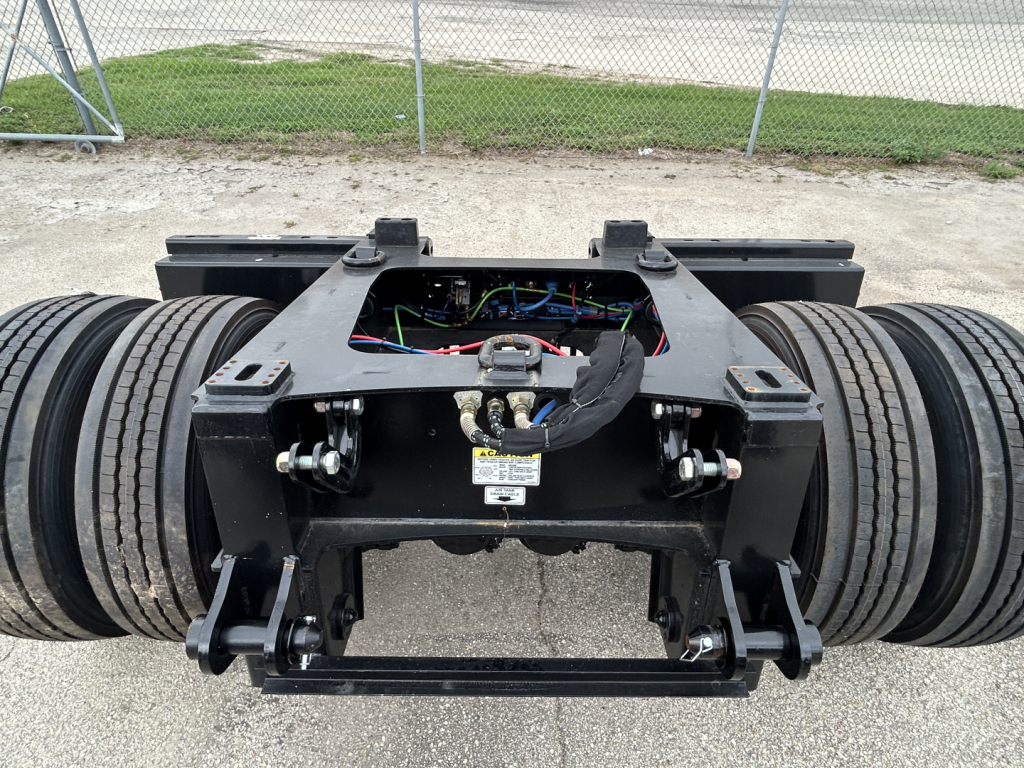
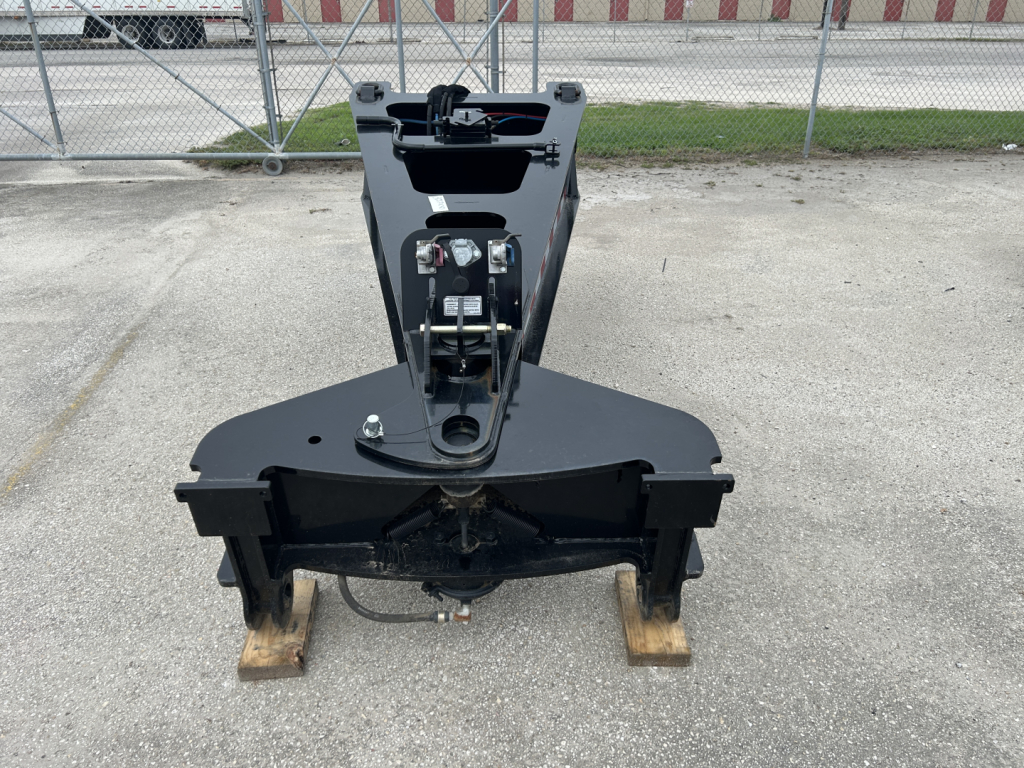
Selling a load king trailer? List your load king trailer for sale and reach thousands of commercial buyers.
Load King Trailers in Kansas
A buyer comparing Load King lowboy trailers should start with capacity, deck geometry, and axle setup. Common decision points include 45-ton to 60-ton class ratings, concentrated load capacity, loaded deck height, and load angle. A power fold gooseneck can speed up loading and improve safety with tracked machines or rail gear, while two-position kingpin settings help match bridge law requirements and tractor dimensions. Deck length, outrigger count, D-ring placement, and decking material such as Apitong all matter when the trailer will see mixed cargo instead of one dedicated machine. Air ride suspension, lift axles, manual raise and lower controls, and dump valves also affect ride quality, maneuverability, and tire wear.
Load King heavy haul buyers should also look closely at the support equipment that turns a trailer into a complete hauling system. Flip axles, internal flips, and spreader bars are not just add-ons. They directly affect axle spacing, legal load distribution, and how a trailer can be configured from one job to the next. If a trailer is intended for rail equipment, pavers, excavators, or concentrated track loads, features like reinforced flanges, aluminum loading ramps, rear frame winches, and covered wheel areas become more important. Brake specification, tire size, wheel material, and rear suspension design should be reviewed as a package, especially if the trailer will run long distances under permit or work in rough site conditions.
For many buyers, the right Load King trailer comes down to application fit rather than headline capacity alone. A trailer rated for heavy tonnage still needs the correct neck style, usable deck space, axle combination, and loading equipment for the machines it will carry most often. Kansas operators may also prioritize serviceability, simple hydraulic systems, and durable steel construction that can hold up to frequent loading cycles and seasonal weather swings. When comparing listings, focus on complete configuration details, because a lowboy, flip axle, or spreader designed around a specific 55-ton or 60-ton platform can make a major difference in legal payload, operating flexibility, and total cost of use.
Frequently Asked Questions about Load King Trailers in Kansas
What types of Load King trailers are most common on the market?
Load King is best known for heavy haul trailers, especially lowboy and detachable gooseneck models, along with related components such as flip axles, internal flips, jeeps, and spreaders. Many buyers encounter these trailers in 45-ton, 55-ton, and 60-ton applications where axle configuration and deck design are just as important as gross capacity. Some setups are built for general construction equipment, while others are configured for rail gear or concentrated load applications.
Why does a flip axle or spreader matter on a Load King trailer?
A flip axle or spreader changes how the trailer carries and distributes weight. That affects bridge compliance, axle spacing, permit flexibility, and the kind of payload the trailer can legally handle. On heavy haul jobs, the trailer itself is only part of the system, so the added axle equipment needs to match the base trailer's rating, width, and intended use. Buyers should confirm compatibility, spacing dimensions, and whether the setup is designed for one or two flip axles.
What specs should I check first on a Load King lowboy?
Start with rated capacity, concentrated load rating, loaded deck height, deck length, and gooseneck style. Then review axle count, suspension type, kingpin settings, load angle, ramp design, and tire size. If the trailer will haul tracked equipment, also check decking material, outrigger layout, D-ring quantity, and any upper flange reinforcement. These details have a direct impact on loadability, securement, ride quality, and long-term durability.
Are Load King trailers a good fit for Kansas hauling conditions?
They can be a strong fit for Kansas operations because many Load King trailers are built for demanding heavy equipment transport over mixed road conditions. Operators hauling between farms, construction sites, rail projects, and highway corridors often need durable frames, practical deck heights, and flexible axle setups. The right configuration depends on permit needs, tractor pairing, and the size and weight concentration of the equipment being moved.
How important is kingpin position on a detachable gooseneck trailer?
Kingpin position is a major setup factor because it affects swing clearance, tractor compatibility, weight transfer, and turning behavior. Some heavy haul trailers use two-position kingpin arrangements to help operators adapt to different tractors or bridge law requirements. If the tractor wheelbase, headache rack clearance, or permit routing is tight, kingpin setting can be as important as axle count when choosing a trailer.