
2027 Utility Trailers For Sale in Colorado
Shop 2027 Utility trailers for sale, including dry van and reefer models with fleet-grade specs, aero features, air ride suspensions, and PSI systems.
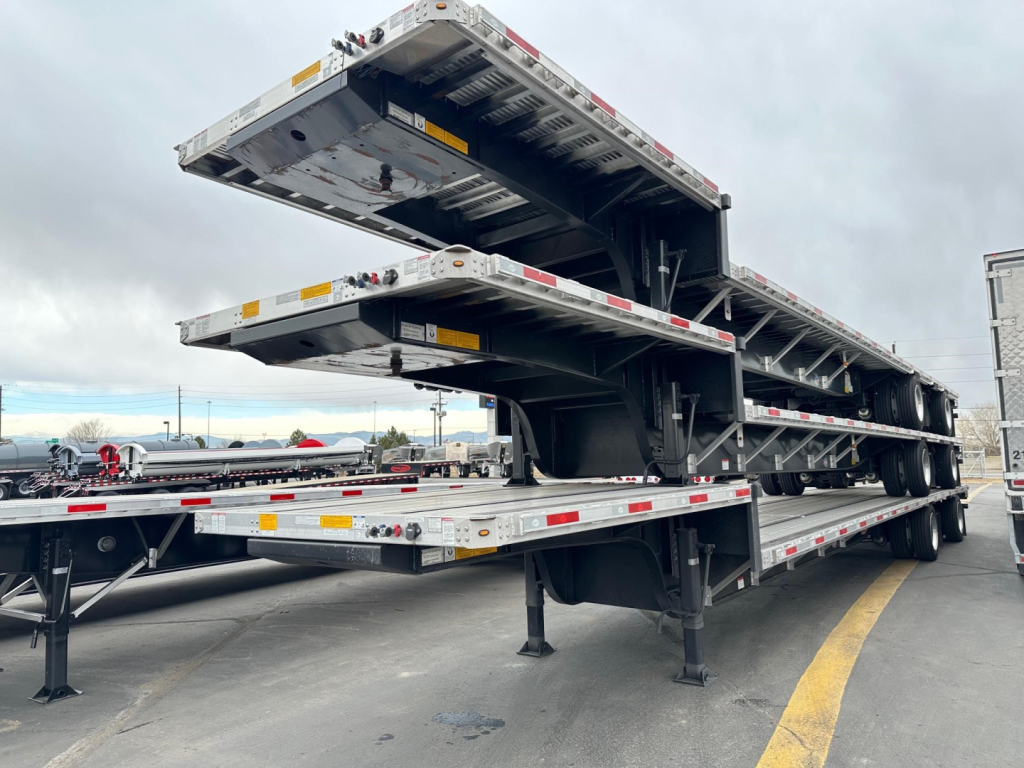
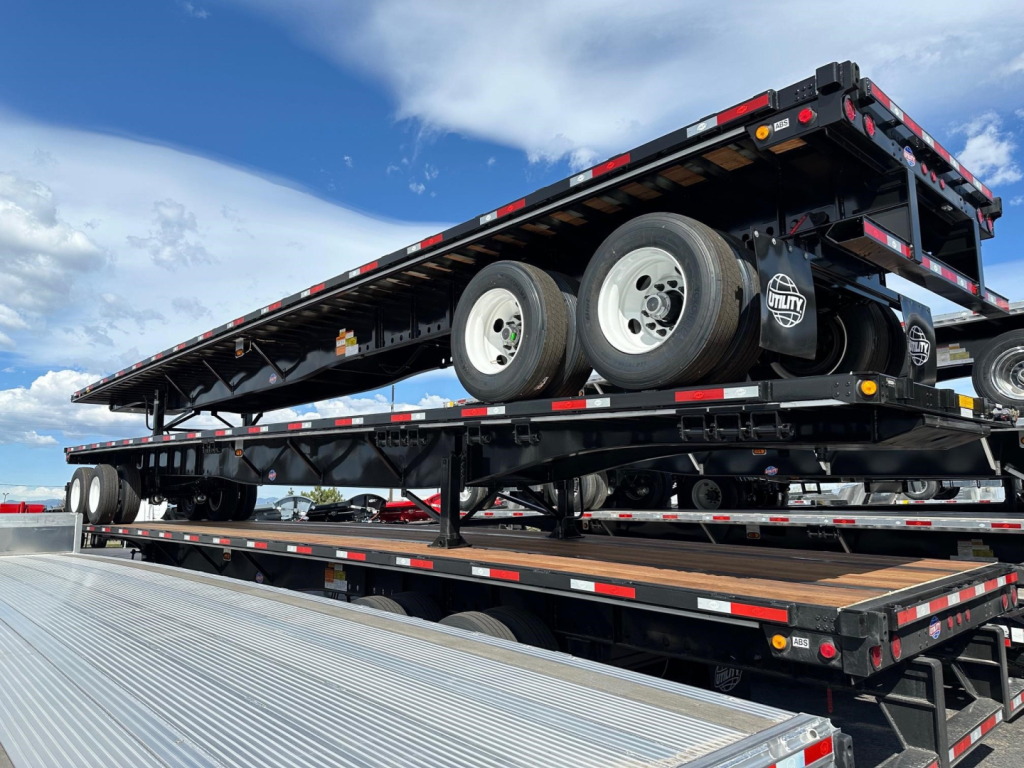
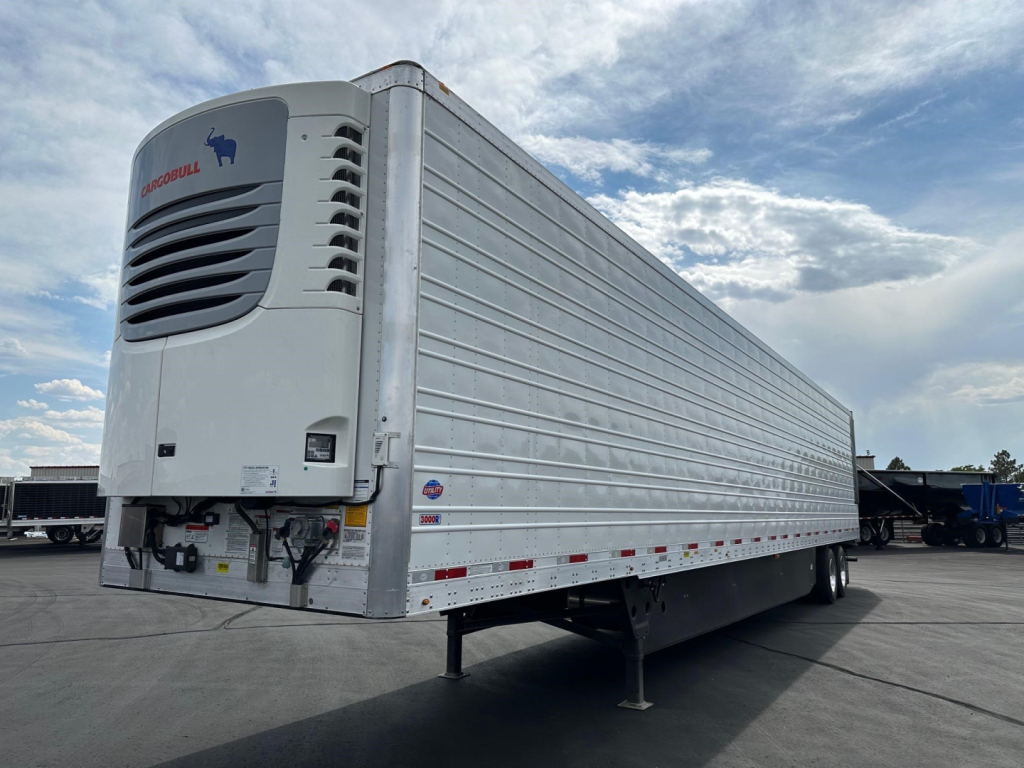
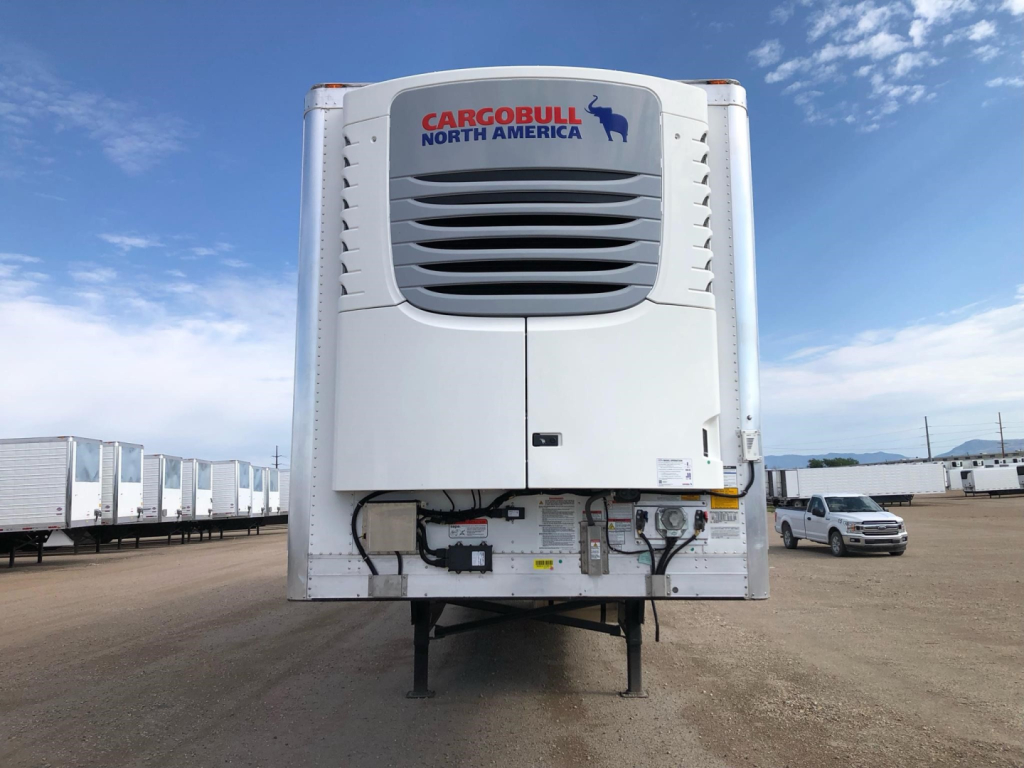
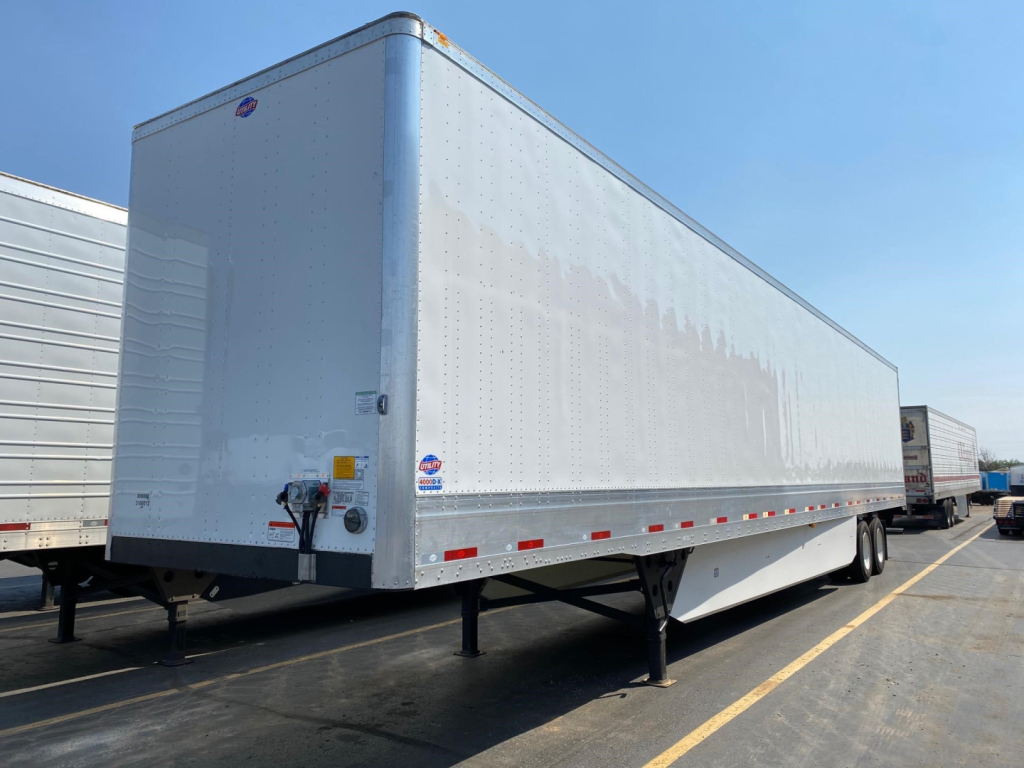
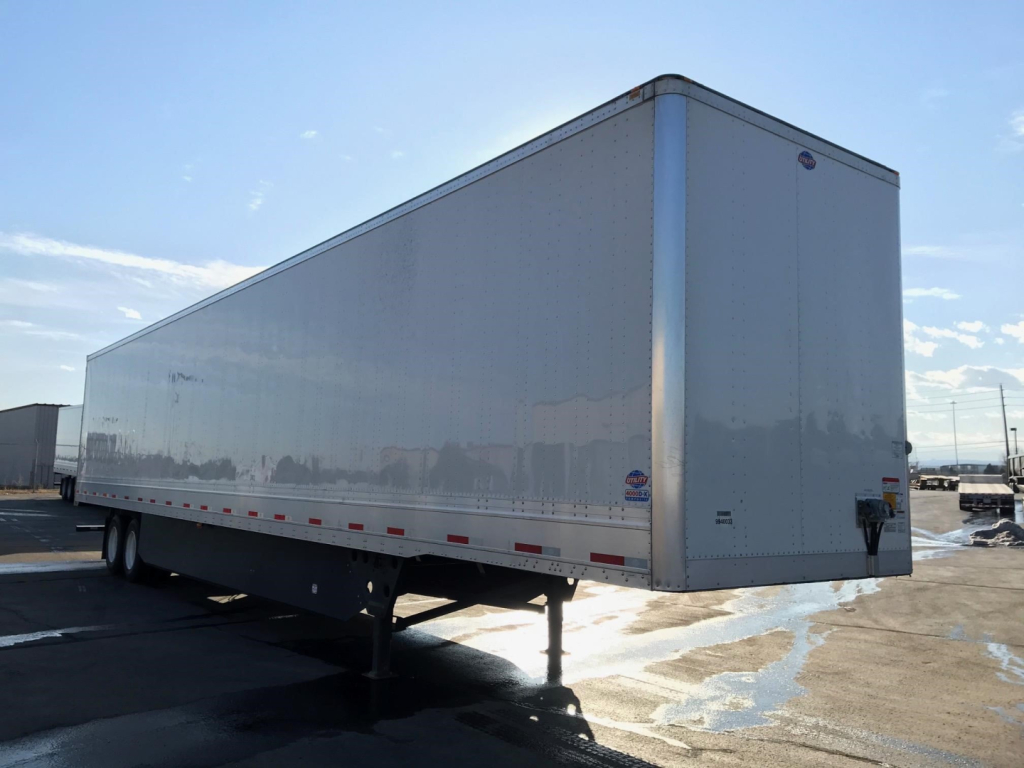
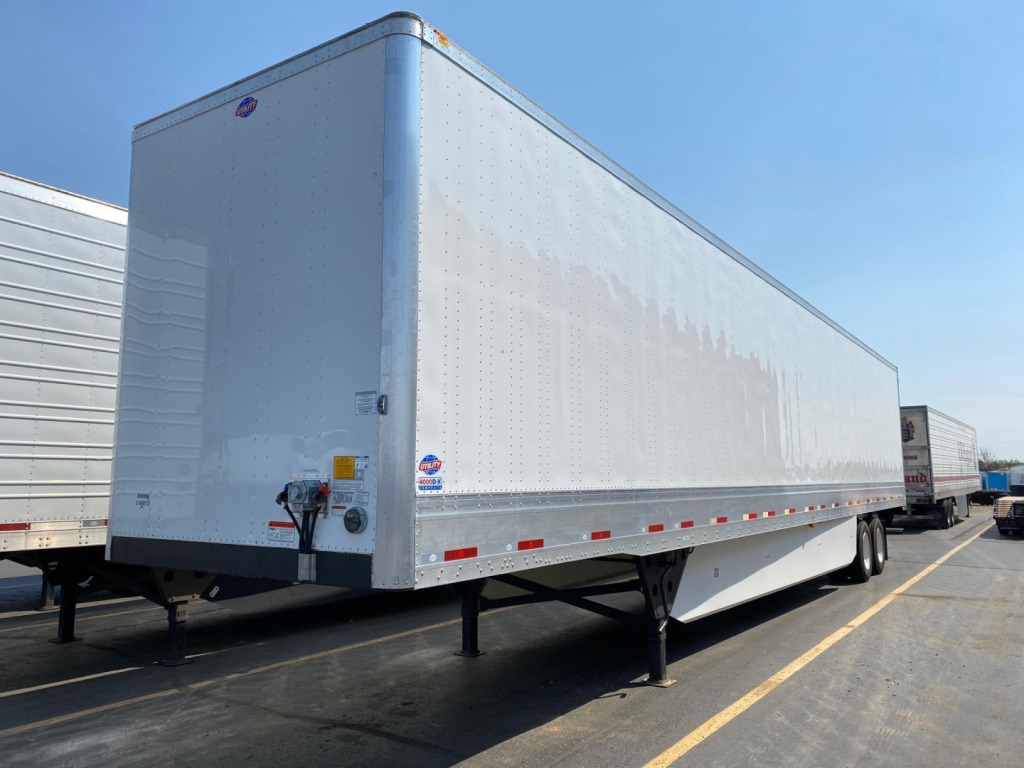
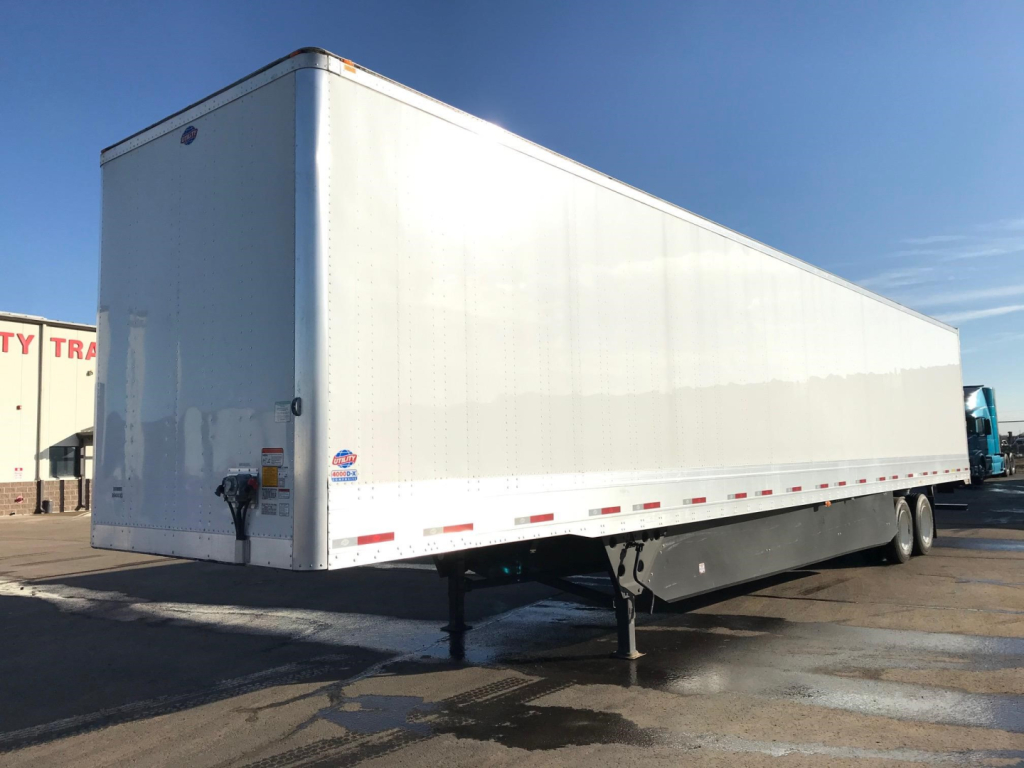
Selling a 2027 utility trailer? List your 2027 utility trailer for sale and reach thousands of commercial buyers.
2027 Utility Trailers in Colorado
On dry vans, common Utility specs include 53' x 102" dimensions, aerodynamic side skirts, aluminum roof construction, composite wall liners, logistic posts spaced for load securement flexibility, and wood floors built for forklift traffic. Tall bottom rail configurations, heavy-duty threshold plates, dock bumpers, anti-dock-walk systems, and rear swing doors are all practical features for high-cycle dock work. Air ride suspensions from suppliers like Hendrickson are common, and many late-model trailers include air-pin sliders and tire inflation systems such as TireMaax Pro PSI. Those details matter if the trailer will be dropped frequently, moved through multiple terminals, or expected to hold alignment and tire life over high annual mileage.
Utility reefer trailers are built around insulation performance, interior airflow, and refrigeration unit compatibility. Buyers often focus on 3000R configurations with duct floors, wearbands, stainless front corners or front panels, quilted stainless rear swing doors, rear vents, and side skirts. The refrigeration package itself is a major part of the buying decision, with Thermo King and Carrier units being the most common pairings. In a state like Colorado, reefer buyers should pay close attention to unit hours, California CARB compliance if west coast lanes are possible, chute configuration, floor condition, and door seal integrity. A clean reefer spec is not just about temperature control. It is about protecting payload, preserving fuel efficiency, and avoiding downtime tied to unit service or air leaks.
The best way to evaluate a 2027 Utility trailer is to match the trailer to the freight and operating pattern. A fleet running general freight may prioritize lightweight van specs, smooth side panels, and durable interior wall construction for cube and dock performance. A temperature-controlled operation may put more value on unit brand, insulation package, stainless corrosion resistance, and sliding spread or closed tandem axle settings. Utility trailers generally hold strong interest in the resale market because the brand is well known, parts support is broad, and the specifications are familiar to fleet maintenance departments. For buyers sorting through multiple late-model listings, the real differences usually come down to axle spread, brake type, tire and wheel package, floor system, aerodynamic equipment, and how well the trailer’s original spec fits the lane it will actually run.
Frequently Asked Questions about 2027 Utility Trailers in Colorado
What types of trailers does Utility commonly build in this category?
Utility is most commonly associated with dry van and refrigerated trailers in the 53-foot by 102-inch class. The 4000D-X series is a well-known dry van platform, while the 3000R is a common reefer platform. Both are fleet-oriented designs built for high-mileage freight service, but the dry van version emphasizes cube, dock durability, and general freight flexibility, while the reefer version focuses on insulation, airflow, and refrigeration unit integration.
What should I look for on a late-model Utility dry van trailer?
Pay close attention to suspension type, slider operation, floor construction, bottom rail height, roof material, wall liner condition, and rear frame durability. Features such as anti-dock-walk, side skirts, tire inflation systems, dock bumpers, and heavy-duty threshold plates can reduce operating cost and improve daily usability. Logistic post spacing and interior wall design also matter if the trailer will handle mixed freight, load bars, or frequent palletized shipments.
What matters most when buying a Utility reefer trailer?
The biggest factors are refrigeration unit brand and condition, unit hours, CARB compliance, insulation integrity, floor design, and rear door seal condition. Buyers should also inspect the duct floor, wearband, chute, front wall construction, and any stainless components that affect corrosion resistance and washout durability. Reefer performance depends on the complete trailer and unit package, not just the name on the refrigeration unit.
Are Utility trailers a good fit for Colorado operations?
Utility trailers are a strong fit for Colorado because they are commonly spec'd for long-haul service, variable weather, and demanding freight cycles. Air ride suspensions, aerodynamic skirts, durable flooring, and quality door hardware help on interstate lanes and mountain routes alike. Reefer models are especially relevant for produce, grocery, dairy, and frozen freight moving through changing elevations and temperatures.
How do axle configurations affect a Utility trailer purchase?
Axle setup has a direct effect on bridge compliance, tire wear, maneuverability, and freight flexibility. Closed tandems are common for straightforward van and reefer service, while sliding spread configurations can be valuable for California-legal operation and weight distribution needs. Buyers should also verify whether the trailer has air-pin sliders, the condition of the slider rails, brake spec, and tire size because those details influence both maintenance cost and how easily the trailer fits the intended lanes.