
2027 Utility Van Trailers For Sale in Colorado
Shop 2027 Utility van trailers for sale in Colorado. Compare 53-foot dry van specs, logistics packages, suspension, flooring, and trailer options.
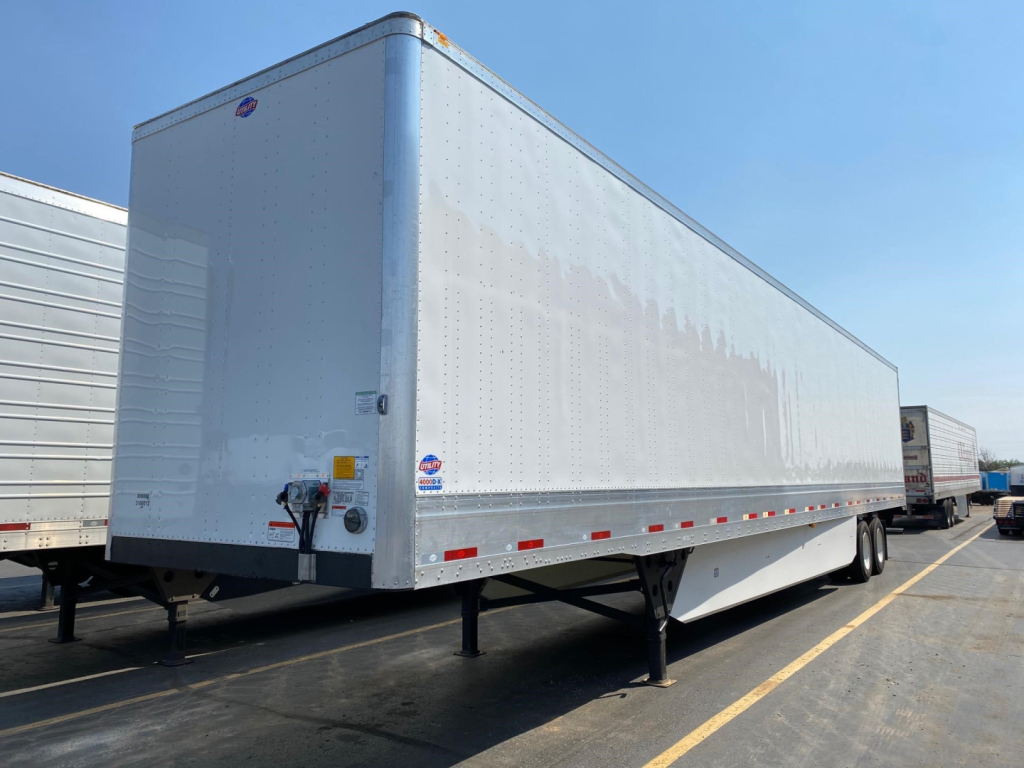
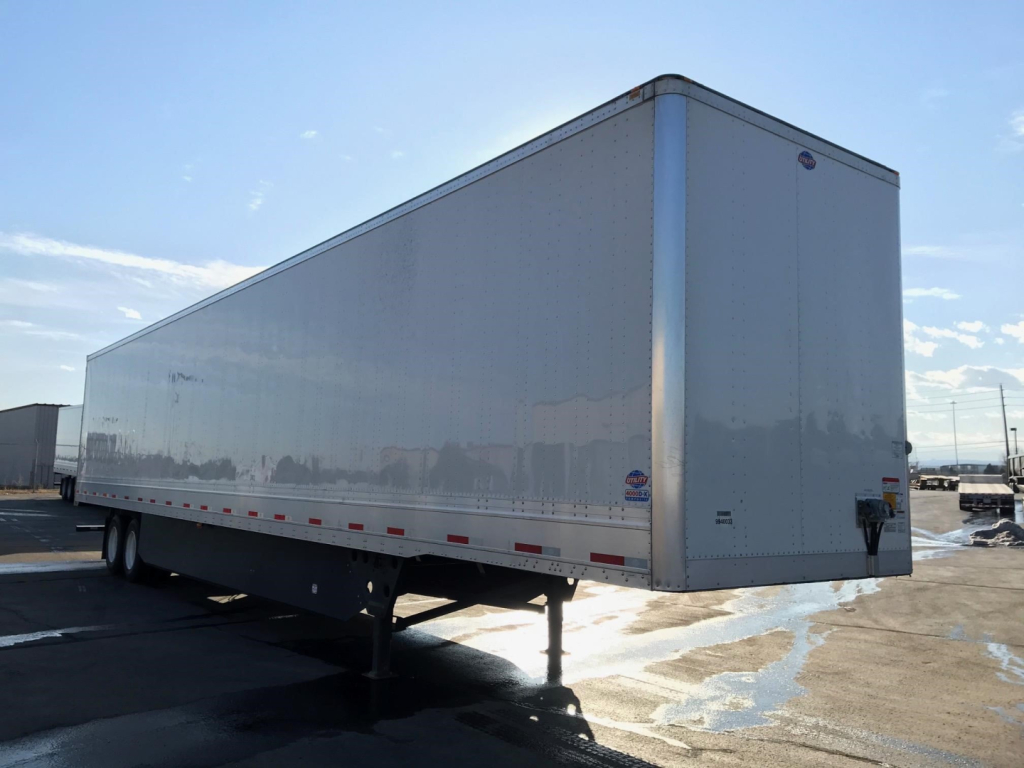
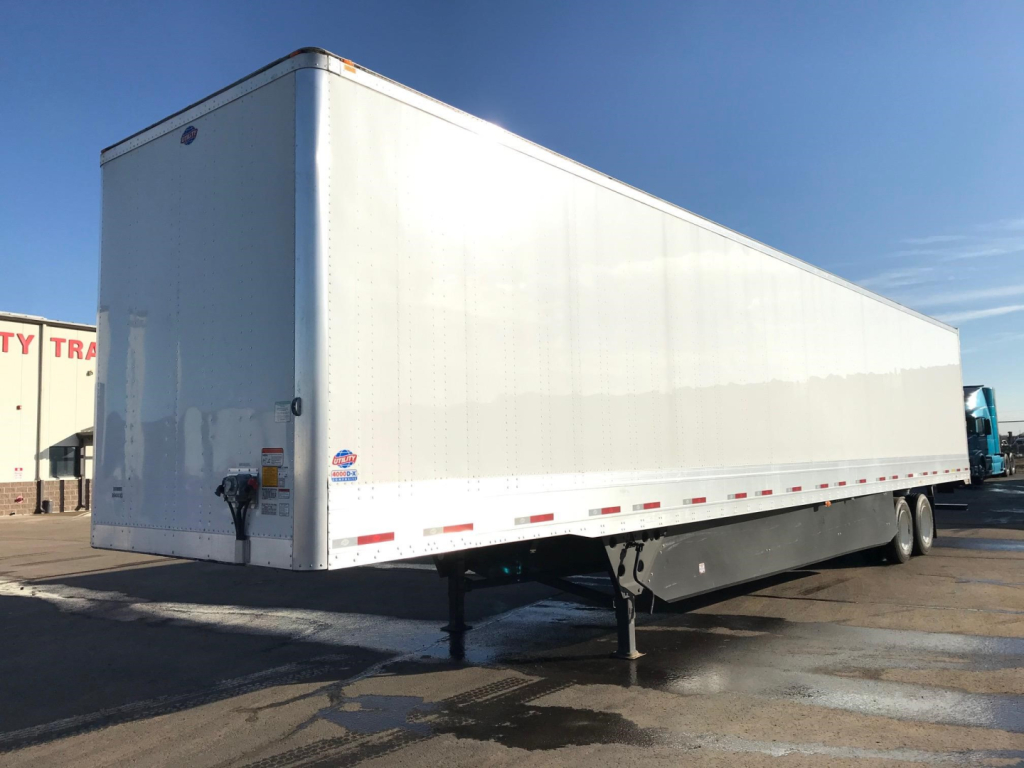
Have 2027 utility van trailer to sell? List it here to reach thousands of buyers.
2027 Utility Van Trailers in Colorado
The spec decisions that matter most usually start with the trailer body and floor package. Utility 4000-series dry vans are commonly seen with smooth side panels, tall bottom rail construction, composite or aluminum-lined wall protection, scuff liners or wearband packages, and heavy-duty threshold plates for repeated forklift traffic. Interior logistics posts, often spaced on tight centers, make a difference for mixed freight and load bars. Wood floors remain common because they are repairable and proven in dock service, but buyers should still look closely at floor fastening, crossmember spacing, and signs of concentrated forklift wear if comparing units with similar age and mileage.
Running gear and operating cost are the next filter. Many Utility van trailers are equipped with air ride suspension, sliding tandems, and 22.5 low-profile tires, which help with dock height consistency, ride quality, and bridge law flexibility. Tire inflation systems are worth attention on high-mileage fleet work because they can reduce irregular wear and roadside downtime. Side skirts are common on later-model fleet specs for fuel economy, and anti-dock-walk systems, LED lighting, stainless rear hardware, and durable door frame components all add up over a long service cycle. In Colorado, buyers may also pay closer attention to brake condition, tire age, suspension bushing wear, and corrosion exposure from winter roads, especially on trailers that have spent time in mountain and Front Range freight lanes.
For most operations, the right Utility van trailer comes down to freight profile and loading environment. A trailer hauling dense consumer goods on regular dock freight may prioritize floor life, threshold strength, and swing door durability. A fleet running long highway lanes may put more value on aerodynamics, tire management systems, and clean undercarriage condition. If your freight mix changes often, a logistics-equipped interior with scuff protection and a well-maintained sliding tandem setup usually gives the broadest usefulness. Utility has long been a major name in dry van trailers because the platform is straightforward, parts support is strong, and the specs are familiar to carriers, owner-operators, and lease fleets across the country.
Frequently Asked Questions about 2027 Utility Van Trailers in Colorado
What are the most common specs on a Utility dry van trailer?
The most common Utility van trailer configuration is a 53-foot dry van with 102-inch width and 13-foot 6-inch overall height. Buyers will frequently see air ride suspension, sliding tandems, rear swing doors, wood floors, logistics posts, scuff protection, and 22.5 low-profile tires. Many later-model fleet trailers also include side skirts, LED lighting, and automatic tire inflation systems.
What does Tall Bottom Rail mean on a Utility van trailer?
Tall Bottom Rail, often shortened to TBR, refers to a reinforced lower sidewall design intended to improve durability in high-contact freight service. This area of the trailer takes repeated abuse from forklifts, pallets, and dock operations, so a taller bottom rail can help resist damage and extend body life. It is a common fleet spec on dry vans that see regular loading and unloading cycles.
Is a Utility van trailer a good choice for general freight?
Yes. Utility dry vans are widely used for general freight because they offer a strong combination of cargo protection, standard dimensions, and broad dock compatibility. They work well for palletized goods, packaged products, retail freight, paper products, and many other non-temperature-controlled loads. A logistics-equipped interior also makes them more adaptable when freight types change from one load to the next.
What should I inspect first on a used Utility van trailer?
Start with the floor, rear frame, doors, suspension, tires, and overall body condition. Floor wear from forklift traffic can be expensive if it is advanced, and rear threshold or door frame damage often shows how hard the trailer has been used at docks. Also inspect the tandem slide, air ride components, tire inflation system if equipped, and the lower sidewall area for impact damage or prior repairs.
Do side skirts and tire inflation systems really matter on a dry van?
For many operations, they do. Side skirts can improve fuel efficiency on highway lanes, especially in higher-mileage service, while automatic tire inflation systems help maintain proper pressure and reduce irregular tire wear. Those features may not change the trailer's cargo capacity, but they can lower operating costs and improve uptime over the life of the trailer.