
2027 Utility Flatbed Trailers For Sale in Colorado
Shop 2027 Utility flatbed trailers with specs buyers want, including combo and steel designs, coil packages, winch tracks, spread axles, and air ride.
Selling a 2027 utility flatbed trailer? List your 2027 utility flatbed trailer for sale and reach thousands of commercial buyers.
2027 Utility Flatbed Trailers in Colorado
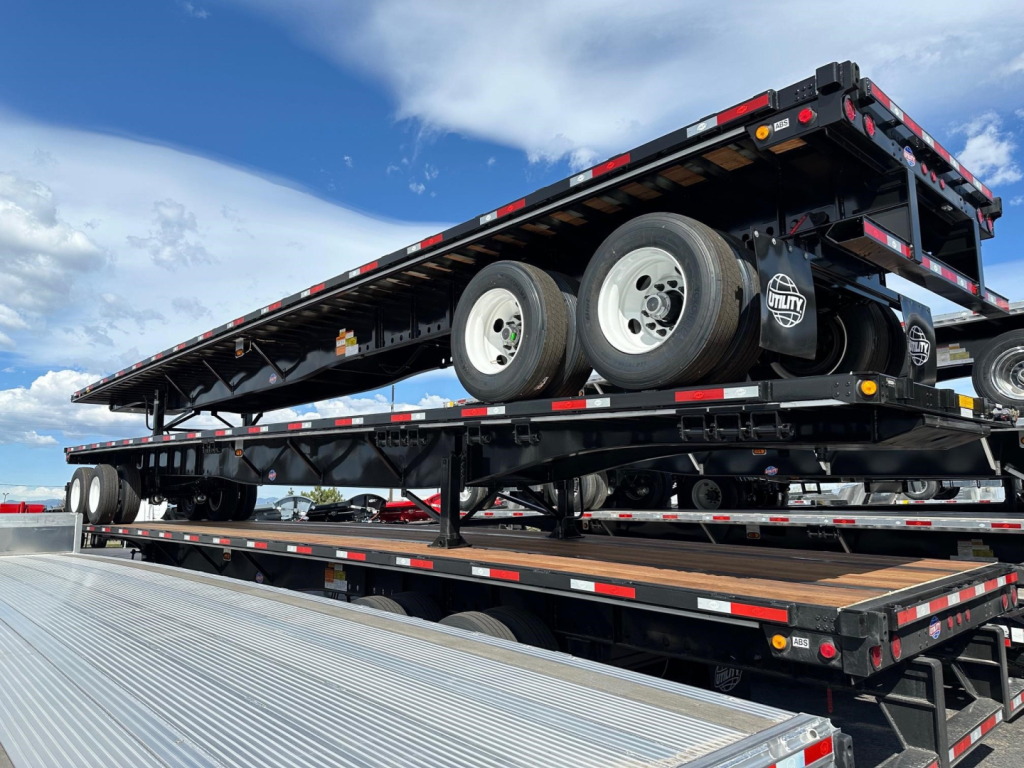
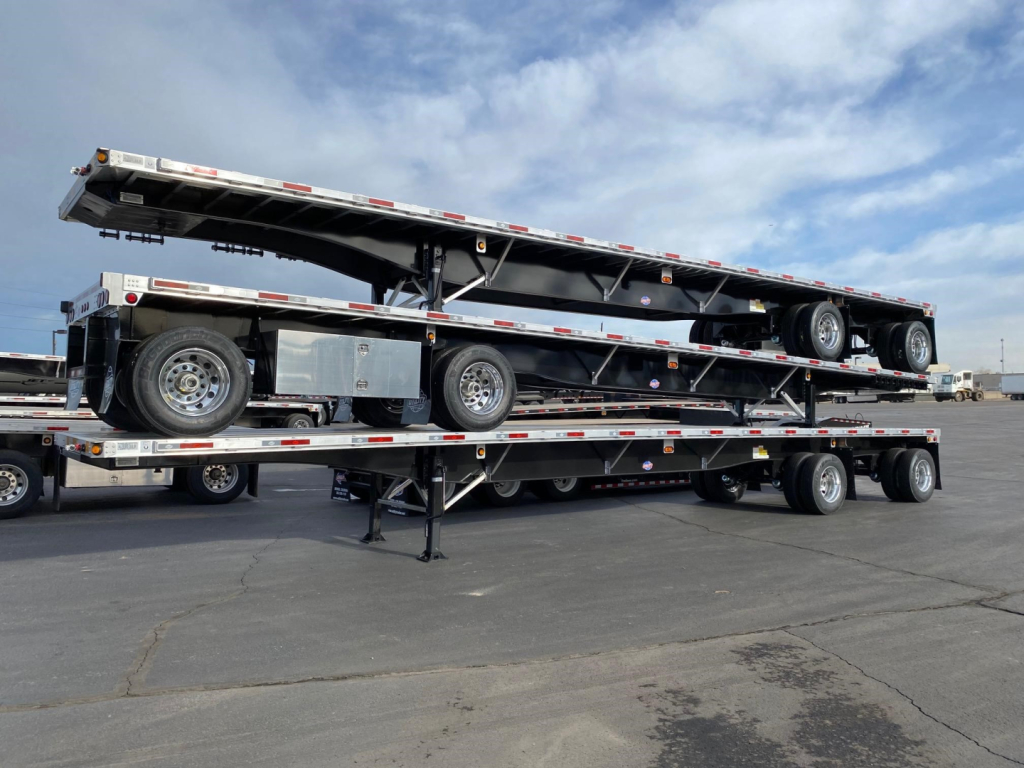
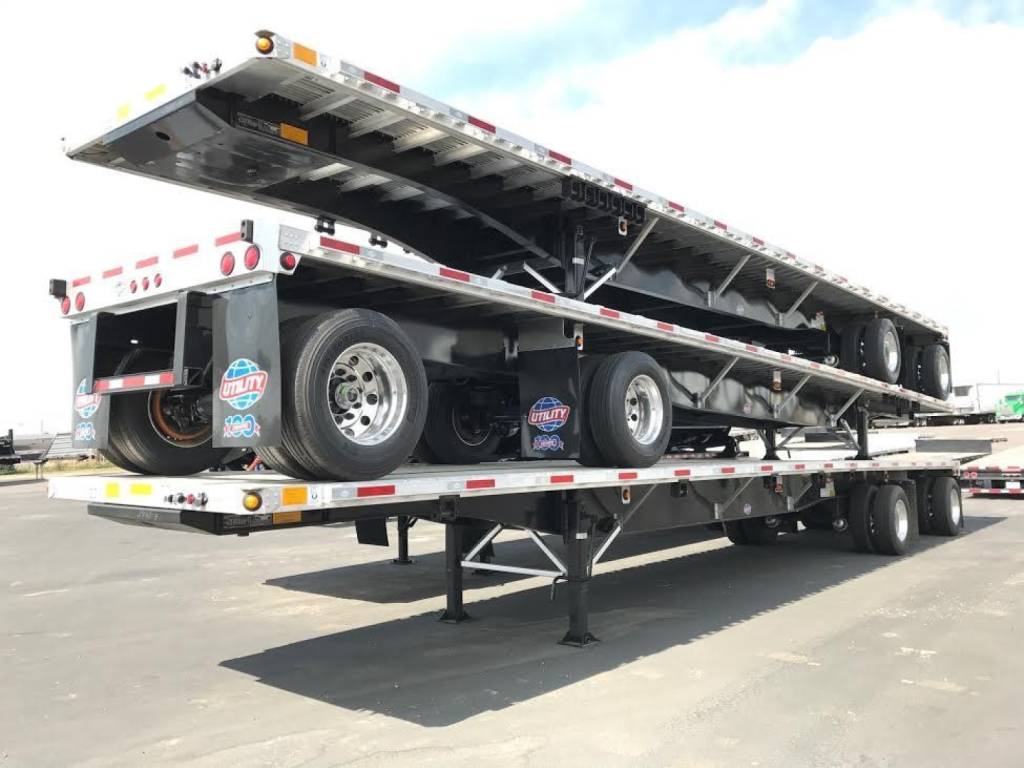
The most common configurations in this class are 48-foot by 102-inch platforms, though 53-foot models are also common for operations that need deck length over concentrated load capacity. Utility flatbeds in the market often show up with features buyers specifically look for in steel, building products, machinery, and general commodity hauling: stake pockets, sliding winches, pipe spools, nail strips, and winch tracks on one or both sides. Coil packages matter if you haul steel coil, and buyers should verify concentrated load ratings, coil well design, and beam structure instead of assuming all flatbeds are spec'd the same. A 47,000-pound coil package is a meaningful spec in this segment and should be matched to your freight profile and securement practices.
Suspension and axle layout are just as important as deck construction. Spread air ride setups are popular for ride quality, cargo protection, and bridge-law flexibility, while closed tandem spring ride trailers still appeal to buyers who want a simpler suspension and a slider for axle adjustment. Tire size, wheel material, and axle placement affect both maintenance cost and legal loading strategy. Low-profile 22.5 tires are common on platform trailers in this class, and wheel spec can range from steel to mixed steel and aluminum, depending on weight targets and appearance preferences. If your lanes include mountain grades and variable weather in Colorado, suspension condition, brake spec, and tire quality deserve as much attention as trailer weight.
A buyer looking at a late-model Utility flatbed should also pay close attention to deck surface, crossmember spacing, kingpin and axle setting, and the condition of wear items that drive operating cost after purchase. On combo trailers, inspect the interface between steel and aluminum components for signs of fatigue, corrosion, or hard use. On steel trailers, focus on frame straightness, rail condition, and deck replacement history. Utility has long been a recognized name in commercial trailers, and the flatbed line is typically chosen by buyers who want a practical platform with familiar specs, broad serviceability, and freight versatility across construction materials, steel products, palletized freight, and equipment.
Frequently Asked Questions about 2027 Utility Flatbed Trailers in Colorado
What is the difference between a Utility combo flatbed and a steel flatbed?
A Utility combo flatbed typically uses steel main beams with aluminum crossmembers, deck, and sometimes rails to reduce trailer weight while maintaining structural strength where it matters most. A steel flatbed uses steel throughout more of the structure, which usually increases tare weight but can simplify certain repairs and hold up well in severe-duty applications. Buyers usually choose combo construction for payload efficiency and corrosion resistance, while steel construction is often selected for rugged service and lower initial cost.
Is a 48-foot or 53-foot Utility flatbed better for most loads?
A 48-foot flatbed is a common choice because it balances maneuverability, concentrated load capability, and freight versatility. It is especially practical for steel, machinery, and shorter building material loads. A 53-foot flatbed gives you more deck length for lighter or longer commodities, but load placement, axle weights, and freight type matter more than overall length alone. The right choice depends on whether your operation is limited by deck space, axle law, or payload weight.
Why does a coil package matter on a flatbed trailer?
A coil package is important because steel coil creates a high concentrated load that can overstress a trailer not designed for it. On a Utility flatbed, a properly rated coil package indicates the trailer was spec'd to handle heavier point loads through the frame and deck structure. Buyers hauling steel should verify the actual coil rating, trailer length, and axle setup, then confirm the securement layout supports their loading method and compliance requirements.
What should I look for in the suspension on a Utility flatbed trailer?
The suspension choice affects ride quality, maintenance, cargo protection, and legal load distribution. Spread air ride is popular because it helps with ride quality and can improve flexibility for bridge laws and load placement. A closed tandem with spring ride and slider remains a solid option for buyers who want a simpler setup and easier axle repositioning. Inspect bushings, air bags, hangers, slider components, alignment wear, and brake condition because those items often determine near-term ownership cost more than the suspension type itself.
What features are most useful on a late-model flatbed trailer?
The most useful features depend on the freight, but many buyers prioritize stake pockets, sliding winches, pipe spools, dual-sided winch tracks, tool boxes, nail strips, and a deck material that matches their loading style. For steel and industrial freight, concentrated load capacity and coil package rating are critical. For general freight, deck condition, securement options, and tare weight often matter most. Buyers should treat these features as productivity and compliance tools, not just add-ons, because they directly affect how many load types the trailer can handle safely and efficiently.