
2027 Utility Flatbed Trailers For Sale
Shop 2027 Utility flatbed trailers. Compare 48' and 53' combo flatbeds with air ride, coil packages, sliding winches, and aluminum decks.
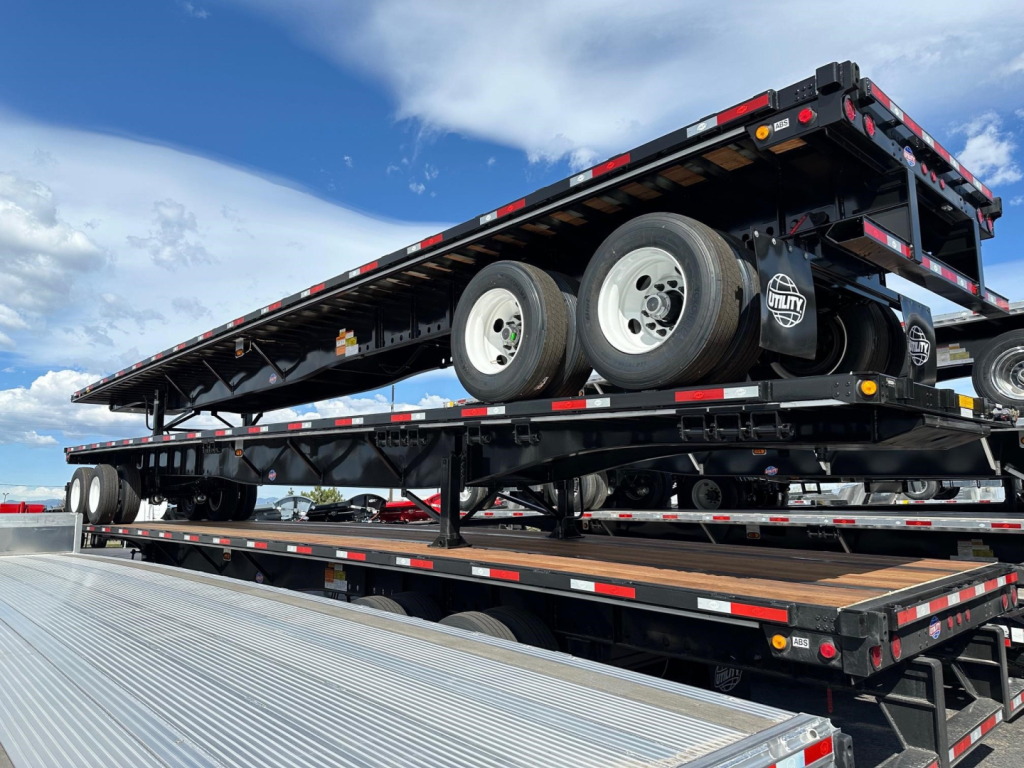
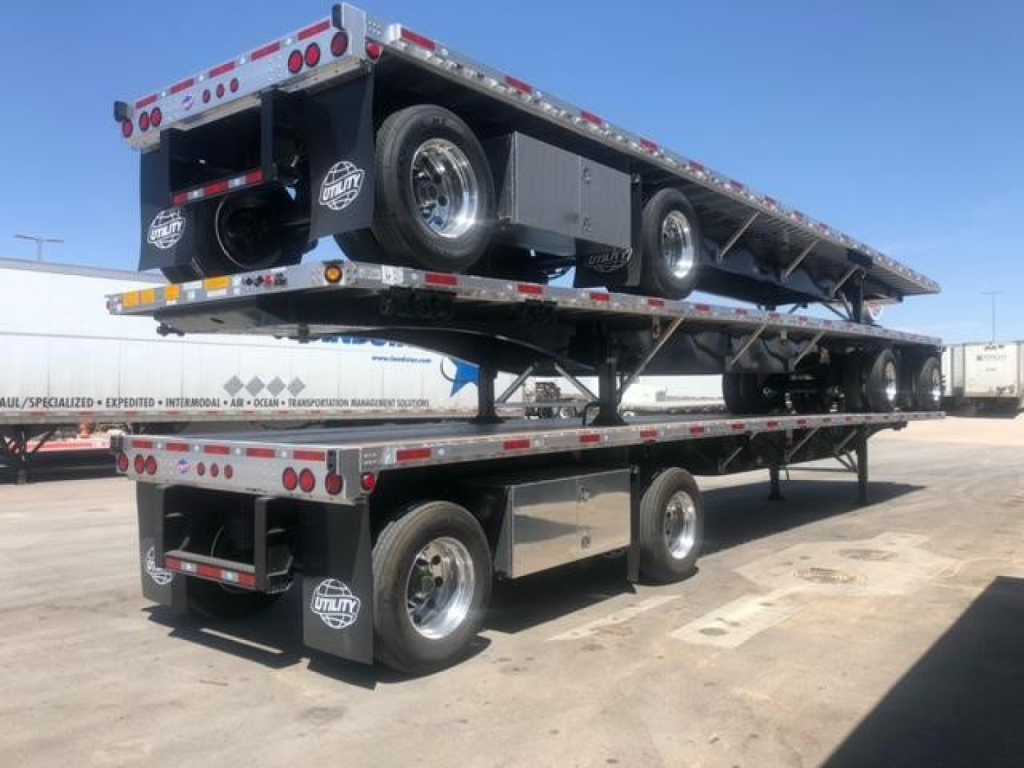
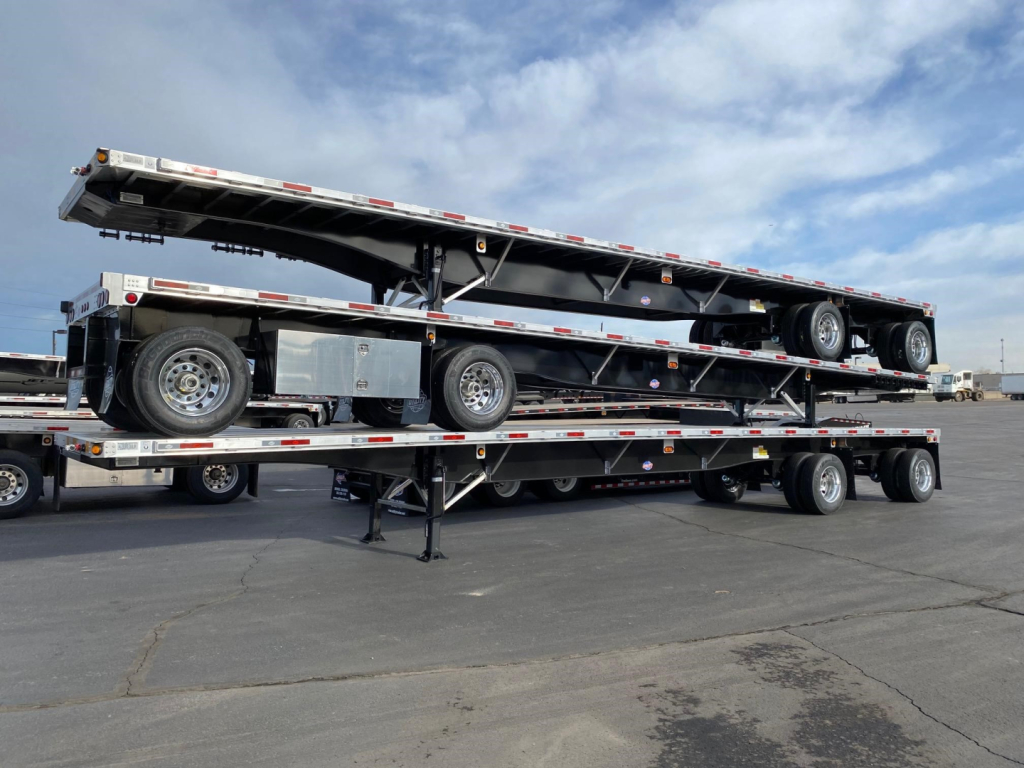
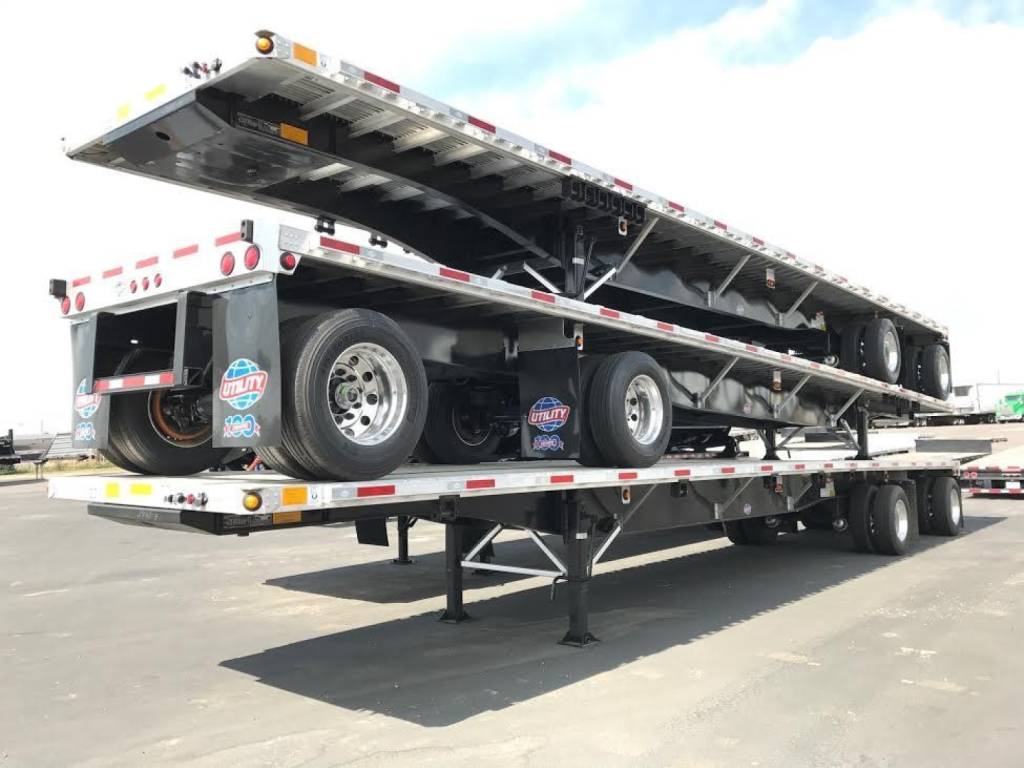

Selling a 2027 utility flatbed trailer? List your 2027 utility flatbed trailer for sale and reach thousands of commercial buyers.
2027 Utility Flatbed Trailers
Spec details matter on a flatbed because small differences affect securement speed, legal loading, and long-term maintenance. Many Utility flatbeds in this category include stake pockets, double pipe spools, sliding winches, and winch tracks on one or both sides. A coil package is a major decision point if you haul steel coils, since it changes how the trailer handles concentrated weight and securement. Nail strips, aluminum floors, tool boxes, dump valves, and air ride suspensions are also common features that improve day-to-day usability. On spread configurations, buyers should pay attention to whether the spread is fixed or adjustable, and on slider setups, confirm rear slide axle travel and air pin operation if California compliance or bridge-law flexibility is important.
Weight and deck construction are especially important in this segment. A combo flatbed can offer a strong payload advantage over an all-steel trailer while still standing up well to forklift traffic and rough loading conditions. Low-profile 22.5 tires are common on these trailers and can help with deck height, load clearance, and stability. Wheel material is often mixed, with aluminum outside wheels and steel inside wheels used to control cost while still improving appearance and reducing some unsprung weight. Buyers should also evaluate floor condition, crossmember spacing, kingpin setting, suspension brand and wear, and signs of rail or beam damage if comparing used units against new 2027 models.
For most operations, the right Utility flatbed comes down to freight type and loading method. A 48-foot spread air ride trailer can be a strong fit for regional steel and construction freight, while a 53-foot tandem or slider trailer may suit mixed over-the-road freight that needs more deck space and route flexibility. Utility flatbeds are commonly used where fast side loading, crane loading, and multiple securement points are part of the job. The best listing for your operation will usually be the one with the right axle layout, securement package, deck spec, and tare weight for the lanes you actually run.
Frequently Asked Questions about 2027 Utility Flatbed Trailers
What is a Utility combo flatbed trailer?
A Utility combo flatbed trailer is a flatbed built with a mix of steel and aluminum components, usually steel main beams with aluminum crossmembers, rails, and decking. This design is intended to reduce trailer weight while maintaining the structural strength needed for common flatbed freight. In the market, Utility combo flatbeds are often associated with broad freight flexibility, including steel products, lumber, machinery, and palletized building materials.
Should I choose a 48-foot or 53-foot Utility flatbed trailer?
The choice depends on your freight mix, route restrictions, and loading style. A 48-foot flatbed is often favored for dense freight such as steel where bridge compliance and axle loading can matter more than deck length. A 53-foot flatbed gives more loading space for mixed freight, longer materials, and higher-cube loads. Buyers should also consider whether the trailer has a tandem, fixed spread, or sliding axle setup, since axle placement can be just as important as overall deck length.
Why is a coil package important on a flatbed trailer?
A coil package is important if the trailer will haul steel coils or other concentrated loads. It is designed to better support heavy point-loading in the deck area and improve securement options for coil hauling. Even if a trailer will not haul coils every day, a coil package can add flexibility for shippers that occasionally load dense commodity freight. Buyers should still confirm rated capacity, deck condition, and load securement layout before assuming all coil-equipped trailers are the same.
What features should I look for on a 2027 Utility flatbed trailer?
The most important features usually include the axle configuration, suspension type, deck material, securement equipment, and tare weight. Common buyer priorities are air ride suspension, sliding winches, winch tracks, stake pockets, pipe spools, nail strips, and one or more tool boxes. It is also smart to verify tire size, wheel spec, kingpin setting, dump valve availability, and whether the trailer is built for California bridge-law compliance if that applies to your operation.
Are spread axle Utility flatbeds better than tandem axle models?
Neither layout is universally better because each one serves a different freight and routing profile. Spread axle flatbeds can offer bridge advantages and can improve weight distribution on certain loads, but they may be less maneuverable in tight yards and can create tire scrub in sharp turns. Tandem axle models are generally easier to maneuver and can be a better fit for mixed freight operations that value flexibility. If a trailer has a sliding rear axle or air pin slider, it can provide some of the legal-loading advantages of a spread while keeping more route options open.