
2027 CPS Trailers For Sale in Colorado
Shop 2027 CPS trailers for sale, including bottom dumps and end dumps built for aggregate, scrap, demolition, and high-volume hauling.
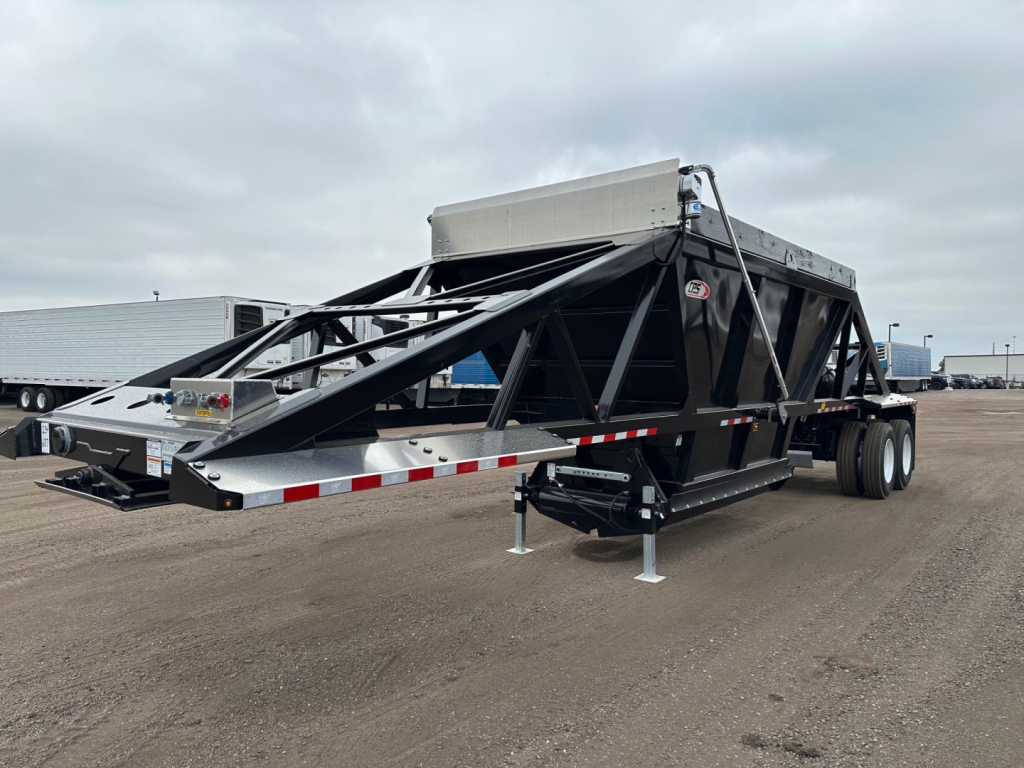
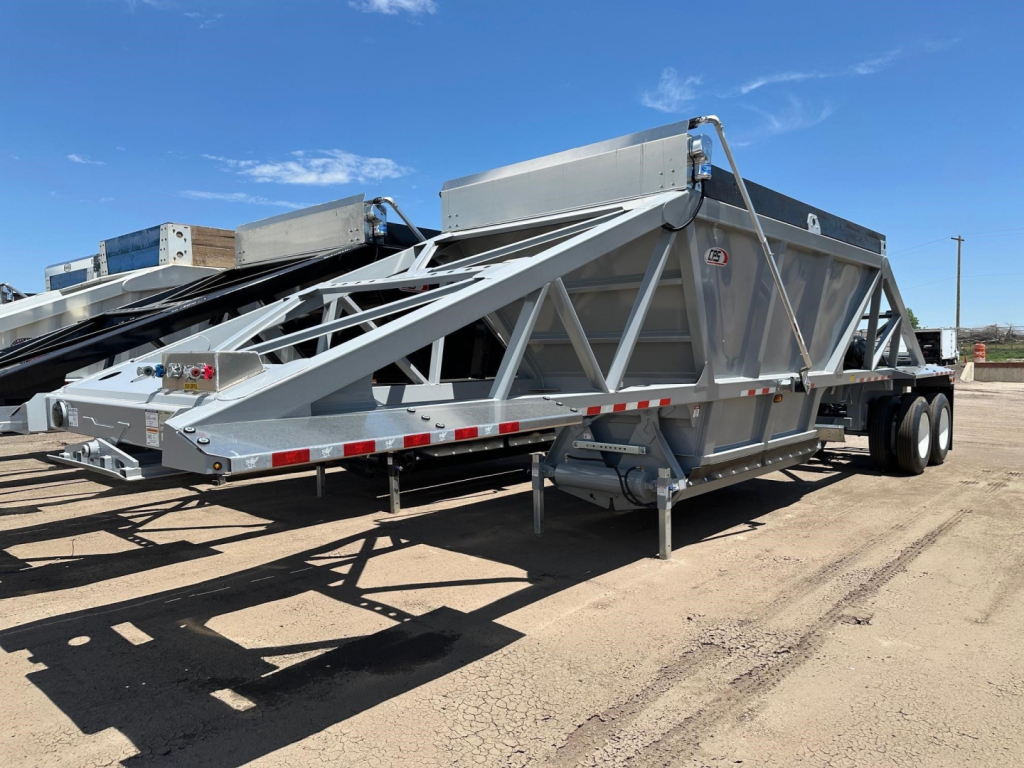
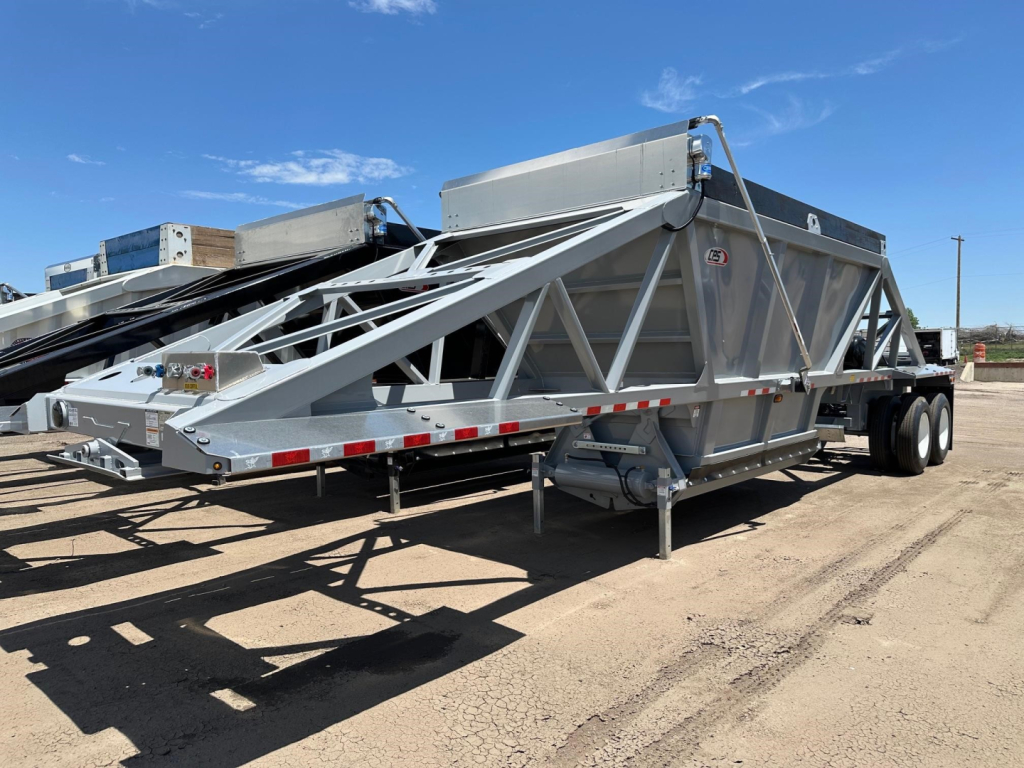
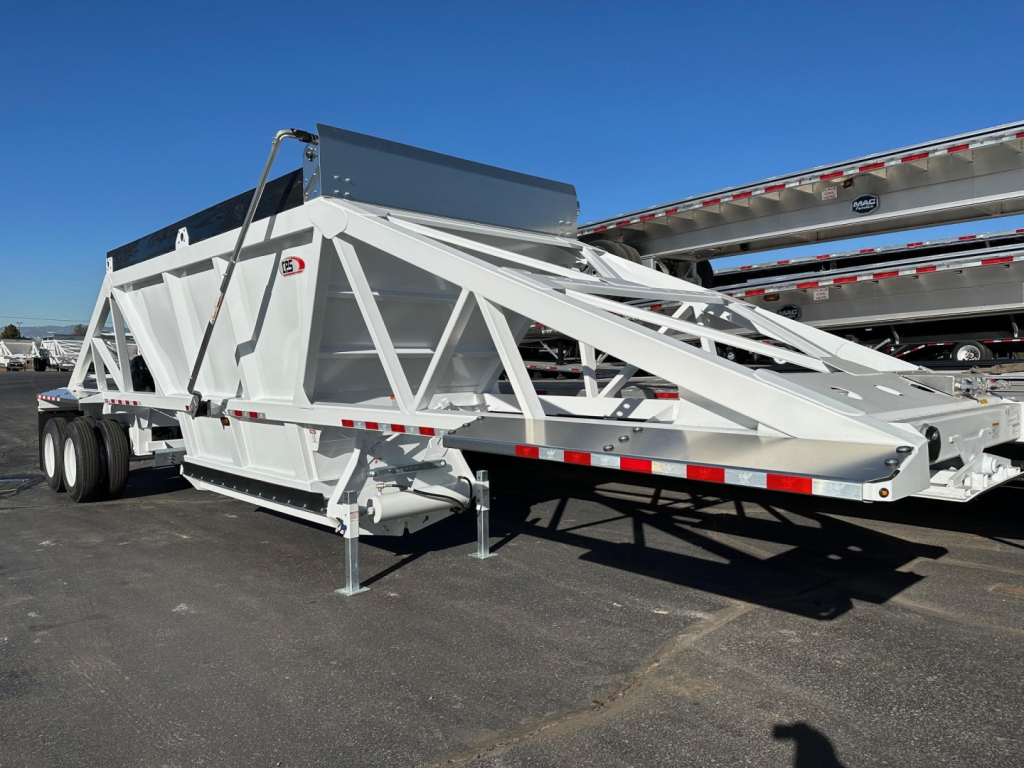
Selling a 2027 cps trailer? List your 2027 cps trailer for sale and reach thousands of commercial buyers.
2027 CPS Trailers in Colorado
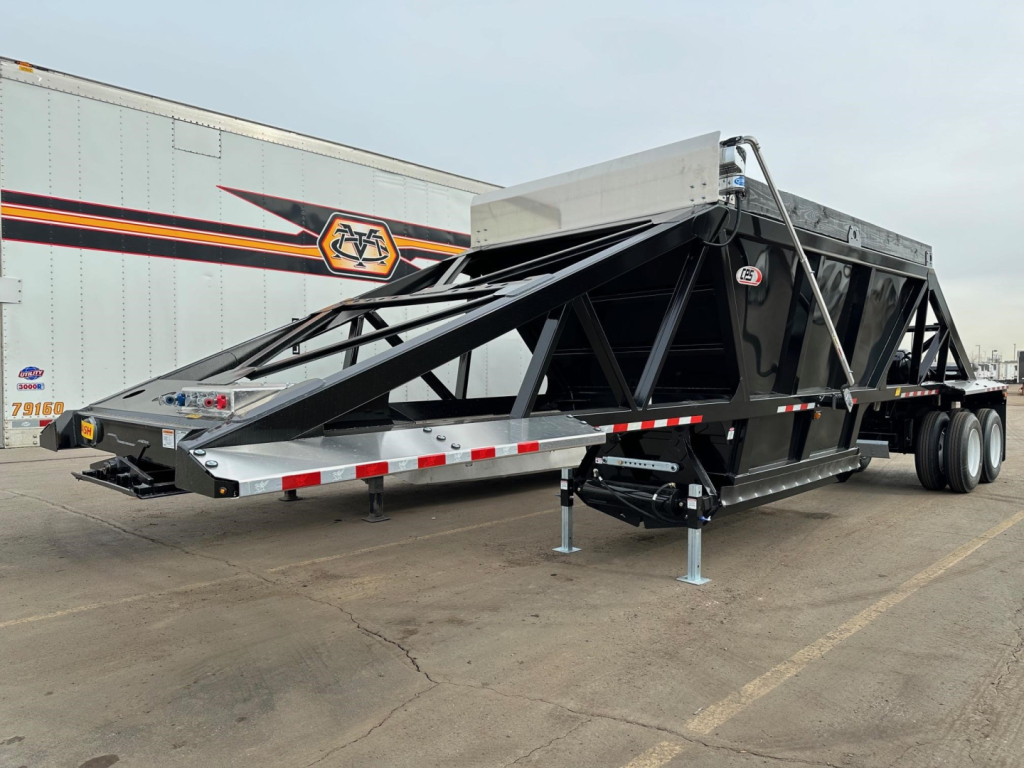
On a CPS bottom dump, the key buying decision is how the gate system and running gear match the work. Features like pin setting gate limiters, Versa Valve controls, windrow deflectors, bang boards, and electric flip tarps are common on late-model units because they directly affect spread control and daily usability. A 40-foot lightweight bottom dump with a single hopper is a common fit for bulk aggregate and paving support, while a 42-foot tri-axle with air ride and a rear lift axle is better suited for higher GVWR targets and operators trying to balance payload with bridge laws and turning requirements. Push blocks, front and rear fenders, LED lighting, and bolt-on fenders are not just add-ons. They matter for fleet serviceability and how well the trailer holds up in quarry, transfer, and highway work.
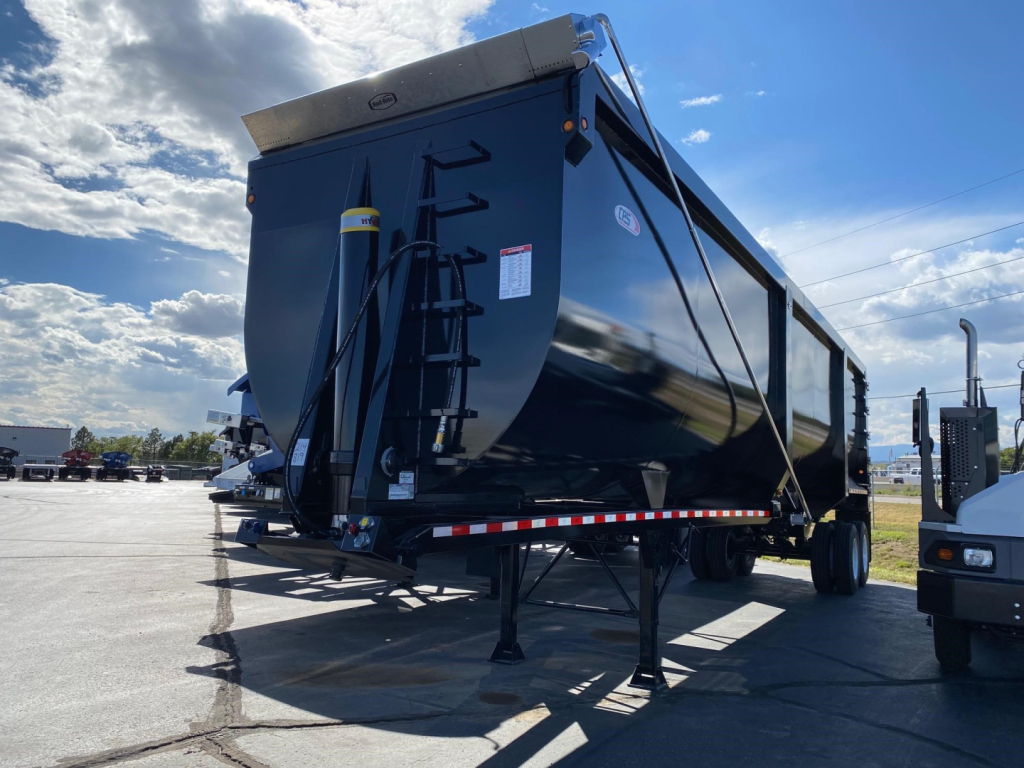
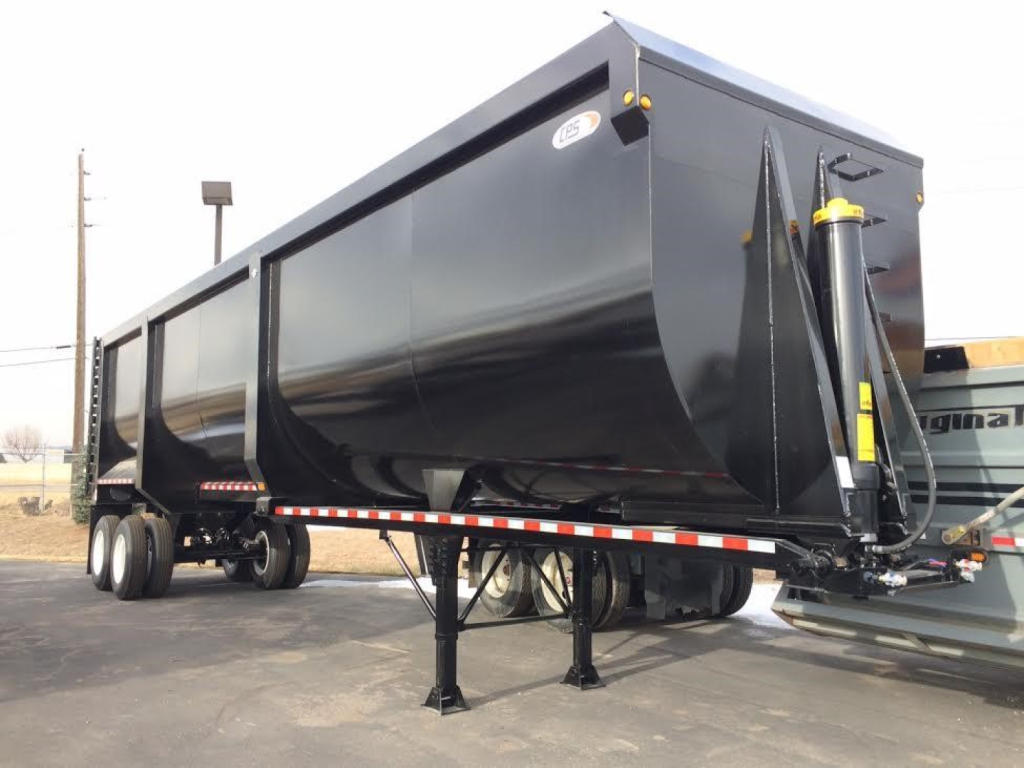
CPS end dumps in this group are geared toward abrasive and bulky material. Frameless steel end dumps with half-round AR450 rock tubs are a strong choice for scrap, demolition debris, and other hard-on-body applications because the frameless design helps reduce tare weight while the AR450 body improves resistance to abrasion and impact. Common specs in this class include high-cube 40-foot tubs, 42-foot overall length, side heights around 100 inches, barn door swing gates, side ladders, and capacities in the upper cubic-yard range. Buyers should pay close attention to tub shape, gate style, tarp setup, and whether the trailer is configured for clean scrap, mixed demolition, or more severe rock and tear-out service. Those details affect load release, carryback, center of gravity, and long-term body life.
When comparing 2027 CPS trailers, focus on application first and brand second. Bottom dumps are built around controlled discharge, fast cycle times, and road-spreading efficiency. End dumps are built around bulk volume and the ability to handle irregular, oversized, or abrasive material. Check suspension spec, axle count, body construction, tarp arrangement, fender design, and tire package against the routes and materials you actually haul. On late-model CPS trailers, the value is usually in practical, jobsite-driven spec choices rather than cosmetic differences, so the best unit is the one with the right gate control, body material, and axle setup for your payload and terrain.
Frequently Asked Questions about 2027 CPS Trailers in Colorado
What are 2027 CPS trailers commonly used for?
2027 CPS trailers in this category are commonly used for aggregate hauling, paving support, construction material delivery, scrap hauling, and demolition work. CPS bottom dumps are typically chosen for sand, gravel, road base, and other materials that benefit from controlled discharge and windrow placement. CPS end dumps are more often used for scrap, tear-out, demolition debris, and abrasive bulk materials where a high-cube body and full dump angle are more important than metered spreading.
What is the difference between a CPS bottom dump and a CPS end dump?
A CPS bottom dump unloads through gates in the floor of the trailer, which makes it ideal for controlled spreading and fast unload cycles on roadwork and aggregate jobs. A CPS end dump raises the body to discharge out the rear, which makes it better for bulk unloading, oversized debris, and materials that do not need to be spread in a uniform windrow. Bottom dumps generally prioritize gate control, suspension stability, and roadability, while end dumps prioritize body strength, tub design, and material release.
Why does AR450 matter on a CPS scrap or demolition trailer?
AR450 is an abrasion-resistant steel commonly used in severe-service dump bodies because it stands up better to sliding scrap, broken concrete, demolition debris, and other sharp or abrasive loads. On a CPS frameless end dump, an AR450 half-round tub can help extend body life, reduce wear in high-contact areas, and improve resale appeal for buyers who need a trailer for rough-duty applications. It is especially relevant when the trailer will see repeated loading by excavator, loader, or grapple rather than lighter bulk commodities.
Is air ride a good choice on a CPS dump trailer?
Air ride is a common and useful spec on CPS dump trailers because it helps with ride quality, load stability, and protection of both trailer structure and hauled material. On bottom dumps, air ride can improve control and tracking on rough roads and job entrances while also supporting higher-spec fleet standards. On tri-axle configurations, an air ride suspension with a lift axle can also help operators manage weight distribution, tire wear, and maneuverability depending on the load and local bridge formula requirements.
What specs should buyers compare first on a 2027 CPS trailer?
The first specs to compare are trailer type, length, axle configuration, suspension, body material, and capacity. For a bottom dump, pay close attention to hopper layout, gate limiters, valve controls, tarp system, and whether the trailer is a tandem or tri-axle design. For an end dump, focus on frameless versus frame-type construction, tub material such as AR450, side height, cubic yard rating, gate style, and tare weight. Those specs affect payload, unloading behavior, maintenance cost, and how well the trailer matches the material and routes it will handle.