
2027 CPS Dump Trailers For Sale in Colorado
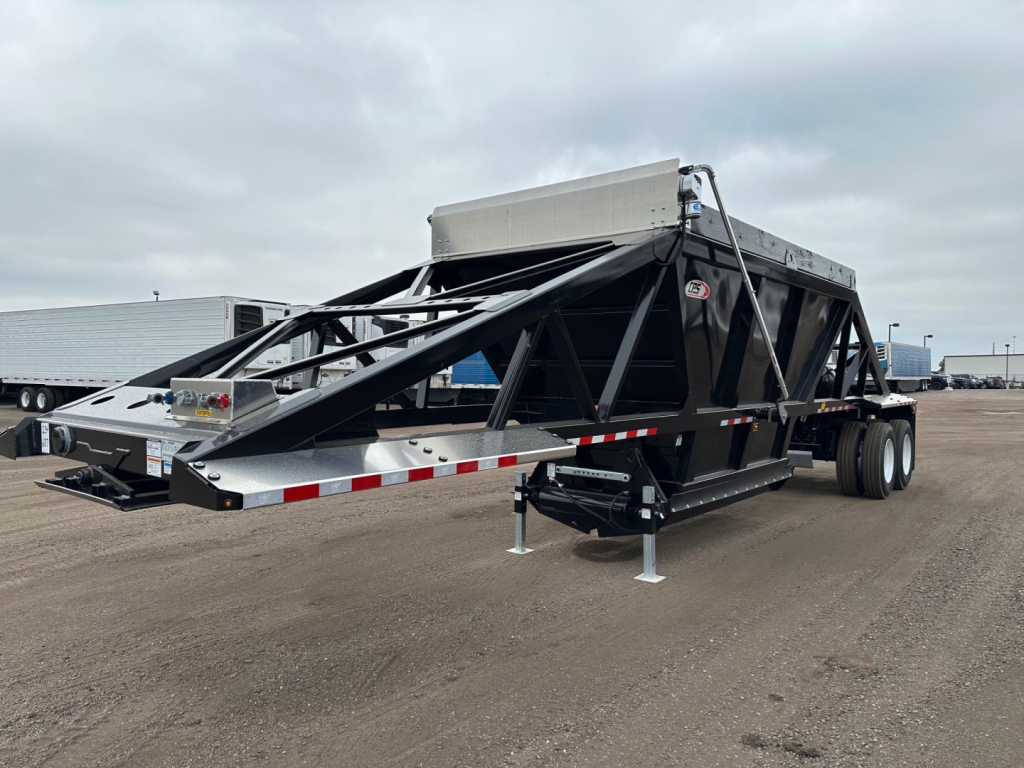
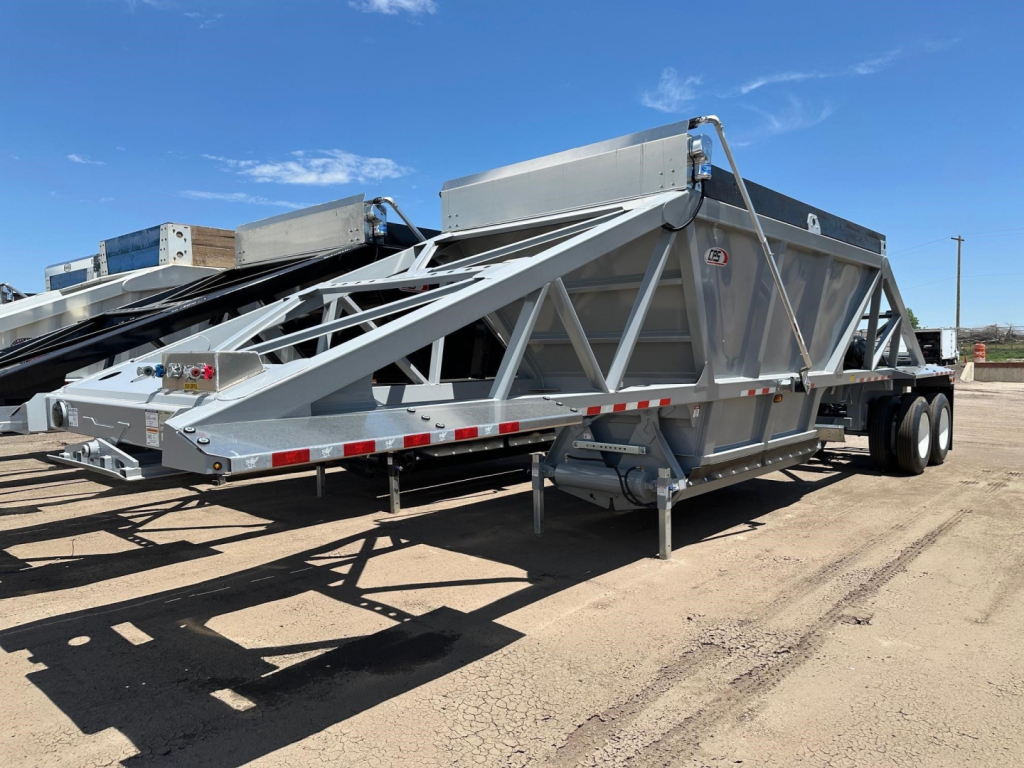
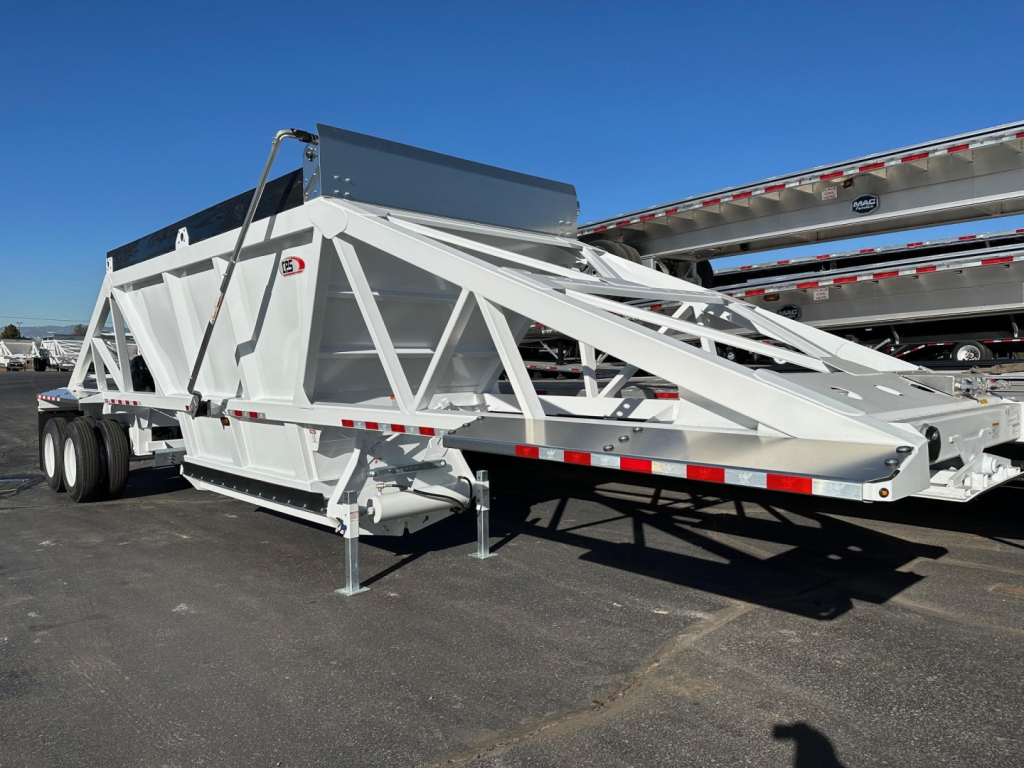
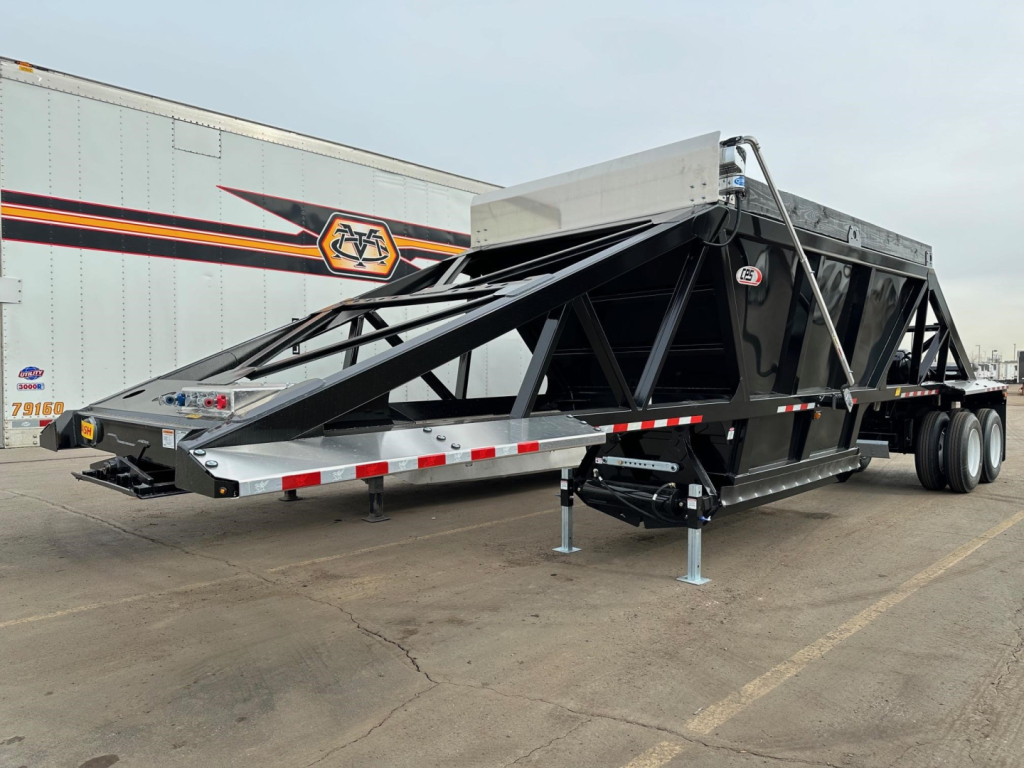
Shop 2027 CPS dump trailers for sale, including bottom dump and end dump configurations built for aggregate, paving, scrap, and demolition work.
Selling a 2027 cps dump trailer? List your 2027 cps dump trailer for sale and reach thousands of commercial buyers.
2027 CPS Dump Trailers in Colorado
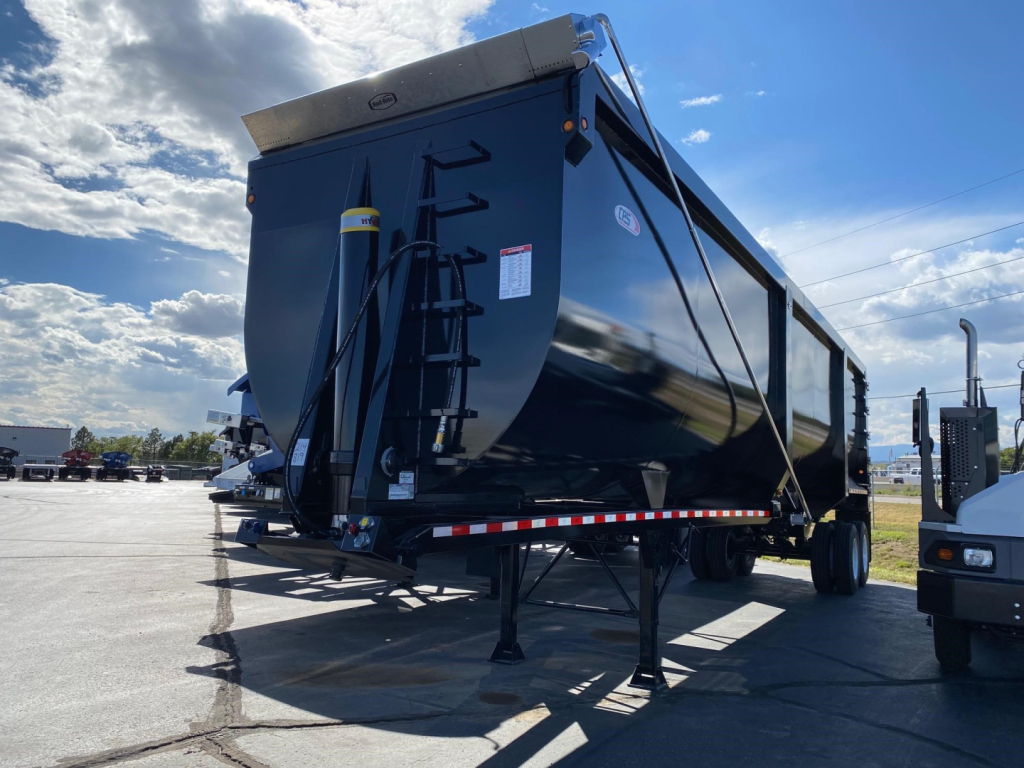
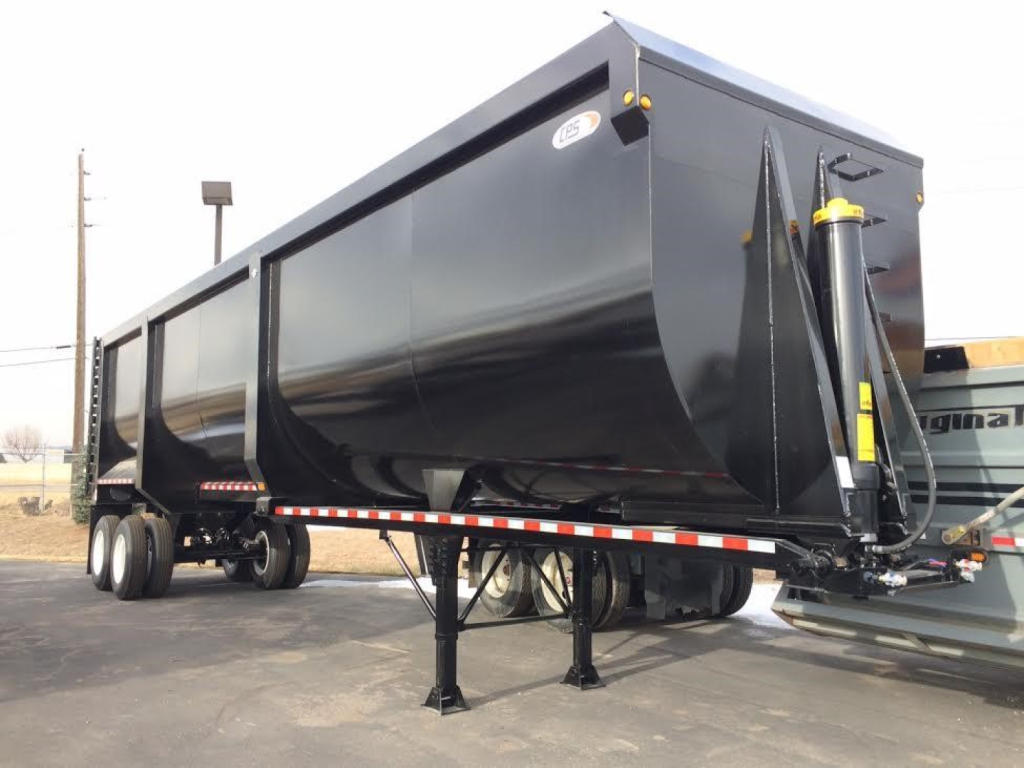
If the work is scrap, demolition, or bulky material, a CPS end dump is a different tool entirely. Frameless steel end dumps with half-round tubs are designed for cubic capacity and impact resistance rather than precision discharge. Buyers commonly focus on tub material, side height, gate style, and hoist setup. AR450 steel bodies, 100-inch sidewalls, barn door swing gates, and high-cube designs are typical indicators of a trailer intended for abrasive or irregular loads. A 40-foot tub in a 42-foot overall trailer with capacity in the upper-80-cubic-yard range points toward demolition debris and light scrap applications, where body durability and clean unloading matter more than exact spread control.
Axle layout, suspension, and weight rating deserve close attention on any CPS dump trailer. Tri-axle bottom dumps with rear lift axles can give operators better payload management while still helping with tire life and maneuverability when empty. Closed tandem setups may suit buyers prioritizing lower tare weight and simpler maintenance. Air ride is a common spec because it helps protect the trailer structure, improves ride quality, and can be beneficial when hauling over mixed road conditions common across Colorado and surrounding mountain and plains routes. Tire size, wheel type, fender design, LED lighting, push blocks, and tarp configuration all affect uptime and jobsite practicality more than many buyers expect.
For buyer evaluation, the key is matching the trailer to the material, the route, and the unloading environment. A CPS bottom dump is usually the better fit for aggregate, sand, gravel, and paving material where controlled discharge and productivity on road jobs are central. A CPS scrap or demolition end dump is better suited for bulky, uneven, or impact-heavy loads that need a strong tub and straightforward rear discharge. Looking at cubic capacity alone is not enough. Buyers should compare GVWR, body construction, axle spread, suspension, gate controls, and tarp setup against local bridge laws, jobsite access, and the type of tractor already in the fleet.
Frequently Asked Questions about 2027 CPS Dump Trailers in Colorado
What is the difference between a CPS bottom dump trailer and a CPS end dump trailer?
A CPS bottom dump trailer discharges material through hopper gates underneath the body, which makes it ideal for controlled spreading of aggregate, road base, sand, and paving material. A CPS end dump trailer raises the body and unloads out the rear, which is better for scrap, demolition debris, and other bulk materials that do not need precision placement. The choice usually comes down to discharge control versus cubic capacity and body durability.
What specs matter most when buying a 2027 CPS bottom dump trailer?
The most important specs are trailer length, hopper configuration, cubic-yard capacity, axle setup, suspension type, and gate controls. Buyers should also review pin-setting gate limiters, valve system type, windrow deflectors, tarp system, and GVWR. For many aggregate and paving applications, air ride suspension, tri-axle layouts, and lift axles can improve payload flexibility, ride quality, and tire management.
Why are frameless steel end dumps common for scrap and demolition work?
Frameless steel end dumps are built to handle impact, abrasion, and uneven loading better than lighter-duty designs meant for clean aggregate. Materials like AR450 steel improve resistance to wear from concrete, metal, and demolition debris. Half-round tubs also help material shed more cleanly during unloading, which can reduce carryback and improve cycle time on rough jobs.
Is air ride a good choice on a dump trailer used in Colorado?
Air ride is a strong choice for many Colorado operations because it helps cushion the trailer over mixed road surfaces, expansion joints, and uneven jobsite approaches. It can improve ride quality, reduce vibration transferred into the trailer structure, and support better handling characteristics. Buyers still need to balance those advantages against maintenance preferences and the exact duty cycle of the trailer.
How should a buyer choose between tandem and tri-axle CPS dump trailers?
Tandem and tri-axle trailers serve different weight and routing needs. Tandem setups can offer lower tare weight, simpler maintenance, and easier maneuverability. Tri-axle trailers, especially with a lift axle, can support higher legal payloads depending on local regulations and bridge formulas. The right choice depends on the material hauled, the tractor spec, the routes run, and the axle laws in the states where the trailer will operate.