
2027 Flatbed Trailers For Sale in Colorado
Shop 2027 flatbed trailers in Colorado. Compare 48' and 53' specs, axle setups, deck materials, coil packages, and securement features.
Selling a 2027 flatbed trailer? List your 2027 flatbed trailer for sale and reach thousands of commercial buyers.
2027 Flatbed Trailers in Colorado
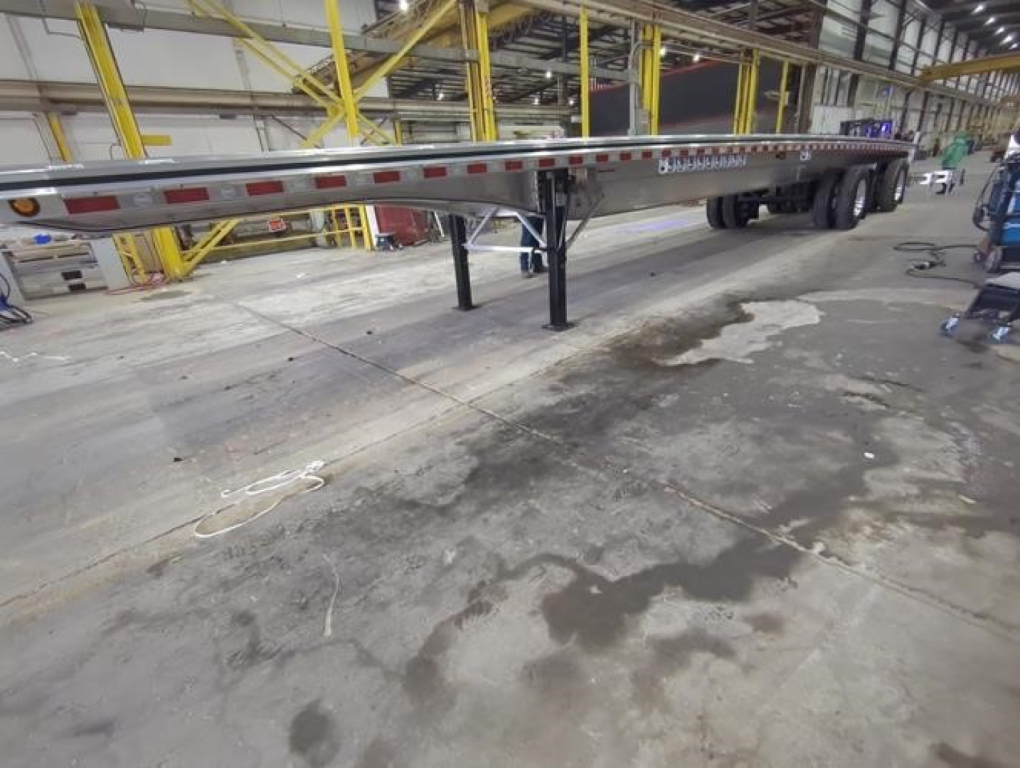
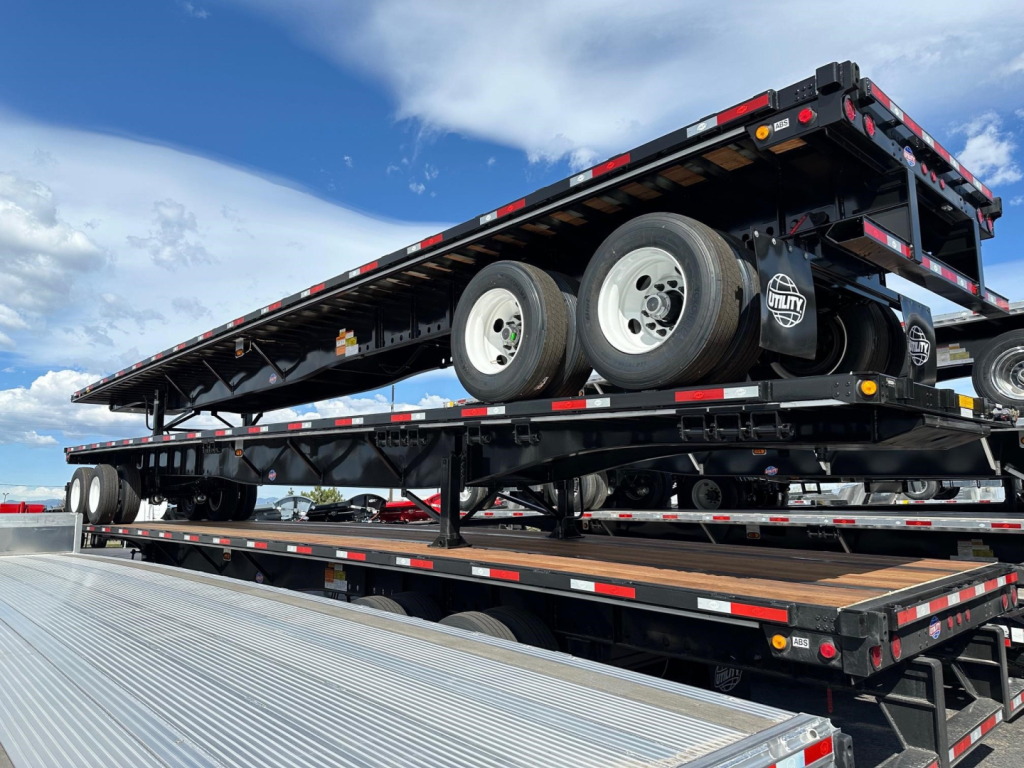
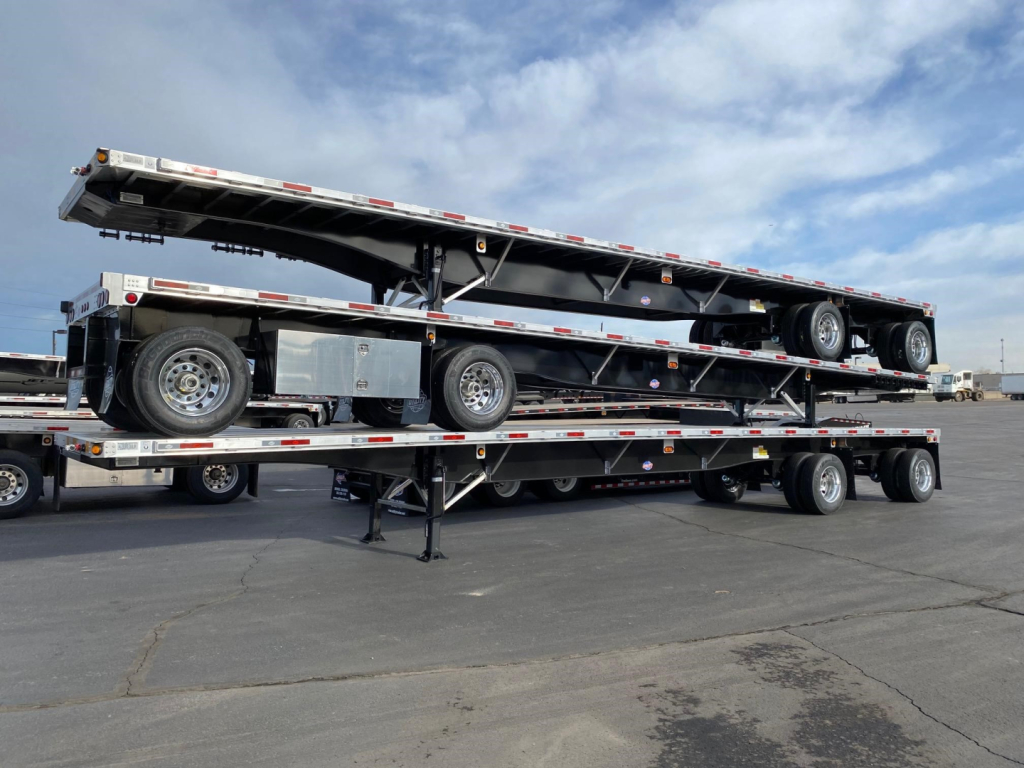
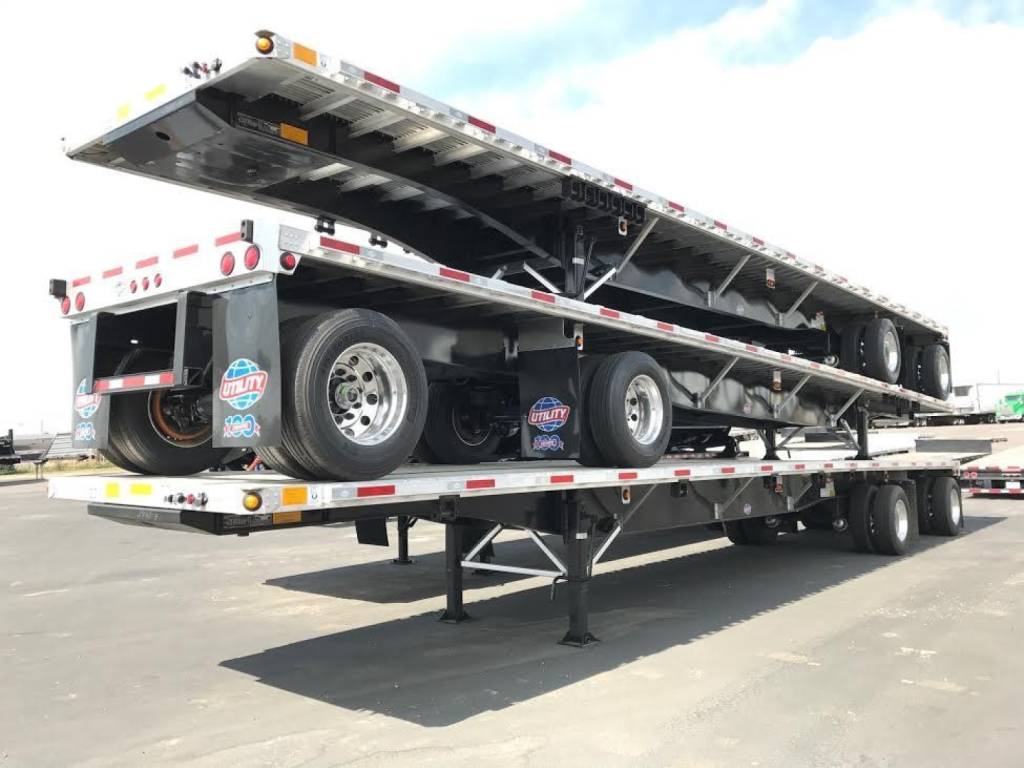
Construction matters because it drives payload, durability, and repair cost over the life of the trailer. Steel flatbeds are typically favored for rugged service and lower repair complexity, while all-aluminum trailers reduce tare weight and can add payload capacity. Combo flatbeds, sometimes called aluminum-steel combo trailers, use steel main beams with aluminum crossmembers, rails, and decking to balance strength with weight savings. Common deck setups include apitong wood floors, aluminum floors, and nail strips for load securement flexibility. Stake pockets, double pipe spools, sliding winches, and winch tracks on both sides are standard features many buyers look for because they directly affect how fast and safely a driver can secure freight.
Spec details should match the freight mix. A coil package is important if the trailer will handle steel coils, and a bulkhead can add protection for certain cargo profiles. Suspension choice also matters. Air ride is generally preferred for ride quality and cargo protection, while spring ride can be simpler and lower cost in some operations. Tire size, wheel material, and systems like automatic tire inflation can affect maintenance intervals and roadside downtime. Buyers in Colorado also tend to evaluate corrosion resistance, brake spec, and deck condition closely because weather swings, elevation, and mixed highway-jobsite use can expose weak points quickly.
A good flatbed trailer should make securement straightforward, hold alignment under load, and fit the lanes the business actually runs. Kingpin setting, axle spread, and overall empty weight all affect how useful the trailer will be day to day. For regional hauls, a lighter combo or aluminum trailer may improve payload efficiency. For harsher freight and repeated loading by forklifts or cranes, a steel or heavy-duty combo spec may hold up better. Looking closely at deck wear, crossmember integrity, suspension type, slider function, and the presence of practical options like tool boxes, bulkheads, and PSI systems usually tells more about long-term value than model year alone.
Frequently Asked Questions about 2027 Flatbed Trailers in Colorado
What is the difference between a steel, aluminum, and combo flatbed trailer?
A steel flatbed trailer usually offers strong durability and straightforward repairs, but it carries more tare weight. An all-aluminum flatbed reduces empty weight and can improve payload capacity, which matters when hauling dense freight or running weight-sensitive lanes. A combo flatbed uses steel main beams with aluminum components such as crossmembers, rails, or decking, giving buyers a middle ground between strength, weight savings, and repair practicality.
Is a 48-foot or 53-foot flatbed trailer better for my operation?
A 48-foot flatbed can be a practical choice for operations that need easier maneuverability, certain regional applications, or specific shipper requirements. A 53-foot flatbed generally offers more deck space and broader freight flexibility, especially for longer construction materials, machinery, and higher-cube open-deck loads. The right choice depends on your typical freight dimensions, legal weight distribution needs, and the routes you run most often.
Why does axle configuration matter on a flatbed trailer?
Axle configuration affects bridge compliance, turning radius, tire wear, ride quality, and how easily the trailer can be positioned for loading. Closed tandem and tandem slider setups are common for general freight and give flexibility in weight distribution. Spread axle and fixed spread configurations can improve load balance and stability, but they may reduce maneuverability in tight yards or urban areas and can create different tire scrub characteristics.
What securement features should I look for on a flatbed trailer?
Stake pockets, pipe spools, sliding winches, and winch tracks are core securement features because they support a wide range of cargo and tie-down methods. Nail strips help protect the deck while giving drivers more flexibility for fastening and blocking certain loads. If you haul steel coils, a coil package is an important spec. If you haul mixed freight, buyers often prioritize a trailer with enough securement points on both road and curb sides to reduce loading delays and improve driver efficiency.
What should a buyer inspect first on a used flatbed trailer?
Start with the deck, main beams, crossmembers, suspension, brakes, tires, and the overall condition of the frame and rails. Check for deck rot, gouging, cracked welds, bent crossmembers, suspension wear, and slider or axle alignment issues. Securement hardware should move and lock correctly, and any bulkhead, tool box, or tire inflation system should be inspected for serviceability. On an open-deck trailer, structural condition and maintenance history usually matter more than appearance.