
2027 Flatbed Trailers For Sale
Shop 2027 flatbed trailers with specs that matter, including length, axle setup, deck material, tiedowns, winch tracks, and suspension.
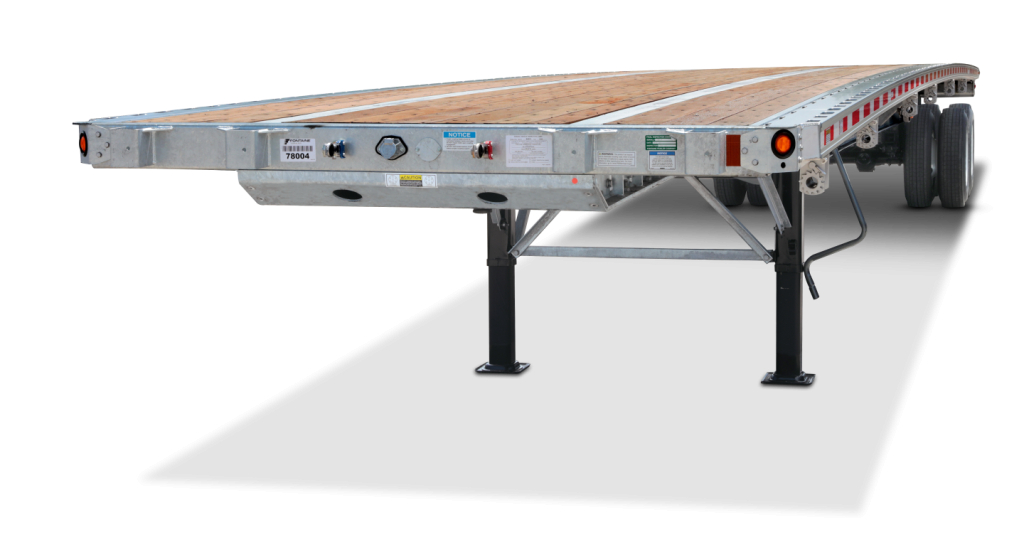
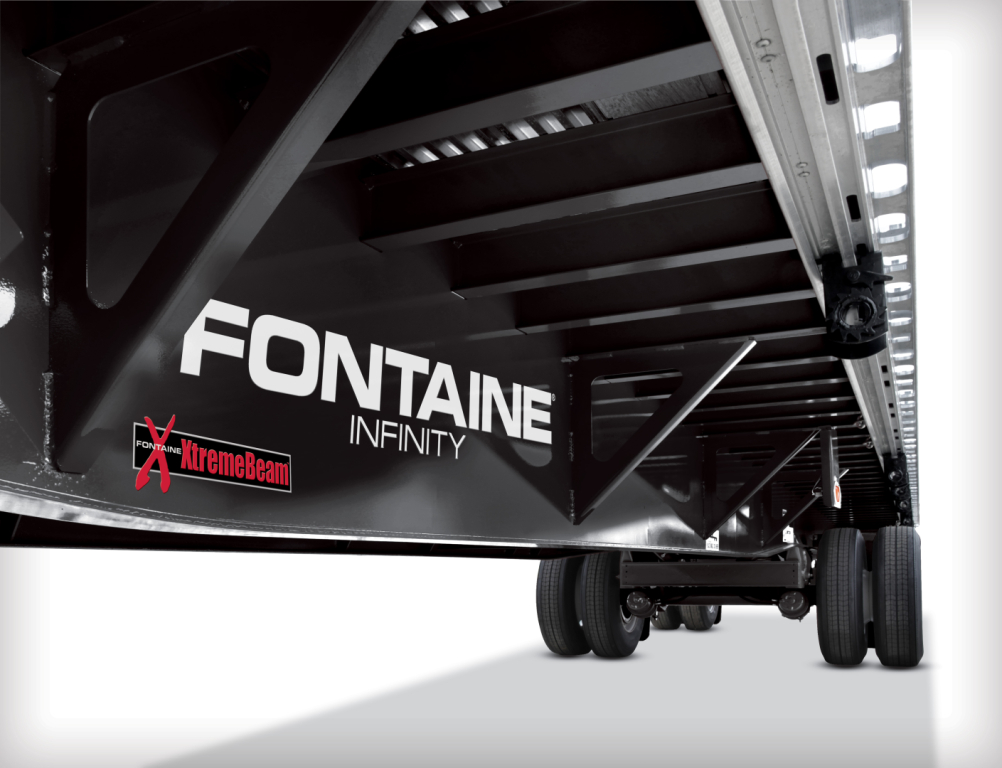
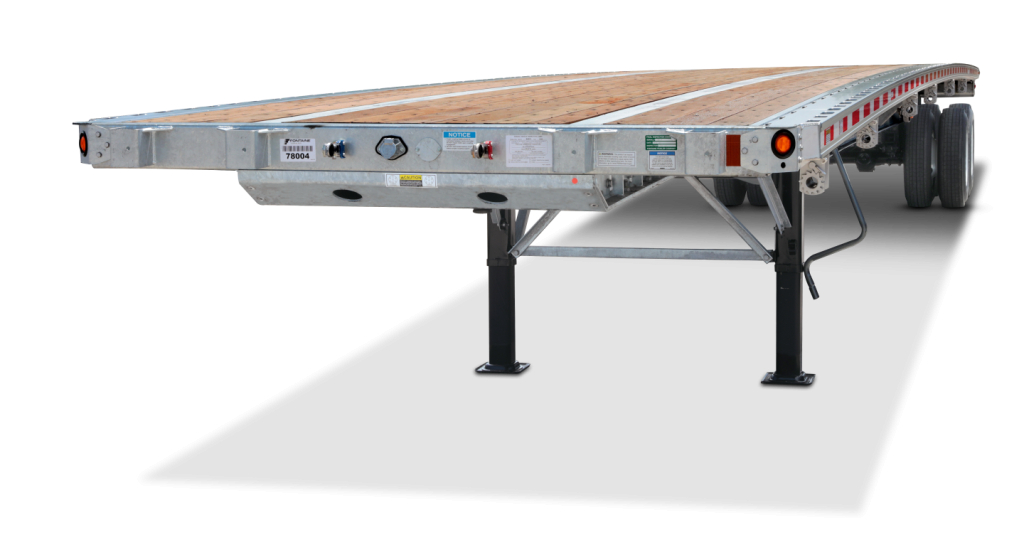
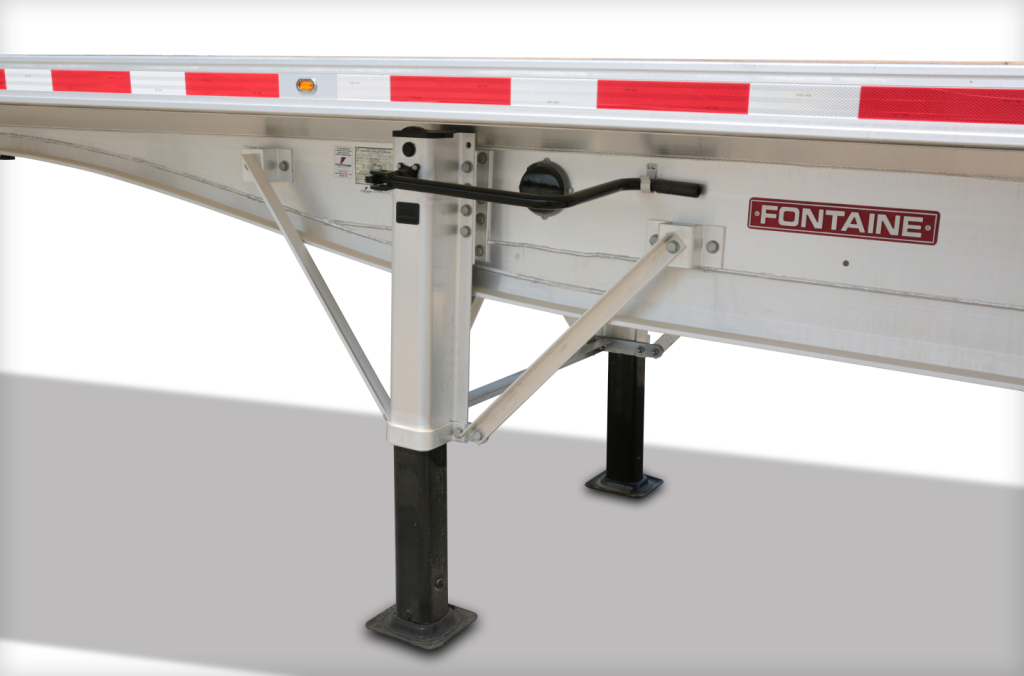
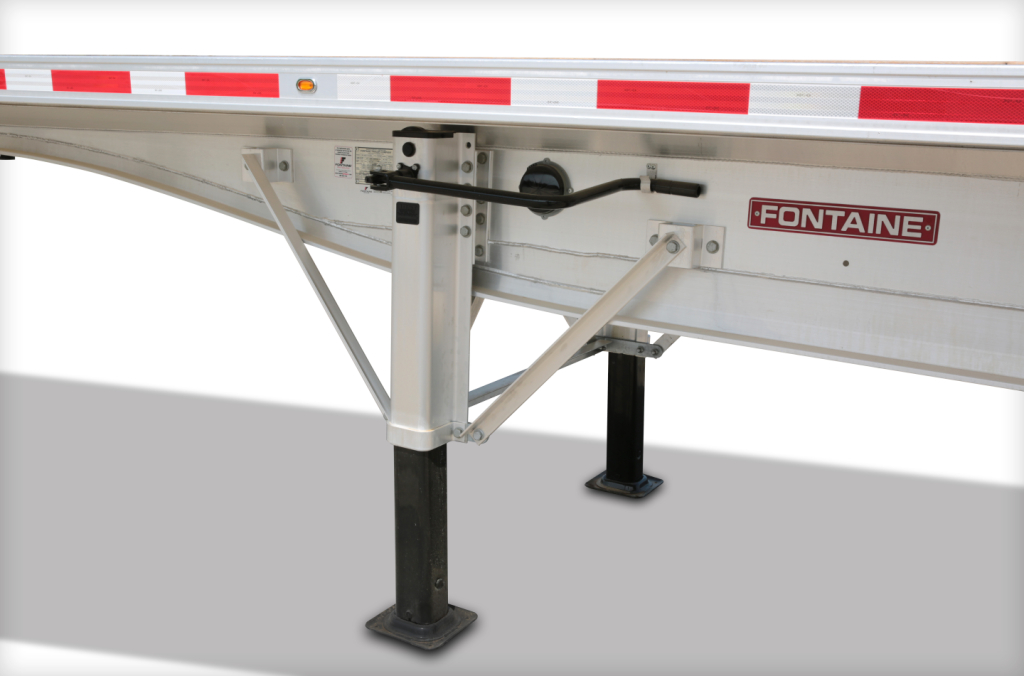
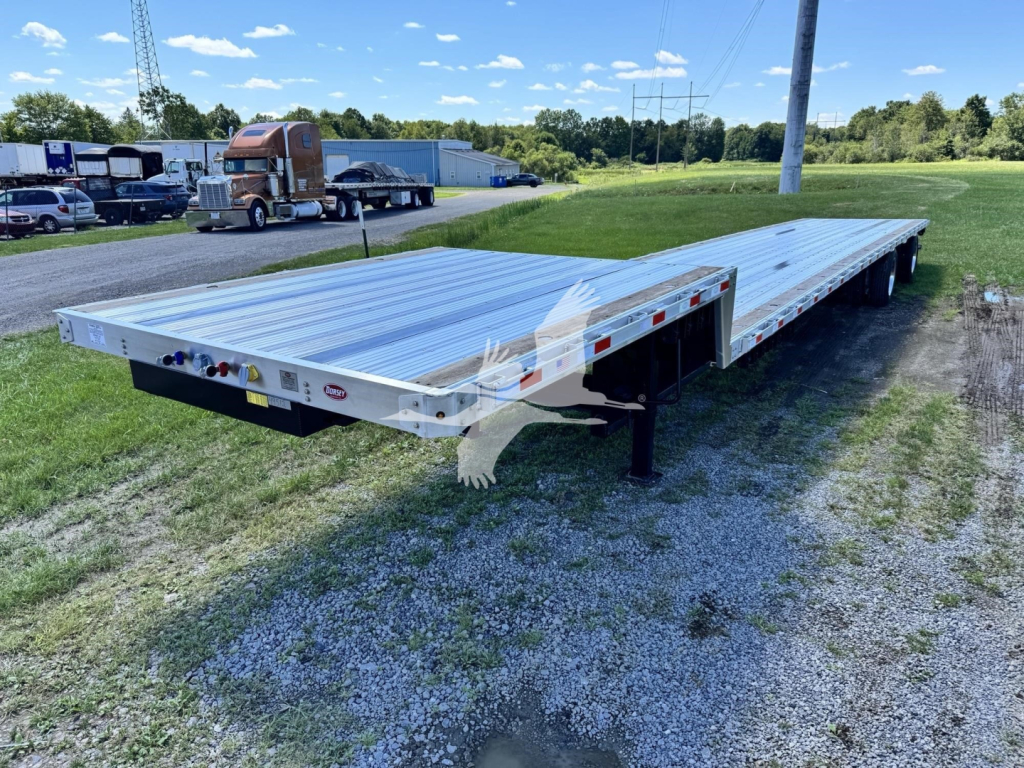
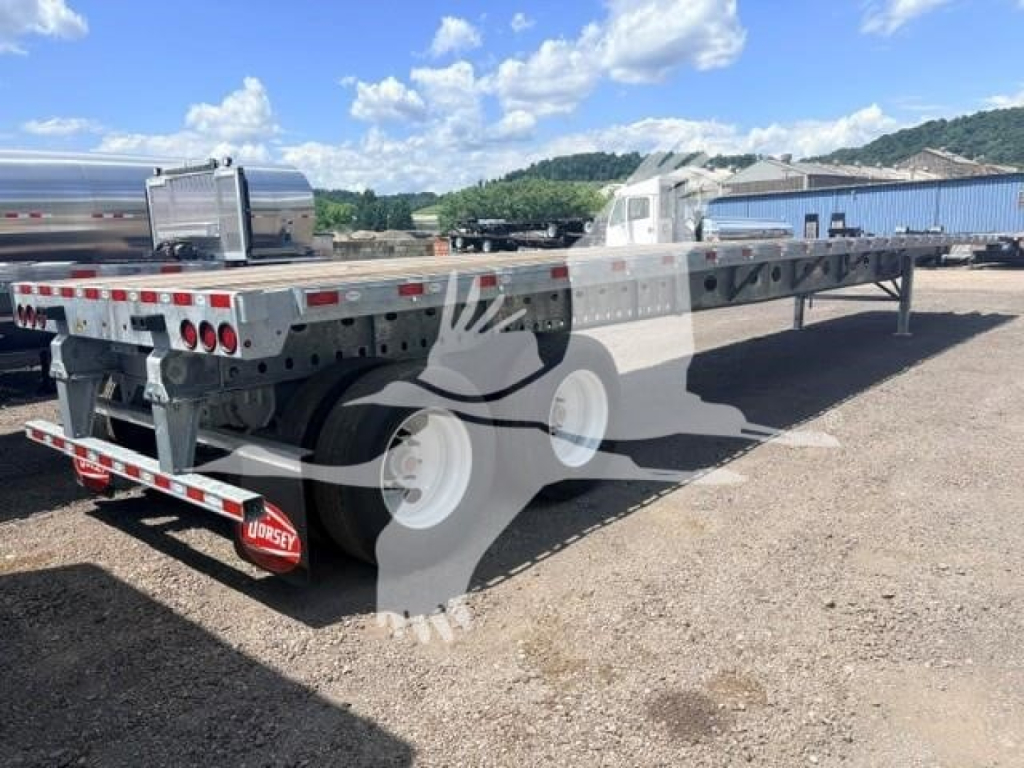
2027 Fontaine 53' Combo Flat - Rear Axle Slide
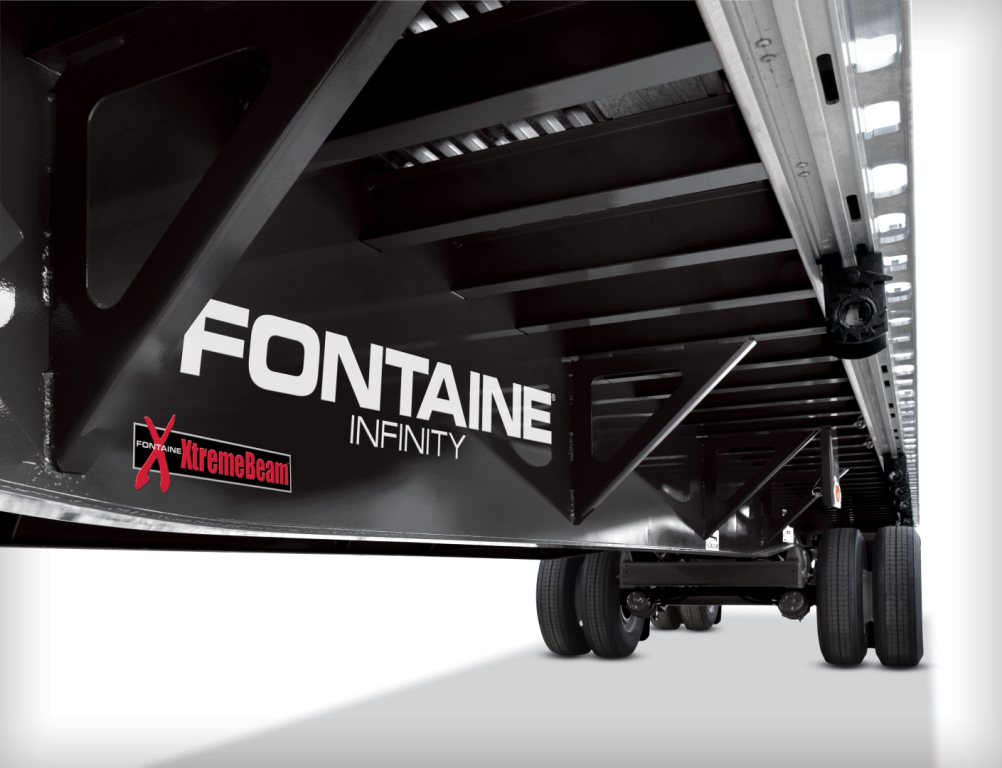
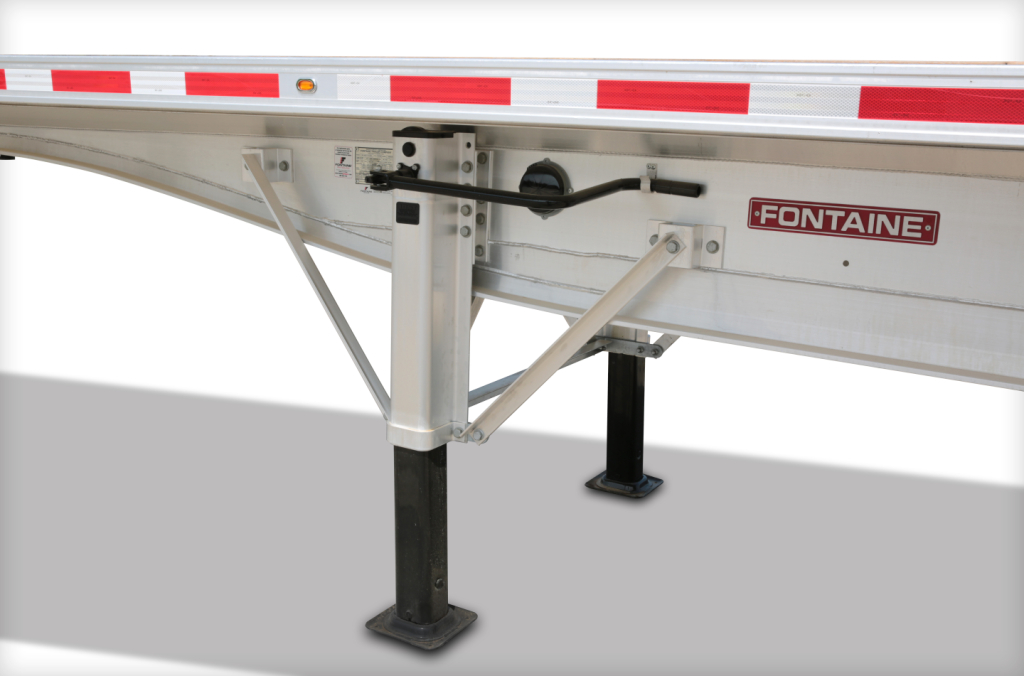
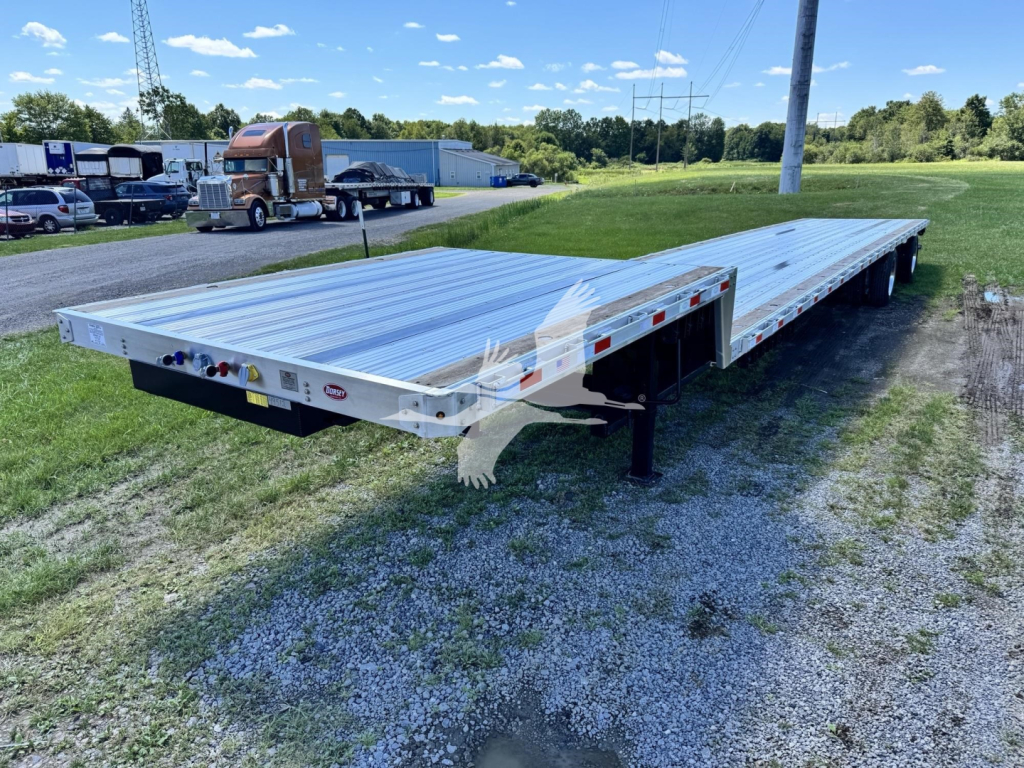
2027 Fontaine 53' Combo Flat - Rear Axle Slide
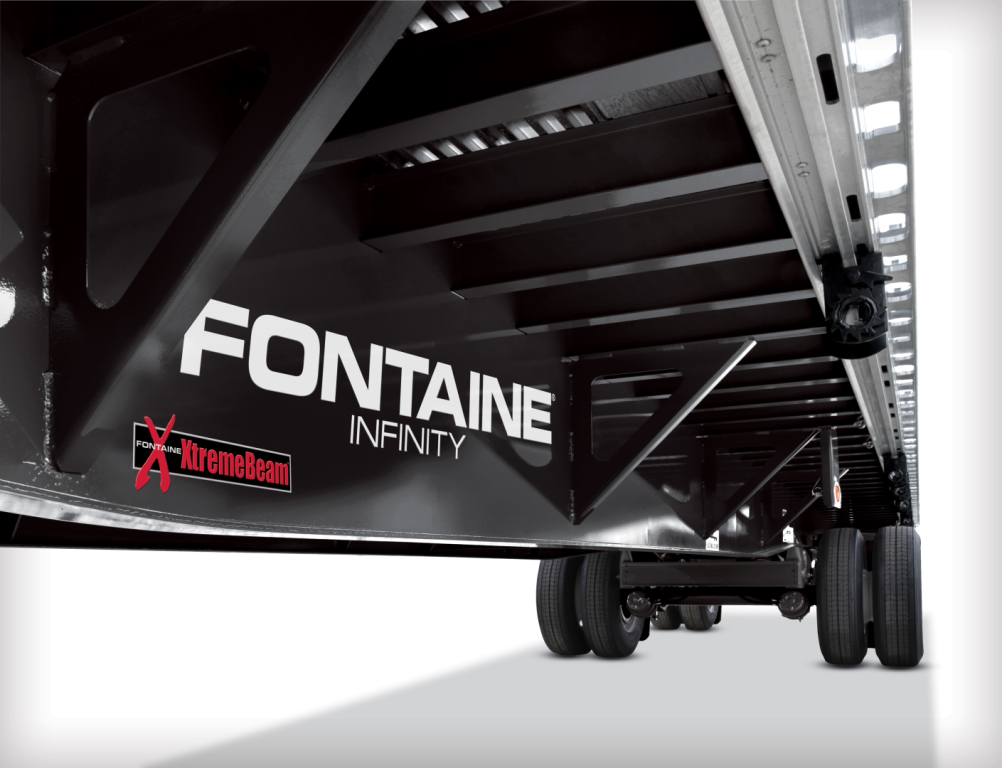
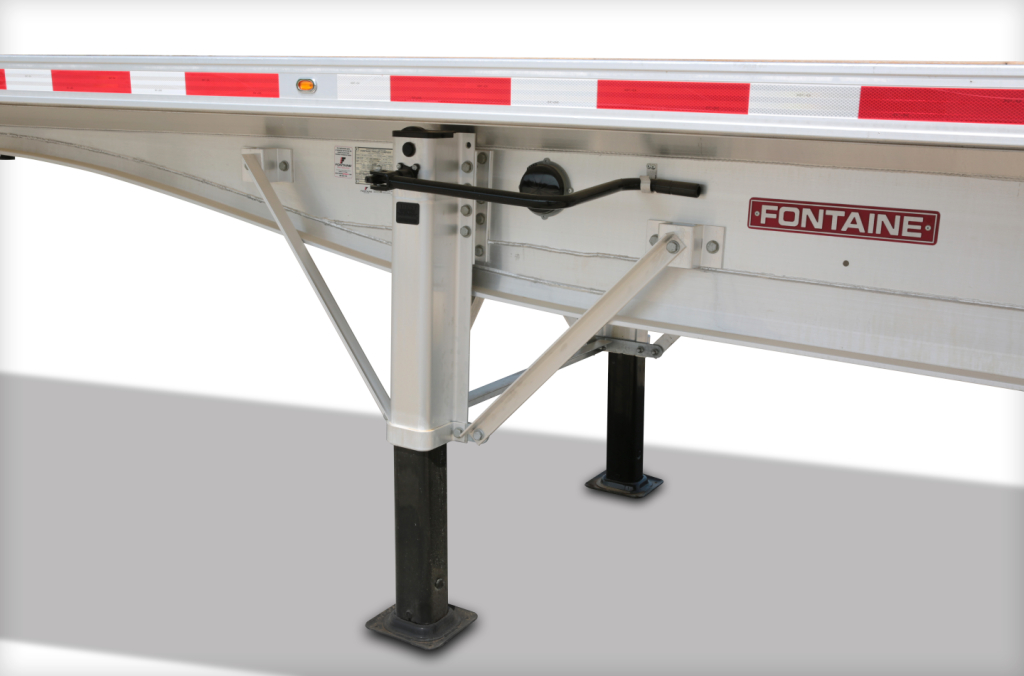
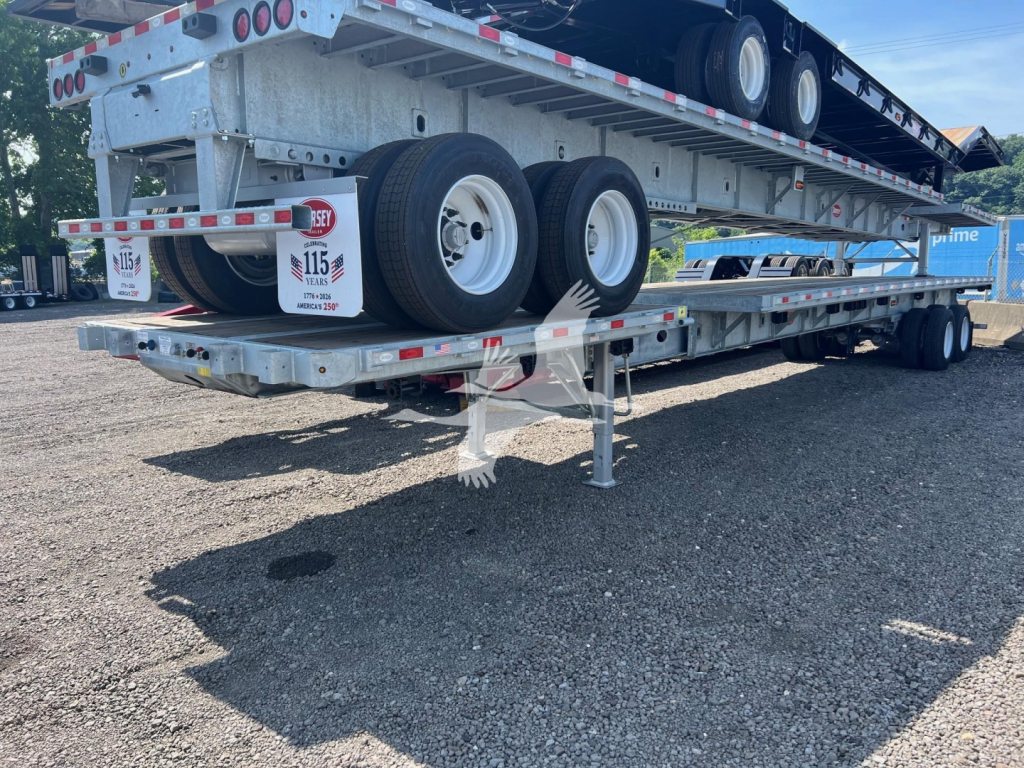
2027 Fontaine 53' Combo Flat - Rear Axle Slide
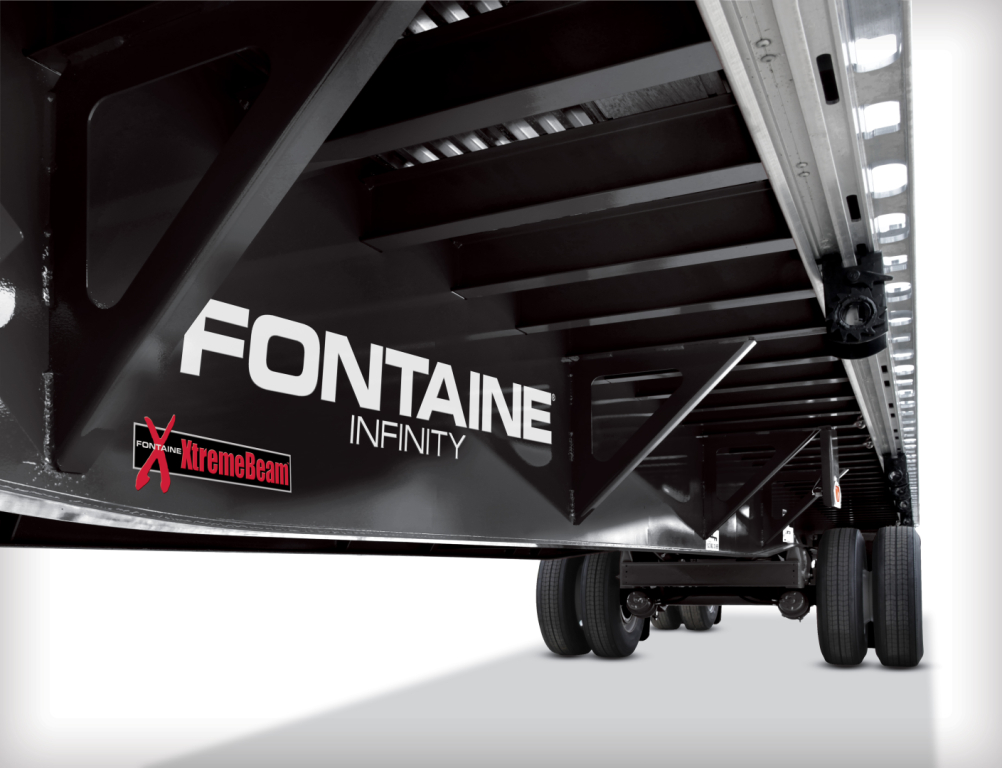
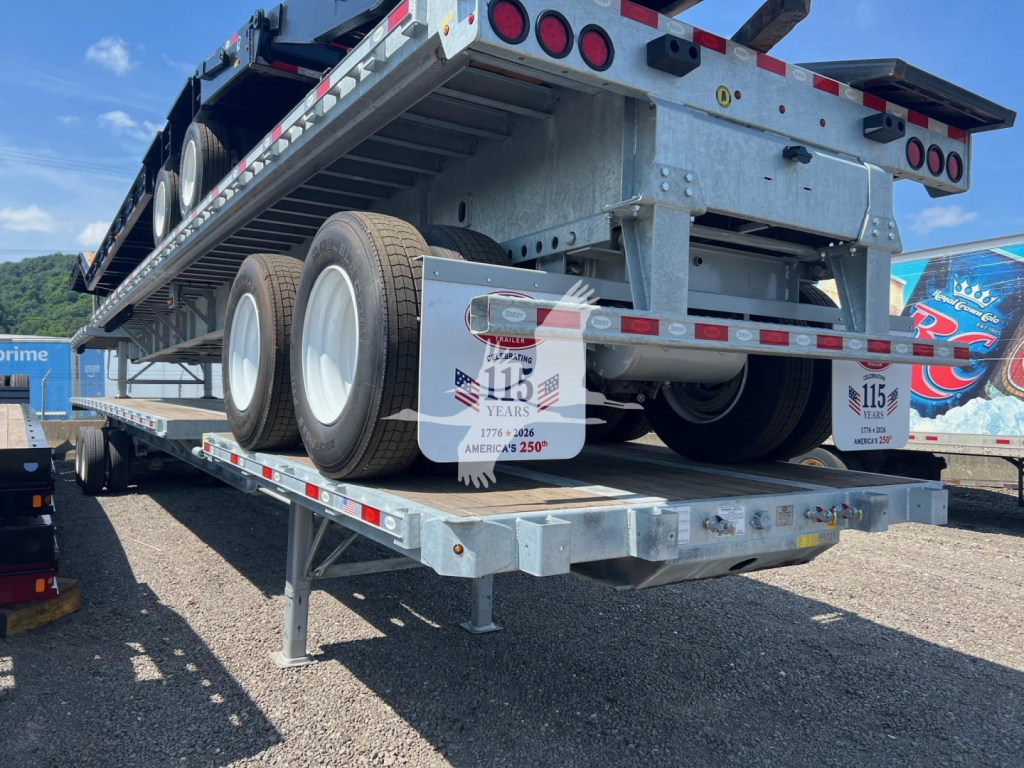
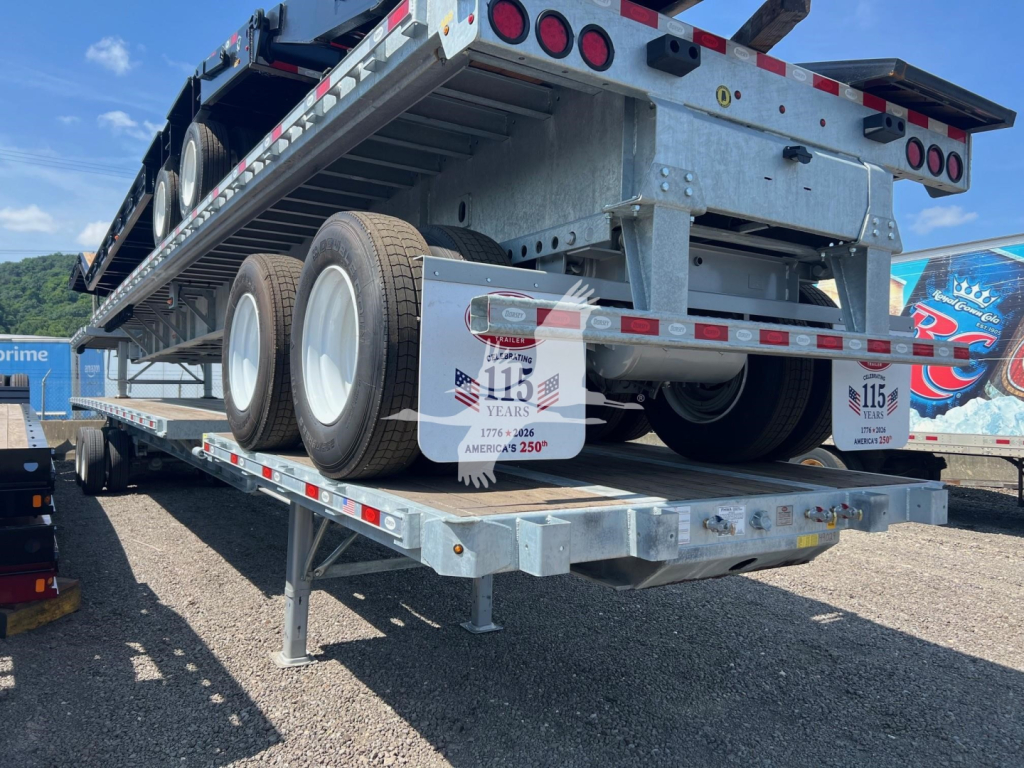
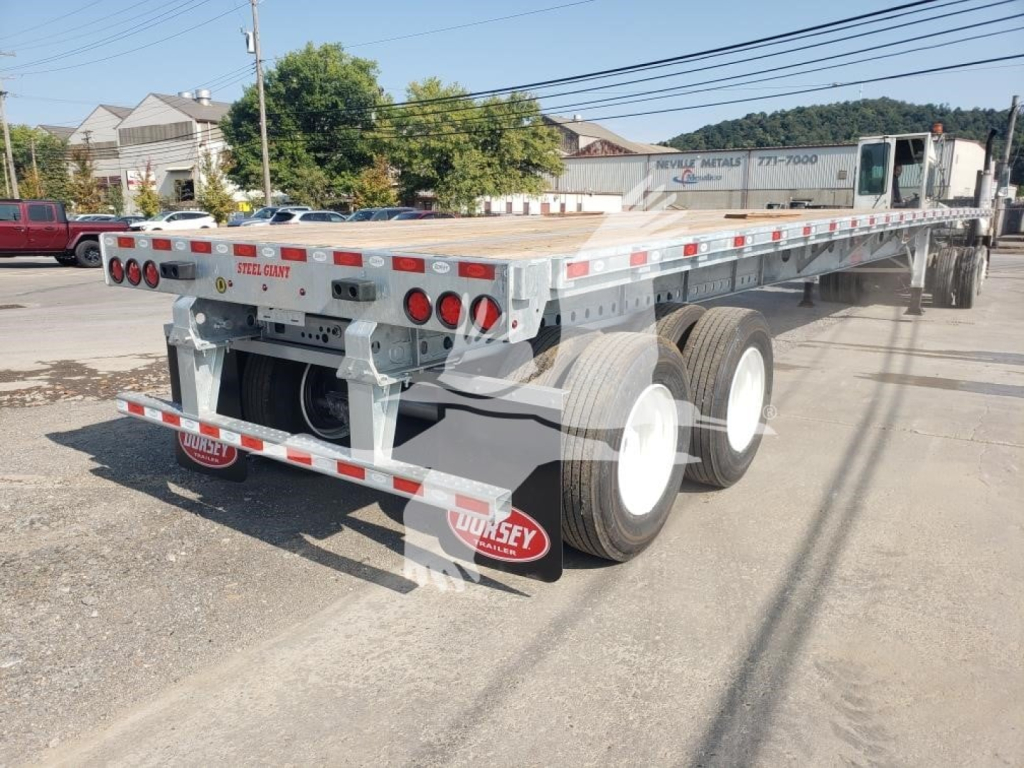
2027 Fontaine 53' Combo Flat - Rear Axle Slide
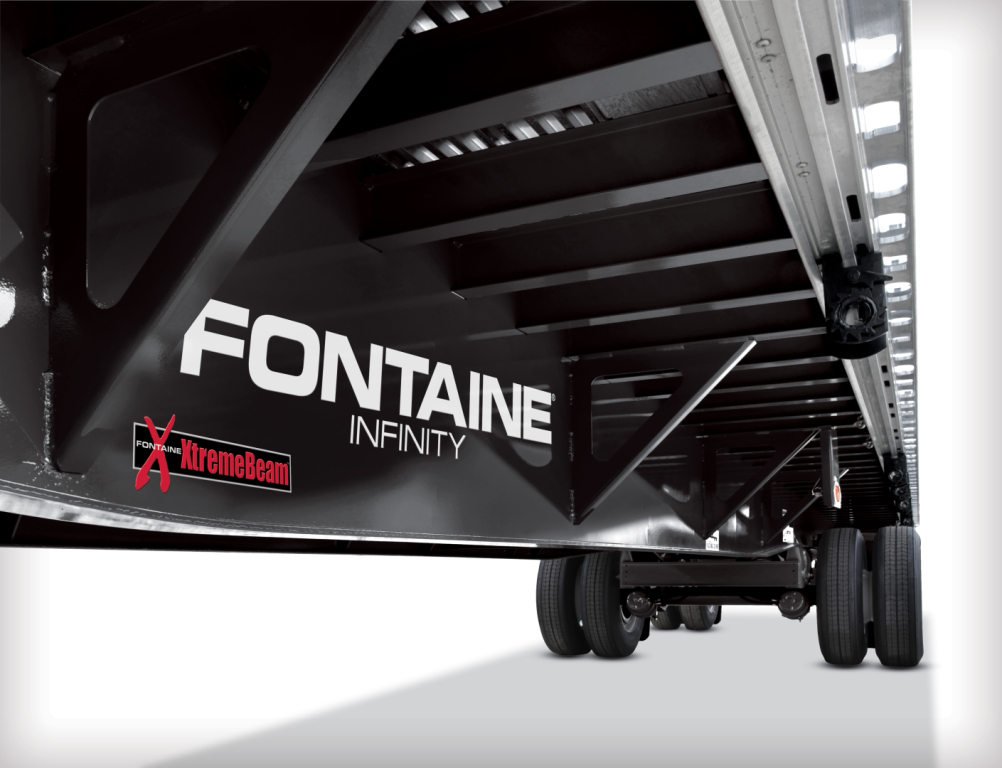
2027 Fontaine 53' Combo Flat - Rear Axle Slide
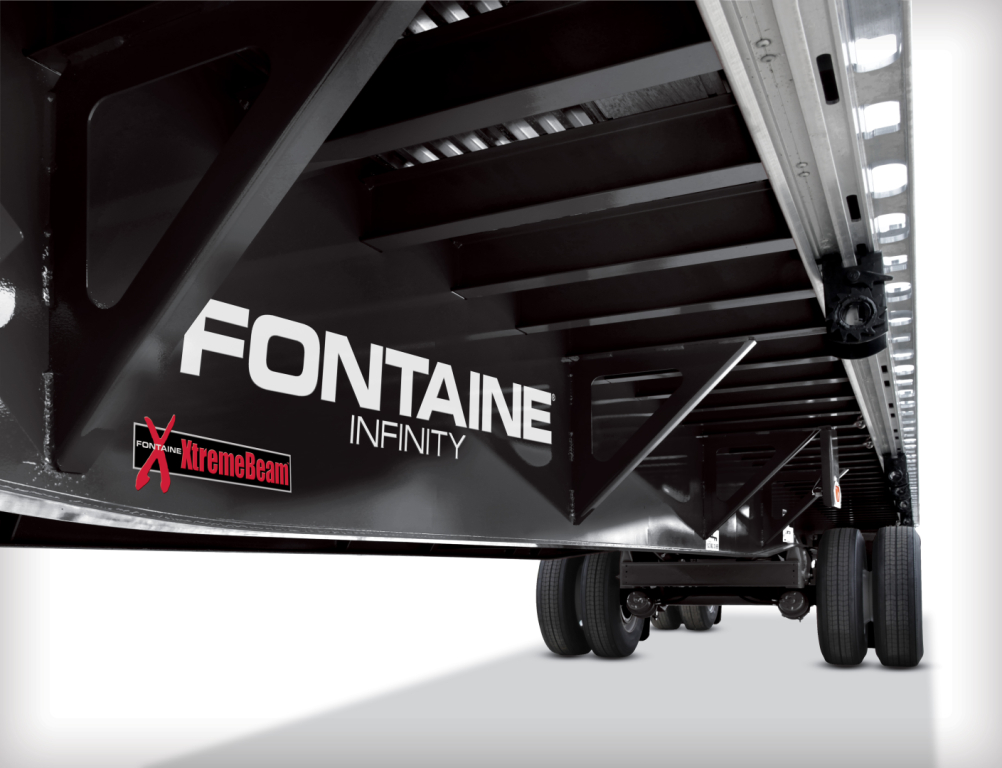
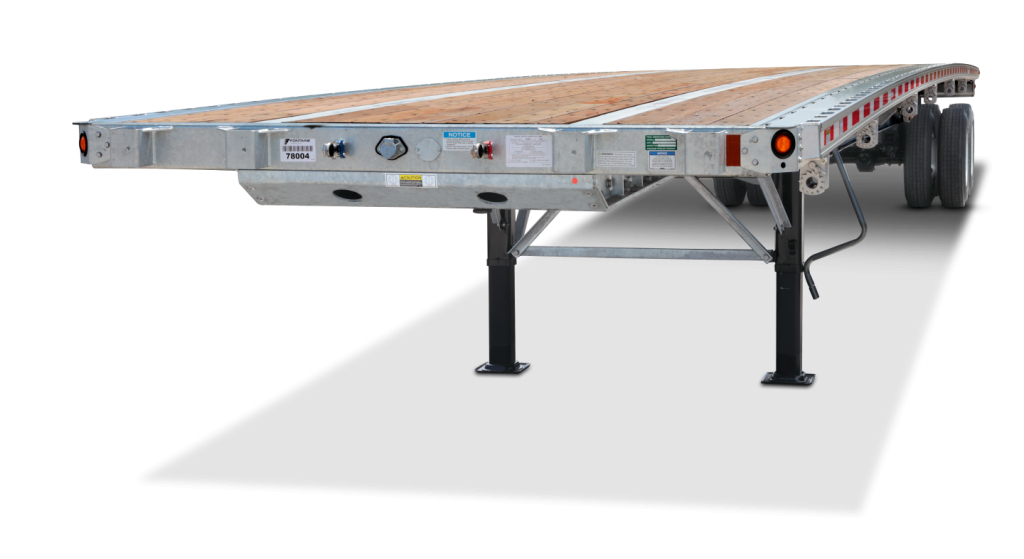
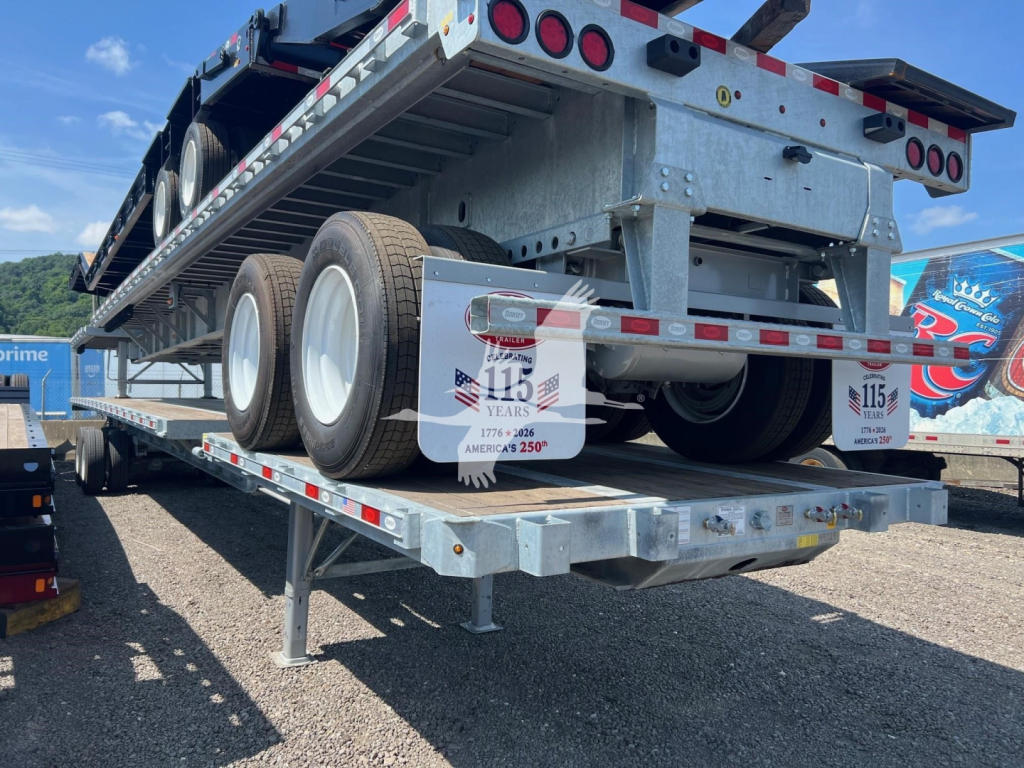
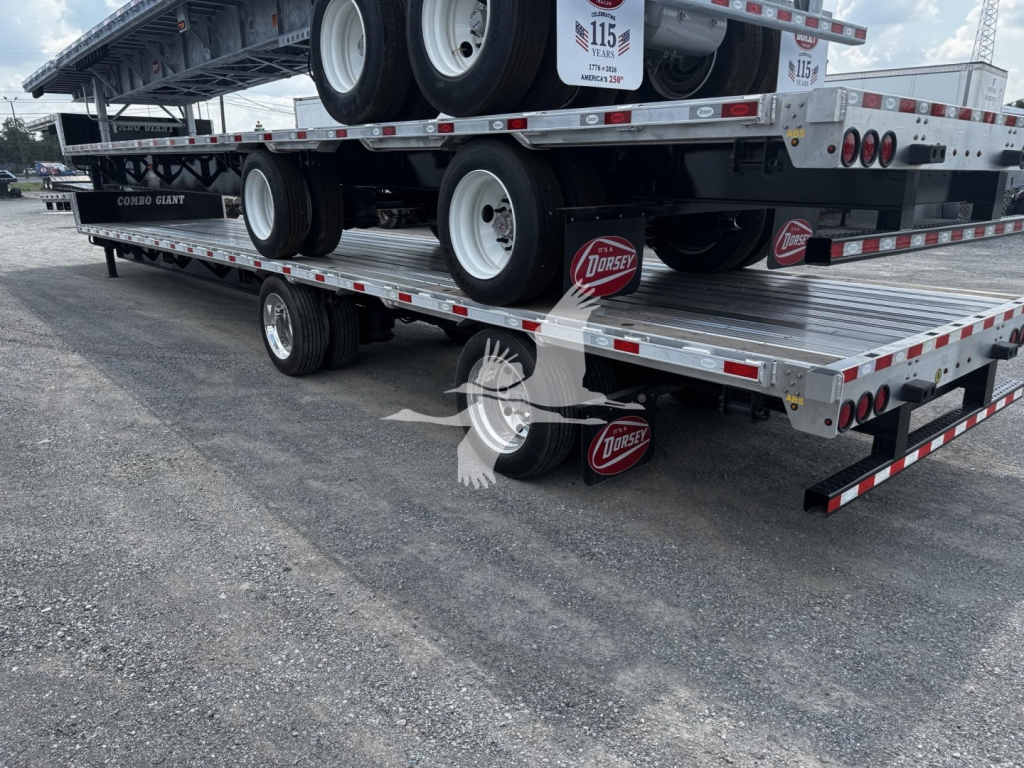
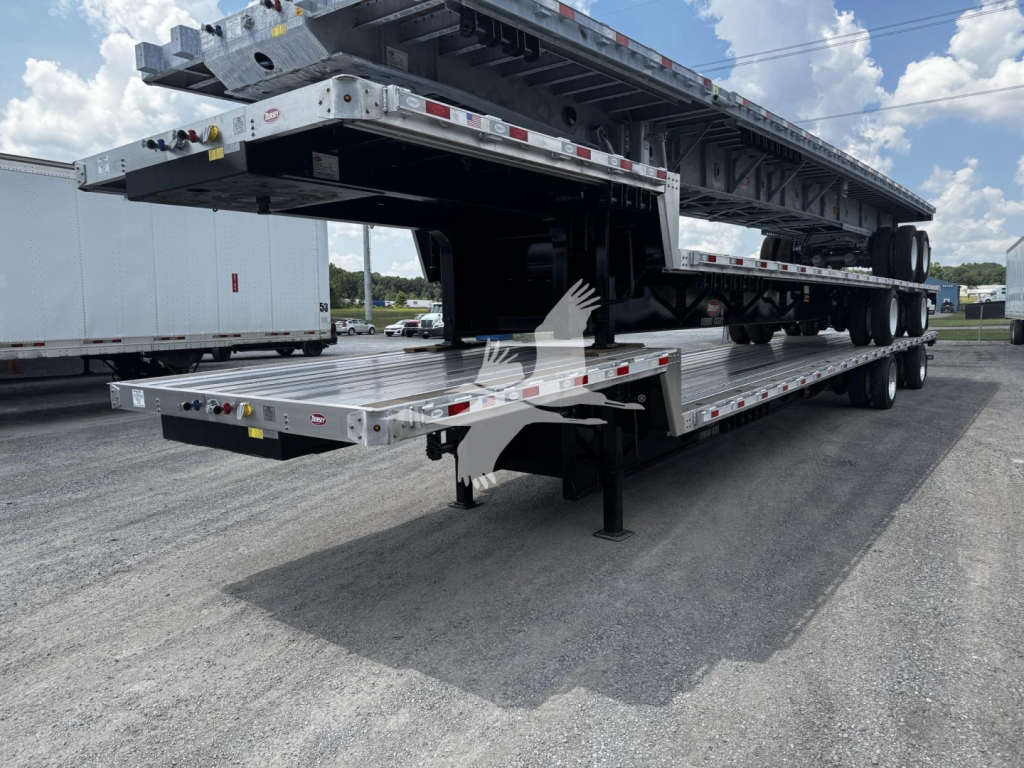
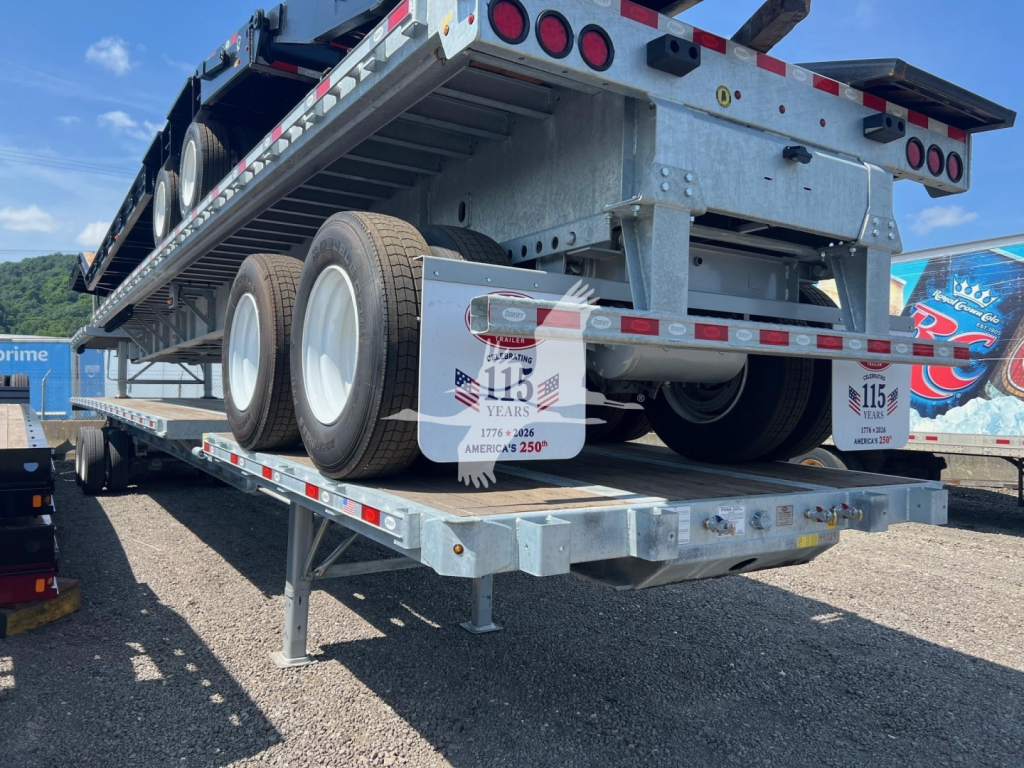
Showing 1 to 28 of 64 results
Selling a 2027 flatbed trailer? List your 2027 flatbed trailer for sale and reach thousands of commercial buyers.
2027 Flatbed Trailers
The most important flatbed spec decisions usually come down to axle configuration, suspension, and tiedown layout. Tandem axle trailers with air ride are common for general freight because they protect cargo better and improve ride quality, while spring ride can still appeal in severe service or cost-sensitive applications. Sliding tandems help with bridge law compliance and load positioning, while spread axles can improve weight distribution and reduce the need to slide, though they may increase scrub in tight turns. Buyers hauling steel, machinery, building products, or coils should pay attention to crossmember spacing, coil package reinforcement, rated concentrated load capacity, kingpin setting, and whether the trailer has a full-length roadside winch track, sliding winches, chain slots, pipe spools, and adequate D-ring placement.
Floor and side rail design matter more on a flatbed than many first-time buyers expect. A lighter aluminum trailer may offer excellent payload, but side rail strength, front and rear frame design, and the number of extra crossmembers can be just as important if the trailer will regularly carry coil steel, lumber packs, precast materials, or palletized machinery. Common features on modern flatbeds include LED lighting, two-speed landing gear, aluminum wheels on the outer positions, tire inflation options, and toolbox or dunnage rack provisions. If your operation loads with forklifts from the side, look closely at floor durability and rail construction. If the trailer will run in winter climates or on rough jobsite approaches, corrosion resistance, suspension durability, and rear impact protection deserve extra attention.
For specialized freight, some buyers also compare standard flatbeds to extendable flatbeds or beavertail equipment trailers, especially when load length or self-loading machinery is part of the job. An extendable flatbed is useful for overlength freight such as pipe, poles, or structural material, while a heavy-duty beavertail with ramps is better suited to equipment moves. For general over-the-road flatbed work, the right 2027 trailer usually balances tare weight, deck strength, securement flexibility, and axle layout for the lanes you run most. A trailer that looks similar on paper can perform very differently once it is loaded to legal weight and dispatched across multiple states, so concentrated load ratings, suspension setting, and securement hardware should be checked as closely as overall GVWR.
Frequently Asked Questions about 2027 Flatbed Trailers
What size is a typical flatbed trailer?
The most common flatbed trailer sizes are 48 feet or 53 feet long and 102 inches wide. A 48-foot flatbed remains very common in steel, building materials, and general commodity hauling, while 53-foot models can add deck space for lighter or more dimensional freight. Buyers should also verify kingpin setting, tandem or spread axle placement, and overall bridge law flexibility because length alone does not determine how practical the trailer will be in daily operations.
Is an aluminum flatbed better than a steel flatbed?
An aluminum flatbed usually offers lower tare weight, better corrosion resistance, and more payload capacity, which makes it popular in over-the-road service. A steel flatbed can be attractive for fleets that expect heavy wear, frequent repairs, or severe loading conditions, and combo trailers split the difference with mixed-material construction. The better choice depends on freight density, maintenance strategy, and how much value your operation places on payload versus structural ruggedness.
What should I look for if I plan to haul coils or concentrated loads?
Coil hauling puts more stress into a smaller part of the deck, so concentrated load ratings matter more than general GVWR. Look for a coil package, closer crossmember spacing, extra crossmembers, strong side rails, and clear load ratings such as pounds in 4 feet or 10 feet. Securement features also matter, including winch tracks, chain tie-down points, pipe spools, and the floor design needed to support heavy, focused cargo without premature structural fatigue.
What is the difference between a sliding tandem and a spread axle flatbed?
A sliding tandem flatbed allows the rear axle group to move forward or backward, which helps with axle weight distribution and bridge law compliance across different states and load positions. A spread axle flatbed places the axles farther apart, often improving weight distribution without sliding, and it can be advantageous for certain freight and legal payload scenarios. The tradeoff is that spread axles can scrub tires more in tight turns and may be less forgiving in dense urban maneuvering.
Which suspension is better on a flatbed trailer, air ride or spring ride?
Air ride is the most common choice for general freight because it provides a smoother ride, better cargo protection, and broad driver acceptance. Spring ride can still make sense for applications that prioritize simplicity, lower upfront cost, or severe-duty durability. The right suspension depends on your freight sensitivity, maintenance preferences, lane conditions, and whether the trailer will spend most of its life on highway miles or in rougher jobsite environments.