
2027 Flatbed Trailers For Sale in Texas
Shop 2027 flatbed trailers for sale in Texas. Compare aluminum and combo flats, air ride setups, coil packages, winch tracks, and axle options.
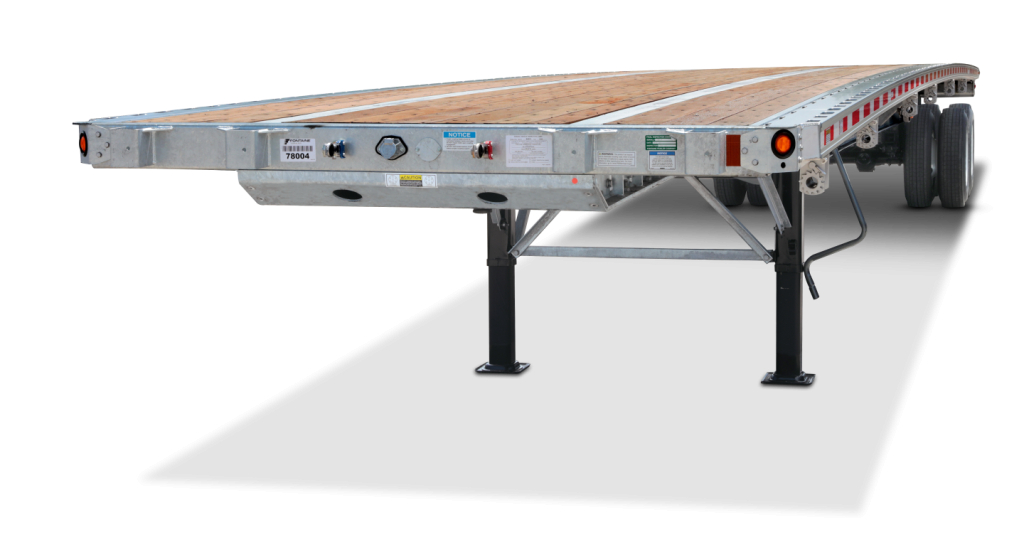
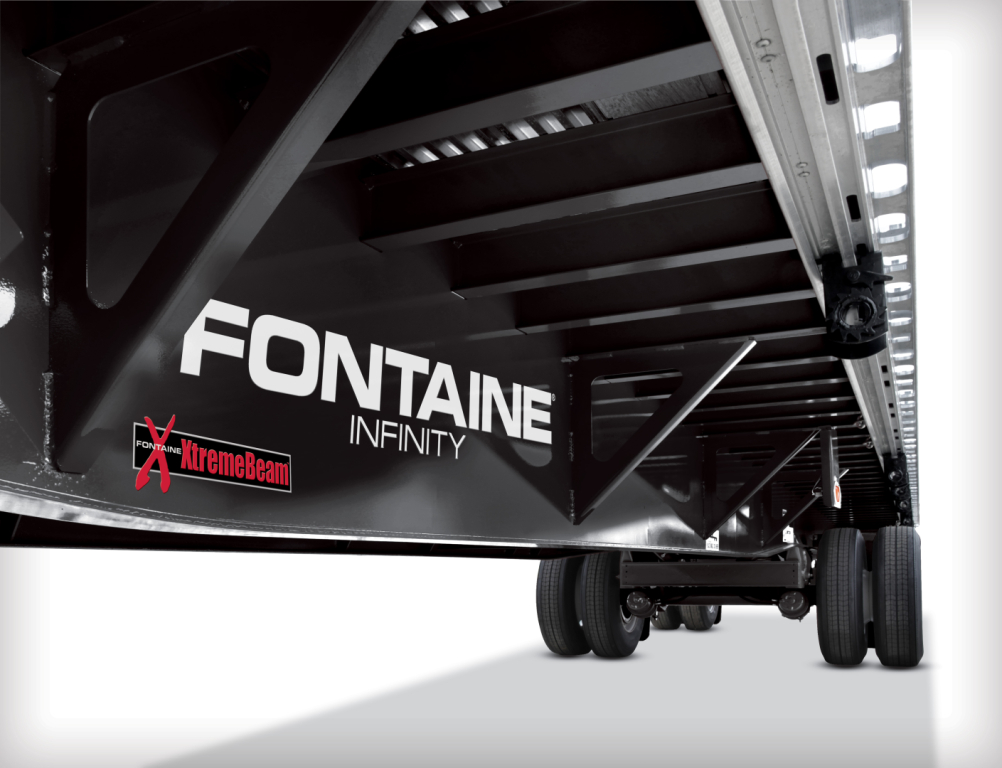
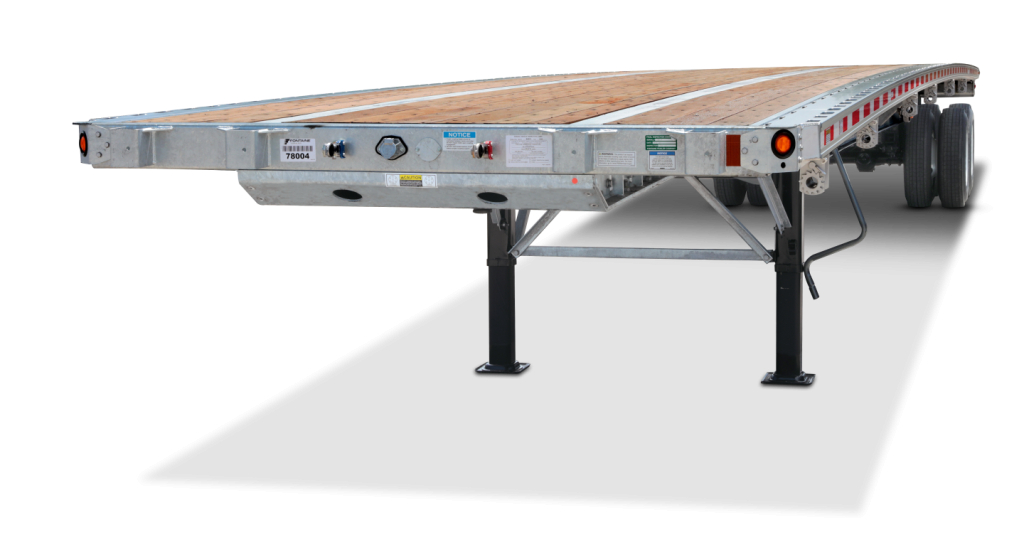
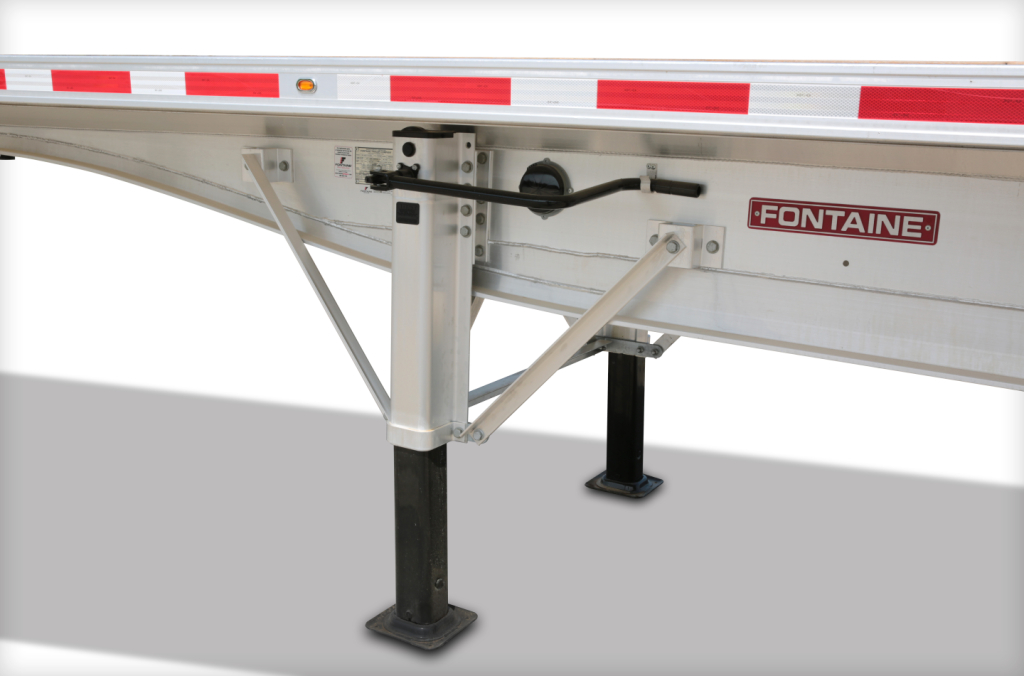
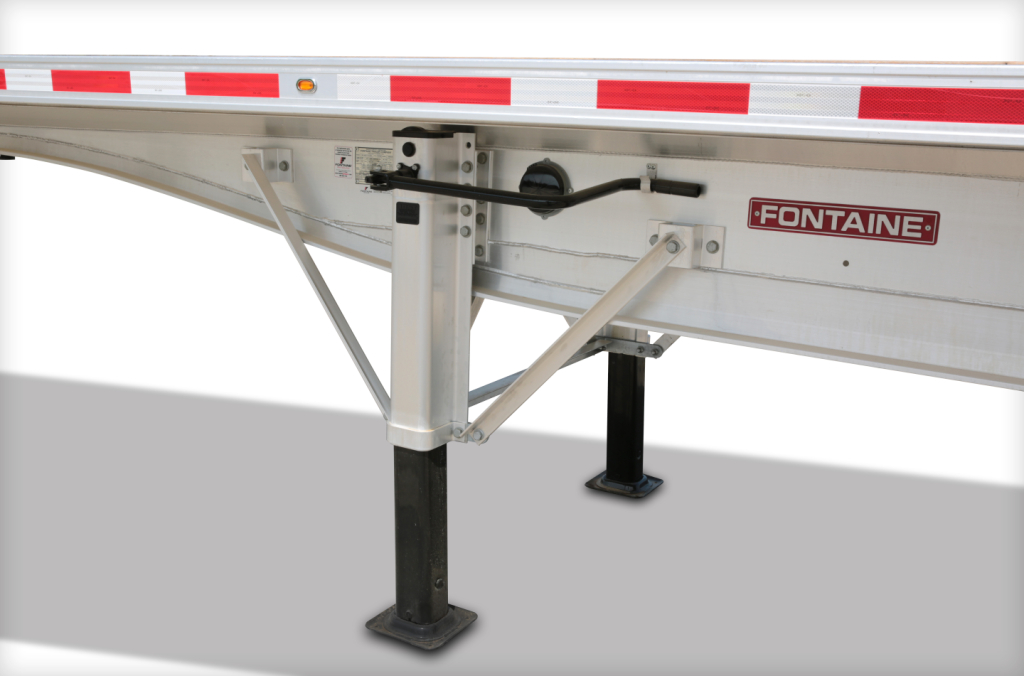
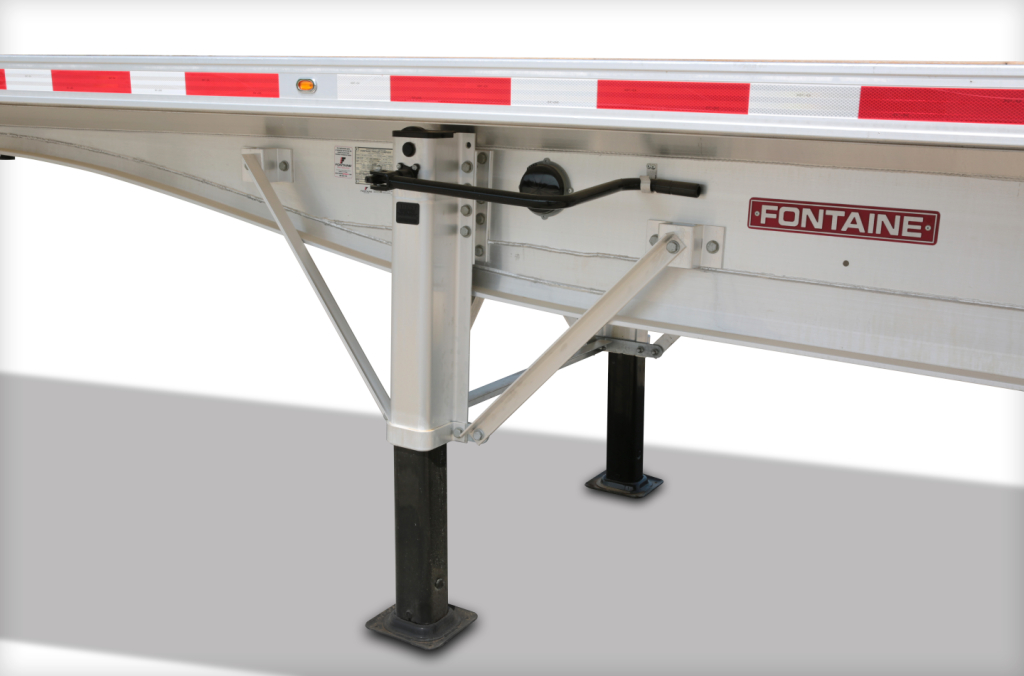
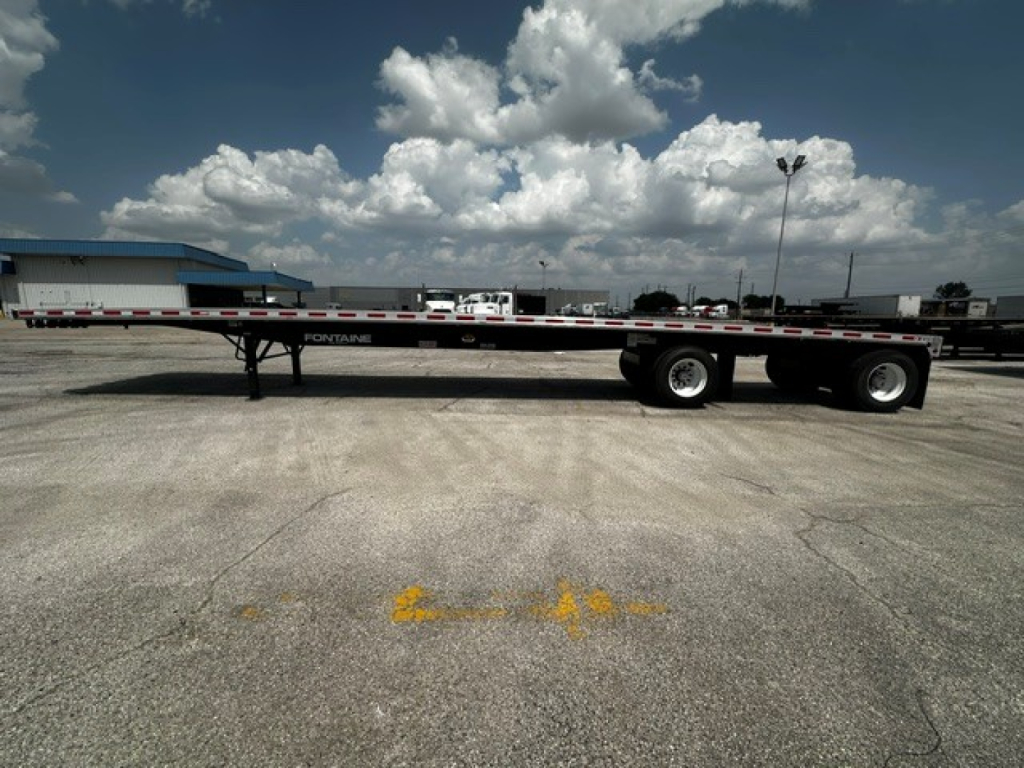
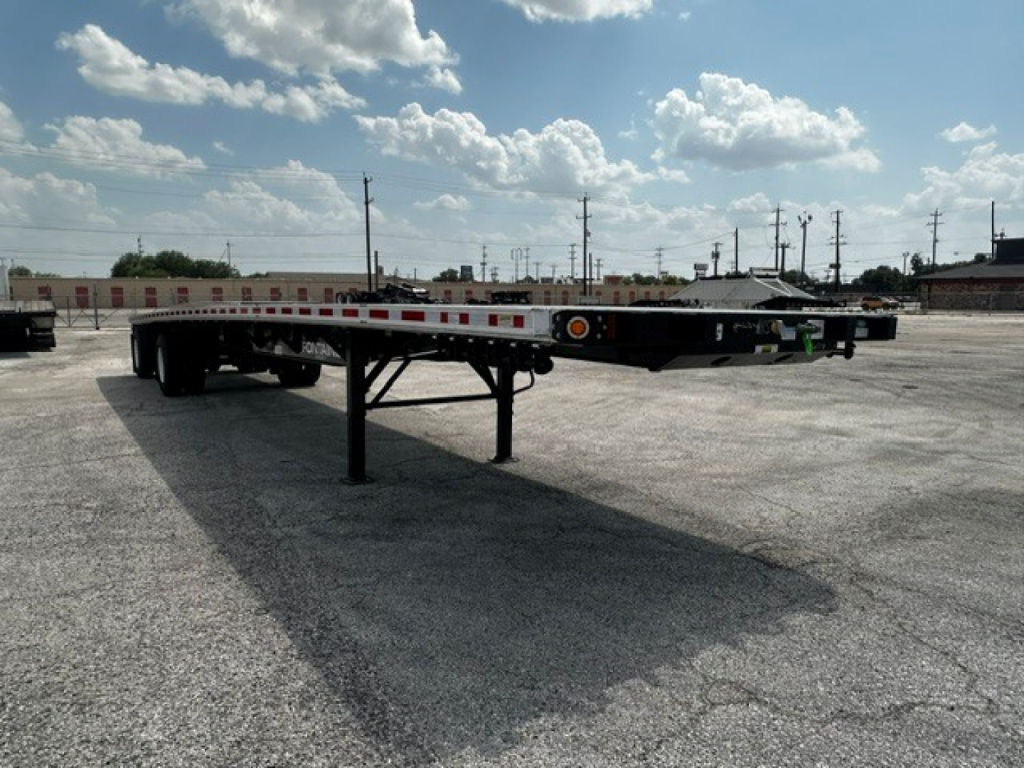
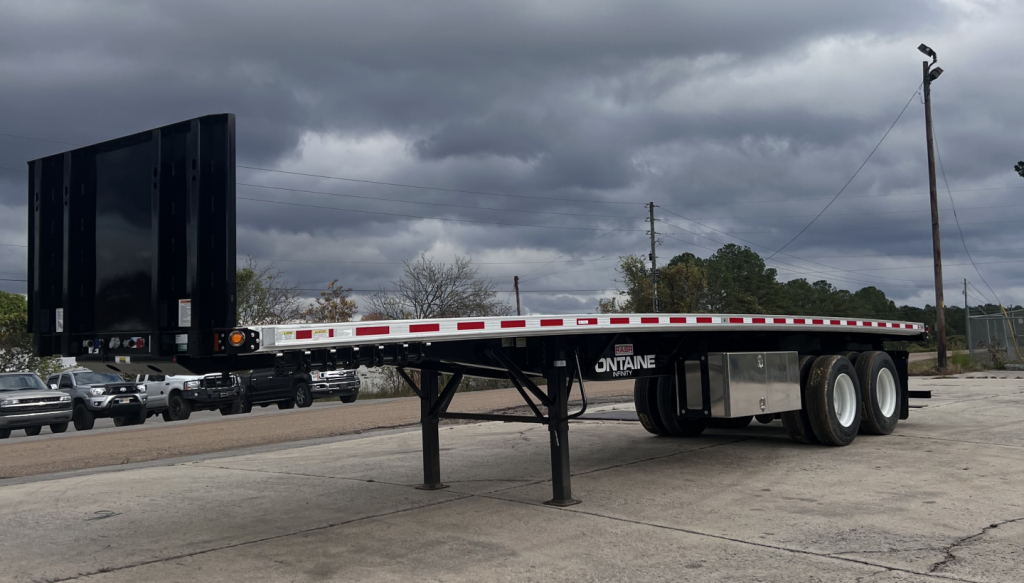
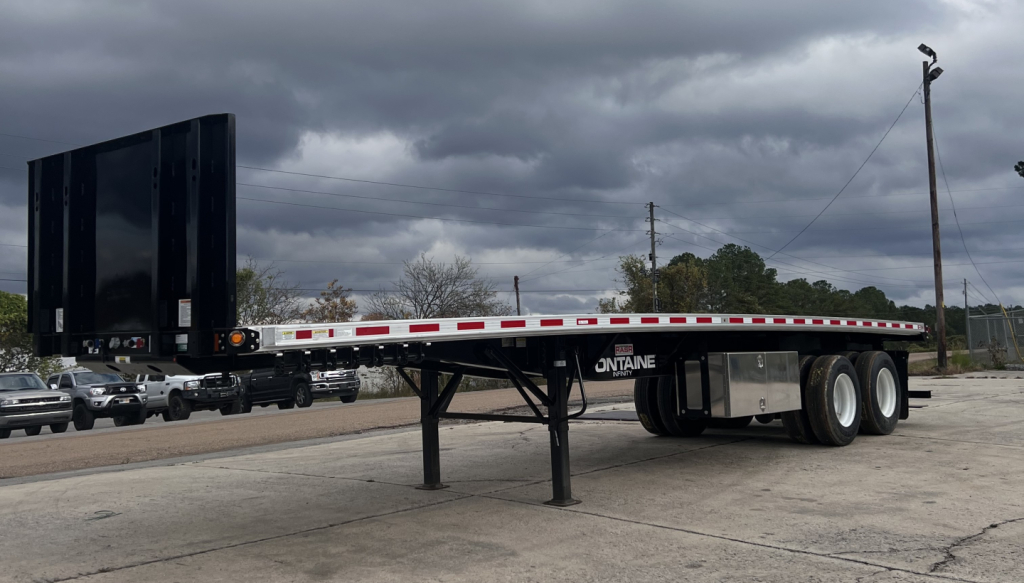
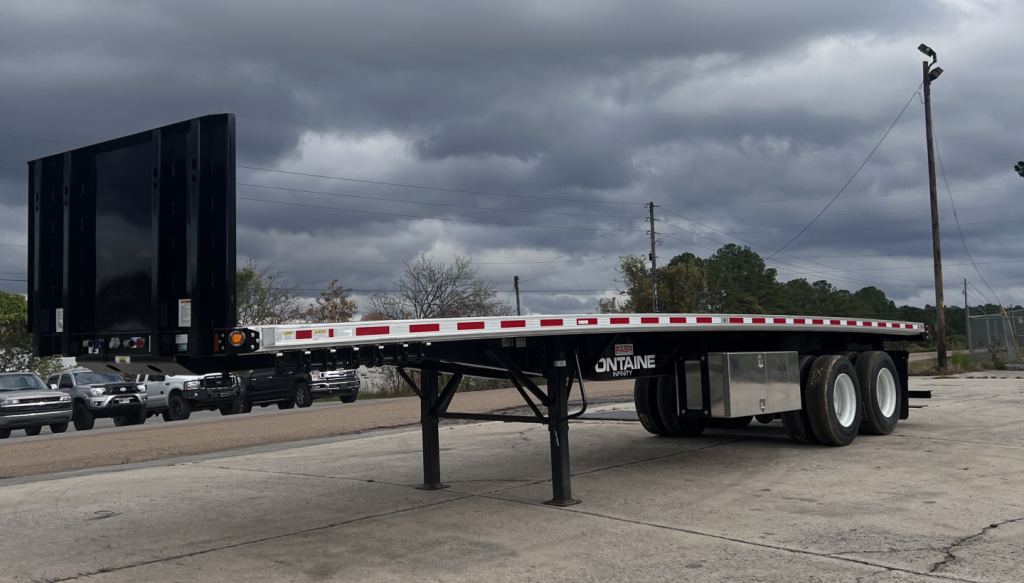
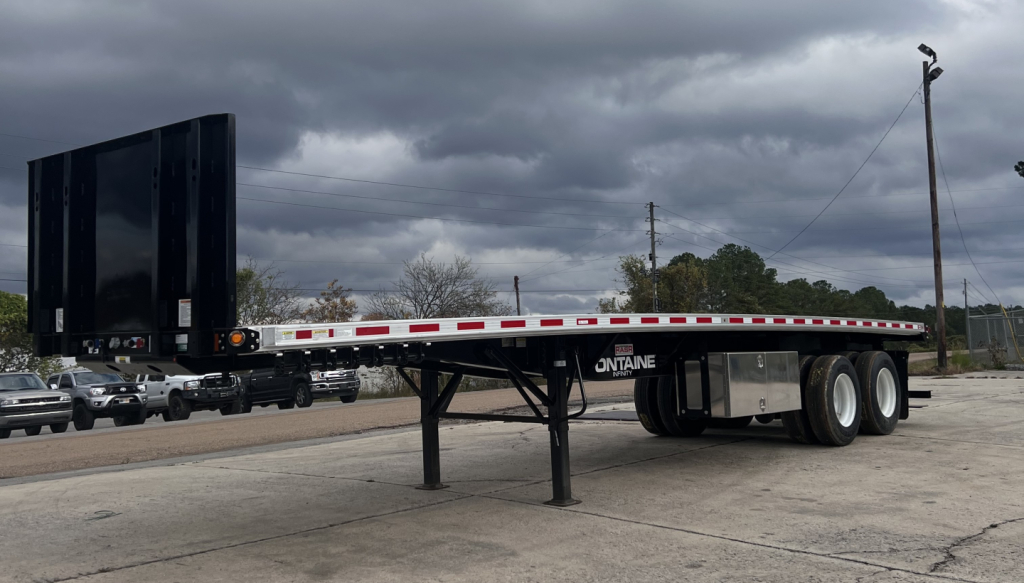
2027 Fontaine 53' Combo Flat - Rear Axle Slide
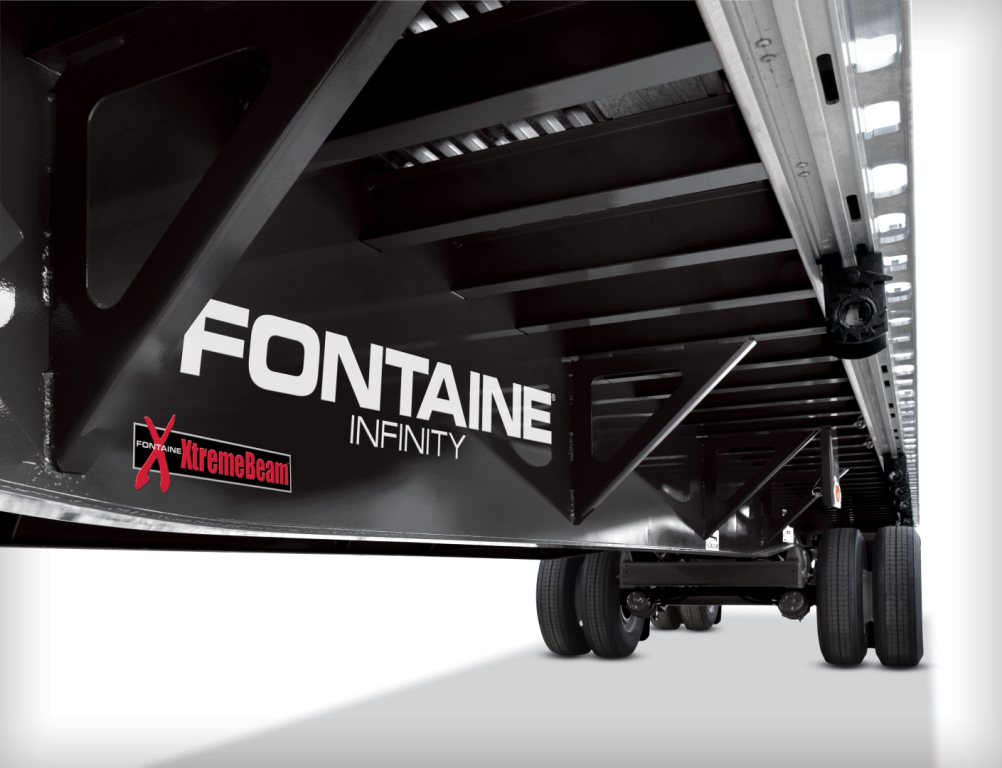
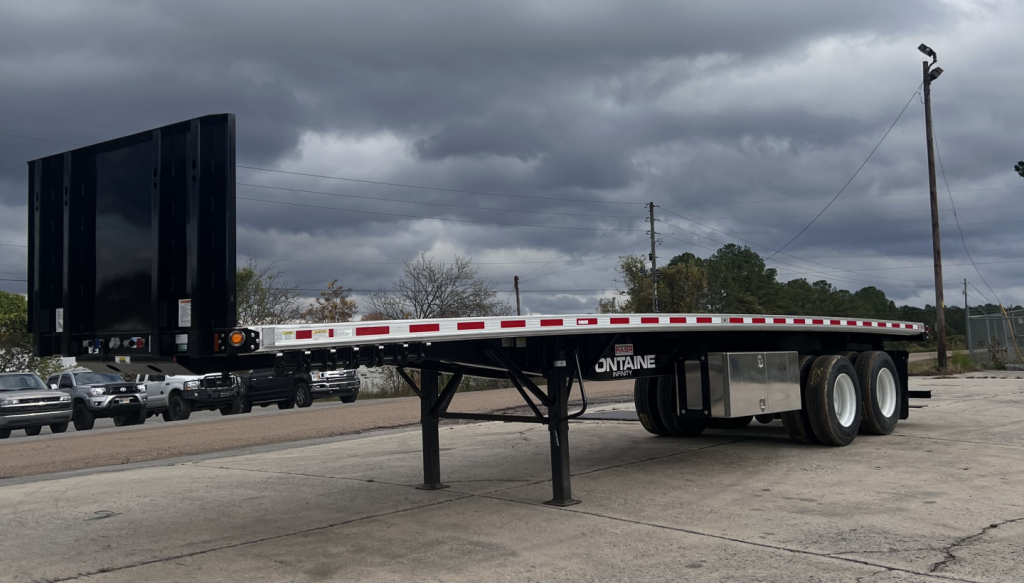
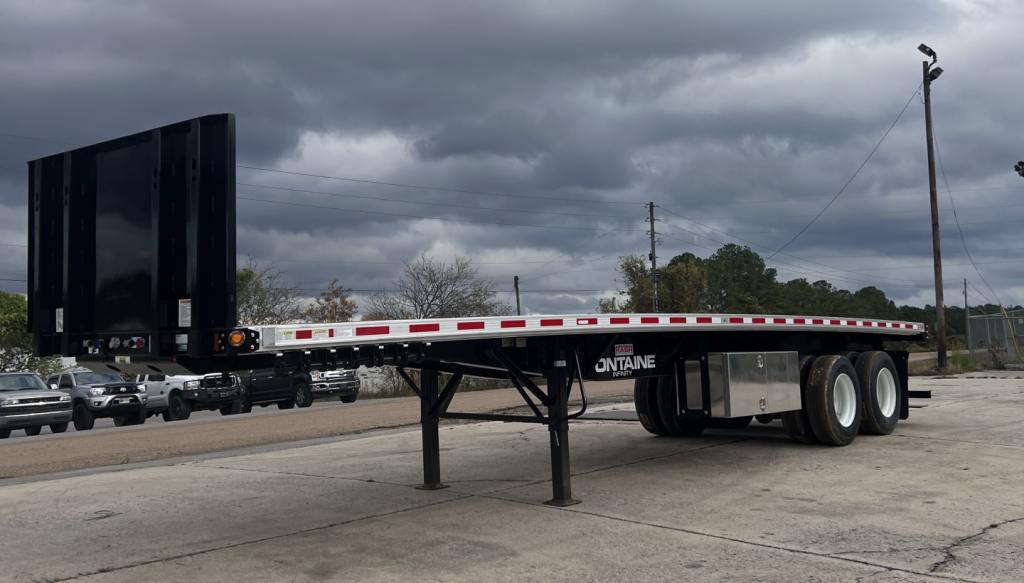
2027 Fontaine 53' Combo Flat - Rear Axle Slide
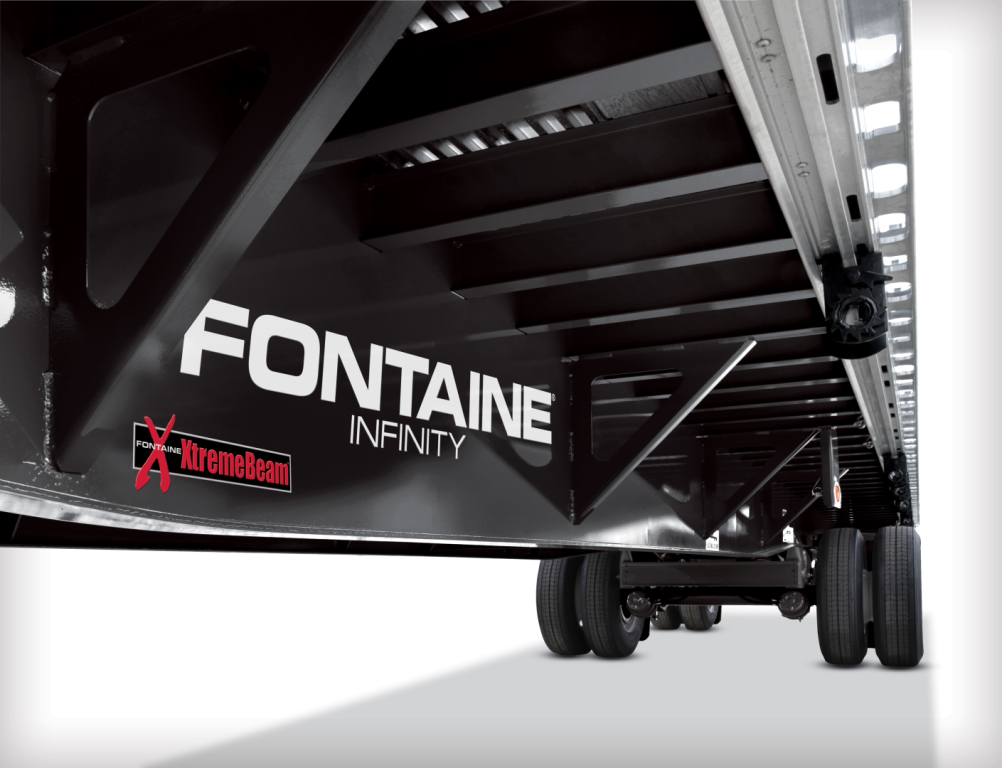
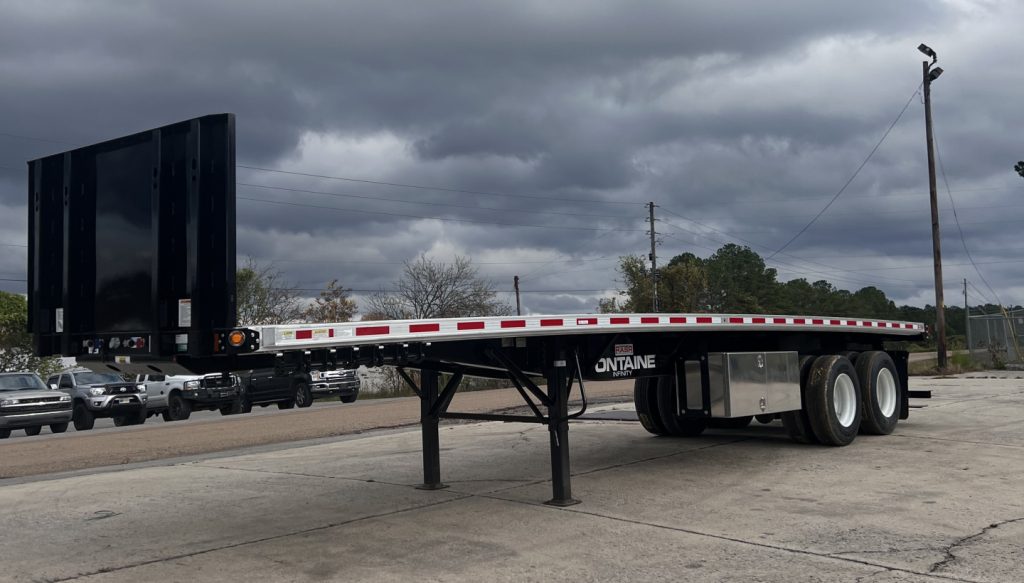
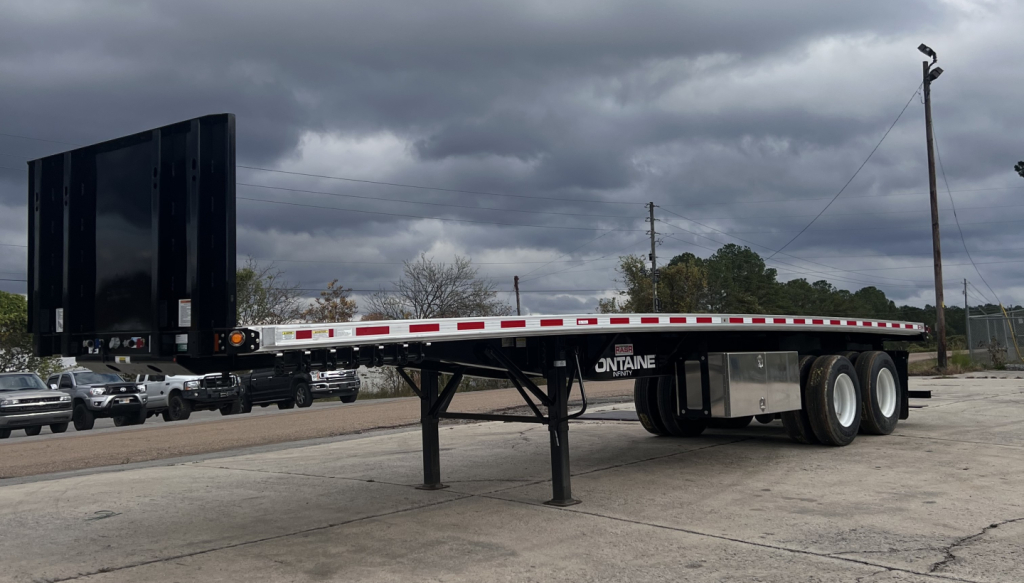
2027 Fontaine 53' Combo Flat - Rear Axle Slide
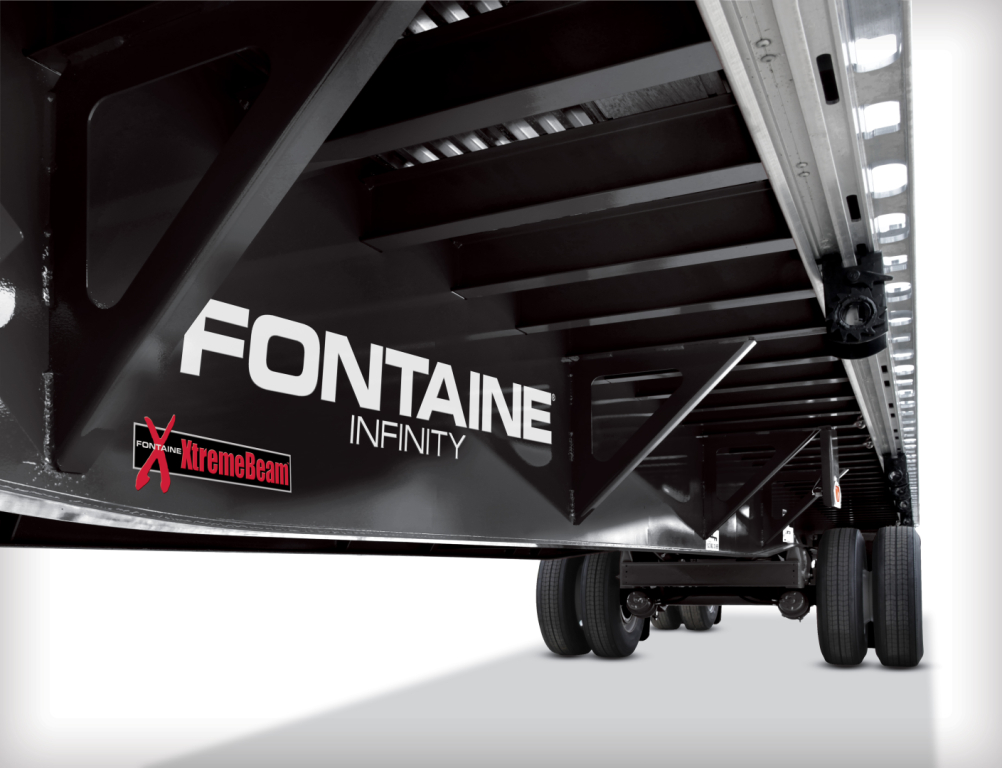
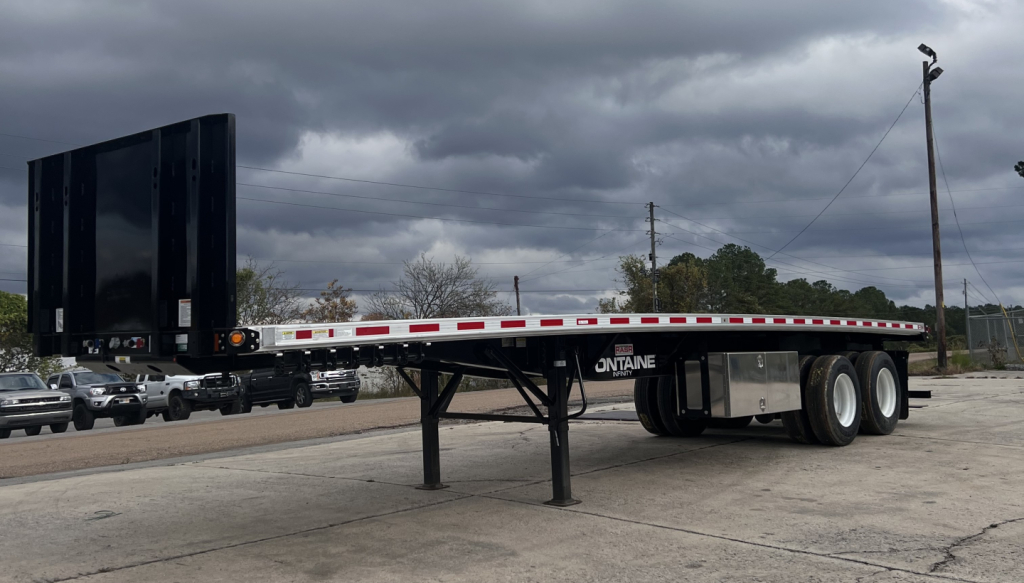
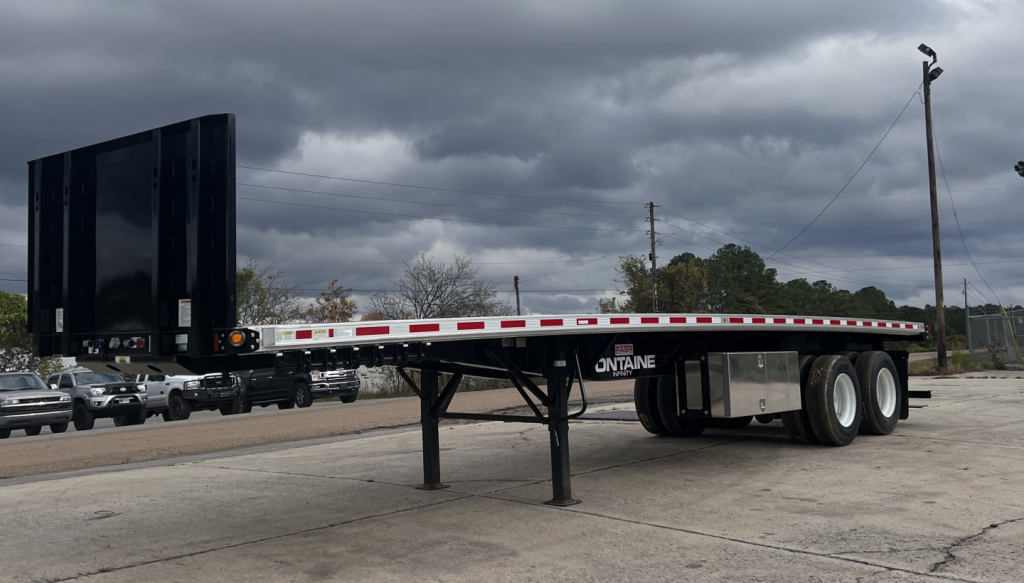
2027 Fontaine 53' Combo Flat - Rear Axle Slide
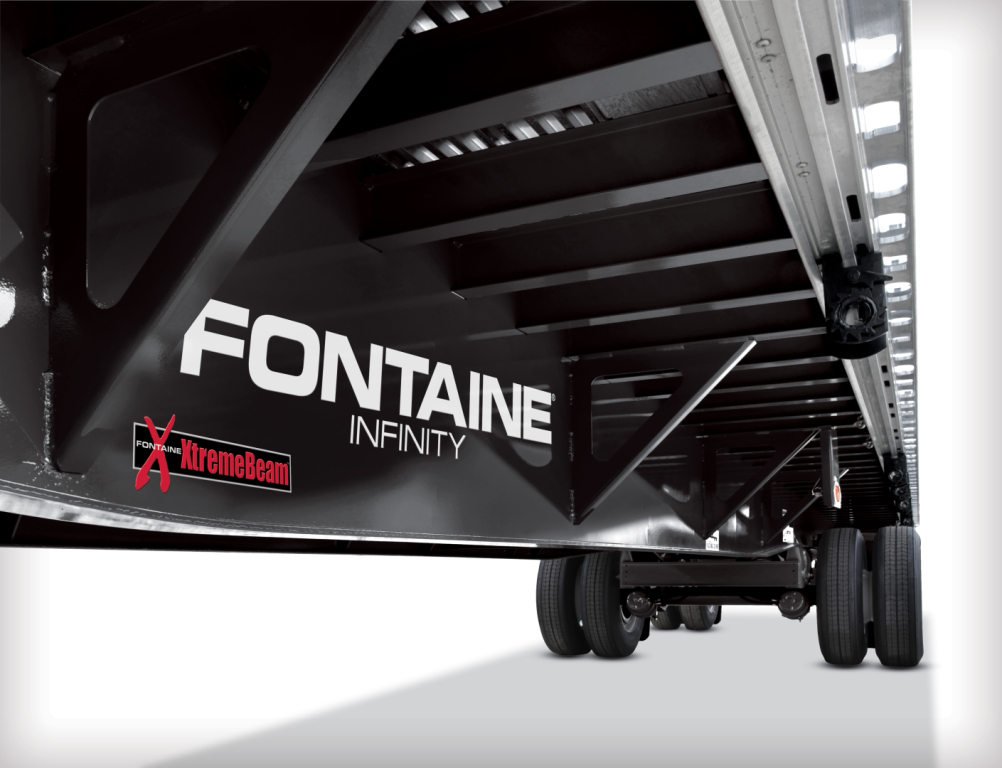
2027 Fontaine 53' Combo Flat - Rear Axle Slide
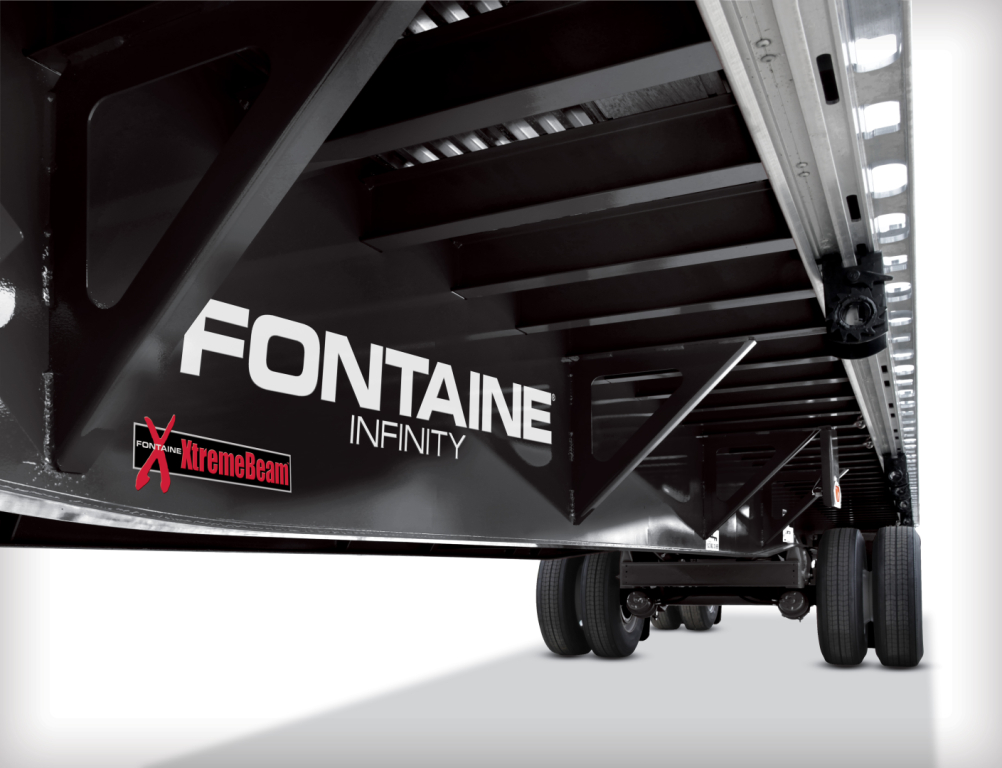
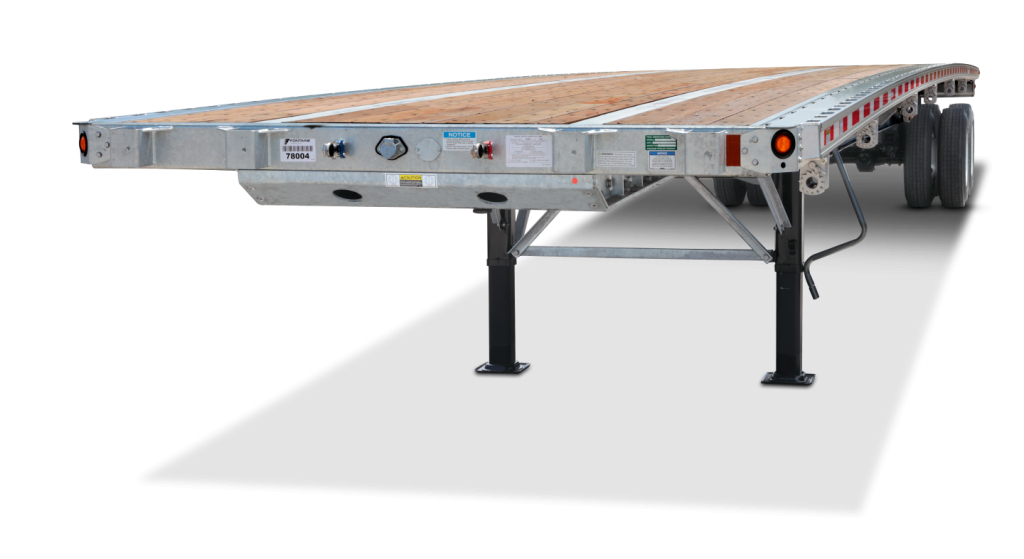
Selling a 2027 flatbed trailer? List your 2027 flatbed trailer for sale and reach thousands of commercial buyers.
2027 Flatbed Trailers in Texas
Construction matters because it directly affects tare weight, durability, and repair cost. Aluminum flatbeds are lighter and help maximize payload, which matters on commodity freight where every pound counts. Combo trailers, often called aluminum-steel combo flats, use steel in key structural areas and aluminum elsewhere to balance strength with lower empty weight. Many 2027 flatbeds are set up with aluminum flooring, wood nailer strips, integrated rub rails, stake pockets on 24-inch centers, recessed chain tie-downs, and full-length winch tracks with sliding winches. Buyers hauling coils, lumber, or machinery should pay close attention to coil package specs, crossmember spacing such as 12-inch on-center layouts, and the number and placement of securement points.
Suspension and axle layout should match the lanes you run. Air ride is common on premium flatbeds because it protects freight and improves ride quality. Tandem axle, wide spread, and rear axle slide configurations each solve different operating problems. A rear axle slide can help with bridge law compliance and California settings, while a wide spread may improve weight distribution depending on the load profile and jurisdiction. Kingpin setting, loaded fifth wheel height, tire size, and wheel material also deserve a close look because they affect tractor compatibility, deck height, and maintenance cost. Common specs in this category include 30-inch kingpin settings, 49-inch loaded fifth wheel heights, 295/75R22.5 tires, spring brakes, and 4S/2M ABS.
Some 2027 flatbed trailers are purpose-built for moffett or truck-mounted forklift work, with factory-installed forklift kits, counterweight systems, removable or fixed bulkhead arrangements, and clearly stated maximum forklift weight limits. That can be a strong fit for building supply, masonry, landscaping, and jobsite delivery operations across Texas. Buyers should also compare practical details like toolbox size, dock bumpers, LED lighting, dump valves, axle lift features, and bulkhead pockets. The right flatbed is not just about deck length. It is about securement layout, legal axle setup, tare weight, and how well the trailer matches the freight you haul every day.
Frequently Asked Questions about 2027 Flatbed Trailers in Texas
What is the difference between an aluminum flatbed and a combo flatbed trailer?
An aluminum flatbed is built primarily to reduce empty weight and maximize payload, which is a major advantage on weight-sensitive freight. A combo flatbed uses both aluminum and steel, typically placing steel in high-stress structural areas while keeping aluminum components where weight savings matter most. Combo trailers often give buyers a good balance of durability, strength, and tare weight, especially in fleets that handle a wide mix of freight and loading conditions.
What flatbed trailer length is most common in Texas, 48 foot or 53 foot?
Both 48-foot and 53-foot flatbeds are common, but the right choice depends on the freight and lanes. A 48-foot trailer remains a strong option for dense freight, regional work, and operations that prioritize lower trailer weight. A 53-foot flatbed gives more deck space for longer materials, mixed freight, and jobs where cubic deck availability matters as much as weight capacity. Buyers should match trailer length to the commodities they haul most often, not just the broadest possible use case.
Why does axle configuration matter on a flatbed trailer?
Axle configuration affects weight distribution, bridge compliance, turning characteristics, and where the trailer can legally operate. Tandem fixed axles are straightforward and widely used, while wide spread setups can improve weight placement on certain loads. Rear axle slide trailers add flexibility for state requirements and bridge laws, including California-legal settings on some specs. For buyers running multi-state freight, axle layout can be as important as the deck itself.
What securement features should I look for on a 2027 flatbed trailer?
The most useful securement features depend on the freight, but buyers usually look for full-length winch tracks, sliding winches, stake pockets, integrated rub rails, chain tie-downs, and nailer strips. Coil packages are important for carriers hauling steel coils, and crossmember spacing becomes more important when concentrated loads or forklift traffic are part of the job. A trailer with well-placed and plentiful securement points is easier to load legally and efficiently across a wider range of freight.
Are forklift kits on flatbed trailers worth it?
A forklift kit can be a very practical spec if the operation regularly delivers to jobsites without unloading equipment on site. These setups are common in building materials, masonry, and other delivery segments where a piggyback forklift saves time and improves delivery flexibility. The buyer needs to confirm the trailer's counterweight system, bulkhead design, and maximum forklift weight rating, because those details directly affect safety, legal operation, and long-term durability.