
2027 Fontaine Flatbed Trailers For Sale in Texas
Shop 2027 Fontaine flatbed trailers with aluminum or combo construction, air ride options, axle slides, and securement features for steel and general freight.
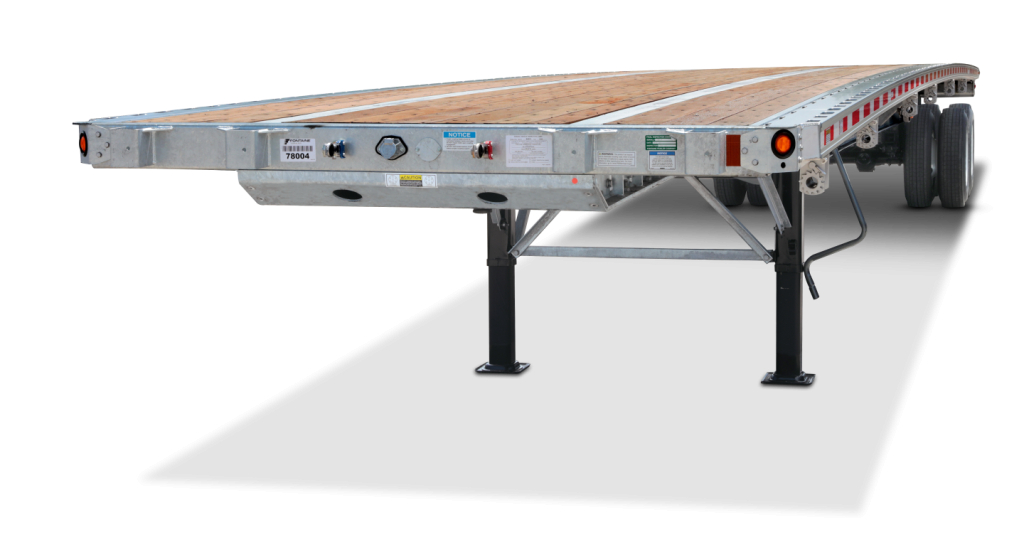
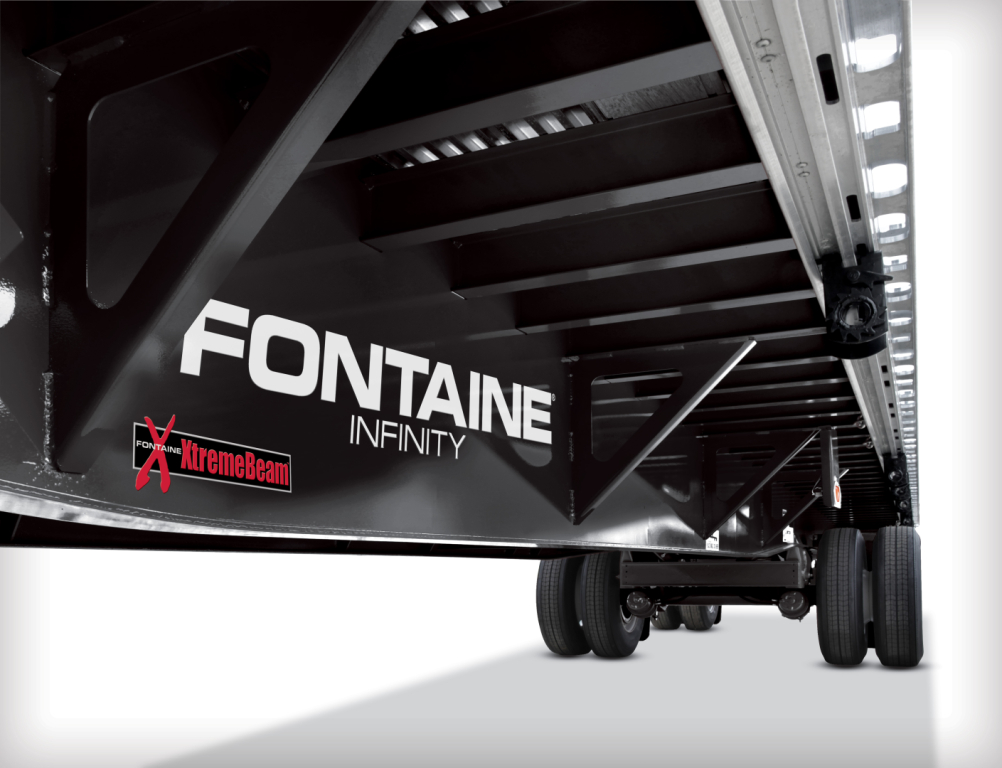
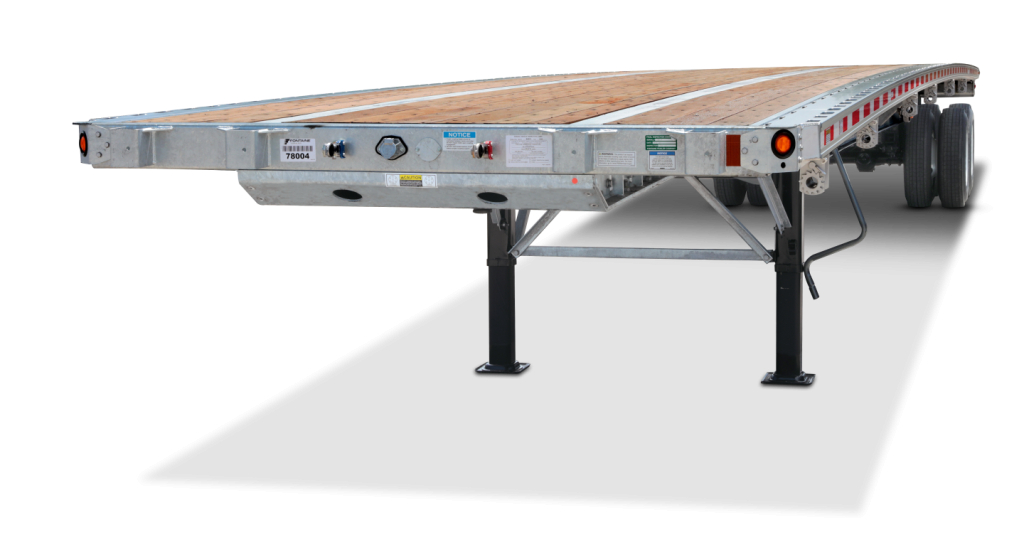
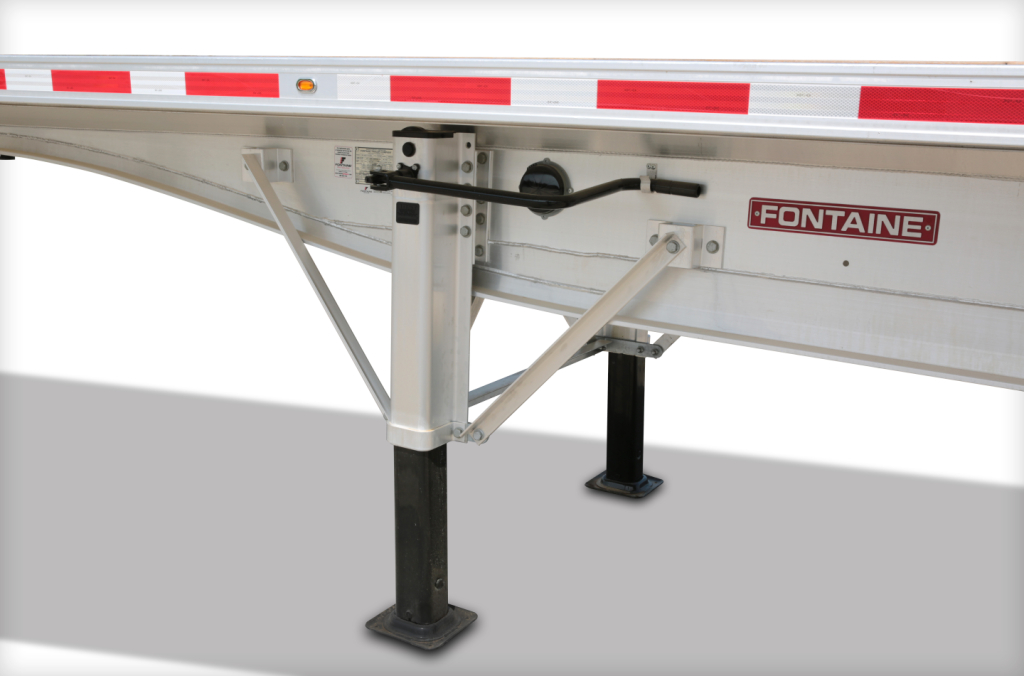
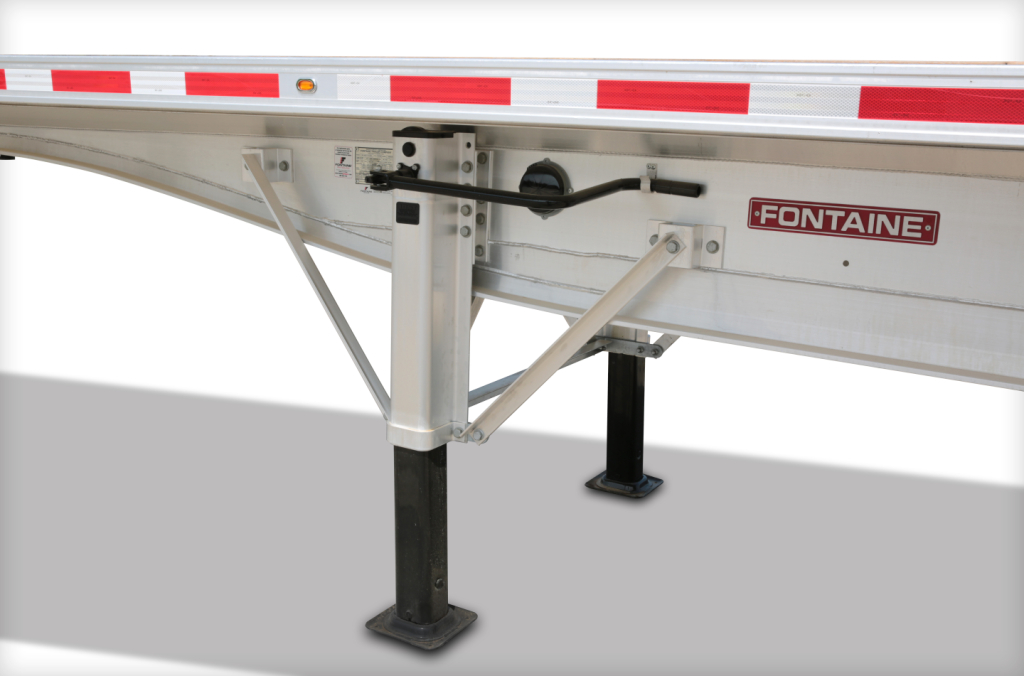
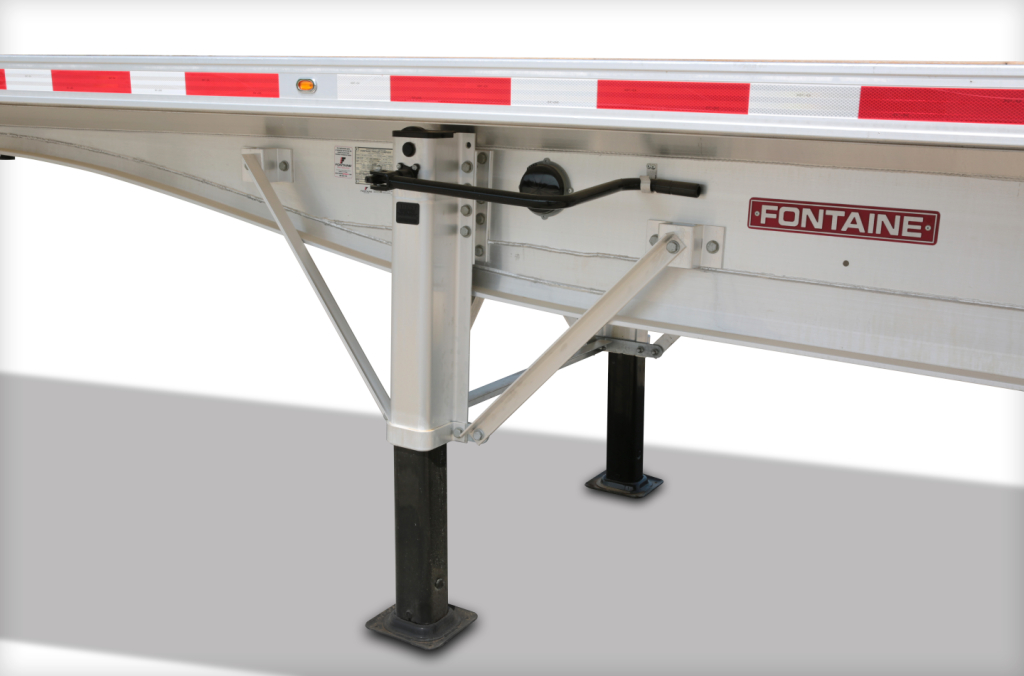
2027 Fontaine 53' Combo Flat - Rear Axle Slide
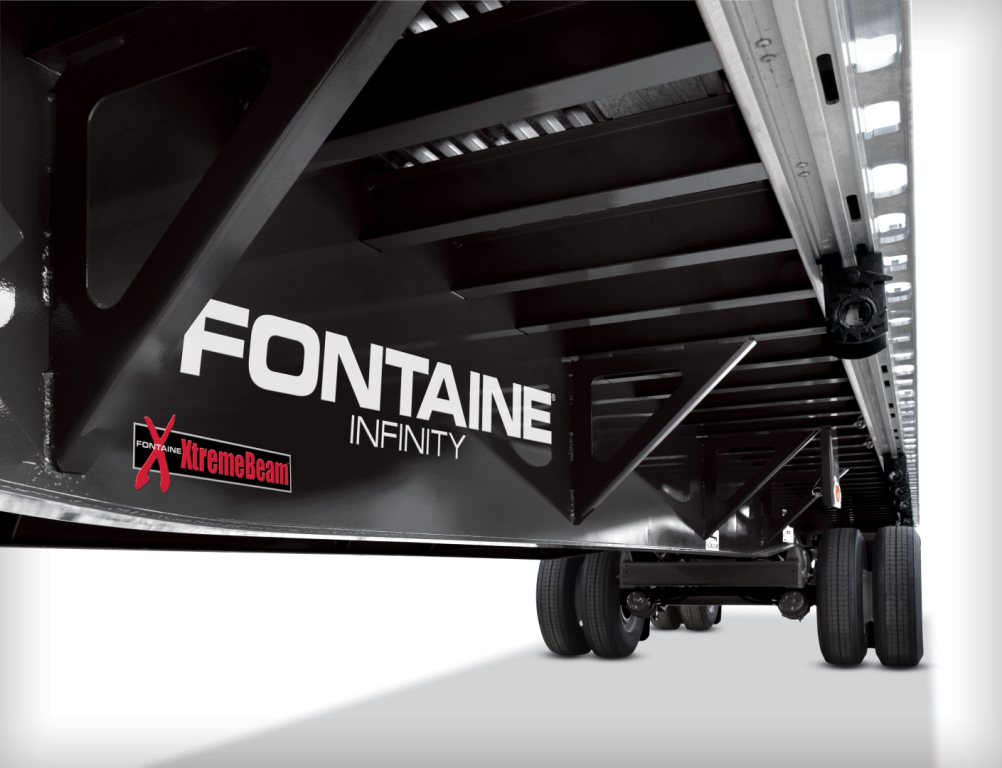
2027 Fontaine 53' Combo Flat - Rear Axle Slide
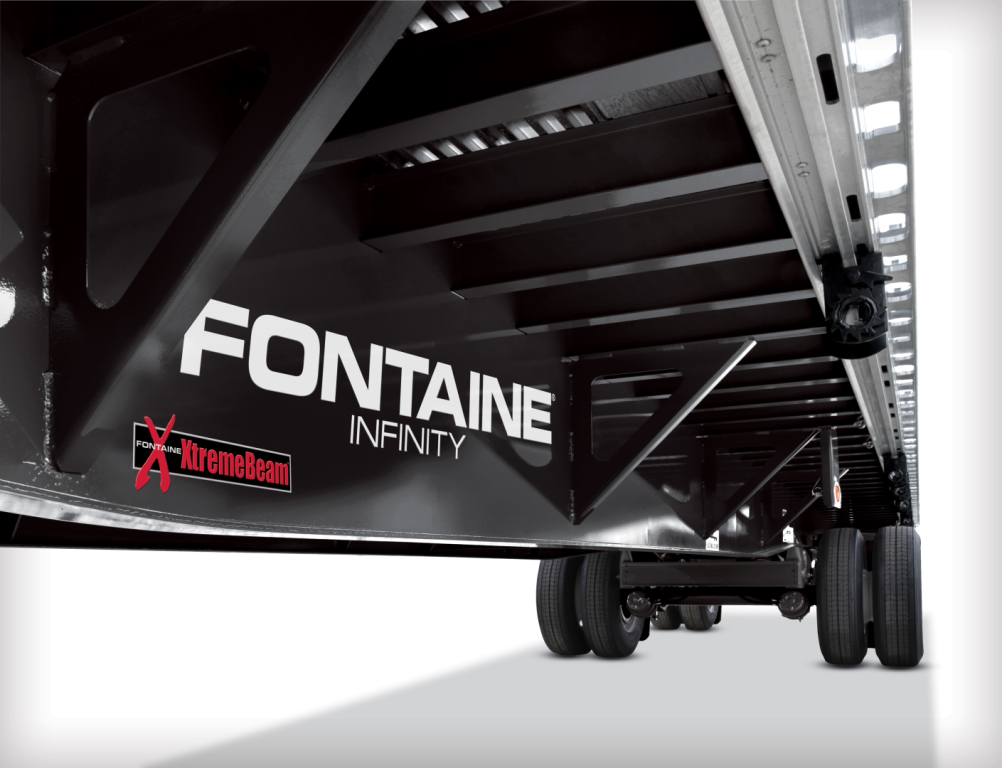
2027 Fontaine 53' Combo Flat - Rear Axle Slide
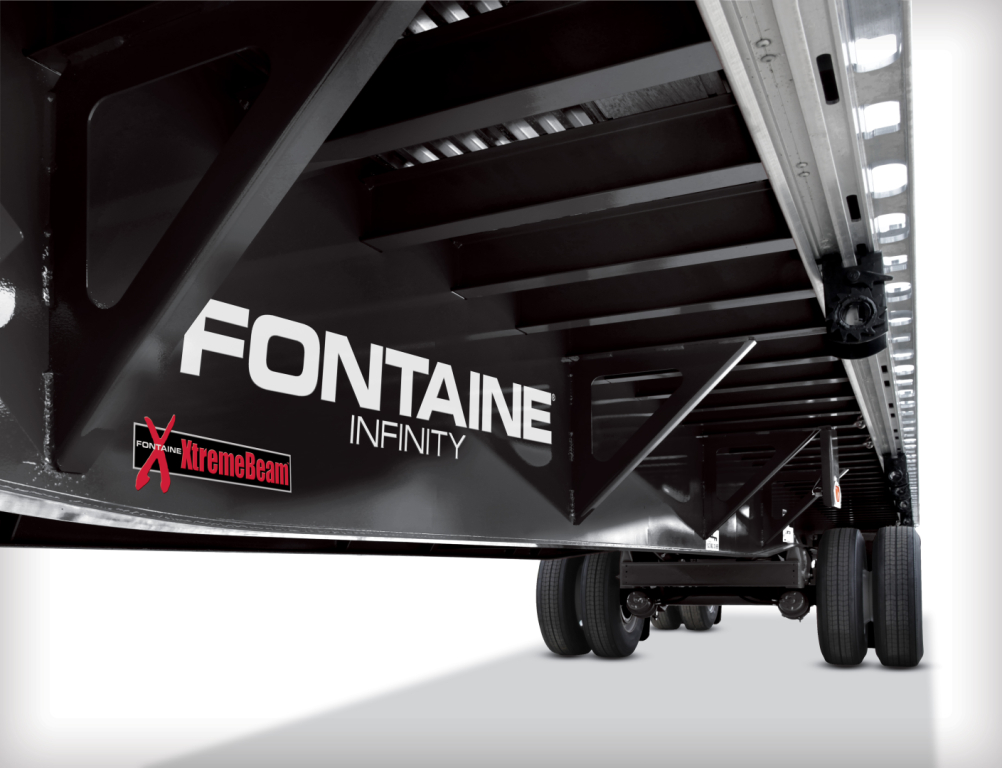
2027 Fontaine 53' Combo Flat - Rear Axle Slide
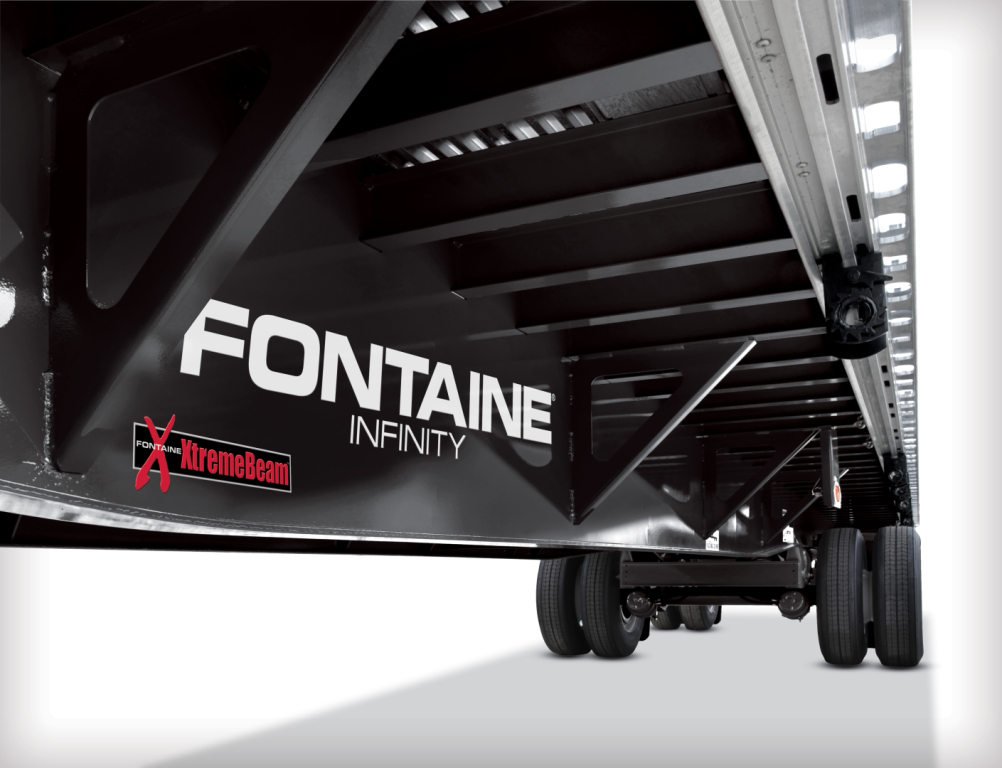
2027 Fontaine 53' Combo Flat - Rear Axle Slide
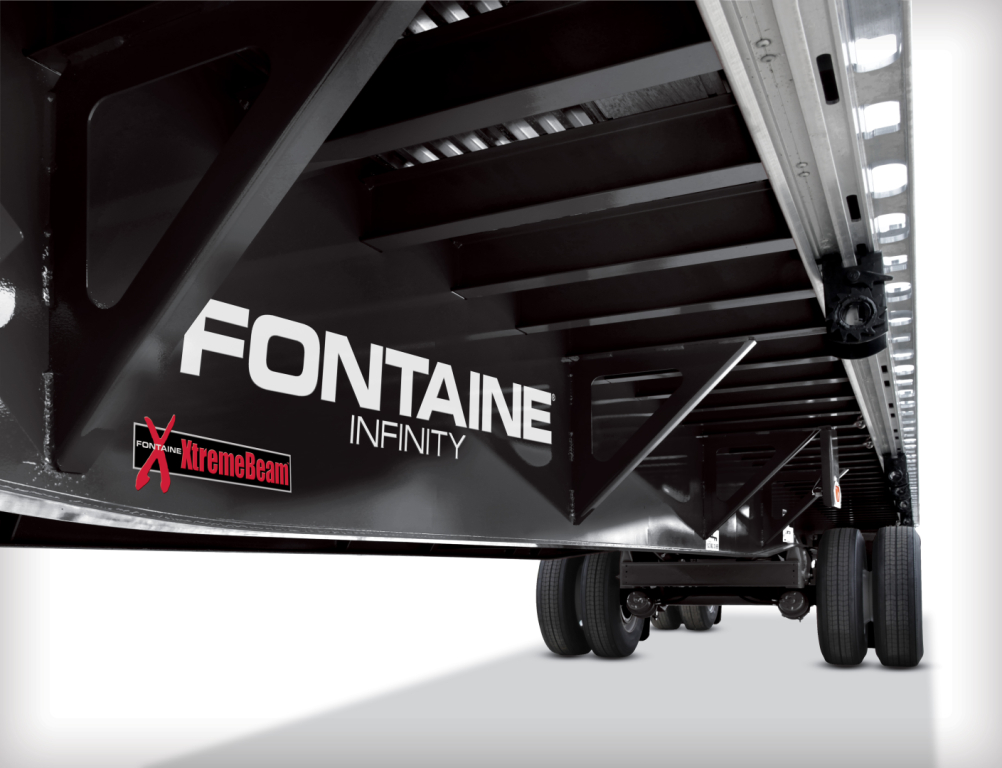
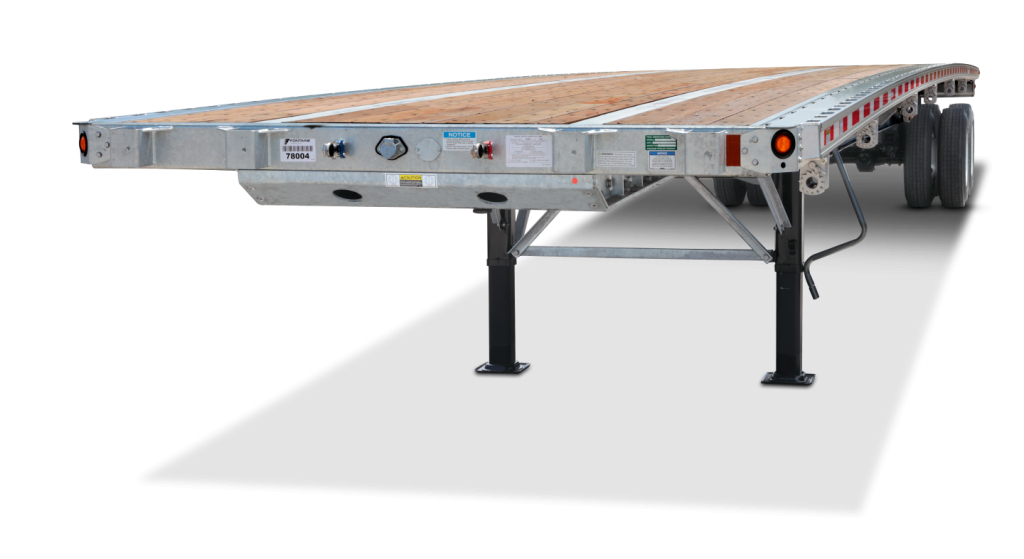
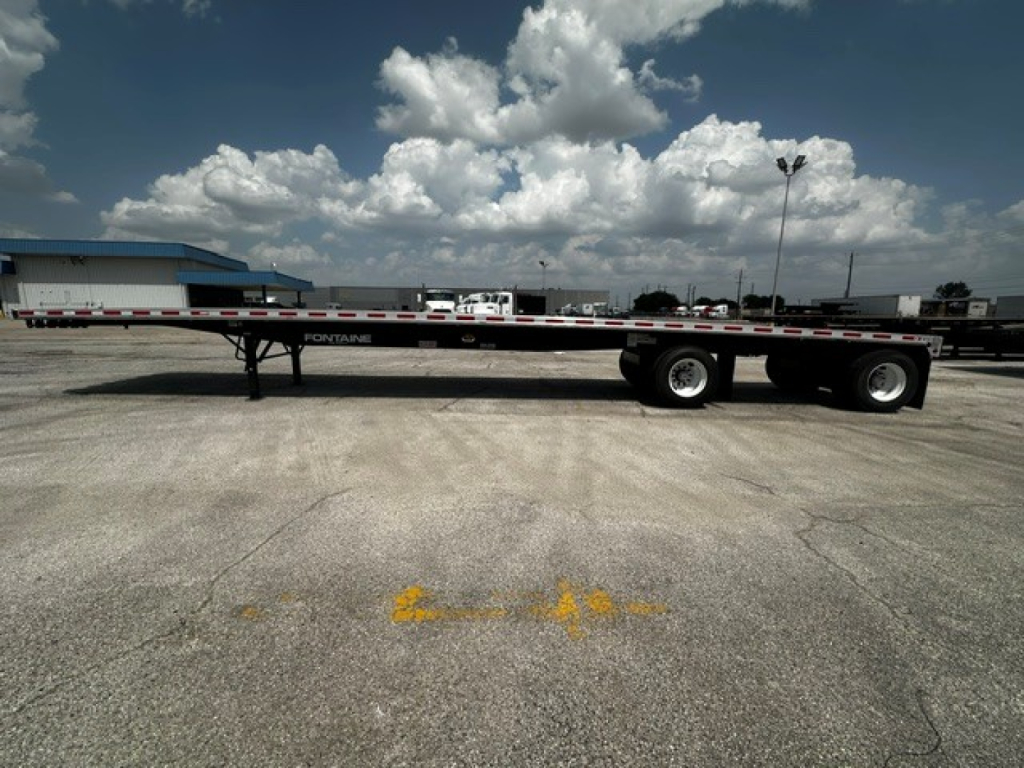
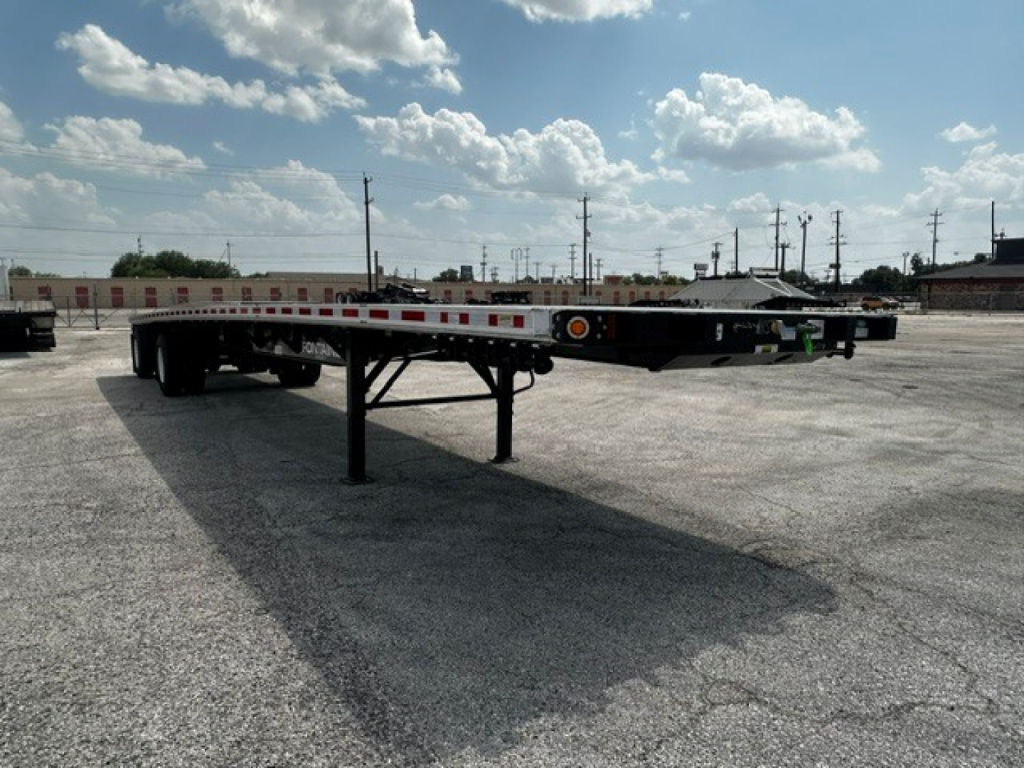
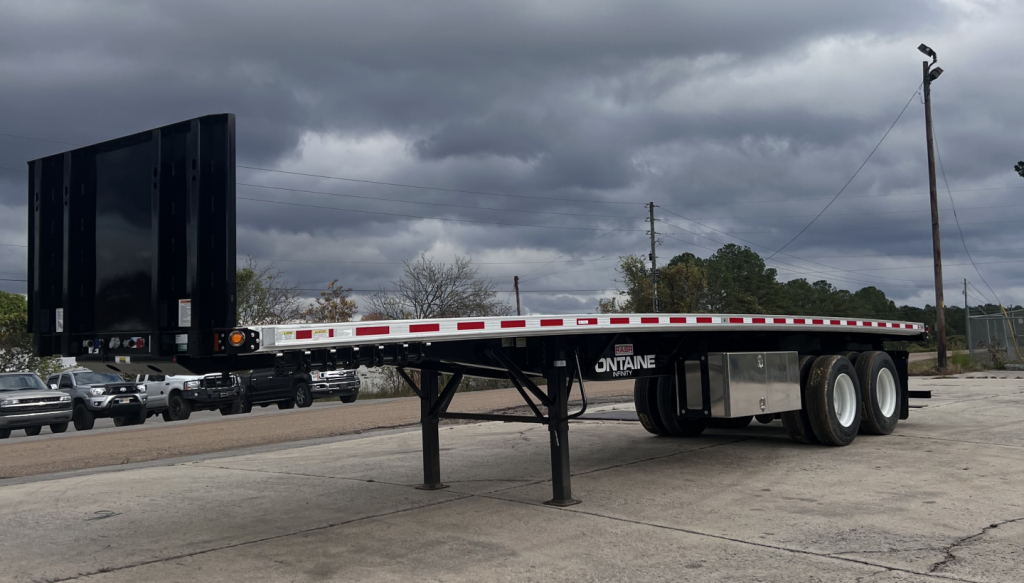
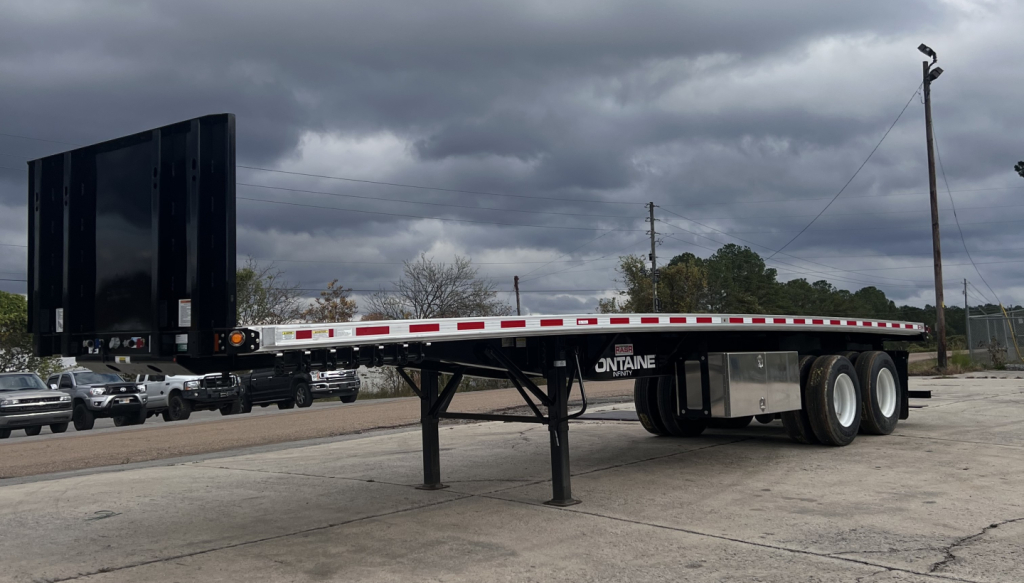
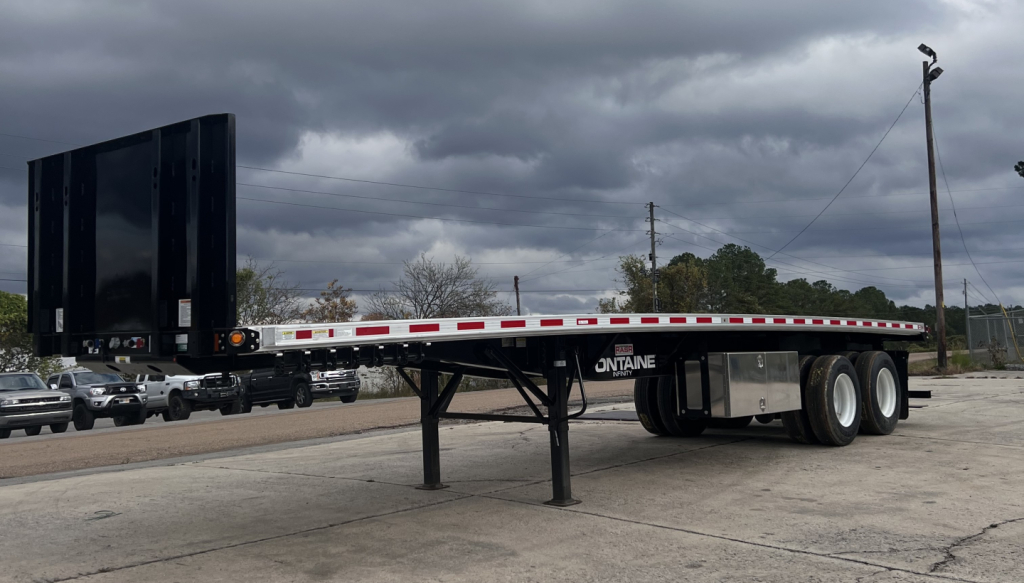
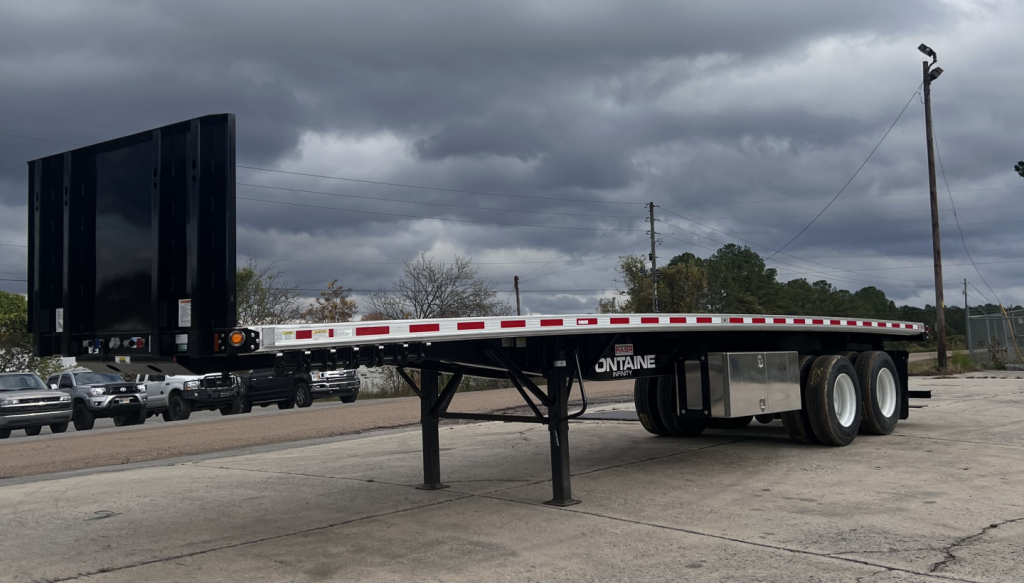
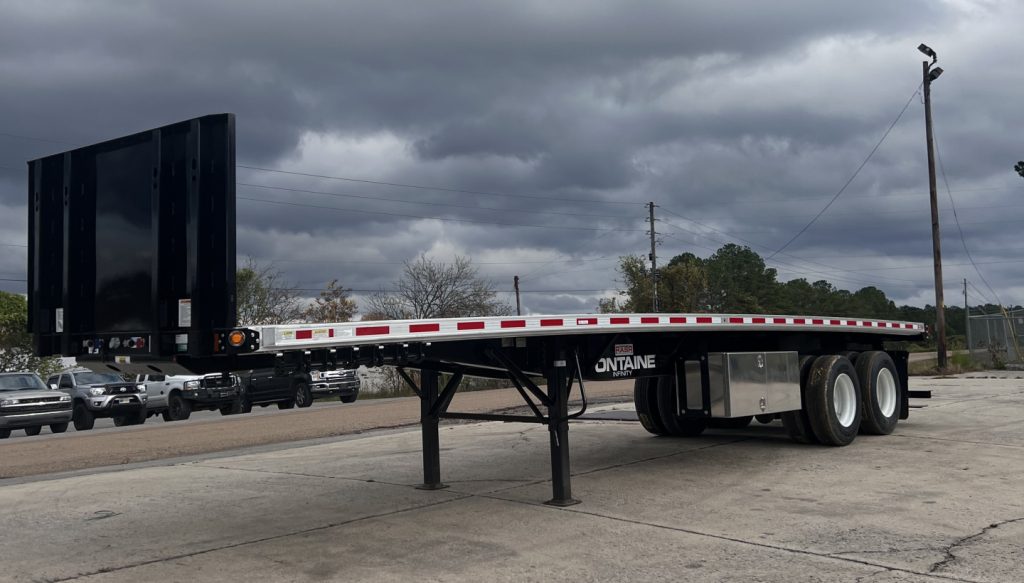
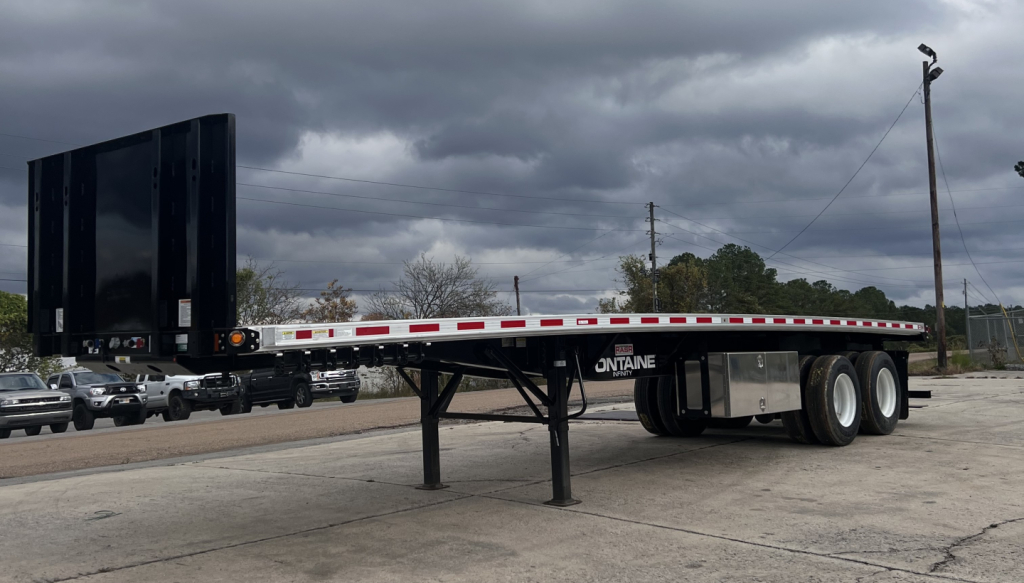
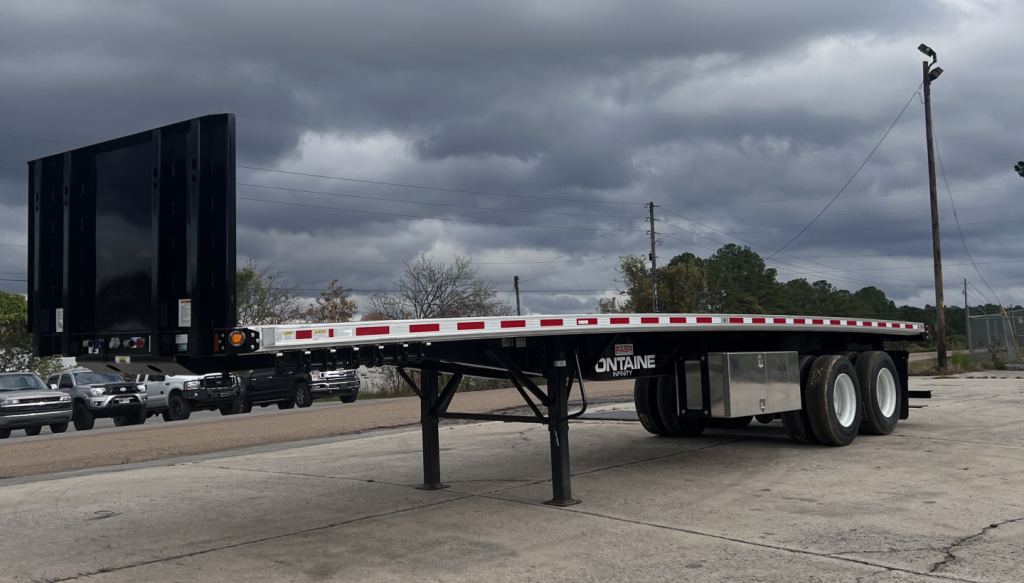
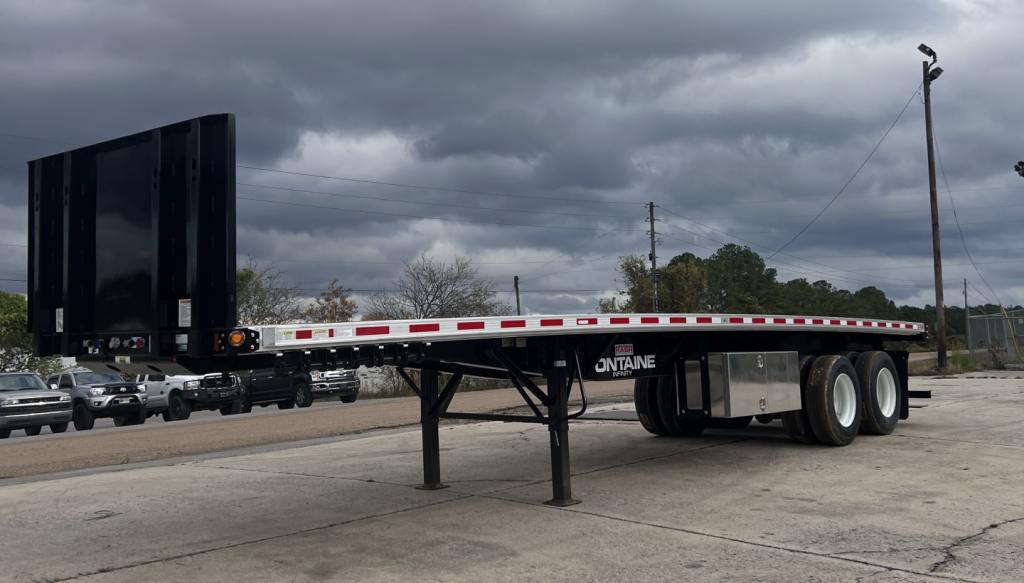
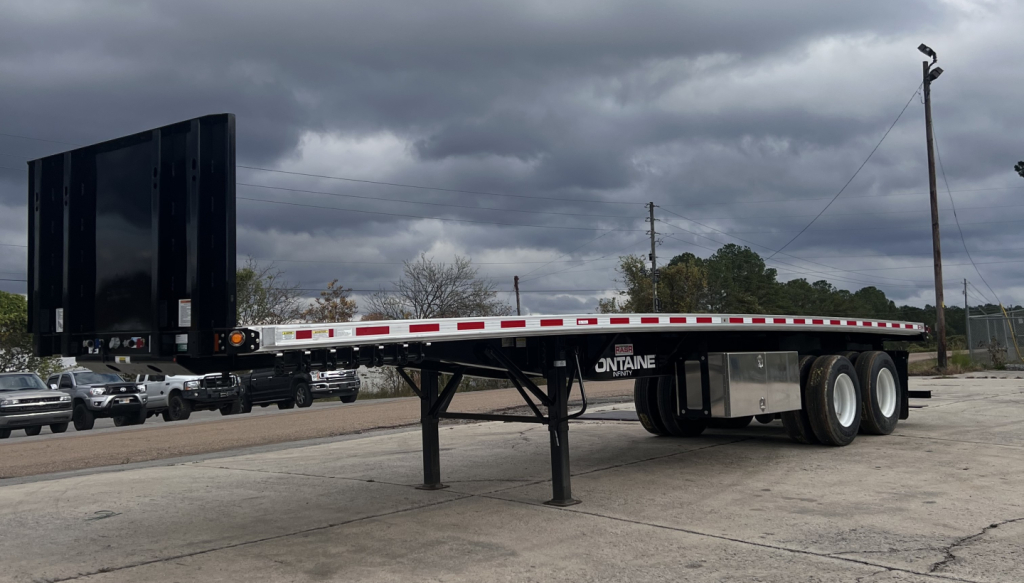
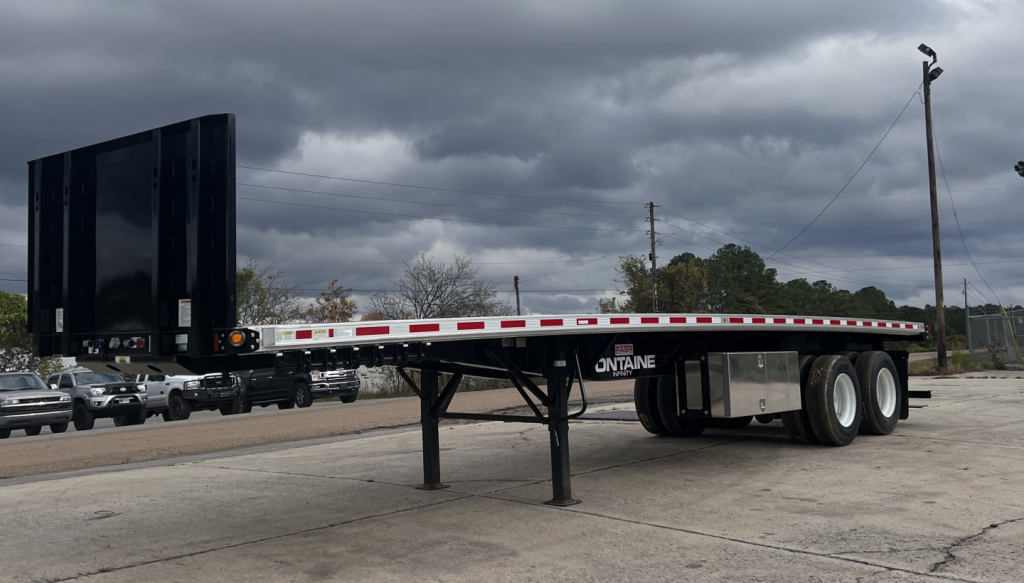
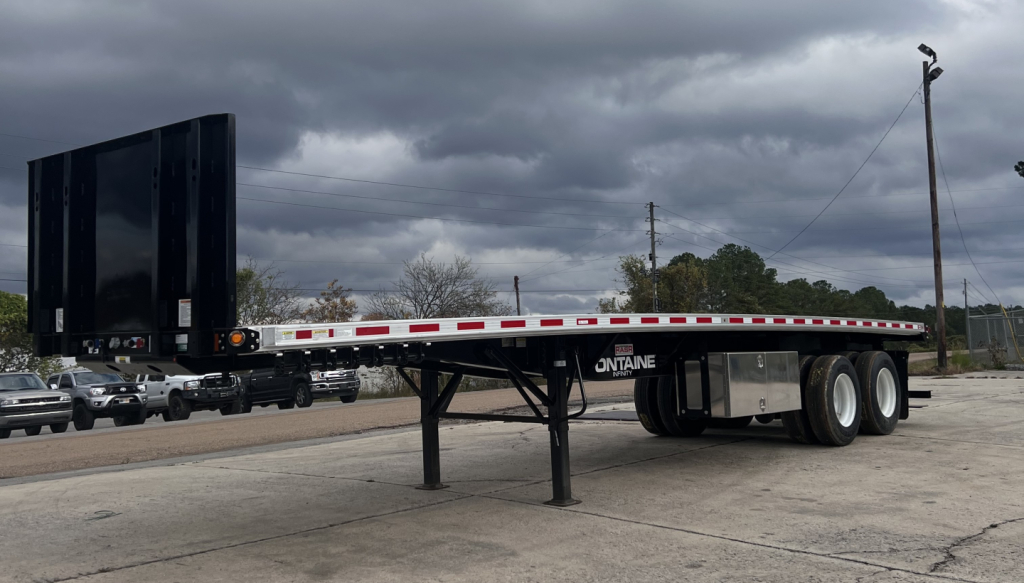
Selling a 2027 fontaine flatbed trailer? List your 2027 fontaine flatbed trailer for sale and reach thousands of commercial buyers.
2027 Fontaine Flatbed Trailers in Texas
Material choice is one of the first decisions. An all-aluminum flatbed usually offers the lightest tare weight, which helps when payload is the priority. A combo flatbed, with steel main structural components and aluminum flooring or side components, gives up some weight savings but can be attractive for tougher duty cycles and buyers who want a more rugged frame structure. Galvanized steel components can also matter in corrosion-heavy service. Flooring and side rail design are worth reviewing closely. Knurled aluminum floors improve traction, wood nailer strips help with load securement flexibility, and one-piece routed aluminum side rails with integrated rub rails are common on Fontaine flats because they hold up well in daily strap and chain work.
Texas buyers often focus on axle spread, kingpin setting, and suspension because those details affect bridge compliance, turning radius, and how the trailer matches a highway tractor. A 30-inch kingpin setting and a loaded fifth wheel height around 49 inches are common in this category. Air ride suspension is popular for freight protection and ride quality, while sliding tandems or rear axle slide configurations add versatility for state law compliance and load positioning. On some 53-foot models, a rear axle slide can be especially useful for operators who need flexibility across different routes and weight distributions. Tire size, brake setup, 4S/2M ABS, dump valves, and wheel material also affect maintenance cost and overall operating profile.
Securement is where a flatbed trailer either fits your freight mix or creates extra work. Buyers should compare stake pockets on 24-inch centers, recessed chain tie-downs, load securement openings, full-length winch tracks, sliding winch count, bulkhead pockets, and coil package specs. A single-coil package is important for steel haulers, while fork lift kits and counterweight configurations matter for building products and jobsite delivery applications. Toolboxes, dock bumpers, LED lighting, and polished aluminum wheels do not change rated capacity, but they do affect day-to-day convenience, appearance, and long-term value. If the freight is varied, a well-optioned Fontaine flatbed with strong side rail design and a practical securement layout is usually easier to keep productive across multiple lanes and customers.
Frequently Asked Questions about 2027 Fontaine Flatbed Trailers in Texas
What is the difference between an aluminum Fontaine flatbed and a combo Fontaine flatbed?
An aluminum Fontaine flatbed is designed to minimize trailer weight and maximize payload, which is important for operators hauling freight that cubes out slowly and weighs heavily. A combo Fontaine flatbed typically uses steel in key structural areas with aluminum in the deck or other components, which adds some tare weight but can provide a more rugged platform for demanding applications. The better choice depends on how much value you place on payload versus long-term structural preference and duty cycle.
What trailer length is most common for a Fontaine flatbed trailer?
The most common lengths in this category are 48-foot and 53-foot flatbed trailers. A 48-foot flatbed remains a strong choice for general freight, steel, and regional work where maneuverability matters. A 53-foot flatbed adds deck space and can be helpful for longer material, mixed freight, and customers who want the extra loading flexibility, but axle placement and state bridge rules become more important as trailer length increases.
Why does axle configuration matter on a flatbed trailer?
Axle configuration affects legal weight distribution, ride quality, and where the trailer can operate efficiently. Sliding tandems and rear axle slide setups help adjust bridge compliance and balance different loads, while fixed spread or wide spread arrangements can improve weight distribution for certain applications. Buyers should match the axle setup to their freight profile, operating states, and tractor wheelbase so the combination works legally and practically in daily service.
What securement features should buyers look for on a Fontaine flatbed trailer?
The most useful securement features depend on cargo type, but many buyers look for stake pockets on 24-inch centers, chain tie-downs recessed into the siderails, full-length winch tracks, sliding winches, and bulkhead pockets. Coil packages are important for steel hauling, and wood nailer strips can make it easier to secure certain commodities. A flatbed with the right securement layout reduces loading time and gives drivers more options to build safe, compliant loads.
Are air ride suspensions worth it on a flatbed trailer?
Air ride suspension is a common choice because it improves ride quality and can reduce shock transfer to cargo compared with mechanical suspension setups. That matters when hauling machinery, finished materials, or freight that is more prone to shifting or damage. Air ride also tends to be preferred by many fleets for overall load protection, though maintenance practices and total operating cost should still be considered when comparing trailer specifications.