
2027 Fontaine Flatbed Trailers For Sale
Shop 2027 Fontaine flatbed trailers with specs buyers want, including combo and aluminum builds, air ride options, spread axles, and winch tracks.
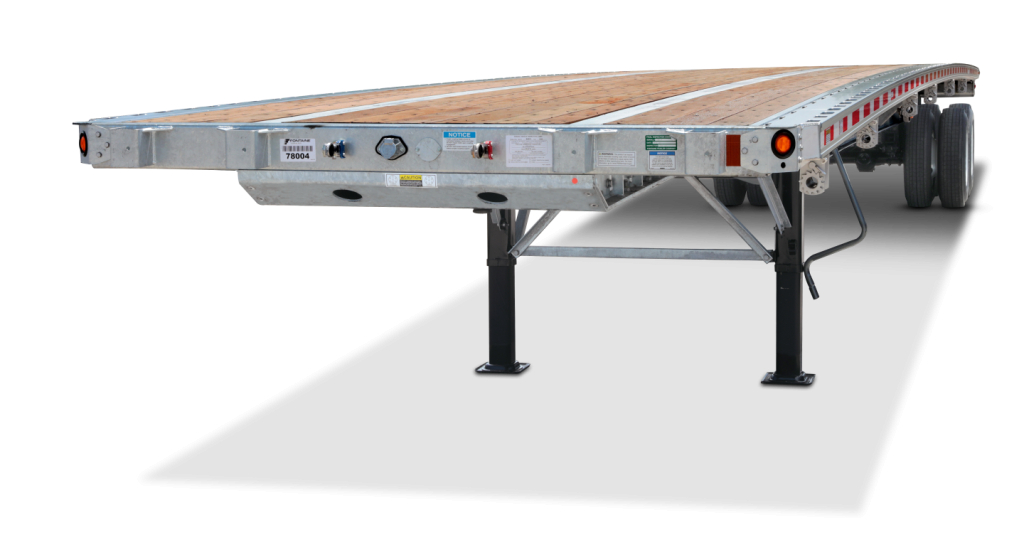
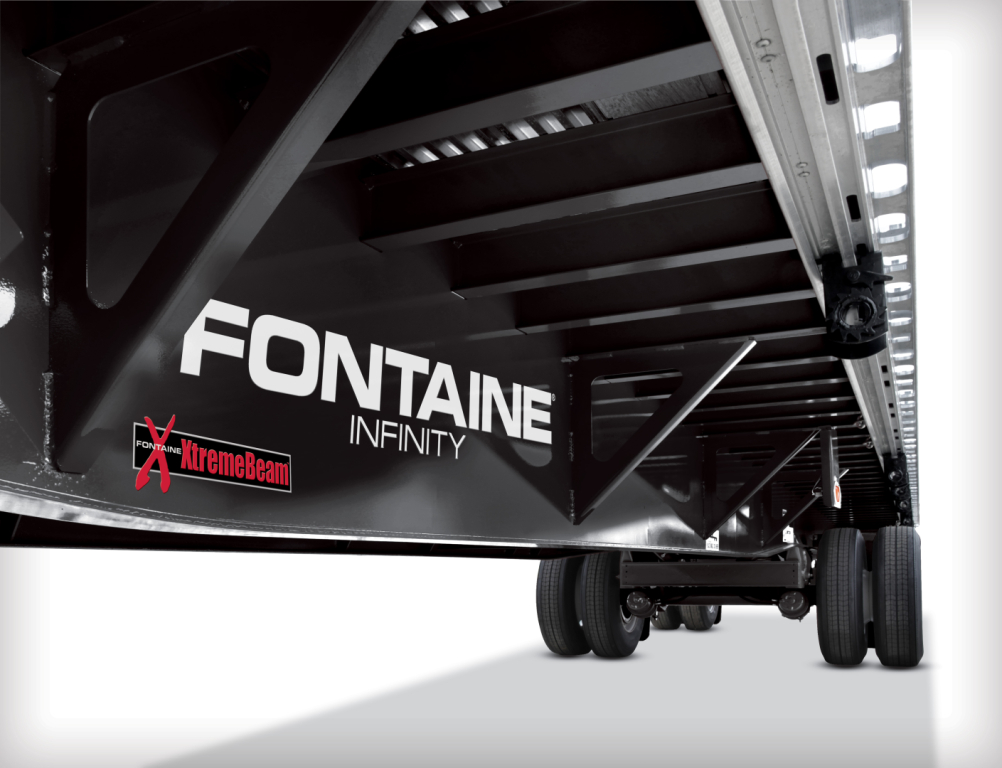
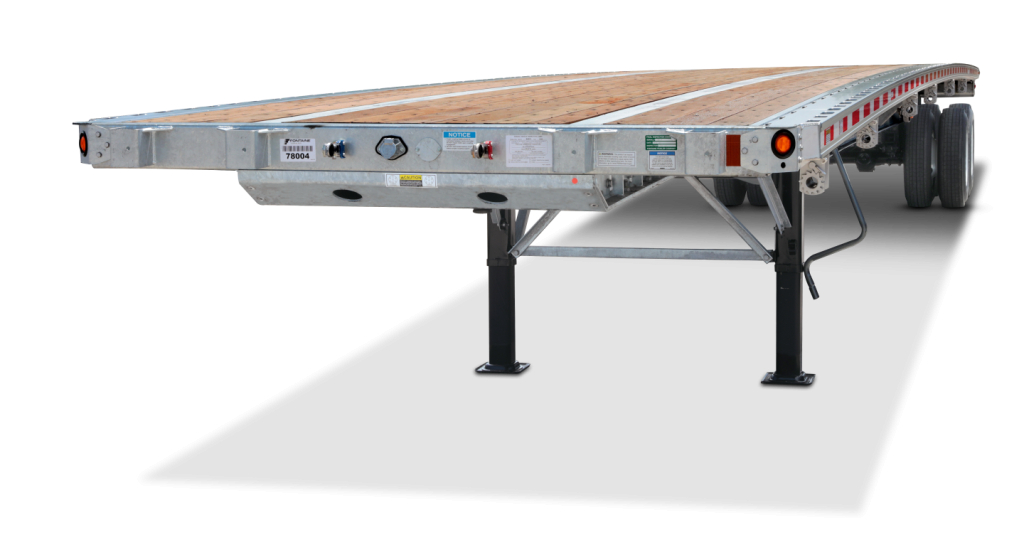
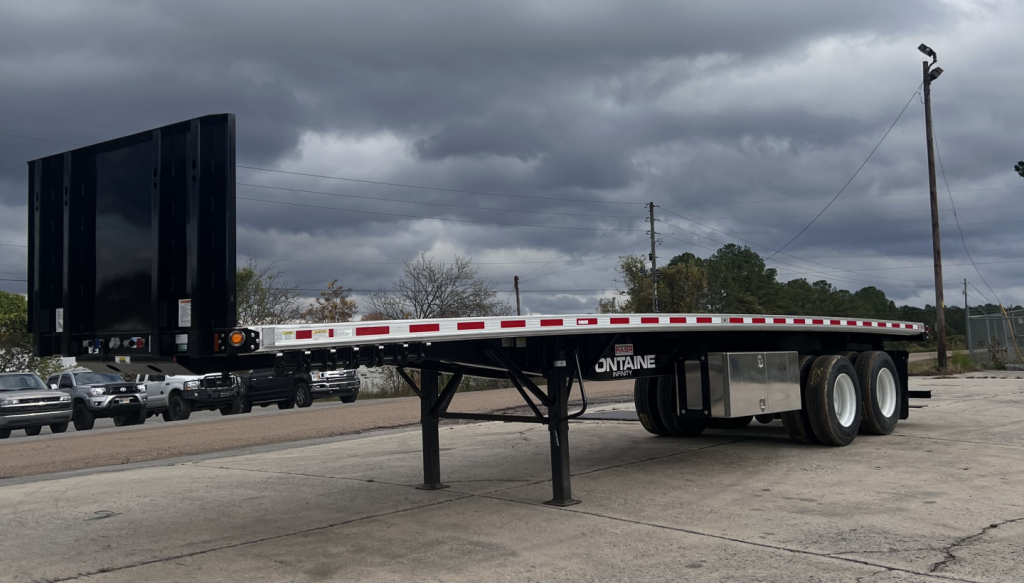
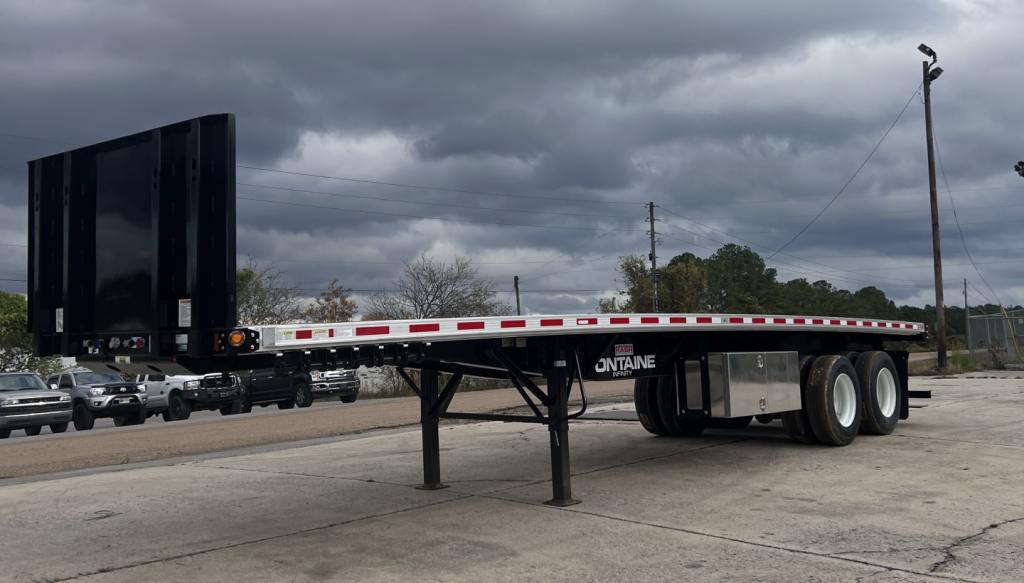
2027 Fontaine 53' Combo Flat - Rear Axle Slide
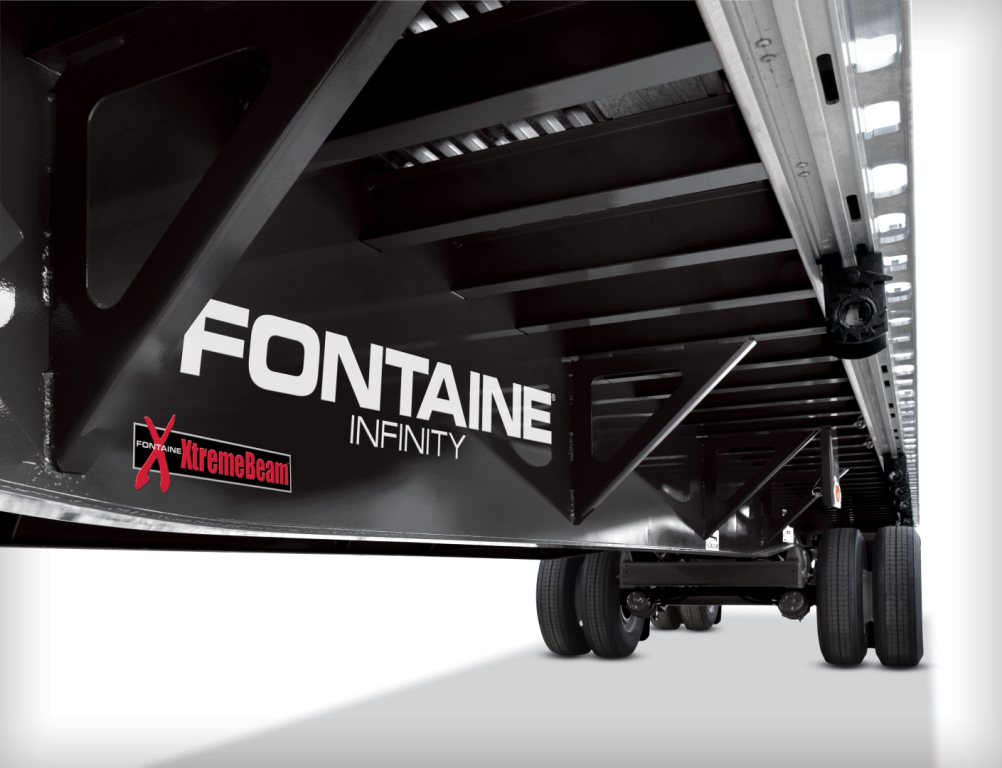
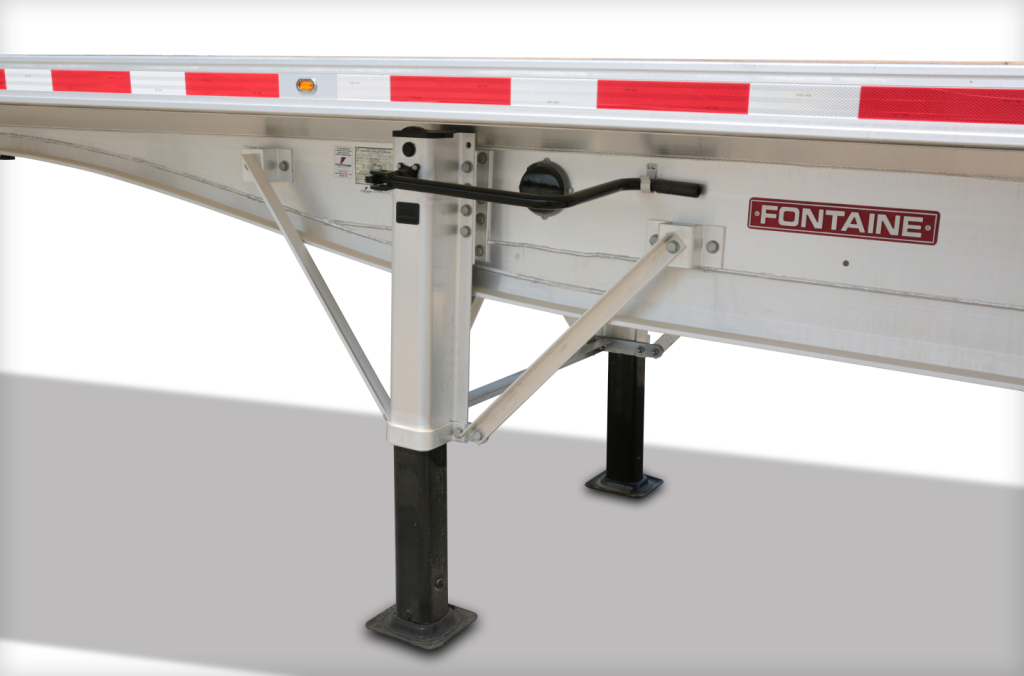
2027 Fontaine 53' Combo Flat - Rear Axle Slide
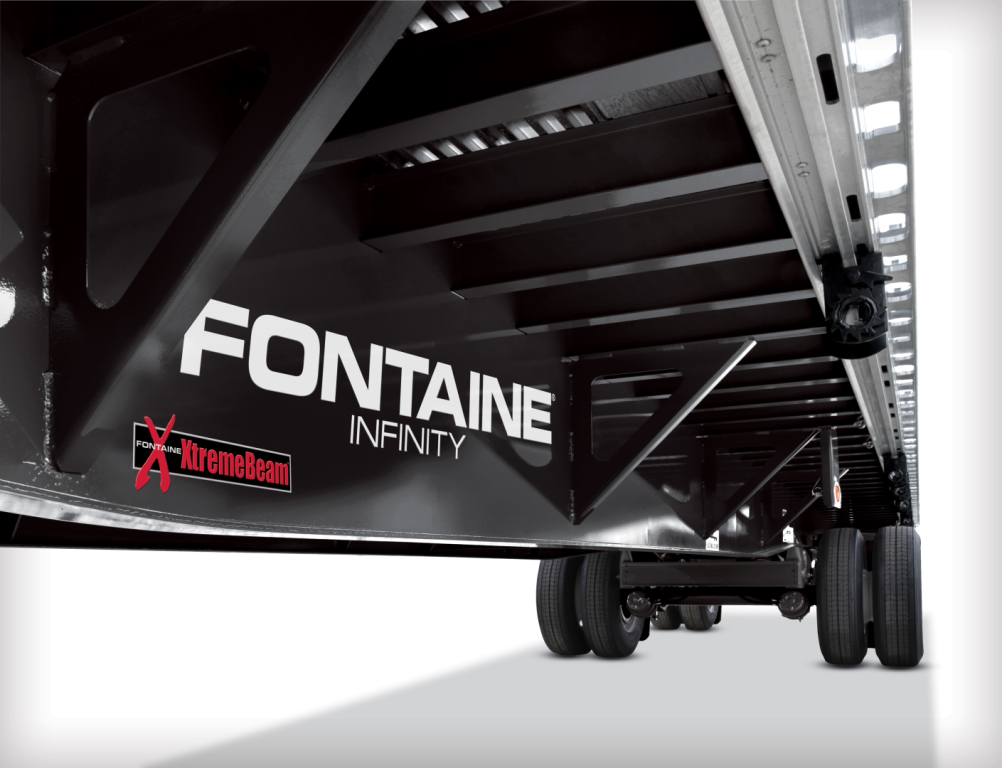
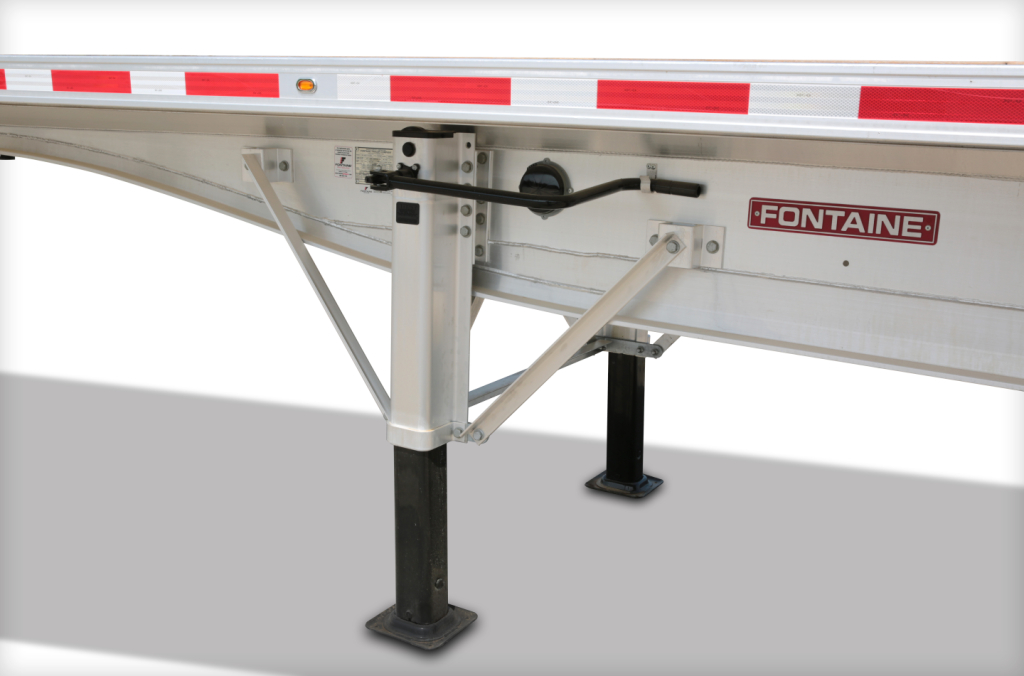
2027 Fontaine 53' Combo Flat - Rear Axle Slide
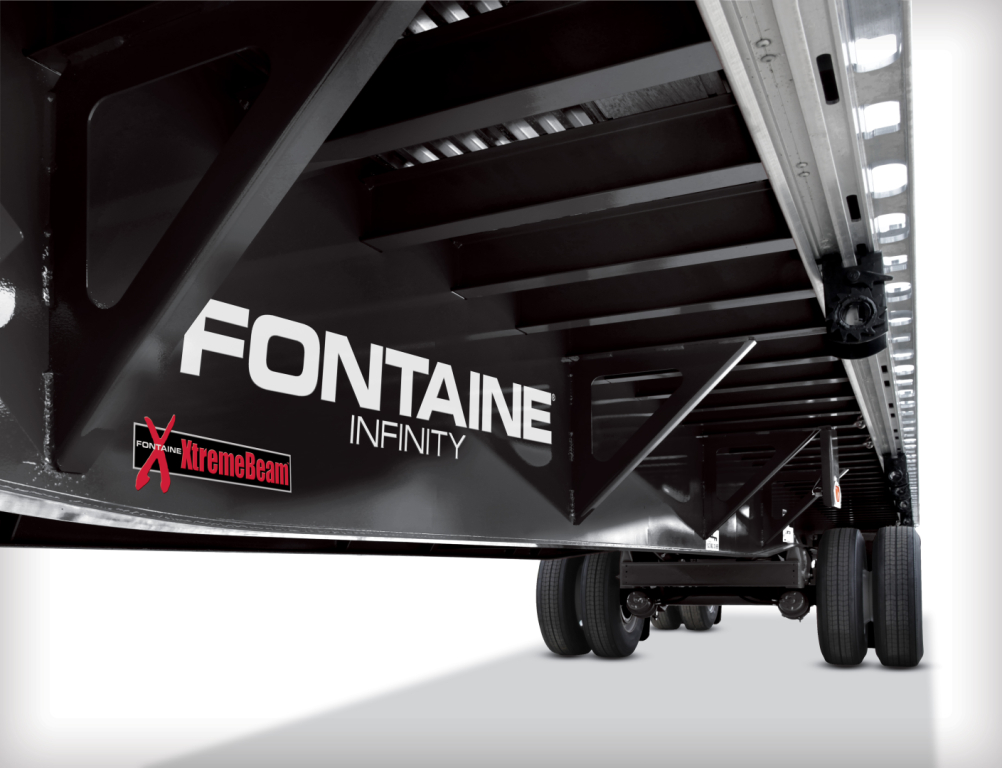
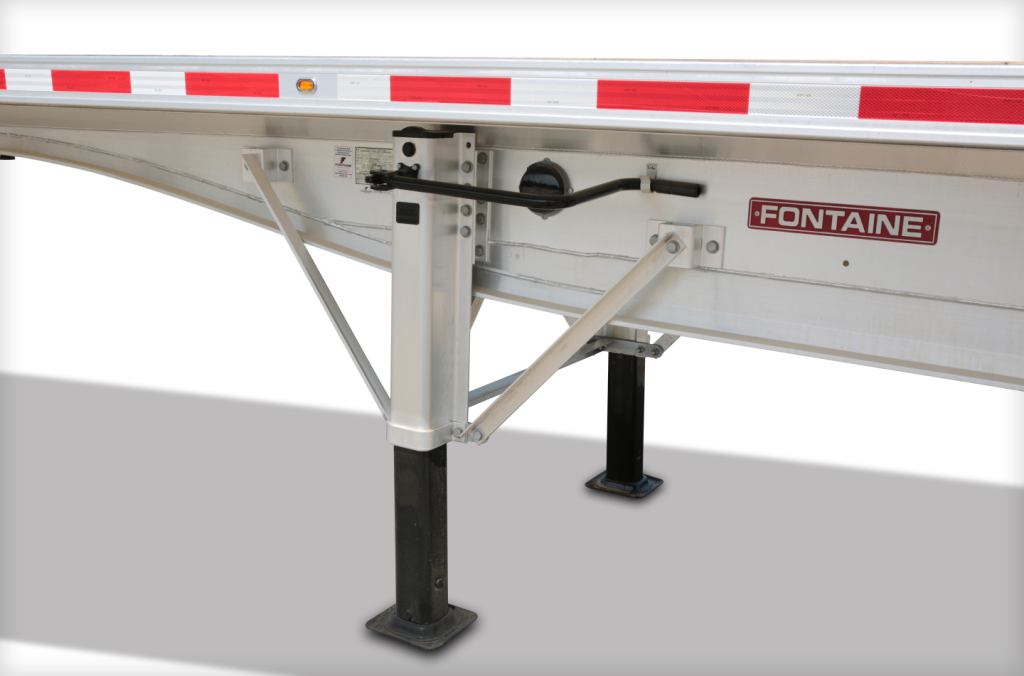
2027 Fontaine 53' Combo Flat - Rear Axle Slide
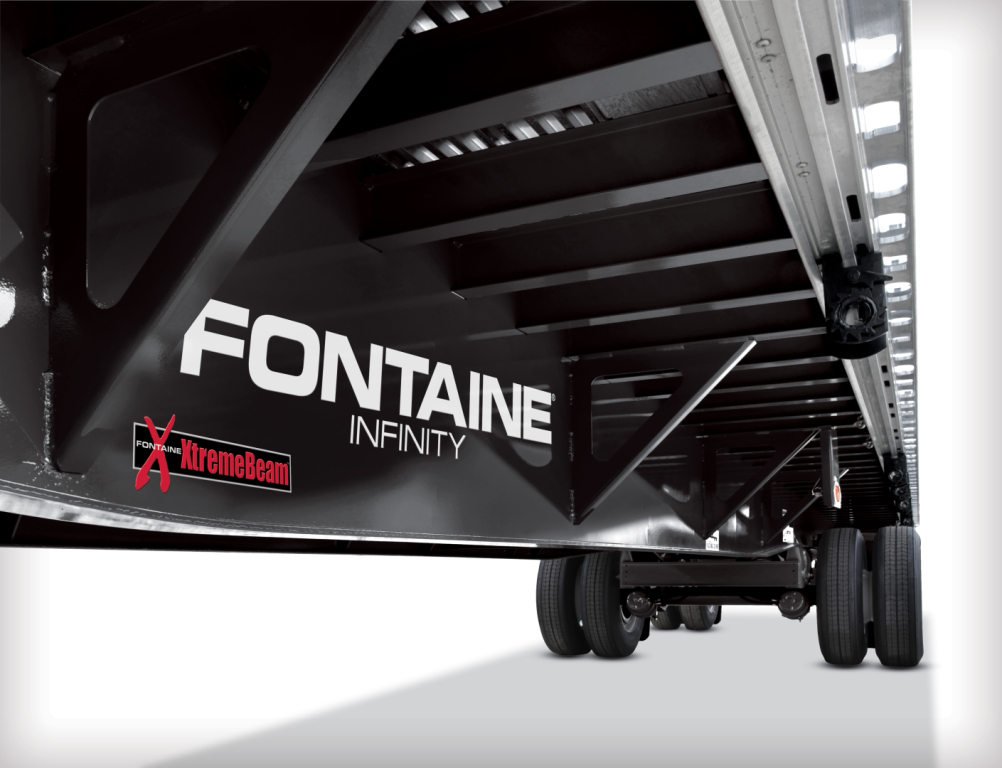
2027 Fontaine 53' Combo Flat - Rear Axle Slide
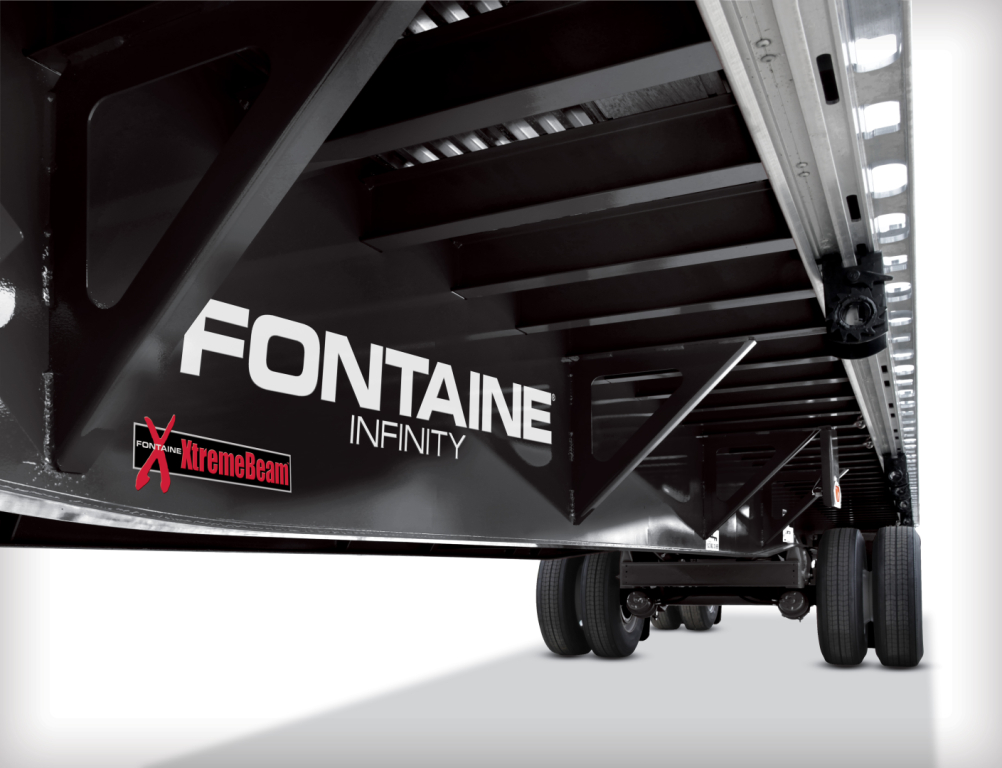
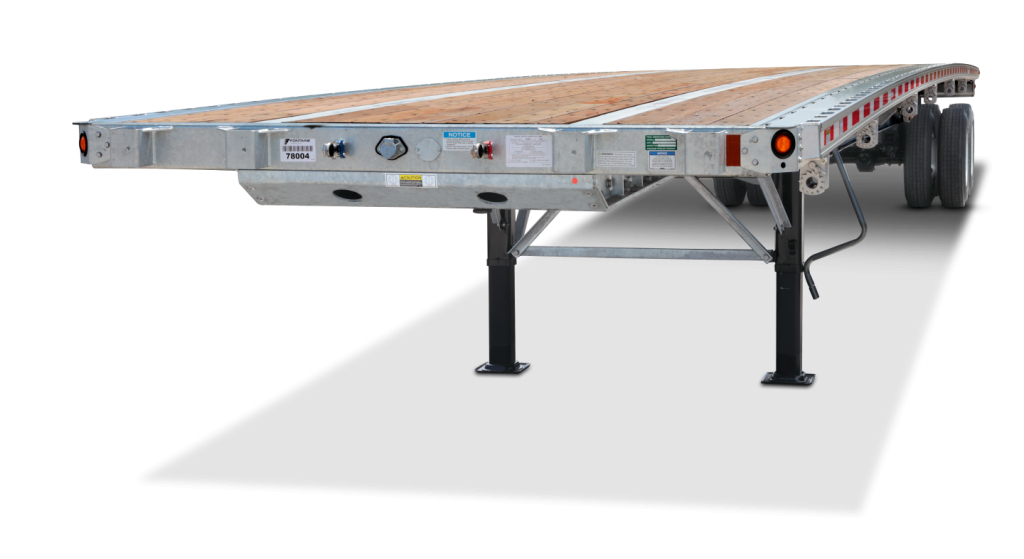
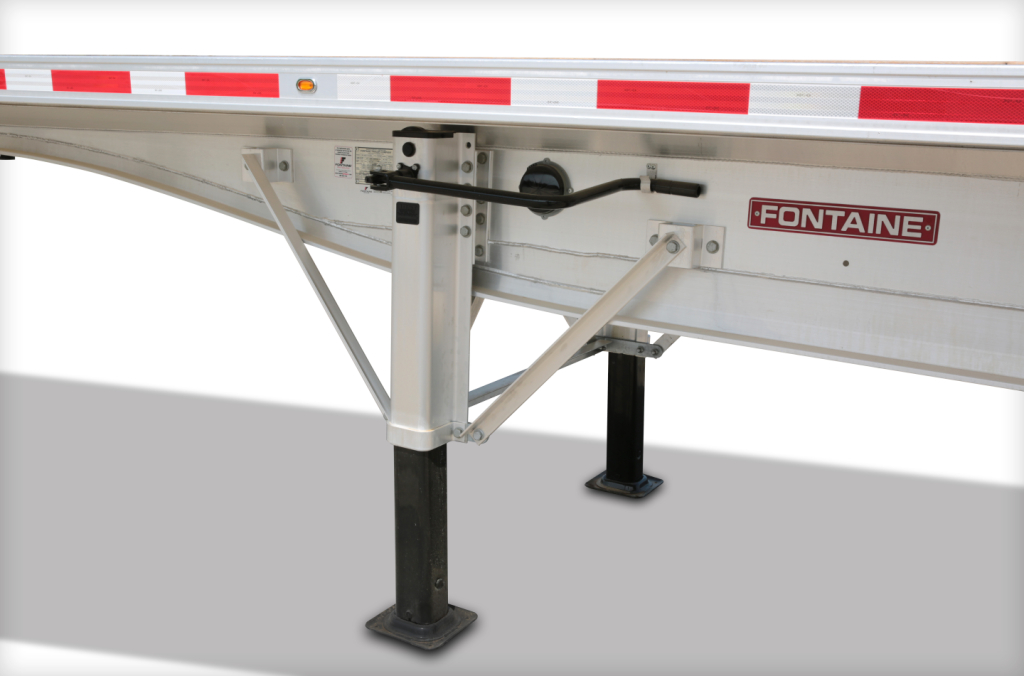
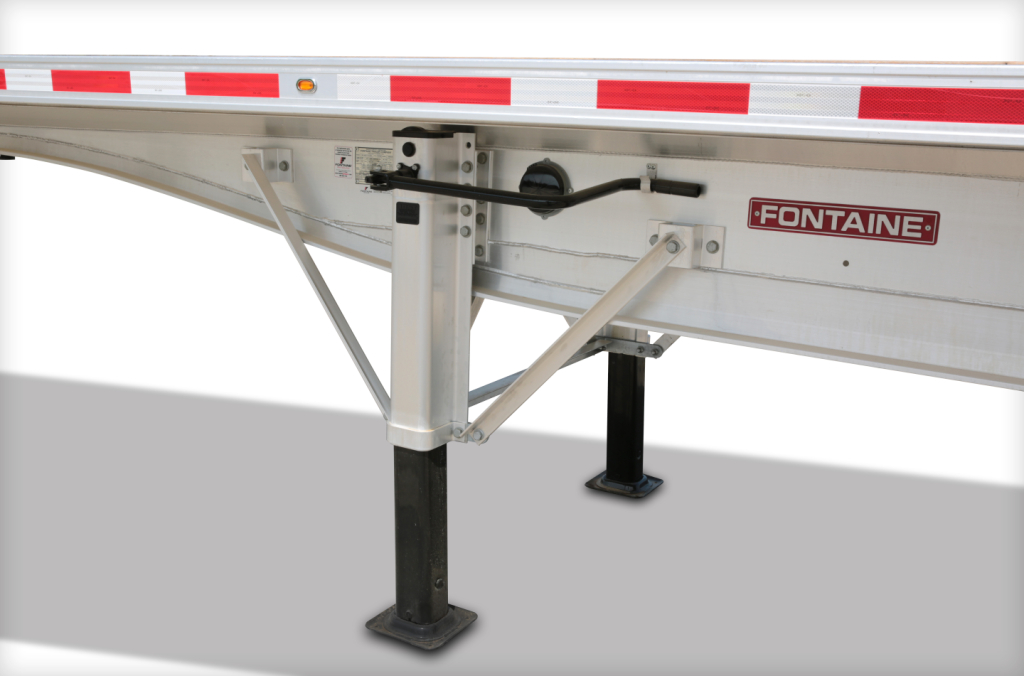
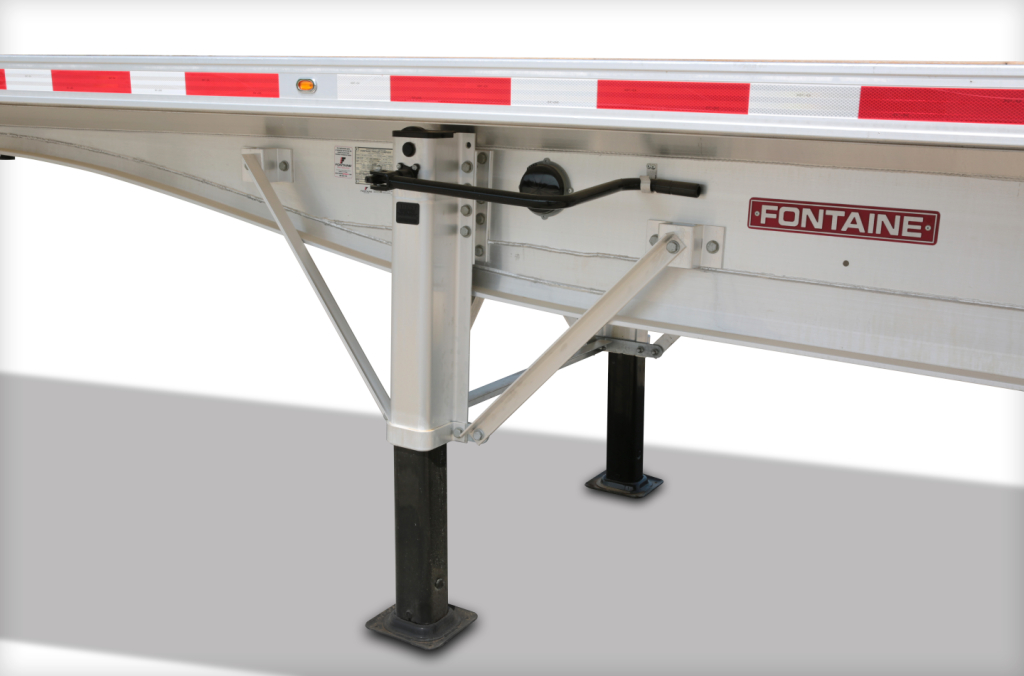
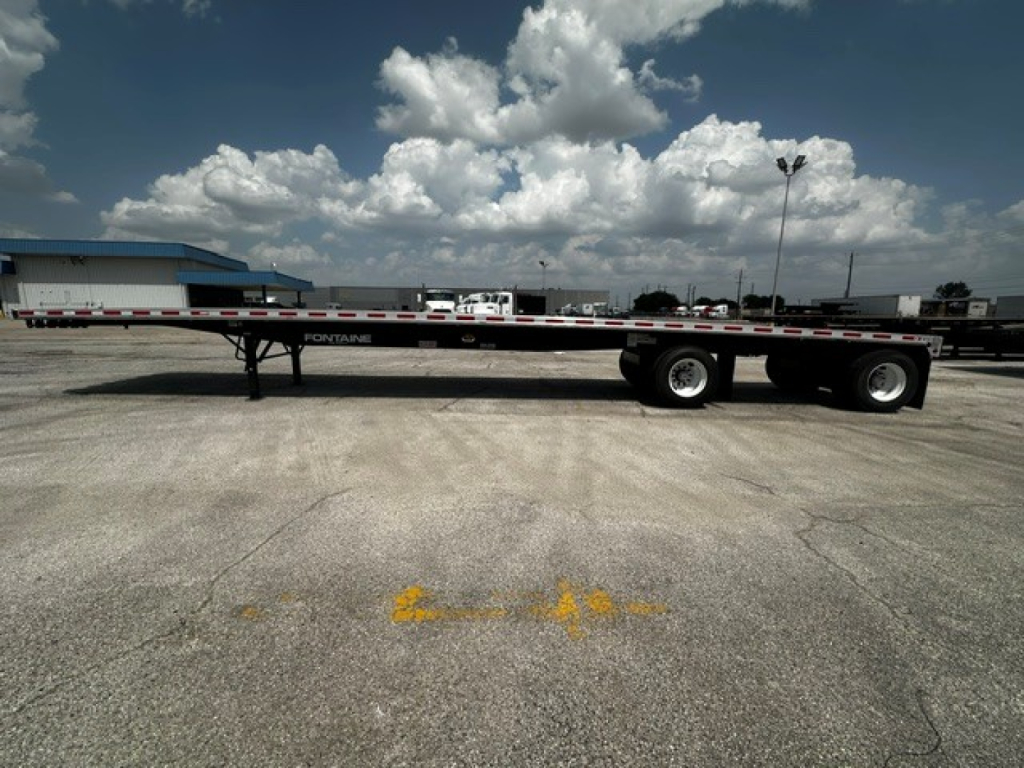
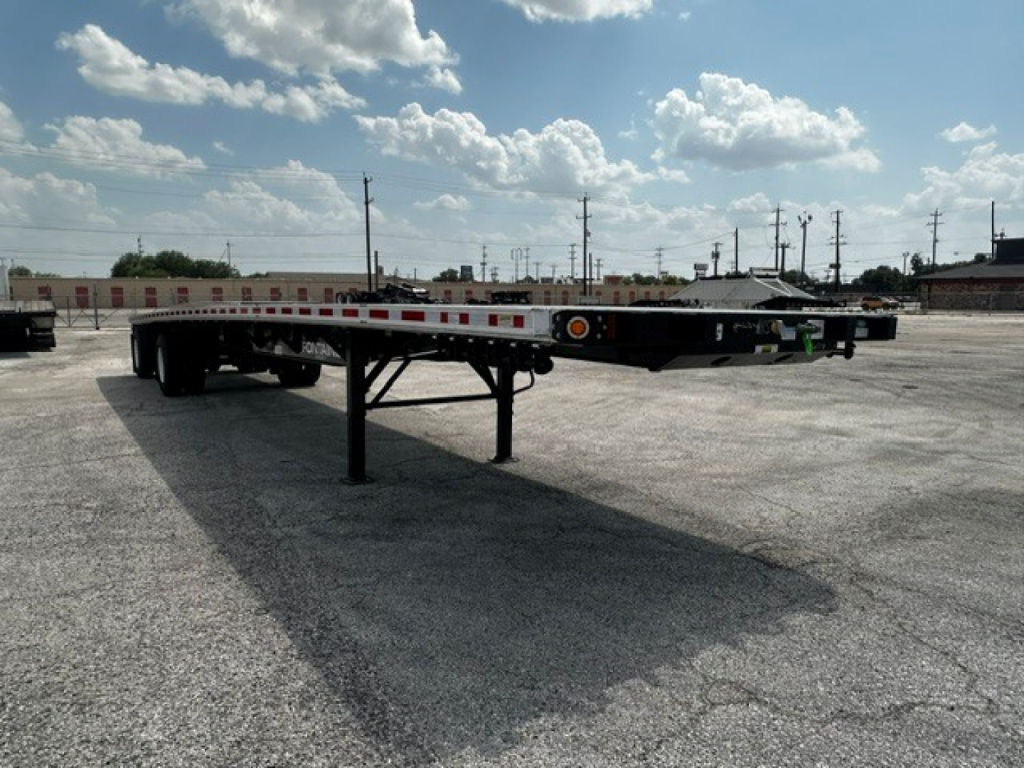
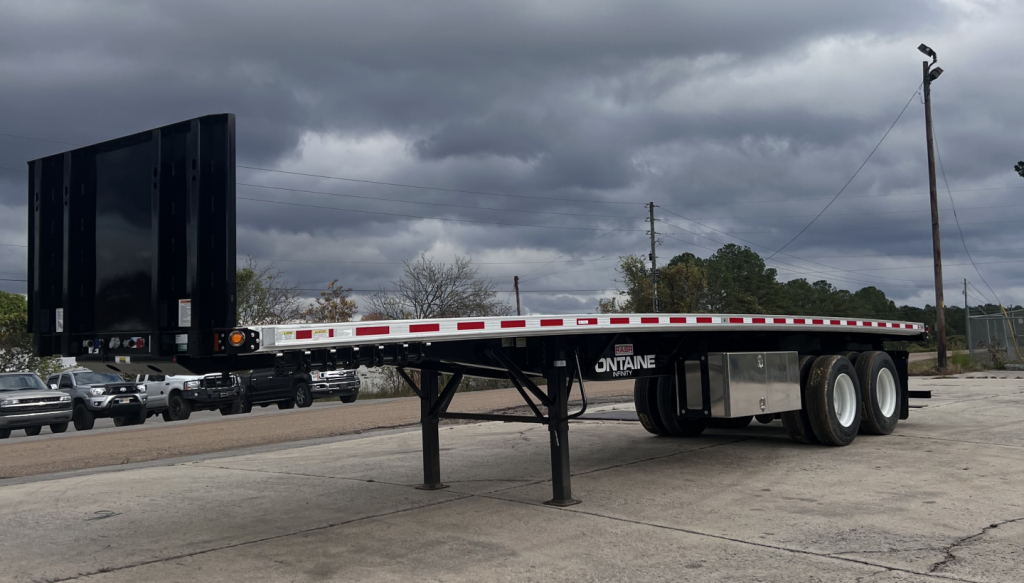
Selling a 2027 fontaine flatbed trailer? List your 2027 fontaine flatbed trailer for sale and reach thousands of commercial buyers.
2027 Fontaine Flatbed Trailers
Fontaine flatbeds are often spec'd with features that matter in daily freight work, not brochure language. Common setups include routed aluminum side rails with integrated rub rails, stake pockets on 24-inch centers, full-length winch tracks, sliding winches, recessed chain tie-downs, coil package options, and bulkhead pockets. Flooring varies by model, with aluminum floors, wood nailer strips, or Apitong decking used depending on the trailer's intended freight mix. Buyers hauling steel, machinery, building products, pipe, or palletized freight should pay close attention to concentrated load ratings, crossmember spacing, and side rail design. A trailer with a strong 4-foot concentrated load rating and practical tie-down placement is usually more valuable in the field than one that only looks light on paper.
Suspension and axle layout are another major part of the spec. Fontaine flatbeds can be found with sliding tandems, widespread air ride suspensions, or spring ride setups depending on lane requirements and customer preference. A 122-inch spread axle can help with bridge law and weight distribution in the right application, while a sliding tandem offers more flexibility for mixed-state operations and dock positioning. Kingpin settings around 24 to 30 inches, loaded fifth wheel heights near 49 inches, 295/75R22.5 rubber, and ABS-equipped air brake systems are all common in this class. If the trailer will spend most of its life in the Midwest, Northeast, or any corrosive environment, galvanized components and aluminum-heavy construction can make a meaningful difference in lifecycle cost.
The best Fontaine flatbed spec depends on the freight profile. Lightweight aluminum trailers are attractive for shippers chasing every pound of payload, while combo flats remain popular for fleets that want a strong balance between reduced tare weight and damage tolerance. Securement layout should match the cargo mix, especially for operators hauling coils, lumber, machinery, or mixed open-deck freight. Buyers comparing 2027 Fontaine flatbed trailers should look closely at empty weight, axle spread, suspension type, flooring, winch track configuration, and frame ratings in concentrated load zones. Those details determine how useful the trailer will be after the sale, and they often separate a good flatbed from one that truly fits the work.
Frequently Asked Questions about 2027 Fontaine Flatbed Trailers
What is the difference between a Fontaine aluminum flatbed and a Fontaine combo flatbed?
An aluminum Fontaine flatbed is built to minimize tare weight and maximize payload, which is important for operations hauling dense freight or running weight-sensitive lanes. A Fontaine combo flatbed uses a mix of aluminum and steel, usually to provide a better balance of low weight, structural durability, and repair practicality. In real-world fleet use, aluminum models are often favored for payload efficiency, while combo trailers appeal to buyers who want lighter weight than an all-steel trailer without giving up as much ruggedness in high-wear areas.
Is a spread axle or sliding tandem better on a Fontaine flatbed trailer?
It depends on where and how the trailer runs. A spread axle flatbed, often with a 122-inch rear axle spread, can improve weight distribution and help on certain bridge formula applications, which makes it useful for specific regional or dedicated freight patterns. A sliding tandem is more flexible for fleets that move between different states, need to adjust axle position for varying loads, or want easier dock and maneuverability performance. The better choice usually comes down to lane compliance, loading habits, and the type of freight being hauled.
What freight is a Fontaine flatbed trailer commonly used for?
Fontaine flatbeds are commonly used for steel, lumber, machinery, construction materials, palletized freight, pipe, and general open-deck cargo. Many are spec'd with coil packages, chain tie-downs, winch tracks, and stake pockets so they can handle a broad range of freight types without needing major modification. The category is popular with fleets and owner-operators that need a versatile trailer capable of handling both standard pallet work and heavier specialized loads.
What specs matter most when comparing 2027 Fontaine flatbed trailers?
The most important specs are usually trailer construction, empty weight, distributed and concentrated load ratings, axle configuration, suspension type, flooring, securement layout, and kingpin setting. Construction affects payload and durability, while concentrated load ratings matter for steel, machinery, and other dense freight. Suspension choice, axle spread, and kingpin position affect compliance, ride quality, and tractor compatibility. Buyers should also confirm practical details such as winch track placement, number of sliding winches, chain tie-down style, and side rail design because those details directly affect day-to-day usability.
Are galvanized Fontaine flatbed trailers worth considering?
For many buyers, yes. Galvanized main beams, crossmembers, and related structural components can offer better corrosion resistance than painted steel, especially in regions that use road salt or where trailers see constant weather exposure. That can help reduce long-term rust issues and support stronger resale value if the trailer is kept in service for several years. A galvanized Fontaine flatbed is often a practical choice for fleets focused on lifecycle cost rather than just initial purchase price.