
2027 Timpte Trailers For Sale in Colorado
Shop 2027 Timpte trailers for sale, including Super Hopper grain and bulk commodity trailers with ag hoppers, air ride, tarp systems, and scale options.
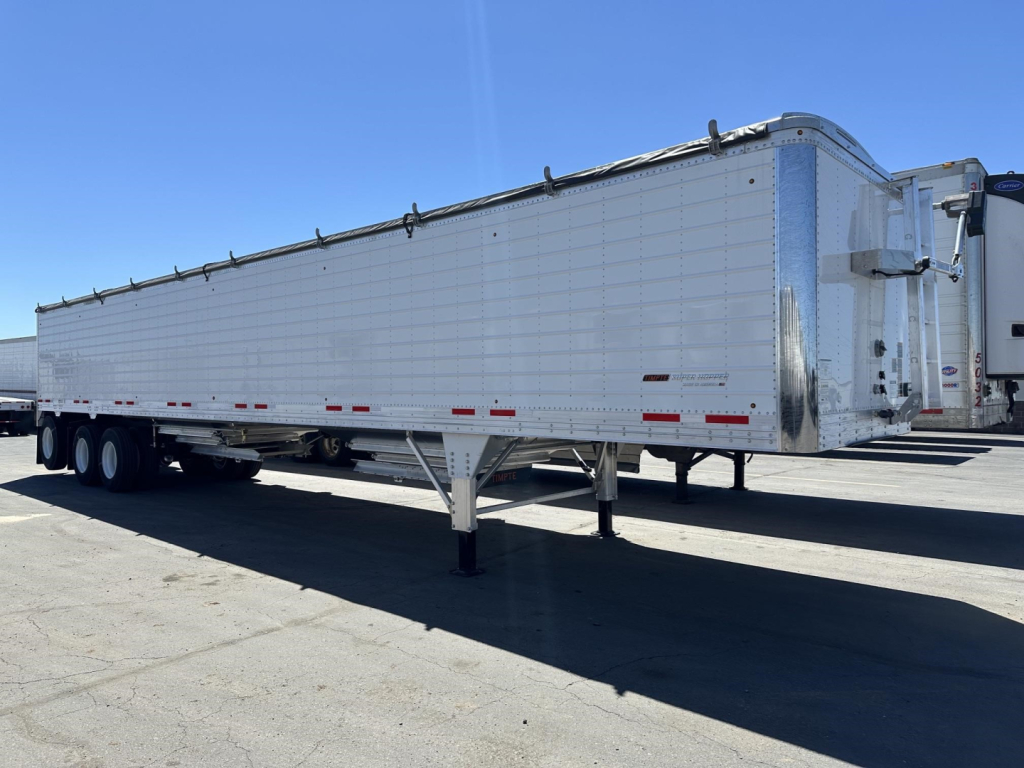
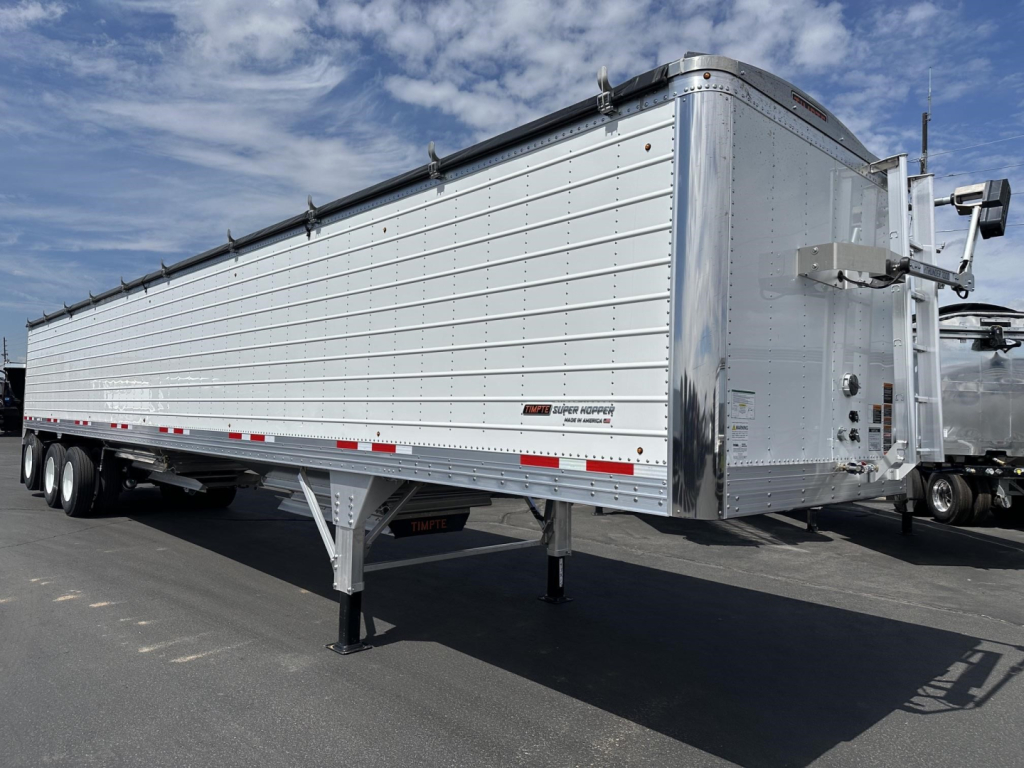
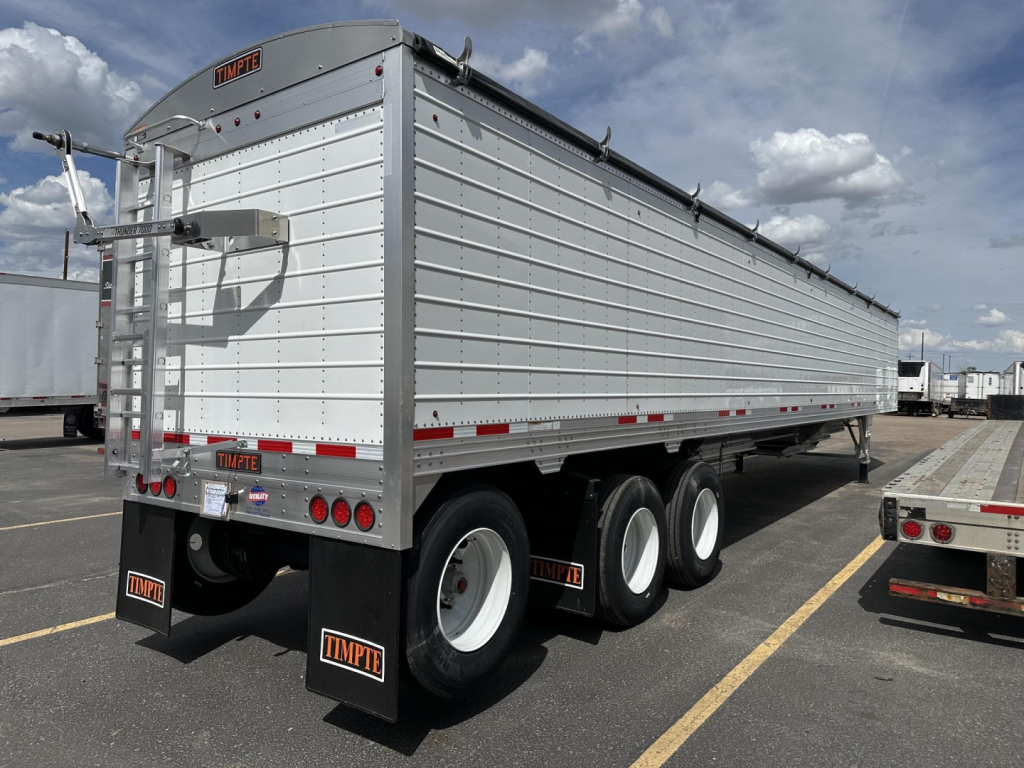
Selling a 2027 timpte trailer? List your 2027 timpte trailer for sale and reach thousands of commercial buyers.
2027 Timpte Trailers in Colorado
Timpte has a strong reputation for lightweight aluminum construction, corrugated side panels, and practical spec choices that hold value over time. On hopper trailers, buyers will often compare two ag hopper versus single hopper designs, trap-door style, tarp operation, and suspension package. Electric rollover tarps are common on newer trailers because they speed up loading cycles and reduce driver effort, while manual tarps can still make sense for simpler operations. Air ride suspension is widely preferred for ride quality and cargo protection, and tire inflation systems are worth attention for fleets trying to reduce roadside downtime and irregular tire wear. Scale systems, dump valves, stainless front corners, full stainless rear panels, ladders, catwalk access, and LED light packages all matter because they affect daily usability, maintenance, and resale appeal.
Application should drive the spec. A traditional Timpte Super Hopper grain trailer is suited for corn, wheat, soybeans, feed ingredients, and fertilizer, while frac sand versions are configured differently for concentrated bulk density and controlled discharge. Taller sidewalls increase cubic capacity for lighter commodities, but they are not automatically the best choice if a buyer is consistently weight-limited before cubing out. Tri-axle layouts, lift axles, and closed tandem designs each have a place depending on state weight rules, turn radius needs, and how often the trailer runs secondary roads, scales, and tight customer sites. Wheel and tire choices also matter more than many buyers expect, especially when comparing 11R22.5 and 11R24.5 rubber, steel versus aluminum wheels, and the long-term service cost of each setup.
A buyer comparing 2027 Timpte trailers should pay close attention to door operation, frame and subframe condition, kingpin area, suspension wear points, wiring quality, and evidence of commodity-specific use if looking across model years. Even within the same Super Hopper family, a trailer built for grain, feed, or sand can behave very differently in loading, unloading, cleaning time, and tare weight. The best match is the one that fits the commodity, lane, and unload environment without carrying unnecessary complexity. Timpte remains a popular choice because these trailers are straightforward to spec, widely recognized in the market, and built around the payload and turnaround priorities that matter in bulk hauling.
Frequently Asked Questions about 2027 Timpte Trailers in Colorado
What are the most important specs to compare on a Timpte hopper trailer?
The most important specs are overall length, width, side height, axle configuration, hopper layout, suspension type, and tarp system. These determine legal payload, cubic capacity, unload speed, and how easily the trailer fits your operating area. Buyers should also review tire size, wheel material, scale options, dump valves, and whether the trailer uses stainless trim or panels in high-wear areas because those details affect maintenance cost and resale value.
What is the difference between a Timpte Super Hopper grain trailer and a frac sand trailer?
A Timpte Super Hopper grain trailer is generally configured for agricultural commodities with two ag hoppers and a design focused on fast, clean discharge at elevators and farm locations. A frac sand trailer is built around denser material and may use a single hopper, specialty trap-door design, or hydraulic-assisted discharge setup for more controlled unloading. The two trailers can look similar, but commodity density, flow characteristics, and unload requirements make the spec very different in practice.
Are 66-inch, 72-inch, or 78-inch sides better on a hopper trailer?
The right side height depends on the commodity and the lane. Higher sides increase cubic capacity, which helps with lighter products that cube out before they gross out. Lower sides can be a better fit for heavier commodities where legal weight is reached before the trailer is full. Side height also affects loading clearance, center of gravity, and how versatile the trailer is across different customers and seasons.
Why do many buyers prefer air ride and electric rollover tarps on newer Timpte trailers?
Air ride suspension helps protect the trailer and commodity from shock, improves ride quality, and is commonly preferred in resale markets. Electric rollover tarps reduce driver labor, make it easier to keep loads covered consistently, and speed up repetitive loading cycles. For operations with multiple stops, bad weather, or frequent load checks, those features can improve daily efficiency and reduce wear compared with more basic configurations.
Does axle configuration matter much on a Timpte trailer in Colorado?
Yes. Axle configuration can directly affect legal payload, bridge compliance, maneuverability, and tire wear. Closed tandems are common and simple to maintain, while tri-axle and lift-axle setups can offer advantages for specific state weight rules or dense commodities. In Colorado, where routes can include elevators, rural roads, mountain grades, and varying seasonal conditions, axle layout should be matched to the commodity, permit environment, and customer access points.