
2027 Dump Trailers For Sale in Colorado
Shop 2027 dump trailers for sale in Colorado. Compare end dump, side dump, and bottom dump specs for aggregate, paving, excavation, and haul work.
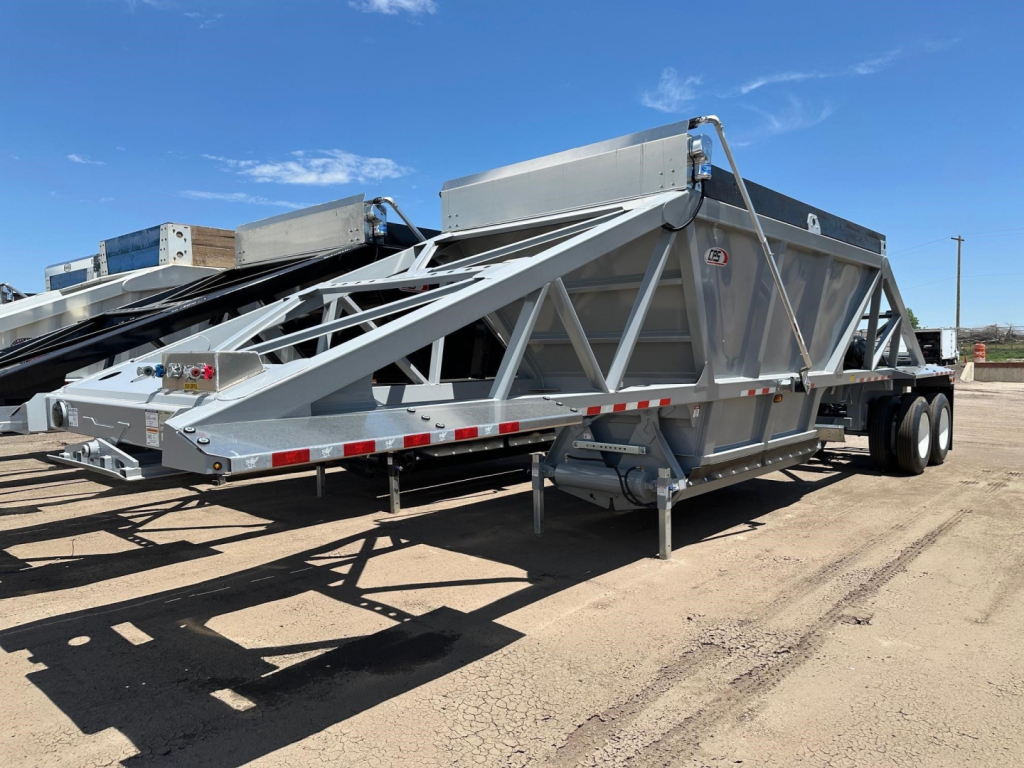
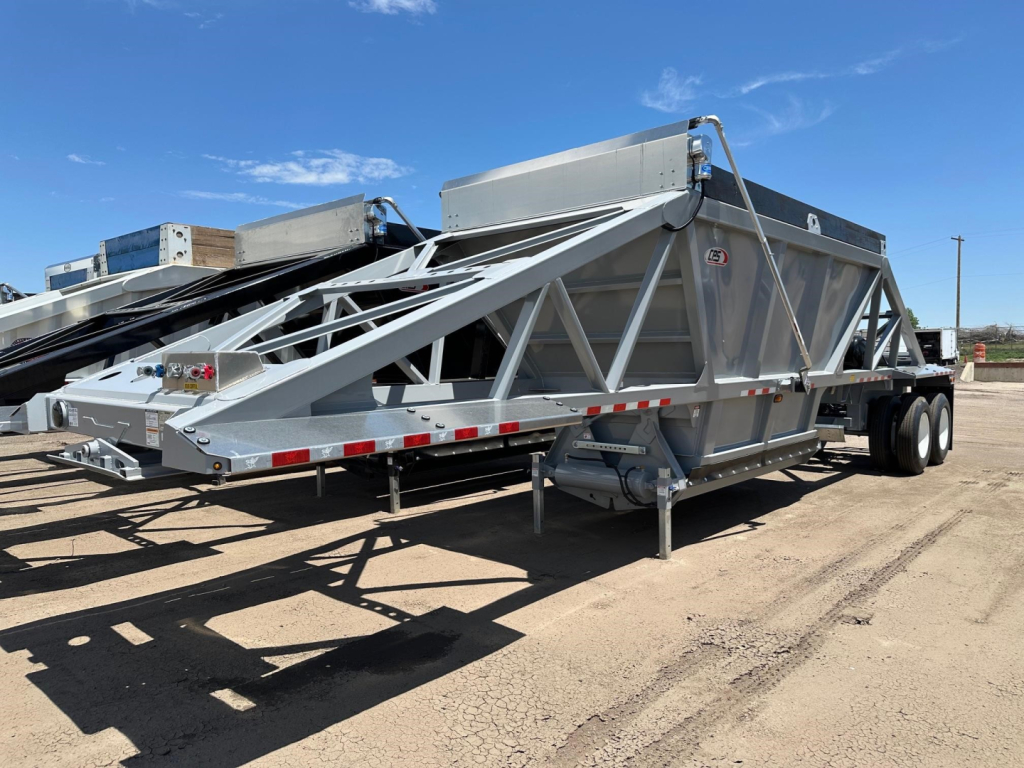
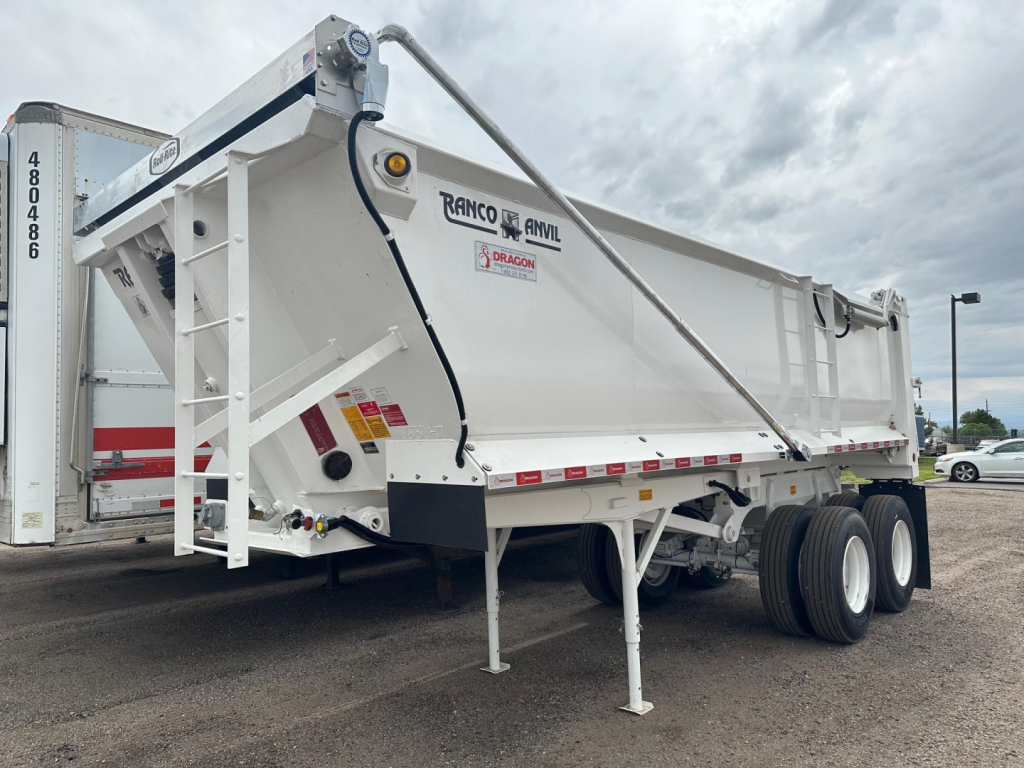
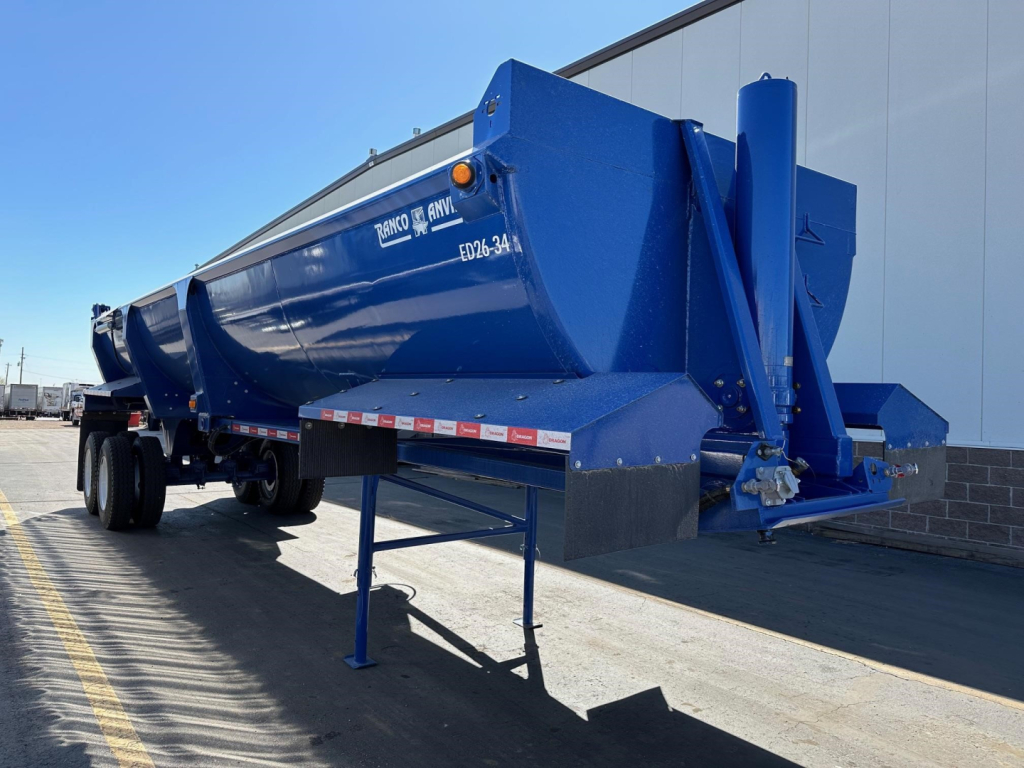
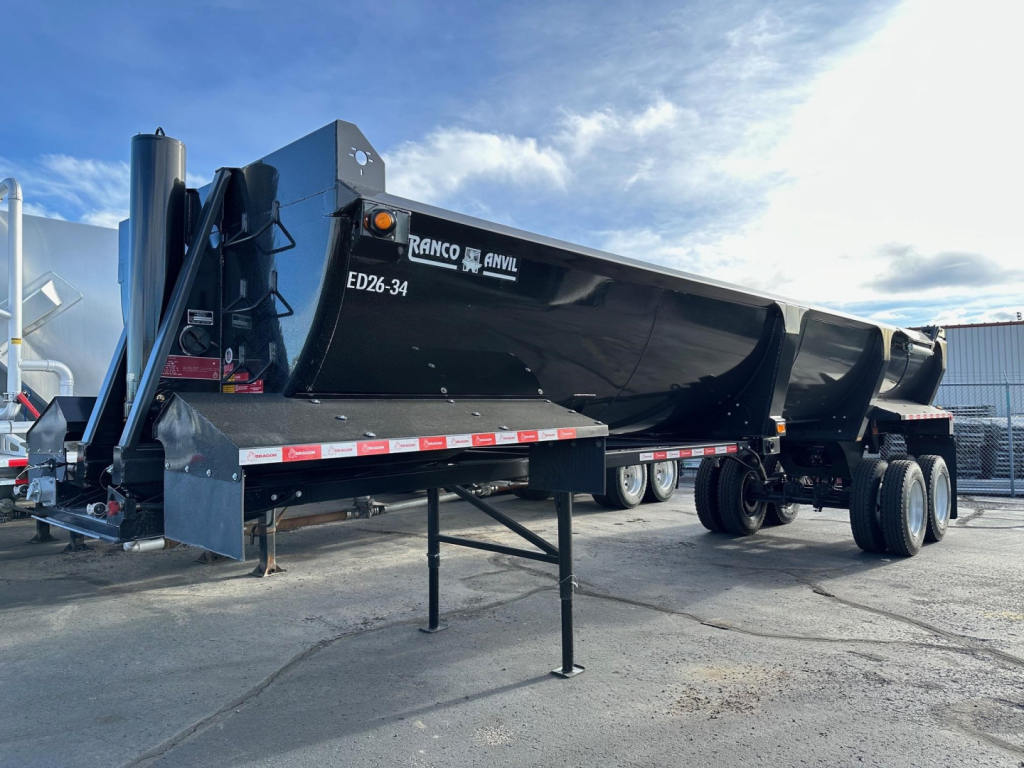
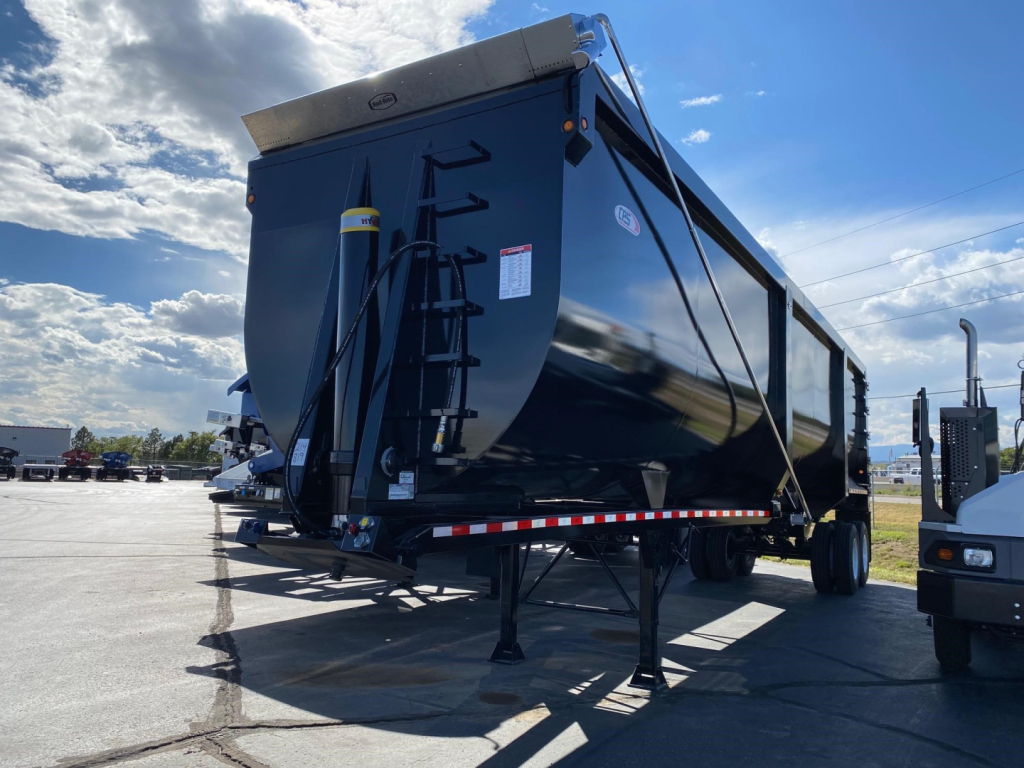
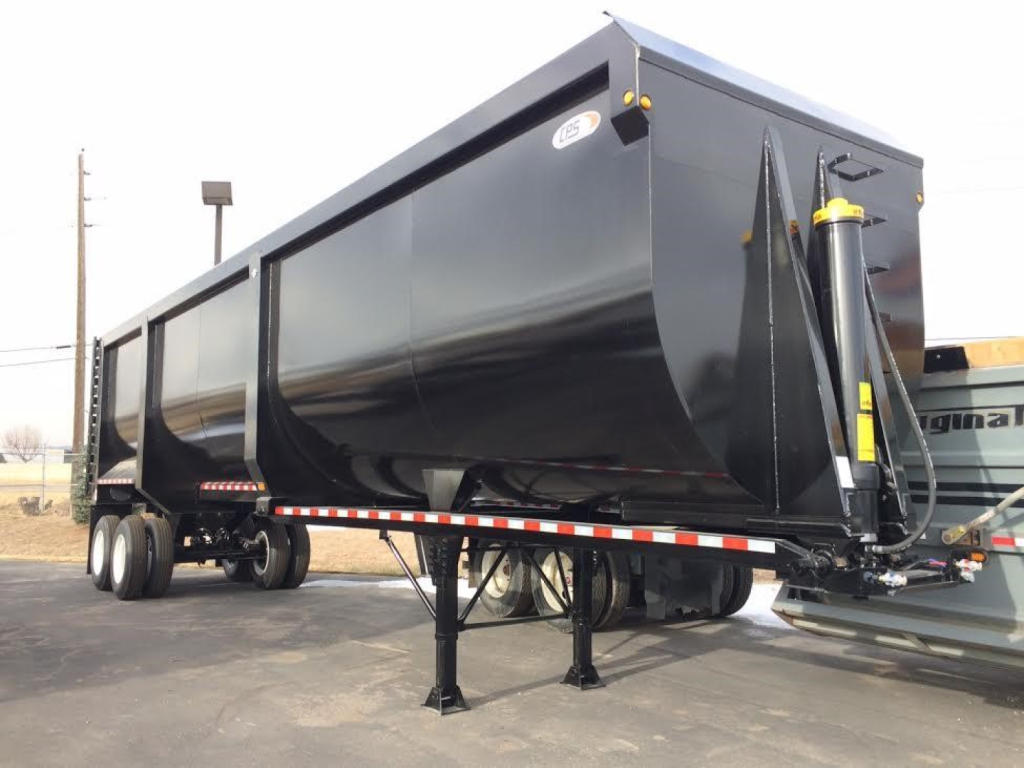
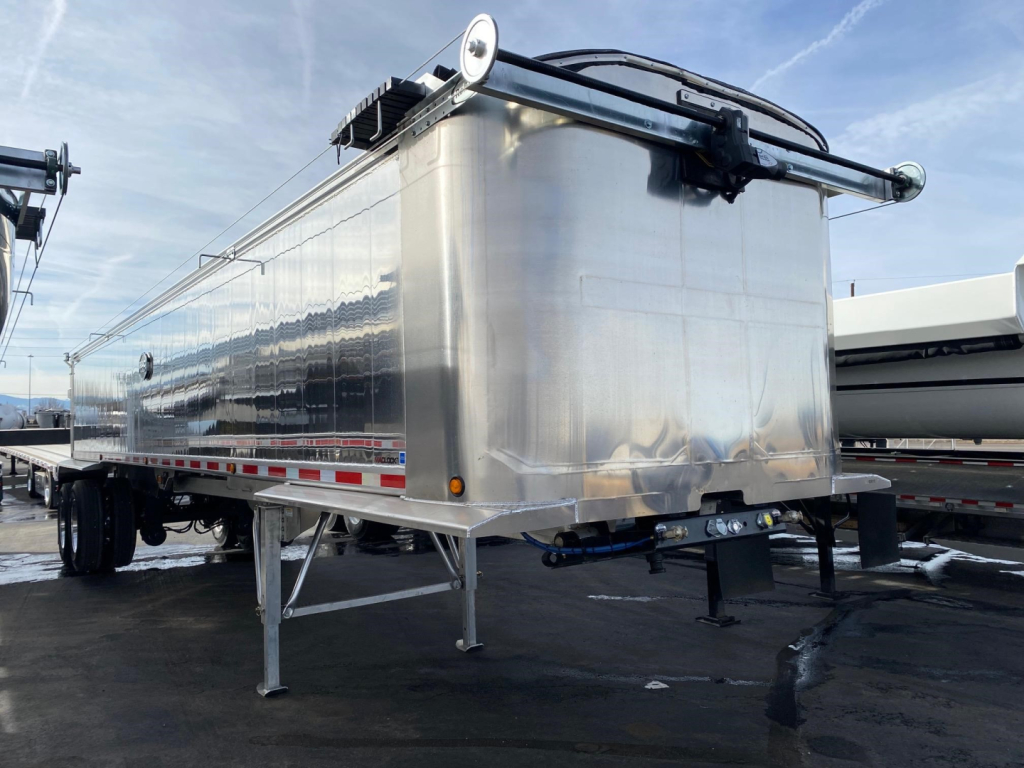
Selling a 2027 dump trailer? List your 2027 dump trailer for sale and reach thousands of commercial buyers.
2027 Dump Trailers in Colorado
Frequently Asked Questions about 2027 Dump Trailers in Colorado
What type of dump trailer is best for Colorado hauling applications?
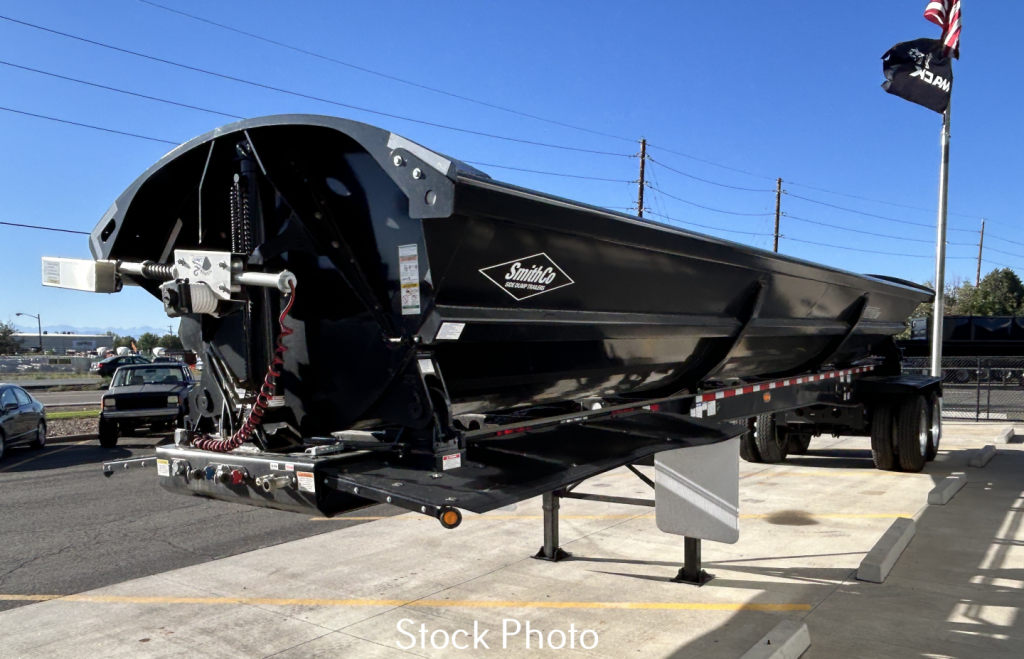
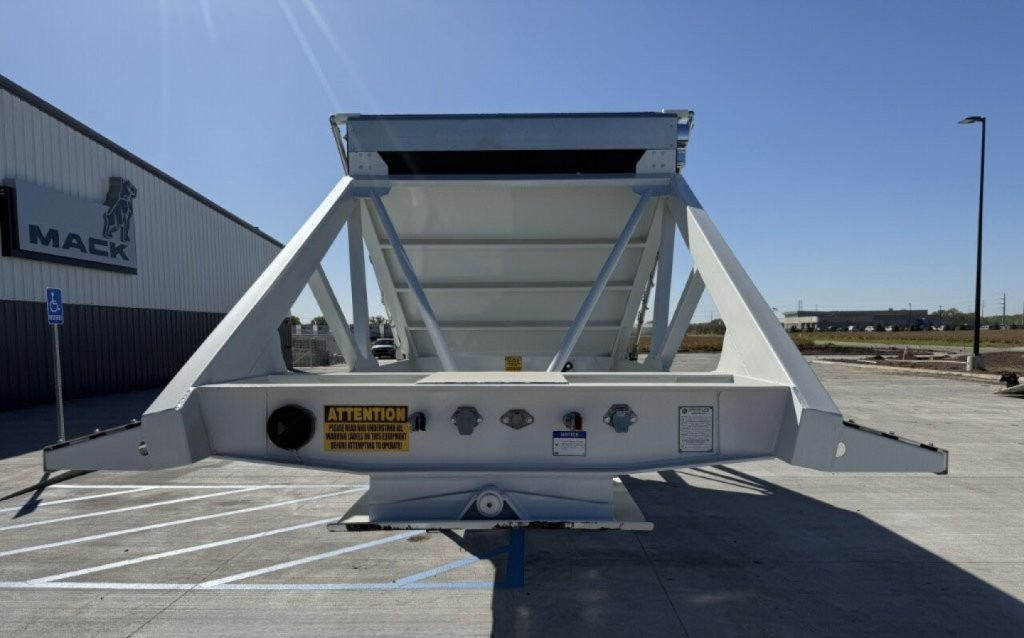
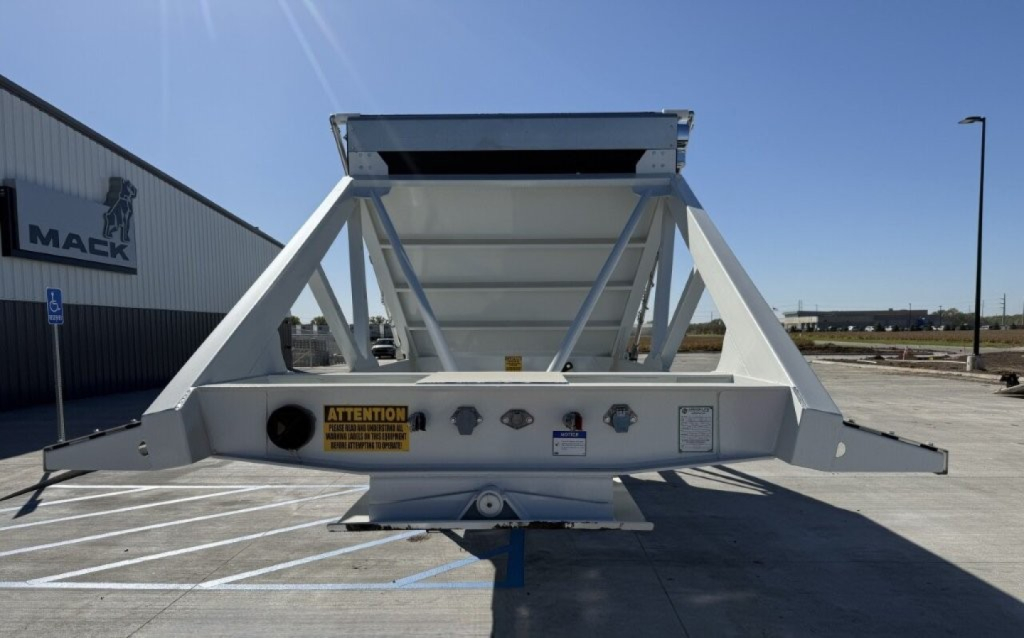
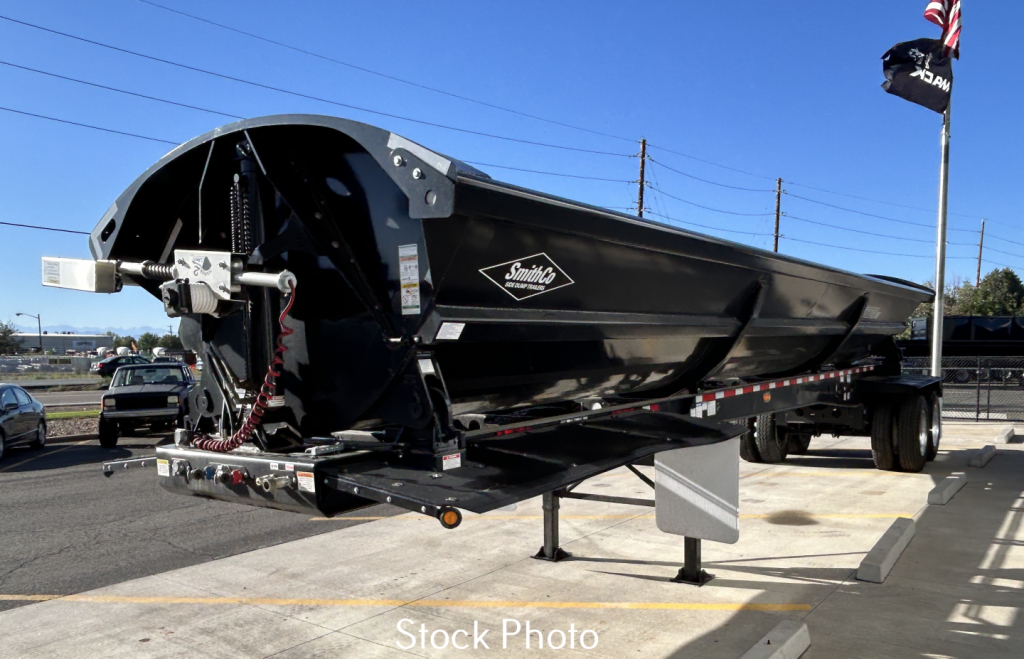
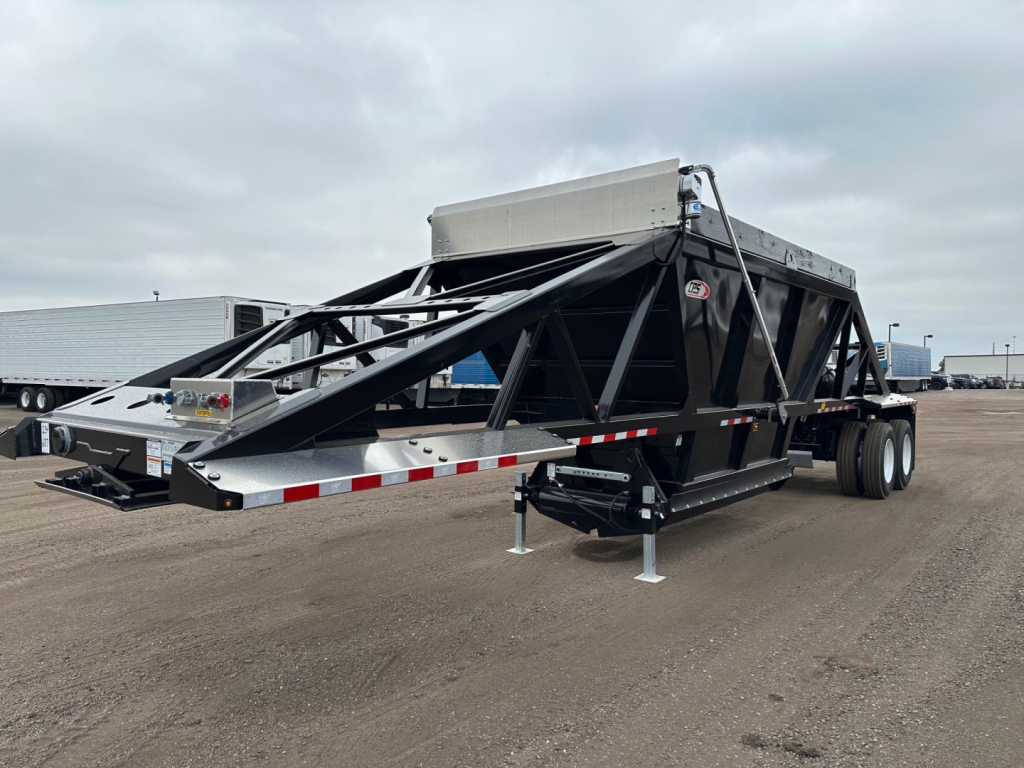
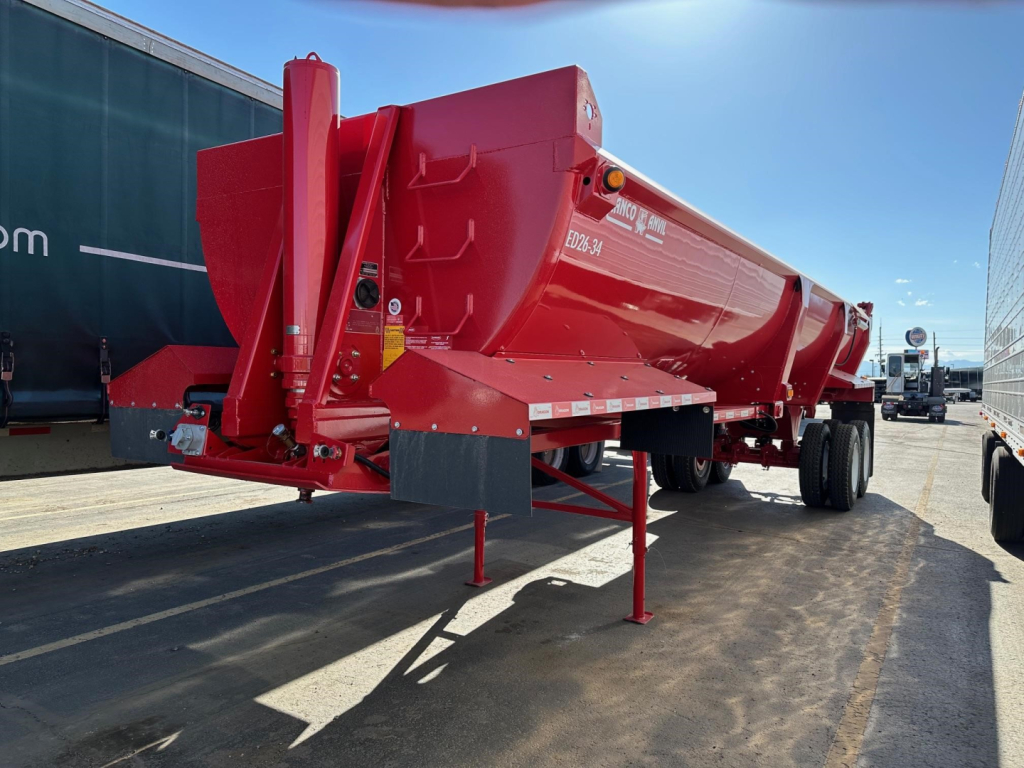
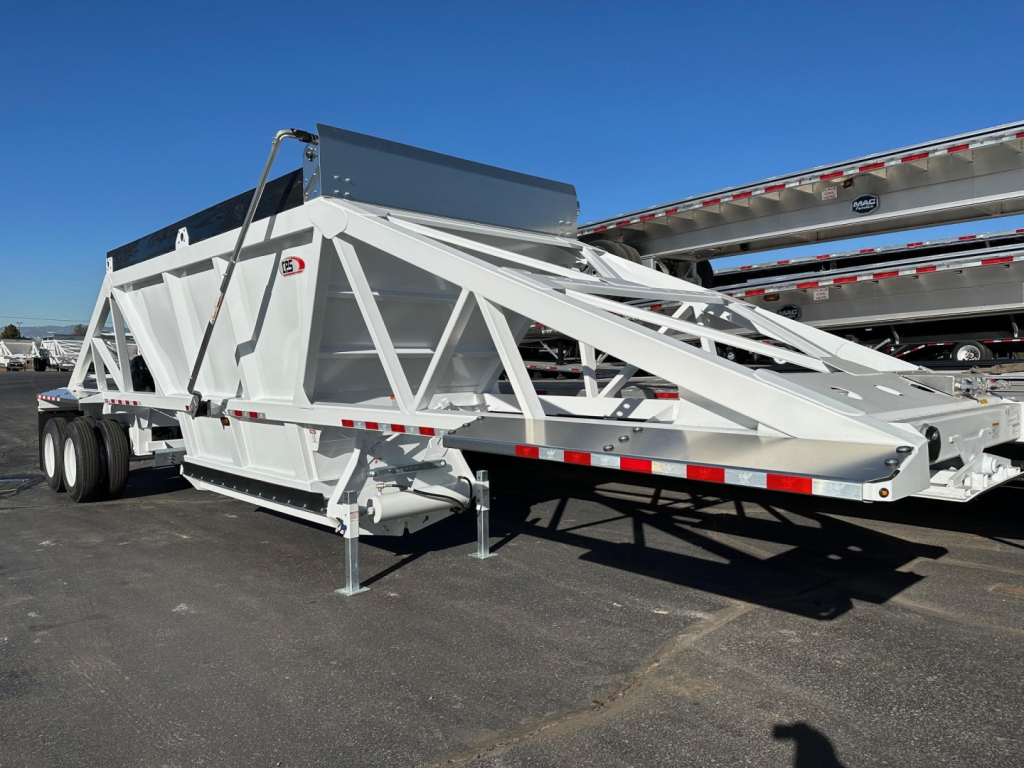
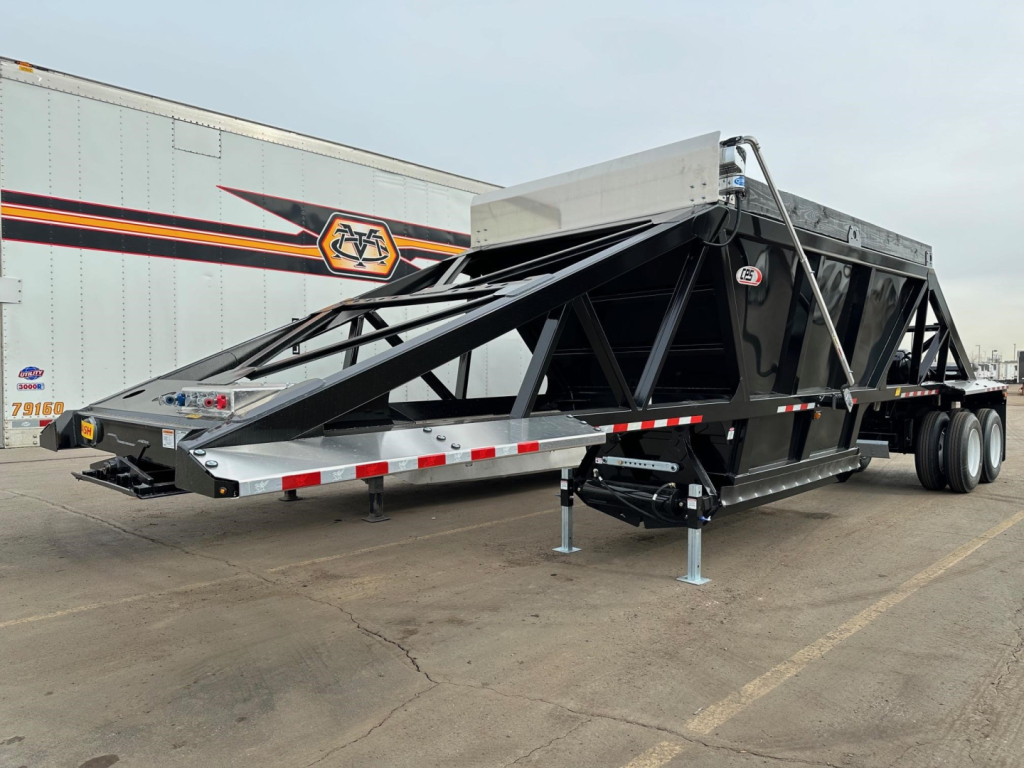
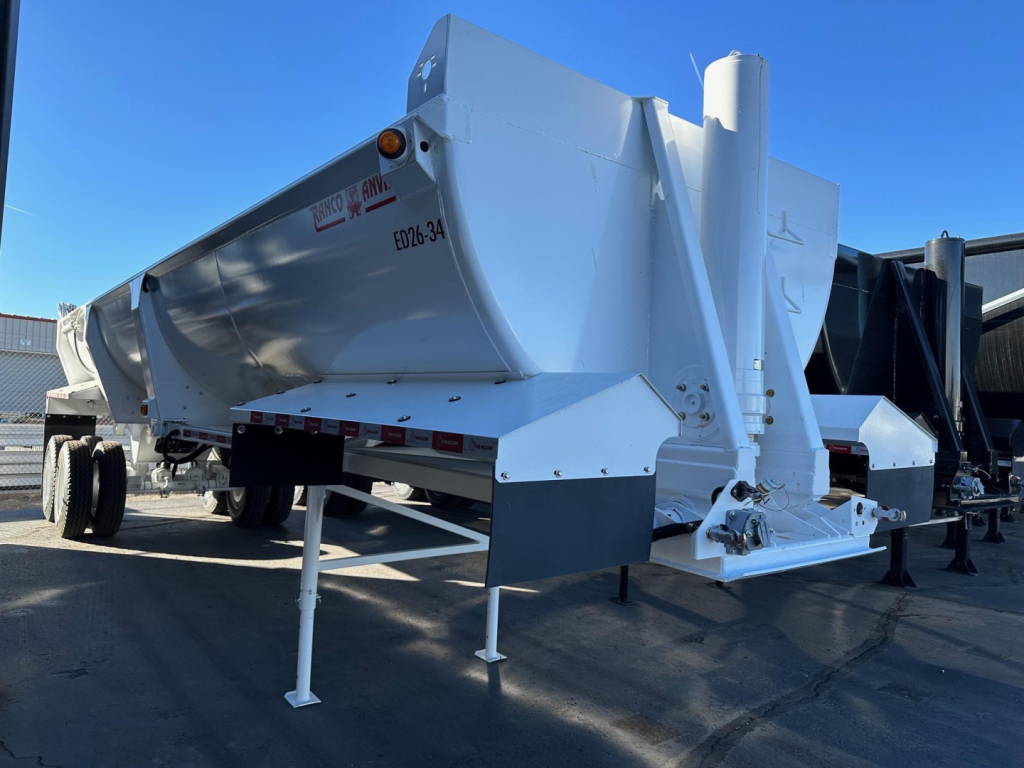
It depends on the material and the terrain. End dumps are a strong fit for gravel, dirt, demo debris, and general-purpose bulk hauling, especially when cubic capacity matters. Side dumps are often preferred on uneven jobsites, in soft ground, or where rollover risk is a concern because the trailer stays lower during discharge. Bottom dumps are popular for paving support, shoulder work, and aggregate spreading because they can meter material in a controlled windrow. Colorado fleets often choose based on route mix, axle laws, and whether the work is off-road, plant-to-jobsite, or highway-focused.
What specs matter most when comparing a 2027 dump trailer?
Body material, trailer style, suspension, axle configuration, and gate or tarp setup are usually the first items to compare. Aluminum bodies reduce tare weight and can improve payload on legal loads, while steel bodies and AR plate tubs are often preferred for abrasive rock, demolition, and severe-duty work. Buyers should also look at body length, side height, cubic yard capacity, kingpin setting, kingpin height, axle spacing, lift axle options, liner packages, and whether the trailer uses air ride or another suspension. On dump trailers, the small details like hinge design, tub corner reinforcement, hoist geometry, and gate style often affect long-term uptime more than cosmetic differences.
Are aluminum or steel dump trailers better?
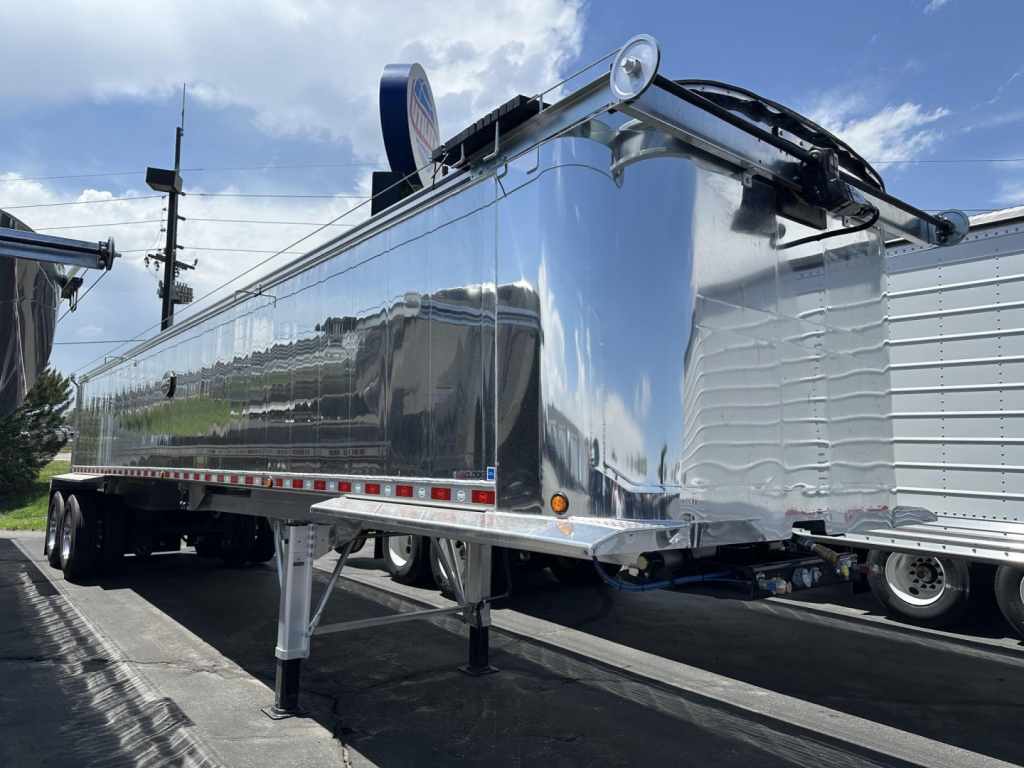
Aluminum dump trailers are typically chosen for lighter tare weight and better payload efficiency, especially in aggregate and long-haul bulk work where every pound counts. Steel dump trailers generally offer better resistance to impact and abrasion in rock, riprap, scrap, or demolition applications. Many buyers in mountain and quarry regions lean toward steel or steel-lined bodies for durability, while operations hauling sand, gravel, or milled material on a tight legal payload model may prioritize aluminum. The right answer usually comes down to material density, loading method, and how rough the dump environment is.
What features improve safety and productivity on newer dump trailers?
Common productivity and safety features include electric flip tarps or roll-over tarps, tarp lockout systems, high-lift or top-hinge gates, push blocks, fenders, LED light packages, ladders, dump valves, and ABS systems. On side dumps, cylinder design, pivot point layout, and tub corner engineering are key stability and durability factors. On bottom dumps, gate limiter systems and consistent metering control matter for road work. Buyers also pay close attention to suspension setup, tire size, and wheel material because those choices affect ride quality, maintenance costs, and trailer control under changing Colorado weather and road conditions.