
2027 Armor Lite Dump Trailers For Sale in Colorado
Shop 2027 Armor Lite dump trailers, including lightweight end dumps with spring or air ride, tarp systems, and specs suited for aggregate hauling.
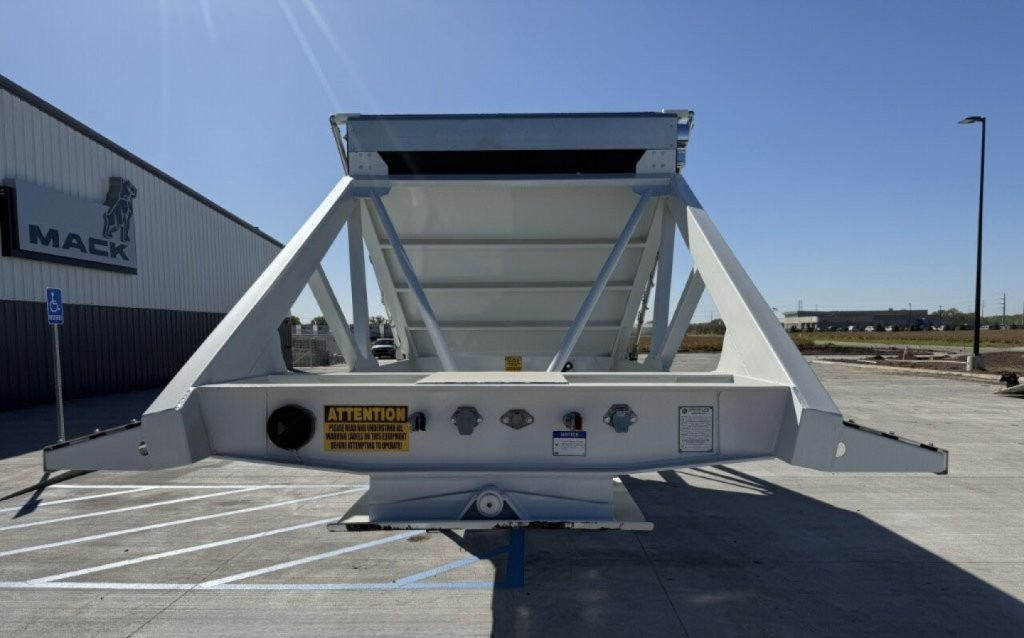
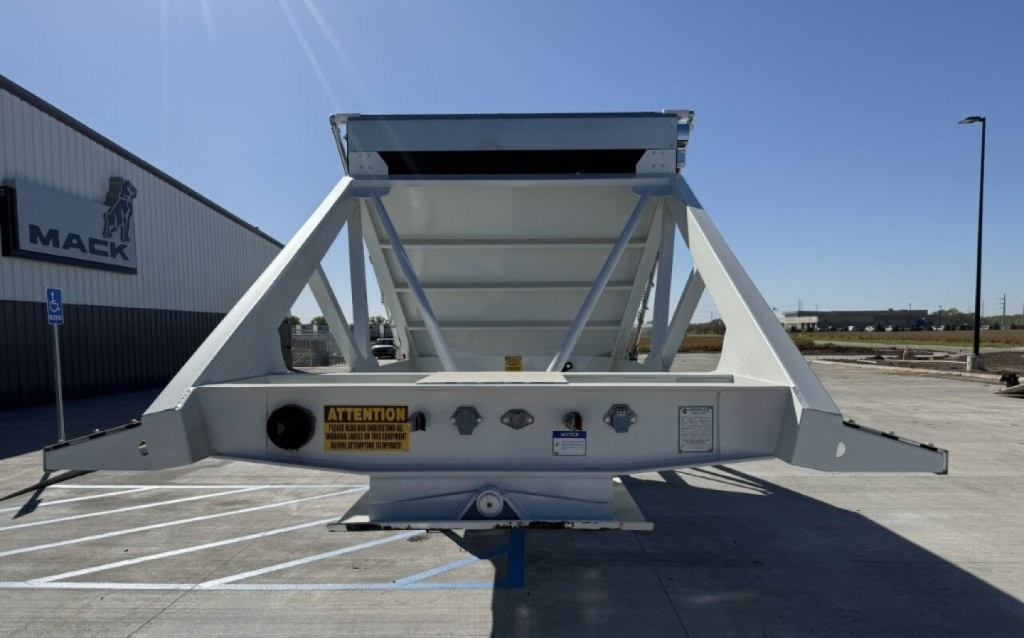
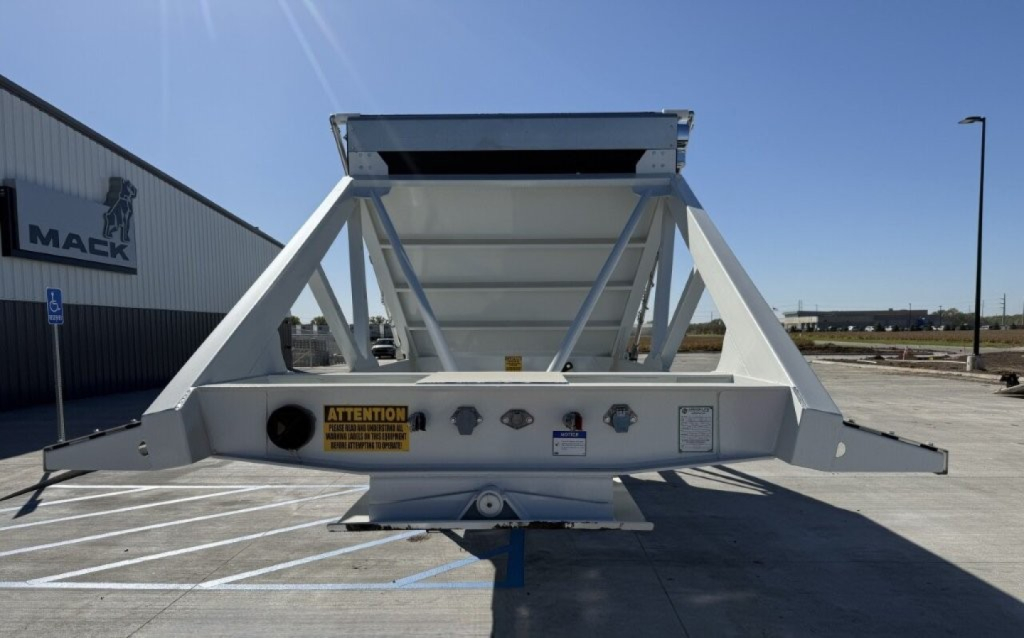
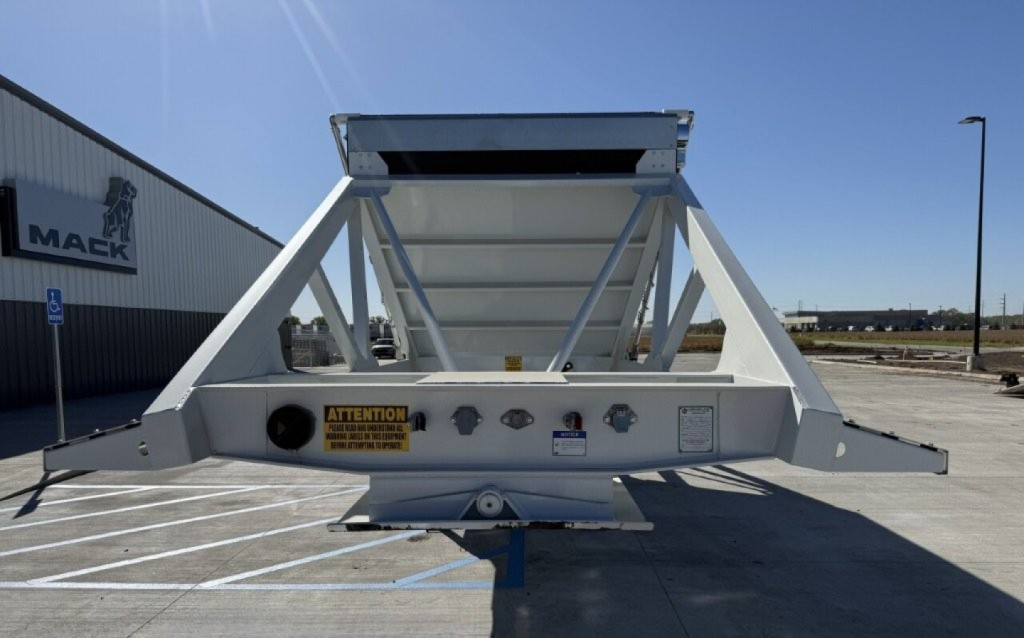
Selling a 2027 armor lite dump trailer? List your 2027 armor lite dump trailer for sale and reach thousands of commercial buyers.
2027 Armor Lite Dump Trailers in Colorado
A buyer comparing dump trailers in this class should pay close attention to suspension, body design, and tarp configuration. Spring ride remains a straightforward choice for fleets that value simplicity and lower upfront complexity, while air ride and tri-axle setups can help with load distribution, ride quality, and certain state or jobsite requirements. Skeleton-style construction is aimed at reducing trailer weight, and that matters most for non-abrasive to moderately abrasive materials where maximizing payload is the priority. Common specs in this group include 11R24.5 tires, steel wheels, aluminum fenders, electric flip tarp systems, and body dimensions around 96 inches wide. Hopper opening dimensions, side board height, and hoist geometry are worth reviewing closely because they affect load flow, unloading speed, and how the trailer handles sticky material.
For Colorado buyers, terrain and operating environment matter as much as body capacity. Mountain grades, variable weather, and mixed highway-jobsite use put more importance on brake condition, suspension spec, tarp reliability, and body stability during unloading. A properly matched dump trailer should be evaluated for center of gravity, axle spread, tire spec, and how it will perform on uneven dump surfaces. If the work involves long hauls on paved roads, a lightweight aluminum-focused build may make sense. If the operation sees rough access roads, transfer points, or more punishing material, buyers should carefully assess body reinforcement, liner options, crossmember design, and maintenance access points.
Armor Lite dump trailers in this segment are generally chosen by owner-operators and fleets that want a clean, efficient end dump platform for bulk commodity work. The key buying decision is not just length or cubic yards. It is matching tare weight, suspension type, axle configuration, and tarp system to the exact material and route. A dump trailer that is ideal for crushed stone on state highways may not be the best match for demolition debris or severe off-road conditions. Buyers who compare body construction, legal payload potential, and unloading stability side by side usually make the strongest choice in this category.
Frequently Asked Questions about 2027 Armor Lite Dump Trailers in Colorado
What are the most common specs to compare on an Armor Lite dump trailer?
The most important specs are trailer length, cubic yard capacity, suspension type, axle configuration, tire size, body width, and tarp system. Buyers should also compare hopper dimensions, side height, wheel material, and overall tare weight. On lightweight end dumps, small differences in body construction and suspension can change legal payload, ride quality, and how well the trailer performs during unloading.
Is a spring ride or air ride dump trailer better for this category?
Spring ride is often preferred for its simpler design, lower maintenance complexity, and dependable performance in basic aggregate service. Air ride can offer better ride quality, improved load protection, and more flexibility for certain fleet applications or state weight considerations. The right choice depends on haul distance, road conditions, maintenance practices, and whether the trailer needs to operate primarily on pavement, at jobsites, or in mixed service.
What does a skeleton dump trailer design mean?
A skeleton design generally refers to a lightweight construction approach intended to reduce tare weight and increase payload potential. That makes it attractive for hauling bulk commodities where every extra pound of legal payload matters. Buyers should still confirm that the trailer's structure, body thickness, and reinforcement are appropriate for the materials being hauled, because a lightweight design is not automatically the best choice for highly abrasive or severe-service applications.
How much material can a 40-foot to 42-foot dump trailer typically haul?
Many dump trailers in this size range are configured around roughly 23.5 cubic yards, although actual usable capacity depends on side board height, body shape, liner setup, and material density. Cubic yard rating is only part of the equation. Legal payload is also limited by trailer weight, axle setup, tractor spec, and state bridge laws, so buyers should match the trailer to both the commodity and the legal operating environment.
What should Colorado buyers pay special attention to when shopping dump trailers?
Colorado buyers should focus on grade performance, stability during unloading, brake and suspension condition, and tarp durability in wind and weather. Mountain routes and uneven dump sites can expose weaknesses in suspension setup, tire selection, and overall trailer balance. A dump trailer used in Colorado should be matched carefully to road grades, jobsite surfaces, and the type of material being hauled so that payload efficiency does not come at the expense of safety or uptime.