
2027 Dump Trailers For Sale
Shop 2027 dump trailers for hauling aggregate, dirt, asphalt, and demolition loads. Compare end dump, side dump, and bottom dump specs.
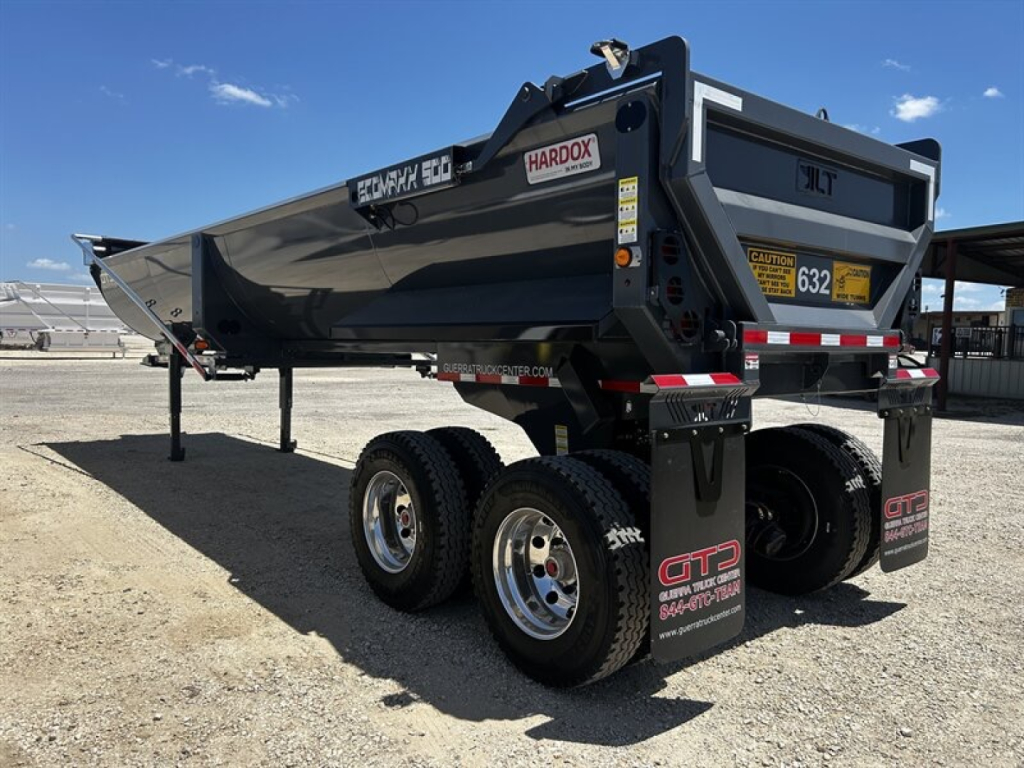
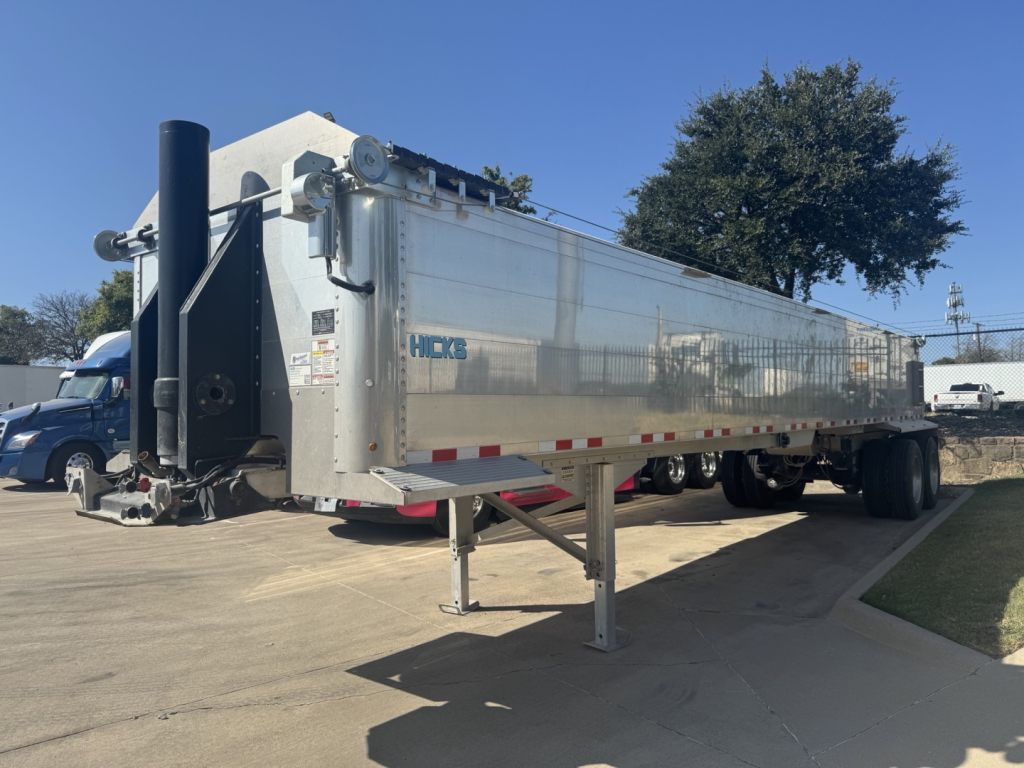
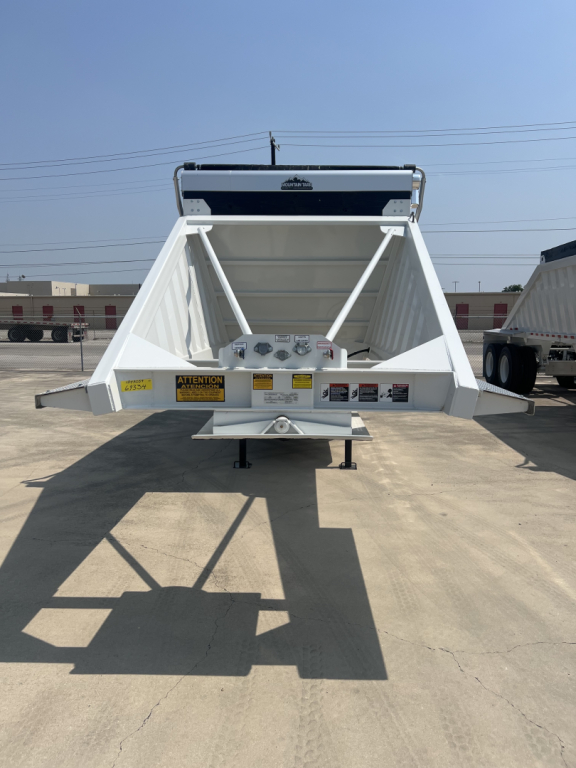
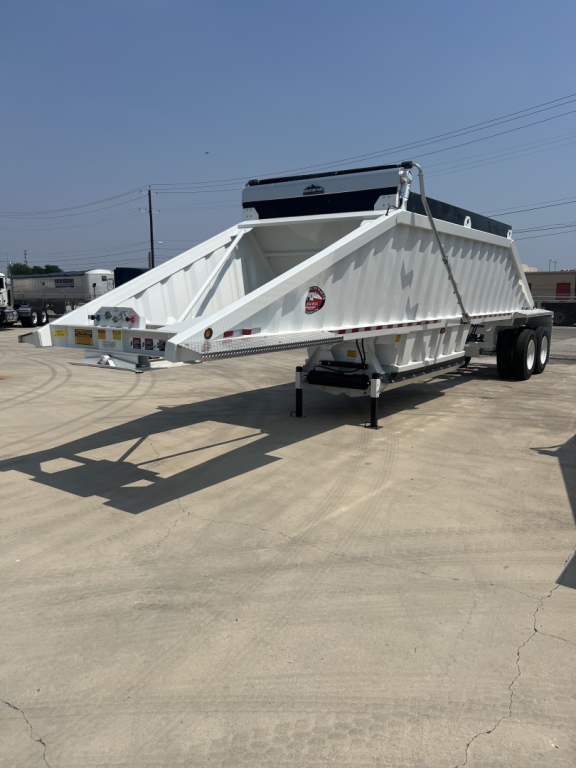
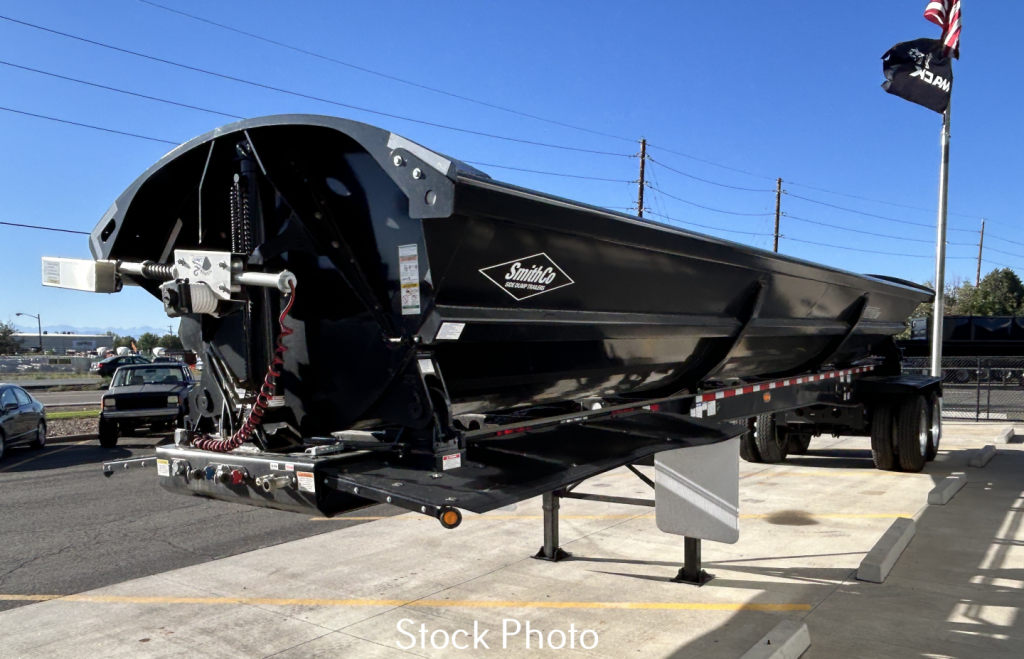
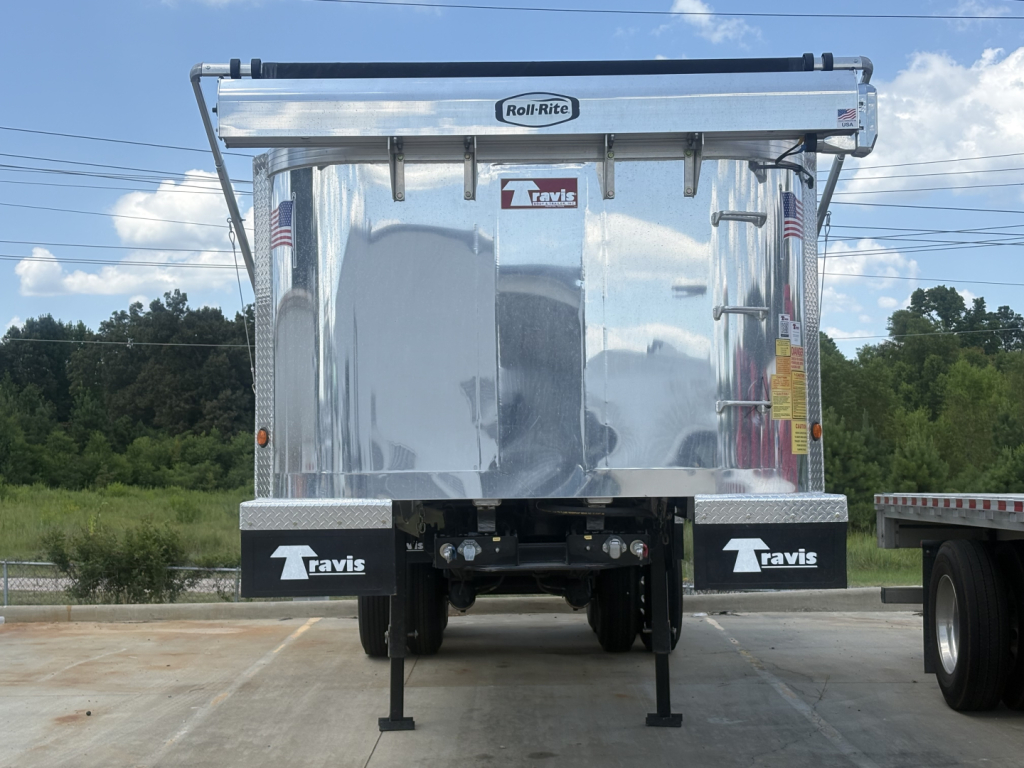
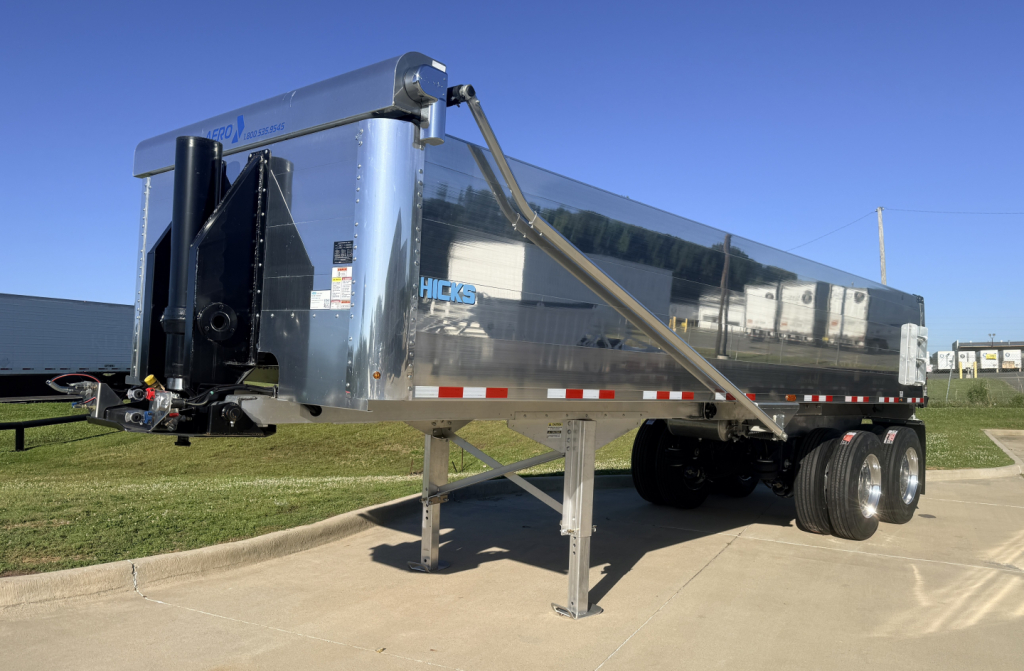
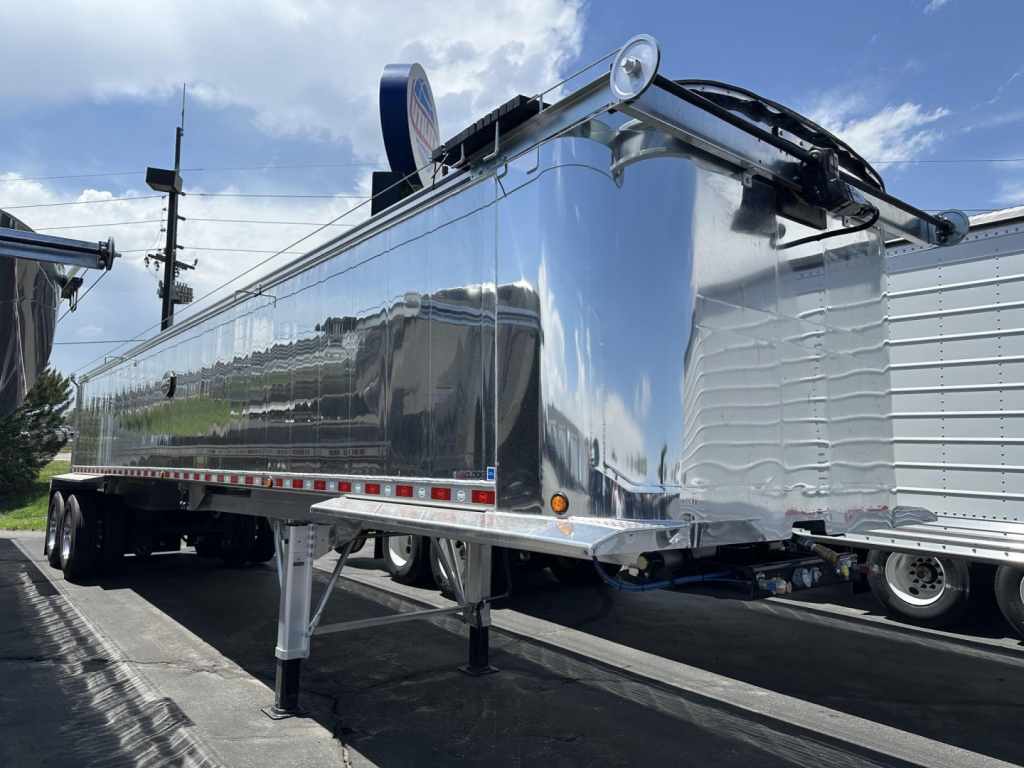
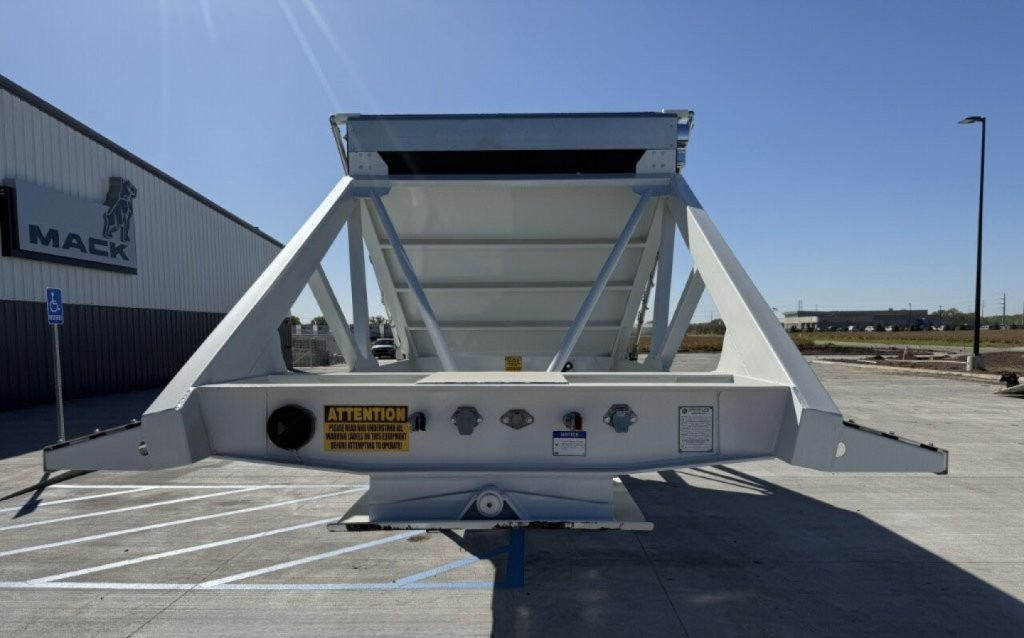
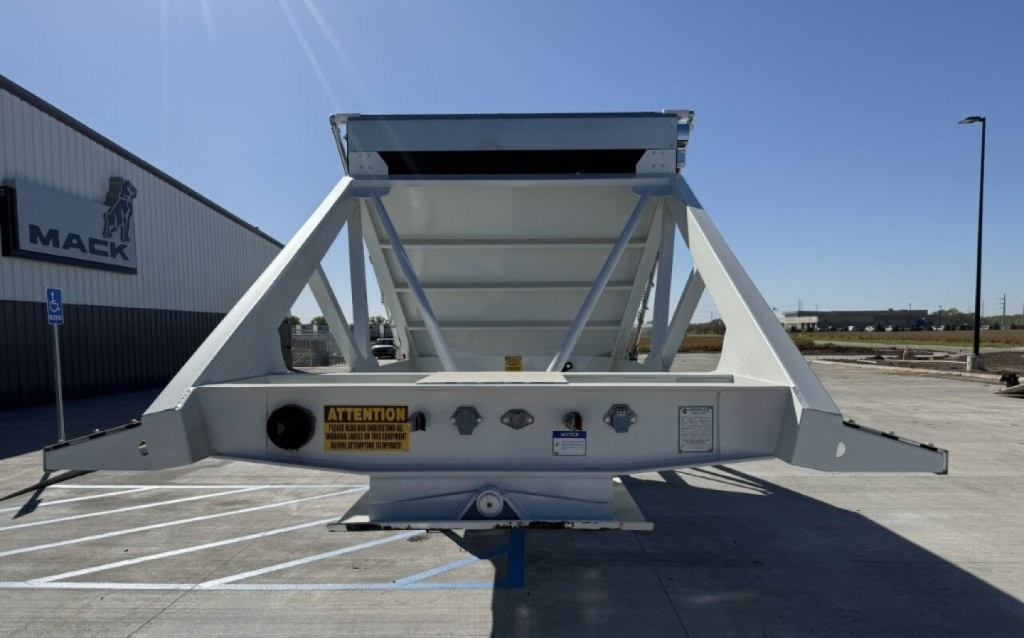
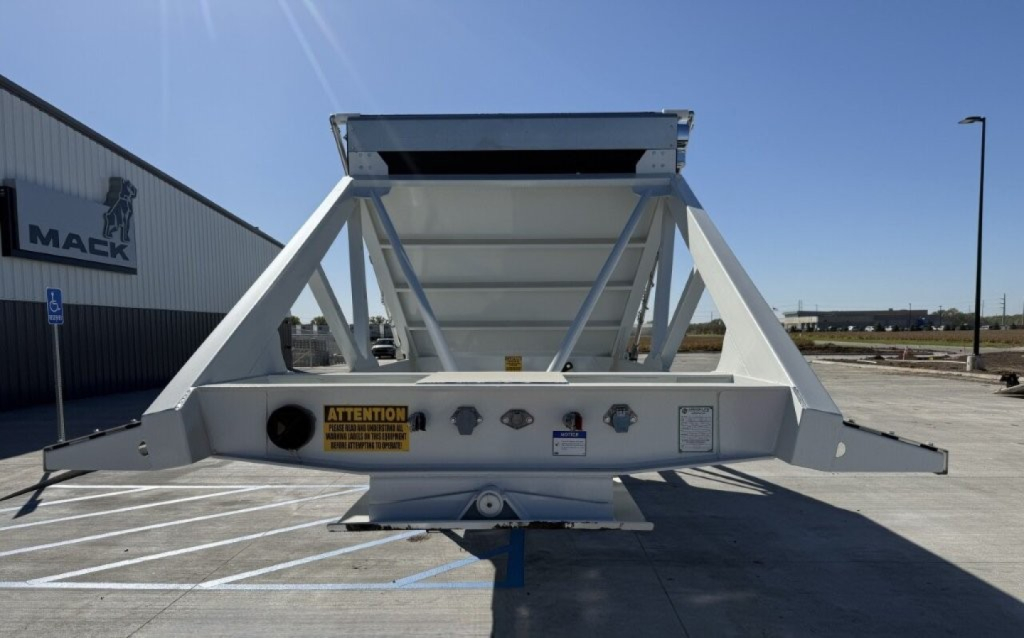
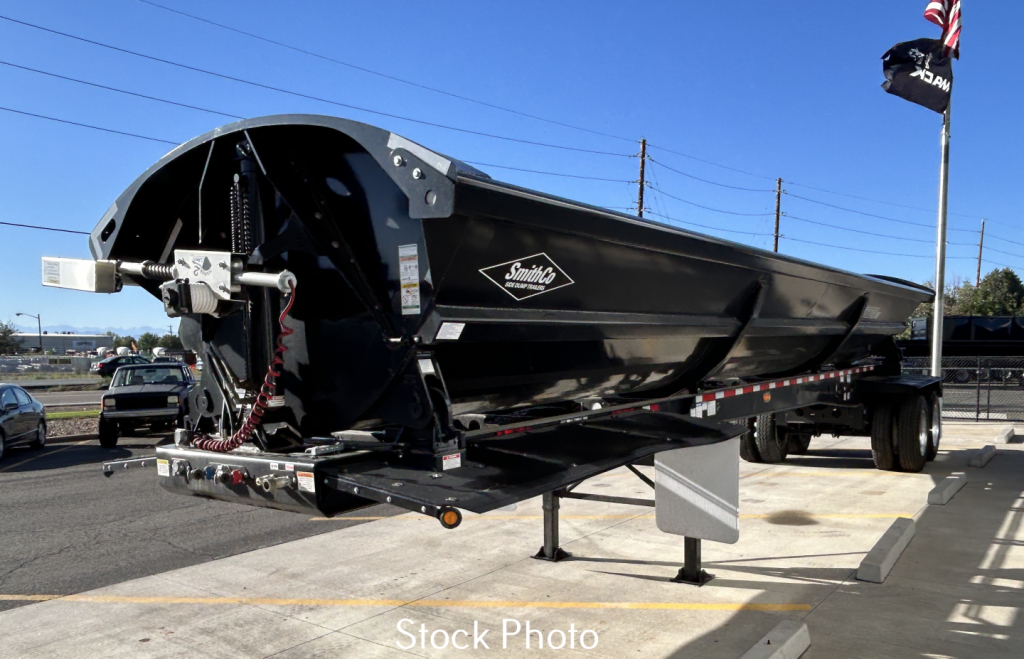
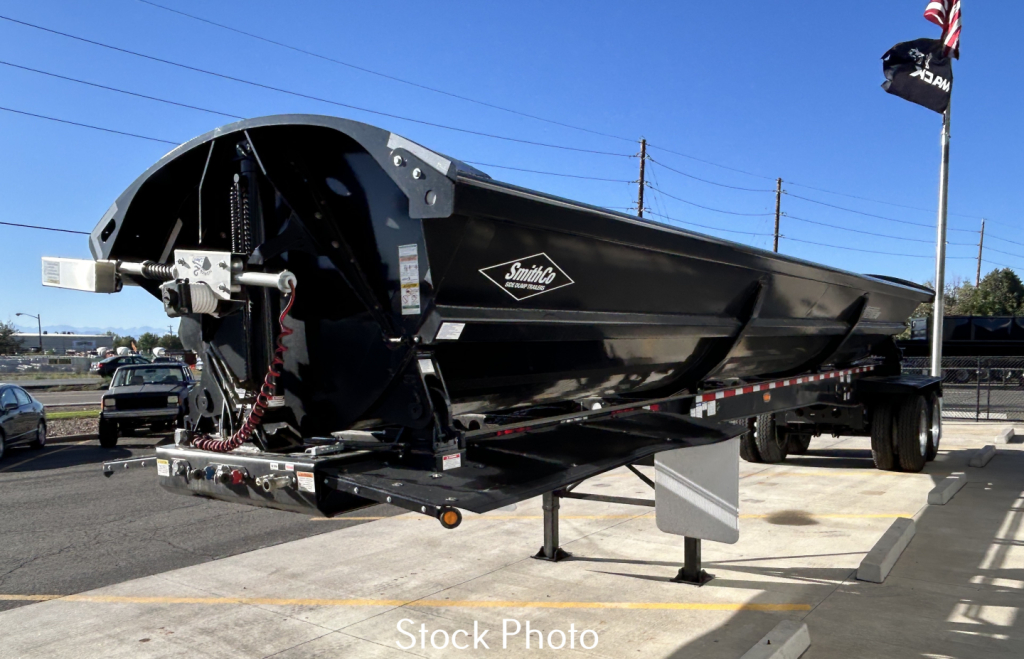
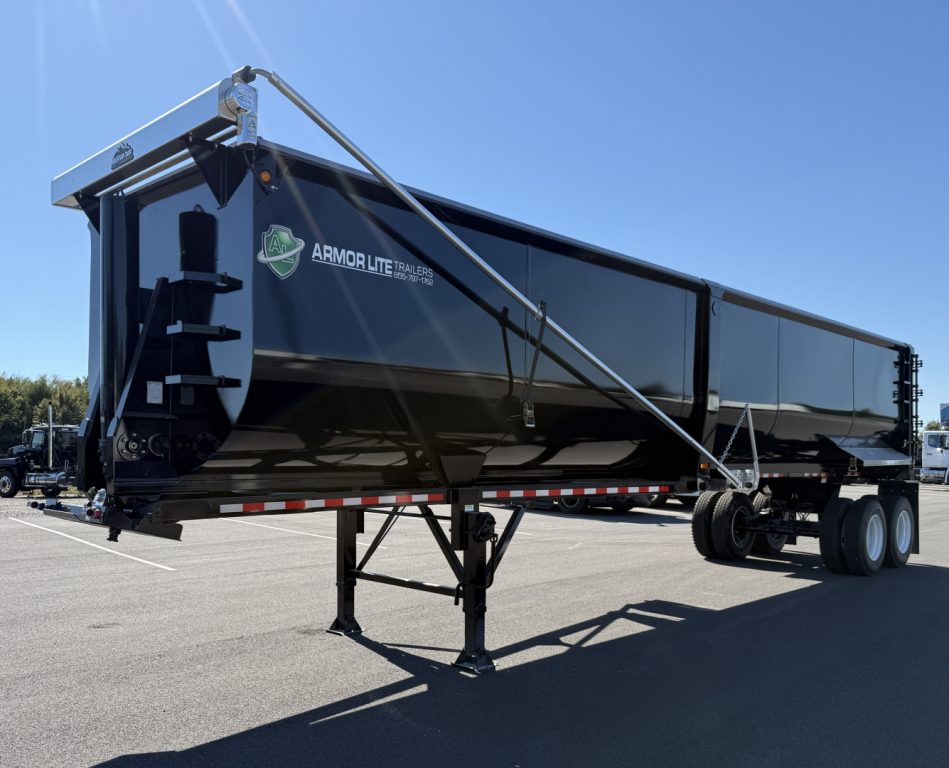
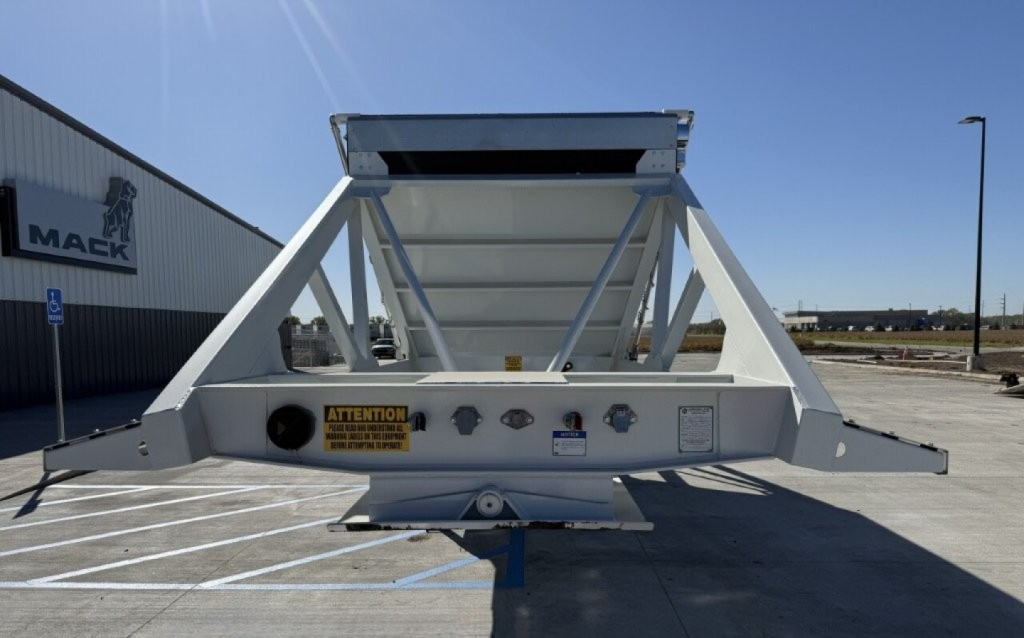
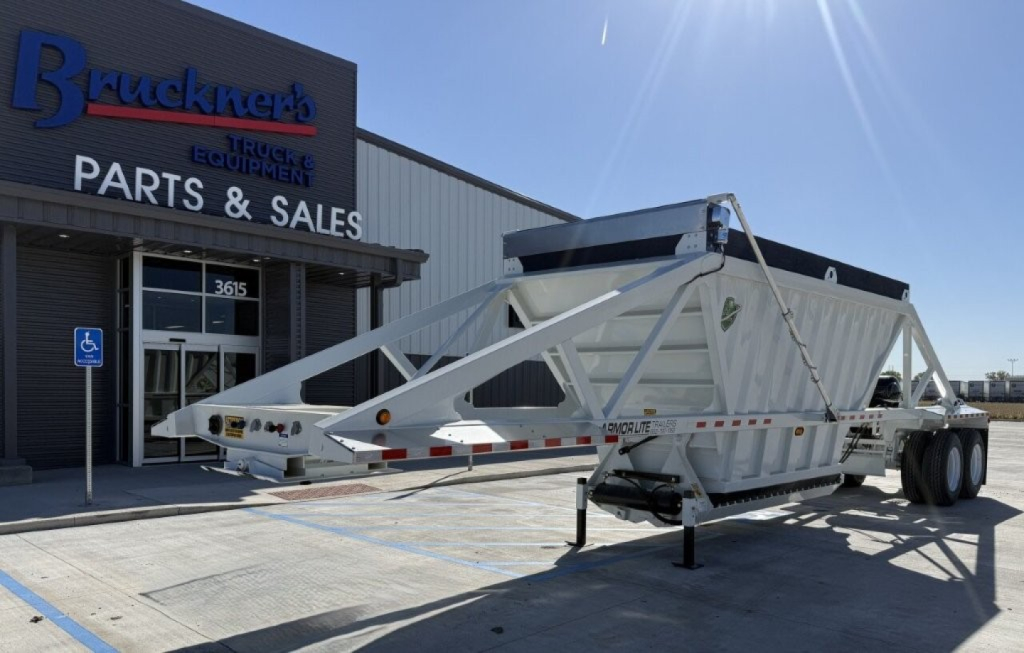
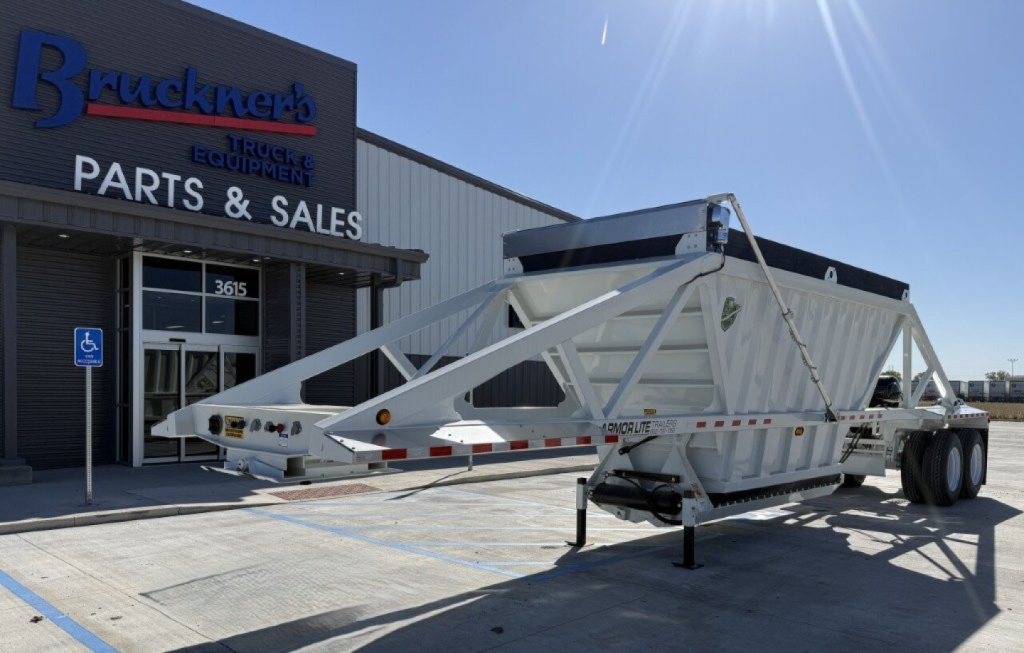
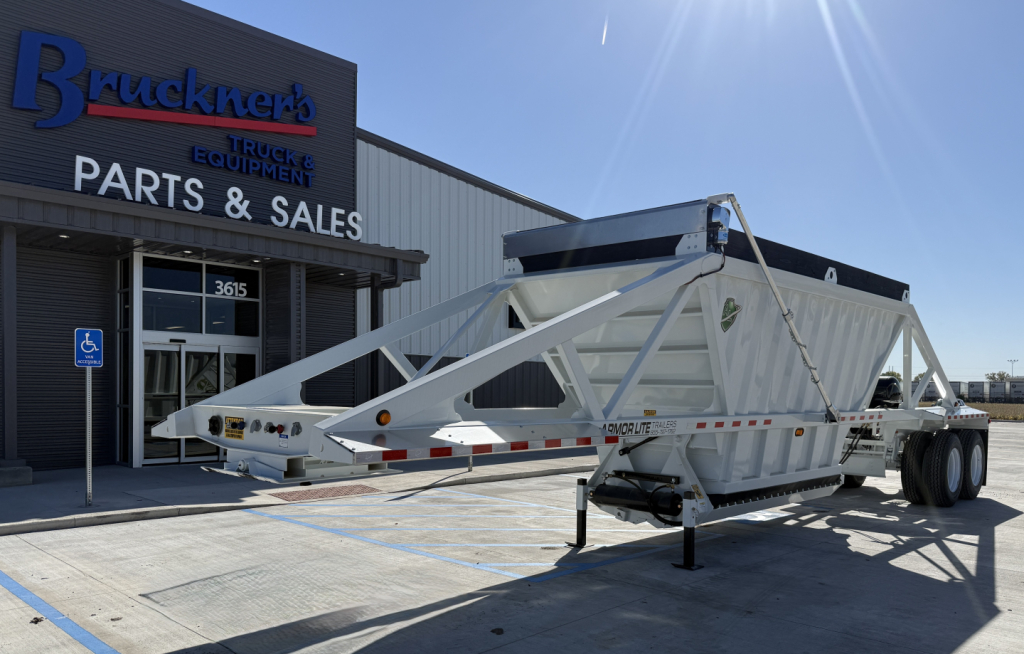
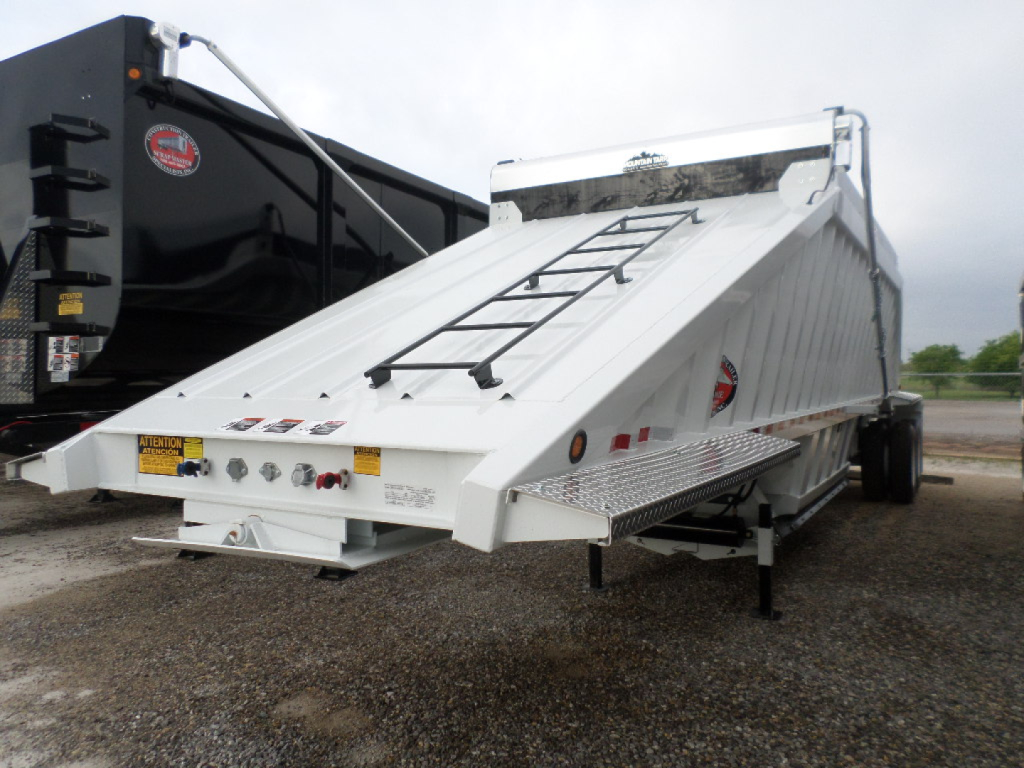
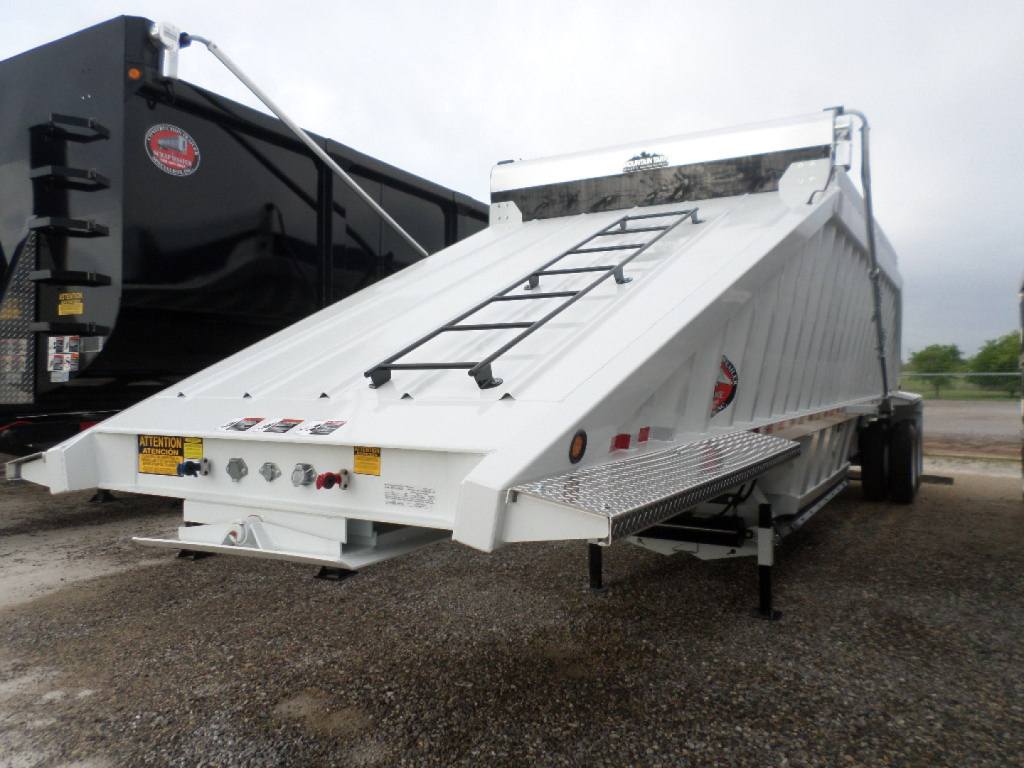
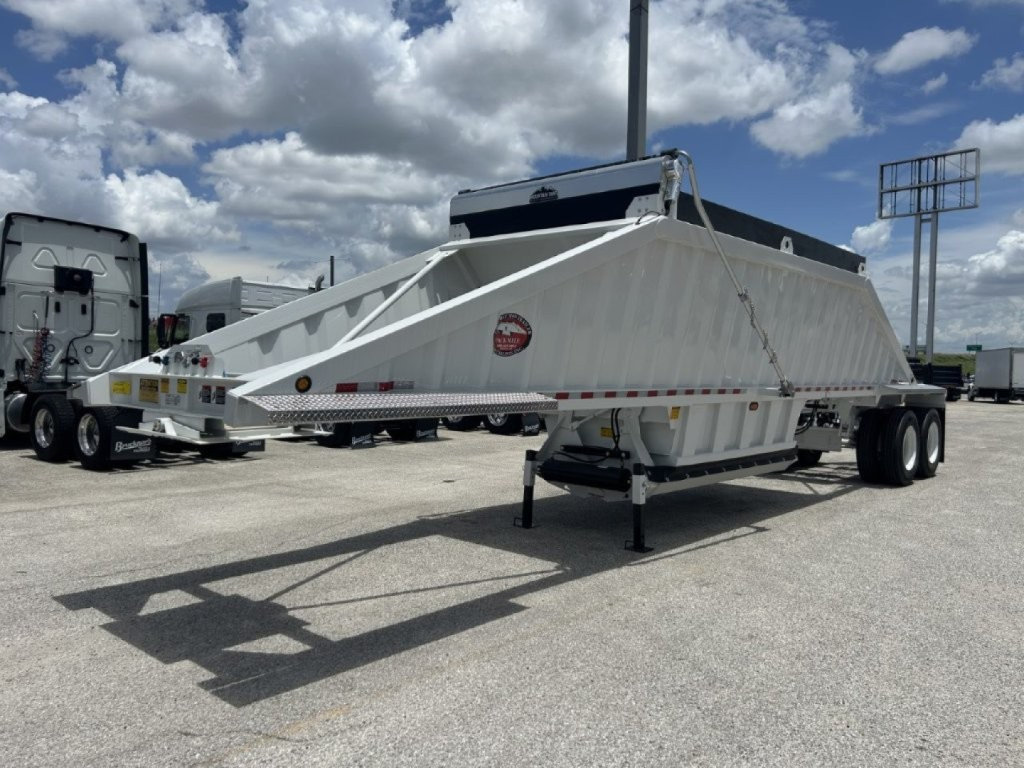
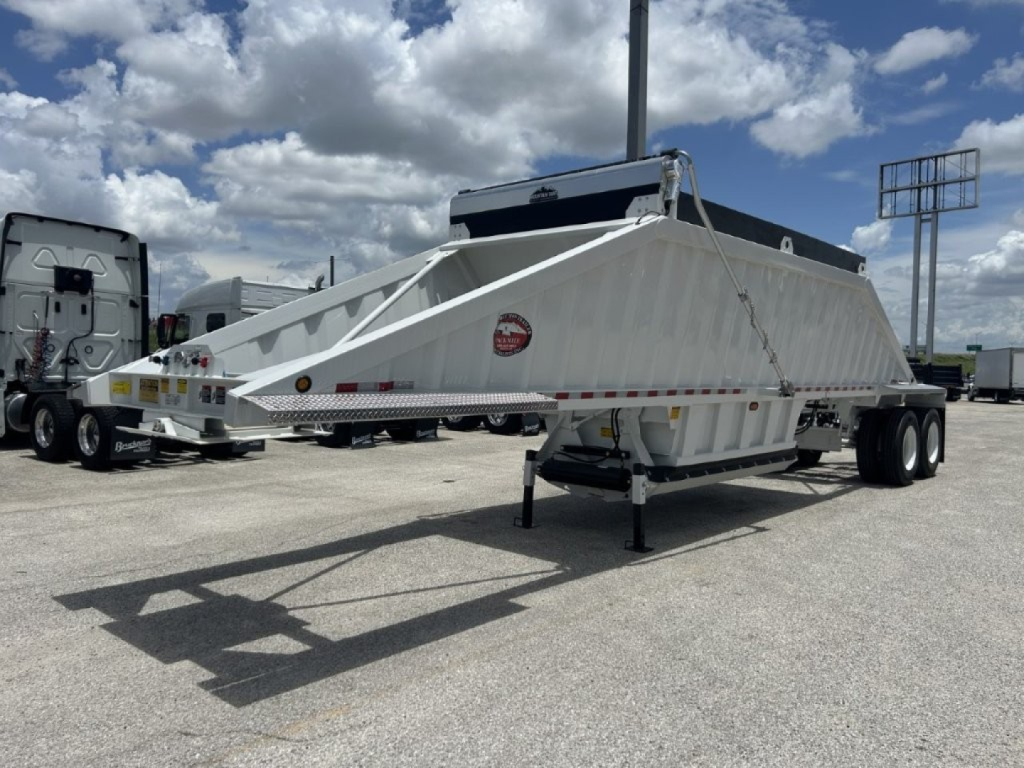
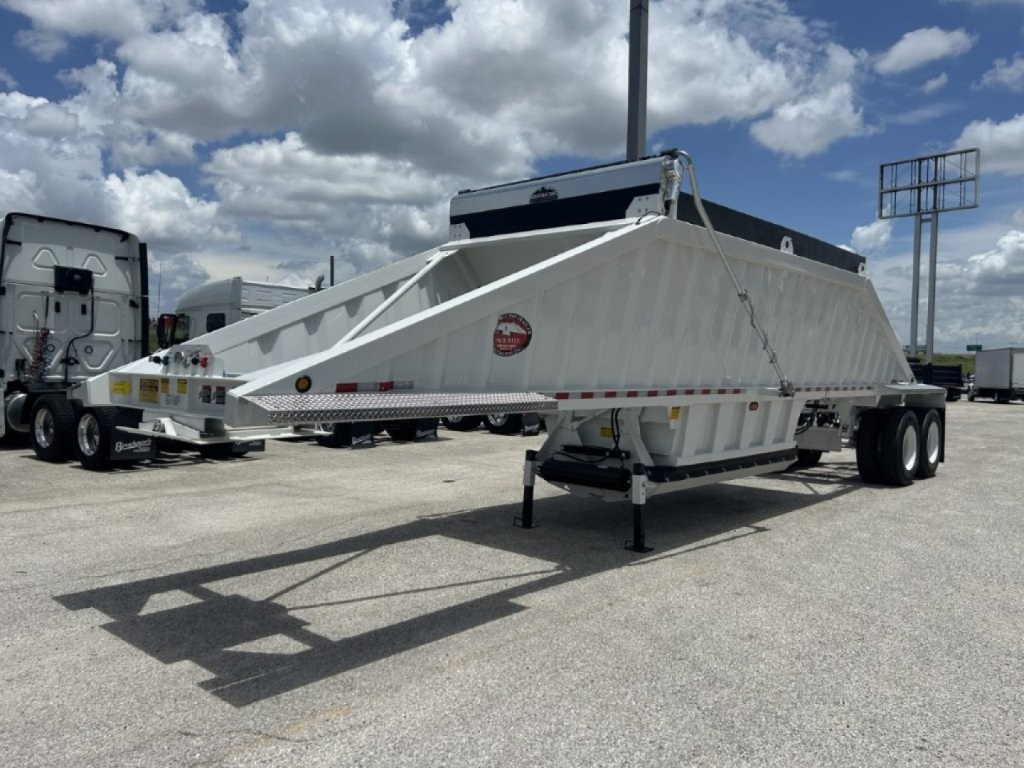
Showing 1 to 28 of 69 results
Selling a 2027 dump trailer? List your 2027 dump trailer for sale and reach thousands of commercial buyers.
2027 Dump Trailers
Body construction is one of the first specs to compare. Buyers typically look at tub style, steel grade, trailer length, cubic yard capacity, and suspension layout. Half-round and round-bottom tubs are popular for rock and aggregate because they shed material cleanly and reduce hang-up. AR400 and similar abrasion-resistant steel are common in rock tubs because they hold up better against impact and wear. Frameless end dumps save weight and maximize payload, while frame-type designs can offer a different balance of durability and application fit depending on the material and terrain. Lengths around 34 to 40 feet are common, and capacity should be matched to payload targets, legal axle weights, and the density of the material being hauled.
Suspension, axle configuration, and dump system design have a direct impact on performance and safety. Air ride tandem suspensions are widely used for ride quality and cargo protection, while spring ride still has a place in tougher vocational environments. On side dumps, buyers often focus on cylinder design, pivot points, and overall dump stability. On end dumps, center of gravity, hoist geometry, and gate style are key considerations. High-lift gates, single-point gate controls, push blocks, slope sheets, tarp lockout switches, and electric roll-over or cable tarps all affect day-to-day usability. Wheel material, tire size, liner condition, and lighting package also matter because these trailers spend their lives in abrasive, high-cycle service.
The right 2027 dump trailer depends on material, terrain, and unload method. Rock, riprap, broken concrete, and demolition debris call for heavier tubs and wear-focused specs. Sand, gravel, millings, and hot mix often put more emphasis on clean discharge, tarp systems, and axle setup. A buyer comparing dump trailers should pay close attention to tub material, sidewall design, gate configuration, suspension type, and overall empty weight. Those details drive payload, maintenance cost, and how well the trailer fits the jobsite conditions it will see every day.
Frequently Asked Questions about 2027 Dump Trailers
What is the difference between an end dump, side dump, and bottom dump trailer?
An end dump trailer raises the front of the body and unloads out the rear, which makes it common for aggregate, scrap, demolition, and general bulk hauling. A side dump trailer discharges to the side through a tub that pivots, which offers excellent stability and fast cycle times on uneven ground or roadbuilding sites. A bottom dump trailer releases material through hopper gates underneath the trailer, which allows controlled spreading and is especially useful for paving support, site prep, and windrow applications.
What body material is best for a dump trailer hauling rock or abrasive material?
Abrasion-resistant steel such as AR400 is a common choice for rock and other high-wear applications because it stands up better to impact and sliding abrasion than standard steel. Buyers hauling shot rock, riprap, recycled concrete, or demolition debris usually prioritize tub thickness, corner reinforcement, and overall body design as much as the steel grade itself. A half-round or round-bottom tub also helps material release cleanly, which can reduce carryback and stress on the body.
Is air ride or spring ride better on a dump trailer?
Air ride is often preferred when ride quality, reduced shock loading, and better highway manners are important. It is common on many modern side dumps and end dumps used in mixed on-road and jobsite service. Spring ride remains attractive in severe-duty vocational work because of its simplicity and durability. The better choice depends on road conditions, maintenance preferences, payload sensitivity, and how much off-road exposure the trailer will see.
How do I choose the right dump trailer length and capacity?
Length and capacity should be matched to the type of material, expected payload, and legal axle limits in the states where the trailer will run. Dense materials like wet sand, gravel, and rock can hit weight limits before the body is full, so a larger cubic yard rating is not always better. Lighter materials may benefit from more body volume. Buyers should compare trailer empty weight, body dimensions, axle spacing, and suspension configuration to make sure the trailer can carry a profitable payload without sacrificing legality or stability.
What features should I look for on a newer dump trailer?
Key features include the right tub style for the material, durable steel construction, reliable tarp system, proper gate configuration, and a suspension setup suited to the route. On side dumps, stable cylinder and pivot designs are critical. On end dumps, hoist geometry and gate operation matter. Many buyers also look for push blocks, fenders, LED lighting, liner options, tire inflation systems, and controls that simplify unloading and improve safety in high-cycle operations.